

Recensione di Microsoft Planner: Vantaggi, Svantaggi, Funzionalità e Prezzi
Microsoft Planner eccelle nell'automazione delle attività e nella gestione dei progetti, in particolare per i team che utilizzano le app Microsoft 365, offrendo un mix di funzionalità e affidabilità.

Recensiamo gli strumenti in modo indipendente e le commissioni aiutano a finanziare i nostri test. Consulta la nostra politica sulla trasparenza, la nostra metodologia, oppure suggerisci uno strumento.
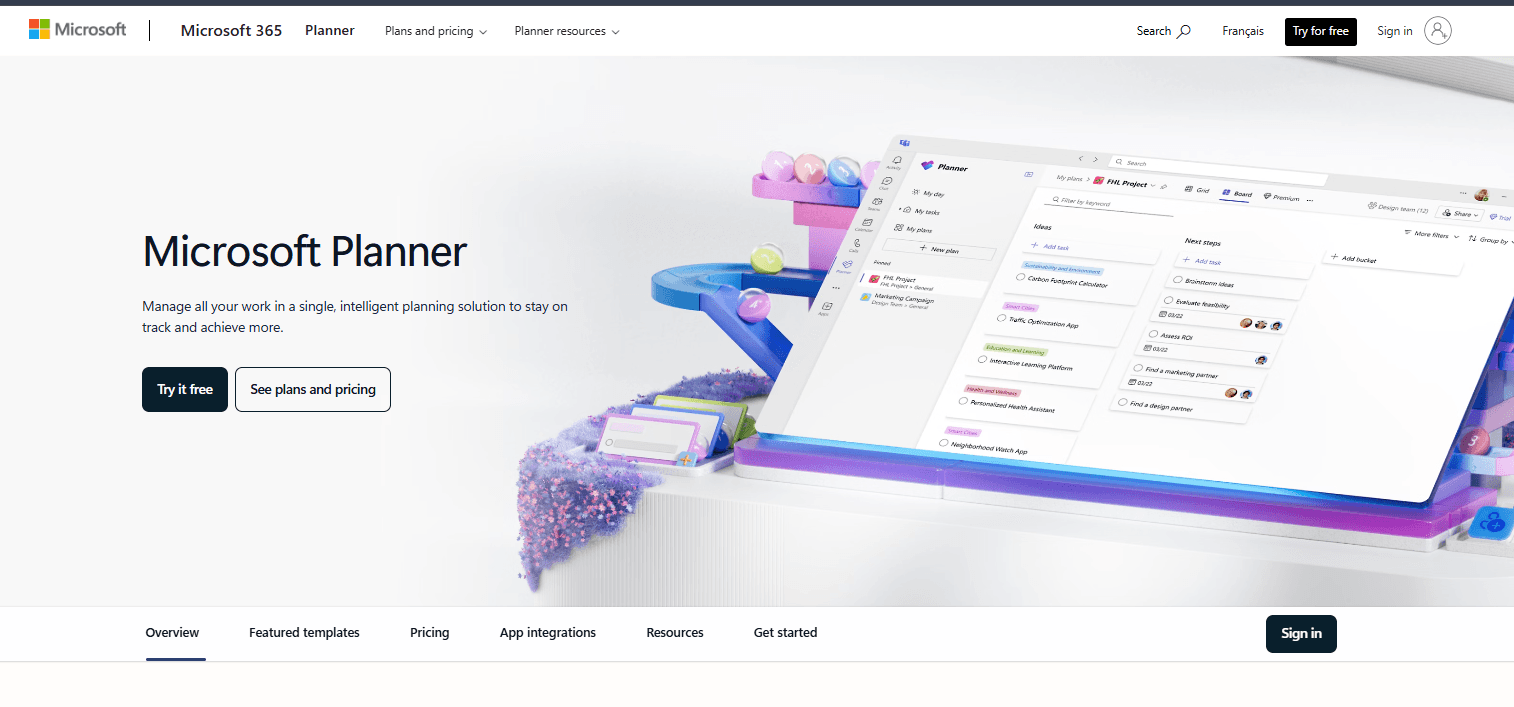
Microsoft Planner is an accounting and project management software built directly into Microsoft 365. It's a natural fit if your finance or operations team already works in Teams or Outlook and needs structured task tracking without adopting a standalone tool. I'd consider it over something like Asana if staying within the Microsoft 365 ecosystem is a priority—you get boards, task assignments, and due dates without adding a separate subscription or another login to manage.
Microsoft Planner Evaluation Summary
4.6/5
- From $10/user/month (billed annually)
- Free trial available
Perché fidarsi dei nostri consigli sui software
6,700+
Reviews
20
Industry experts
16+
Evaluation factors
14
Years
Le nostre recensioni riflettono il nostro giudizio indipendente, non un discorso di vendita. Scopri come manteniamo la trasparenza.
Per questa guida, abbiamo valutato gli strumenti attraverso test pratici e ricerche indipendenti, assegnando un punteggio agli strumenti in base ai nostri criteri di selezione.
Le nostre recensioni riflettono il nostro giudizio editoriale umano, non un discorso di vendita.
Microsoft Planner Overview
In my opinion, Microsoft Planner is a solid choice if you're looking for task and project scheduling software that integrates well with other Microsoft tools. Its portfolio management features make it appealing for large enterprises, particularly those already using Microsoft products. However, its onboarding process and customer support could use improvement. While it may not offer the best value for money compared to competitors, such as monday.com and Asana, its integration capabilities and useful collaboration tools can justify the cost for those who need comprehensive project management. It's best suited for environments where detailed project tracking and resource management are priorities.
Pros
- You can efficiently track project timelines and resources.
- Your team benefits from detailed project planning features.
- It offers strong reporting capabilities for better decision-making.
Cons
- You might find the user interface difficult to navigate.
- Your team may face a steep learning curve during onboarding.
- It can be cumbersome to use for smaller projects.
Is Microsoft Planner Right For Your Needs?
Who Would be a Good Fit for Microsoft Planner?
Microsoft Planner is ideal for large enterprises and industries such as construction and IT where project management is complex. Your team can benefit from its detailed project timeline and planning features. It's also well-suited for departments focused on resource allocation and workflow management. If you work with Agile methodologies that can be carried out and monitored with a Kanban board, Microsoft Planner offers the necessary tools to keep your projects on track.
- Construction IndustryYou can benefit from detailed scheduling and resource management features that allow you to track project progress in real-time.
- IT DepartmentsYou’ll find its time tracking capabilities essential for complex tech projects.
- Large EnterprisesYour organization can customize its templates for managing large-scale projects.
- Financial Planning TeamsYou can integrate project timelines seamlessly with cost management requirements to meet budget planning goals.
- Project ManagersYou and your team could benefit from the detailed planning and visualization tools Microsoft Planner provides.
- Engineering FirmsMicrosoft Planner can help you track complex project details and resources efficiently.
Who Would be a Bad Fit for Microsoft Planner?
Microsoft Planner isn’t ideal for small businesses or startups with limited resources and simpler project requirements or those who want timesheet functionality. Your team might find it too complex and costly for simple project tasks. It's also not the best choice for teams that need quick onboarding and immediate results, as new users face a learning curve. Additionally, if your work involves creative projects, it might feel too rigid and structured for your needs.
- Small StartupsYou might find it too complex and expensive for your straightforward needs.
- Creative AgenciesYour work requires flexibility that Microsoft Planner doesn't easily offer.
- Non-Profit OrganizationsYour limited budget and resources make it a less practical choice.
- FreelancersYou might find it overwhelming for managing simple or solo projects.
- Retail OperationsYour focus on day-to-day operations doesn't align with its project-centric features.
Come testiamo e valutiamo gli strumenti
Abbiamo impiegato anni a costruire, perfezionare e migliorare il nostro sistema di test e valutazione dei software. Il nostro schema è progettato per cogliere le sfumature della scelta del software e ciò che rende uno strumento efficace, concentrandosi sugli aspetti critici del processo decisionale. Di seguito puoi vedere esattamente come funzionano i nostri test e le nostre valutazioni in base a sette criteri. Questo ci permette di offrire una valutazione imparziale del software basata su funzionalità di base, caratteristiche distintive, facilità d’uso, onboarding, assistenza clienti, integrazioni, recensioni dei clienti e rapporto qualità-prezzo.
Funzionalità principali (25% del punteggio finale)
Il punto di partenza della nostra valutazione è sempre la funzionalità principale dello strumento. Dispone delle funzionalità base che un utente si aspetterebbe di trovare? Alcune di queste funzionalità sono riservate ai piani a pagamento più elevati? In sostanza, ci aspettiamo che uno strumento sia all’altezza delle capacità minime dei concorrenti.
Caratteristiche distintive (25% del punteggio finale)
Successivamente, valutiamo le caratteristiche distintive che vanno oltre la funzionalità principale normalmente presente negli strumenti di questo tipo. Un punteggio elevato riflette funzionalità specializzate o uniche che rendono il prodotto più rapido, efficiente o offrono valore aggiunto all’utente. Valutiamo inoltre quanto sia semplice integrare il software con altri strumenti tipicamente presenti nello stack tecnologico, per estenderne la funzionalità e l’utilità. Gli strumenti che offrono numerose integrazioni native, connessioni di terze parti e accesso API per creare integrazioni personalizzate ottengono il punteggio migliore.
Facilità d’uso (10% del punteggio finale)
Consideriamo quanto sia rapido e semplice eseguire le attività fondamentali previste dallo strumento. Un software con punteggio elevato è ben progettato, intuitivo da usare, offre app mobile, modelli predefiniti e semplifica operazioni complesse.
Onboarding (10% del punteggio finale)
Sappiamo quanto sia importante l’adozione rapida da parte del team quando si introduce una nuova piattaforma: per questo valutiamo quanto sia facile imparare e utilizzare lo strumento con una formazione minima. Valutiamo la rapidità con cui un membro del team può impostare e iniziare a utilizzare lo strumento senza esperienza pregressa. Le soluzioni con punteggio alto richiedono poco o nessun supporto.
Assistenza clienti (10% del punteggio finale)
Analizziamo quanto sia semplice e veloce ottenere aiuto tramite telefono, live chat o knowledge base. Gli strumenti e le aziende che offrono supporto in tempo reale ottengono i punteggi migliori, mentre i chatbot ricevono i punteggi più bassi.
Recensioni dei clienti (10% del punteggio finale)
Oltre ai nostri test e valutazioni, consideriamo il net promoter score dei clienti attuali e passati. Verifichiamo la probabilità che i clienti scelgano nuovamente lo strumento per le funzionalità di base. Un software con punteggio elevato riflette un net promoter score alto da parte dei clienti vecchi e attuali.
Rapporto qualità-prezzo (10% del punteggio finale)
Infine, considerando tutti gli altri criteri, valutiamo il prezzo medio dei piani base rispetto alle funzionalità principali e agli altri criteri di valutazione. I software che offrono di più, a un costo inferiore, ottengono punteggi migliori.
Core Features
Task Management: You can create task dependencies, set deadlines, and track progress. This feature helps your team stay organized and on schedule.
Resource Allocation: Allocate resources effectively with visual tools that show who’s busy and who’s available. It ensures your team works efficiently without overloading anyone.
Timeline View: Use Gantt charts and critical path analysis to visualize project timelines and dependencies. It helps you see the big picture and adjust plans as needed.
Reporting Tools: Generate detailed reports on baselines, project status, and resource usage. These insights enable you to make data-driven decisions.
Risk Management: Treat risks as tasks, use buckets, assign owners, set due dates, and detail mitigation strategies in checklists. These features help your team anticipate and avoid issues before they arise.

Ease of Use
Microsoft Planner isn’t the easiest tool to master, especially if your team is new to project management software. Its interface can seem daunting at first, with many features and settings to navigate. However, once you get the hang of its layout, you’ll find its detailed planning and reporting tools invaluable. The learning curve is steep, but the payoff in terms of project control is significant, making it worthwhile for teams managing complex projects.

Integrations
Microsoft Planner integrates with Microsoft Teams, Microsoft Loop and Microsoft Outlook, SharePoint, and OneDrive. Additionally, you can connect it to Power BI, Microsoft Excel, Azure DevOps.
Microsoft Planner also offers an API and connects with third-party integration tools.

Microsoft Planner Specs
- A/B Testing: No
- API: Yes
- Collaboration Support: Yes
- Custom Data Forms: No
- Dashboard: No
- Dashboards: Yes
- Data Export: Yes
- Data Import: No
- Developer Tools: Yes
- External Integrations: Yes
- Feedback Management: No
- Gantt Charts: Yes
- Google Apps Integration: No
- Multi-User: Yes
- Notifications: Yes
- Prioritization: Yes
- Product Catalog: No
- Release Management: No
- Reports: Yes
- Resource Management: Yes
- Review Monitoring: No
- Roadmapping: No
- Scheduling: Yes
- Task Scheduling/Tracking: Yes


