


BILL mod Ramp: Sammenligning og ekspertanmeldelser for 2026
Er du nysgerrig efter at se, hvordan BILL og Ramp klarer sig i den virkelige verden inden for styring af finansielle operationer? Jeg gennemgår funktioner, priser og det, der virkelig adskiller de to platforme.

We review tools independently, and commissions help fund our testing. See our transparency policy, our methodology, or suggest a tool.
Modern finance teams need more than simple expense tracking—they need visibility, automation, approval controls, and connected financial management software workflows. BILL and Ramp both promise to centralize finance operations, but they prioritize different areas of spend management and automation.
In this comparison, I walk through how BILL and Ramp stack up across AP and AR workflows, corporate cards, automation, integrations, pricing, usability, and scalability so you can confidently choose the better fit for your business.
BILL
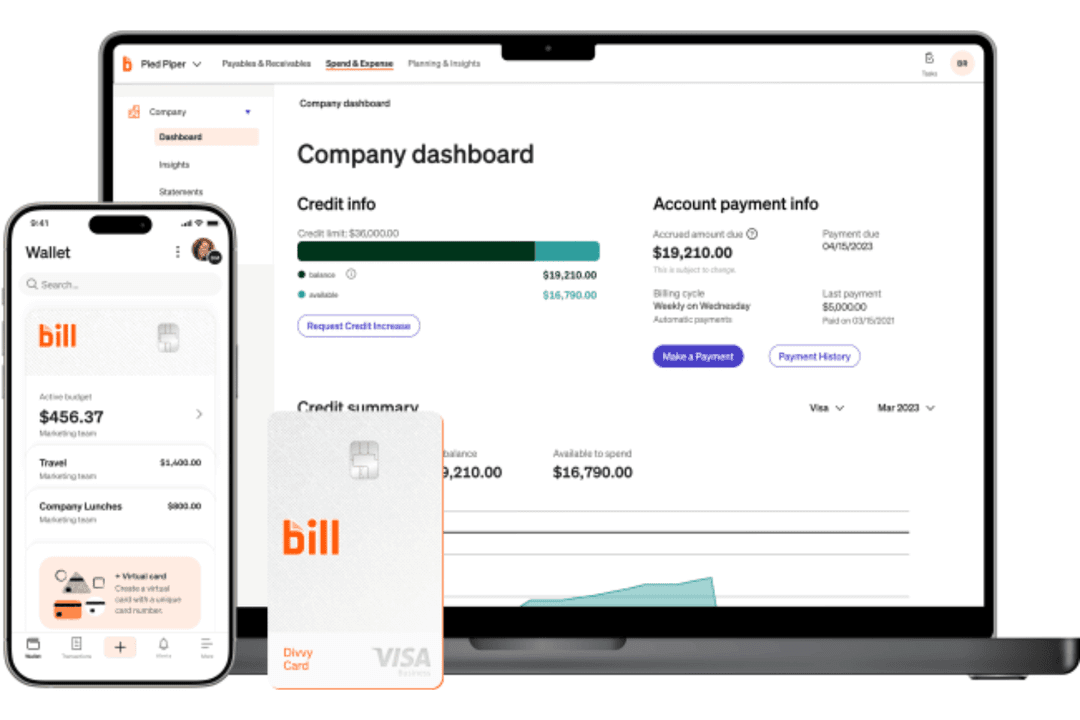
4.5/5
- 30-day free trial
- From $49/user/month
Ramp
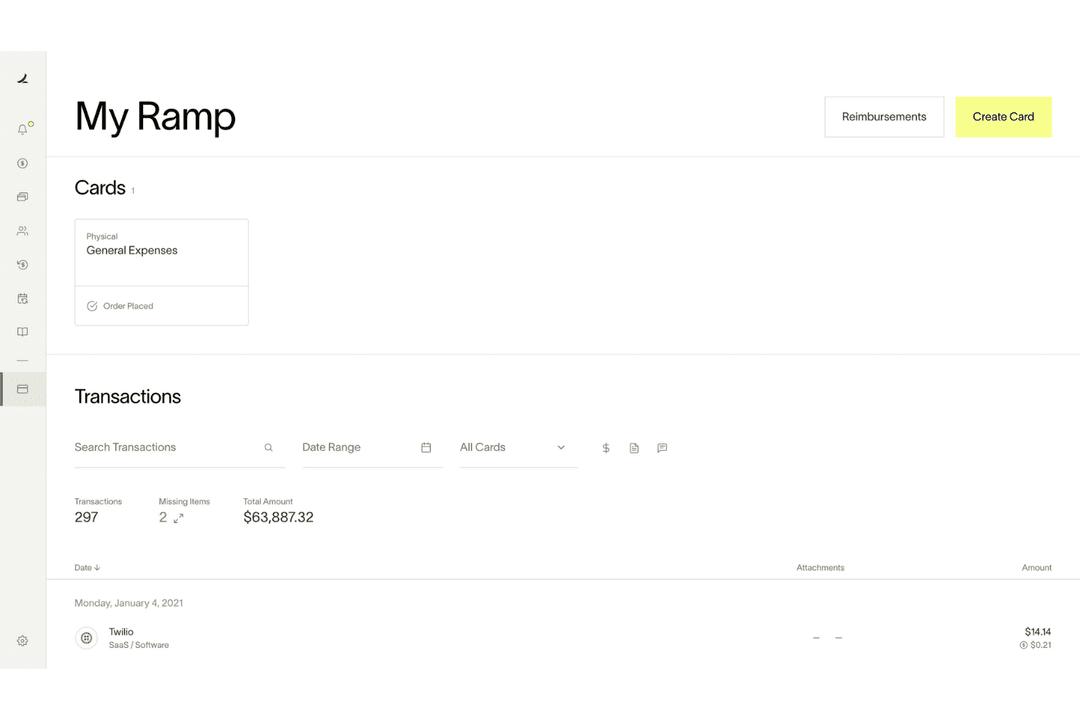
4.8/5
- Free plan + free demo available
- From $15/user/month
Why Trust Our Software Recommendations
6,700+
Reviews
20
Industry experts
16+
Evaluation factors
14
Years
Our team has been testing and reviewing software since 2012. As finance leaders ourselves, we know how difficult—and important—it is to choose the right software.
For this guide, we evaluated tools using hands-on testing and independent research, scoring tools using our selection criteria.
Our reviews reflect our human editorial judgment, not a sales pitch.
| BILL | Ramp | |
|---|---|---|
| Free Trial | 30-day free trial | Free plan + free demo available |
| Pricing | From $49/user/month | From $15/user/month |
BILL vs. Ramp-priser og skjulte omkostninger
BILL og Ramp har markant forskellige tilgange til prissætning. BILL anvender primært abonnementsbaseret prissætning til sin AP- og AR-platform, men tilbyder også et gratis Spend & Expense-produkt med firmakort, budgettering, godtgørelser og udgiftskontroller. Virksomheder bør stadig forvente transaktionsgebyrer for ACH-betalinger, checks, bankoverførsler og fremskyndede betalingsmuligheder, mens mere avancerede workflows og integrationer er forbeholdt planer på højere niveauer.
Ramp anvender en freemium-lignende tilgang, der er bygget op omkring firmakort og udgiftsstyring. Den gratis plan omfatter udgiftsstyring, godkendelser, AP-værktøjer, regnskabsintegrationer og ubegrænsede kort uden softwareomkostninger, mens Plus og Enterprise tilføjer prissætning pr. bruger, platformgebyrer, mere omfattende automatisering, ERP-integrationer og indkøbsfunktioner. Ramp opkræver også transaktionsbaserede gebyrer for visse Bill Pay-workflows, bankoverførsler, fremskyndede betalinger og checktjenester.
For at vælge den rigtige prismodel ville jeg se nærmere på jeres betalingsvolumen, antal brugere, regnskabsmæssige kompleksitet og hvilke automatiseringsfunktioner I realistisk kommer til at bruge på lang sigt. Begge platforme kan blive dyrere, efterhånden som transaktionsvolumen og den operationelle kompleksitet vokser, så det er vigtigt ikke kun at vurdere abonnementsprisen, men også betalingsgebyrer, implementeringsbehov og funktionsbegrænsninger baseret på planen, før I træffer en beslutning.
BILL og Ramp overlapper i høj grad i funktionaliteten til centrale finansielle operationer. Begge platforme tilbyder automatisering af kreditorbogholderi, udgiftsstyring, godkendelsesworkflows, firmakort, godtgørelser, regnskabsintegrationer, leverandørbetalinger og indsigt i udgifter i realtid, der er designet til at reducere manuelt finansarbejde. De bruger også begge AI til opgaver som OCR af fakturaer, matchning af kvitteringer, kontering af transaktioner, dirigering af godkendelser og automatisering af regnskabsføring.
De adskiller sig med hensyn til platformfokus og AI-strategi: BILL lægger vægt på regnskabsfokuserede AP- og AR-workflows med AI-agenter til fakturakontering, indsamling af W-9, betalingsautomatisering og transaktionskategorisering, sammen med BILL Divvy Card-økosystemet til firmakort, belønninger, fleksible kreditmodeller og budgetbaserede udgiftskontroller. Ramp fokuserer derimod mere på bredere udgiftsstyring med integreret rejseadministration, treasury-værktøjer og AI-funktioner som Policy Agent, Reporting Agent og Price Intelligence for at optimere virksomhedens samlede udgifter.
| BILL | Ramp | |
|---|---|---|
| 2-Factor Authentication | Yes | Yes |
| API | Yes | Yes |
| Balance Sheet | No | No |
| Billing/Invoicing | Yes | Yes |
| Budgeting | Yes | Yes |
| Calendar Management | No | No |
| Contact Management | No | Yes |
| CRM Integration | No | No |
| Customer Management | No | No |
| Dashboard | Yes | Yes |
| Data Export | Yes | Yes |
| Data Import | Yes | Yes |
| Data Visualization | Yes | Yes |
| Expense Tracking | Yes | Yes |
| External Integrations | Yes | Yes |
| Forecasting | Yes | Yes |
| Inventory Tracking | No | No |
| Multi-Currency | Yes | Yes |
| Multi-User | Yes | Yes |
| Notifications | Yes | Yes |
| P&L | No | No |
| SAP Integration | No | Yes |
| Supplier Management | Yes | Yes |
| Integration | BILL | Ramp |
|---|---|---|
| IntegrationQuickBooks Online | BILL✅ | Ramp✅ |
| IntegrationXero | BILL✅ | Ramp✅ |
| IntegrationNetSuite | BILL✅ | Ramp✅ |
| IntegrationSage Intacct | BILL✅ | Ramp✅ |
| IntegrationMicrosoft Dynamics 365 | BILL✅ | Ramp✅ |
| IntegrationExpensify | BILL❌ | Ramp❌ |
| IntegrationSlack | BILL✅ | Ramp✅ |
| IntegrationGoogle Workspace | BILL✅ | Ramp✅ |
| IntegrationAPI | BILL✅ | Ramp✅ |
| IntegrationZapier | BILL❌ | Ramp❌ |
Både BILL og Ramp integrerer med større regnskabsplatforme som QuickBooks, Xero, NetSuite, Sage Intacct og Microsoft Dynamics 365 samt API-adgang til tilpassede workflows. Ramp tilbyder dog generelt et bredere integrationsøkosystem med mere end 200 integrationer på tværs af regnskab, HR, produktivitet, rejser, indkøb og bankværktøjer, mens BILL's integrationsøkosystem er mere fokuseret på regnskab, ERP, betalinger og operationelle finansworkflows.
| Faktor | BILL | Ramp |
|---|---|---|
| FaktorDatakryptering | BILLAnvender kryptering af data i hvile og TLS-kryptering under overførsel af finansielle data. | RampAnvender kryptering af data i hvile og under overførsel med tokeniseret kortsikkerhed. |
| FaktorLovgivningsmæssig overholdelse | BILLSOC 1 Type II, SOC 2 Type II, PCI DSS og HIPAA-beskyttelse til kvalificerede arbejdsgange inden for sundhedssektoren. | RampSOC 1, SOC 2 Type II, PCI DSS, ISO 27001 og FedRAMP-tilpassede kontroller. |
| FaktorAdgangskontroller | BILLUnderstøtter rollebaserede tilladelser, godkendelseskontroller og obligatorisk MFA for følsom adgang. | RampUnderstøtter rollebaserede tilladelser, MFA, SSO, SCIM og adgangsnøgler. |
| FaktorBeskyttelse mod svindel | BILLOmfatter avanceret betalingsbeskyttelse, leverandørvalidering, svindelovervågning og sikker maskering af betalinger. | RampTilbyder transaktionsovervågning, virtuelle kort, forbrugskontroller og svindelbeskyttelse. |
| FaktorInfrastruktur & driftssikkerhed | BILLAnvender redundant AWS-baseret infrastruktur med sikre sikkerhedskopier og beskyttelse af betalingsnetværk. | RampAnvender cloudbaseret infrastruktur med sikkerhedskontroller til virksomheder og revisionslogning. |
Både BILL og Ramp tilbyder et stærkt sikkerhedsgrundlag til moderne finansdrift, herunder kryptering, svindelovervågning, rollebaserede adgangskontroller og vigtige compliance-certificeringer.
BILL skiller sig ud med funktioner, der er tæt knyttet til sikre betalingsprocesser, herunder Positive Pay-beskyttelse, leverandørvalidering, maskering af betalinger og HIPAA-beskyttelse til kvalificerede arbejdsgange inden for sundhedssektoren. Ramp tilbyder derimod en bredere sikkerhedspakke til virksomheder med funktioner som SSO, SCIM, adgangsnøgler, revisionslogning og FedRAMP-tilpassede kontroller, der er integreret i platformens bredere platform til finansdrift.
| Faktor | BILL | Ramp |
|---|---|---|
| FaktorBrugergrænseflade | BILLRen, finansfokuseret grænseflade bygget op omkring AP, AR, godkendelser og betalingsarbejdsgange. | RampModerne og strømlinet grænseflade designet til hurtig styring af forbrug og brugervenlighed for medarbejdere. |
| FaktorIntroduktion | BILLTilbyder selvbetjent introduktion samt guidet implementering, undervisningssessioner og introduktionssupport. | RampTilbyder enkel introduktion af medarbejdere med opsætningsvejledninger, undervisningsressourcer og implementeringssupport til større implementeringer. |
| FaktorSupport | BILLTilbyder livechat, telefonsupport, introduktionshjælp og et detaljeret hjælpecenter. | RampTilbyder telefon, chat, AI-assisteret hjælp, undervisningsressourcer og prioriteret support på højere abonnementer. |
| FaktorTilpasning af arbejdsgange | BILLStærk routing af godkendelser, regnskabsarbejdsgange og finansfokuserede tilpasningsmuligheder. | RampForbrugskontroller, godkendelser og automatiserede arbejdsgange, der er nemme at konfigurere, til bredere finansdrift. |
| FaktorMobiloplevelse | BILLMobilappen understøtter godkendelser, betalinger, udgiftsstyring og indsigt i transaktioner. | RampMobilappen er optimeret til kortstyring, godkendelser, kvitteringer og medarbejdernes udgiftsopgaver. |
Efter min erfaring føles BILL mere målrettet finans- og regnskabsdrift med dybere AP- og godkendelsesfokuserede arbejdsgange, mens Ramp prioriterer en hurtigere og mere strømlinet medarbejderoplevelse omkring kort, udgifter og forbrugsstyring. Hvilken platform der føles nemmest at bruge, afhænger i høj grad af, om dit team er mere regnskabsdrevet eller fokuseret på forbrugsstyring.
BILL
- Built for finance and accounting teams managing AP, AR, spend controls, and payment operations at scale.
- Combines approvals, payments, invoicing, expense management, and corporate cards in one centralized financial workflow.
- Strong accounting integrations streamline AP and AR financial workflows.
- ERP syncs sometimes require manual troubleshooting or cleanup.
- Reporting customization feels limited for complex organizational requirements.
- Transaction and international payment fees can be higher than others.
Ramp
- AI-driven spend controls reduce manual finance and approval work.
- Unlimited virtual cards simplify secure employee and vendor spending.
- Broad integrations connect finance, HR, travel, and procurement systems.
- No native accounts receivable workflow for broader financial operations management.
- Advanced automation and ERP integrations require higher-tier paid plans.
- Administrative setup becomes complex across large multi-entity organizations.
BILL
- Midsize BusinessesBILL’s automation and approval workflows help growing companies scale financial operations without adopting a full ERP system.
- Accounting & Finance TeamsDeep accounting integrations and centralized workflows simplify reconciliations, approvals, and month-end financial management.
- NonprofitsAudit trails, approval controls, and digital payment workflows support stronger financial accountability and compliance oversight.
- Multi-Entity OrganizationsCentralized controls and shared workflows help finance teams manage subsidiaries, locations, or multiple business units more efficiently.
- Professional Service FirmsRecurring vendor payments, invoice management, and streamlined approvals help service-based businesses reduce administrative overhead.
- Businesses with Complex Approval WorkflowsCustom approval routing and role-based permissions improve oversight for organizations with layered financial approval structures.
Ramp
- Tech StartupsRamp's automation and real-time controls support rapid scaling and distributed teams.
- Mid-Sized SaaS CompaniesAI-driven expense management and approval workflows help control recurring software, travel, and operational spending.
- Finance DepartmentsCentralized spend visibility, accounting automation, and audit trails simplify financial oversight and month-end close processes.
- Multi-Entity OrganizationsShared spend controls and centralized workflows help manage budgets, approvals, and payments across multiple entities.
- Procurement-Focused TeamsIntegrated procurement, vendor management, and approval workflows reduce operational friction across purchasing processes.
- Distributed & Remote TeamsMobile approvals, virtual cards, receipt capture, and Slack-based workflows support employees working from anywhere.
Hvem bør bruge BILL, og hvem bør bruge Ramp?
BILL passer godt til virksomheder i vækst, der har brug for bedre kontrol over AP, AR, forbrugsstyring, godkendelser, prognoser og bredere finansdrift uden at erstatte deres eksisterende regnskabssystem eller ERP. Fra mit perspektiv fungerer det især godt, hvis dit økonomiteam håndterer stigende operationel kompleksitet, uanset om det drejer sig om tilbagevendende leverandørbetalinger, godkendelser i flere trin, indkøbsarbejdsgange eller styring af flere enheder.
Selvom BILL har et stærkt fundament inden for AP-automatisering, rækker platformen langt ud over fakturabetaling og ind i et bredere økosystem til finansdrift, hvilket gør den ideel til SMV'er og organisationer i det lavere mellemstore markedssegment.
Ramp er det bedre valg, hvis du ønsker en meget moderne og forbrugscentreret finansplatform med stærk styring af virksomhedskort, indkøb, rejser, refusioner og AI-drevet operationel automatisering. Jeg mener, at den især passer godt til hurtigt voksende og teknologifokuserede organisationer, der ønsker at centralisere virksomhedens samlede forbrug og strømline medarbejdernes økonomiske arbejdsgange på én platform.
Teams, der prioriterer indsigt i forbrug i realtid, brugervenlighed for medarbejdere og operationel automatisering på tværs af kort, udgifter, godkendelser og rapportering, vil sandsynligvis finde Ramp mere overbevisende.
| BILL | Ramp | |
|---|---|---|
| Accounts Receivable | BILL Includes native AR and invoicing functionality for incoming payments and collections. | Ramp Primarily focused on outgoing company spend rather than AR workflows. |
| AI Capabilities | BILL AI agents focused on invoice coding, W-9 collection, transaction automation, fraud detection, and touchless AP workflows. | Ramp AI tools emphasize spend intelligence, policy enforcement, reporting, and procurement insights. |
| Multi-Entity Management | BILL Strong multi-entity AP, AR, and approval management for growing finance teams. | Ramp Multi-entity support exists but is more tightly tied to enterprise-tier configurations. |
| Platform Focus | BILL Finance operations platform centered around AP, AR, spend, and accounting workflows. | Ramp Spend-management-first platform combining cards, expenses, procurement, travel, and AP. |
| Procurement & Travel | BILL Offers procurement and integrated travel management tied closely to AP and spend workflows. | Ramp Puts more emphasis on making company-wide purchasing, travel, and spend management faster and easier for employees and operations teams. |
| Workflow Automation | BILL Strong finance-focused approval routing and accounting workflow customization. | Ramp Automation focuses more on spend controls, policies, and operational efficiency. |
| AP Automation | Both platforms automate invoice capture, approval routing, vendor payments, and accounting workflows to reduce manual AP tasks. |
|---|---|
| API Access | Both platforms offer APIs for custom integrations, workflow automation, and connecting with broader finance systems. |
| Corporate Cards | Both offer corporate cards with spend controls, virtual cards, and transaction visibility for employee spending. |
| Expense Management | Each platform supports expense tracking, reimbursements, receipt capture, and spend categorization workflows. |
| Mobile Access | Both offer mobile apps that support approvals, expense management, receipt capture, and transaction monitoring. |
| Real-Time Visibility | Both provide live dashboards and reporting tools for monitoring spend, payments, approvals, and financial activity. |