

Avis sur Paymo : Avantages, Inconvénients, Fonctionnalités et Tarification


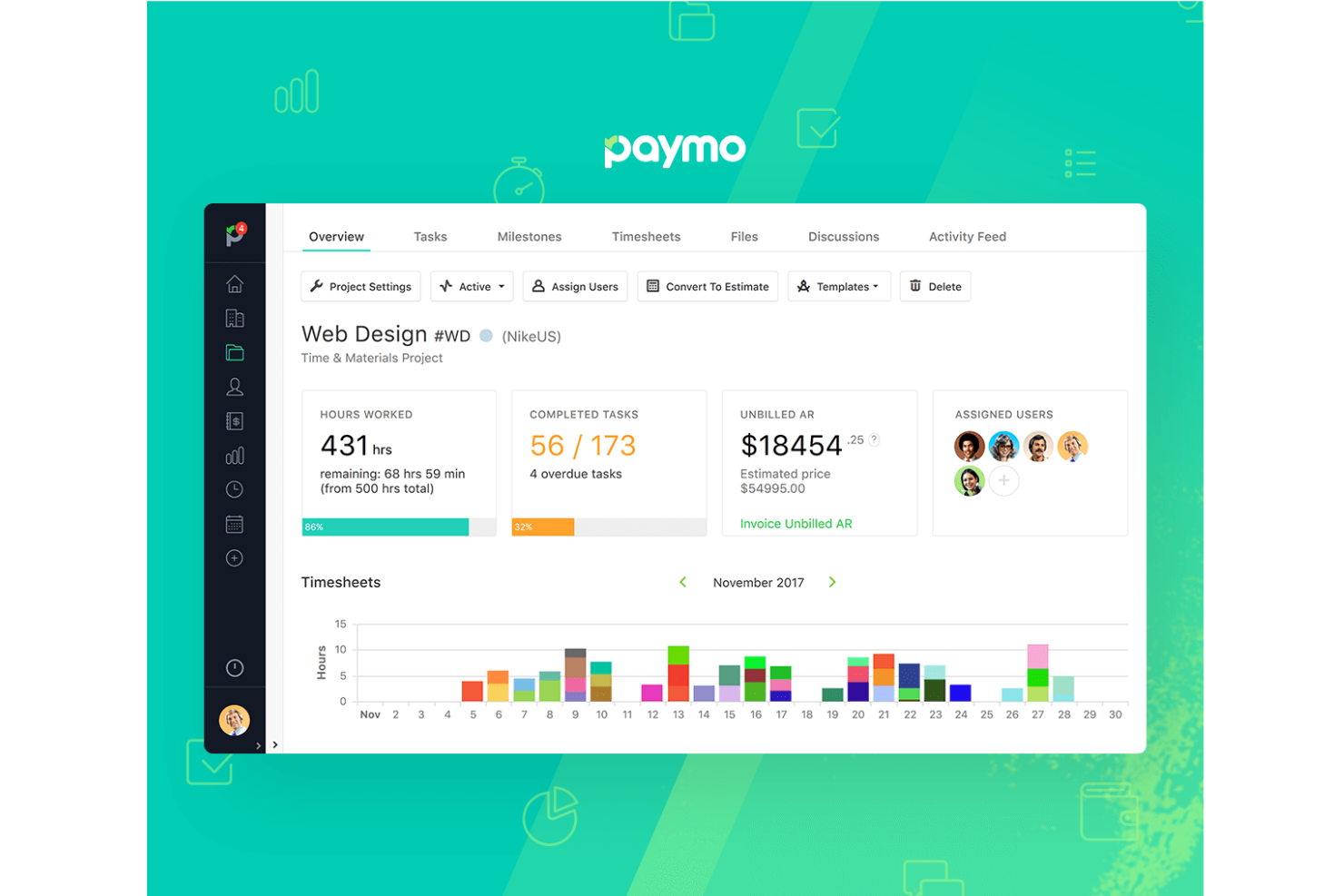
Paymo is an expense management software that helps users track expenses and manage project finances efficiently. It best serves small- to medium-sized businesses, creative agencies, and project-based teams such as marketing, design, and development departments. Paymo offers a user-friendly interface for tracking expenses and managing project budgets.
In this article, I'll cover Paymo's features, pros and cons, use cases, pricing, and FAQs so you can decide if this software aligns with your expense management needs and goals.
Paymo Evaluation Summary
- From $5.9/month (billed annually)
- 15-day free trial + free plan + free demo available
Why Trust Our Software Reviews
Paymo Overview
In my opinion, Paymo offers a solid foundation for expense management, especially for small- to medium-sized businesses. Its integration of time tracking and invoicing is commendable, making it a useful tool for those needing to manage expenses alongside overseeing projects. While its interface is intuitive, some users might find the onboarding process requires some guidance.
Compared to competitors, such as monday.com and Wrike, Paymo stands out with its value for money and user-friendly experience. However, it may not suit larger enterprises due to limited scalability. If your team values straightforward expense tracking and project management software, Paymo could be a good choice.
pros
-
Paymo offers detailed project planning and management features that improve organization.
-
The user interface is clean and simple.
-
You can easily track time and expenses for your projects.
cons
-
Some users report that the learning curve can be steep.
-
The mobile app can be less intuitive, which might slow down your work on the go.
-
You might find the reporting features limited compared to other tools.
-

LiveFlow
Visit WebsiteThis is an aggregated rating for this tool including ratings from Crozdesk users and ratings from other sites.4.9 -
Float Financial
Visit WebsiteThis is an aggregated rating for this tool including ratings from Crozdesk users and ratings from other sites.4.1 -
Rippling Spend
Visit WebsiteThis is an aggregated rating for this tool including ratings from Crozdesk users and ratings from other sites.4.8


How We Test & Score Tools
We’ve spent years building, refining, and improving our software testing and scoring system. The rubric is designed to capture the nuances of software selection and what makes a tool effective, focusing on critical aspects of the decision-making process.
Below, you can see exactly how our testing and scoring works across seven criteria. It allows us to provide an unbiased evaluation of the software based on core functionality, standout features, ease of use, onboarding, customer support, integrations, customer reviews, and value for money.
Core Functionality (25% of final scoring)
The starting point of our evaluation is always the core functionality of the tool. Does it have the basic features and functions that a user would expect to see? Are any of those core features locked to higher-tiered pricing plans? At its core, we expect a tool to stand up against the baseline capabilities of its competitors.
Standout Features (25% of final scoring)
Next, we evaluate uncommon standout features that go above and beyond the core functionality typically found in tools of its kind. A high score reflects specialized or unique features that make the product faster, more efficient, or offer additional value to the user.
We also evaluate how easy it is to integrate with other tools typically found in the tech stack to expand the functionality and utility of the software. Tools offering plentiful native integrations, 3rd party connections, and API access to build custom integrations score best.
Ease of Use (10% of final scoring)
We consider how quick and easy it is to execute the tasks defined in the core functionality using the tool. High scoring software is well designed, intuitive to use, offers mobile apps, provides templates, and makes relatively complex tasks seem simple.
Onboarding (10% of final scoring)
We know how important rapid team adoption is for a new platform, so we evaluate how easy it is to learn and use a tool with minimal training. We evaluate how quickly a team member can get set up and start using the tool with no experience. High scoring solutions indicate little or no support is required.
Customer Support (10% of final scoring)
We review how quick and easy it is to get unstuck and find help by phone, live chat, or knowledge base. Tools and companies that provide real-time support score best, while chatbots score worst.
Customer Reviews (10% of final scoring)
Beyond our own testing and evaluation, we consider the net promoter score from current and past customers. We review their likelihood, given the option, to choose the tool again for the core functionality. A high scoring software reflects a high net promoter score from current or past customers.
Value for Money (10% of final scoring)
Lastly, in consideration of all the other criteria, we review the average price of entry level plans against the core features and consider the value of the other evaluation criteria. Software that delivers more, for less, will score higher.
Core Features
Expense Tracking
You can record and categorize your expenses directly in Paymo, making it easy to keep tabs on your spending. This helps you see where your money goes and ensures you don't miss any reimbursements.
Budget and Resource Management
Set up budgets for each project and track them in real time. You'll know instantly if you're on track or overspending, which helps you make informed financial decisions.
Automated Time Tracking
Paymo's time tracker uses automation to record your time spent in desktop apps and log time entries for your projects. Paymo generates a timesheet, which ensures accurate billing and helps you understand how your time impacts your costs.
Invoicing
Create detailed invoices from your tracked time and expenses with just a few clicks. This feature saves you time and ensures you get paid correctly for your billable hours.
Project Financials
Keep an eye on your project’s financial health with reports that show costs, revenue, and profitability. This gives you a clear picture of where each project stands financially.
Expense Reports
Generate detailed expense reports to analyze spending patterns and make data-driven decisions. These reports help you identify areas where you can cut costs or need to allocate more resources.
Ease of Use
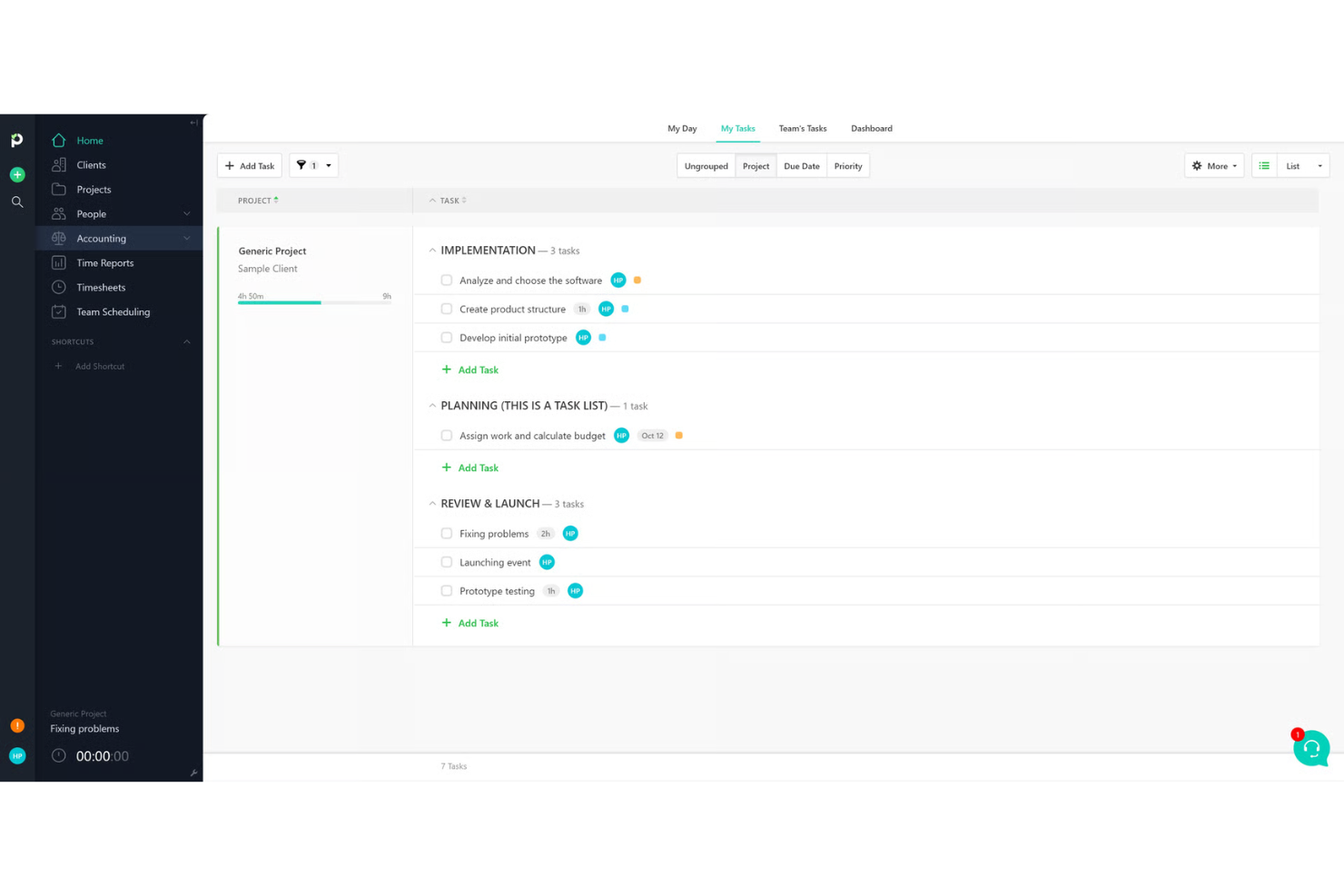
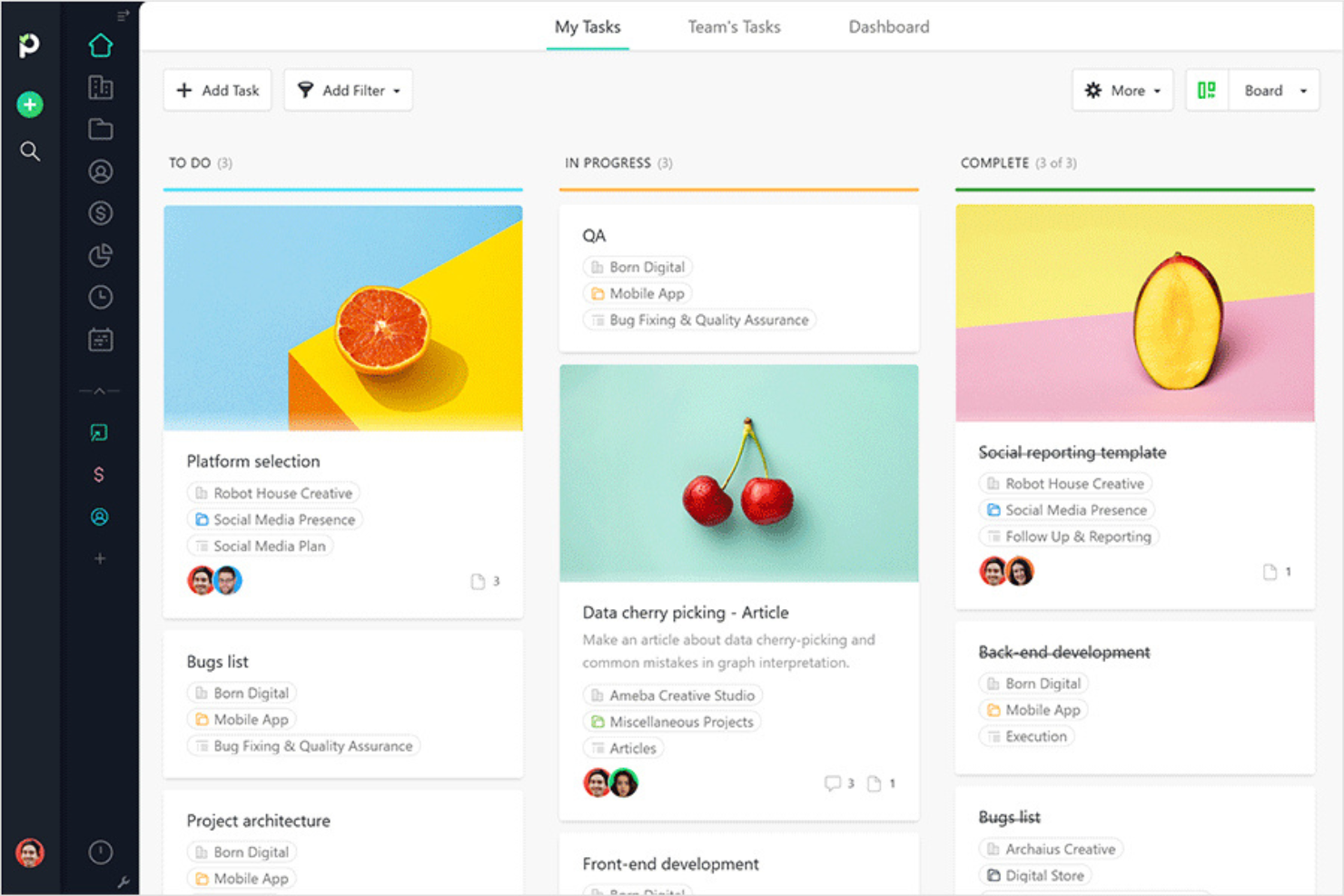
Paymo's dashboard is intuitive and straightforward, making it easy for you and your team to track expenses and manage projects without hassle. Users often praise its clean layout and the simplicity of adding expenses and generating reports. The ability to switch between various project views and the smooth integration of time tracking and expense management increase its usability. Unlike some other tools, Paymo doesn't overwhelm users with complex setups, allowing you to focus on your work.
Integrations
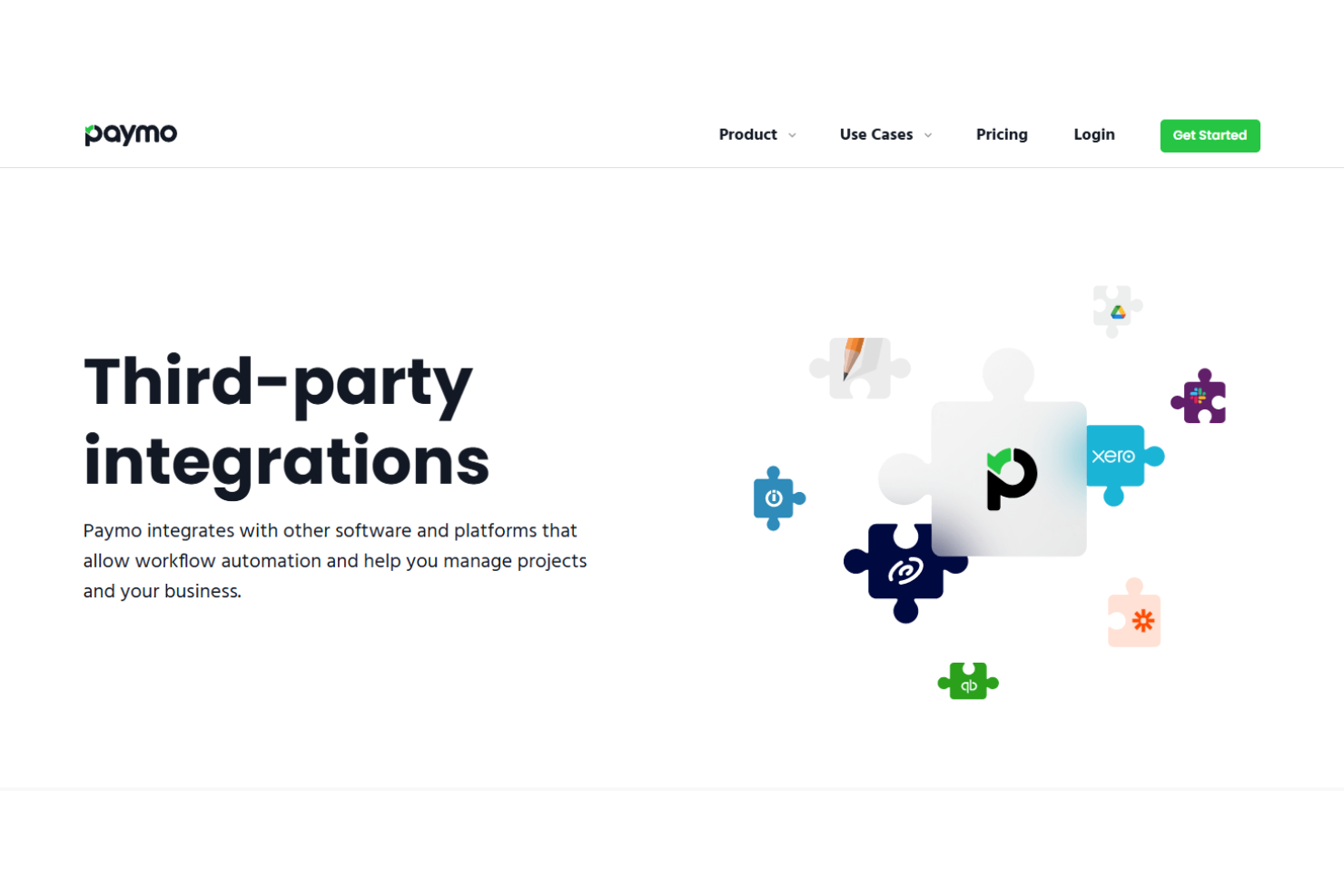
Paymo integrates with Google, Google Calendar, Zapier, Slack, QuickBooks Online, Typeform, Integromat, Pomodone, LambdaTest, and Rethink. Paymo also offers an API for further customization and integration with third-party tools.
Paymo Specs
- API
- Batch Permissions & Access
- Budgeting
- Calendar Management
- Collaboration Support
- Contact Management
- Contact Sharing
- Customer Management
- Dashboard
- Dashboards
- Data Export
- Data Import
- Data Visualization
- Dependency Tracking
- Document Sharing
- Expense Tracking
- External Integrations
- File Sharing
- Gantt Charts
- Kanban Boards
- Multi-User
- Notifications
- Project Management
- Resource Management
- Scheduling
- Task Scheduling/Tracking
- Third-Party Plugins/Add-Ons
- Time Management
- Travel Management
- Workflow Management


