

10 meilleures alternatives à SAP ERP pour les équipes financières en 2026

10 Sélection des meilleures alternatives à SAP ERP


En tant que directeur financier, vous devez relever des défis tels que la maîtrise des coûts, l'amélioration de l'efficacité et le respect des exigences réglementaires. Les logiciels ERP peuvent vous être d'une aide précieuse, mais SAP ERP n'est peut-être pas la solution la mieux adaptée à tout le monde. Vous recherchez peut-être davantage de flexibilité, des fonctionnalités propres à votre secteur ou une solution plus économique.
D'après mon expérience, trouver la bonne alternative ERP peut transformer la manière dont vous gérez vos opérations. J'ai testé et évalué de nombreuses solutions logicielles afin de vous fournir un aperçu impartial des meilleures alternatives à SAP ERP.
Dans cet article, je vous présente mes meilleures alternatives à SAP, en mettant en évidence leurs fonctionnalités uniques et la manière dont elles peuvent répondre aux besoins spécifiques de votre entreprise. Que vous travailliez dans la fabrication, la distribution ou un autre secteur, il existe un ERP adapté à votre situation.
Qu'est-ce que SAP ERP ?
SAP ERP est un logiciel ERP conçu pour intégrer les différents processus d'entreprise au sein de l'écosystème d'une organisation. Il est couramment utilisé par les professionnels de la finance, les responsables des opérations et les autres dirigeants de grandes entreprises qui souhaitent simplifier leurs opérations et améliorer leur prise de décision. Les fonctionnalités de gestion financière, d'optimisation de la chaîne d'approvisionnement et d'analyse contribuent à maîtriser les coûts, à améliorer l'efficacité et à garantir la conformité. Dans l'ensemble, SAP ERP fournit une plateforme unifiée pour gérer des opérations commerciales complexes.
Tableau comparatif des alternatives à SAP ERP
Ce tableau comparatif récapitule les informations tarifaires de ma sélection des meilleures alternatives à SAP ERP.
| Tool | Best For | Trial Info | Price | ||
|---|---|---|---|---|---|
| 1 | Idéal pour les informations basées sur l'IA | Essai gratuit de 30 jours disponible | À partir de $65/utilisateur/mois (facturé annuellement) | Website | |
| 2 | Idéal pour les petites et moyennes entreprises | Démo gratuite disponible | Tarification sur demande | Website | |
| 3 | Idéal pour l'automatisation de la gestion financière | Démo gratuite disponible | Tarification sur demande | Website | |
| 4 | Idéal pour les déploiements ERP flexibles | Démonstration gratuite disponible | Tarification sur demande | Website | |
| 5 | Idéal pour la fabrication et la distribution | Démo gratuite disponible | Tarification sur demande | Website | |
| 6 | Idéal pour les applications fondées sur l'IA | Démo gratuite disponible | Tarification sur demande | Website | |
| 7 | Idéal pour la gestion du cycle de vie des actifs | Démonstration gratuite disponible | Tarification sur demande | Website | |
| 8 | Idéal pour les solutions spécifiques à chaque secteur | Démo gratuite disponible | Tarifs sur demande | Website | |
| 9 | Idéal pour l’intégration de la fabrication | Démo gratuite disponible | Tarification sur demande | Website | |
| 10 | Idéal pour la flexibilité du code source ouvert | Essai gratuit disponible | À partir de 5 $/mois (facturé annuellement) | Website |

Pourquoi faire confiance à nos recommandations de logiciels
Nos avis reflètent notre jugement indépendant — et non un argumentaire de vente. Découvrez comment nous restons transparents.
Pour ce guide, nous avons évalué les outils grâce à des tests pratiques et une recherche indépendante, en notant les outils selon nos critères de sélection.
Nos avis reflètent notre jugement éditorial humain, et non un argumentaire de vente.
Avis sur les meilleures alternatives à SAP ERP
Vous trouverez ci-dessous mes résumés détaillés des meilleures alternatives à SAP ERP qui figurent dans ma sélection. Mes avis présentent en détail les principales fonctionnalités, les avantages & inconvénients, les intégrations et les cas d’utilisation idéaux de chaque outil afin de vous aider à trouver celui qui vous convient le mieux.

Idéal pour les informations basées sur l'IA
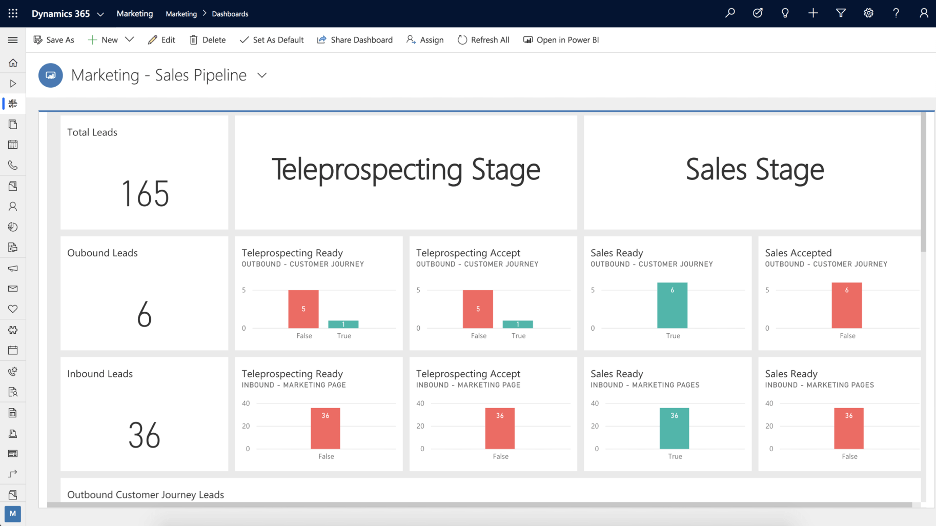
Microsoft Dynamics 365 est une solution ERP et CRM basée sur le cloud, conçue pour les entreprises de divers secteurs. Elle aide les organisations à gérer leurs opérations, leurs finances et leurs relations clients.
Pourquoi c'est une bonne alternative à SAP ERP : Microsoft Dynamics 365 fournit des informations basées sur l'IA qui permettent à votre équipe de prendre des décisions fondées sur les données. Sa conception modulaire vous permet de choisir les applications qui répondent aux besoins de votre entreprise, offrant ainsi flexibilité et évolutivité.
L'intégration de la plateforme avec les autres produits Microsoft améliore la productivité en créant une expérience utilisateur unifiée. Grâce aux analyses en temps réel, vous pouvez obtenir des informations précieuses sur vos opérations et améliorer vos processus décisionnels.
Fonctionnalités & intégrations remarquables :
Les fonctionnalités comprennent des analyses en temps réel, qui fournissent des informations pour aider votre équipe à prendre des décisions éclairées. Vous pouvez également tirer parti de sa conception modulaire, qui vous permet de sélectionner les applications adaptées aux besoins de votre entreprise. De plus, l'intégration avec les produits Microsoft améliore la productivité en créant une expérience unifiée.
Les intégrations comprennent Microsoft Office 365, LinkedIn, Power BI, Microsoft Azure, Microsoft Outlook, SharePoint, OneDrive, Microsoft Teams, Yammer et Microsoft Excel.
Pros and Cons
Pros:
- Informations en temps réel basées sur l'IA grâce aux outils d'IA générative
- Les modèles d'apprentissage automatique prévoient les indicateurs clés de performance de l'entreprise avec une plus grande précision
- Les fonctionnalités d'IA sont intégrées nativement et s'intègrent à travers les applications Microsoft
Cons:
- Nécessite un volume et une qualité de données élevés
- Coûts supplémentaires pour les fonctionnalités premium
Idéal pour les petites et moyennes entreprises
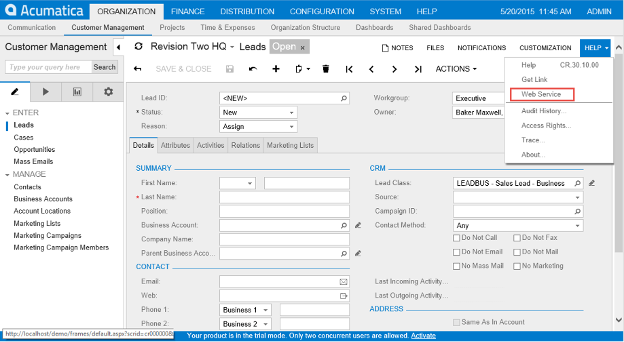
Acumatica est un système ERP basé sur le cloud conçu pour divers secteurs, offrant des fonctionnalités telles que la gestion financière et la gestion de la distribution. Il est principalement utilisé par les petites et moyennes entreprises qui ont besoin d'une solution de gestion d'entreprise flexible et évolutive.
Pourquoi c'est une bonne alternative à SAP ERP : Acumatica propose des solutions adaptées aux petites et moyennes entreprises, avec des fonctionnalités telles que des options de déploiement flexibles et un modèle de licence avec paiement à l'utilisation. Son interface conviviale permet aux équipes de l'adopter et de la personnaliser facilement selon leurs besoins spécifiques.
L'adaptabilité du système accompagne la croissance des petites entreprises, leur permettant de se développer sans la complexité souvent associée aux systèmes ERP plus importants. L'accent mis par Acumatica sur la satisfaction client garantit que vous bénéficiez de l'assistance dont vous avez besoin.
Fonctionnalités et intégrations remarquables :
Les fonctionnalités comprennent la gestion financière, la gestion de la construction et une interface hautement personnalisable. Vous pouvez également bénéficier de la gestion de la distribution, qui contribue à optimiser vos processus de chaîne d'approvisionnement. De plus, les options de déploiement flexibles permettent à votre équipe de choisir la configuration la mieux adaptée aux besoins de votre entreprise.
Les intégrations comprennent Salesforce, Avalara, Amazon, Shopify, Jira, HubSpot, Adobe Commerce et ADP.
Pros and Cons
Pros:
- Options de déploiement flexibles
- Évolutif pour les entreprises en croissance
- Données unifiées et visibilité en temps réel
Cons:
- Complexité de la mise en œuvre
- Capacités internationales limitées par rapport aux concurrents

Idéal pour l'automatisation de la gestion financière
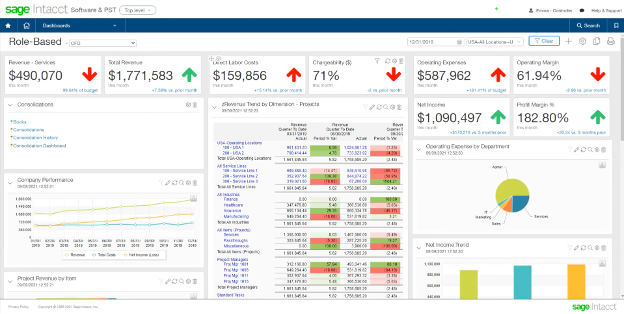
Sage Intacct est une solution de gestion financière basée sur le cloud, conçue pour les professionnels de la comptabilité et les équipes financières. Elle offre des fonctionnalités comptables essentielles telles que les comptes fournisseurs, les comptes clients et la gestion de la trésorerie.
Pourquoi c'est une bonne alternative à SAP ERP : Sage Intacct se distingue par l'automatisation des processus financiers, ce qui est idéal pour les équipes qui souhaitent clôturer les comptes plus rapidement. Ses capacités de reporting financier en temps réel favorisent une prise de décision éclairée en fournissant rapidement des informations pertinentes.
La capacité d'évolution de la plateforme la rend adaptée aux entreprises en croissance qui doivent adapter leurs opérations financières au fil du temps. Grâce à l'accent mis sur l'automatisation financière, votre équipe peut réduire les tâches manuelles et accroître son efficacité.
Fonctionnalités et intégrations remarquables :
Les fonctionnalités comprennent des rapports financiers avancés, la gestion de plusieurs entités et des tableaux de bord en temps réel. Vous pouvez également utiliser ses capacités de comptabilité de projet pour suivre les coûts et la rentabilité des projets. De plus, sa fonctionnalité de gestion de la trésorerie aide votre équipe à gérer les entrées et les sorties de fonds.
Les intégrations comprennent Salesforce, Expensify, ADP, BILL, Stripe, Avalara, Gusto, Shopify, PayPal et Square.
Pros and Cons
Pros:
- L'automatisation réduit les tâches manuelles et améliore la précision
- Tableaux de bord et rapports en temps réel sur la santé financière
- Hausse signalée de 65 % ou plus de la productivité de l'équipe financière
Cons:
- Dépendance à l'égard du partenaire de mise en œuvre
- Intégration incohérente des modules

Sage X3
Idéal pour les déploiements ERP flexibles
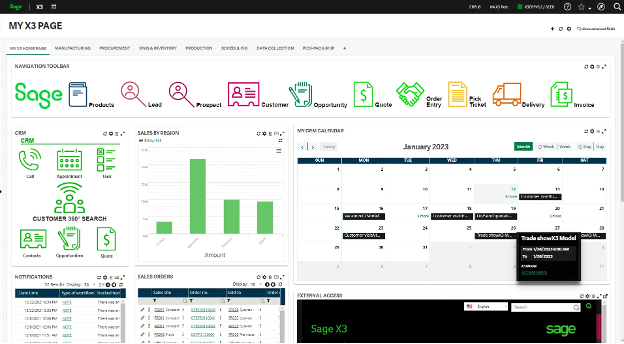
Sage X3 est une solution ERP conçue pour les entreprises de taille moyenne à grande, avec un accent sur des secteurs tels que la fabrication, la distribution et les services. Elle fournit des outils pour gérer les finances, la chaîne d’approvisionnement et les processus de production.
Pourquoi c’est une bonne alternative à SAP ERP : Sage X3 propose des solutions spécifiques à chaque secteur qui répondent aux besoins uniques de différents domaines, offrant une approche personnalisée de la gestion ERP. Sa capacité d’évolution garantit que votre équipe peut adapter le logiciel à mesure que votre entreprise se développe.
Les outils avancés d’analyse et de génération de rapports de Sage X3 favorisent une prise de décision fondée sur les données. Grâce à des options de déploiement flexibles, vous pouvez choisir la configuration la mieux adaptée à votre organisation.
Fonctionnalités et intégrations remarquables :
Les fonctionnalités comprennent une gestion financière avancée, qui aide votre équipe à tenir des registres financiers et des budgets précis. Vous pouvez également profiter de ses outils de gestion de la chaîne d’approvisionnement, qui améliorent la coordination et l’efficacité de vos opérations. De plus, Sage X3 propose des fonctionnalités de gestion de la production pour optimiser les processus de fabrication.
Les intégrations comprennent Salesforce, Microsoft Office 365 et Google Workspace.
Pros and Cons
Pros:
- Outil d’intelligence économique en temps réel et d’analyse SEI de base
- Options de déploiement flexibles dans le cloud, sur site ou en mode hybride
- Fonctionnalité avancée d’exploration des rapports pour mieux comprendre les tendances
Cons:
- Tableaux de bord prêts à l’emploi limités
- La configuration peut prendre beaucoup de temps

SYSPRO
Idéal pour la fabrication et la distribution
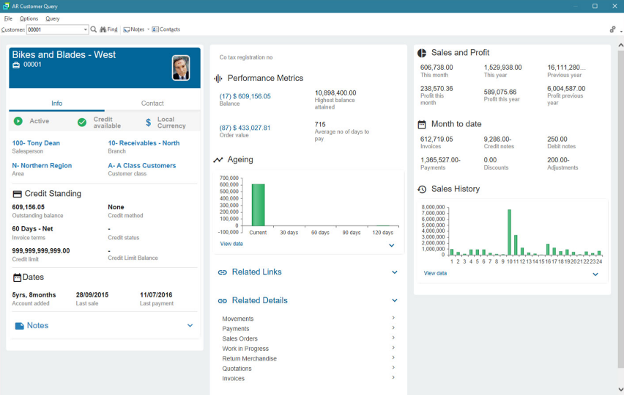
Syspro est un logiciel ERP spécialement conçu pour les secteurs de la fabrication et de la distribution. Il aide les entreprises à gérer efficacement leurs opérations, leurs stocks et leurs chaînes d’approvisionnement.
Pourquoi constitue-t-il une bonne alternative à SAP ERP : Syspro fournit des fonctionnalités spécifiques aux secteurs de la fabrication et de la distribution, permettant à votre équipe de gérer des processus complexes de chaîne d’approvisionnement. Sa visibilité en temps réel sur les stocks et la production favorise une planification efficace des ressources.
La capacité d’adaptation de Syspro vous permet de répondre à l’évolution des besoins de votre entreprise sans perturbations importantes. Grâce à ce logiciel, votre organisation peut améliorer le contrôle et l’efficacité de ses opérations.
Fonctionnalités et intégrations remarquables :
Les fonctionnalités comprennent une gestion avancée des stocks qui aide votre équipe à maintenir des niveaux de stock optimaux. Vous pouvez également tirer parti de ses capacités de planification de la production, garantissant une utilisation efficace des ressources. En outre, les outils de gestion de la chaîne d’approvisionnement de Syspro améliorent la coordination et la communication dans l’ensemble de vos opérations.
Les intégrations comprennent Microsoft Office, Avalara et Vertex.
Pros and Cons
Pros:
- Adapté à la fabrication et à la distribution
- Visibilité en temps réel des stocks
- Planification avancée de la production
Cons:
- Les personnalisations retardent les mises à jour
- Interface utilisateur obsolète dans certains modules

Epicor
Idéal pour les applications fondées sur l'IA
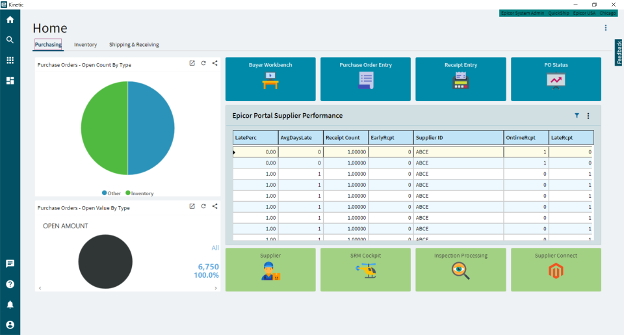
Epicor est un logiciel de planification des ressources d'entreprise conçu pour des secteurs tels que la fabrication, la distribution, la vente au détail et l'automobile. Il s'adresse principalement aux organisations de taille moyenne à grande qui cherchent à améliorer leur efficacité opérationnelle et à optimiser leurs processus.
Pourquoi c'est une bonne alternative à l'ERP SAP : Epicor se distingue par ses applications fondées sur l'IA, qui fournissent des analyses avancées et des informations en temps réel pour aider votre équipe à prendre des décisions fondées sur les données. Ses capacités d'exécution de la fabrication garantissent l'optimisation et l'efficacité des processus de production.
Les fonctionnalités de gestion de la chaîne d'approvisionnement du logiciel permettent une meilleure coordination et communication au sein de votre entreprise. En mettant l'accent sur l'amélioration de la productivité, Epicor favorise une prise de décision éclairée et des améliorations opérationnelles.
Fonctionnalités et intégrations remarquables :
Les fonctionnalités comprennent des analyses avancées qui fournissent des informations en temps réel et aident votre équipe à prendre rapidement des décisions éclairées. Vous pouvez également tirer parti des capacités d'exécution de la fabrication qui optimisent les processus de production. Ses fonctionnalités de gestion de la chaîne d'approvisionnement peuvent contribuer à améliorer la coordination et la communication.
Les intégrations comprennent Microsoft Azure, Salesforce, ADP, QuickBooks, Smartsheet et Avalara.
Pros and Cons
Pros:
- Outils avancés d'analyse prédictive et de prévision des stocks
- Gestion de la chaîne d'approvisionnement et de la logistique optimisée par l'IA
- Interface utilisateur moderne accessible via un navigateur
Cons:
- La personnalisation peut être coûteuse
- Les modules avancés et les fonctionnalités de gestion de la chaîne d'approvisionnement nécessitent une formation

IFS
Idéal pour la gestion du cycle de vie des actifs
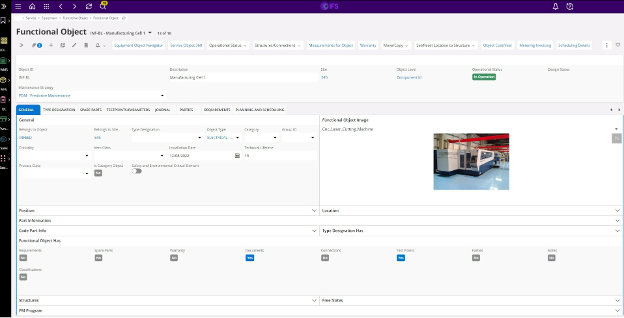
IFS est un logiciel ERP axé sur les secteurs à forte intensité d'actifs, fournissant des solutions pour des secteurs tels que l'aérospatiale, la défense et l'énergie. Il aide les entreprises à gérer efficacement leurs opérations, leur maintenance et leurs actifs.
Pourquoi c'est une bonne alternative à SAP ERP : IFS excelle dans la gestion du cycle de vie des actifs, en proposant des outils qui aident votre équipe à optimiser les performances des actifs et à réduire les temps d'arrêt. Ses solutions spécifiques à chaque secteur prennent en charge les exigences complexes en matière de maintenance, garantissant ainsi l'efficacité opérationnelle.
La flexibilité de l'outil vous permet de personnaliser les flux de travail afin de les adapter aux besoins de votre entreprise. Grâce à des informations en temps réel, IFS contribue à améliorer la prise de décision et le contrôle opérationnel.
Fonctionnalités et intégrations remarquables :
Fonctionnalités comprennent des outils de gestion de projets qui aident votre équipe à planifier et à exécuter efficacement les projets. Vous pouvez également tirer parti de ses fonctionnalités de gestion de la chaîne d'approvisionnement, qui améliorent la coordination de vos opérations. En outre, les fonctionnalités de gestion financière d'IFS favorisent une budgétisation et une planification financière éclairées.
Intégrations notamment Microsoft Azure et Amazon Web Services.
Pros and Cons
Pros:
- Maintenance proactive grâce à des stratégies de maintenance prédictive et aux données IoT
- Flux de travail de maintenance automatisés
- Fonctionnalités mobiles pour les ingénieurs de service sur le terrain
Cons:
- Nécessite une intégration importante des données pour exploiter pleinement les informations
- Déploiement long en raison de l'ampleur du projet

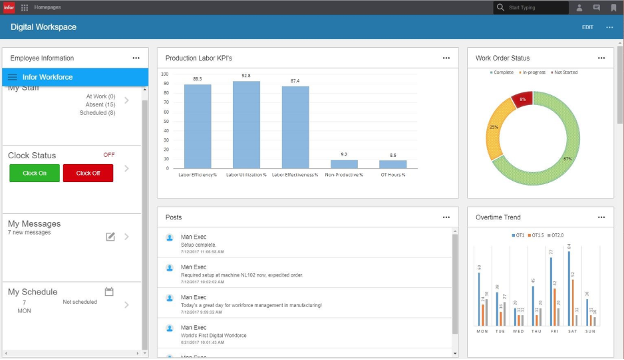
Infor est un logiciel ERP qui s'adresse à divers secteurs d'activité, en proposant des solutions adaptées à des domaines comme la fabrication, la santé et le commerce de détail. Il est conçu pour les entreprises à la recherche de fonctionnalités spécifiques à leur secteur afin d'améliorer leur efficacité opérationnelle.
Pourquoi c'est une bonne alternative à SAP ERP : Infor fournit des solutions spécifiques à chaque secteur qui répondent aux besoins uniques des entreprises, ce qui en fait un outil idéal pour les domaines spécialisés. Son architecture infonuagique favorise l'évolutivité et la flexibilité, permettant à votre équipe de s'adapter rapidement à l'évolution des exigences.
La plateforme propose des outils avancés d'analyse et de création de rapports pour favoriser une prise de décision éclairée. Grâce à ses fonctionnalités axées sur les secteurs d'activité, Infor peut aider votre organisation à atteindre ses objectifs plus rapidement.
Fonctionnalités et intégrations remarquables :
Les fonctionnalités comprennent des outils d'analyse avancés qui fournissent des informations propres à votre secteur. Vous pouvez également tirer parti de son architecture infonuagique, qui offre évolutivité et flexibilité aux entreprises en croissance. De plus, les outils de création de rapports d'Infor favorisent une prise de décision fondée sur les données.
Les intégrations comprennent Microsoft Azure, ADP, Microsoft Office, Shopify, Amazon Web Services, Salesforce, Shopify et DocuSign.
Pros and Cons
Pros:
- Analyses basées sur l'IA et propres au secteur pour fournir des informations contextuelles
- Contenu, tableaux de bord et terminologie fondés sur les rôles
- Réglementations et obligations de conformité propres au secteur intégrées
Cons:
- La richesse des suites sectorielles peut nécessiter un investissement dans la formation
- La migration des systèmes existants peut entraîner des problèmes de performance

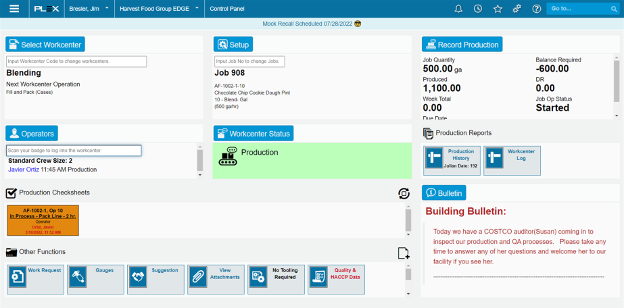
Plex ERP est une solution ERP cloud conçue pour les fabricants, axée sur la gestion de la production et l’optimisation de la chaîne d’approvisionnement. Elle prend en charge des secteurs tels que l’automobile, l’aérospatiale, ainsi que l’alimentation et les boissons.
Pourquoi c’est une bonne alternative à l’ERP SAP : Plex ERP excelle dans l’intégration des processus de fabrication et offre une visibilité en temps réel sur les opérations de production et de la chaîne d’approvisionnement. Sa plateforme cloud garantit évolutivité et flexibilité, en s’adaptant à l’évolution des besoins de votre entreprise.
L’accent mis par Plex ERP sur les fonctionnalités spécifiques à la fabrication contribue à optimiser les flux de production et à réduire les temps d’arrêt. Grâce à l’accès aux données en temps réel, votre équipe peut prendre des décisions éclairées.
Fonctionnalités et intégrations remarquables :
Les fonctionnalités comprennent des outils de gestion de la production qui aident votre équipe à superviser et à optimiser les processus de fabrication. Vous pouvez également profiter de ses fonctionnalités de gestion de la qualité, qui garantissent que les produits respectent les normes du secteur. De plus, Plex ERP offre des capacités de gestion de la chaîne d’approvisionnement afin d’améliorer la coordination.
Les intégrations comprennent Microsoft Azure, Google Cloud, Microsoft Office 365 et Amazon Web Services.
Pros and Cons
Pros:
- Connectivité IIoT native et utilisation du système d’exécution de la fabrication Plex
- La visibilité de la chaîne d’approvisionnement s’étend aux portails fournisseurs et aux prestataires logistiques
- Accent mis sur les fonctionnalités spécifiques à la fabrication
Cons:
- Fonctionnalités limitées en dehors de la fabrication
- Les rapports prennent du temps à configurer

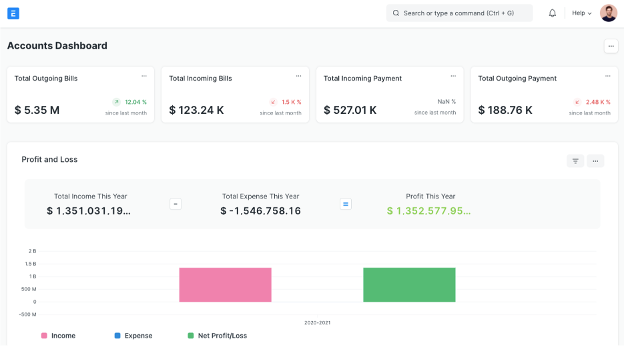
ERPNext est une solution ERP à code source ouvert conçue pour les petites et moyennes entreprises de divers secteurs. Elle aide à gérer plusieurs processus métier, tels que la comptabilité, les stocks et les ressources humaines.
Pourquoi c'est une bonne alternative à SAP ERP : ERPNext offre la flexibilité du code source ouvert, permettant à votre équipe de personnaliser et de modifier le logiciel afin de répondre à des besoins métier spécifiques. Sa conception modulaire prend en charge un large éventail de fonctionnalités, ce qui le rend adaptable à différents secteurs.
L'interface conviviale de la plateforme garantit une navigation facile et une adoption rapide. Grâce à son développement piloté par la communauté, ERPNext bénéficie d'améliorations et de mises à jour continues.
Fonctionnalités et intégrations remarquables :
Les fonctionnalités comprennent la gestion de la fabrication, qui aide votre équipe à superviser les processus de production. Vous pouvez également profiter de ses outils de gestion de projet, qui facilitent la planification et l'exécution. De plus, ERPNext propose des fonctionnalités de CRM pour gérer les relations clients et les ventes.
Les intégrations comprennent Dropbox, Google Drive, Amazon S3, Plaid, Stripe, PayPal, Razorpay, Shopify, WooCommerce, Amazon, Zenoti et Twilio.
Pros and Cons
Pros:
- Code source ouvert et personnalisable
- Conception modulaire pour différents secteurs
- Développement piloté par la communauté
Cons:
- La configuration nécessite des compétences techniques
- Difficile à faire évoluer sans l'aide de développeurs
Autres alternatives à SAP ERP
Voici quelques autres alternatives à SAP ERP qui ne figurent pas dans ma sélection, mais qui méritent tout de même votre attention :
- Versa Cloud ERP
Idéal pour une conception axée sur les stocks
- Focus ERP
Idéal pour l’automatisation et la facilité d’utilisation
- Odoo
Idéal pour la personnalisation à code source ouvert


Comment j'évalue les alternatives à SAP ERP
Je divise mon évaluation en deux niveaux : d'abord, les fondamentaux que chaque remplaçant de SAP doit absolument offrir—un grand livre complet, la prise en charge de multiples entités, et les modules ERP de base—puis les éléments qui distinguent les meilleures options.
Fonctionnalités essentielles (Prérequis indispensables pour cette liste)
Lorsque je sélectionne les outils pour ma liste, j'évalue chacun sur une échelle de 0 (ne propose pas la fonctionnalité) à 5 (excellent dans ce domaine) pour chacune des fonctionnalités essentielles ci-dessous. Ensuite, je calcule le score total de l'outil en pourcentage. Chaque outil doit atteindre un score total minimum de 75% pour être pris en compte dans la sélection.
- Grand livre général et comptabilité de base : Je vérifie la présence d'un grand livre en partie double comprenant gestion des comptes fournisseurs et clients ainsi que des écritures, avec des éléments comme le rapprochement bancaire automatisé et le suivi analytique par département.
- Reporting financier et consolidation : Chaque plateforme doit générer des états conformes aux normes GAAP/IFRS et consolider plusieurs entités, avec des éliminations intersociétés automatiques.
- Modules ERP intégrés : Une véritable alternative à SAP doit proposer des modules au-delà de la comptabilité. Je recherche la présence de fonctionnalités de gestion des achats, stocks, commandes ou chaîne logistique au sein de la même plateforme.
- Support multi-entités et multi-devises : Les équipes internationales ont besoin de réévaluation de devises automatisée et de gestion locale des taxes. J'évalue comment chaque outil gère les filiales dans différentes juridictions.
- Budgétisation, planification et prévisions : Je recherche des outils FP&A natifs : suivi du budget vs. réalisé, modélisation de scénarios et prévisions révisables, sans dépendre d'une application tierce de planification.
- Conformité et contrôles d'audit : Une piste d'audit fiable, une gestion des accès basée sur les rôles et la séparation des tâches sont essentiels. J'analyse comment chaque outil prend en charge des cadres comme SOX et les obligations régionales de facturation électronique.
Une fois ma liste d'outils répondant à ces critères établie, j'examine ce qui différencie chaque plateforme.
Facteurs de différenciation (Ce qui distingue les éditeurs)
Voici comment je compare et distingue les différents vendeurs :
Fonctionnalités remarquables
L'automatisation par intelligence artificielle est un élément différenciateur important. Je privilégie les outils capables d'apparier automatiquement les factures, de signaler les anomalies ou de prévoir la trésorerie sans passer par des tableurs manuels. Les solutions permettant la clôture continue sont également primordiales—des plateformes comme Sage Intacct et Oracle NetSuite proposent l'orchestration des tâches et l'automatisation des rapprochements, réduisant la clôture de fin de mois de plusieurs semaines à quelques jours. Les versions sectorielles valent aussi le détour, car des plans comptables et workflows préconfigurés pour l'industrie ou les services professionnels impliquent moins de paramétrage initial.
Au-delà des fonctionnalités
Le coût total de possession est un des premiers critères que j'examine. Le modèle de licence et de maintenance de SAP est notoirement complexe, donc je compare la transparence du modèle tarifaire de chaque alternative sur un horizon de trois à cinq ans. Les délais de mise en œuvre sont tout aussi importants—je vérifie si l'éditeur propose des outils spécifiques de migration depuis SAP ou des partenaires certifiés ayant déjà géré ce type de transition. Enfin, l'écosystème est déterminant : la présence de connecteurs vers des CRM, des moteurs de taxes comme Avalara ou Vertex, et d'APIs ouvertes conditionne l'intégration fluide de la plateforme à vos outils existants.
Pourquoi rechercher une alternative à SAP ERP ?
Bien que SAP ERP soit un bon choix de logiciel ERP, plusieurs raisons peuvent pousser certains utilisateurs à rechercher d'autres solutions. Vous cherchez peut-être une alternative à SAP ERP parce que…
- Vous avez besoin d'une option plus abordable
- Votre équipe le trouve trop complexe
- Vous avez besoin d'un meilleur service client
- Il ne propose pas de fonctionnalités propres à votre secteur
- Vous avez besoin d'options de personnalisation plus simples
- Votre entreprise est trop petite pour SAP ERP
Si vous vous reconnaissez dans l'une de ces situations, vous êtes au bon endroit. Ma liste contient plusieurs solutions logicielles ERP mieux adaptées aux équipes confrontées à ces difficultés avec SAP ERP et à la recherche d'autres solutions.
Principales fonctionnalités de SAP ERP
Voici quelques-unes des principales fonctionnalités de SAP ERP, afin de vous aider à comparer les offres des autres solutions logicielles :
- Gestion financière : Aide votre équipe à gérer facilement les transactions financières et les rapports.
- Gestion de la chaîne d’approvisionnement : Centralise les processus d’approvisionnement, de gestion des stocks et de logistique.
- Gestion des ressources humaines : Facilite la gestion des données des employés, de la paie et du recrutement.
- Gestion de la relation client : Améliore le service client et les processus de vente en organisant les données clients.
- Analyse et rapports : Fournit des informations et une visualisation des données pour prendre des décisions éclairées.
- Gestion de projet : Aide à planifier, exécuter et superviser efficacement les projets.
- Gestion de la conformité : Garantit le respect des réglementations et des normes du secteur.
- Gestion de la production : Optimise les calendriers et les opérations de production.
- Ventes et distribution : Facilite le traitement des commandes et la gestion des livraisons.
- Gestion des approvisionnements : Simplifie les tâches d’achat et de gestion des fournisseurs.