

Intuit Enterprise Suite contro Sage ERP: confronto e recensioni di esperti per il 2026

Recensiamo gli strumenti in modo indipendente e le commissioni aiutano a finanziare i nostri test. Consulta la nostra politica sulla trasparenza, la nostra metodologia, oppure suggerisci uno strumento.
Se stai valutando Intuit Enterprise Suite e Sage ERP, è probabile che tu stia già avvertendo la pressione dovuta al superamento dei limiti dei tuoi sistemi attuali. Forse i tuoi dati finanziari risiedono in diversi strumenti che non comunicano tra loro, la reportistica richiede molto più tempo del dovuto oppure fai fatica a ottenere una visione chiara e in tempo reale delle prestazioni della tua azienda. Con la crescita dell'impresa, le crepe nei processi disconnessi diventano sempre più difficili da ignorare.
A un certo punto, hai bisogno di qualcosa di più dei semplici strumenti contabili: ti serve un software ERP in grado di centralizzare le operazioni, automatizzare i flussi di lavoro e crescere insieme alla tua azienda. Ma scegliere la piattaforma giusta può sembrare complicato. Per questo, in questo articolo metto a confronto due dei principali protagonisti del settore ERP: Intuit Enterprise Suite e Sage ERP. Scopri come si posizionano in termini di facilità d'uso, funzionalità, prezzi e supporto, così potrai decidere con sicurezza quale opzione aiuterà la tua organizzazione a prosperare.
Intuit Enterprise Suite
4.6/5
- Free demo available
- Pricing upon request
Sage ERP
3.9/5
- Free trial available
- Pricing upon request
Perché fidarsi dei nostri consigli sui software
6,700+
Reviews
20
Industry experts
16+
Evaluation factors
14
Years
Le nostre recensioni riflettono il nostro giudizio indipendente, non un discorso di vendita. Scopri come manteniamo la trasparenza.
Per questa guida, abbiamo valutato gli strumenti attraverso test pratici e ricerche indipendenti, assegnando un punteggio agli strumenti in base ai nostri criteri di selezione.
Le nostre recensioni riflettono il nostro giudizio editoriale umano, non un discorso di vendita.
| Intuit Enterprise Suite | Sage ERP | |
|---|---|---|
| Free Trial | Free demo available | Free trial available |
| Pricing | Pricing upon request | Pricing upon request |
Prezzi e costi nascosti di Intuit Enterprise Suite e Sage ERP
Intuit Enterprise Suite utilizza generalmente un modello di prezzi personalizzabile basato su abbonamento, con costi determinati da fattori come il numero di utenti, le entità e le funzionalità selezionate. Poiché la piattaforma è configurabile, i prezzi possono variare significativamente da un'organizzazione all'altra. Potresti inoltre incontrare costi aggiuntivi per moduli avanzati, integrazioni o servizi di supporto premium.
Sage ERP è modulare, con soluzioni come Sage Intacct, Sage 100 e Sage X3, che generalmente utilizzano un modello di prezzi basato su preventivo, variabile in base agli utenti, ai moduli e alle opzioni di implementazione. Sebbene il costo del software di base rappresenti una parte dell'investimento, i servizi di implementazione, la personalizzazione, la formazione e il supporto continuativo possono aumentare significativamente il costo totale di proprietà: spese che non sono sempre immediatamente chiare durante le prime valutazioni.
\u003cspan style=\u0022font-weight: 400;\u0022\u003eSia Intuit Enterprise Suite sia Sage ERP offrono molte delle funzionalità fondamentali che le aziende si aspettano dai moderni sistemi ERP. Entrambi forniscono funzionalità di gestione finanziaria come libro mastro generale, budgeting e reportistica, oltre all’automazione dei flussi di lavoro e all’analisi in tempo reale. Centralizzano inoltre i principali processi aziendali, come contabilità, acquisti e dati operativi, consentendoti di ottenere una visibilità migliore sulle prestazioni dell’intera organizzazione.\u003c/span\u003e\r\n\r\n\u003cspan style=\u0022font-weight: 400;\u0022\u003eNel complesso, Intuit Enterprise Suite si distingue per la solida gestione di più entità e per la reportistica finanziaria consolidata, oltre che per la stretta integrazione con gli altri strumenti Intuit. Le soluzioni Sage ERP, in particolare piattaforme come Sage X3, sono note per la gestione avanzata dell’inventario, della produzione e della catena di approvvigionamento, risultando quindi più adatte alle aziende che vendono prodotti.\u003c/span\u003e
| Intuit Enterprise Suite | Sage ERP | |
|---|---|---|
| Accounts Payable | Yes | Yes |
| Accounts Receivable | Yes | Yes |
| API | Yes | Yes |
| Budgeting | Yes | Yes |
| Calendar Management | No | Yes |
| Customer Management | No | Yes |
| Dashboard | Yes | Yes |
| Data Export | Yes | Yes |
| Data Import | Yes | Yes |
| Data Visualization | Yes | Yes |
| Expense Tracking | Yes | Yes |
| External Integrations | Yes | Yes |
| Forecasting | Yes | Yes |
| Inventory Tracking | Yes | Yes |
| Multi-User | Yes | Yes |
| Notifications | Yes | Yes |
| Payroll | Yes | Yes |
| Project Management | Yes | Yes |
| Scheduling | No | Yes |
| Supplier Management | Yes | Yes |
| Third-Party Plugins/Add-Ons | Yes | Yes |
| Integrazione | Intuit Enterprise Suite | Sage ERP |
| Salesforce | ✅ | ✅ |
| Shopify | ✅ | ✅ |
| Avalara | ✅ | ✅ |
| Bill.com | ✅ | ✅ |
| HubSpot | ✅ | ✅ |
| Expensify | ✅ | ✅ |
| ADP | ✅ | ✅ |
| Microsoft 365 | ✅ | ✅ |
| API | ✅ | ✅ |
| Zapier | ✅ | ✅ |
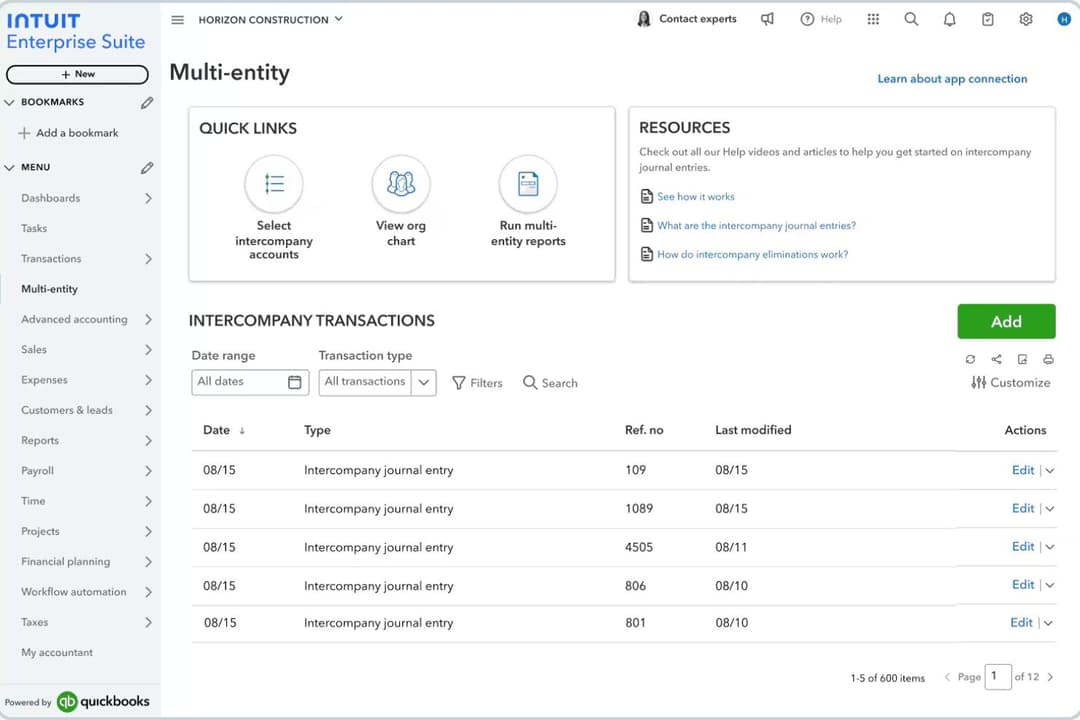
Entrambe le piattaforme supportano l'integrazione con gli strumenti aziendali più comuni tramite API, connettori e marketplace dei partner. Intuit Enterprise Suite si integra con centinaia di applicazioni di terze parti, tra cui strumenti per CRM, paghe, commercio elettronico e gestione dei progetti, attraverso la propria piattaforma per sviluppatori e il proprio ecosistema di partner.
Anche le soluzioni Sage ERP offrono ampie funzionalità di integrazione attraverso il loro marketplace e le API. Piattaforme come Sage Intacct possono connettersi a strumenti per CRM, imposte, paghe e gestione delle spese, tra cui Salesforce, Avalara ed Expensify, mentre piattaforme di integrazione e connettori consentono di collegarsi anche a sistemi di commercio elettronico e marketing.
| Fattore | Intuit Enterprise Suite | Sage ERP |
| Crittografia dei dati | Utilizza la crittografia AES-256 e protegge i dati durante il transito e a riposo. | Utilizza una crittografia avanzata per garantire la sicurezza dell'archiviazione e della trasmissione dei dati. |
| Conformità normativa | È supportato dal più ampio framework di conformità di Intuit, che include standard come SOC 1, SOC 2, ISO 27001 e PCI DSS in tutta la sua infrastruttura cloud. | Supporta gli standard di conformità globali, tra cui SOC, GDPR e altri framework normativi, con registri di controllo integrati. |
| Controlli degli accessi | Consente di personalizzare ruoli e autorizzazioni degli utenti per proteggere i dati sensibili. | Offre autorizzazioni granulari per gli utenti e l'autenticazione a due fattori per una maggiore sicurezza. |
| Disponibilità & affidabilità | Infrastruttura ad alta disponibilità con crittografia e monitoraggio. | Garantisce un'elevata disponibilità con ripristino d'emergenza e controlli continui dello stato del sistema. |
Sia Intuit Enterprise Suite sia Sage ERP offrono solide funzionalità di sicurezza, tra cui crittografia dei dati, controlli degli accessi basati sui ruoli e registri di controllo a supporto della conformità. Intuit pone l'accento sull'infrastruttura cloud sicura e sui controlli integrati per la trasparenza finanziaria, mentre le piattaforme Sage ERP, in particolare Sage Intacct, si distinguono per un supporto più ampio alla conformità, ad esempio al GDPR, e per un'infrastruttura cloud ad alta disponibilità con ripristino d'emergenza.
| Fattore | Intuit Enterprise Suite | Sage ERP |
| Interfaccia utente | Presenta un cruscotto chiaro e intuitivo, con navigazione semplice e accesso rapido alle attività principali. | Offre un'interfaccia personalizzabile, ma i menu possono risultare complessi per i nuovi utenti. |
| Avvio | Fornisce una configurazione guidata, tutorial integrati nell'applicazione e un avvio rapido per la maggior parte dei team. | Richiede più formazione e tempo per la configurazione, soprattutto per i moduli avanzati. |
| Personalizzazione | Consente di apportare modifiche di base ai flussi di lavoro senza necessità di programmazione o supporto IT. | Supporta una personalizzazione approfondita, ma la configurazione può essere complessa e richiedere molto tempo. |
| Risorse di supporto | Include chat dal vivo, assistenza telefonica e una base di conoscenza consultabile. | Offre una documentazione completa e un supporto dedicato, ma i tempi di risposta possono variare. |
Intuit Enterprise Suite è più facile da apprendere e utilizzare fin da subito, mentre Sage ERP premia gli utenti che necessitano di una personalizzazione avanzata e sono disposti a investire più tempo nella configurazione. Il design intuitivo e l'avvio rapido di Intuit Enterprise Suite lo rendono ideale per i team che cercano semplicità, mentre la flessibilità di Sage ERP è adatta alle organizzazioni con flussi di lavoro unici ed esigenze specifiche.
Intuit Enterprise Suite
- Multi-entity management supports complex organizational structures.
- AI-powered forecasting and insights help businesses analyze financial data.
- Built-in migration tools support transitions from QuickBooks Desktop and Advanced.
- The platform lacks sufficient training for new releases.
- Features can feel overwhelming.
- Reports take longer than expected to load.
Sage ERP
- Reliable customer support is available when needed.
- You can customize the software to fit your business processes.
- Its reporting capabilities help you make informed decisions quickly.
- You might find the user interface outdated compared to other software.
- Your team may initially encounter a steep learning curve.
- You could face limited mobile functionality, affecting on-the-go access.
Intuit Enterprise Suite
- Multi-Entity BusinessesCompanies managing multiple subsidiaries, brands, or locations that need consolidated financial visibility while maintaining separate books.
- Finance Teams Focused on ForecastingOrganizations that rely on financial planning and projections to guide budgeting, expansion, and strategic decisions.
- Businesses With Structured Financial WorkflowsCompanies with complex approval processes that want to automate financial workflows and improve internal controls.
- Growing Service BusinessesService businesses needing project profitability tracking, workforce management, and consolidated financial planning across departments benefit significantly.
- Product-Based BusinessesCompanies that manage inventory and sales orders and need accounting, inventory, and order workflows connected in one system.
- Construction FirmsConstruction companies tracking job costing, project budgets, and multi-entity structures gain stronger operational visibility.
Sage ERP
- Large BusinessesSage ERP's advanced automation and highly customizable system are ideal for enterprises with complex processes.
- Manufacturing CompaniesIts strong inventory management and production planning tools help manufacturing companies optimize operations and reduce waste.
- Retail BusinessesRetailers can benefit from Sage ERP's point-of-sale and inventory tracking features, providing an overall view of sales and stock levels.
- Nonprofit OrganizationsWith features for fund accounting and grant management, Sage ERP solutions support nonprofits in managing finances transparently.
- Construction FirmsConstruction firms can utilize its project management and job costing features for effective expense management and profitability tracking.
- Financial DepartmentsFinancial departments across various industries will find Sage ERP software's financial reporting and analysis capabilities invaluable for informed decision-making.
Chi dovrebbe utilizzare Intuit Enterprise Suite e chi dovrebbe utilizzare Sage ERP?
Intuit Enterprise Suite è particolarmente adatto ai team in crescita delle aziende di medie dimensioni che desiderano una configurazione rapida, flussi di lavoro semplici e integrazioni agevoli, soprattutto per le aziende multi-entità e basate sui prodotti. Se la tua organizzazione dà valore alla semplicità, a un avvio rapido e a un budget prevedibile, Intuit Enterprise Suite manterrà le tue attività operative efficienti senza una curva di apprendimento ripida. Sage ERP, d'altra parte, è più indicato per le aziende di grandi dimensioni o le organizzazioni globali con processi complessi, rigorose esigenze di conformità o flussi di lavoro altamente personalizzati.
| Intuit Enterprise Suite | Sage ERP | |
|---|---|---|
| Automation | Intuit Enterprise Suite AI-powered automation for forecasting, reporting, and financial processes. | Sage ERP Advanced automation for finance, inventory, manufacturing, and supply chain workflows. |
| Customization | Intuit Enterprise Suite Configurable reporting, workflows, and industry dashboards using dimensions. | Sage ERP Highly customizable with deeper system configuration and development options. |
| Implementation Speed | Intuit Enterprise Suite Faster cloud deployment with simpler setup compared to traditional ERPs. | Sage ERP Implementation often longer due to customization and configuration. |
| Scalability | Intuit Enterprise Suite Designed to scale growing mid-market businesses without full ERP complexity. | Sage ERP Built to support complex enterprise operations across multiple departments. |
| User Interface | Intuit Enterprise Suite Modern cloud interface similar to QuickBooks, designed for ease of use. | Sage ERP More complex interface that may require training depending on the product. |
| Core Accounting | Both offer full general ledger, accounts payable/receivable, and bank reconciliation features, supporting accurate financial management. |
|---|---|
| Integration Options | Both integrate with CRM, payroll, ecommerce, and other business tools through APIs, connectors, and partner marketplaces. |
| Multi-Entity Support | Both systems support multi-entity accounting and consolidated financial reporting. |
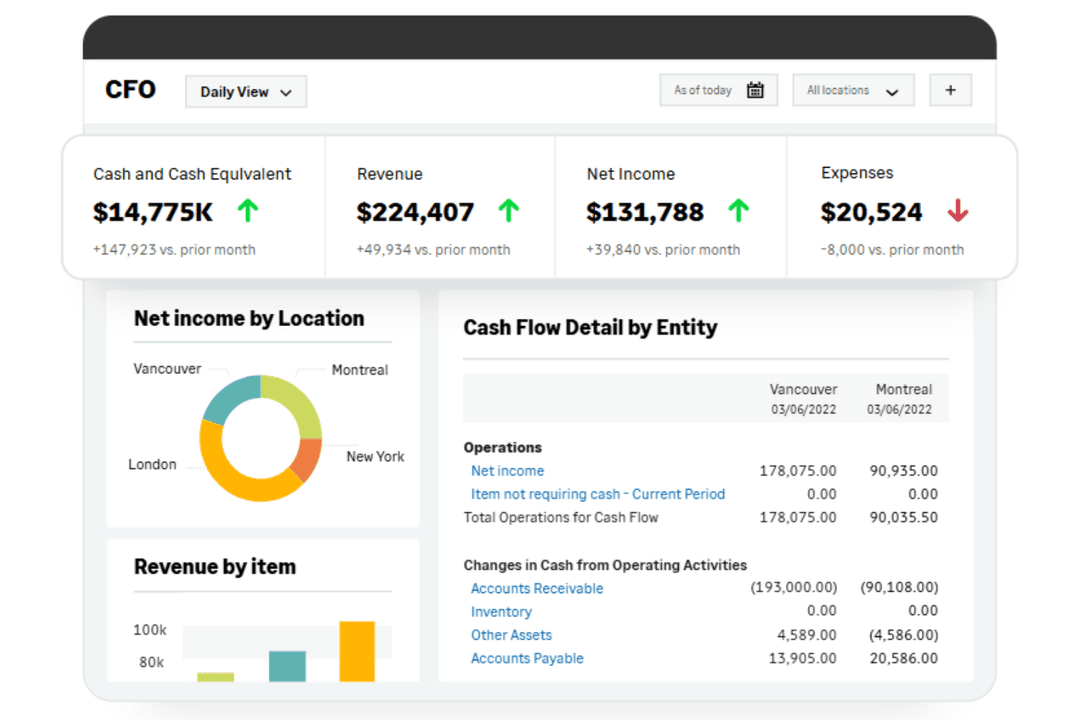
| Reporting and Dashboards | Each provides customizable financial reports and dashboards, helping teams analyze performance and share insights with stakeholders. |
| Security Standards | Both use strong encryption, access controls, and audit trails to protect sensitive financial data and support compliance. |