

Le 10 migliori alternative a Procore per l’edilizia nel 2026

Elenco delle migliori alternative a Procore


In qualità di direttore finanziario, devi affrontare la pressione costante di gestire i budget, ottimizzare le risorse e garantire il completamento puntuale dei progetti. Il software per la gestione delle costruzioni può rappresentare una svolta, ma non tutti gli strumenti sono adatti a ogni modello aziendale. Se ti accorgi che Procore non soddisfa le tue esigenze, non sei il solo.
In base alla mia esperienza, è importante trovare un software in linea con le tue sfide specifiche. Che si tratti di costi, scalabilità o funzionalità specifiche del settore, esistono alternative che potrebbero adattarsi meglio al tuo team.
Ho esaminato e valutato in modo indipendente diverse alternative a Procore per aiutarti a prendere una decisione informata. In questo articolo condividerò le mie scelte migliori, concentrandomi su come ciascuna soluzione può rispondere alle tue specifiche esigenze aziendali.
Che cos'è Procore?
Procore è un software per la gestione delle costruzioni che aiuta i team a gestire i progetti dall'inizio alla fine. È ampiamente utilizzato da project manager, ingegneri e appaltatori che devono mantenere i progetti nei tempi e nei limiti del budget. Le funzionalità di gestione dei documenti, collaborazione in tempo reale e monitoraggio finanziario contribuiscono a migliorare l'efficienza, la comunicazione e il controllo dei costi. Nel complesso, Procore offre una piattaforma che semplifica i processi di costruzione e migliora la visibilità sui progetti.
Tabella di confronto delle alternative a Procore
Questa tabella di confronto riassume i dettagli sui prezzi delle mie migliori alternative a Procore.
| Tool | Best For | Trial Info | Price | ||
|---|---|---|---|---|---|
| 1 | Ideale per la gestione di portafogli di progetti su larga scala | Demo gratuita disponibile | Prezzi su richiesta | Website | |
| 2 | Ideale per la gestione completa dei progetti | Demo gratuita disponibile | Prezzi su richiesta | Website | |
| 3 | Ideale per la collaborazione in tempo reale in cantiere | Piano gratuito disponibile | A partire da $39/utente/mese (con fatturazione annuale) | Website | |
| 4 | Ideale per gli appaltatori commerciali | Demo gratuita disponibile | Prezzi su richiesta | Website | |
| 5 | Ideale per costruttori e ristrutturatori di progetti personalizzati | Demo gratuita disponibile | Prezzi su richiesta | Website | |
| 6 | Ideale per le aziende di servizi per la casa | Demo gratuita disponibile | Prezzo disponibile su richiesta | Website | |
| 7 | Ideale per il semplice monitoraggio dei progetti | Versione di prova gratuita di 30 giorni + demo gratuita disponibile | A partire da 15 $/utente/mese (con fatturazione annuale) | Website | |
| 8 | Ideale per gli appaltatori generali | Demo gratuita disponibile | Prezzi su richiesta | Website | |
| 9 | Ideale per la gestione dei progetti basata sull'IA | Piano gratuito disponibile | A partire da $165/progetto/mese | Website | |
| 10 | Ideale per appaltatori specializzati | Demo gratuita disponibile | Prezzi su richiesta | Website |
Perché fidarsi dei nostri consigli sui software
Le nostre recensioni riflettono il nostro giudizio indipendente, non un discorso di vendita. Scopri come manteniamo la trasparenza.
Per questa guida, abbiamo valutato gli strumenti attraverso test pratici e ricerche indipendenti, assegnando un punteggio agli strumenti in base ai nostri criteri di selezione.
Le nostre recensioni riflettono il nostro giudizio editoriale umano, non un discorso di vendita.
Recensioni delle migliori alternative a Procore
Di seguito sono riportati i miei riepiloghi dettagliati delle migliori alternative a Procore incluse nel mio elenco. Le mie recensioni offrono uno sguardo approfondito sulle funzionalità principali, sui vantaggi e svantaggi, sulle integrazioni e sui casi d’uso ideali di ogni strumento, per aiutarti a trovare quello più adatto a te.

Ideale per la gestione di portafogli di progetti su larga scala
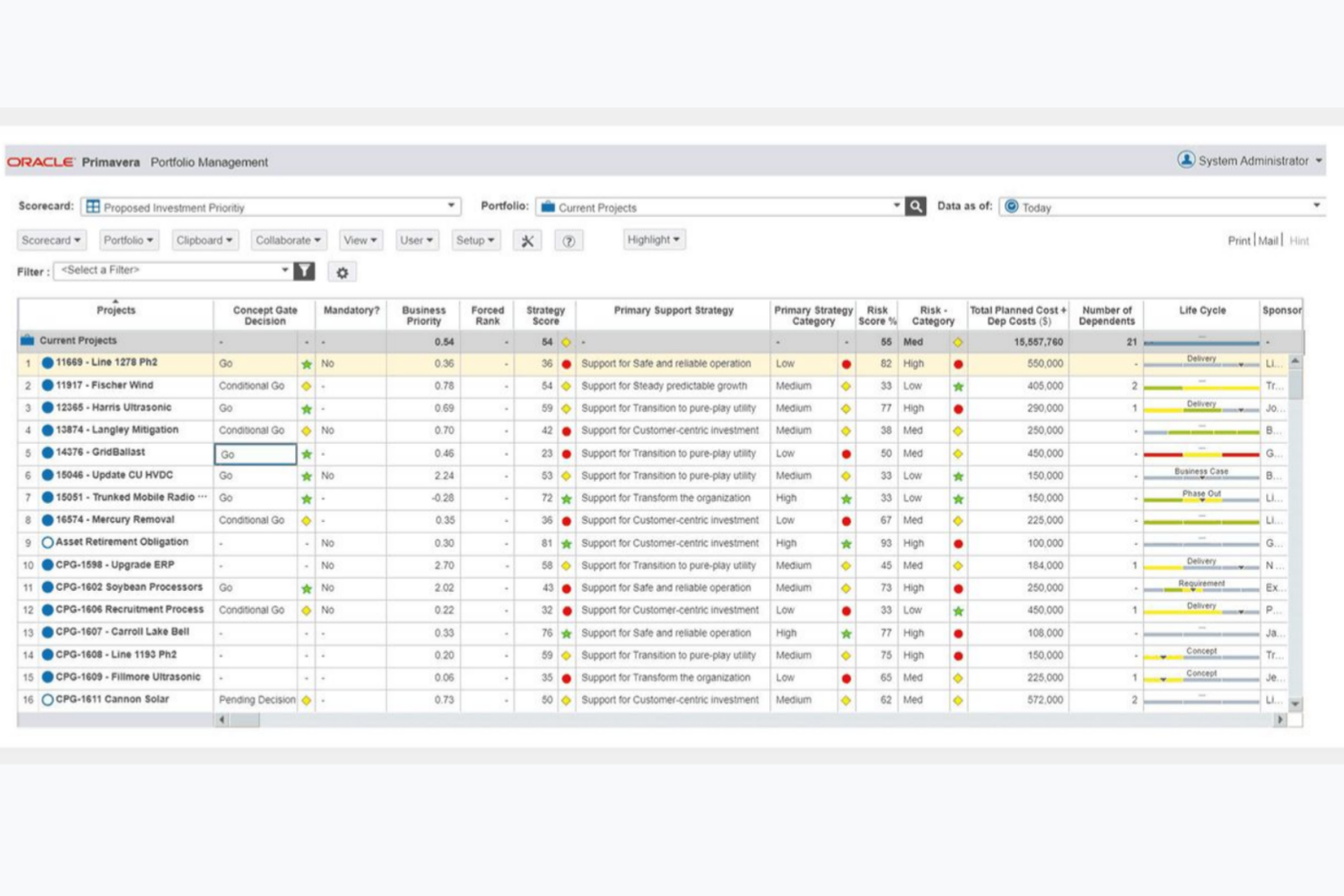
Oracle Primavera è un software per la gestione del portafoglio di progetti progettato per progetti su larga scala e aziende. È ampiamente utilizzato da responsabili di progetto, pianificatori e responsabili della programmazione in settori come l'edilizia, l'ingegneria e l'energia.
Perché è una valida alternativa a Procore: Oracle Primavera offre funzionalità avanzate per la gestione del portafoglio, l'ottimizzazione delle risorse e l'analisi dei rischi, che aiutano a gestire progetti complessi e ad allinearli agli obiettivi aziendali. Queste funzionalità supportano la pianificazione e l'esecuzione strategiche, fornendo una visione completa delle prestazioni dei progetti. La sua attenzione alla gestione di più progetti all'interno di un portafoglio lo distingue da Procore, offrendo strumenti migliori per l'allocazione e la definizione delle priorità delle risorse.
Caratteristiche distintive e integrazioni:
Le funzionalità includono la pianificazione di scenari per valutare diversi risultati dei progetti, il monitoraggio dei progetti per garantirne la consegna puntuale e il livellamento delle risorse per ottimizzarne l'utilizzo. Il software offre inoltre strumenti dettagliati di reportistica, che aiutano ad analizzare i dati dei progetti e a prendere decisioni informate.
Le integrazioni includono il Sistema di progetto SAP, la Manutenzione degli impianti SAP e SAP PS e PM.
Pros and Cons
Pros:
- Gestione avanzata delle risorse
- Analisi dei rischi
- Adatto a progetti su larga scala
Cons:
- Nessuna informazione pubblica sui prezzi
- Flessibilità limitata per i progetti di piccole dimensioni

Ideale per la gestione completa dei progetti
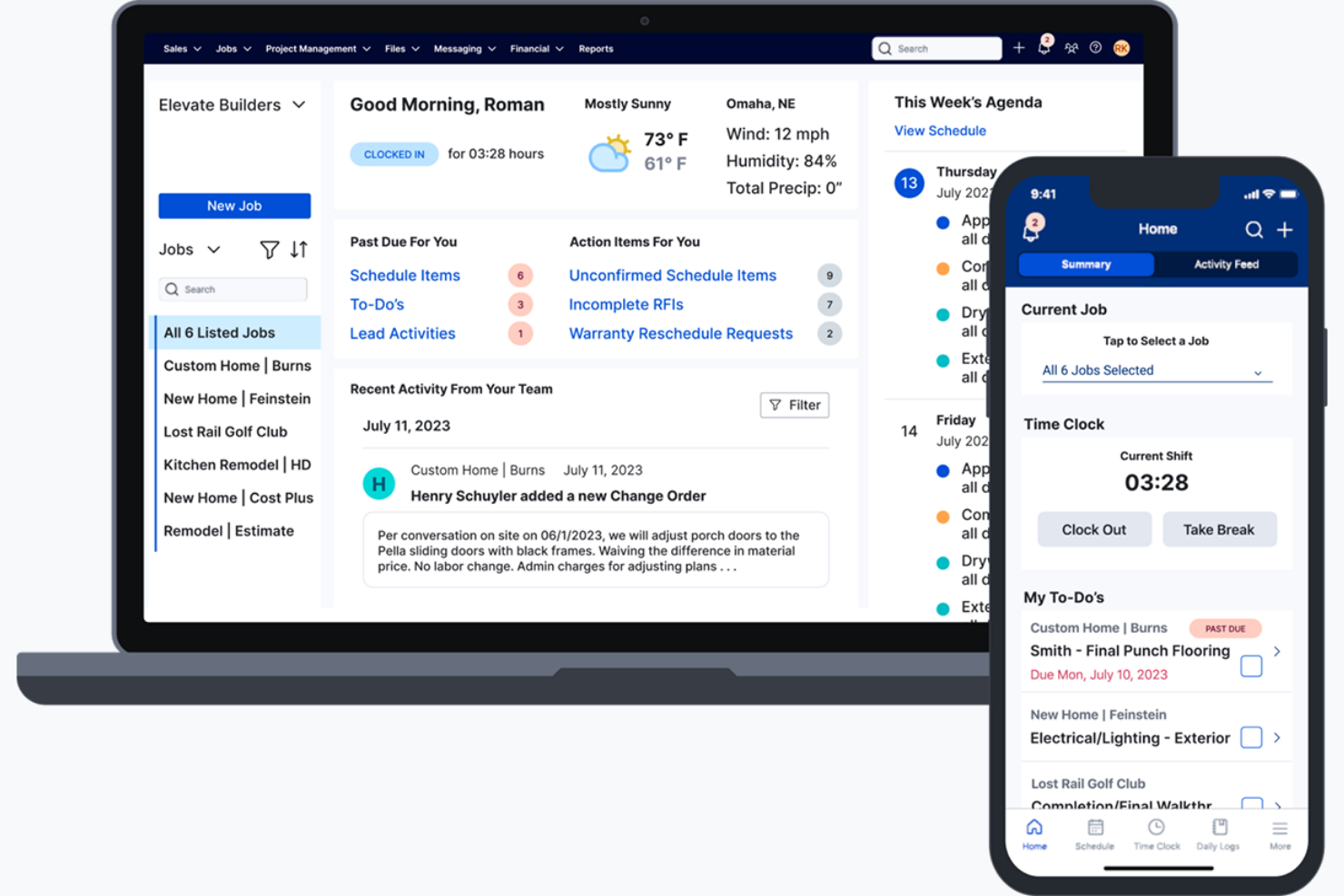
Buildertrend è un software di gestione dei progetti di costruzione progettato per le imprese edili residenziali e commerciali, per gestire progetti, programmi e comunicazioni con i clienti. Viene utilizzato da appaltatori e imprese di ristrutturazione per aumentare l'efficienza dei progetti e la soddisfazione dei clienti.
Perché è una valida alternativa a Procore: Buildertrend offre funzionalità come la programmazione, la gestione del budget e gli strumenti di comunicazione con i clienti, risultando ideale per le imprese edili alla ricerca di una soluzione completa. Questi strumenti aiutano il tuo team a gestire i progetti dall'inizio alla fine, assicurando che tutto proceda secondo i piani. La sua attenzione nel fornire una piattaforma completa per la gestione dei progetti la distingue da Procore, offrendo un approccio integrato alla gestione delle costruzioni.
Funzionalità e integrazioni principali:
Le funzionalità includono il monitoraggio del tempo per controllare i costi della manodopera, l'archiviazione dei documenti per accedere facilmente ai file dei progetti e la gestione degli ordini di modifica per gestire gli adeguamenti. Puoi anche utilizzare gli strumenti di gestione delle offerte per gestire il processo di gara e assicurarti più progetti.
Le integrazioni includono QuickBooks, Xero, Gusto, Salesforce, HubSpot e Pipedrive.
Pros and Cons
Pros:
- Soluzione completa per la gestione dei progetti
- Ottime funzionalità di programmazione
- Strumenti efficaci per la gestione del budget
Cons:
- Curva di apprendimento per i team che non conoscono i software per l'edilizia
- Limitato per le costruzioni su larga scala

Ideale per la collaborazione in tempo reale in cantiere
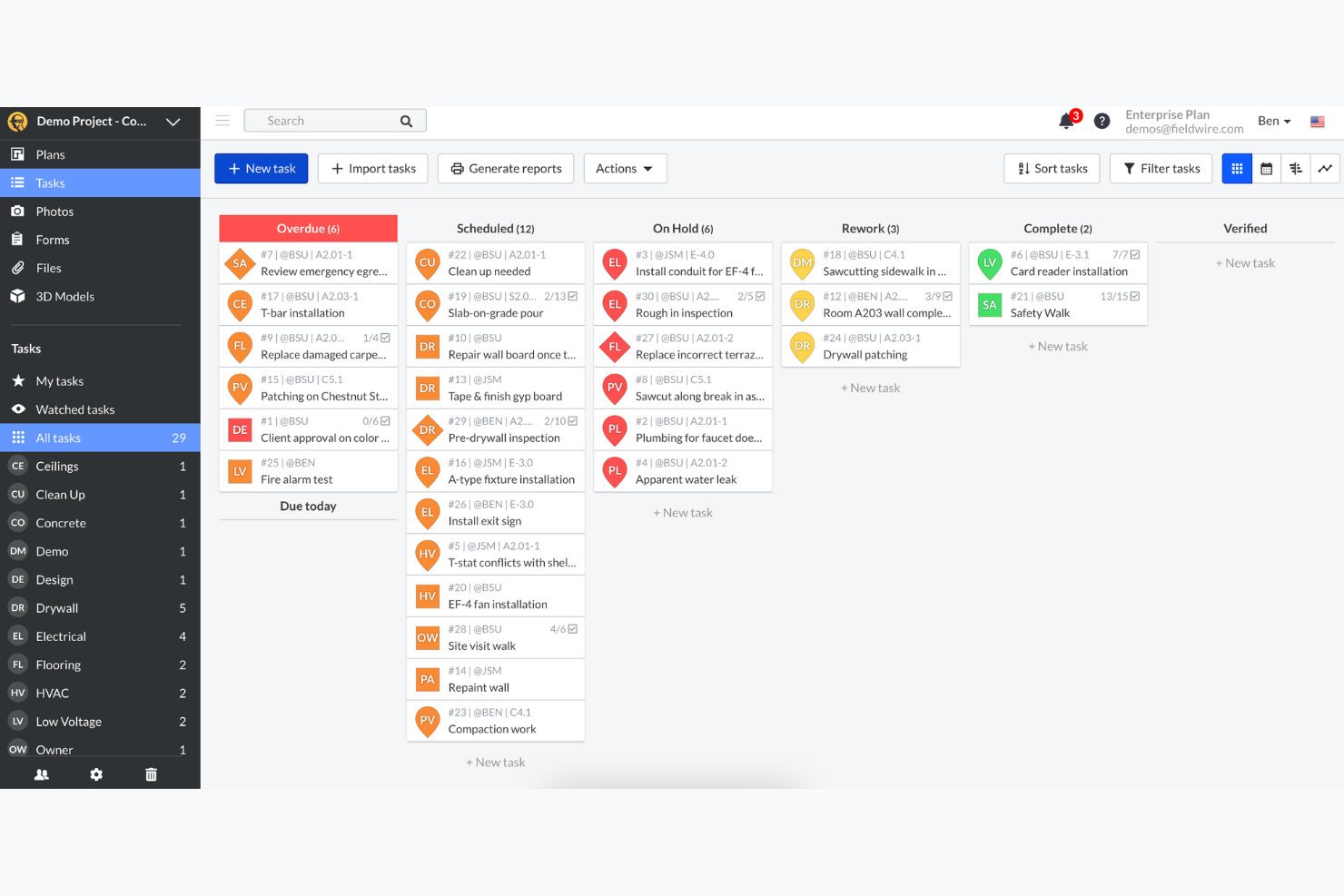
Fieldwire è un software per la gestione delle attività sul campo, progettato per consentire ai team edili di coordinare le attività e gestire i progetti in cantiere. Viene utilizzato principalmente da responsabili di cantiere, ingegneri e operai per semplificare la comunicazione e garantire l'efficienza del progetto.
Perché è una buona alternativa a Procore: Fieldwire offre funzionalità come la gestione delle attività, la visualizzazione dei progetti e il monitoraggio dei problemi, migliorando la collaborazione in tempo reale nei cantieri. Questi strumenti consentono al team di rimanere connesso e informato durante tutto il ciclo di vita del progetto. L'attenzione agli aggiornamenti in tempo reale e alla collaborazione sul campo lo rende una scelta distintiva per i team che necessitano di una gestione efficace in cantiere.
Funzionalità e integrazioni principali:
Le funzionalità includono la gestione delle liste di controllo per monitorare i problemi del progetto, la pianificazione delle attività per mantenere tutti aggiornati e la documentazione fotografica per creare registri visivi del progetto. È possibile utilizzare gli strumenti di reportistica per ottenere informazioni sull'avanzamento del progetto e sulle prestazioni del team.
Le integrazioni includono Dropbox, Box, OneDrive, Google Drive, QuickBooks, Datagrid e Microsoft Project.
Pros and Cons
Pros:
- Efficace per la gestione sul campo
- Potenti strumenti per il coordinamento delle attività
- Supporta gli aggiornamenti in tempo reale
Cons:
- Funzionalità avanzate limitate
- Incentrato sulle operazioni sul campo

BuildOps
Ideale per gli appaltatori commerciali
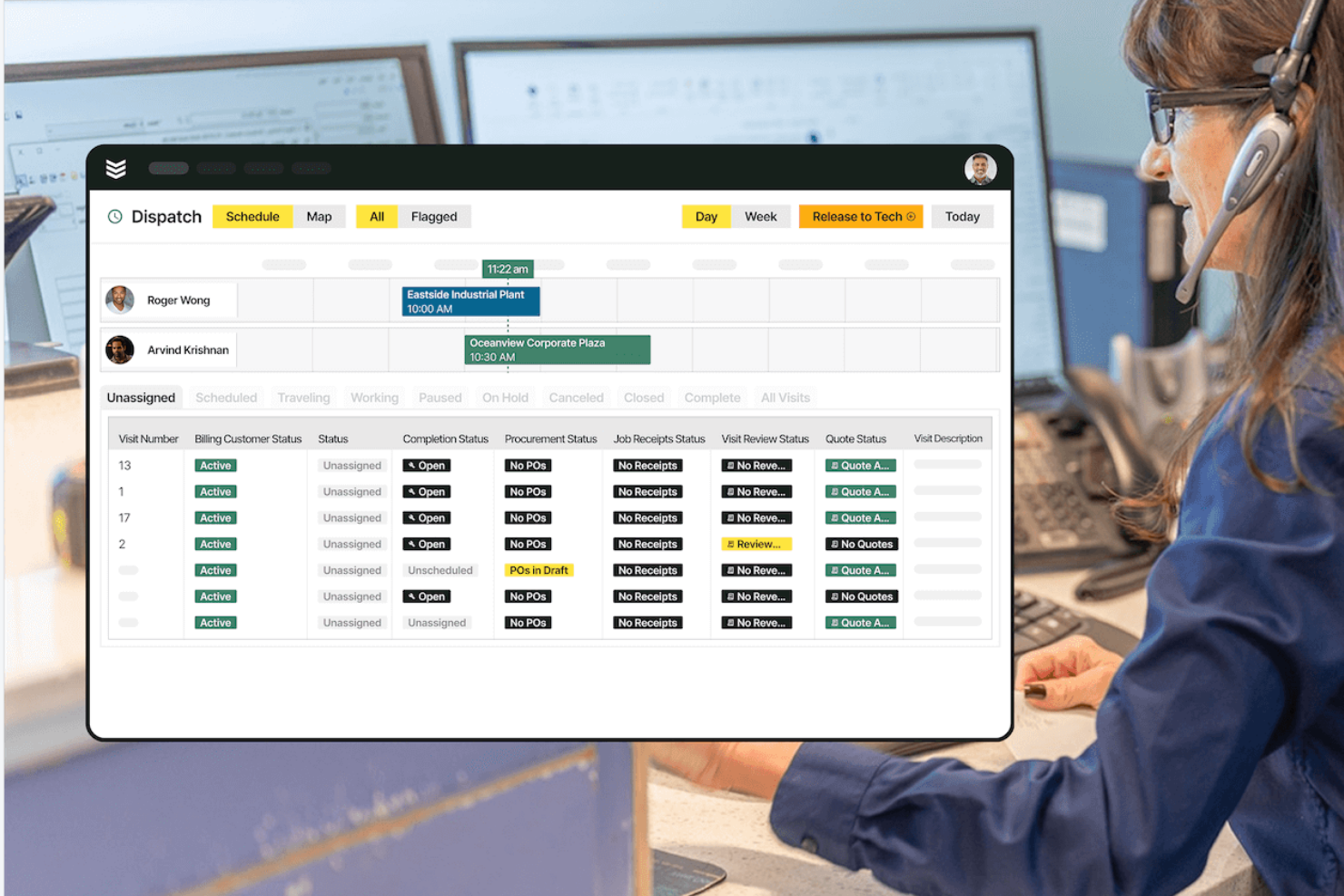
BuildOps è un software per la gestione degli interventi sul campo e dei progetti, progettato per consentire agli appaltatori commerciali di supervisionare le operazioni e semplificare i flussi di lavoro. Viene utilizzato principalmente dalle aziende nei settori HVAC, idraulico ed elettrico per gestire in modo efficiente le attività di assistenza e i progetti.
Perché è una buona alternativa a Procore: BuildOps offre funzionalità come la pianificazione degli interventi, la gestione degli ordini di lavoro e la manutenzione preventiva, fornendo agli appaltatori commerciali un insieme pratico di strumenti per la gestione dei progetti, progettati per le operazioni quotidiane sul campo e in ufficio. Queste funzionalità aiutano i team a coordinare le attività, rispettare le tempistiche dei progetti e supportare i flussi di lavoro del settore delle costruzioni nei lavori incentrati sui servizi. Grazie agli strumenti di collaborazione integrati e a un approccio completo alla gestione delle chiamate di assistenza e della manutenzione ricorrente, risponde alle esigenze specifiche degli appaltatori commerciali.
Funzionalità e integrazioni principali:
Le funzionalità includono la gestione dell'inventario per tenere sotto controllo parti e forniture, la gestione dei clienti per migliorare le interazioni con la clientela e l'accesso mobile per consentire la collaborazione del team anche in movimento. È inoltre possibile utilizzare strumenti di analisi per ottenere informazioni sulle prestazioni aziendali e ottimizzare le operazioni.
Le integrazioni includono QuickBooks, Sage Intacct, NetSuite e Viewpoint.
Pros and Cons
Pros:
- Pensato per gli appaltatori commerciali
- Gestione degli ordini di lavoro avanzata
- Funzionalità efficaci per la pianificazione degli interventi
Cons:
- Incentrato sui settori basati sui servizi
- Limitato per i progetti su larga scala

Ideale per costruttori e ristrutturatori di progetti personalizzati
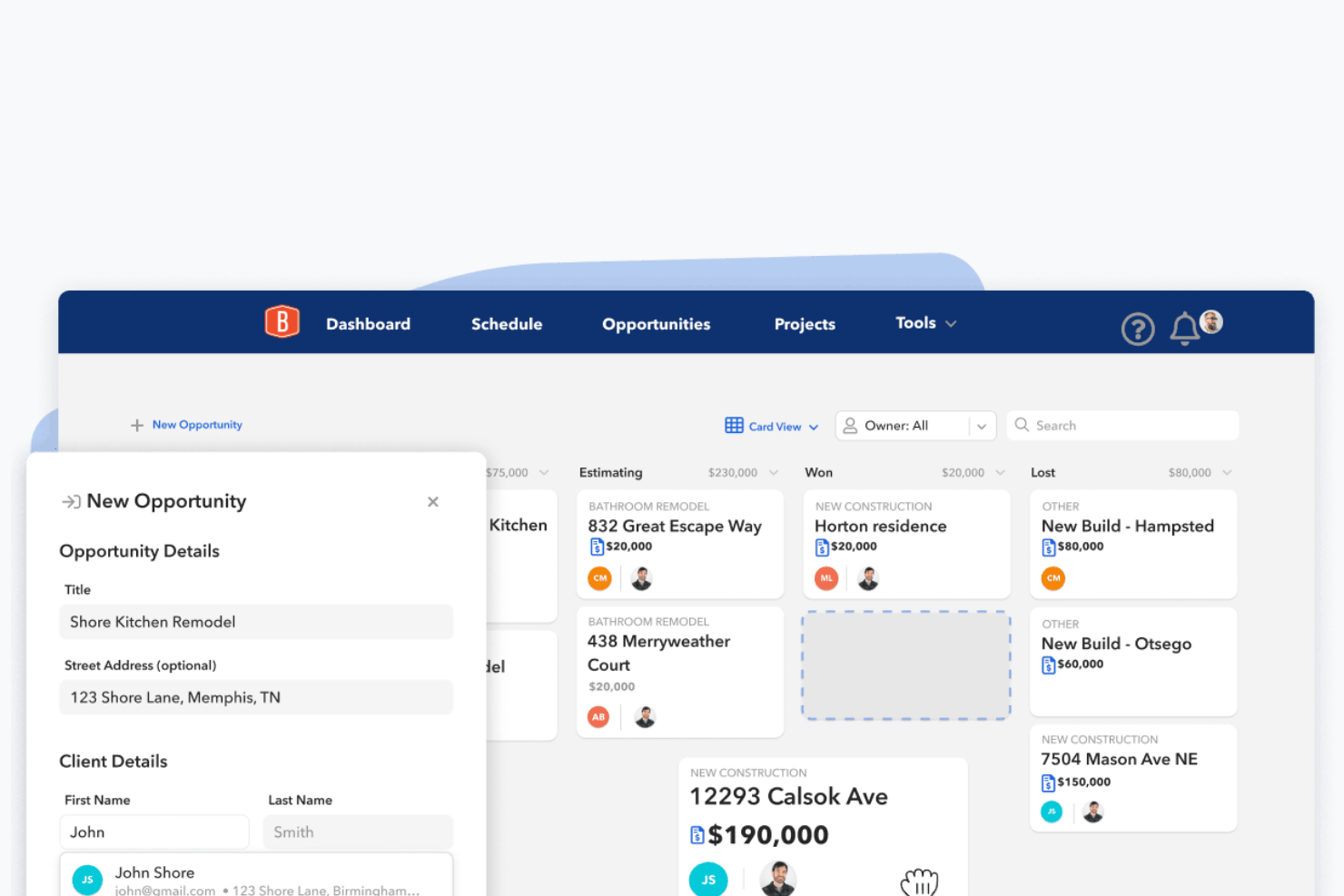
BuildBook è un software di gestione delle costruzioni progettato per aiutare i costruttori e gli esperti di ristrutturazione personalizzata a gestire i progetti e le comunicazioni con i clienti. Viene utilizzato da aziende di costruzioni di piccole e medie dimensioni per aumentare la trasparenza dei progetti e la soddisfazione dei clienti.
Perché è una valida alternativa a Procore: BuildBook aiuta i costruttori a mantenere chiarezza, coerenza e soddisfazione dei clienti durante ogni fase di un progetto. I suoi strumenti di comunicazione, le tempistiche dei progetti e i registri giornalieri mantengono allineati i team e i proprietari di casa, mentre moduli dedicati supportano le esigenze organizzative dei costruttori che realizzano progetti personalizzati. Queste funzionalità offrono una maggiore visibilità sull'avanzamento dei progetti e possono migliorare la redditività complessiva riducendo incomprensioni, ritardi e rilavorazioni.
Funzionalità e integrazioni principali:
Le funzionalità includono la condivisione di foto per documentare visivamente l'avanzamento dei progetti, strumenti di gestione del budget per tenere traccia delle spese e la gestione delle attività per garantire il completamento puntuale delle attività del progetto. È inoltre possibile utilizzare le funzionalità di collaborazione del team per mantenere tutti allineati e informati.
Le integrazioni includono QuickBooks.
Pros and Cons
Pros:
- Supporto per dispositivi mobili
- Validi strumenti di comunicazione con i clienti
- Documentazione efficace dei progetti
Cons:
- Opzioni di reportistica limitate
- Poche opzioni di collaborazione per i partner commerciali

Ideale per le aziende di servizi per la casa
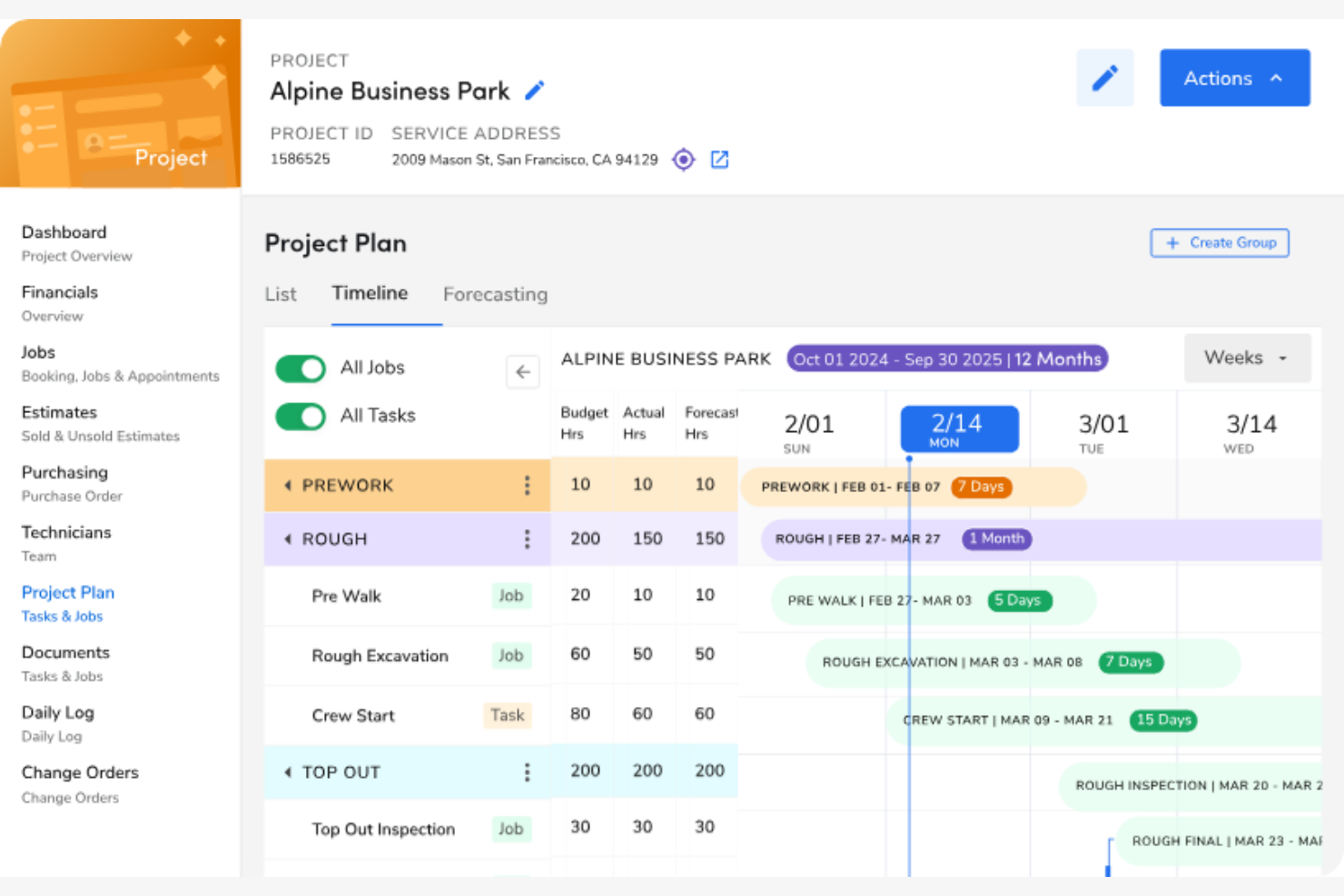
ServiceTitan è un software per la gestione dei servizi sul campo progettato per le aziende di servizi per la casa, come quelle di climatizzazione, idraulica ed elettricità. Aiuta i titolari delle aziende a gestire efficacemente la pianificazione, l'assegnazione degli interventi e le comunicazioni con i clienti.
Perché è una buona alternativa a Procore: ServiceTitan offre funzionalità come l'accesso da dispositivi mobili, la gestione delle relazioni con i clienti e la fatturazione, rendendolo ideale per la gestione delle operazioni sul campo. Questi strumenti aiutano a semplificare la pianificazione degli interventi e a migliorare la soddisfazione dei clienti. La sua attenzione ai settori dei servizi per la casa lo differenzia da Procore, fornendo soluzioni personalizzate per le aziende di servizi di piccole e medie dimensioni.
Funzionalità e integrazioni principali:
Le funzionalità includono strumenti per l'assegnazione degli interventi, così da ottimizzare le operazioni sul campo, l'automazione del marketing per aumentare il coinvolgimento dei clienti e strumenti di reportistica per ottenere informazioni sulle prestazioni aziendali. È inoltre possibile gestire l'inventario per assicurarsi di avere i componenti giusti quando servono.
Le integrazioni includono Google, Sage Intacct e GreenSky.
Pros and Cons
Pros:
- Ideale per le aziende di servizi per la casa
- Strumenti efficaci per la gestione dei clienti
- Supporta le operazioni sul campo da dispositivi mobili
Cons:
- Focalizzato su settori specifici dei servizi
- Funzionalità limitate per l'edilizia su larga scala

Ideale per il semplice monitoraggio dei progetti
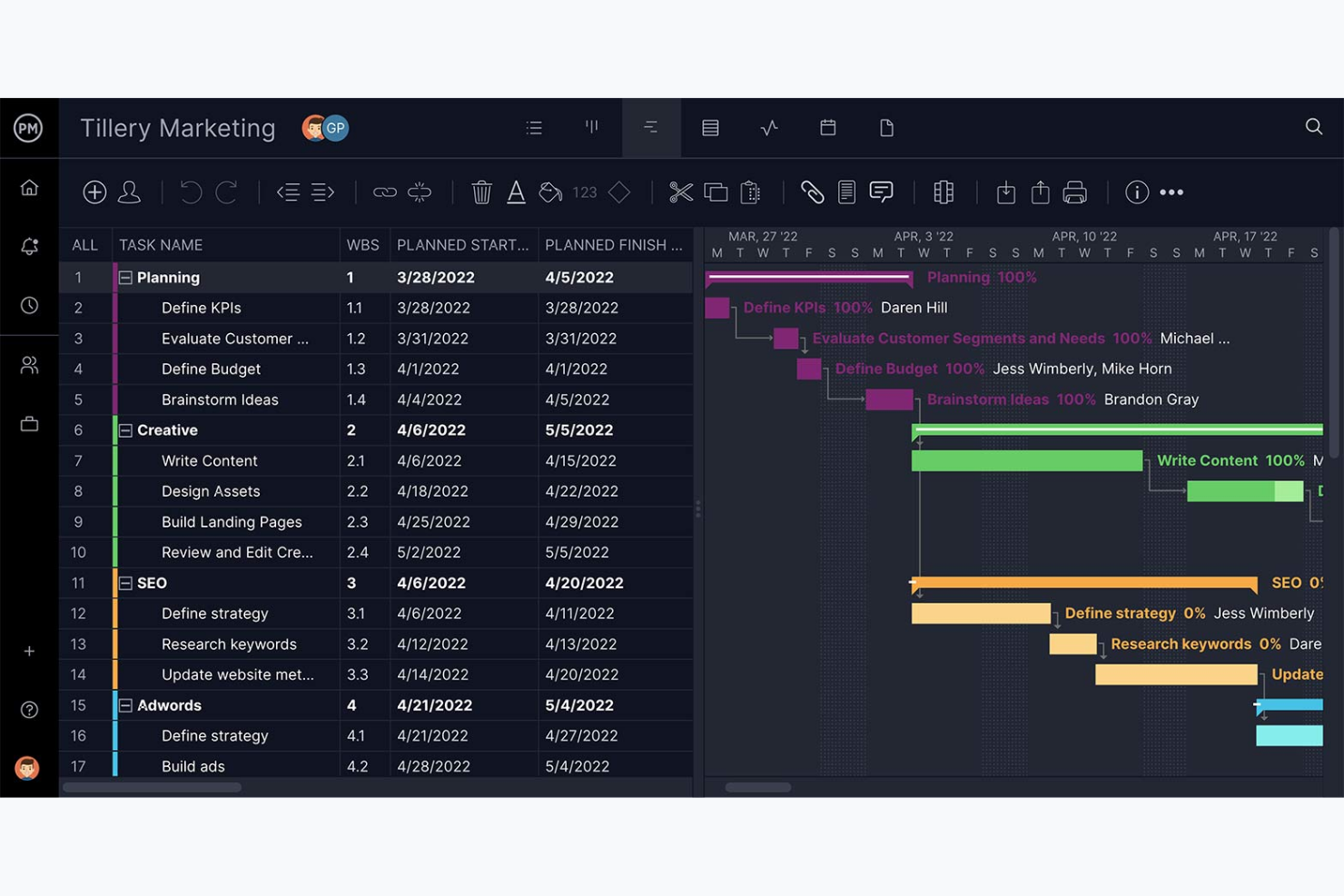
ProjectManager è un software di gestione dei progetti basato sul cloud, pensato per i team che desiderano gestire attività, progetti e risorse in modo efficiente. È ampiamente utilizzato da project manager e team leader di vari settori per pianificare, monitorare e creare report sui progetti.
Perché è una valida alternativa a Procore: ProjectManager offre funzionalità come dashboard in tempo reale, gestione delle attività e allocazione delle risorse in un'interfaccia intuitiva, aiutando il tuo team a collaborare efficacemente nei cantieri. Questi strumenti garantiscono trasparenza e assicurano che tutti siano informati e allineati. L'attenzione agli aggiornamenti in tempo reale e alla collaborazione offre un approccio interattivo alla gestione dei progetti.
Funzionalità e integrazioni principali:
Le funzionalità includono diagrammi di Gantt per la pianificazione visiva dei progetti, monitoraggio del tempo per controllare le ore dedicate ai progetti e gestione del carico di lavoro per bilanciare gli sforzi del team. Puoi inoltre utilizzare gli strumenti di reportistica per generare dati utili e prendere decisioni basate sui dati.
Le integrazioni includono Microsoft Project, Microsoft Excel, Google Drive, Dropbox, Slack, Trello, Jira, Salesforce e QuickBooks.
Pros and Cons
Pros:
- Aggiornamenti dei progetti in tempo reale
- Gestione efficace delle attività
- Supporta l'allocazione delle risorse
Cons:
- Può risultare inizialmente complesso
- Funzionalità mobile limitate

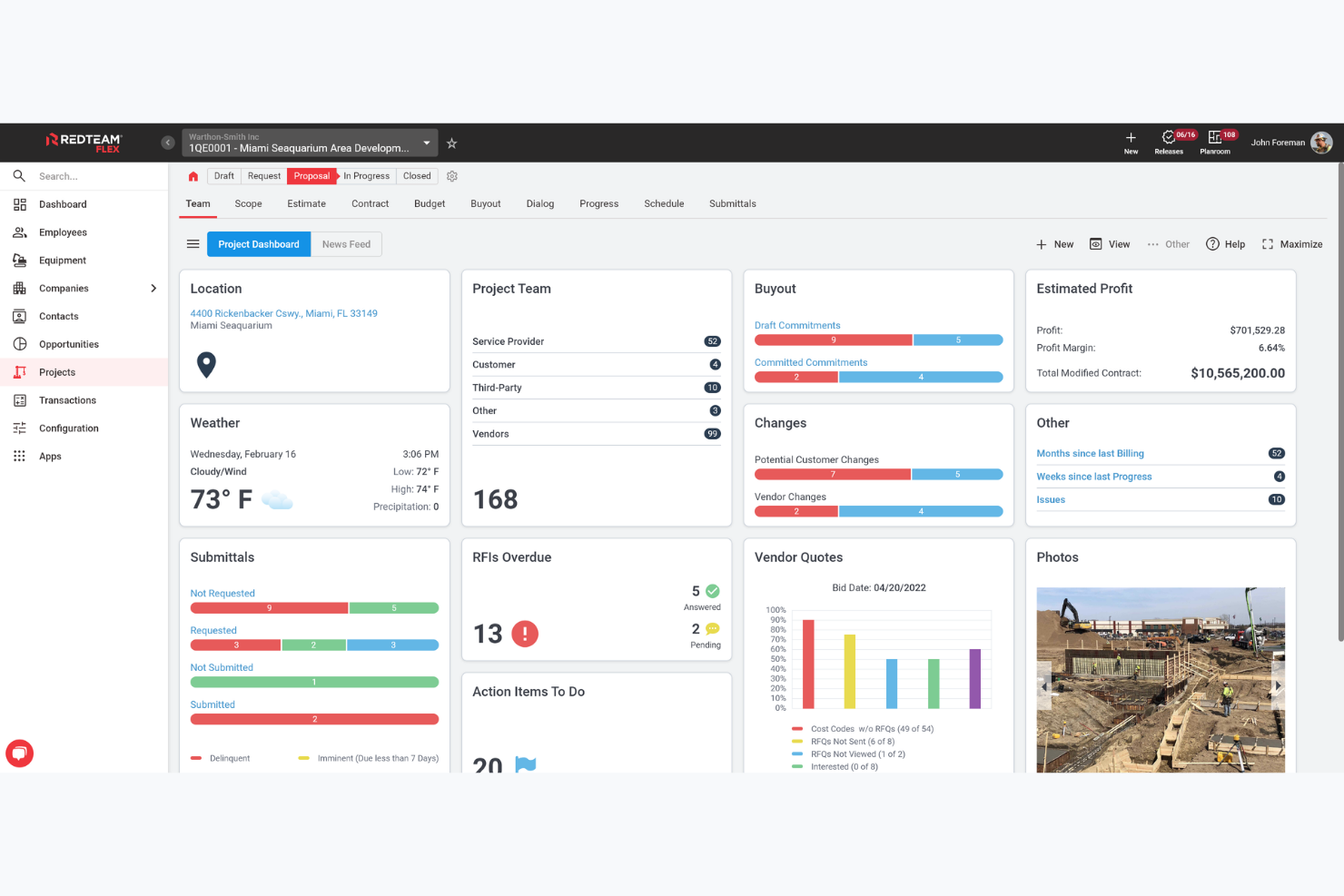
RedTeam è un software di gestione delle costruzioni progettato per gli appaltatori generali, che consente di gestire i progetti dalla gara d'appalto alla chiusura. Viene utilizzato dai team di costruzione per gestire i progetti, gli aspetti finanziari e la collaborazione.
Perché è una buona alternativa a Procore: RedTeam offre funzionalità come la gestione delle gare d'appalto, la gestione dei contratti e la gestione delle attività sul campo, rendendolo ideale per gli appaltatori generali. Fornisce strumenti per gestire la comunicazione con i subappaltatori, il monitoraggio dei costi e la documentazione dei progetti. Queste funzionalità supportano un'esecuzione efficiente dei progetti e garantiscono che tutti i membri del team siano sempre aggiornati.
Funzionalità & integrazioni principali:
Le funzionalità includono la gestione dei documenti per un facile accesso ai file del progetto, la stima dei costi dei lavori per tenere traccia delle spese e la gestione degli ordini di modifica per gestire gli adeguamenti del progetto. È inoltre possibile utilizzare gli strumenti di pianificazione per definire le tempistiche e garantire la consegna puntuale dei progetti.
Le integrazioni includono QuickBooks, Sage 100 Contractor, Sage 300 CRE, Acumatica e Docusign.
Pros and Cons
Pros:
- Progettato per gli appaltatori generali
- Strumenti avanzati per il monitoraggio dei costi
- Gestione efficace delle gare d'appalto
Cons:
- Incentrato sugli appalti generali
- Flessibilità limitata per altri settori

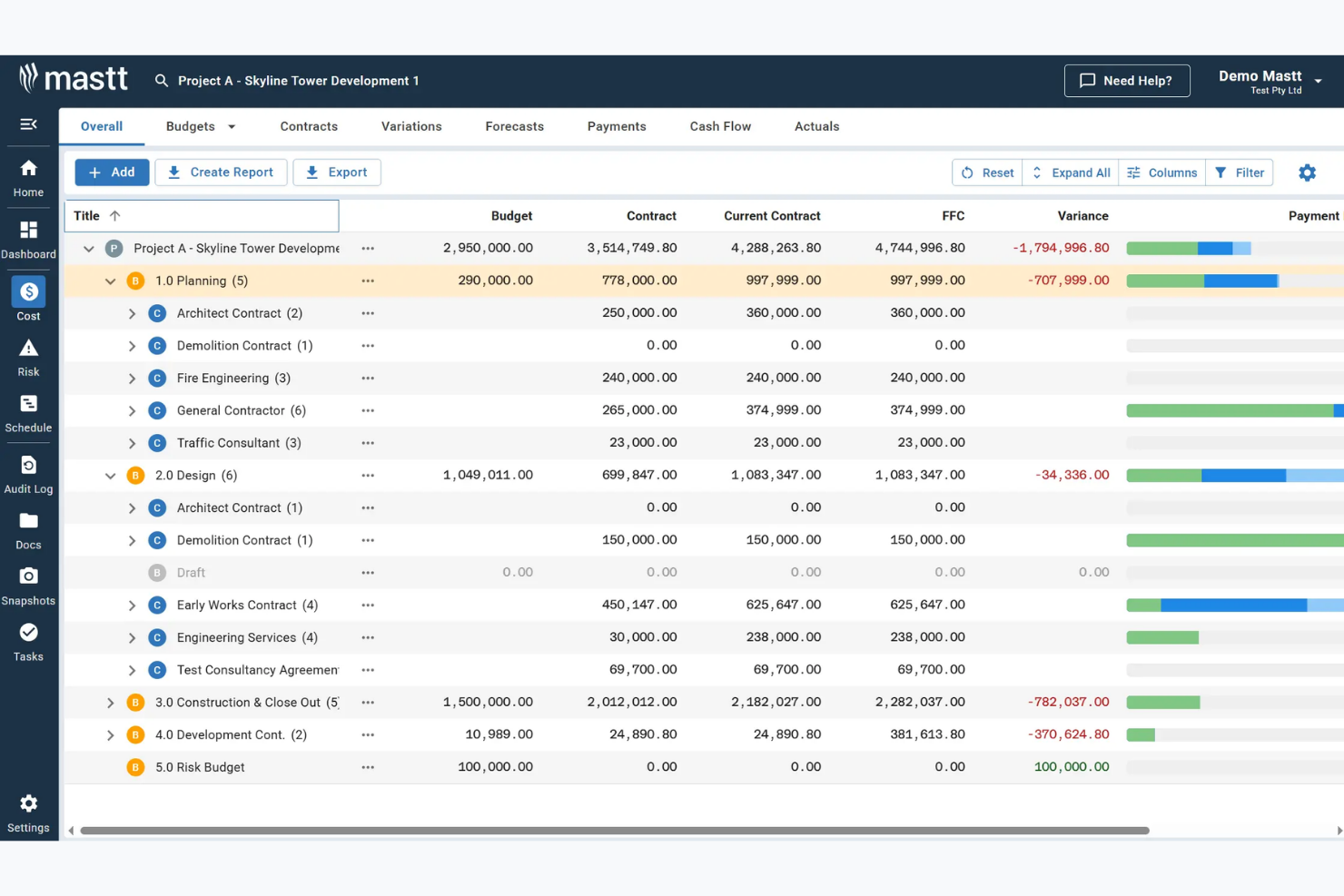
Mastt è un software per la gestione dei progetti di costruzione basato sull'IA, pensato per migliorare la consegna dei progetti e l'efficienza operativa. Viene utilizzato principalmente da proprietari di progetti, sviluppatori immobiliari e piccole imprese nei settori dell'aviazione e della sanità.
Perché è una buona alternativa a Procore: Mastt offre l'inserimento dei dati basato sull'IA, dashboard in tempo reale e controlli di progetto automatizzati, che supportano una gestione avanzata dei progetti e il processo decisionale. Queste funzionalità aiutano a gestire in modo efficiente costi, rischi e tempistiche, fornendo una panoramica chiara di tutti i progetti. La piattaforma si concentra sugli strumenti di IA per l'analisi dei documenti e la revisione dei contratti, offrendo funzionalità di gestione dei dati.
Funzionalità e integrazioni principali:
Le funzionalità includono la definizione del budget del progetto, l'analisi degli scostamenti e la previsione del flusso di cassa. Il software offre inoltre la gestione delle tempistiche, la gestione dei rischi e strumenti di IA per la revisione dei documenti e dei pagamenti. Queste funzionalità forniscono al team dati in tempo reale e capacità semplificate di gestione dei progetti.
Le integrazioni non sono elencate pubblicamente.
Pros and Cons
Pros:
- Approfondimenti sui dati basati sull'IA
- Monitoraggio dei progetti in tempo reale
- Gestione semplificata dei rischi
Cons:
- Informazioni pubbliche limitate sui prezzi
- Nessuna informazione sulle integrazioni

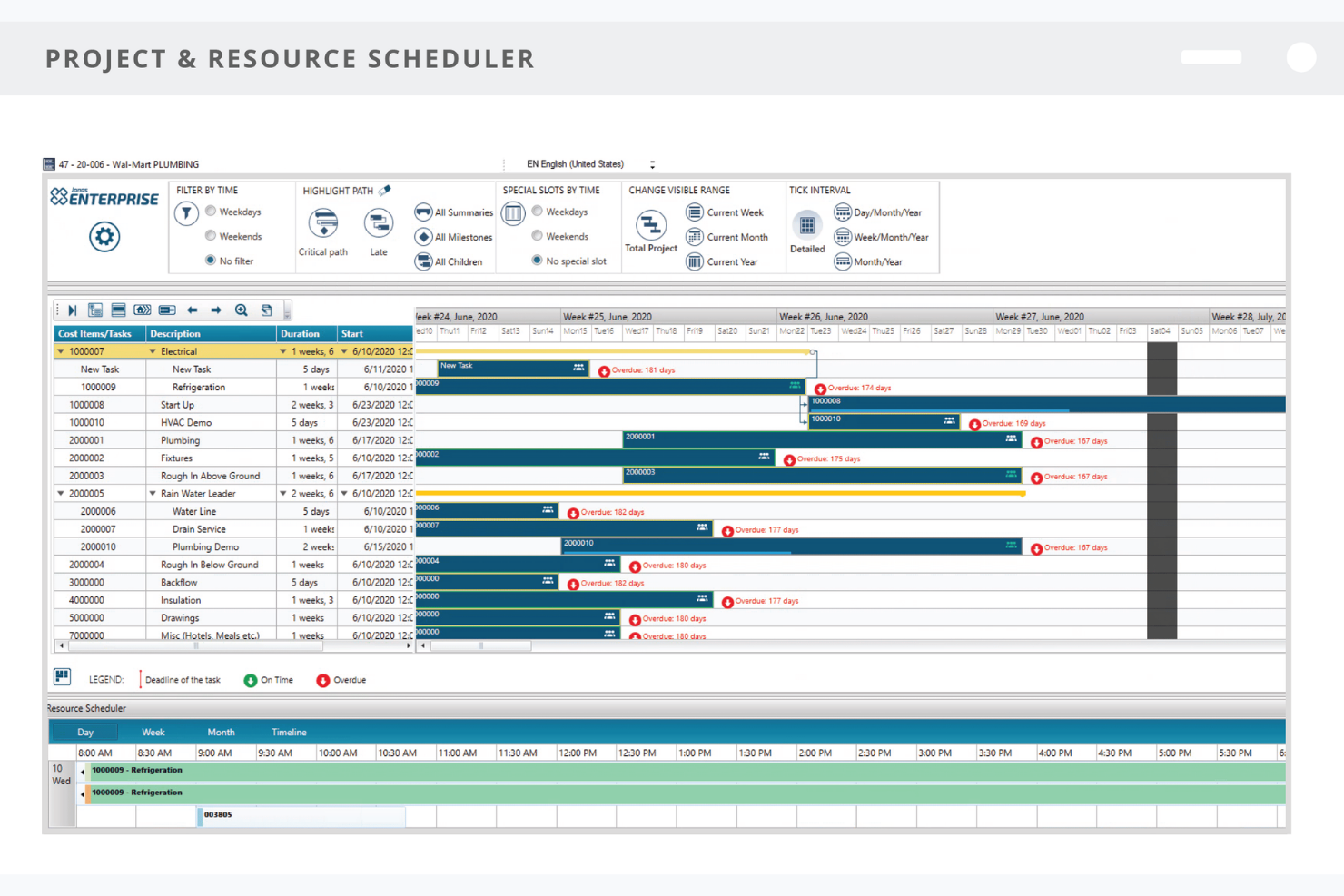
Jonas Construction Software è un software di gestione delle costruzioni progettato per gli appaltatori specializzati, che offre strumenti per gestire efficacemente la contabilità, la gestione dei progetti e le operazioni di assistenza. Viene utilizzato dalle imprese appaltatrici per gestire i propri flussi di lavoro e migliorare il controllo finanziario.
Perché è una buona alternativa a Procore: Jonas Construction Software offre strumenti per il calcolo dei costi dei lavori, la gestione dell'assistenza e il controllo dei documenti, progettati per aiutare gli appaltatori specializzati a migliorare la supervisione dei progetti. I team possono gestire i lavori, monitorare le spese e conservare una documentazione dettagliata dei progetti, inclusi documenti di approvazione, computi e annotazioni. Le autorizzazioni integrate garantiscono che i membri del team appropriati abbiano accesso ai documenti importanti, contribuendo a mantenere accuratezza e responsabilità in tutti i progetti. Grazie a funzionalità adattate alle esigenze degli appaltatori specializzati, Jonas Construction Software supporta operazioni efficienti e risultati migliori per i progetti.
Caratteristiche distintive e integrazioni:
Le funzionalità includono la gestione delle apparecchiature per monitorare e mantenere gli asset, l'elaborazione delle buste paga per gestire i pagamenti dei dipendenti e il monitoraggio dell'inventario per controllare i livelli delle scorte. È inoltre possibile utilizzare gli strumenti di reportistica per ottenere informazioni sulle prestazioni finanziarie e sull'avanzamento dei progetti.
Le integrazioni includono Trimble, QuickBid, Fleet Complete e Procore.
Pros and Cons
Pros:
- Progettato per appaltatori specializzati
- Solide funzionalità per il calcolo dei costi dei lavori
- Strumenti efficaci per la gestione dell'assistenza
Cons:
- Focalizzato su mercati di nicchia
- Limitato per progetti di grandi dimensioni
Altre alternative a Procore
Ecco alcune alternative aggiuntive a Procore che non sono state incluse nel mio elenco, ma che vale comunque la pena prendere in considerazione:


Come valuto le alternative a Procore
Divido la mia valutazione in due livelli: i requisiti di base che uno strumento deve soddisfare — contabilità di commessa, SAL, pagamenti ai subappaltatori — e i fattori che differenziano una piattaforma dall'altra.
Funzionalità di base (requisiti indispensabili per questa lista)
Quando seleziono gli strumenti per la mia lista, li classifico su una scala da 0 (non offre la funzionalità) a 5 (eccellente in quest'area) per ciascuna delle funzionalità chiave elencate sotto. Poi, calcolo il punteggio totale dello strumento trasformandolo in percentuale. Ogni strumento deve ottenere un punteggio totale minimo del 65% per essere preso in considerazione.
- Contabilità di commessa: Verifico se una piattaforma può suddividere i costi per manodopera, materiali, attrezzature e spese generali secondo codici di costo specifici, non solo totali forfettari di progetto.
- Gestione del budget & delle varianti: Ogni strumento deve consentire di tracciare le varianti con flussi di approvazione e vedere il loro impatto in tempo reale sul valore originale del contratto.
- AP/AR & pagamenti ai subappaltatori: Cerco workflow specifici per l'edilizia come trattenute, raccolta delle liberatorie e gestione delle richieste di pagamento.
- SAL & reportistica finanziaria: La piattaforma deve generare SAL e report di avanzamento a percentuale senza costringere il team a calcoli manuali su fogli di calcolo.
- Integrazione contabile/ERP: Valuto se lo strumento si sincronizza con i principali software contabili per l'edilizia come Sage 300 CRE, Viewpoint o Acumatica in entrambe le direzioni.
- Monitoraggio impegni & contratti: Ordini di acquisto e subappalti devono essere collegati direttamente ai budget di progetto affinché i costi impegnati siano visibili prima dell'arrivo delle fatture.
Una volta che ho una lista di strumenti che soddisfano questi criteri, considero ciò che differenzia ogni piattaforma.
Fattori differenzianti (cosa distingue i fornitori)
Ecco come confronto e metto a confronto diversi fornitori:
Funzionalità distintive
La fatturazione avanzamento lavori in stile AIA è importante perché determina la rapidità con cui il team può generare le richieste di pagamento senza dover riformattare dati su fogli di calcolo. Valuto anche il supporto multi-ente: imprese con più società o joint venture hanno bisogno di bilanci consolidati senza gestire database separati. La previsione di cash flow collegata a stati di avanzamento e cicli di pagamento è un altro elemento distintivo, soprattutto per i CFO che gestiscono la liquidità su decine di progetti attivi.
Oltre le funzionalità
La profondità dell'integrazione è un fattore chiave: verifico se una piattaforma si sincronizza in modo bidirezionale con l'ERP esistente o con strumenti di cantiere come Procore stesso, poiché le esportazioni monodirezionali causano complicazioni nella riconciliazione a fine mese. Anche il supporto all'implementazione è rilevante. La migrazione da un sistema legacy a progetto avviato può rallentare le chiusure, quindi cerco fornitori con team di onboarding specializzati in edilizia. Infine, considero l'adeguatezza rispetto alla dimensione aziendale, perché una piattaforma progettata per grandi appaltatori può mettere in difficoltà il team finanziario di una piccola impresa specializzata.
Perché cercare un'alternativa a Procore?
Sebbene Procore sia una buona scelta per la gestione delle costruzioni, esistono diversi motivi per cui alcuni utenti cercano soluzioni alternative. Potresti cercare un'alternativa a Procore perché…
- Hai bisogno di un'opzione più conveniente
- Il tuo team richiede funzionalità offline
- Vuoi una migliore integrazione con gli strumenti esistenti
- I tuoi progetti sono di dimensioni più ridotte
- Hai bisogno di un software con una configurazione iniziale più semplice
- Vuoi assistenza in lingue diverse
Se ti riconosci in una di queste situazioni, sei nel posto giusto. Il mio elenco contiene diverse opzioni di software per la gestione delle costruzioni più adatte ai team che affrontano queste difficoltà con Procore e sono alla ricerca di soluzioni alternative.
Funzionalità principali di Procore
Ecco alcune delle funzionalità principali di Procore, che ti aiuteranno a confrontare ciò che offrono le soluzioni alternative:
- Strumenti di pre-costruzione: Include la gestione delle offerte, il BIM, la stima dei costi e la prequalificazione per aiutare il tuo team a prepararsi in modo efficiente.
- Esecuzione del progetto: Offre una gestione completa del progetto e una supervisione della qualità & della sicurezza per mantenere i progetti in linea con i piani.
- Gestione delle risorse: Fornisce strumenti per la pianificazione, il monitoraggio e la gestione delle attrezzature, ottimizzando l'utilizzo delle risorse.
- Gestione finanziaria: Gestisce gli aspetti finanziari del progetto, le integrazioni contabili, la fatturazione e i pagamenti per mantenere il controllo del budget.
- Procore Helix: Un livello di intelligenza artificiale che fornisce analisi e approfondimenti personalizzati per il settore delle costruzioni, migliorando il processo decisionale.
- Gestione dei documenti: Centralizza i documenti del progetto per consentire un facile accesso e la collaborazione tra i membri del team.
- Accesso mobile: Consente ai membri del team di accedere alle informazioni del progetto in cantiere tramite dispositivi mobili, garantendo una connettività costante.
- Strumenti di reportistica: Fornisce report personalizzabili per aiutarti ad analizzare le prestazioni del progetto e prendere decisioni informate.
- Funzionalità di collaborazione: Facilita la comunicazione e il lavoro di squadra tra diversi reparti e parti interessate.
- Gestione della sicurezza: Garantisce la conformità agli standard di sicurezza e aiuta a monitorare efficacemente incidenti e ispezioni.