

I 10 migliori software ERP per petrolio e gas nel 2026

Elenco dei migliori software ERP per il settore petrolifero e del gas


I migliori software ERP per il settore petrolifero e del gas centralizzano i flussi di lavoro finanziari e operativi che consentono alle aziende energetiche di funzionare, senza gli strumenti isolati, le lacune nella reportistica o i rischi di non conformità che spesso rallentano i team. Se i sistemi attuali non sono in grado di gestire in un unico luogo le approvazioni AFE, l'allocazione dei ricavi o la contabilità complessa di terreni e locazioni, potresti perdere sia visibilità sia controllo.
Con oltre 15 anni di esperienza nella gestione finanziaria e nei software digitali, ho aiutato organizzazioni di settori regolamentati a trovare e implementare piattaforme ERP realmente adatte alle loro esigenze. I sistemi generici raramente offrono ciò di cui le aziende energetiche hanno bisogno, costringendo i team a trovare soluzioni alternative per colmare le funzionalità mancanti invece di migliorare l'efficienza. Il giusto ERP per il settore petrolifero e del gas offre una visione in tempo reale della spesa in conto capitale, delle joint venture, degli asset e delle operazioni quotidiane, senza aggiungere ulteriore lavoro manuale.
Per aiutarti a trovare la soluzione più adatta, ho testato e recensito decine di soluzioni ERP. Ecco le piattaforme che combinano funzionalità specifiche per il settore con facilità d'uso, solidità delle integrazioni e il controllo finanziario da cui dipendono le aziende energetiche.
Perché fidarsi dei nostri consigli sui software
Le nostre recensioni riflettono il nostro giudizio indipendente, non un discorso di vendita. Scopri come manteniamo la trasparenza.
Per questa guida, abbiamo valutato gli strumenti attraverso test pratici e ricerche indipendenti, assegnando un punteggio agli strumenti in base ai nostri criteri di selezione.
Le nostre recensioni riflettono il nostro giudizio editoriale umano, non un discorso di vendita.
Riepilogo dei migliori software ERP per il settore petrolifero e del gas
Ecco una tabella di confronto rapida che illustra i prezzi delle mie migliori scelte di software ERP per il settore petrolifero e del gas, così puoi vedere facilmente quali rientrano nel tuo budget e hanno più senso per la tua azienda. Spero che ti faccia risparmiare tempo e renda la ricerca un po’ meno stressante.
| Tool | Best For | Trial Info | Price | ||
|---|---|---|---|---|---|
| 1 | Ideale per applicazioni aziendali integrate | Prova gratuita di 30 giorni disponibile | Da $65/utente/mese (fatturazione annuale) | Website | |
| 2 | Ideale per la gestione aziendale unificata | Demo gratuita disponibile | Prezzo su richiesta | Website | |
| 3 | Ideale per soluzioni aziendali personalizzabili | Prova gratuita disponibile | Prezzo su richiesta | Website | |
| 4 | Ideale per informazioni aziendali in tempo reale | Demo gratuita disponibile | Prezzo su richiesta | Website | |
| 5 | Ideale per la visibilità completa sulla produzione | Demo gratuita disponibile | Prezzo su richiesta | Website | |
| 6 | Ideale per ERP specifici per la produzione | Demo gratuita disponibile | Da $100/utente/mese | Website | |
| 7 | Ideale per aziende orientate ai progetti | Demo gratuita disponibile | Prezzo su richiesta | Website | |
| 8 | Il migliore per ERP nel settore upstream dell'oil & gas | Not available | Prezzi su richiesta | Website | |
| 9 | Ideale per il controllo dei processi nel settore petrolifero e del gas | Demo gratuita disponibile | Prezzo su richiesta | Website | |
| 10 | Ideale per ottimizzare le operazioni nel settore petrolio e gas | Not available | Prezzo su richiesta | Website |
Recensioni dei migliori software ERP per il settore petrolifero e del gas
Ora esaminiamo più da vicino ogni strumento ERP per il settore petrolifero e del gas. Ti illustrerò i punti di forza di ciascuno, gli aspetti in cui potrebbe non essere all’altezza e i tipi di team per cui è più adatto.

Ideale per applicazioni aziendali integrate
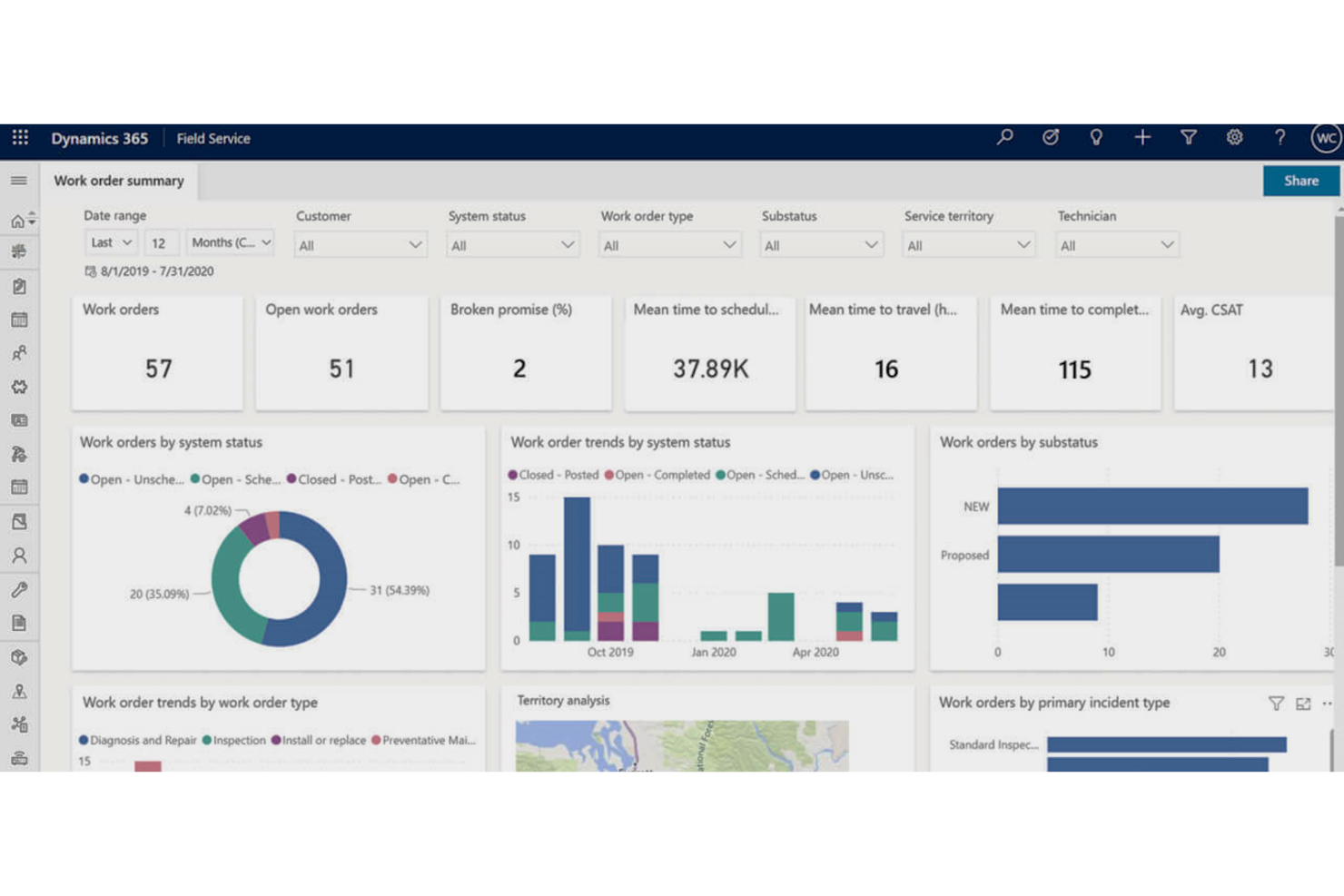
Microsoft Dynamics è progettato per semplificare vari processi aziendali offrendo una piattaforma unificata per la gestione di finanza, operazioni, relazioni con i clienti e altro ancora. È un'ottima opzione per le aziende che cercano soluzioni integrate.
Perché ho scelto Microsoft Dynamics: Ho scelto Microsoft Dynamics per le sue capacità di integrazione tra diverse funzioni aziendali. Questo strumento si distingue per l'ampia suite di applicazioni che lavorano insieme per ottimizzare le operazioni. Offre inoltre una piattaforma unificata che migliora la collaborazione e l'efficienza tra i reparti.
Funzionalità e integrazioni principali
Le funzionalità comprendono approfondimenti basati su intelligenza artificiale, analisi in tempo reale e automazione per ottimizzare i processi aziendali. Offre anche gestione finanziaria, ottimizzazione della catena di approvvigionamento e gestione dei progetti.
Le integrazioni includono Power BI, Azure, LinkedIn, Outlook, Teams, OneDrive, SharePoint, PowerApps e Dynamics CRM.
Pros and Cons
Pros:
- Funzionalità di gestione finanziaria
- Approfondimenti basati su intelligenza artificiale
- Si integra bene con i software più diffusi
Cons:
- Il prezzo richiede fatturazione annuale
- Configurazione iniziale può essere complessa
Ideale per la gestione aziendale unificata

Oracle Netsuite è un software di gestione aziendale basato su cloud che integra diverse funzioni aziendali all'interno di un'unica piattaforma. Consolida ERP, finanza, CRM ed e-commerce in un unico sistema, offrendo visibilità e controllo in tempo reale sulle operazioni aziendali.
Perché ho scelto Oracle Netsuite: Ho scelto Oracle Netsuite per la sua capacità di unificare diversi processi aziendali in una sola piattaforma. Questo strumento si distingue per l'ampia gamma di funzionalità che rispondono alle diverse esigenze aziendali, rendendolo una scelta versatile per le imprese. È il migliore grazie alla sua abilità di integrare ERP, finanza, CRM ed e-commerce, semplificando le operazioni e migliorando il processo decisionale.
Caratteristiche e integrazioni principali
Le funzionalità includono gestione finanziaria, gestione dell'inventario, gestione degli ordini e approvvigionamento. Supporta inoltre la gestione aziendale globale con capacità multi-valuta e multi-lingua. Gli strumenti di analisi e reportistica in tempo reale della piattaforma offrono preziosi approfondimenti sulle prestazioni aziendali.
Le integrazioni includono Salesforce, Shopify, Magento, WooCommerce, HubSpot, Zendesk, Expensify, Avalara, Bill e Concur.
Pros and Cons
Pros:
- Funzionalità di gestione degli ordini
- Analisi in tempo reale
- Supporto per aziende globali
Cons:
- Implementazione complessa
- Richiede formazione

Sage ERP
Ideale per soluzioni aziendali personalizzabili

Sage ERP offre una gamma di soluzioni software di pianificazione delle risorse aziendali (ERP) adattate alle diverse esigenze aziendali. È ideale per consentire alle imprese di adattare il software ai propri requisiti specifici.
Perché ho scelto Sage ERP: Ho scelto Sage ERP per la sua forte enfasi sulla personalizzazione, che lo distingue dalle altre soluzioni ERP. La flessibilità e la capacità di personalizzazione di Sage ERP consentono alle aziende di adattare il software alle proprie esigenze uniche, rendendolo una scelta ideale per le aziende con requisiti operativi specifici.
Caratteristiche principali e integrazioni
Le funzionalità includono gestione finanziaria, controllo dell'inventario, risorse umane, buste paga e gestione delle relazioni con i clienti (CRM). La sua piattaforma basata su cloud garantisce accesso ai dati in tempo reale e collaborazione tra i reparti.
Le integrazioni includono Salesforce, Microsoft 365, Shopify, Stripe, PayPal, QuickBooks, ADP, Avalara, Concur e Docusign.
Pros and Cons
Pros:
- Altamente personalizzabile
- Accesso ai dati in tempo reale
- Strumenti avanzati di gestione finanziaria
Cons:
- Potrebbe essere necessario supporto nella configurazione
- Leggera curva di apprendimento


SAP S/4HANA è una nota soluzione ERP progettata per soddisfare le diverse esigenze aziendali. Eccelle nell'offrire informazioni aziendali in tempo reale grazie a funzionalità avanzate di intelligenza artificiale e analisi.
Perché ho scelto SAP S/4HANA: Ho scelto SAP S/4HANA per le sue solide capacità di elaborazione dei dati e analisi in tempo reale, fondamentali per prendere decisioni consapevoli nel settore petrolifero e del gas. La sua capacità di fornire informazioni aziendali istantanee e personalizzate la distingue dalle altre soluzioni ERP.
Funzionalità principali & Integrazioni
Le funzionalità includono gestione finanziaria avanzata, analisi dei dati in tempo reale e controllo dell'inventario. Supporta inoltre transazioni multi-valuta e reportistica dettagliata.
Le integrazioni includono SAP Business One, SAP Business ByDesign, Microsoft Azure, Amazon Web Services (AWS), Google Cloud Platform, IBM Cloud, Salesforce, Oracle, Microsoft Office 365 e Slack.
Pros and Cons
Pros:
- Informazioni sui dati in tempo reale
- Piattaforma scalabile
- Best practice di settore
Cons:
- Curva di apprendimento ripida
- Richiede formazione approfondita


Infor CloudSuite Industrial è un software ERP completo progettato per l'industria del petrolio e del gas. È il migliore grazie alle sue funzionalità robuste che offrono visibilità su processi e sistemi a livello aziendale.
Perché ho scelto Infor CloudSuite Industrial: Ho scelto Infor CloudSuite Industrial per le sue funzionalità integrate pensate per gestire i processi di produzione dall'inizio alla fine. La sua capacità di offrire piena visibilità sia sulle operazioni di produzione discreta che di processo lo distingue. Inoltre, integra funzionalità specifiche per il settore direttamente nel sistema, assicurando che tutti gli aspetti della produzione siano coperti senza la necessità di moduli aggiuntivi.
Caratteristiche principali e integrazioni
Caratteristiche includono gestione finanziaria end-to-end, progetti, servizi, gestione della qualità e tecnologia cloud multi-tenant. Offre anche analisi avanzate, business intelligence e funzionalità di machine learning.
Integrazioni includono Infor Birst, Infor CPQ, Infor CRM, Infor Factory Track, Infor Nexus, Infor OS, AWS, Microsoft Azure, Salesforce e Oracle.
Pros and Cons
Pros:
- Visibilità sul ciclo di vita della produzione
- Implementazione basata su cloud
- Scalabile per operazioni complesse
Cons:
- Implementazione complessa
- Richiede formazione per sfruttarlo appieno

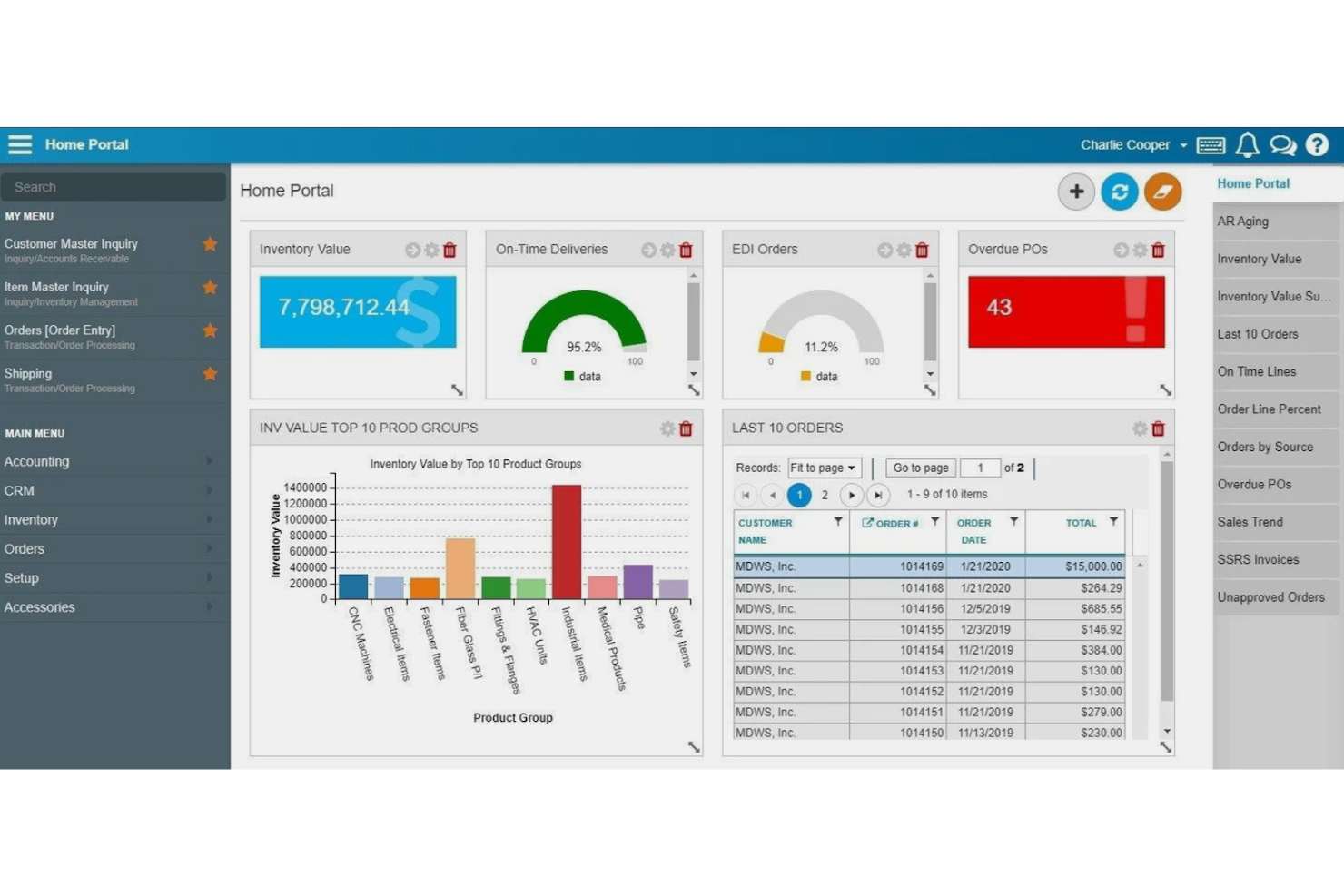
Epicor ERP è una soluzione ERP popolare progettata per soddisfare le esigenze specifiche delle industrie manifatturiere. Le sue funzionalità sono pensate per ottimizzare i processi produttivi, aumentare la produttività e fornire informazioni aziendali in tempo reale.
Perché ho scelto Epicor ERP: Ho scelto Epicor ERP per questa lista perché si distingue per il suo profondo focus sulle industrie manifatturiere, offrendo strumenti e funzionalità specializzate che rispondono in modo specifico alle necessità della produzione. La sua capacità di integrarsi con vari processi produttivi lo rende una scelta ideale per le aziende che desiderano ottimizzare le proprie operazioni. È la soluzione migliore poiché offre soluzioni end-to-end che affrontano le sfide specifiche incontrate dai produttori, dalla gestione della produzione all’ottimizzazione della catena di fornitura.
Funzionalità di rilievo & integrazioni
Le funzionalità includono pianificazione e schedulazione avanzate, gestione della produzione e della catena di fornitura. Offre inoltre strumenti solidi di gestione finanziaria e business intelligence per aiutare i produttori a prendere decisioni informate.
Le integrazioni includono Microsoft Office, Salesforce, QuickBooks, Oracle, SAP, IBM, Google Workspace, Amazon Web Services (AWS), Microsoft Azure e Tableau.
Pros and Cons
Pros:
- Funzionalità avanzate per la produzione
- Informazioni aziendali in tempo reale
- Gestione dettagliata della catena di fornitura
Cons:
- Costo superiore rispetto ad altri software per funzionalità avanzate
- Potrebbe richiedere formazione


Deltek ERP è una soluzione ERP completa pensata per le aziende orientate ai progetti. Eccelle nell'integrare la gestione dei progetti, la gestione finanziaria e la pianificazione delle risorse in un'unica piattaforma per una coordinazione ottimale e una visione in tempo reale.
Perché ho scelto Deltek ERP: Ho scelto Deltek ERP perché si distingue per la sua capacità di rispondere alle esigenze specifiche delle aziende che lavorano su progetti, un settore che richiede strumenti specializzati per gestire progetti complessi. L'attenzione di Deltek all'integrazione tra gestione dei progetti, pianificazione finanziaria e gestione delle risorse lo rende ideale per questo scopo. È la soluzione migliore grazie alla sua ampia suite di strumenti che supportano ogni fase del ciclo di vita del progetto, dalla pianificazione all'esecuzione fino alla consegna.
Funzionalità e integrazioni principali
Le funzionalità includono gestione avanzata dei progetti, pianificazione finanziaria dettagliata e gestione delle risorse. Offre inoltre analisi in tempo reale e funzioni di reportistica personalizzabili.
Le integrazioni includono Microsoft Project, Salesforce, QuickBooks, Oracle, SAP, IBM Cognos, Tableau, Slack, Jira e Trello.
Pros and Cons
Pros:
- Potenti strumenti di project management
- Analisi finanziaria in tempo reale
- Ottimizzazione delle risorse
Cons:
- Configurazione leggermente complessa
- Funzionalità mobile limitate

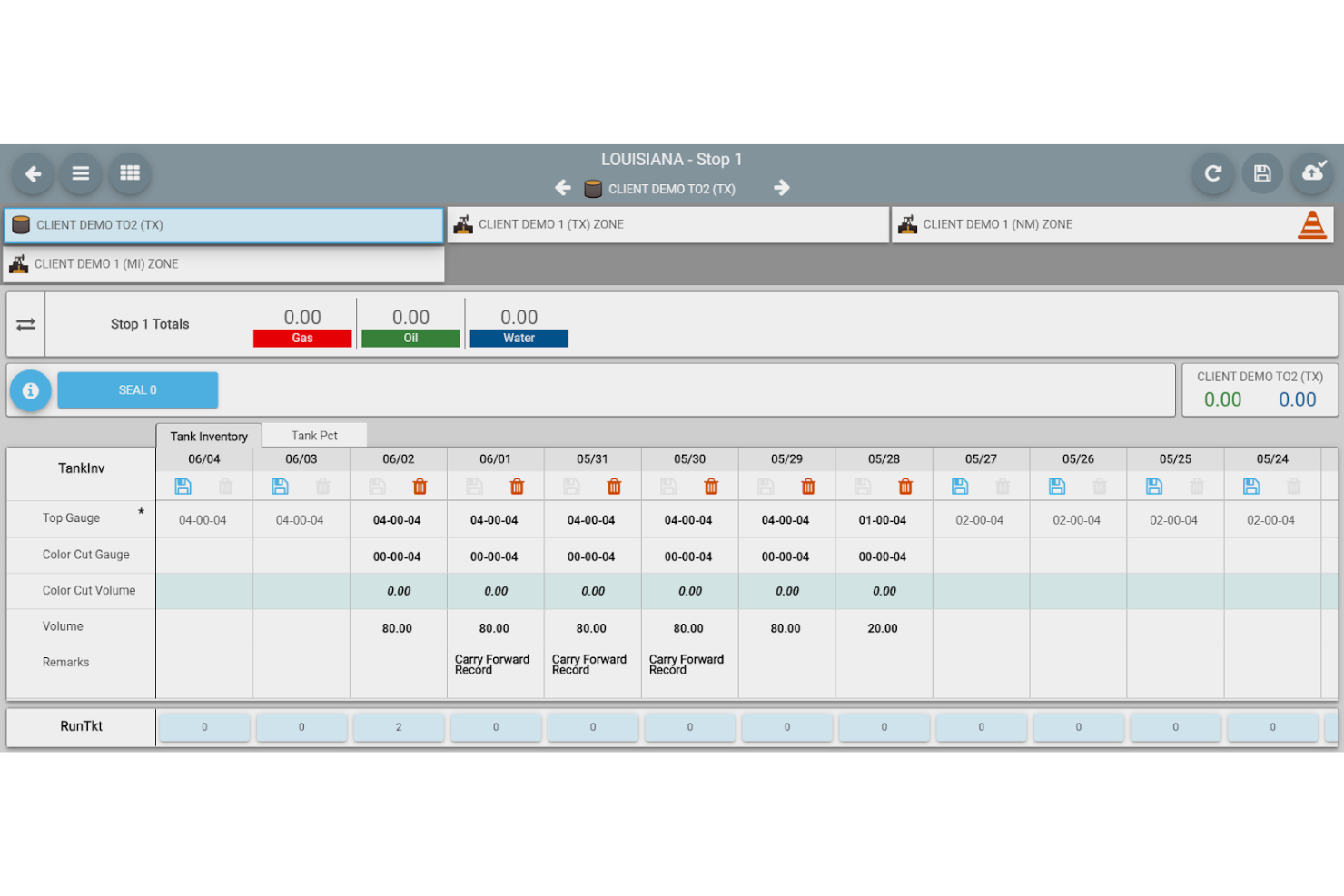
Enertia è una soluzione ERP integrata per il settore upstream dell'oil & gas che da 40 anni offre software e servizi affidabili per l'industria energetica. Fornisce funzionalità precise e specifiche per il settore, che organizzano i dati e aumentano l'efficienza degli operatori del petrolio e del gas.
Perché ho scelto Enertia: Ho scelto Enertia per la sua specializzazione nell'ERP per il settore upstream dell'oil & gas, offrendo funzionalità su misura per le esigenze particolari di questo settore. Si distingue per il suo approccio integrato alla gestione dell'intero ciclo di vita delle operazioni petrolifere e del gas, dall'esplorazione alla produzione, caratteristica rara in altri software ERP.
Funzionalità principali e integrazioni
Le funzionalità includono una gestione avanzata dei terreni, la contabilità di produzione e la gestione finanziaria. Offre inoltre analisi dei dati in tempo reale e capacità di reporting approfondite.
Integrazioni disponibili con Microsoft SQL Server, Microsoft Azure, Microsoft Power BI, Esri ArcGIS, P2 Energy Solutions, Quorum Software, Peloton, Oildex, WellEz e Merrick Systems.
Pros and Cons
Pros:
- Funzionalità specifiche per il settore
- Reputazione consolidata
- Integrazione dati avanzata incorporata
Cons:
- Richiede supporto e formazione
- Limitato al settore upstream


Deacom è un sistema ERP per il settore petrolifero e del gas progettato per il controllo dei processi. Eccelle nel mantenere una supervisione finanziaria completa, migliorando la visibilità sui costi di produzione e sulle rese, e garantendo il rispetto rigoroso del controllo qualità.
Perché ho scelto Deacom: Ho scelto Deacom per le sue solide capacità di controllo dei processi, fondamentali per l'industria petrolifera e del gas. Deacom si distingue grazie alla sua capacità di integrarsi con i sistemi di controllo PLC, offrendo condivisione di dati in tempo reale e ampie funzionalità di controllo dei processi. Questo lo rende il migliore per garantire un controllo meticoloso dei processi nelle operazioni petrolifere e del gas.
Funzionalità principali & integrazioni
Le funzionalità includono controllo finanziario, visibilità sui costi di produzione, controllo qualità e gestione dell'inventario. La sua ampia capacità di integrazione assicura il funzionamento tra diversi reparti.
Le integrazioni includono Salesforce, PayPal, Shopify, Amazon, Magento, EDI, UPS, FedEx, QuickBooks e Microsoft Dynamics 365.
Pros and Cons
Pros:
- Funzionalità estese di controllo dei processi
- Integrazione dati in tempo reale
- Gestione finanziaria avanzata
Cons:
- Implementazione potenzialmente complessa
- Richiede formazione per sfruttare tutte le funzionalità


Orion Alliance offre soluzioni software su misura per l'industria del petrolio e del gas, tra cui ERP, gestione degli asset e monitoraggio dei dati in tempo reale. La capacità di Orion Alliance di utilizzare analisi avanzate e machine learning per prevedere le necessità di manutenzione e gestire i rischi è fondamentale per ridurre al minimo i tempi di inattività e garantire la sicurezza nel settore petrolifero e del gas.
Perché ho scelto Orion Alliance: Ho scelto Orion Alliance per il suo focus specializzato sul settore petrolio e gas, che lo distingue dalle altre soluzioni ERP. La capacità dello strumento di gestire i processi up-, mid-, e downstream lo rende la scelta migliore per le soluzioni destinate all’industria del petrolio e del gas.
Caratteristiche principali e integrazioni
Le funzionalità includono ERP, gestione degli asset, mitigazione dei rischi e monitoraggio dei dati in tempo reale. Offre inoltre analisi in tempo reale, gestione multi-sito, tecnologia cloud, automazione e analisi dei dati in tempo reale.
Le integrazioni includono AWS, Microsoft Azure, Google Cloud, SAP, Oracle, IBM, Salesforce, Tableau, Power BI e sistemi SCADA.
Pros and Cons
Pros:
- Soluzioni su misura per il settore
- Monitoraggio dei dati in tempo reale
- Supporto clienti accurato
Cons:
- Tempi di implementazione lunghi
- Potrebbe richiedere personalizzazioni
Altri software ERP per il settore petrolifero e del gas
Di seguito trovi un elenco di altri software ERP per il settore petrolifero e del gas che abbiamo selezionato, ma che non sono rientrati nella lista principale. Vale sicuramente la pena dare loro un’occhiata.
- DMS ERP
Ideale per la gestione dei servizi petroliferi
- IFS Cloud
Ideale per la gestione del ciclo di vita degli asset
- Oracle ERP Cloud
Ideale per una gestione finanziaria completa


Come Valuto i Software ERP per Petrolio e Gas
Divido la mia valutazione in requisiti di base—come tracciamento JIB, AFE e distribuzione delle royalty—e i fattori di differenziazione che distinguono un fornitore per i team finanziari E&P.
Funzionalità Principali (Requisiti Indispensabili per Questa Lista)
Quando seleziono gli strumenti per la mia lista, valuto ciascuno su una scala da 0 (non offre la funzionalità) a 5 (eccelle in quest'area) per ogni funzionalità principale elencata di seguito. Successivamente, calcolo il punteggio totale dello strumento in percentuale. Ogni strumento deve raggiungere un punteggio totale minimo del 55% per essere incluso.
- Contabilità Joint Venture: Verifico se ogni piattaforma è in grado di gestire la fatturazione JIB, l'allocazione dei costi tra partner, le richieste di liquidità e il netting tra accordi di interesse lavorativo multi-partecipante.
- Gestione Ricavi & Royalty: Ogni strumento dovrebbe supportare la distribuzione di ricavi basata su DOI, il calcolo delle royalty per i proprietari e l'elaborazione delle tasse di separazione collegate ai singoli pozzi e contratti di locazione.
- Tracciamento AFE & Costi Pozzo: Valuto come ogni sistema gestisce la creazione AFE, l'instradamento per le approvazioni, i supplementi e il tracciamento in tempo reale dei costi di capitale e operativi a livello di pozzo.
- Integrazione Produzione & Terreni/Locazioni: La piattaforma dovrebbe collegare le transazioni finanziarie ai volumi di produzione, ai registri di locazione e ai dati di proprietà invece di trattarli isolatamente.
- Conformità Normativa Settoriale: Cerco il supporto integrato per obblighi di reportistica del settore petrolio e gas, come tasse di separazione statali, dichiarazioni 1099 per i proprietari e controlli di audit rilevanti per SOX.
- Contabilità Generale Multi-Entità & Consolidamento: Le aziende E&P spesso gestiscono decine di entità, quindi valuto la capacità di ogni strumento di gestire transazioni intercompany e reportistica finanziaria consolidata.
Dopo aver identificato gli strumenti che soddisfano questi criteri, considero cosa distingue ciascuna piattaforma.
Fattori di Differenziazione (Cosa Distingue i Fornitori)
Ecco come confronto i diversi fornitori:
Caratteristiche Distintive
I portali self-service per i proprietari sono un grande elemento distintivo. Le piattaforme che permettono a proprietari di royalty e interessi lavorativi di scaricare autonomamente cedolini, moduli 1099 e ordini di divisione fanno risparmiare ore di lavoro ai team contabili ogni mese. Cerco anche dashboard BI integrate con KPI preconfigurati per il settore petrolio e gas, come costo di sollevamento per BOE e LOE per pozzo, poiché consentono ai team finanziari di passare dalla vista riepilogativa al dettaglio transazionale. Anche la codifica AI delle fatture merita una valutazione, soprattutto per volumi elevati di fatture di campo da abbinare ad AFE e ID pozzo.
Oltre le Caratteristiche
L'ecosistema di integrazione è un elemento cruciale. Verifico se una piattaforma offre connettori preconfigurati ai più comuni sistemi di contabilità della produzione e gestione dei terreni, poiché i ponti manuali di dati tra questi e l'ERP generano davvero problemi di riconciliazione. L'esperienza nell'implementazione è un altro fattore che considero. I fornitori con partner specifici per il settore petrolio e gas, che portano piani dei conti e strutture AFE preconfigurate, tendono a ridurre sensibilmente i tempi di go-live. Anche la trasparenza del modello di prezzo è importante, in particolare se moduli come ricavi, JV e terreni sono inclusi in bundle o venduti come costosi componenti aggiuntivi.
Come scegliere un software ERP per il settore petrolifero e del gas
Mentre affronti il tuo processo personale di selezione del software, tieni presenti i seguenti aspetti:
- Funzionalità specifiche del settore: Le aziende petrolifere e del gas hanno esigenze operative uniche che richiedono funzionalità ERP specializzate. Un sistema ERP progettato per il settore petrolifero e del gas includerà funzionalità come la contabilità dei ricavi della produzione, il monitoraggio delle interruzioni e strumenti di supporto alle attività di perforazione per gestire le fluttuazioni della produzione e ottimizzare le operazioni di esplorazione.
- Dati e analisi in tempo reale: Nel settore petrolifero e del gas, i dati in tempo reale sono fondamentali per prendere rapidamente decisioni informate. I sistemi ERP che offrono reportistica e analisi in tempo reale possono aiutare le aziende a monitorare i volumi di produzione, i prezzi delle materie prime e i costi operativi.
- Conformità e gestione dei rischi: Le aziende petrolifere e del gas operano in contesti normativi rigorosi che richiedono solide funzionalità di conformità e gestione dei rischi. Un sistema ERP efficace includerà il monitoraggio della salute e sicurezza ambientale, la segnalazione degli incidenti, il monitoraggio delle emissioni e dashboard per la conformità.
- Gestione delle risorse e della manutenzione: La gestione e la manutenzione di risorse costose e complesse come piattaforme offshore, oleodotti e raffinerie rappresentano una sfida significativa nel settore petrolifero e del gas. Un sistema ERP con moduli specializzati per la gestione delle risorse può monitorare i programmi di manutenzione, le scorte di componenti, le garanzie, i costi di ammortamento e la valutazione delle apparecchiature di capitale.
- Scalabilità e flessibilità: Il settore petrolifero e del gas è caratterizzato da volumi di produzione e condizioni di mercato variabili. Pertanto, è essenziale scegliere un sistema ERP scalabile e flessibile, in grado di adattarsi a questi cambiamenti.
Tendenze dei software ERP per il settore petrolifero e del gas
Durante la ricerca del miglior software ERP per il settore petrolifero e del gas, ho consultato i comunicati stampa e le note sui prodotti di ciascun fornitore. Ecco alcune tendenze che ho notato emergere:
- Integrazione dell'AI e dell'apprendimento automatico: L'AI e l'apprendimento automatico sono integrati nei sistemi ERP. Queste tecnologie aiutano a prevedere i guasti delle apparecchiature e a ottimizzare i programmi di manutenzione. Ciò riduce i tempi di inattività e i costi operativi.
- Soluzioni basate sul cloud: Le soluzioni ERP basate sul cloud stanno guadagnando terreno. Offrono scalabilità e accesso remoto, aspetti fondamentali per le operazioni globali. Questa tendenza favorisce una migliore gestione dei dati e collaborazione.
- Connettività IoT: I dispositivi IoT sono sempre più collegati ai sistemi ERP. Ciò consente il monitoraggio in tempo reale delle apparecchiature e delle operazioni. Una raccolta dei dati più completa migliora il processo decisionale e l'efficienza.
- Analisi avanzate: L'analisi avanzata sta diventando una funzionalità fondamentale dei software ERP. Fornisce informazioni più approfondite sui dati operativi. Questo aiuta le aziende a prendere decisioni migliori.
- Miglioramenti della sicurezza informatica: La sicurezza informatica è sempre più al centro dell'attenzione per i sistemi ERP. Misure di sicurezza avanzate proteggono i dati sensibili dalle violazioni. Questo è fondamentale per mantenere la fiducia e la conformità.
Che cos'è un software ERP per il settore petrolifero e del gas?
Il software ERP per il settore petrolifero e del gas è uno strumento di pianificazione delle risorse aziendali che centralizza i dati finanziari, operativi e della catena di approvvigionamento per le aziende energetiche. Utilizzato dalle organizzazioni operanti nei settori upstream, midstream e downstream, riunisce funzioni fondamentali, come la gestione delle risorse, le operazioni sul campo e la conformità, in un unico sistema integrato.
Migliorando la visibilità, ottimizzando l'allocazione delle risorse e supportando il monitoraggio delle risorse in tempo reale, aiuta le aziende a ridurre i costi e a operare in modo più efficiente in un mercato volatile.
Funzionalità
Le aziende del settore petrolifero e del gas devono affrontare sfide specifiche che richiedono soluzioni specializzate per gestire le loro operazioni complesse. Ecco le funzionalità più importanti da cercare:
- Reporting finanziario locale e globale: Gestire le operazioni finanziarie in più Paesi con sistemi fiscali differenti è fondamentale. Questa funzionalità aiuta a bilanciare i requisiti di reporting locali e a ridurre al minimo il carico fiscale globale.
- Gestione dei beni: Considerato l'elevato valore di beni come impianti di perforazione e raffinerie, una gestione efficace dei beni garantisce una produzione continua e un utilizzo ottimale dei beni, riducendo i tempi di inattività e i costi di manutenzione.
- Controllo qualità: Mantenere standard qualitativi elevati è essenziale per ridurre al minimo i rischi ambientali e soddisfare i requisiti di conformità. Questa funzionalità aiuta a monitorare e gestire la qualità nelle diverse fasi della produzione e della distribuzione.
- Gestione dell'inventario: La gestione dell'inventario nel settore petrolifero e del gas è particolare a causa della natura incerta delle riserve sotterranee. Una gestione efficace dell'inventario garantisce livelli di scorte ottimali, evitando sia carenze sia eccedenze.
- Analisi aziendale: Analizzare le tendenze del mercato globale e i contesti politici è fondamentale per prendere decisioni strategiche. Gli strumenti di analisi aziendale forniscono informazioni utili per orientarsi nelle complesse dinamiche di mercato e nei requisiti di conformità.
- Controllo in tempo reale dei beni materiali e immateriali: Questa funzionalità garantisce operazioni efficienti fornendo dati in tempo reale sulle prestazioni dei beni e aiutando a gestire le dipendenze e le interazioni tra i diversi componenti, come impianti di perforazione e oleodotti.
- Elaborazione attiva TQM/QA: La Gestione della qualità totale (TQM) e l'Assicurazione della qualità (QA) sono fondamentali per il miglioramento continuo e la conformità. Questa funzionalità garantisce il mantenimento degli standard qualitativi lungo tutta la catena di approvvigionamento.
- Integrazioni con sistemi flessibili: Un'integrazione efficiente con componenti di terze parti è essenziale per garantire operazioni fluide. Questa funzionalità assicura che il sistema ERP possa adattarsi rapidamente a nuove tecnologie e componenti, riducendo al minimo i tempi di inattività.
- Gestione attiva della conformità e delle policy: Il settore petrolifero e del gas è fortemente regolamentato. Questa funzionalità aiuta a gestire la conformità alle diverse normative federali, statali e tribali, garantendo che l'azienda eviti sanzioni onerose.
- Processi di gestione dei dati standardizzati: I processi standardizzati garantiscono stabilità a lungo termine e costi di manutenzione inferiori. Questa funzionalità aiuta a mantenere un sistema di gestione dei dati coerente ed efficiente, fondamentale per l'efficienza operativa.
Vantaggi
Il software ERP è uno strumento fondamentale per il settore petrolifero e del gas, poiché offre una serie di vantaggi che contribuiscono a supportare le operazioni, migliorare la produttività e garantire la conformità alle normative del settore. Comprendere questi vantaggi può aiutare i potenziali acquirenti a prendere una decisione informata sull'implementazione di un ERP nelle proprie organizzazioni.
- Gestione dei processi aziendali: Il software ERP integra diversi processi aziendali in un unico sistema, consentendo l'accesso in tempo reale alle informazioni fondamentali. Questa integrazione aiuta a gestire operazioni complesse come la gestione degli impianti di perforazione, la gestione dei terreni e delle risorse idriche e l'ingegneria dei siti, aumentando così produttività ed efficienza.
- Facile integrazione: I sistemi ERP possono essere facilmente integrati con applicazioni di terze parti, offrendo una visione consolidata delle risorse e delle spese. Questa integrazione è preziosa per rispettare le scadenze di produzione e garantire consegne puntuali, aspetti fondamentali nel settore petrolifero e del gas.
- Gestione avanzata dei progetti: Le soluzioni ERP semplificano la gestione dei progetti terrestri e in mare aperto, garantendo il completamento nei tempi previsti e nel rispetto del budget. Il software semplifica i progetti complessi, comprese le joint venture e le operazioni internazionali, monitorando l'assistenza tecnica locale, gli obblighi finanziari e le normative internazionali.
- Controllo dei costi: I sistemi ERP aiutano a controllare i costi e a ridurre gli sprechi monitorando attentamente le spese generali e del personale. Grazie a una visione completa di tutti i costi, le aziende petrolifere e del gas possono gestire in modo più efficiente le catene di approvvigionamento e della domanda, garantendo la conformità giuridica nelle transazioni internazionali e supportando più valute.
- Migliore gestione dei beni: La gestione dei beni in tempo reale tramite il software ERP garantisce prestazioni ottimali di macchinari e utenze. I programmi di manutenzione automatizzati prevengono le interruzioni della produzione e il monitoraggio meticoloso dei beni aiuta a gestirli efficacemente, anche dopo che sono stati dismessi o danneggiati.
Costi e prezzi
Comprendere i costi e le opzioni di prezzo del software ERP per il settore petrolifero e del gas è fondamentale per prendere una decisione informata. Questi piani sono progettati per soddisfare le esigenze di aziende di diverse dimensioni e con diversi livelli di complessità.
Di seguito è riportata una panoramica dei tipi di piano più comuni, dei relativi prezzi medi e delle funzionalità incluse:
Tabella comparativa dei piani per il software ERP per il settore petrolifero e del gas
| Tipo di piano | Prezzo medio | Funzionalità comuni |
| Gratuito | $0 | Gestione finanziaria di base, monitoraggio limitato delle risorse e reportistica di base |
| Base | $1,200/mese | Tutte le funzionalità di base, gestione delle risorse umane, conformità normativa e reportistica |
| Premium | $2,500/mese | Tutte le funzionalità standard, analisi avanzate, accesso mobile e cruscotti personalizzabili |
| Aziendale | Prezzo personalizzato | Tutte le funzionalità premium, funzionalità di integrazione, manutenzione predittiva e assistenza dedicata |
Domande frequenti sul software ERP per il settore petrolifero e del gas
Stai ancora cercando di capire come il software ERP per il settore petrolifero e del gas possa semplificare le tue operazioni? Ecco alcune risposte alle domande frequenti che dovrebbero aiutarti:
In che modo il software ERP per il settore petrolifero e del gas gestisce le risorse?
Il software ERP per il settore petrolifero e del gas monitora il ciclo di vita delle risorse, dall’acquisizione alla dismissione. Aiuta a programmare la manutenzione, monitorare le prestazioni e ottimizzare l’utilizzo delle risorse.
Che cos'è la manutenzione predittiva nel software ERP per il settore petrolifero e del gas?
La manutenzione predittiva utilizza l’analisi dei dati per prevedere i guasti delle apparecchiature. Aiuta a prevenire i tempi di inattività e prolunga la durata delle risorse.
In che modo il software ERP per il settore petrolifero e del gas gestisce la catena di approvvigionamento?
Il software ottimizza la catena di approvvigionamento monitorando l’inventario, gestendo i fornitori e coordinando la logistica. Garantisce consegne puntuali e riduce i costi.
Il software ERP per il settore petrolifero e del gas può essere personalizzato?
Sì, molte soluzioni ERP per il settore petrolifero e del gas offrono cruscotti e flussi di lavoro personalizzabili. Questa flessibilità aiuta a soddisfare esigenze e preferenze aziendali specifiche.
In che modo il software ERP per il settore petrolifero e del gas migliora il processo decisionale?
Fornendo dati in tempo reale e analisi avanzate, il software supporta decisioni informate. I responsabili possono reagire rapidamente alle condizioni e alle opportunità in continua evoluzione.
Quali tipi di reportistica sono disponibili nel software ERP per il settore petrolifero e del gas?
Il software offre diverse opzioni di reportistica, tra cui report finanziari, report sulla conformità normativa e cruscotti sulle prestazioni operative. Questi report aiutano a monitorare e migliorare le prestazioni aziendali.
È disponibile una formazione per gli utenti del software ERP per il settore petrolifero e del gas?
Sì, la maggior parte dei fornitori offre programmi di formazione completi. Questi possono includere tour interattivi del prodotto, webinar e documentazione di supporto.
Come scelgo il software ERP per il settore petrolifero e del gas più adatto alla mia azienda?
Valuta le esigenze della tua azienda, il budget e le funzionalità necessarie. Cerca un software con recensioni positive da parte dei clienti e opzioni di assistenza affidabili.
E adesso?
Se stai cercando informazioni sul software ERP per il settore petrolifero e del gas, contatta gratuitamente un consulente di SoftwareSelect per ricevere consigli.
Compili un modulo e fai una breve conversazione durante la quale verranno analizzati nel dettaglio i tuoi requisiti. In seguito riceverai una selezione ristretta di software da esaminare. Ti assisteranno persino durante l'intero processo di acquisto, comprese le negoziazioni sui prezzi.