

I 10 migliori software per la gestione degli audit interni selezionati per il 2026

Selezione di software per la gestione degli audit interni


Quando tutto è disperso, gli audit possono facilmente trasformarsi in corse dell’ultimo minuto alla ricerca di prove, responsabilità poco chiare e report che non sembrano mai del tutto pronti per l’audit. Il software per la gestione degli audit interni ti aiuta a pianificare, eseguire e monitorare gli audit, mantenendo la conformità e la documentazione in un unico posto.
Ho lavorato con team di audit e conformità e ho esaminato decine di strumenti, quindi so quanto rapidamente gli audit “semplici” possano trasformarsi in situazioni caotiche e frenetiche quando i sistemi non comunicano tra loro.
In questa guida analizzo i migliori software per la gestione degli audit interni per 2026, così potrai confrontare le funzionalità, ridurre il lavoro manuale e scegliere un sistema realmente all’altezza della pressione di un audit.
Perché fidarsi dei nostri consigli sui software
Le nostre recensioni riflettono il nostro giudizio indipendente, non un discorso di vendita. Scopri come manteniamo la trasparenza.
Per questa guida, abbiamo valutato gli strumenti attraverso test pratici e ricerche indipendenti, assegnando un punteggio agli strumenti in base ai nostri criteri di selezione.
Le nostre recensioni riflettono il nostro giudizio editoriale umano, non un discorso di vendita.
Tabella comparativa dei software per la gestione degli audit interni
Questa tabella comparativa illustra i prezzi dei software per la gestione degli audit interni che ho selezionato, per aiutarti a confrontare le opzioni in base al budget e alle esigenze aziendali.
| Tool | Best For | Trial Info | Price | ||
|---|---|---|---|---|---|
| 1 | Ideale per il tracciamento della conformità normativa | Demo gratuita disponibile | Prezzo su richiesta | Website | |
| 2 | Ideale per flussi di lavoro di audit aziendali su larga scala | Demo gratuita disponibile | Prezzo su richiesta | Website | |
| 3 | Ideale per i flussi di lavoro di raccolta delle prove | Demo gratuita disponibile | Prezzo su richiesta | Website | |
| 4 | Ideale per il collegamento tra incidenti e audit | Demo gratuita disponibile | Prezzo su richiesta | Website | |
| 5 | Ideale per funzionalità GRC integrate | Demo gratuita disponibile | Prezzo su richiesta | Website | |
| 6 | Ideale per framework di audit personalizzabili | Demo gratuita disponibile. | Prezzi su richiesta | Website | |
| 7 | Il migliore per l'integrazione con sistemi ERP | Demo gratuita disponibile | Prezzo su richiesta | Website | |
| 8 | Ideale per l'automazione dei processi di audit | Non disponibile | Prezzo su richiesta | Website | |
| 9 | Ideale per esigenze di reportistica a livello di consiglio di amministrazione | Demo gratuita disponibile | Prezzo su richiesta | Website | |
| 10 | Ideale per visibilità sul rischio in tempo reale | Demo gratuita disponibile | Prezzi su richiesta | Website |
Recensioni dei software per la gestione degli audit interni
Di seguito trovi i miei riepiloghi dettagliati dei software per la gestione degli audit interni inclusi nella mia selezione. Le mie recensioni offrono una panoramica approfondita delle funzionalità, dei casi d’uso migliori e delle integrazioni di ciascuna piattaforma, per aiutarti a trovare quella più adatta a te.

SAI360
Ideale per il tracciamento della conformità normativa
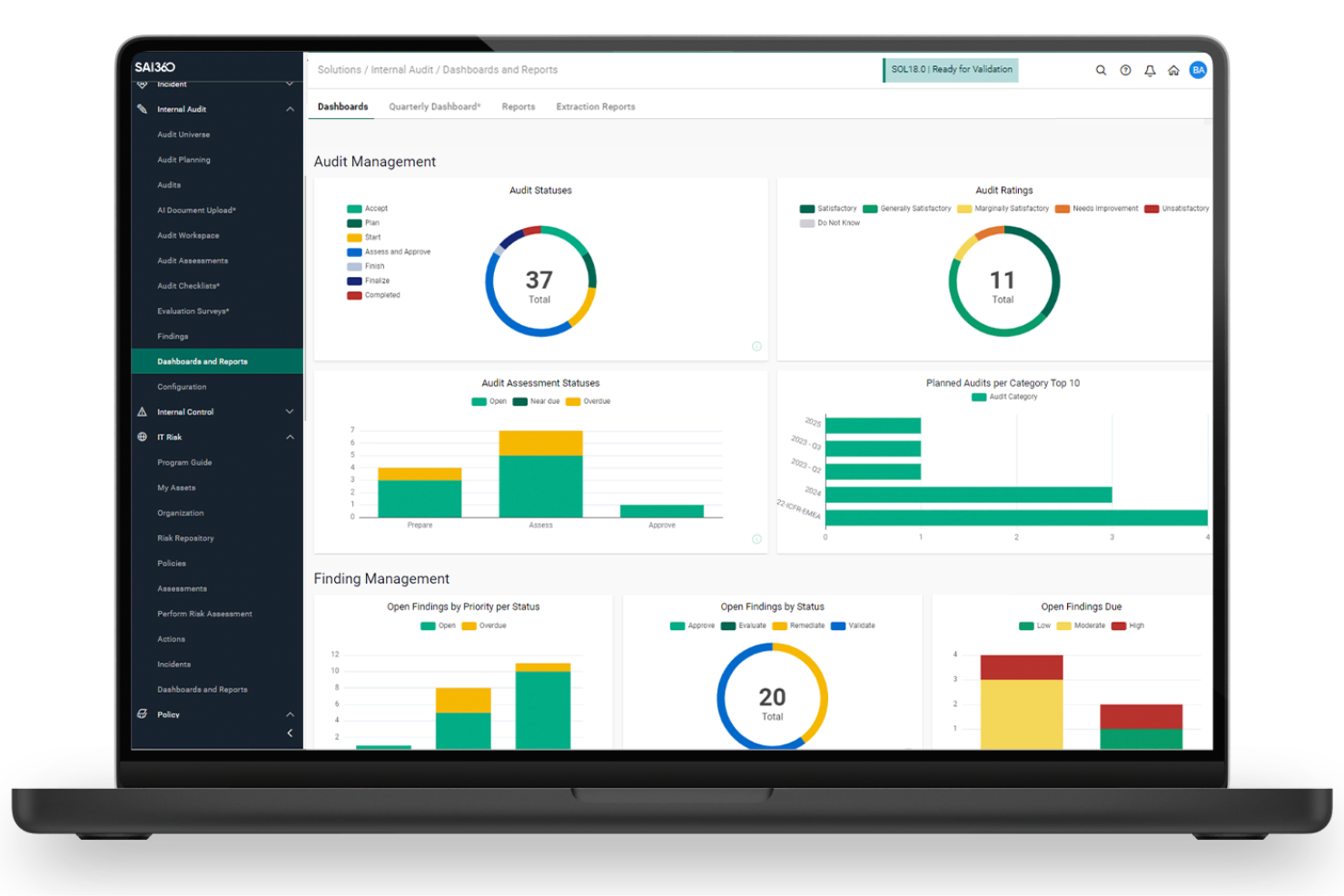
SAI360 è progettato per le organizzazioni che devono gestire complesse esigenze di conformità normativa e requisiti di rischio insieme ai loro audit interni. Questa piattaforma è particolarmente utile per settori altamente regolamentati come la sanità, i servizi finanziari e l'energia, dove il monitoraggio delle normative in evoluzione rappresenta una sfida costante. Il suo approccio integrato aiuta i team di audit a centralizzare i dati di conformità, automatizzare la raccolta delle evidenze e anticipare i cambiamenti normativi.
Perché ho scelto SAI360
Per i team di audit che devono stare al passo con le richieste normative in continuo cambiamento, SAI360 offre una soluzione mirata per il tracciamento della conformità all'interno della gestione degli audit interni. Ho scelto SAI360 per il suo forte orientamento alla conformità normativa oltre alla gestione degli audit. Mi è piaciuto come connette direttamente le attività di audit ai requisiti normativi, rendendo più semplice dimostrare la conformità. I suoi contenuti normativi e il tracciamento delle modifiche aiutano i team a rimanere aggiornati sugli standard in evoluzione. Ciò lo rende una scelta solida per le organizzazioni che operano in settori fortemente regolamentati.
Caratteristiche principali di SAI360
Oltre ai suoi punti di forza nel tracciamento della conformità, SAI360 offre diverse altre funzionalità per i team di audit:
- Gestione automatizzata dei workflow: Configura e automatizza i workflow di audit in base ai processi della tua organizzazione.
- Strumenti di valutazione del rischio: Assegna punteggi e priorità ai rischi utilizzando moduli di valutazione integrati.
- Gestione documentale: Archivia, organizza e versiona le evidenze di audit e i documenti di supporto.
- Dashboard personalizzabili: Crea dashboard per visualizzare lo stato degli audit, i risultati e le tendenze.
Integrazioni di SAI360
Le integrazioni includono Workday, ADP, BambooHR, Slack, Oracle, SAP, Salesforce, ServiceNow, Microsoft 365 e SharePoint.
Pros and Cons
Pros:
- La mappatura normativa collega direttamente gli audit ai requisiti di conformità
- Gli strumenti di valutazione del rischio integrati supportano la definizione delle priorità negli audit
- Le dashboard personalizzabili offrono visibilità sullo stato e sui risultati degli audit
Cons:
- La configurazione dei permessi utente può essere complessa da gestire
- La personalizzazione dei report può richiedere supporto aggiuntivo

Workiva
Ideale per flussi di lavoro di audit aziendali su larga scala
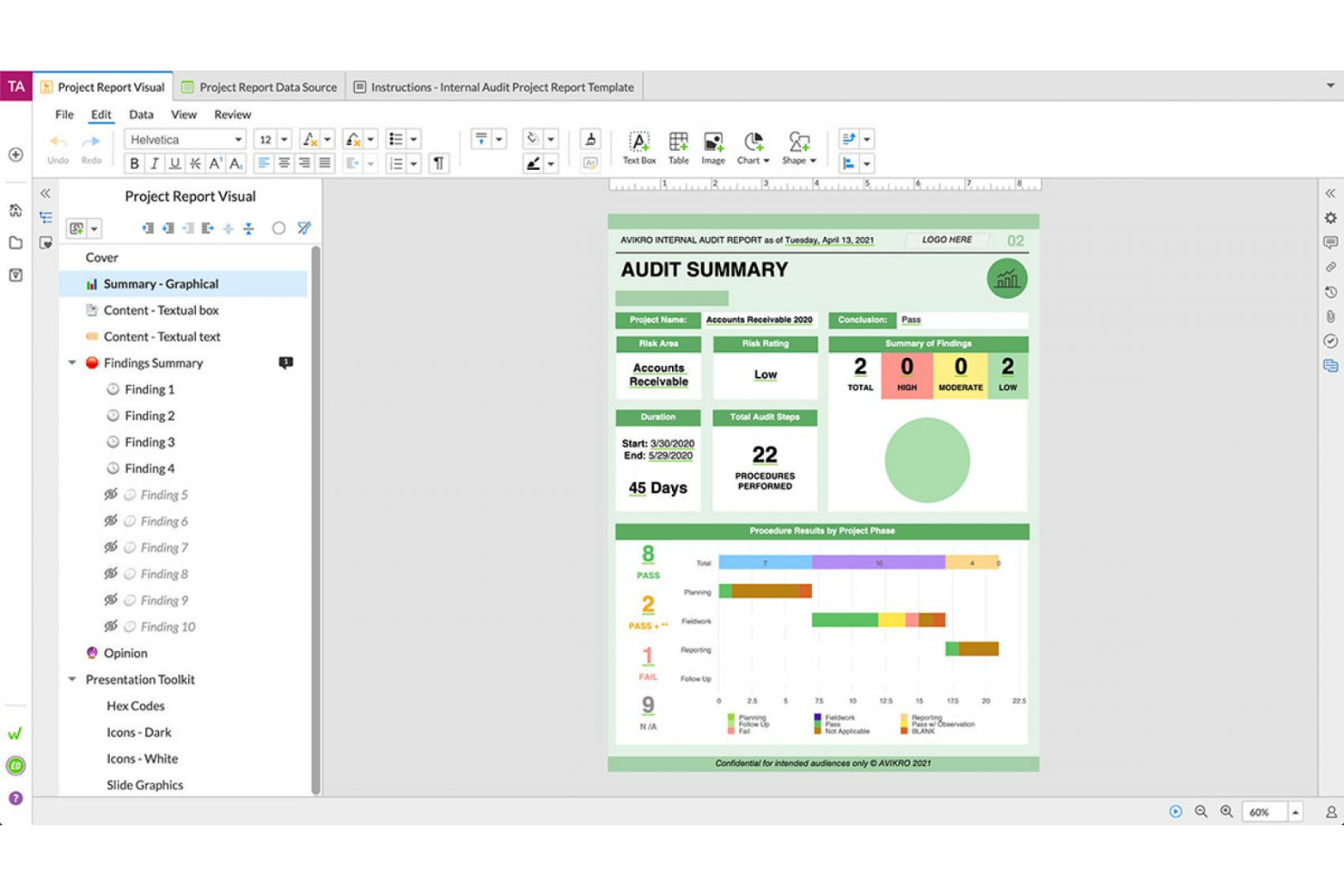
Workiva è progettato per i team di revisione nelle grandi aziende che devono gestire flussi di lavoro di audit complessi e multi-entità. La piattaforma collega la pianificazione, l'esecuzione e la rendicontazione degli audit in un unico ambiente, aiutandoti a coordinare tra i reparti e a mantenere la conformità. Se la tua organizzazione deve affrontare requisiti normativi stringenti e grandi volumi di dati di audit, Workiva offre strumenti per centralizzare e automatizzare i tuoi processi.
Perché ho scelto Workiva
Ho scelto Workiva perché è costruito per gestire la scala e la complessità dei flussi di lavoro di audit delle grandi imprese. La piattaforma supporta la pianificazione e l'esecuzione di audit multi-entità, permettendo di coordinare le verifiche fra diverse unità aziendali e aree geografiche. Apprezzo anche come gli strumenti di automazione dei flussi di lavoro di Workiva aiutino a standardizzare i processi e garantire una documentazione coerente. Le funzionalità di collaborazione in tempo reale facilitano inoltre ai grandi team come il mio la gestione delle rilevazioni, il monitoraggio delle problematiche e il mantenimento della conformità in tutta l'organizzazione.
Funzionalità principali di Workiva
Altre funzionalità di Workiva che supportano i team di audit includono:
- Analisi di Audit: Esegui test e analisi basati sui dati direttamente sulla piattaforma per identificare anomalie e tendenze.
- Gestione delle Problematiche: Monitora, assegna e risolvi le rilevazioni di audit tramite flussi di lavoro integrati e aggiornamenti di stato.
- Gestione Documentale: Archivia, organizza e gestisci le versioni di tutta la documentazione di audit in un repository sicuro e centralizzato.
- Controlli di Accesso Basati sui Ruoli: Definisci permessi granulari per utenti e team al fine di proteggere le informazioni sensibili di audit.
Integrazioni di Workiva
Le integrazioni includono SAP, Oracle, Microsoft Office 365, NetSuite, Workday, Salesforce, Coupa, BlackLine, Trintech e un'API per integrazioni personalizzate.
Pros and Cons
Pros:
- Supporto per processi di audit multi-entità e globali
- Collaborazione in tempo reale per team di revisione distribuiti
- Tracciabilità automatica delle attività e della documentazione di audit
Cons:
- Il prezzo non è trasparente o pubblico
- L’implementazione può essere lunga per i grandi team

Ideale per i flussi di lavoro di raccolta delle prove
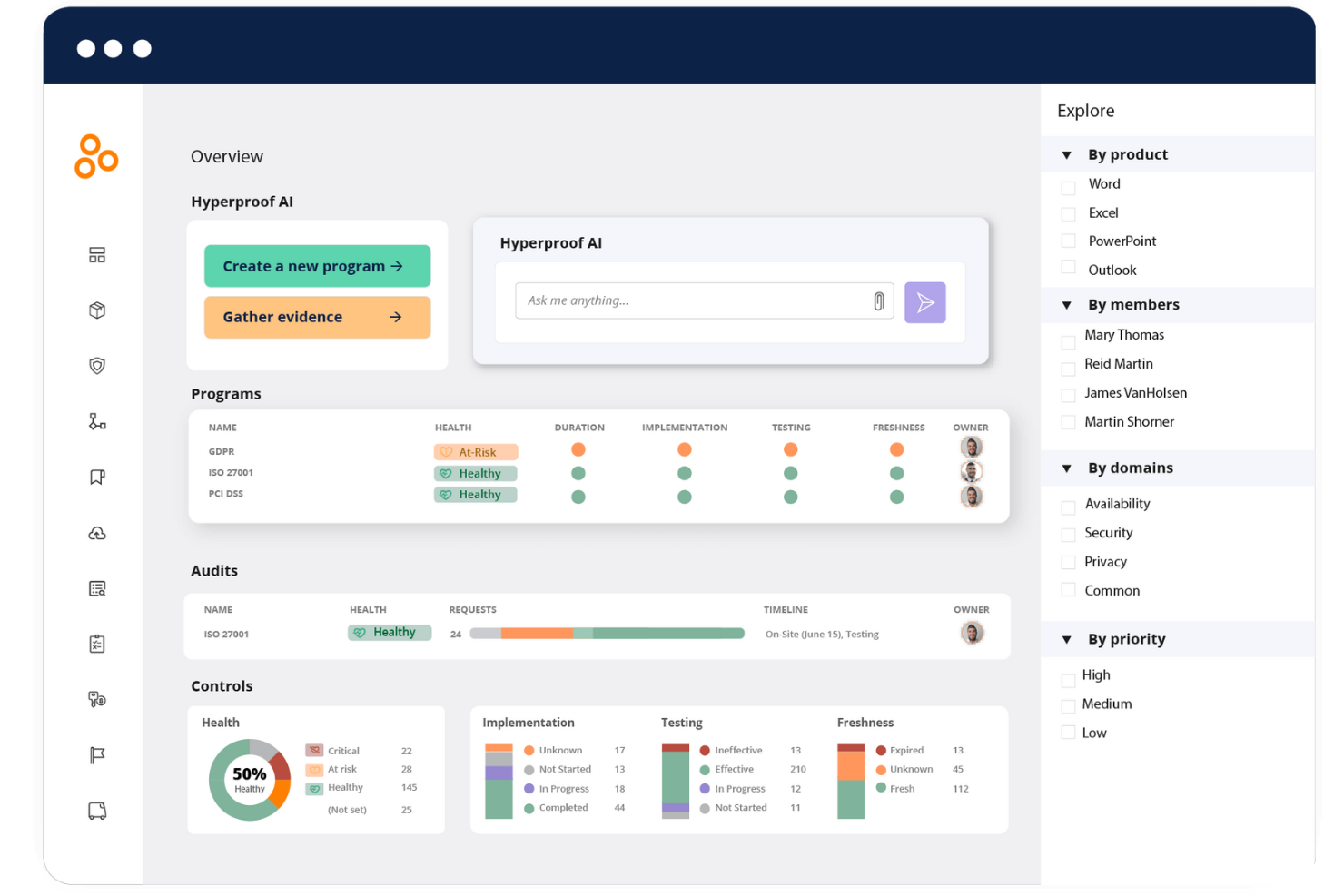
Hyperproof è progettato per i team di audit e conformità che devono gestire la raccolta di prove attraverso molteplici framework e audit. La piattaforma si rivolge alle organizzazioni con requisiti normativi complessi, in particolare a quelle che devono affrontare contemporaneamente SOC 2, ISO 27001 o HIPAA. Il suo approccio guidato dal flusso di lavoro aiuta i team a centralizzare, tracciare e automatizzare la raccolta delle prove, riducendo il lavoro manuale di follow-up e la fatica degli audit.
Perché ho scelto Hyperproof
Ho scelto Hyperproof perché si concentra fortemente sulla raccolta e gestione delle prove. Mi è piaciuto come centralizza le prove e permette ai team di mapparle su molteplici controlli e framework. Il tracciamento delle attività e i promemoria aiutano a mantenere gli audit in programma senza bisogno di continui follow-up manuali. Questo lo rende particolarmente utile per i team che gestiscono audit ricorrenti su diversi standard di conformità.
Funzionalità principali di Hyperproof
Oltre ai flussi di lavoro per la raccolta delle prove, Hyperproof offre altre funzionalità degne di nota:
- Libreria di Framework: Accedi a una libreria integrata di framework di conformità per allineare rapidamente i tuoi audit agli standard di settore.
- Gestione delle Attività: Assegna, traccia e gestisci le attività legate agli audit all'interno della piattaforma.
- Registro dei Rischi: Mantieni un registro centralizzato dei rischi e collegali ai controlli e alle attività di audit.
- Traccia Audit: Visualizza una cronologia dettagliata delle modifiche e delle azioni eseguite su prove e controlli.
Integrazioni Hyperproof
Le integrazioni includono Slack, Snowflake, Splunk, Square Payroll, Tenable, Trinet, Ultipro, Zendesk, Zenefits e Zoom.
Pros and Cons
Pros:
- La gestione centralizzata delle prove supporta audit su più framework
- I promemoria automatici mantengono le attività di audit in programma
- Le tracce degli audit offrono visibilità sulle attività relative alle prove
Cons:
- Nessuna app mobile per condurre audit sul campo
- I modelli di report offrono possibilità di personalizzazione limitate

Resolver
Ideale per il collegamento tra incidenti e audit
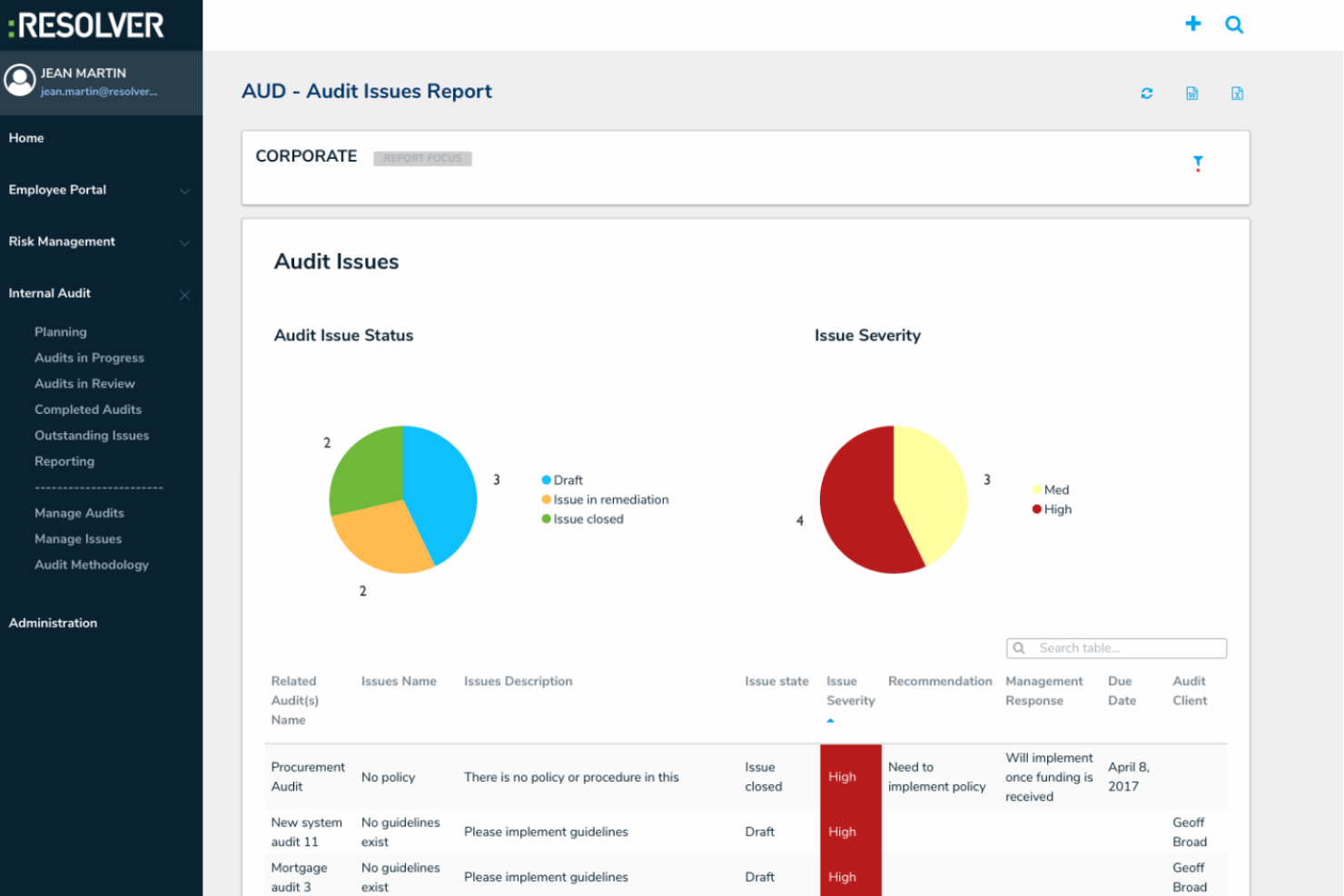
Resolver si distingue per i team di audit che hanno bisogno di collegare la gestione degli incidenti direttamente ai propri processi di audit. Questa piattaforma è particolarmente utile per le organizzazioni di settori come i servizi finanziari, la sanità e la produzione, in cui è essenziale tracciare il ciclo di vita dalla segnalazione dell'incidente alla sua risoluzione. Collegando incidenti, rischi e audit in un unico sistema, Resolver aiuta i team a individuare le cause alla radice e rafforzare i controlli sulla base di eventi reali.
Perché ho scelto Resolver
Ciò che mi ha colpito di Resolver è la sua capacità di collegare la gestione degli incidenti direttamente con le attività di audit interno. La piattaforma consente di associare incidenti, rischi e risultati degli audit in un unico flusso di lavoro, così da poter tracciare le problematiche dalla segnalazione iniziale fino alla risoluzione e alla chiusura dell'audit. Apprezzo come il collegamento tra incidente e audit di Resolver aiuti i team di audit a individuare schemi ricorrenti e cause principali, rendendo più semplice la definizione delle priorità di audit sulla base di eventi operativi reali. Questo approccio è particolarmente prezioso per le organizzazioni che desiderano rafforzare i controlli e dimostrare una risposta chiara agli incidenti all'interno del processo di audit.
Funzionalità chiave di Resolver
Altre funzionalità che rendono Resolver utile per i team di audit includono:
- Pianificazione automatizzata degli audit: Imposta pianificazioni di audit ricorrenti o una tantum con promemoria automatici.
- Modelli di audit personalizzabili: Crea e riutilizza modelli di audit su misura per le esigenze della tua organizzazione.
- Reportistica in tempo reale: Genera e condividi report di audit con dati e visualizzazioni sempre aggiornati.
- Controlli di accesso basati sui ruoli: Assegna permessi e limita l'accesso in base a ruoli e responsabilità degli utenti.
Integrazioni di Resolver
Le integrazioni non sono elencate.
Pros and Cons
Pros:
- Collega direttamente gli incidenti ai risultati di audit per una migliore analisi delle cause alla radice
- I modelli personalizzabili supportano diversi framework di audit
- La reportistica in tempo reale offre informazioni sempre aggiornate sugli audit
Cons:
- La configurazione del workflow può richiedere tempo per essere completata
- Le opzioni di formattazione dei report di audit sono piuttosto limitate

Ideale per funzionalità GRC integrate
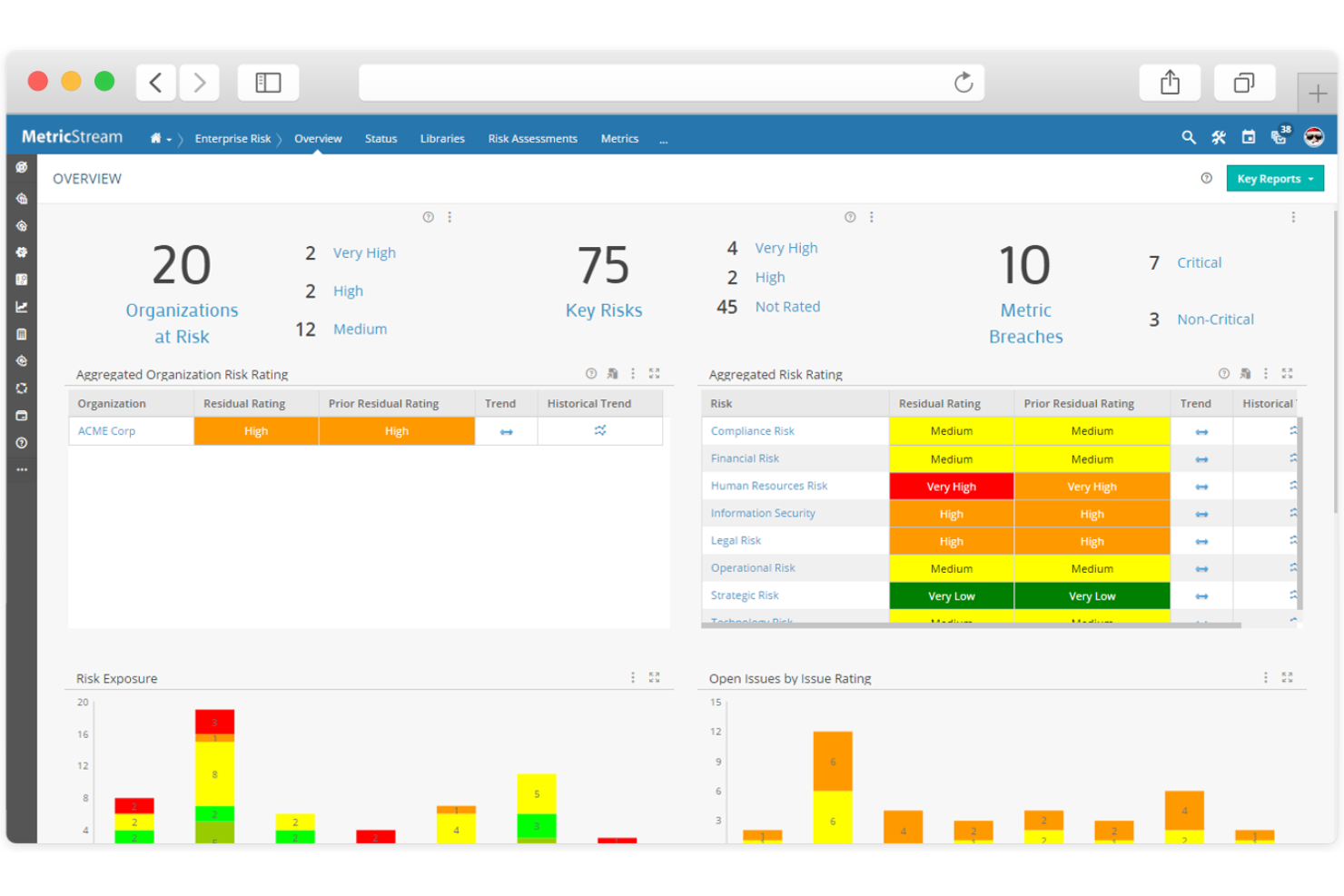
MetricStream riunisce la gestione di audit, rischio e conformità in un'unica piattaforma progettata per organizzazioni con esigenze complesse di governance. È particolarmente adatto a team che desiderano collegare i processi di audit interno con le attività GRC più ampie, come le valutazioni dei rischi e la gestione delle politiche. Se la tua azienda necessita di una supervisione e reportistica unificata tra diverse funzioni di rischio e conformità, MetricStream offre flussi di lavoro e analisi integrati a supporto di tutto ciò.
Perché ho scelto MetricStream
Apprezzo la capacità di MetricStream di connettere l'audit interno con le attività più ampie di governance, rischio e conformità, distinguendosi soprattutto per le sue funzionalità GRC integrate. I collegamenti della piattaforma sono utili per la pianificazione, l'esecuzione e la rendicontazione degli audit insieme alle valutazioni dei rischi e alla gestione delle politiche, consentendomi di gestire tutto in un unico luogo. Ho scelto MetricStream perché i suoi flussi di lavoro unificati mi aiutano a coordinare le risultanze di audit con i requisiti di rischio aziendale e conformità. Questo approccio supporta le organizzazioni che desiderano superare i compartimenti stagni e creare una fonte unica di verità per tutte le attività GRC.
Funzionalità chiave di MetricStream
Altre funzionalità che MetricStream offre ai team di audit comprendono:
- Monitoraggio automatico delle problematiche: Traccia, assegna e monitora i problemi individuati durante l'audit dalla loro identificazione fino alla risoluzione all'interno della piattaforma.
- Modelli di audit personalizzabili: Utilizza e adatta modelli predefiniti per diversi tipi di audit e nei settori di riferimento.
- App mobile per audit: Svolgi audit, raccogli prove e completa checklist direttamente da un dispositivo mobile.
- Dashboard analitici in tempo reale: Visualizza progressi, risultati e tendenze degli audit con dashboard configurabili e strumenti di reportistica.
Integrazioni MetricStream
Le integrazioni includono SAP, Oracle, Salesforce, Microsoft Dynamics, Workday, ServiceNow, Tableau, Power BI, Jira e NetSuite.
Pros and Cons
Pros:
- Centralizza i flussi di lavoro di audit, rischio e conformità
- Supporta audit multilingue e multi-entità
- Offre modelli di audit configurabili per settori specifici
Cons:
- La navigazione può essere complessa per i nuovi utenti
- La creazione di report personalizzati richiede supporto tecnico

Archer
Ideale per framework di audit personalizzabili
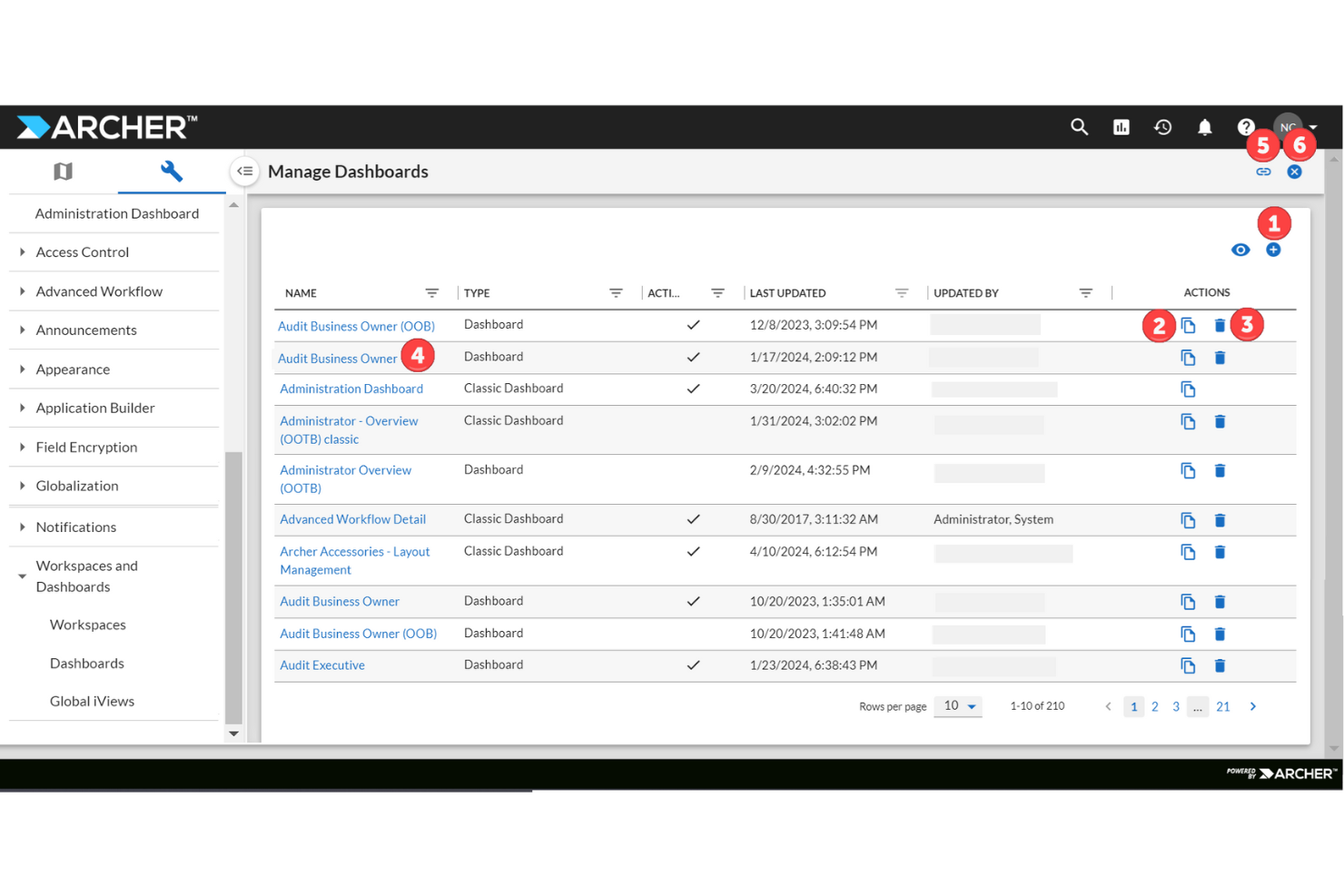
Archer offre ai team di audit la flessibilità di creare e personalizzare framework di audit che si adattano allo specifico panorama di rischio della propria organizzazione. È particolarmente utile per grandi aziende e settori regolamentati che devono allineare i processi di audit a controlli interni complessi e standard di conformità. Con Archer, è possibile adattare flussi di lavoro e reportistica per rispondere ai requisiti di audit in evoluzione e alle priorità aziendali.
Perché ho scelto Archer
Archer si distingue per i team che hanno bisogno di progettare framework di audit altamente personalizzabili, creati su misura per le esigenze di rischio e conformità della propria organizzazione. Ho scelto Archer per il livello di controllo che offre ai team nella progettazione dei propri framework di audit. Ho apprezzato la possibilità di configurare flussi di lavoro, modelli di scoring e strutture di reportistica in linea con le policy interne e i requisiti normativi. La gestione dell'audit universe è particolarmente utile per tracciare le entità auditabili e i rischi associati. Questo livello di personalizzazione lo rende una soluzione ideale per organizzazioni con strutture di governance complesse.
Funzionalità principali di Archer
Oltre alla sua capacità di personalizzazione, Archer offre diverse altre funzionalità per i team di audit:
- Raccolta automatica delle evidenze: Raccogli e organizza la documentazione di supporto direttamente all'interno della piattaforma.
- Controlli di accesso basati sui ruoli: Assegna permessi e limita l'accesso in base a ruoli e responsabilità degli utenti.
- Gestione delle eccezioni e dei rilievi: Monitora, documenta e risolvi i rilievi e le eccezioni di audit in un flusso di lavoro strutturato.
- Gestione dell'audit universe: Mantieni un inventario centralizzato di tutte le entità auditabili e dei dati di rischio correlati.
Integrazioni Archer
Le integrazioni non sono specificate sul loro sito web.
Pros and Cons
Pros:
- Flussi di lavoro altamente personalizzabili supportano esigenze complesse di audit e conformità
- La gestione dell'audit universe centralizza il monitoraggio delle entità auditabili
- La raccolta automatica delle evidenze supporta una documentazione di audit coerente
Cons:
- La configurazione può richiedere un significativo impegno iniziale
- Gli aggiornamenti dell'interfaccia utente sono meno frequenti rispetto ad alcuni concorrenti

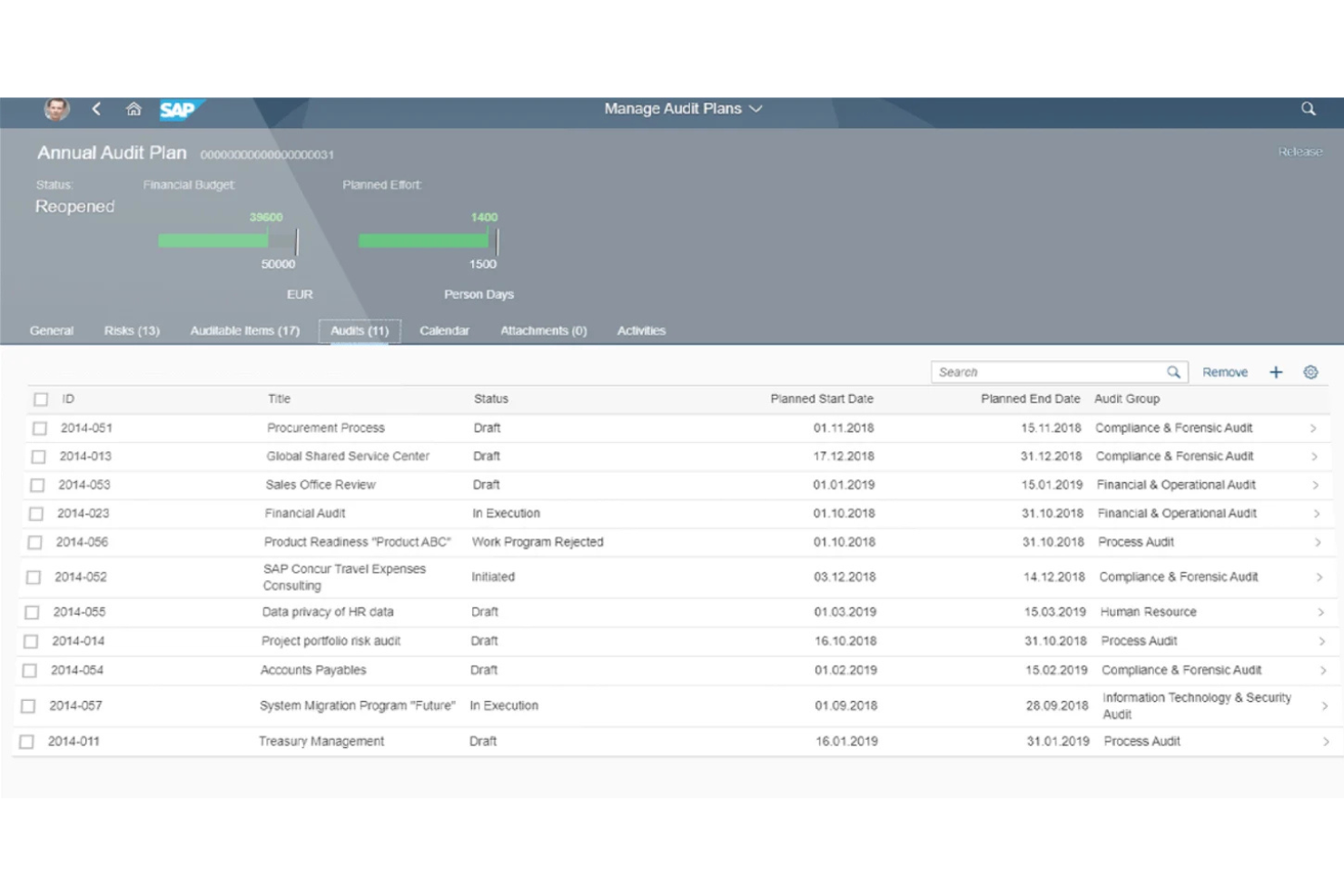
SAP Audit Management è pensato per le organizzazioni che desiderano collegare i processi di audit direttamente ai loro sistemi SAP ERP e finanziari. Questo strumento è particolarmente adatto a grandi imprese e aziende globali che devono gestire audit in ambienti complessi e integrati. Grazie all'integrazione nativa con SAP, supporta i team di audit nell'accesso a dati in tempo reale e nell'automatizzazione dei flussi di lavoro all'interno dell'ecosistema SAP.
Perché ho scelto SAP Audit Management
Ho scelto SAP Audit Management per la stretta integrazione con gli ambienti SAP. Ho apprezzato il fatto che consenta ai team di audit di lavorare direttamente con i dati finanziari e operativi dei sistemi SAP, migliorando l'accuratezza nella pianificazione ed esecuzione degli audit. L'approccio basato su modelli e l'automazione dei flussi di lavoro aiutano anche a standardizzare gli audit ricorrenti. Questo lo rende particolarmente efficace per le organizzazioni che già operano nell'ecosistema SAP.
Funzionalità principali di SAP Audit Management
Altre funzionalità che rendono SAP Audit Management utile per i team di audit includono:
- Capacità di audit da dispositivi mobili: Conduci e documenta gli audit da dispositivi mobili direttamente sul campo.
- Tracciamento di problemi e azioni: Assegna, monitora e segui le risultanze dell'audit e le attività di rimedio.
- Pianificazione degli audit basata su modelli: Usa modelli standardizzati per pianificare e programmare audit ricorrenti.
- Dashboard basati sui ruoli: Fornisci dashboard personalizzate per diversi ruoli utente per monitorare lo stato e l'avanzamento degli audit.
Integrazioni di SAP Audit Management
Le integrazioni includono SAP Risk Management, SAP Process Control e SAP Business Integrity Screening.
Pros and Cons
Pros:
- L'accesso diretto ai dati SAP migliora accuratezza e contesto dell'audit
- La pianificazione basata su modelli supporta processi di audit ripetibili
- Flussi di lavoro integrati allineano le attività di audit con le operazioni aziendali
Cons:
- Adatto principalmente alle organizzazioni che già utilizzano sistemi SAP
- La configurazione di report personalizzati può richiedere competenze tecniche

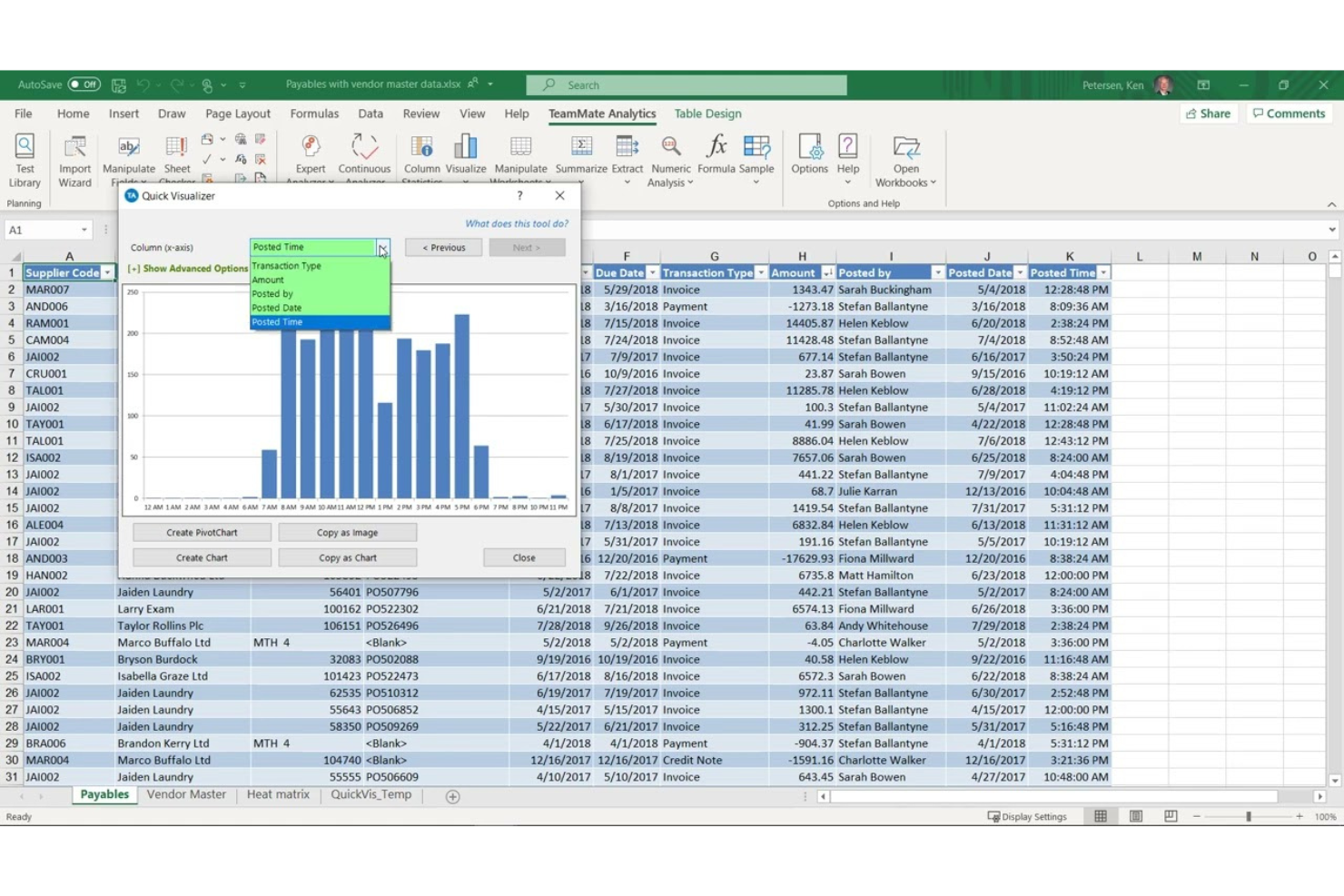
Se stai cercando di automatizzare e standardizzare i tuoi processi di audit, TeamMate offre una piattaforma specializzata progettata per i professionisti dell’audit. È pensata per le organizzazioni che vogliono digitalizzare i flussi di lavoro, gestire la documentazione e monitorare l’avanzamento delle verifiche dall’ideazione alla rendicontazione. TeamMate è particolarmente utile per i team che desiderano ridurre il lavoro manuale e migliorare la coerenza delle procedure di audit tra dipartimenti o sedi diversi.
Perché ho scelto TeamMate
Ho scelto TeamMate per il suo chiaro focus sull’automazione dell’intero ciclo di vita dell’audit. Mi è piaciuto come gestisce la pianificazione, il monitoraggio e i follow-up in modo strutturato, contribuendo a ridurre le attività di coordinamento manuale. Ho scelto TeamMate anche perché offre tracciamento automatico delle problematiche e promemoria, aiutando i team di audit a rispettare le scadenze e le azioni da intraprendere. Queste funzionalità di automazione lo rendono una scelta valida per le organizzazioni che vogliono semplificare le attività ripetitive e mantenere coerenza tra diversi audit.
Caratteristiche principali di TeamMate
Altre funzionalità che TeamMate offre ai team di audit includono:
- Strumenti di valutazione del rischio: Valuta e assegna le priorità ai rischi per guidare la pianificazione dell’audit e l’allocazione delle risorse.
- Gestione della documentazione: Archivia, organizza e gestisci le versioni dei documenti di audit in un repository centralizzato.
- Monitoraggio del tempo: Registra e monitora il tempo dedicato alle attività e ai progetti di audit.
- Report personalizzabili: Crea e adatta report di audit per soddisfare i requisiti organizzativi e normativi.
Integrazioni di TeamMate
TeamMate offre una suite di API per integrazioni personalizzate, tra cui Reporting API, Data Exchange API, Event Monitoring API e Identity Provider API. Attualmente, non sono elencate integrazioni native con fornitori terzi specifici.
Pros and Cons
Pros:
- Include moduli integrati per la valutazione dei rischi
- Offre modelli e flussi di lavoro di audit configurabili
- Fornisce una traccia di audit per tutte le azioni degli utenti
Cons:
- Non esiste un marketplace pubblico per le integrazioni di terze parti
- Le funzionalità dell'app mobile sono limitate

Diligent
Ideale per esigenze di reportistica a livello di consiglio di amministrazione
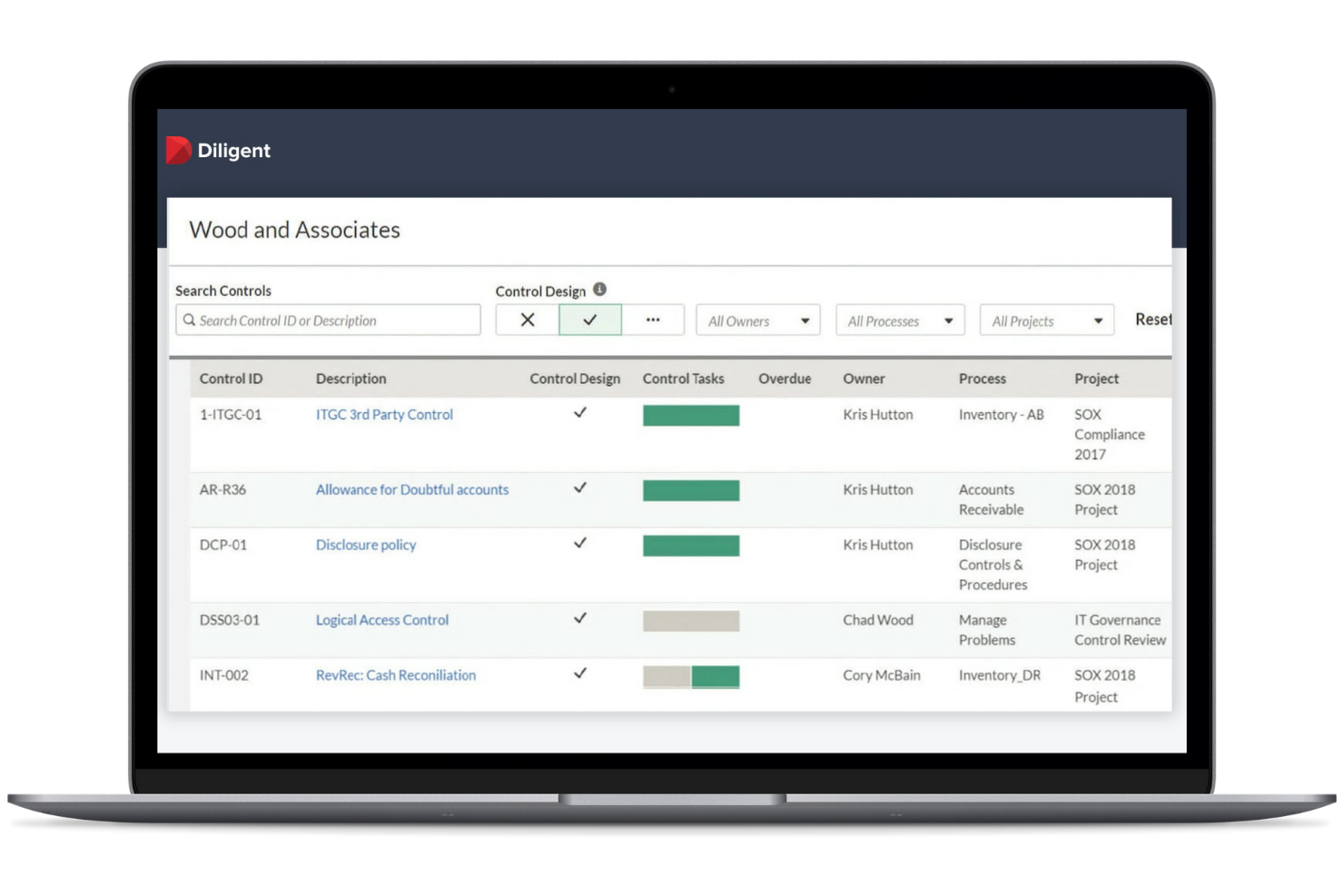
Diligent è progettato per i team di audit che devono fornire approfondimenti chiari e azionabili alla leadership esecutiva e ai consigli di amministrazione. È particolarmente utile per le organizzazioni che danno priorità alla reportistica a livello di consiglio, alla visibilità sui rischi e a dashboard in tempo reale. Diligent aiuta i professionisti dell'audit a collegare i risultati delle verifiche agli obiettivi strategici e a comunicare i risultati in un formato utilizzabile dai decisori.
Perché ho scelto Diligent
Ho scelto Diligent perché è particolarmente valido nella creazione di report per il consiglio di amministrazione e per la visibilità a livello esecutivo. Mi è piaciuto il modo in cui trasforma i dati di audit in dashboard e report chiari che la leadership può davvero utilizzare. Il suo monitoraggio dei rischi in tempo reale aiuta inoltre a garantire che gli stakeholder rimangano informati su problematiche emergenti. Questo lo rende particolarmente adatto alle organizzazioni in cui gli input dell'audit devono supportare direttamente le decisioni strategiche.
Funzionalità principali di Diligent
Altre funzionalità che Diligent offre ai team di audit includono:
- Gestione automatizzata dei workflow: Imposta e gestisci i processi di audit con workflow configurabili e assegnazione dei compiti.
- Monitoraggio di problemi e azioni: Controlla le problematiche di audit e monitora lo stato delle azioni da intraprendere all'interno della piattaforma.
- Archivio documentale: Archivia, organizza e gestisci l'accesso alla documentazione di audit in un ambiente sicuro.
- Controlli di accesso basati sui ruoli: Assegna autorizzazioni e limita l'accesso sulla base di ruoli e responsabilità degli utenti.
Integrazioni Diligent
Le integrazioni includono Microsoft Office, SharePoint, Salesforce, SAP, Oracle, Workday, NetSuite, Google Workspace, Jira e Tableau.
Pros and Cons
Pros:
- La reportistica pronta per il consiglio favorisce la comunicazione a livello esecutivo
- Le dashboard in tempo reale evidenziano l'avanzamento dell'audit e l'esposizione ai rischi
- I controlli di accesso basati sui ruoli proteggono i dati sensibili di audit
Cons:
- Le opzioni di personalizzazione dei report possono essere limitanti
- La configurazione può richiedere assistenza per le impostazioni avanzate

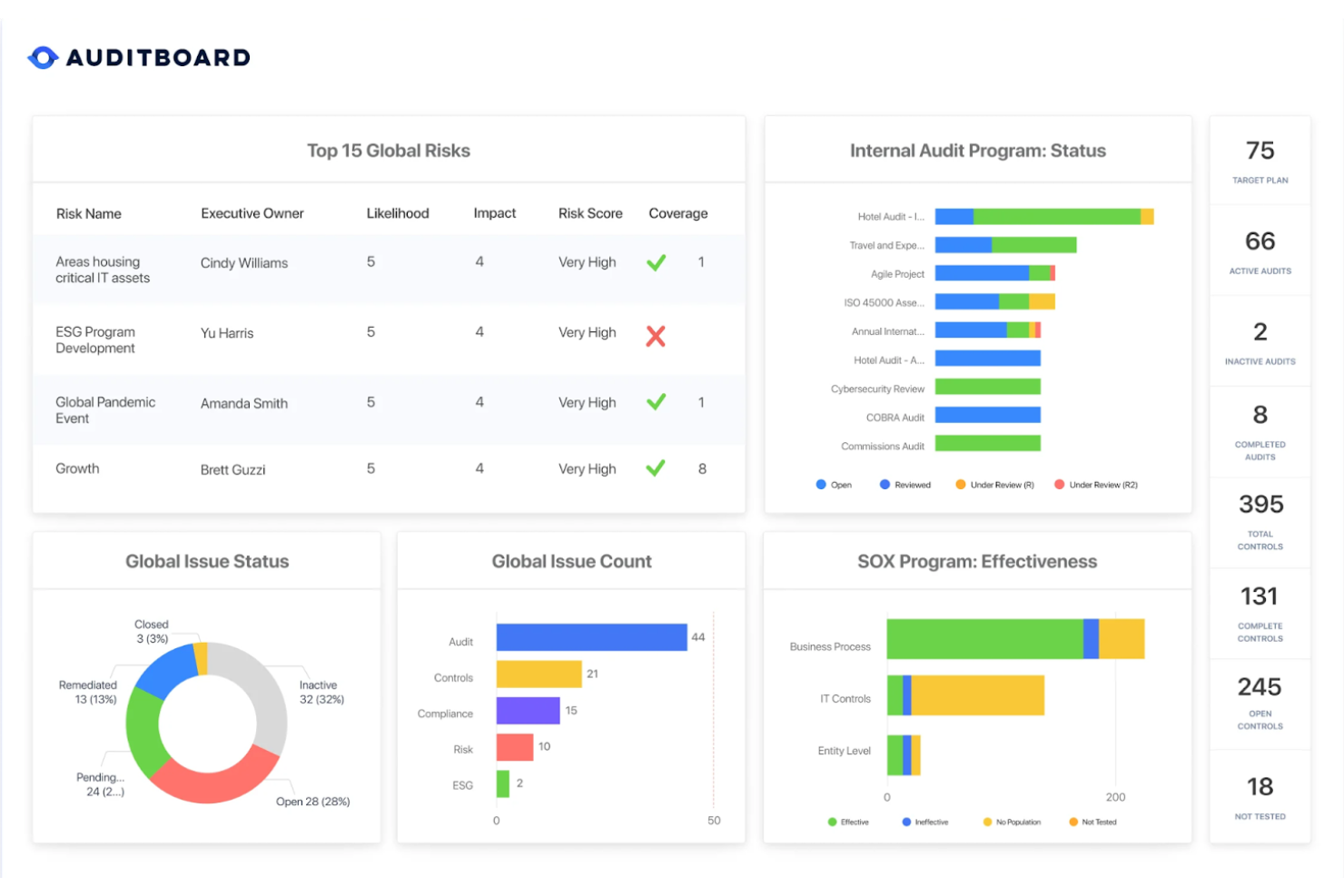
AuditBoard offre al mio team un modo per monitorare il rischio in tempo reale in tutta l'organizzazione. In generale, direi che la piattaforma è particolarmente utile per le aziende che hanno bisogno di identificare, valutare e rispondere rapidamente ai rischi emergenti come parte del loro processo di audit. Se il vostro team ha bisogno di una visibilità continua sui rischi operativi e sui risultati degli audit, AuditBoard mette a disposizione dashboard e automazioni per mantenervi informati e agili.
Perché ho scelto AuditBoard
Ciò che distingue AuditBoard è il suo focus sulla visibilità del rischio in tempo reale per i team di audit. I dashboard dinamici e gli strumenti di monitoraggio del rischio automatizzato della piattaforma ci aiutano a individuare e rispondere ai problemi man mano che si presentano, invece di aspettare revisioni periodiche. Ho scelto AuditBoard perché le sue funzionalità di valutazione continua del rischio sono utili per tracciare cambiamenti e minacce emergenti. Con flussi di lavoro integrati per la gestione delle problematiche e la reportistica, AuditBoard supporta i team che hanno bisogno di mantenersi agili e proattivi nell'approccio all'audit.
Funzionalità principali di AuditBoard
Oltre al monitoraggio del rischio in tempo reale, AuditBoard offre diverse altre funzionalità per i team di audit:
- Calendario di pianificazione audit: Pianifica e gestisci i progetti di audit con un calendario visivo che tiene traccia delle scadenze e delle tappe fondamentali.
- Libreria di modelli: Accedi a modelli predefiniti per programmi di audit, checklist e carte di lavoro per standardizzare i processi.
- Permessi basati sui ruoli: Assegna controlli di accesso dettagliati per garantire che i dati riservati degli audit siano disponibili solo agli utenti autorizzati.
- Raccolta automatica delle evidenze: Raccogli e organizza automaticamente la documentazione di supporto come parte dei flussi di lavoro di audit.
Integrazioni di AuditBoard
Le integrazioni includono Jira, ServiceNow, Azure DevOps, Microsoft Teams, Slack, Google Drive, Microsoft Office, Power BI, Tableau e Workday.
Pros and Cons
Pros:
- Dashboard in tempo reale su rischio e stato audit
- Raccolta automatica delle evidenze da più fonti
- Modelli predefiniti per carte di lavoro audit
Cons:
- Nessun dettaglio pubblico sui prezzi o sui piani
- Funzionalità offline limitate per audit sul campo
Altri software per la gestione degli audit interni
Ecco alcune ulteriori opzioni di software per la gestione degli audit interni che non sono entrate nella mia selezione, ma che vale comunque la pena valutare:
- Quantivate
Ideale per la progettazione modulare dei programmi di audit
- ComplianceQuest
Ideale per la collaborazione sugli audit basata su cloud
- DataSnipper
Ideale per l'estrazione automatizzata di prove di audit


Come valuto i software di gestione della revisione interna
Valuto questi strumenti su due livelli: la funzionalità essenziale di cui un team a livello CAE non può fare a meno—pianificazione dell’audit, gestione dei workpaper, tracciamento delle problematiche—e i fattori differenzianti che determinano la reale adattabilità.
Funzionalità core (Requisiti minimi per questa lista)
Quando seleziono gli strumenti per la mia lista, attribuisco a ciascuno un punteggio da 0 (non offre la funzionalità) a 5 (eccelle in quest’area) per ogni funzionalità core indicata di seguito. Poi calcolo il punteggio totale dello strumento in percentuale. Ogni strumento deve raggiungere un punteggio totale minimo del 65% per essere considerato nell’elenco.
- Pianificazione e programmazione delle revisioni: Cerco mappatura dell’universo degli audit basata sul rischio e strumenti di costruzione del piano annuale che permettano di assegnare incarichi, allocare personale e impostare scadenze da un’unica vista.
- Gestione dei workpaper: Qui conta un repository centralizzato con controllo delle versioni e firma del revisore—soprattutto quando più revisori devono consultare la stessa evidenza.
- Valutazione dei rischi e dei controlli: Verifico che lo strumento supporti librerie di controlli mappati a framework come COSO o SOX e offra flussi di test strutturati, non solo checklist statiche.
- Tracciamento delle problematiche e delle azioni correttive: Ogni rilievo deve scorrere dalla registrazione, all’assegnazione a un responsabile, fino alla chiusura, con visibilità sullo stato affinché nulla si blocchi tra audit e risposta della direzione.
- Reporting di audit e dashboard: Valuto se i report siano abbastanza configurabili sia per il comitato di revisione sia per i portatori di interesse operativi che necessitano diversi livelli di dettaglio.
- Audit trail e controlli di accesso: Permessi basati sui ruoli e log non modificabili sono ciò che cerco, poiché l’indipendenza del revisore e l’integrità dei dati dipendono da una corretta segregazione.
Una volta che ho una lista di strumenti che soddisfano i criteri, considero cosa distingue ciascuna piattaforma.
Fattori differenzianti (Cosa distingue i vendor)
Ecco come confronto e metto a confronto i diversi fornitori:
Funzionalità distintive
Il monitoraggio continuo dei controlli è un importante elemento differenziante—gli strumenti che segnalano eccezioni ai controlli in tempo reale tra un ciclo di audit e l’altro danno al team un vantaggio nell’intercettare i rischi emergenti. Valuto anche i flussi di lavoro assistiti dall’IA, dove alcune piattaforme possono redigere programmi di revisione o riassumere i rilievi per ridurre il tempo di stesura dei report. È importante anche avere un portale dedicato agli auditati, poiché consente ai process owner di caricare direttamente la documentazione PBC senza bisogno di una licenza completa.
Oltre le funzionalità
Le integrazioni con sistemi ERP sono molto rilevanti. Verifico se ciascuna piattaforma si connette a sistemi come SAP, Oracle o NetSuite così che i revisori possano estrarre direttamente i dati transazionali da testare. Anche la posizione in tema di sicurezza è fondamentale—la certificazione SOC 2 Type II e opzioni di residenza dei dati sono da confermare, specialmente per team che gestiscono registrazioni finanziarie sensibili. Valuto inoltre quanto bene ogni strumento possa scalare in base alle dimensioni del team di audit, poiché un gruppo di tre persone e una funzione da quaranta hanno esigenze molto diverse su licenze e configurazione della metodologia.
Come scegliere un software per la gestione degli audit interni
È facile perdersi in lunghi elenchi di funzionalità e strutture tariffarie complesse. Per aiutarti a rimanere concentrato mentre affronti il tuo processo di selezione del software, ecco una lista di controllo dei fattori da tenere a mente:
| Fattore | Cosa considerare |
|---|---|
| Scalabilità | Il software sarà in grado di gestire il volume dei tuoi audit man mano che la tua organizzazione cresce o cambia? Controlla i limiti degli utenti, lo spazio di archiviazione dei dati e il supporto per più entità. |
| Integrazioni | Lo strumento si connette nativamente al tuo sistema ERP, HR o di conformità? Verifica la compatibilità con il tuo ecosistema tecnologico esistente. |
| Personalizzazione | Puoi adattare flussi di lavoro, checklist e report alla tua metodologia di audit e alle esigenze normative? Evita i sistemi rigidi che impongono soluzioni alternative. |
| Facilità d’uso | Il tuo team di audit e le altre parti interessate adotteranno rapidamente lo strumento? Cerca una navigazione chiara, esigenze formative ridotte e strutture intuitive. |
| Implementazione e inserimento | Quanto tempo servirà per essere operativi? Informati sul supporto alla migrazione, sulle risorse formative e sui tempi tipici per completare il primo audit. |
| Costo | I livelli di prezzo sono trasparenti e prevedibili al variare delle tue esigenze? Fai attenzione ai costi aggiuntivi per utenti, spazio di archiviazione o moduli avanzati. |
| Misure di sicurezza | Il software soddisfa gli standard di protezione dei dati della tua organizzazione? Cerca crittografia, controlli degli accessi e registri di audit. |
| Disponibilità del supporto | Avrai accesso tempestivo all’assistenza quando si verificano problemi? Verifica la disponibilità di supporto 24/7, responsabili dedicati e SLA sui tempi di risposta. |
Che cos'è il software per la gestione degli audit interni?
Il software per la gestione degli audit interni è una soluzione di audit che aiuta le organizzazioni a pianificare, eseguire e monitorare gli audit nell'ambito di un programma strutturato di audit interno. Offre agli auditor interni un sistema centralizzato per gestire i calendari degli audit, la documentazione, i test dei controlli e i risultati, mantenendo la visibilità sull'intero ciclo di vita dell'audit.
Molti strumenti moderni funzionano ora come sistemi di gestione degli audit basati sull'intelligenza artificiale, aiutando i team a migliorare l'efficienza degli audit attraverso l'automazione, l'analisi dei dati e la gestione dei flussi di lavoro. Queste piattaforme supportano inoltre processi di audit basati sul rischio end-to-end, consentendo alle organizzazioni di allineare le attività di audit a un software più ampio per la gestione dei rischi e alle attività di conformità.
Funzionalità
Quando selezioni un software per la gestione degli audit interni, presta attenzione alle seguenti funzionalità chiave:
- Pianificazione degli audit: automatizza la pianificazione e l'assegnazione degli audit, assicurando che gli audit ricorrenti e ad hoc siano organizzati e che le scadenze vengano rispettate.
- Gestione dei documenti: centralizza l'archiviazione e il controllo delle versioni dei file relativi agli audit, semplificando l'accesso, l'aggiornamento e la condivisione dei documenti di supporto.
- Automazione dei flussi di lavoro: semplifica i processi di audit indirizzando attività, approvazioni e notifiche ai membri del team appropriati in ogni fase.
- Monitoraggio dei risultati e dei problemi: acquisisce, categorizza e monitora i risultati degli audit, consentendo ai team di assegnare le responsabilità e monitorare i progressi nella risoluzione.
- Gestione delle azioni correttive: collega i risultati degli audit alle azioni correttive o preventive, consentendo ai team di documentare, assegnare e verificare le fasi di risanamento.
- Liste di controllo personalizzabili: consente agli utenti di creare e modificare le liste di controllo degli audit per adattarle a standard, normative o politiche interne specifiche.
- Report e dashboard: offre visibilità in tempo reale sullo stato, sulle tendenze e sugli esiti degli audit attraverso report configurabili e dashboard visive.
- Controlli degli accessi degli utenti: limita l'accesso ai dati sensibili degli audit in base ai ruoli degli utenti, garantendo la riservatezza e la conformità alle politiche interne.
- Funzionalità di integrazione: si connette ad altri sistemi aziendali, come piattaforme ERP o di conformità, per condividere i dati e ridurre l'inserimento manuale.
- Accesso da dispositivi mobili: consente agli auditor di svolgere il lavoro sul campo, acquisire prove e aggiornare i record degli audit da dispositivi mobili, supportando gli audit al di fuori dell'ufficio.
Vantaggi
L'implementazione di un software per la gestione degli audit interni offre diversi vantaggi al tuo team e alla tua azienda. Eccone alcuni:
- Dati degli audit centralizzati: tutti i calendari degli audit, i risultati e la documentazione vengono archiviati in un'unica piattaforma sicura, rendendo le informazioni facili da consultare e gestire.
- Maggiore conformità: i flussi di lavoro automatizzati e le tracce di audit contribuiscono a garantire che i processi siano conformi ai requisiti normativi e agli standard interni.
- Cicli di audit più rapidi: l'automazione delle attività e le dashboard in tempo reale riducono il lavoro manuale e aiutano i team a completare gli audit più rapidamente.
- Maggiore trasparenza: report e dashboard personalizzabili offrono a tutte le parti interessate una visibilità chiara sullo stato degli audit, sulle tendenze e sui problemi ancora da risolvere.
- Processi coerenti: liste di controllo e modelli standardizzati contribuiscono a garantire che gli audit vengano condotti nello stesso modo tra team e sedi diverse.
- Collaborazione semplificata: l'accesso basato sul cloud e le funzionalità di integrazione consentono ai team di audit e alle parti interessate di lavorare insieme, anche tra reparti o sedi diverse.
- Una migliore gestione dei rischi: il monitoraggio dei problemi e la gestione delle azioni correttive facilitano l'identificazione, la gestione e il monitoraggio dei rischi individuati durante gli audit.
Costi e prezzi
La selezione di un software per la gestione degli audit interni richiede la comprensione dei vari modelli e piani tariffari disponibili. I costi variano in base alle funzionalità, alle dimensioni del team, ai componenti aggiuntivi e ad altri fattori. La tabella seguente riassume i piani più comuni, i relativi prezzi medi e le funzionalità tipicamente incluse nelle soluzioni software per la gestione degli audit interni:
Tabella comparativa dei piani per il software di gestione degli audit interni
| Tipo di piano | Prezzo medio | Funzionalità comuni |
|---|---|---|
| Piano gratuito | $0 | Pianificazione di base degli audit, spazio di archiviazione limitato per i documenti, accesso per un singolo utente e reportistica di base. |
| Piano personale | $10-$30/user/month | Pianificazione degli audit, gestione dei documenti, automazione dei flussi di lavoro e reportistica standard per singoli utenti. |
| Piano aziendale | $30-$70/user/month | Accesso multiutente, liste di controllo personalizzabili, monitoraggio dei risultati, gestione delle azioni correttive e integrazioni. |
| Piano per grandi aziende | $70-$150/user/month | Sicurezza avanzata, flussi di lavoro personalizzati, assistenza dedicata, analisi avanzate e gestione della conformità. |
Domande frequenti sul software per la gestione degli audit interni
\u003cspan style=\u0022font-weight: 400;\u0022\u003eEcco alcune risposte alle domande frequenti sul software per la gestione degli audit interni:\u003c/span\u003e
In che modo il software per la gestione degli audit interni supporta la conformità normativa?
\u003cspan style=\u0022font-weight: 400;\u0022\u003eIl software per la gestione degli audit interni aiuta a documentare, monitorare e creare report sulle attività di audit in linea con i requisiti normativi. Fornisce piste di controllo, liste di controllo standardizzate e flussi di lavoro automatizzati che facilitano la dimostrazione della conformità durante revisioni o ispezioni esterne.\u003c/span\u003e
Il software per la gestione degli audit interni può integrarsi con altri sistemi aziendali?
\u003cspan style=\u0022font-weight: 400;\u0022\u003eSì, la maggior parte dei software per la gestione degli audit interni può integrarsi con sistemi come ERP, risorse umane e piattaforme per la conformità. Le integrazioni riducono l’inserimento manuale dei dati, aiutano a sincronizzare le informazioni tra i reparti e supportano un approccio più unificato alla gestione dei rischi e della conformità.\u003c/span\u003e
Cosa devo considerare quando passo dai fogli di calcolo al software per la gestione degli audit?
\u003cspan style=\u0022font-weight: 400;\u0022\u003eInizia mappando i processi di audit attuali e identificando i dati da importare. Cerca un software con supporto alla migrazione, strumenti di importazione e risorse per l’avvio. Pianifica la formazione degli utenti e prevedi tempo sufficiente per adattare i flussi di lavoro al nuovo sistema.\u003c/span\u003e
L'accesso da dispositivi mobili è importante per il software di gestione degli audit interni?
\u003cspan style=\u0022font-weight: 400;\u0022\u003eSì, l’accesso da dispositivi mobili è importante se il team di audit svolge attività sul campo o visite in loco. Le funzionalità mobili consentono agli auditor di acquisire prove, aggiornare i risultati e completare le liste di controllo in mobilità, migliorando la precisione e risparmiando tempo.\u003c/span\u003e
Come funzionano le autorizzazioni degli utenti nel software per la gestione degli audit interni?
\u003cspan style=\u0022font-weight: 400;\u0022\u003eLe autorizzazioni degli utenti consentono di controllare chi può visualizzare, modificare o approvare i dati degli audit. La maggior parte delle piattaforme offre un accesso basato sui ruoli, permettendo di limitare le informazioni sensibili agli utenti autorizzati e di garantire la conformità alle politiche interne.\u003c/span\u003e