



BILL versus Ramp: Vergelijking en deskundige beoordelingen voor 2026



Modern finance teams need more than simple expense tracking—they need visibility, automation, approval controls, and connected financial management software workflows. BILL and Ramp both promise to centralize finance operations, but they prioritize different areas of spend management and automation.
In this comparison, I walk through how BILL and Ramp stack up across AP and AR workflows, corporate cards, automation, integrations, pricing, usability, and scalability so you can confidently choose the better fit for your business.
BILL vs. Ramp: An Overview
Ramp
Waarom u onze softwareaanbevelingen kunt vertrouwen
Onze reviews weerspiegelen ons onafhankelijke oordeel — geen verkooppraatje. Ontdek hoe we transparant blijven.
Voor deze gids hebben we tools geëvalueerd met behulp van praktijktests en onafhankelijk onderzoek, waarbij we tools beoordeelden aan de hand van onze selectiecriteria.
Onze reviews weerspiegelen ons menselijke redactionele oordeel, geen verkooppraatje.
BILL vs. Ramp Pricing Comparison
| BILL | Ramp | |
|---|---|---|
| Free Trial | Free plan + free demo available | Free plan + free demo available |
| Pricing | From$49/user/month | From $15/user/month |
BILL tegenover Ramp: prijzen en verborgen kosten
BILL en Ramp hanteren duidelijk verschillende prijsmodellen. BILL gebruikt voornamelijk abonnementsprijzen voor zijn AP- en AR-platform, maar biedt ook een gratis Spend & Expense-product met bedrijfskaarten, budgettering, onkostenvergoedingen en uitgavenbeheer. Bedrijven moeten nog steeds rekening houden met transactiekosten voor ACH-betalingen, cheques, overschrijvingen en versnelde betalingsopties, terwijl geavanceerdere werkstromen en integraties zijn voorbehouden aan duurdere abonnementen.
Ramp hanteert een freemiumbenadering die is gebaseerd op bedrijfskaarten en uitgavenbeheer. Het Free-abonnement omvat onkostenbeheer, goedkeuringen, AP-tools, boekhoudintegraties en een onbeperkt aantal kaarten zonder softwarekosten, terwijl Plus en Enterprise kosten per gebruiker, platformkosten, uitgebreidere automatisering, ERP-integraties en inkoopfuncties toevoegen. Ramp brengt ook transactiekosten in rekening voor bepaalde Bill Pay-werkstromen, overschrijvingen, versnelde betalingen en chequeservices.
Om het juiste prijsmodel te kiezen, zou ik goed kijken naar je betalingsvolume, het aantal gebruikers, de complexiteit van je boekhouding en welke automatiseringsfuncties je op de lange termijn daadwerkelijk zult gebruiken. Beide platforms kunnen duurder worden naarmate het transactievolume en de operationele complexiteit toenemen. Daarom is het belangrijk om niet alleen de abonnementsprijzen te beoordelen, maar ook betalingskosten, implementatievereisten en functiebeperkingen per abonnementsniveau voordat je een keuze maakt.
BILL vs. Ramp Feature Comparison
BILL en Ramp overlappen sterk op het gebied van essentiële functionaliteit voor financiële activiteiten. Beide platforms bieden AP-automatisering, onkostenbeheer, goedkeuringswerkflows, bedrijfskaarten, onkostenvergoedingen, boekhoudintegraties, leveranciersbetalingen en realtime inzicht in uitgaven, ontworpen om handmatig financieel werk te verminderen. Ze gebruiken allebei ook AI voor taken zoals OCR van facturen, het koppelen van bonnetjes, het coderen van transacties, het routeren van goedkeuringen en boekhoudautomatisering.
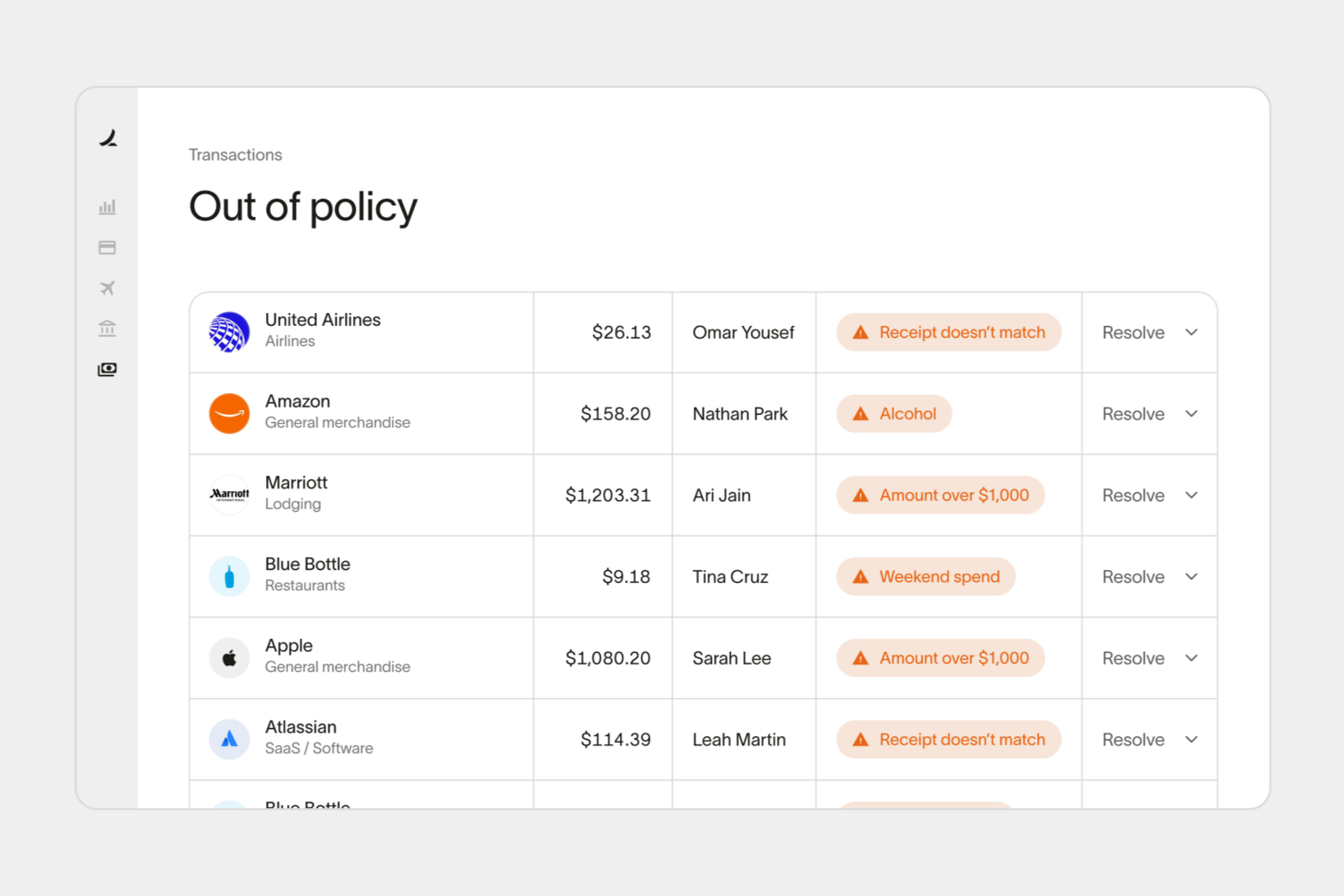
Ze verschillen in platformfocus en AI-strategie: BILL legt de nadruk op AP- en AR-workflows waarbij boekhouding centraal staat, met AI-agents voor het coderen van facturen, het verzamelen van W-9-formulieren, betalingsautomatisering en transactiecategorisering. Dit wordt aangevuld met het BILL Divvy Card-ecosysteem voor bedrijfskaarten, beloningen, flexibele kredietmodellen en op budgetten gebaseerd uitgavenbeheer. Ramp richt zich ondertussen sterker op breder uitgavenbeheer met geïntegreerde reisfuncties, treasurytools en AI-functies zoals Policy Agent, Reporting Agent en Price Intelligence om de uitgaven van het hele bedrijf te optimaliseren.
| BILL | Ramp | |
|---|---|---|
| 2-Factor Authentication | ||
| API | ||
| Balance Sheet | ||
| Billing/Invoicing | ||
| Budgeting | ||
| CRM Integration | ||
| Calendar Management | ||
| Contact Management | ||
| Customer Management | ||
| Dashboard | ||
| Data Export | ||
| Data Import | ||
| Data Visualization | ||
| Expense Tracking | ||
| External Integrations | ||
| Forecasting | ||
| Inventory Tracking | ||
| Multi-Currency | ||
| Multi-User | ||
| Notifications | ||
| P&L | ||
| SAP Integration | ||
| Supplier Management |
BILL tegenover Ramp-integraties
| Integratie | BILL | Ramp |
|---|---|---|
| QuickBooks Online | ✅ | ✅ |
| Xero | ✅ | ✅ |
| NetSuite | ✅ | ✅ |
| Sage Intacct | ✅ | ✅ |
| Microsoft Dynamics 365 | ✅ | ✅ |
| Expensify | ❌ | ❌ |
| Slack | ✅ | ✅ |
| Google Workspace | ✅ | ✅ |
| API | ✅ | ✅ |
| Zapier | ❌ | ❌ |
Zowel BILL als Ramp integreren met belangrijke boekhoudplatforms zoals QuickBooks, Xero, NetSuite, Sage Intacct en Microsoft Dynamics 365, naast API-toegang voor aangepaste werkstromen. Ramp biedt over het algemeen echter een breder integratie-ecosysteem met meer dan 200 integraties voor boekhouding, HR, productiviteit, reizen, inkoop en bankieren, terwijl het integratie-ecosysteem van BILL meer gericht is op boekhouding, ERP, betalingen en operationele financiële werkstromen.
BILL vs. Ramp-beveiliging, naleving & betrouwbaarheid
| Onderdeel | BILL | Ramp |
|---|---|---|
| Gegevensversleuteling | Gebruikt versleuteling van gegevens in rust en TLS-versleuteling tijdens het transport van financiële gegevens. | Gebruikt versleuteling van gegevens in rust en tijdens het transport, met getokeniseerde kaartbeveiliging. |
| Naleving van regelgeving | SOC 1 Type II, SOC 2 Type II, PCI DSS en HIPAA-waarborgen voor in aanmerking komende zorgprocessen. | SOC 1, SOC 2 Type II, PCI DSS, ISO 27001 en op FedRAMP afgestemde controles. |
| Toegangscontroles | Ondersteunt op rollen gebaseerde machtigingen, goedkeuringscontroles en verplichte MFA voor gevoelige toegang. | Ondersteunt op rollen gebaseerde machtigingen, MFA, SSO, SCIM en toegangssleutels. |
| Fraudebescherming | Omvat geavanceerde betalingsbeveiliging, leveranciersvalidatie, fraudebewaking en veilige afscherming van betalingsgegevens. | Biedt transactiebewaking, virtuele kaarten, uitgavencontroles en fraudebescherming. |
| Infrastructuur & betrouwbaarheid | Gebruikt redundante infrastructuur op basis van AWS, met veilige back-ups en bescherming van betalingsnetwerken. | Gebruikt cloudgebaseerde infrastructuur met beveiligingscontroles voor ondernemingen en auditregistratie. |
Zowel BILL als Ramp bieden sterke beveiligingsfundamenten voor moderne financiële activiteiten, waaronder versleuteling, fraudebewaking, op rollen gebaseerde toegangscontroles en belangrijke nalevingscertificeringen.
BILL onderscheidt zich door functies die nauw aansluiten bij veilige betalingsactiviteiten, waaronder Positive Pay-bescherming, leveranciersvalidatie, afscherming van betalingsgegevens en HIPAA-waarborgen voor in aanmerking komende zorgprocessen. Ramp biedt daarentegen een bredere beveiligingsstack voor ondernemingen, met functies zoals SSO, SCIM, toegangssleutels, auditregistratie en op FedRAMP afgestemde controles die zijn ingebed in het bredere platform voor financiële activiteiten.
BILL vs. Ramp gebruiksgemak
| Onderdeel | BILL | Ramp |
|---|---|---|
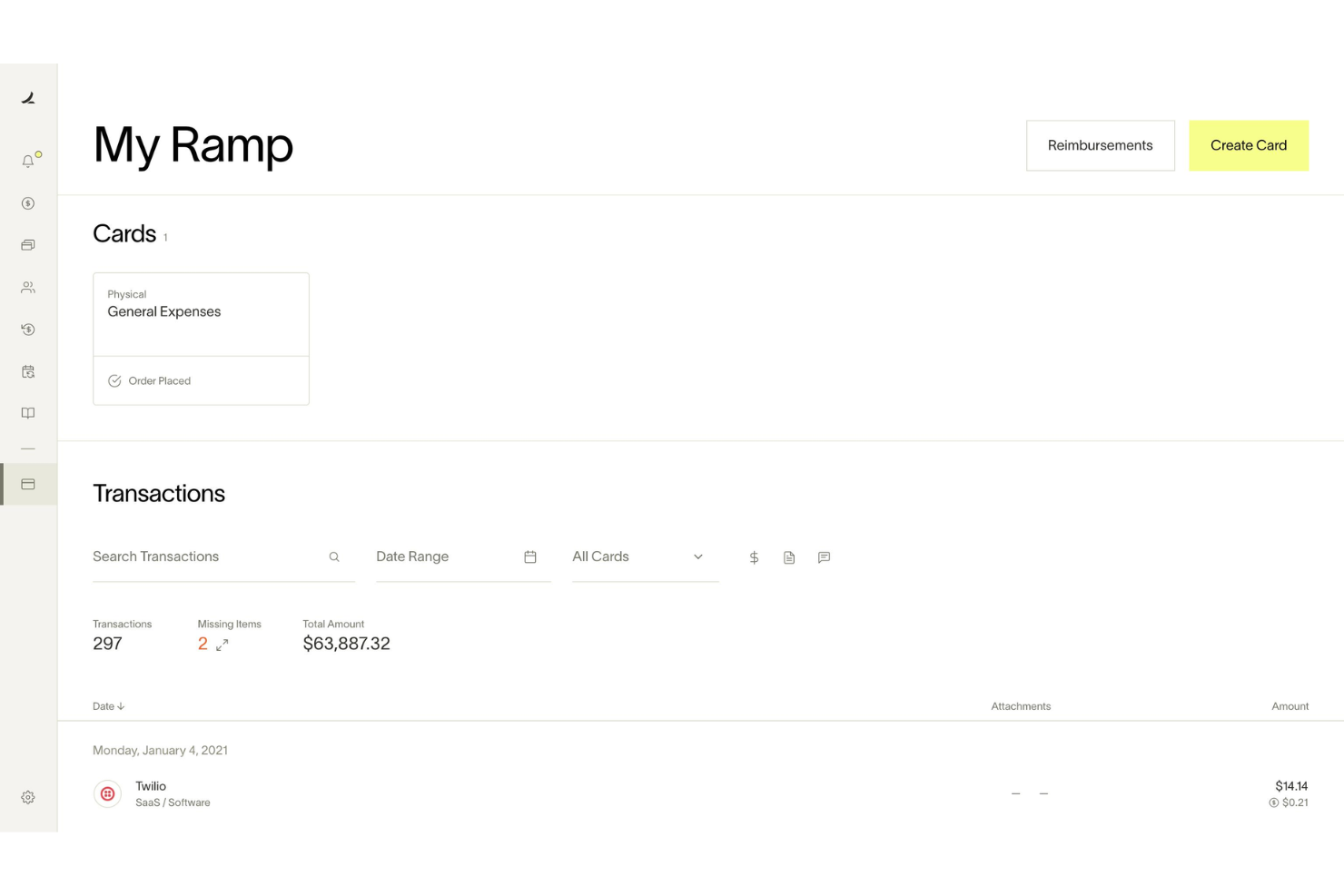
| Gebruikersinterface | Overzichtelijke, op financiën gerichte interface, opgebouwd rond crediteurenadministratie, debiteurenadministratie, goedkeuringen en betalingsprocessen. | Moderne, gestroomlijnde interface, ontworpen voor snel uitgavenbeheer en gebruiksgemak voor medewerkers. |
| Onboarding | Biedt onboarding zonder begeleiding, naast begeleide implementatie, trainingssessies en ondersteuning bij de onboarding. | Biedt eenvoudige onboarding voor medewerkers met installatiehandleidingen, trainingsmateriaal en implementatieondersteuning voor grotere implementaties. |
| Ondersteuning | Biedt livechat, telefonische ondersteuning, hulp bij onboarding en een uitgebreid helpcentrum. | Biedt telefonische ondersteuning, chat, AI-ondersteunde hulp, trainingsmateriaal en prioriteitsondersteuning bij hogere abonnementen. |
| Aanpassing van werkprocessen | Sterke goedkeuringsroutering, boekhoudkundige werkprocessen en op financiën gerichte aanpassingsmogelijkheden. | Eenvoudig te configureren uitgavencontroles, goedkeuringen en geautomatiseerde werkprocessen voor bredere financiële activiteiten. |
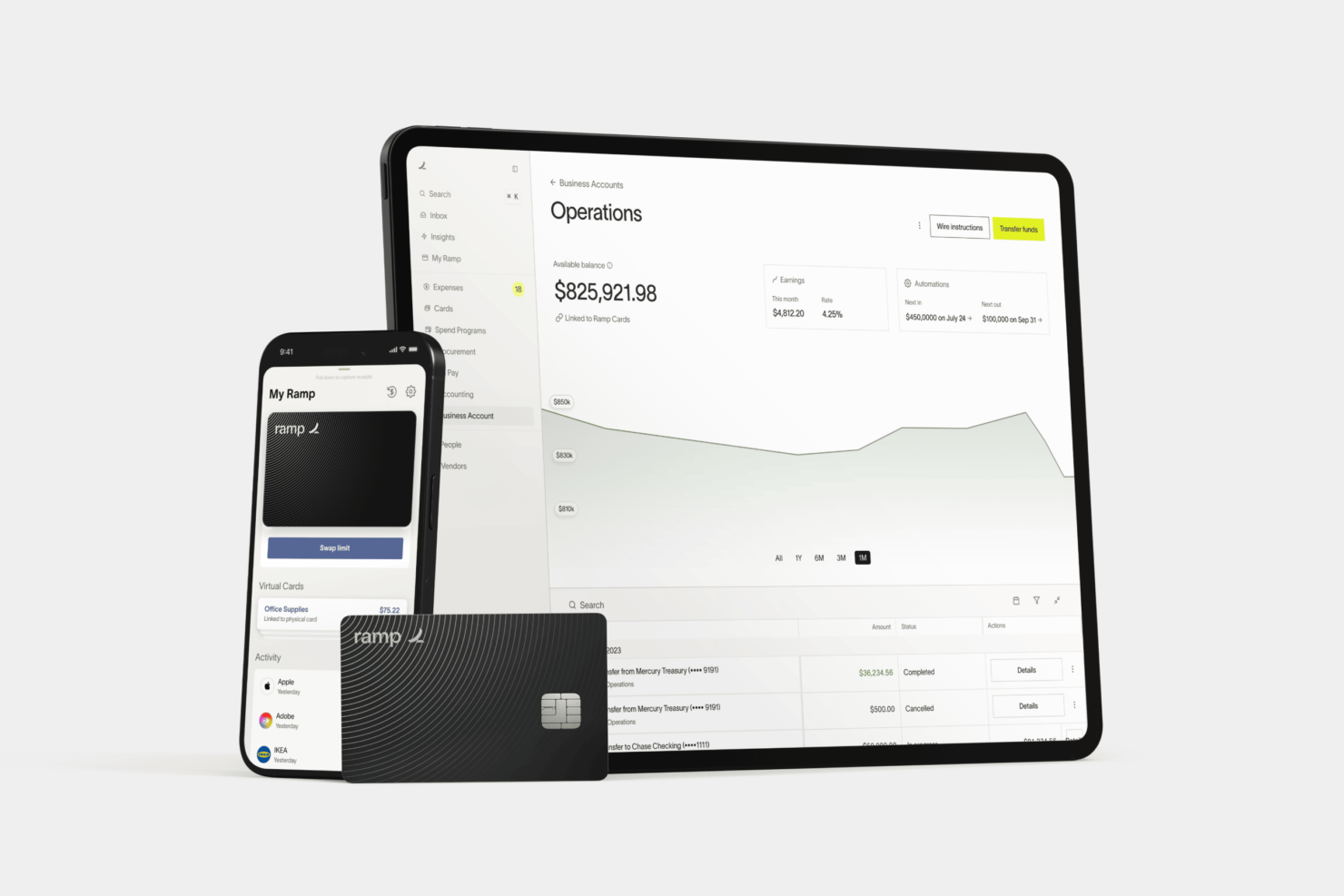
| Mobiele ervaring | De mobiele app ondersteunt goedkeuringen, betalingen, onkostenbeheer en inzicht in transacties. | De mobiele app is geoptimaliseerd voor kaartbeheer, goedkeuringen, ontvangstbewijzen en onkostentaken voor medewerkers. |
Mijn ervaring is dat BILL meer is afgestemd op financiële en boekhoudkundige activiteiten, met diepgaandere werkprocessen voor crediteurenadministratie en goedkeuringen, terwijl Ramp prioriteit geeft aan een snellere, meer gestroomlijnde ervaring voor medewerkers rond kaarten, onkosten en uitgavenbeheer. Welk platform gemakkelijker te gebruiken is, hangt grotendeels af van de vraag of je team meer boekhoudkundig of meer op uitgavenbeheer gericht is.
BILL vs Ramp: Pros & Cons
BILL
- Built for finance and accounting teams managing AP, AR, spend controls, and payment operations at scale.
- Combines approvals, payments, invoicing, expense management, and corporate cards in one centralized financial workflow.
- Strong accounting integrations streamline AP and AR financial workflows.
- ERP syncs sometimes require manual troubleshooting or cleanup.
- Reporting customization feels limited for complex organizational requirements.
- Transaction and international payment fees can be higher than others.
Ramp
- AI-driven spend controls reduce manual finance and approval work.
- Unlimited virtual cards simplify secure employee and vendor spending.
- Broad integrations connect finance, HR, travel, and procurement systems.
- No native accounts receivable workflow for broader financial operations management.
- Advanced automation and ERP integrations require higher-tier paid plans.
- Administrative setup becomes complex across large multi-entity organizations.
Best Use Cases for BILL and Ramp
BILL
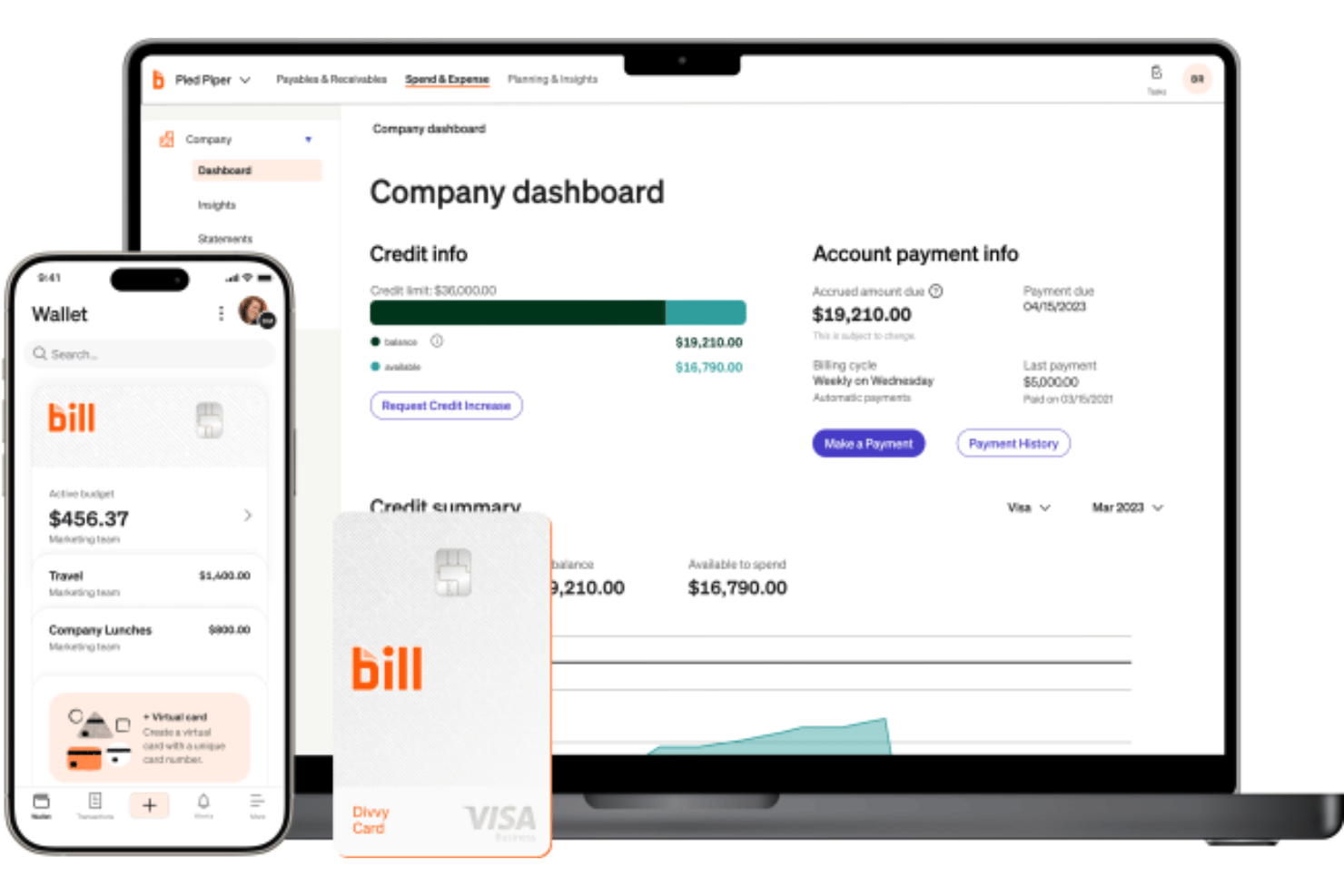
- Midsize Businesses BILL’s automation and approval workflows help growing companies scale financial operations without adopting a full ERP system.
- Accounting & Finance Teams Deep accounting integrations and centralized workflows simplify reconciliations, approvals, and month-end financial management.
- Nonprofits Audit trails, approval controls, and digital payment workflows support stronger financial accountability and compliance oversight.
- Multi-Entity Organizations Centralized controls and shared workflows help finance teams manage subsidiaries, locations, or multiple business units more efficiently.
- Professional Service Firms Recurring vendor payments, invoice management, and streamlined approvals help service-based businesses reduce administrative overhead.
- Businesses with Complex Approval Workflows Custom approval routing and role-based permissions improve oversight for organizations with layered financial approval structures.
Ramp
- Tech Startups Ramp's automation and real-time controls support rapid scaling and distributed teams.
- Mid-Sized SaaS Companies AI-driven expense management and approval workflows help control recurring software, travel, and operational spending.
- Finance Departments Centralized spend visibility, accounting automation, and audit trails simplify financial oversight and month-end close processes.
- Multi-Entity Organizations Shared spend controls and centralized workflows help manage budgets, approvals, and payments across multiple entities.
- Procurement-Focused Teams Integrated procurement, vendor management, and approval workflows reduce operational friction across purchasing processes.
- Distributed & Remote Teams Mobile approvals, virtual cards, receipt capture, and Slack-based workflows support employees working from anywhere.
Wie zou BILL moeten gebruiken en wie Ramp?
BILL is zeer geschikt voor groeiende bedrijven die meer controle nodig hebben over crediteurenadministratie, debiteurenadministratie, uitgavenbeheer, goedkeuringen, prognoses en bredere financiële activiteiten, zonder hun bestaande boekhoudsysteem of ERP te vervangen. Vanuit mijn perspectief werkt het vooral goed als je financiële team te maken heeft met toenemende operationele complexiteit, of het nu gaat om terugkerende leveranciersbetalingen, goedkeuringen in meerdere stappen, inkoopprocessen of toezicht op meerdere entiteiten.
Hoewel BILL sterke fundamenten heeft op het gebied van automatisering van de crediteurenadministratie, reikt het platform veel verder dan alleen factuurbetalingen en vormt het een breder ecosysteem voor financiële activiteiten, waardoor het ideaal is voor SMB's en organisaties in het lagere middensegment.
Ramp is de betere keuze als je een zeer modern, op uitgaven gericht financieel platform wilt met sterk beheer van bedrijfskaarten, inkoop, reizen, declaraties en AI-gestuurde automatisering van operationele processen. Ik denk dat het vooral goed past bij snelgroeiende en technologisch vooruitstrevende organisaties die bedrijfsbrede uitgaven willen centraliseren en financiële werkprocessen voor medewerkers op één platform willen stroomlijnen.
Teams die prioriteit geven aan realtime inzicht in uitgaven, gebruiksgemak voor medewerkers en automatisering van operationele processen rondom kaarten, onkosten, goedkeuringen en rapportage, zullen Ramp waarschijnlijk aantrekkelijker vinden.
Differences Between BILL and Ramp
| BILL | Ramp | |
|---|---|---|
| AI Capabilities | AI agents focused on invoice coding, W-9 collection, transaction automation, fraud detection, and touchless AP workflows. | AI tools emphasize spend intelligence, policy enforcement, reporting, and procurement insights. |
| Accounts Receivable | Includes native AR and invoicing functionality for incoming payments and collections. | Primarily focused on outgoing company spend rather than AR workflows. |
| Multi-Entity Management | Strong multi-entity AP, AR, and approval management for growing finance teams. | Multi-entity support exists but is more tightly tied to enterprise-tier configurations. |
| Platform Focus | Finance operations platform centered around AP, AR, spend, and accounting workflows. | Spend-management-first platform combining cards, expenses, procurement, travel, and AP. |
| Visit BILLOpens new window | Read Ramp ReviewOpens new window | |
| Procurement & Travel | Offers procurement and integrated travel management tied closely to AP and spend workflows. | Puts more emphasis on making company-wide purchasing, travel, and spend management faster and easier for employees and operations teams. |
| Workflow Automation | Strong finance-focused approval routing and accounting workflow customization. | Automation focuses more on spend controls, policies, and operational efficiency. |
| Visit BILLOpens new window | Read Ramp ReviewOpens new window |
Similarities Between BILL and Ramp
| AP Automation | Both platforms automate invoice capture, approval routing, vendor payments, and accounting workflows to reduce manual AP tasks. |
|---|---|
| API Access | Both platforms offer APIs for custom integrations, workflow automation, and connecting with broader finance systems. |
| Corporate Cards | Both offer corporate cards with spend controls, virtual cards, and transaction visibility for employee spending. |
| Expense Management | Each platform supports expense tracking, reimbursements, receipt capture, and spend categorization workflows. |
| Visit BILLOpens new window Read Ramp ReviewOpens new window | |
| Mobile Access | Both offer mobile apps that support approvals, expense management, receipt capture, and transaction monitoring. |
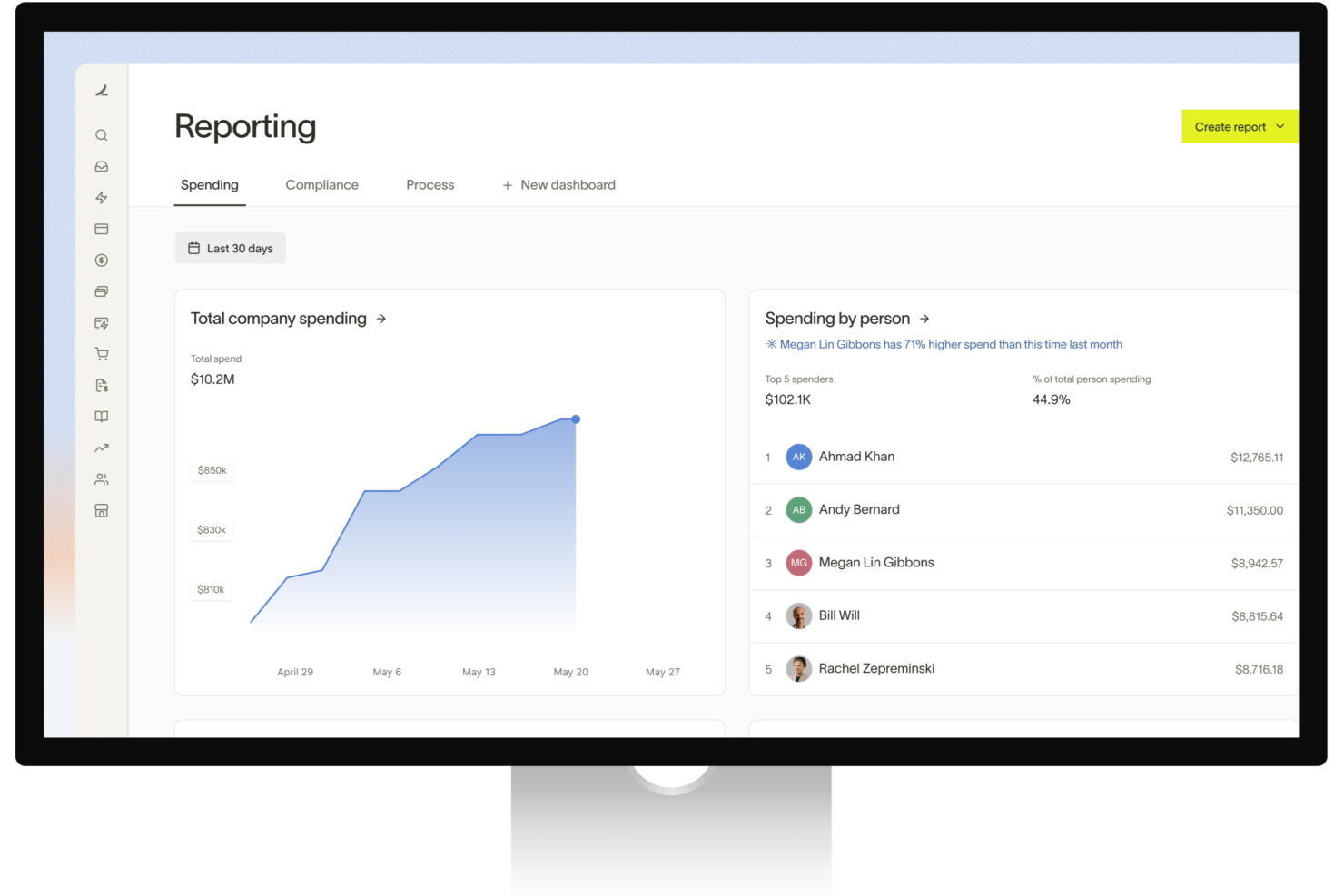
| Real-Time Visibility | Both provide live dashboards and reporting tools for monitoring spend, payments, approvals, and financial activity. |
| Visit BILLOpens new window Read Ramp ReviewOpens new window | |