

18 Best Investor Portal Software in 2026

Best Investor Portal Software Shortlist


Investor portal software gives your team a secure online hub to manage investor communications, share reports, and provide real-time investment data. If you need a more streamlined way to handle investor relationships, deal tracking, or fund reporting, the right system can make a big difference.
With growing pressure to deliver transparency and fast updates, picking the best investor portal software matters for staying organized and meeting investor expectations.
In this guide, you’ll get an inside look at the leading investor portal solutions, with details on what each does best so you can confidently choose the right fit for your firm’s needs.
Why Trust Our Software Reviews
We’ve been testing and reviewing financial software since 2023. As finance specialists ourselves, we know how critical and difficult it is to make the right decision when selecting software.
We invest in deep research to help our audience make better software purchasing decisions. We’ve tested more than 2,000 tools for different finance use cases and written over 1,000 comprehensive software reviews. Learn how we stay transparent & our software review methodology.
Best Investor Portal Software Summary
This comparison chart summarizes pricing details for investor portal software to help you find the best one for your budget and business needs.
| Tool | Best For | Trial Info | Price | ||
|---|---|---|---|---|---|
| 1 | Best for deal management | Free demo available | Pricing upon request | Website | |
| 2 | Best for equity management | Free demo available | Pricing upon request | Website | |
| 3 | Best for real estate syndication | Free demo available | From $749/month | Website | |
| 4 | Best for alternative investments | Free demo available | Pricing upon request | Website | |
| 5 | Best for private capital markets | Free demo available | Pricing upon request | Website | |
| 6 | Best for small to mid-sized firms | Free demo available | Pricing upon request | Website | |
| 7 | Best for fund management firms | Free trial available | Pricing upon request | Website | |
| 8 | Best for syndicators and investors | Free plan available | From $999/month (billed annually) | Website | |
| 9 | Best for compliance and security | Free demo available | Pricing upon request | Website | |
| 10 | Best for real estate investors | Free demo available | Pricing upon request | Website |
Best Investor Portal Software Reviews
Below are my detailed summaries of the best investor portal software that made it onto my shortlist. My reviews offer a detailed look at the features, capabilities, and integrations of each platform to help you find the best one for you.

Best for deal management
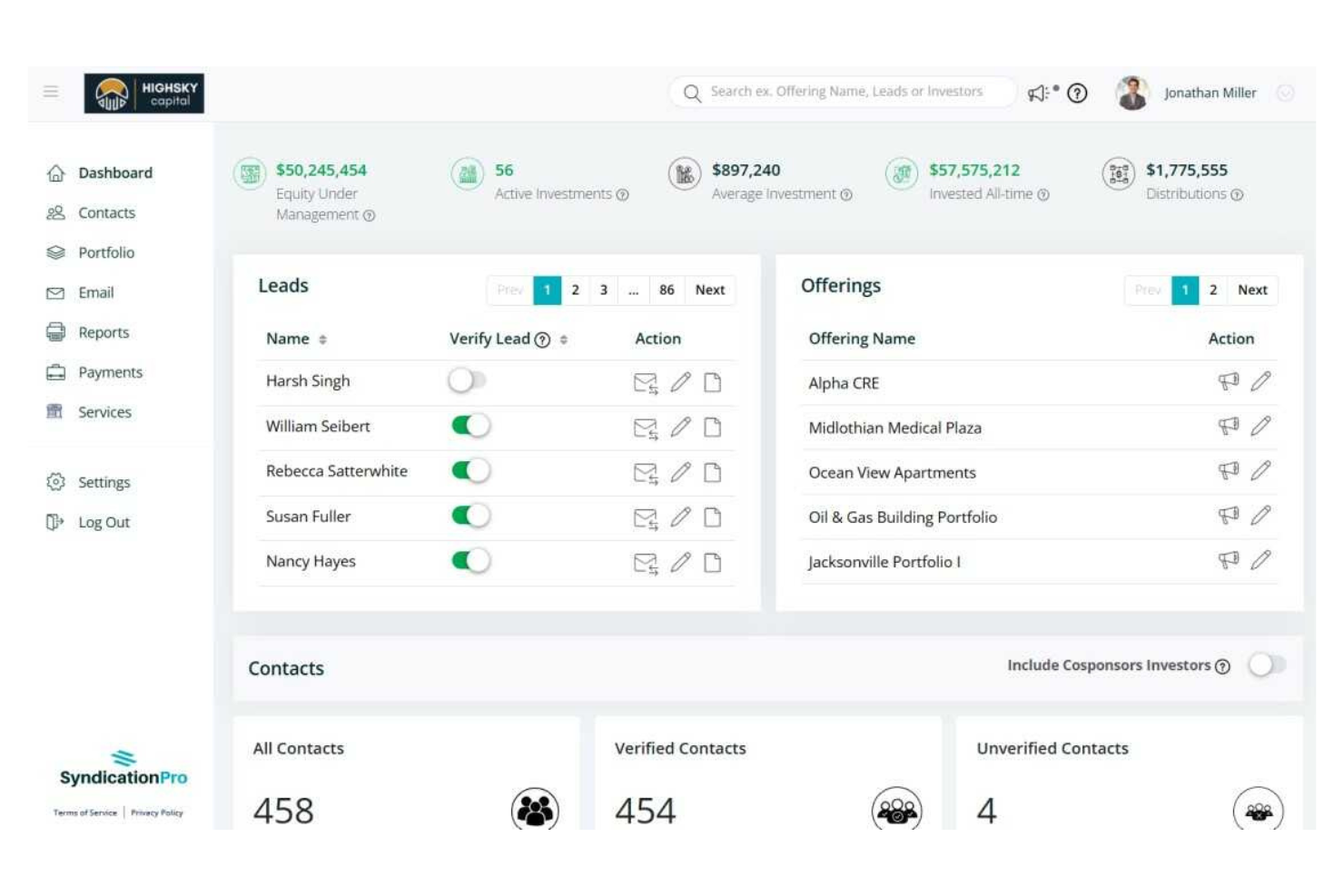
SyndicationPro is an investor portal software designed for real estate firms to manage investor onboarding, capital raises, communications, deal pipelines, and automated distributions in a unified cloud platform.
Who Is SyndicationPro Best For?
SyndicationPro fits real estate sponsors and syndicators who need to efficiently manage capital raising and investor relations across multiple deals.
Why I Picked SyndicationPro
I picked SyndicationPro as one of the best for deal management because I use its end-to-end deal pipeline tracking, investor CRM, and automated capital raise tools to oversee multiple live offerings and nurture active investor relationships in one workspace.
SyndicationPro Key Features
- White-labeled investor portal: Customize the portal with your company’s branding and logo.
- ESIGN investor document signing: Collect electronic signatures directly through the platform.
- ACH distributions processing: Send automated payments to investors via ACH.
- Performance reporting dashboards: Give investors access to real-time performance metrics and statements.
SyndicationPro Integrations
SyndicationPro offers native integrations with HubSpot, Trello, Mailchimp, Airtable, Typeform, Slack, Stripe, ActiveCampaign, and more. It also provides an API for custom integrations.
Pros and Cons
Pros:
- Handles complex multi-entity and deal structures
- Branded investor dashboards with performance data
- Fast capital calls and distributions
Cons:
- Investor statements lack advanced data visualizations
- Limited options for investors onboarding customization

Carta
Best for equity management
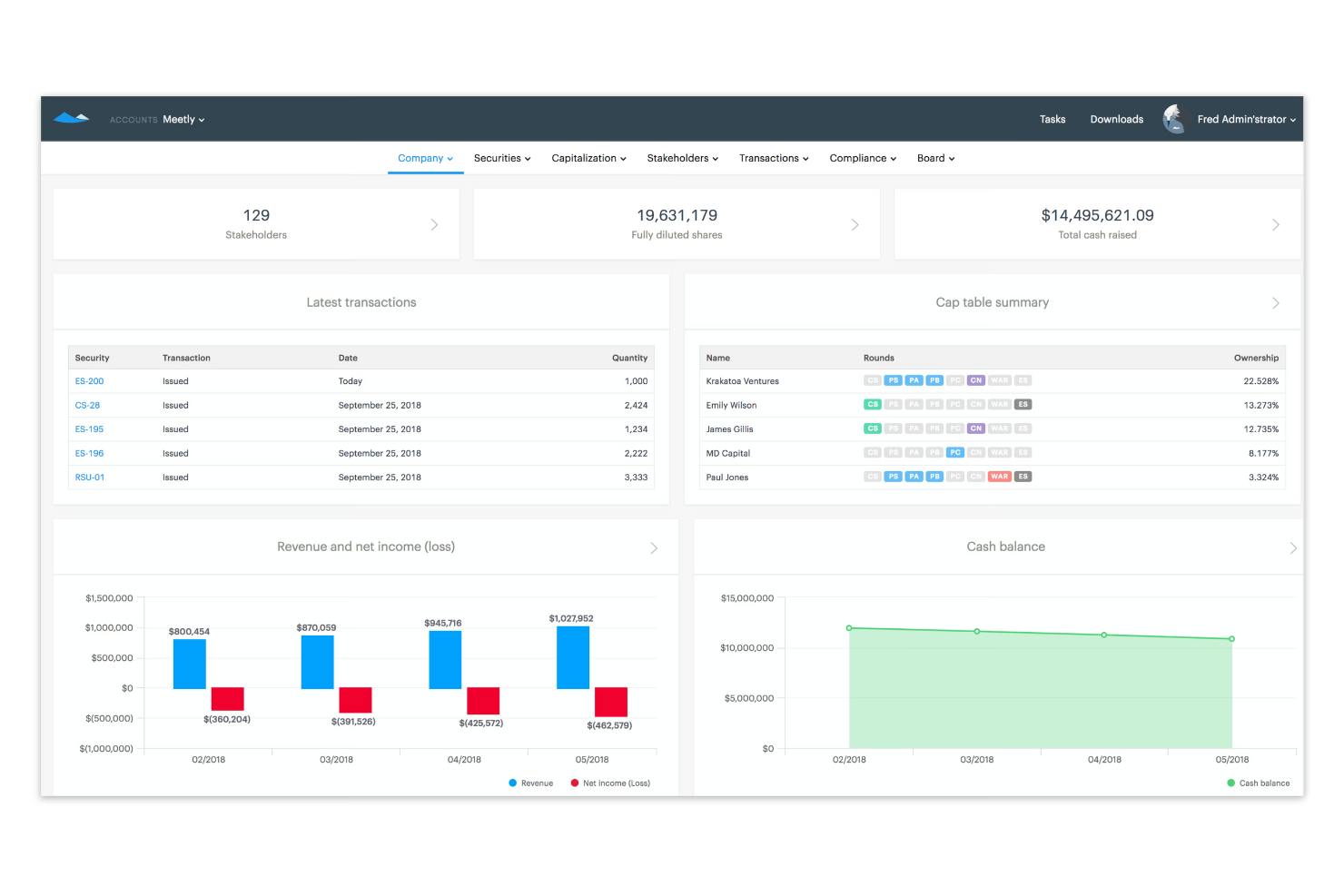
Carta is an investor portal software platform that provides equity and fund management, capital call processing, LP reporting, and compliance tools for general partners and venture capital firms.
Who Is Carta Best For?
Carta suits venture capital firms, private equity managers, and general partners who need purpose-built tools for managing equity, LP positions, and investor relations.
Why I Picked Carta
I picked Carta because I need advanced equity management, LP tracking, and fund modeling in one platform. I use its waterfall modeling and capital account reporting to simplify complex fund structures and automate vesting schedules.
Carta Key Features
- Document vault: Lets you centralize, store, and share fund documents securely with LPs.
- Investor portal: LPs can log in to view statements, notices, and fund updates.
- Capital call distribution: Supports electronic delivery and tracking of capital calls to investors.
- Custom reporting tools: Allows you to build and export fund and investor-specific reports.
Carta Integrations
Carta offers integrations with Stripe, Rippling, Atlas, Cooley, ChartHop, and compound. An API is available for custom integrations.
Pros and Cons
Pros:
- Lacks investor email communications automation
- Document access audit trails for LPs
- Customizable digital subscription workflows for onboarding
- Detailed waterfall and fund distribution calculator
Cons:
- No portfolio company performance analytics dashboard

Agora
Best for real estate syndication
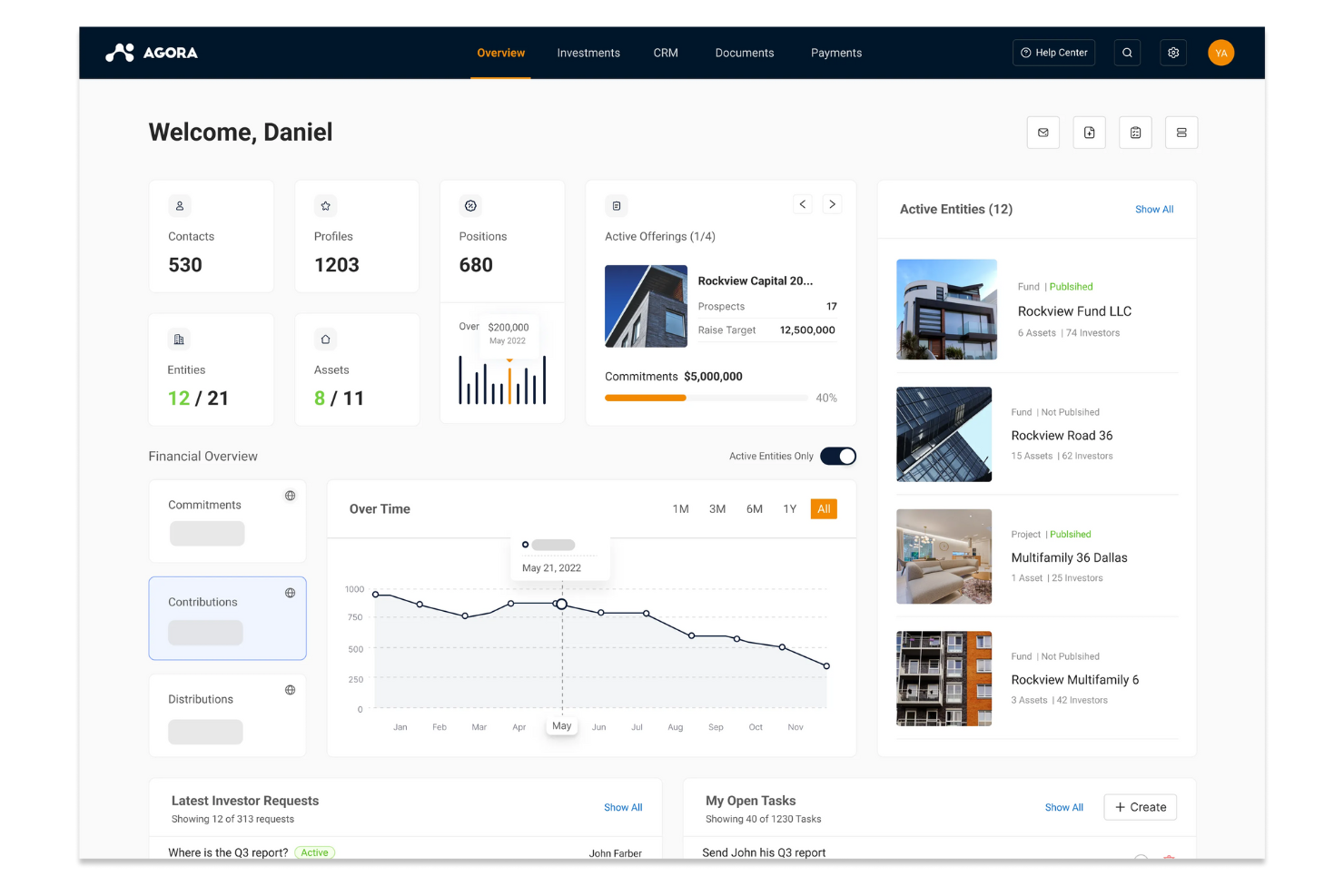
Agora is an investor portal software built for real estate firms that handles investor onboarding, secure document management, automated distributions, performance reporting, and streamlined communications.
Who Is Agora Best For?
Agora suits real estate investment managers and syndicators who need to manage multiple investors and properties with specialized workflows.
Why I Picked Agora
I picked Agora as one of the best for real estate syndication because I use its investor onboarding, digital subscription flows, and automated waterfall distributions to simplify managing multiple real estate projects and investor groups.
Agora Key Features
- Performance dashboards: Give investors real-time access to portfolio and property metrics.
- Document vault: Stores sensitive investment documents securely for easy investor access.
- Automated tax document distribution: Delivers K-1s and other tax forms directly to investors.
- Investor communications hub: Centralizes messaging and updates between sponsors and investors.
Agora Integrations
Agora offers native integrations with Slack, Salesforce, HubSpot, MailChimp, Sage, QuickBooks, Gmail, Outlook, and more, and provides an API for custom integrations.
Pros and Cons
Pros:
- Tracks complex ownership and multi-entity structures
- Branded investor portal with custom dashboards
- Fast capital calls and automated distributions
Cons:
- Investor statements lack advanced visualization options
- Limited self-service options for investors onboarding

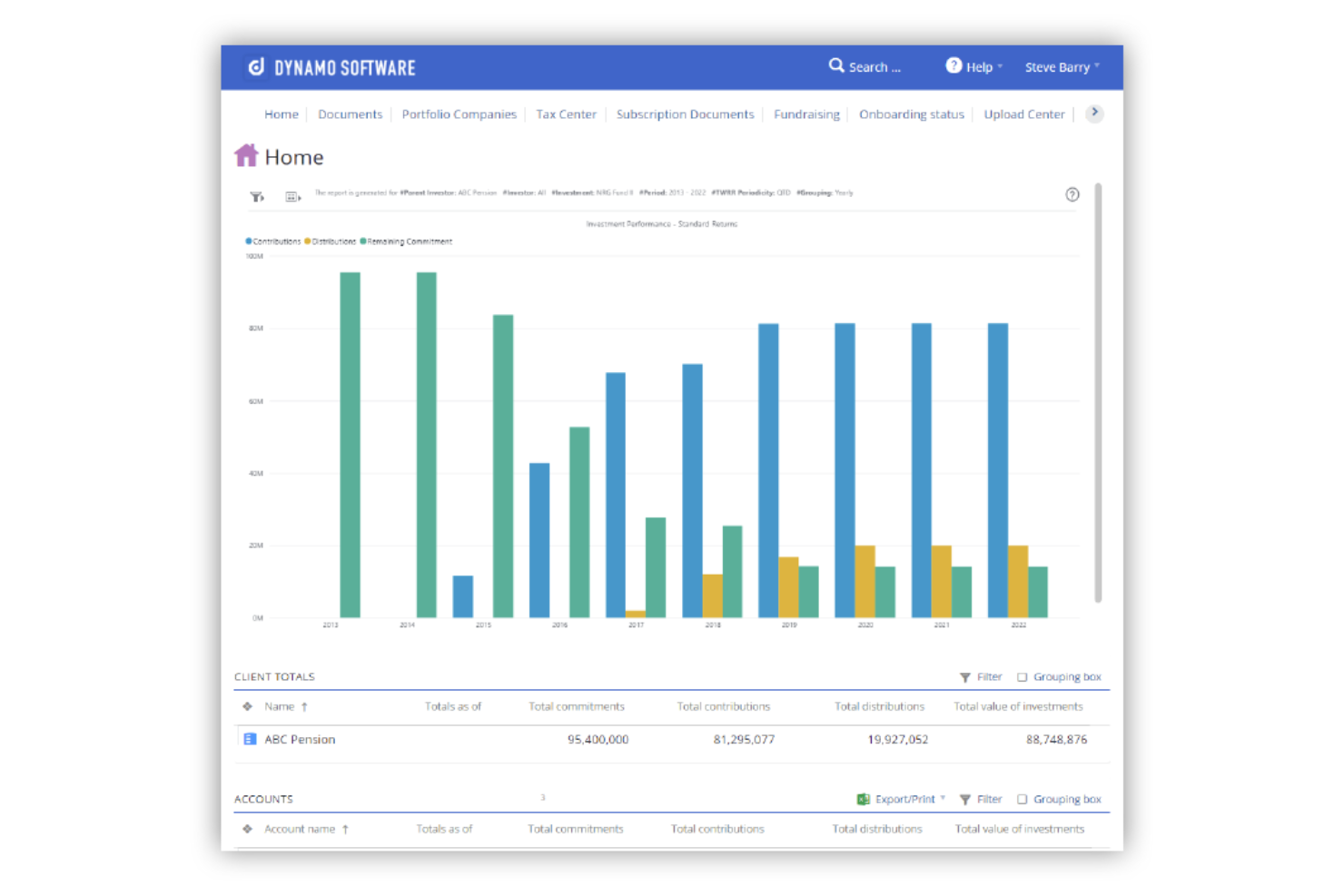
Dynamo Software is an investor portal software platform designed for private equity, venture capital, and other alternative asset managers, offering LP communications, document sharing, reporting tools, and customizable dashboards.
Who Is Dynamo Software Best For?
Dynamo Software is ideal for alternative asset managers handling complex fund structures and investor relations across private equity, venture capital, and real estate.
Why I Picked Dynamo Software
I picked Dynamo Software as one of the best for alternative investments because I rely on its flexible document management, detailed performance analytics, and multi-vehicle reporting to handle LP reporting and communications across complex fund types.
Dynamo Software Key Features
- Permission-based data rooms: Grants customizable, secure access for LPs to view fund documents.
- Automated capital call notifications: Sends alerts and instructions for capital calls directly to investors.
- Dynamic dashboard creation: Lets you design individualized dashboards for different investor or fund needs.
- Investor Q&A center: Provides a central location for fielding and managing investor questions.
Dynamo Software Integrations
Dynamo Software offers native integrations with Citco, Snowflake, Box, Power BI, Preqin, and more, and provides an API for custom integrations.
Pros and Cons
Pros:
- Supports detailed capital call tracking
- Customizable permissions for complex fund structures
- Extensive LP communications automation tools
Cons:
- Limited mobile access for investors
- Interface updates require coordinated rollout assistance

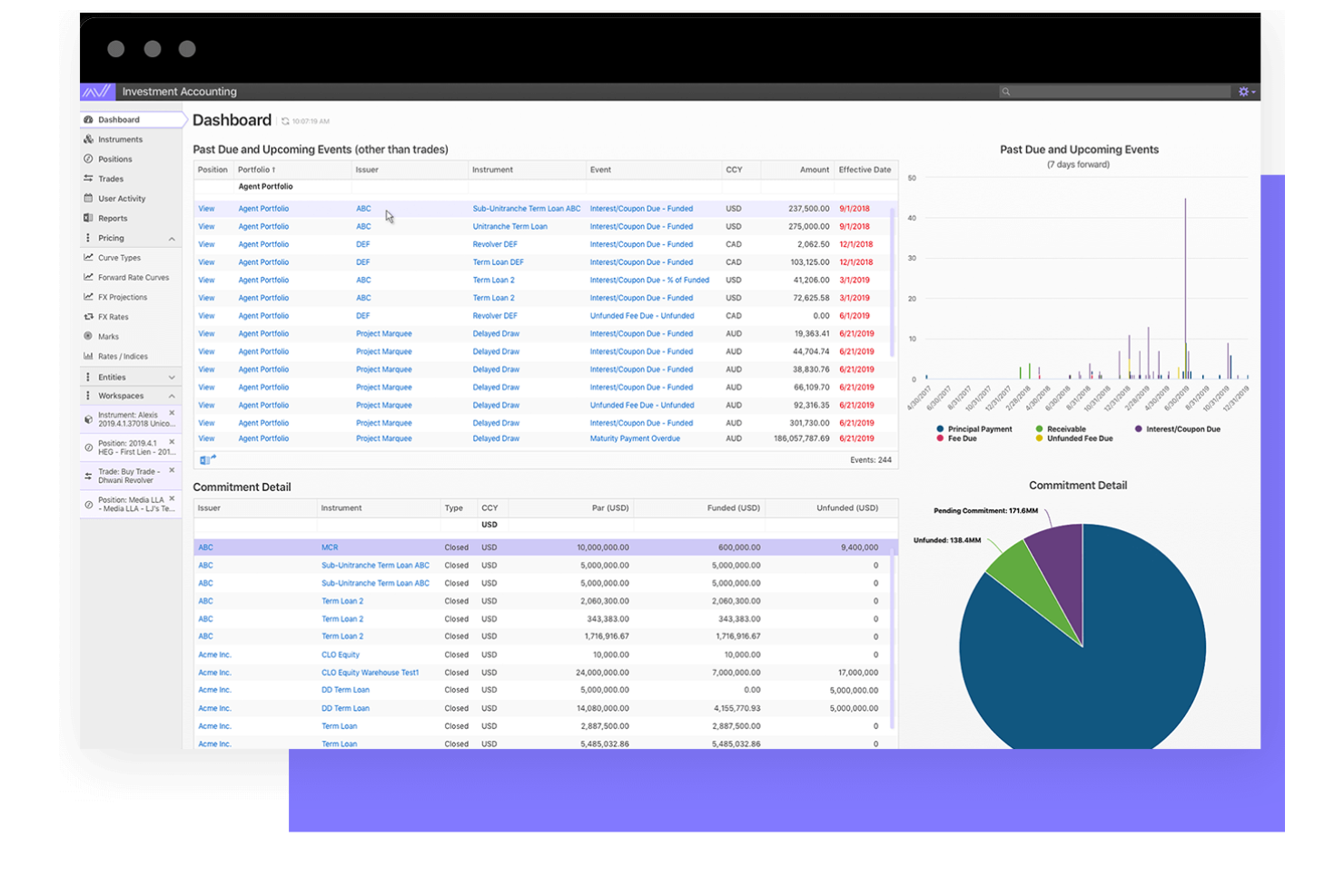
Allvue Systems offers an investor portal platform built for private capital markets, bringing together document sharing, data management, and communication tools in one place.
Who Is Allvue Systems Best For?
Fund managers and administrators at private equity, venture capital, or private debt firms seeking specialized AML compliance, investor reporting, and communication tools.
Why I Picked Allvue Systems
I picked Allvue Systems because it specializes in private capital markets with investor dashboards, secure document delivery, and capital account tracking tailored for fund managers and institutional investors.
Allvue Systems Key Features
- Customizable reporting templates: Create and deliver reports to investors using pre-built or tailored templates.
- Audit trail tracking: Monitor all portal activity and document access across users.
- Data visualization tools: Present performance data with interactive portfolio charts and graphs.
- Automated notification system: Trigger email alerts and updates for new documents or portfolio changes.
Allvue Systems Integrations
Native integrations are not publicly listed.
Pros and Cons
Pros:
- Real-time access to custom investor reports
- Secure document sharing for investor communications
- Built for private equity and debt funds
Cons:
- Native integrations lacking compared to competitors
- The implementation process can be time-consuming

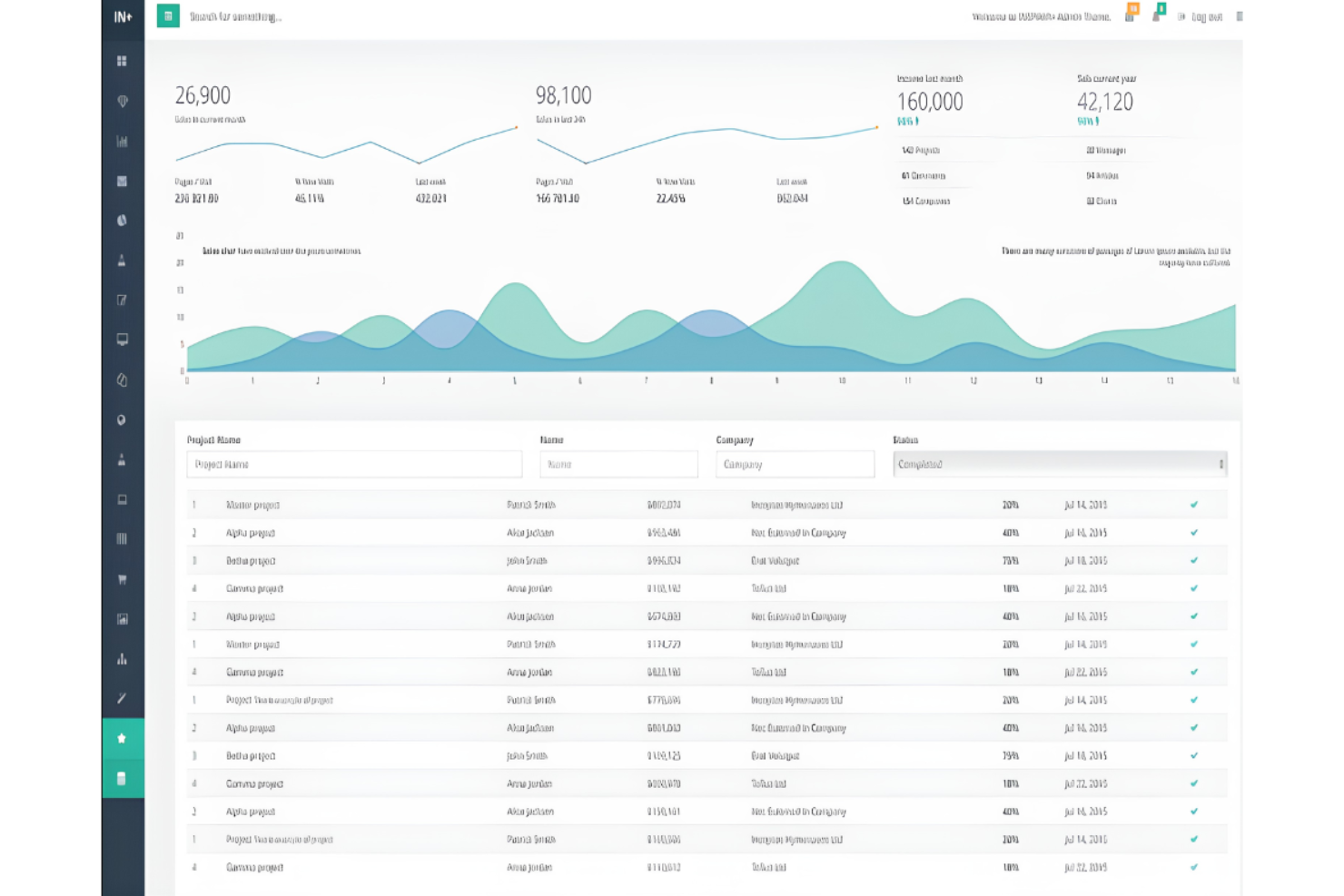
Investor Portal Pro is a real estate investor portal platform that lets you manage investor dashboards, online document sharing, capital call workflows, communication tools, and distribution tracking in one system.
Who Is Investor Portal Pro Best For?
Investor Portal Pro fits small and mid-sized real estate investment firms that need to organize investor communications and track investments digitally.
Why I Picked Investor Portal Pro
I picked Investor Portal Pro because I can set up investor dashboards quickly and customize workflows for capital calls. When working with small to mid-sized firms, I rely on its document vault and built-in messaging to manage communications and share reports securely.
Investor Portal Pro Key Features
- Investor transaction history export: Lets users download transaction history as spreadsheets or reports.
- White-label portal design: Allows firms to brand investor portals with their own logo and colors.
- Automated distribution calculators: Calculates preferred returns or waterfall distributions automatically.
- Investor accreditation tracking: Monitors and logs investor accreditation documents and status.
Investor Portal Pro Integrations
Investor Portal Pro offers integrations with Salesforce, HubSpot, DocuSign, Dropbox, QuickBooks, Zoho CRM, Yardi, and more. An API is available for custom integrations.
Pros and Cons
Pros:
- White-label branding for client-facing portal
- Automated distribution and capital call capabilities
- Customizable investor document sharing workflows
Cons:
- No verified native integrations
- Takes time to configure custom workflows
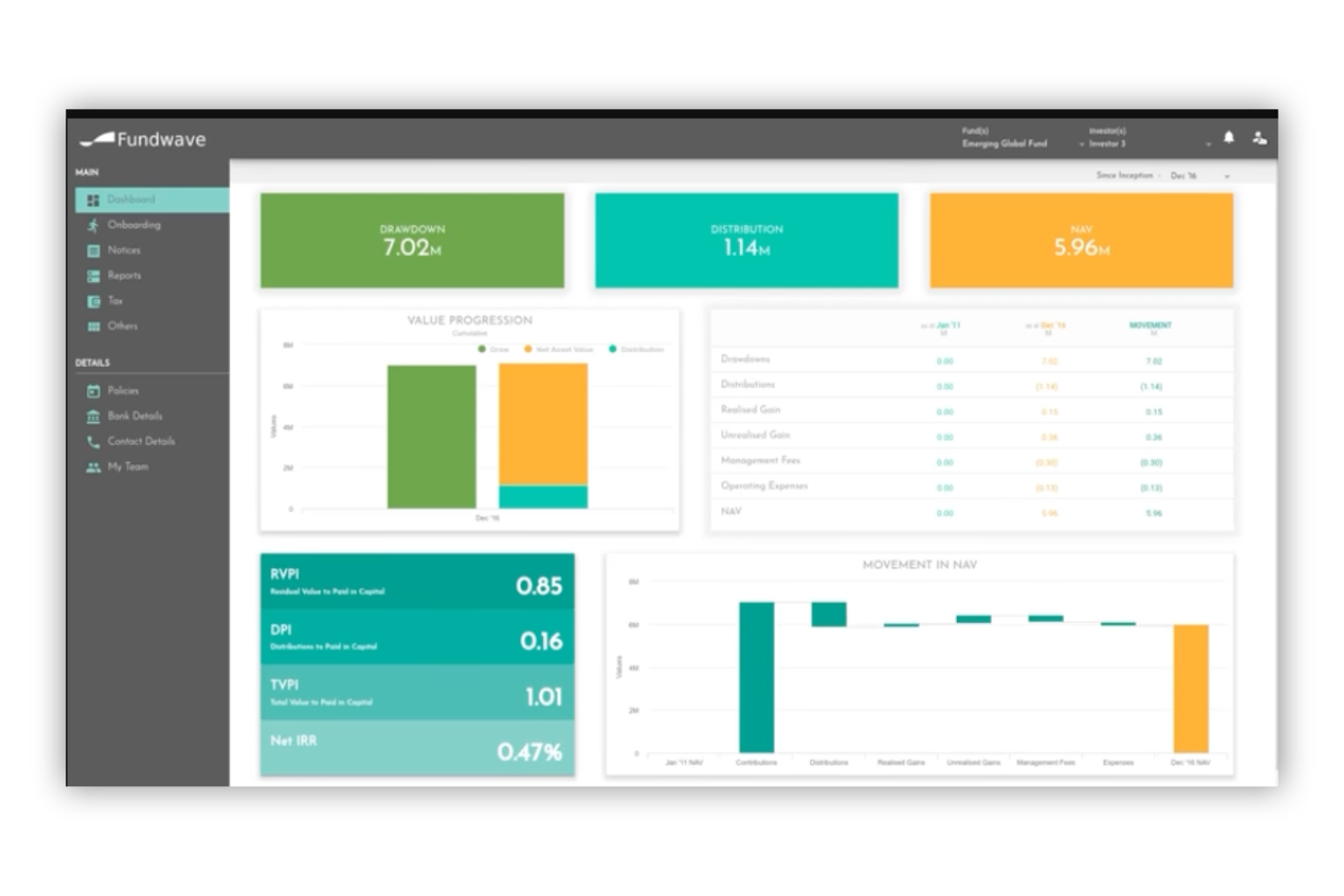
Fundwave is an investor portal software built for fund managers offering performance dashboards, investor document management, automated capital call workflows, and customizable access controls in one platform.
Who Is Fundwave Best For?
Fundwave is a great match for private equity and venture capital firms seeking tailored investor portals and fund administration tools.
Why I Picked Fundwave
I picked Fundwave because I can manage fund accounting, investor communications, and reporting from a single dashboard. I like how the platform auto-generates capital call notices and lets me set granular document permissions for investors.
Fundwave Key Features
- Performance dashboards: Show investors detailed NAV and IRR analytics.
- Waterfall calculations: Automate calculation and visualization of waterfall returns.
- Activity audit logs: Track all investor and admin actions in the portal.
- Multi-currency support: Handle transactions and reports in multiple currencies.
Fundwave Integrations
Fundwave integrates with Slack, DocuSign, Xero, QuickBooks, Gmail, and Outlook. Zapier is supported, and an API is available for custom integrations.
Pros and Cons
Pros:
- White-label branding for client-facing portal
- Automated distribution and capital call capabilities
- Customizable investor document sharing workflows
Cons:
- Takes time to configure custom workflows
- No verified native integrations

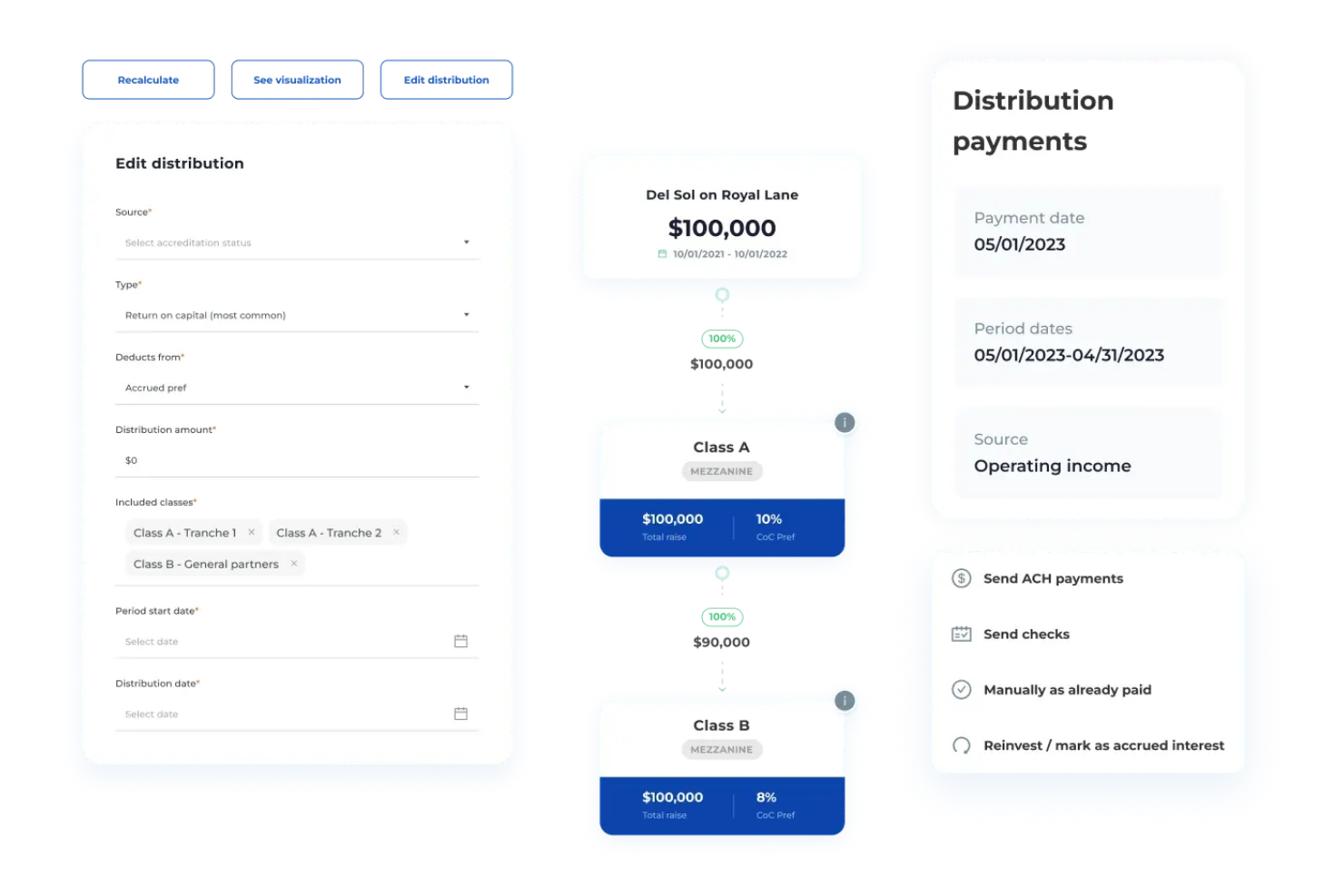
Cash Flow Portal is an investor portal software for real estate syndicators and fund managers that supports fundraising management, investor onboarding, distribution tracking, secure document sharing, and K-1 tax form delivery.
Who Is Cash Flow Portal Best For?
Cash Flow Portal fits real estate syndicators and sponsors who need a dedicated platform to manage investor relations and equity raises.
Why I Picked Cash Flow Portal
I picked Cash Flow Portal because syndicators in my network rely on its tools for seamless equity raise workflows and automated investor onboarding. I like being able to batch-send subscription documents and manage distribution waterfalls in one place.
Cash Flow Portal Key Features
- Investor dashboard: Investors get access to a secure dashboard to view their portfolio and communications.
- Automated K-1 delivery: K-1 tax forms are delivered automatically through the portal.
- Mass email updates: Send bulk updates or announcements to all investors from the platform.
- E-signature support: Collect electronic signatures on offering documents within investor workflows.
Cash Flow Portal Integrations
Cash Flow Portal integrations include Mailchimp, HubSpot, ActiveCampaign, Calendly, Slack, Airtable, Gmail, Google Sheets, and Google Calendar. Zapier is supported, and an API is available for custom integrations.
Pros and Cons
Pros:
- Customizable investor document sharing workflows
- Built-in cap table management tools
- Automated K-1 tax form delivery
Cons:
- Limited portfolio performance analytics
- No verified native integrations available

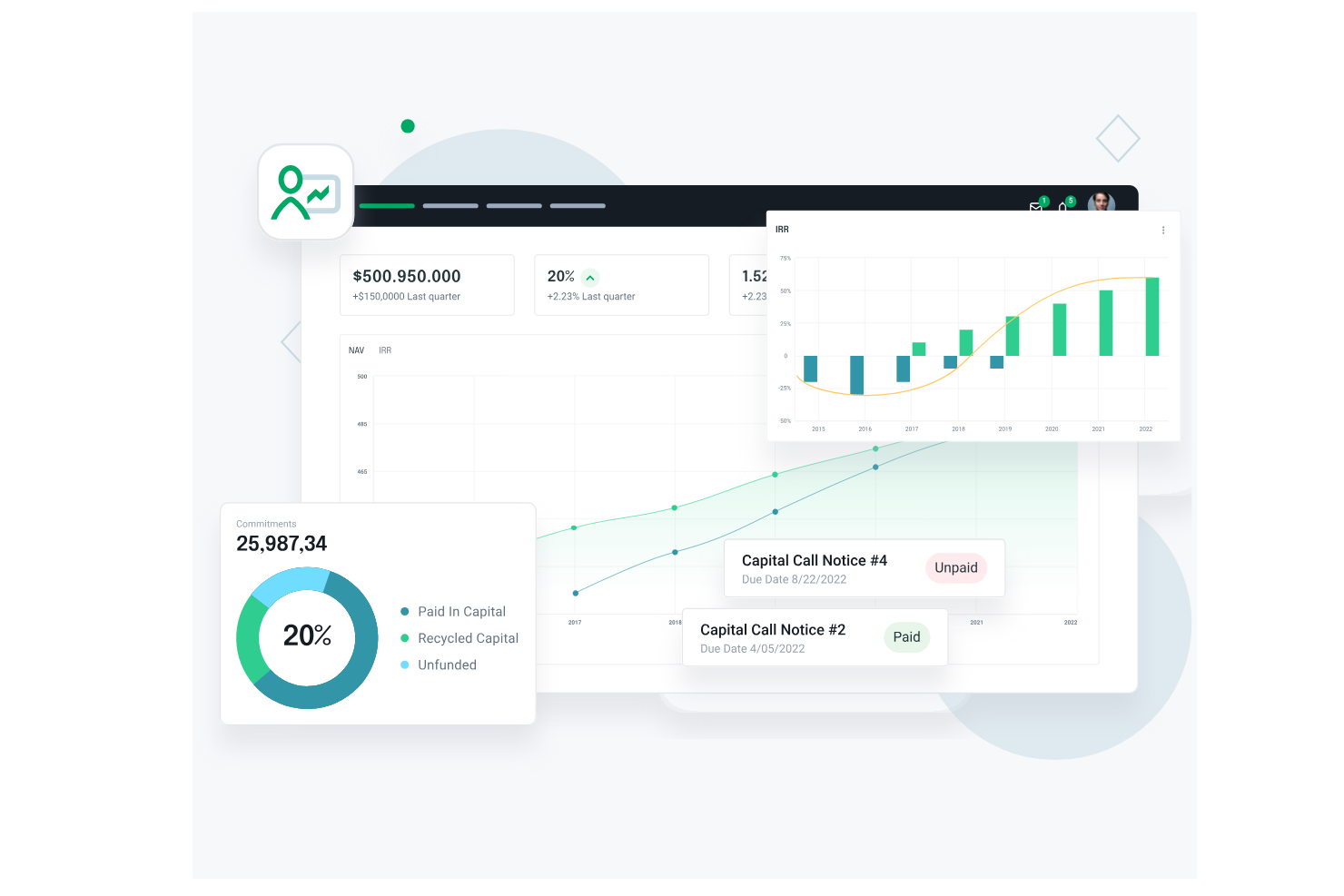
Entrilia is a modern investor portal software platform offering digital investor onboarding, customizable data rooms, secure document vaults, waterfall calculations, and audit-grade compliance tools.
Who Is Entrilia Best For?
Entrilia suits private fund managers and compliance-driven financial institutions that require advanced security, audit trails, and regulatory workflow controls.
Why I Picked Entrilia
I picked Entrilia because I need built-in compliance controls, advanced permission structures, and persistent audit logs. I use its monitored digital vault and transparent workflow tracking to help maintain high standards for investor data security.
Entrilia Key Features
- Waterfall calculator: Automates investor returns and distribution calculations.
- Customizable investor dashboards: Lets each investor view personalized data and documents.
- Digital subscription workflows: Streamlines investor onboarding and agreement execution.
- Integrated data rooms: Centralizes sensitive fund and deal documents for authorized users.
Entrilia Integrations
Native integrations are not publicly listed. An API is available for custom integrations.
Pros and Cons
Pros:
- Detailed document access tracking and reporting
- Customizable digital subscription onboarding workflows
- Waterfall calculator for complex fund distributions
Cons:
- Lacks investor communications automation features
- No portfolio analytics dashboards
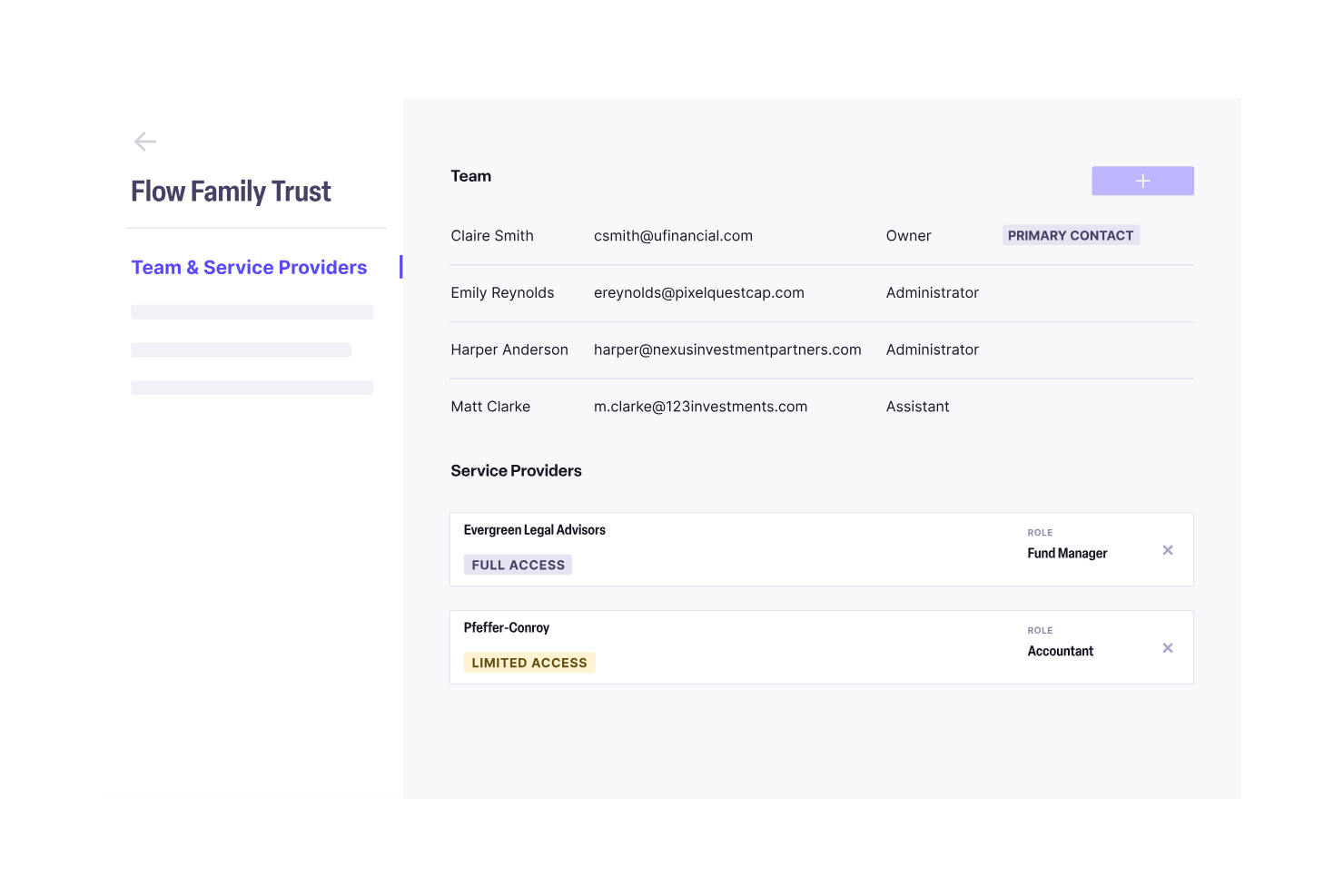
Flow is an investor portal software platform designed for real estate firms, offering investment dashboard tools, document sharing, distribution tracking, and automated communications for fund managers and their investors.
Who Is Flow Best For?
Real estate fund managers and syndicators who need purpose-built investor communication and reporting tools.
Why I Picked Flow
I picked Flow as one of the best for real estate investors because I rely on its capital call workflows, automated K-1 document distribution, and real estate-focused performance reporting when managing large portfolios and communicating with multiple investor groups.
Flow Key Features
- Investor portal customization: Configure branding, layouts, and document organization for each portal.
- Distribution dashboard: Track and manage investor payments, statuses, and history in one place.
- Audit logging: Monitor and log user access to sensitive documents and data.
- Investor Q&A module: Provide a managed space for investor questions and responses inside the portal.
Flow Integrations
Native integrations are not publicly listed.
Pros and Cons
Pros:
- Automated K-1 document distribution
- Handles complex multi-entity reporting workflows
- Built for real estate capital management
Cons:
- The onboarding process can be lengthy
- Minimal native integration options
Other Investor Portal Software
Here are some additional investor portal software options that didn’t make it onto my shortlist, but are still worth checking out:
- eFront
For private equity analytics
- Glide
For creating custom investor apps
- Juniper Square
For real estate investment firms
- FundCount
For accounting and reporting
- Visible.vc
For investor communication updates
- AppFolio Investment Manager
For real estate portfolios
- RealPage IMS
For institutional investors
- InvestorFlow
For managing investor relations


How I Evaluate Investor Portal Software
I split my evaluation into baseline requirements—like permissioned LP document delivery and capital account dashboards—and the differentiators that set vendors apart.
Core Functionality (Table Stakes For This List)
When I'm selecting tools for my list, I rank each one on a scale from 0 (does not offer the functionality) to 5 (excels in this area) for each core functionality listed below. Then, I calculate the tool's total score into a percentage. Each tool needs to achieve a minimum total score of 65% to be considered for inclusion.
- Secure Document Distribution: I check whether each portal supports permissioned, encrypted document delivery so GPs can share K-1s, capital call notices, and quarterly reports with the right LPs only.
- Investor Reporting Dashboards: Each tool should give LPs self-service access to capital account balances, IRR, MOIC, and contribution/distribution history in a real-time dashboard.
- Capital Call & Distribution Notices: I evaluate how each platform handles notice generation, delivery tracking, and LP acknowledgment for capital events across multiple funds or vehicles.
- Investor CRM & Communication: The portal should maintain LP contact records and let IR teams send targeted announcements or updates to specific investor segments rather than blanket emails.
- Subscription & Onboarding Workflows: I look for digital subscription documents, e-signature support, and integrated KYC/AML collection to move new LPs from commitment to close inside the portal.
- Audit Trail & Access Logs: Every tool should log investor activity like document views, downloads, and login history in a way that's exportable and ready for compliance reviews.
Once I have a list of tools that meet this criteria, I consider what sets each platform apart.
Differentiating Factors (What Sets Vendors Apart)
Here's how I compare and contrast different vendors:
Standout Features
Multi-fund consolidation matters when your LPs hold positions across several vehicles. I look for portals that roll up commitments, NAV, and distributions into one unified LP view. A native waterfall and allocation engine is another differentiator, especially for GPs managing complex carried interest and fee structures across vintage years. White-label branding also gets my attention; a portal that carries your firm's domain, logo, and color scheme builds LP trust in ways a generic login page can't.
Beyond Features
Compliance and security certifications carry real weight here. I check for SOC 1 and SOC 2 Type II reports, because LPs and their auditors will ask. Integration depth also shapes the experience. A portal that syncs with your fund accounting system and CRM means fewer manual data exports during close cycles. Finally, I evaluate industry and fund-type fit. A platform built for private equity may lack the NAV-frequency reporting a hedge fund needs, so I consider whether each vendor aligns with the GP's specific fund strategy.
How to Choose Investor Portal Software
It’s easy to get bogged down in long feature lists and complex pricing structures. To help you stay focused as you work through your unique software selection process, here’s a checklist of factors to keep in mind:
| Factor | What to Consider |
|---|---|
| Scalability | Can the platform handle your current and projected investor base, deal volume, and potential growth without added complexity or costs? |
| Integrations | Does the software connect natively with your CRM, accounting systems, and communication tools, or will you need workarounds and third-party connectors? |
| Customizability | How well can you tailor branding, dashboards, document workflows, and investor experiences to match your firm’s processes and compliance needs? |
| Ease of use | Will your team and investors adopt the platform quickly, or does the interface require significant training and support resources? |
| Implementation and onboarding | What timeline and resources are needed to migrate data, set up users, and configure workflows for your first launch? Are onboarding guides and live support provided? |
| Cost | Are there onboarding fees, minimum user or investor requirements, or add-on charges that could impact your budget over time? |
| Security safeguards | Does the platform offer robust document encryption, user access controls, and audit trails to meet your internal and regulatory security standards? |
| Support availability | Are support options available in your time zone and during business-critical periods such as quarter-end distributions or tax reporting deadlines? |
What Is Investor Portal Software?
Investor portal software is a secure, web-based platform that helps investment managers share documents, track capital, and communicate with investors throughout the investment lifecycle.
These portals centralize access to statements, performance reports, and tax forms while supporting capital calls, distributions, and compliance needs for private equity, real estate, venture capital, and other investment vehicles.
Features of Investor Portal Software
When selecting investor portal software, keep an eye out for the following key features:
- Investor dashboards: Present investors with a centralized view of their investment performance, statements, capital activities, and contacts in real time.
- Document sharing: Securely store, manage, and distribute key documents like offering memoranda, K-1s, and quarterly reports to individual investors or investor groups.
- Capital call management: Automate the process of sending capital calls, tracking responses, and reconciling contributions to reduce manual errors and increase transparency.
- Distribution processing: Calculate, schedule, and issue investor distributions, offering automated ACH or wire transfer options and clear tracking within the portal.
- Electronic signature collection: Allow investors to review and sign documents securely through digital signature workflows, making commitment and compliance faster.
- Performance reporting: Generate and share real-time portfolio analytics, including IRR, cash flow, and distribution history, to improve communication and trust.
- Custom branding: Reflect your firm’s visual identity with customizable logos, color schemes, and messaging inside the investor experience.
- Automated notifications: Notify investors of new documents, upcoming calls, or completed distributions automatically by email or portal alerts.
- Role-based access controls: Define and manage different permissions for staff, managers, investors, and auditors to protect confidential information.
- Audit trails: Record and track user activities within the portal to support compliance and resolve any questions regarding data or document interactions.
Benefits of Investor Portal Software
Implementing investor portal software provides several benefits for your team and your business. Here are a few you can look forward to:
- Improved investor transparency: Share real-time portfolio data, deal performance, and documents securely, keeping investors informed and engaged at all times.
- Streamlined capital management: Automate capital calls, contributions, and distributions, reducing manual back-office workload and minimizing errors.
- Simplified document handling: Centralize and manage statements, K-1s, tax forms, and reports, making access easier for both your team and investors.
- Enhanced compliance assurance: Maintain audit trails, track user activity, and enforce strong access controls to meet regulatory requirements with less friction.
- Faster investor onboarding: Enable electronic signatures, self-service profile setup, and secure document uploads, speeding up onboarding and ongoing administration.
- Consistent branded experience: Reflect your firm’s identity in every investor interaction with customizable dashboards and white-labeled portals.
- Timely notifications and communication: Automatically notify investors about new documents, updates, and financial activities, reducing communication gaps and support requests.
Costs & Pricing of Investor Portal Software
Selecting investor portal software requires an understanding of the various pricing models and plans available. Costs vary based on features, team size, add-ons, and more. The table below summarizes common plans, their average prices, and typical features included in investor portal software solutions:
Plan Comparison Table for Investor Portal Software
| Plan Type | Average Price | Common Features |
|---|---|---|
| Free Plan | $0 | Basic investor login, limited document storage, simple reports, and email-only support. |
| Personal Plan | $50-$150/month | Single deal management, investor dashboards, document sharing, and electronic signature collection. |
| Business Plan | $300-$900/month | Multi-deal management, branded portals, capital call automation, performance reporting, and audit trails. |
| Enterprise Plan | $1,500-$4,000/month | Custom workflows, advanced security, white-labeled interface, dedicated support, and API integrations. |
Investor Portal Software FAQs
Here are some answers to common questions about investor portal software:
Who typically uses investor portal software?
Investor portal software is used by fund managers, private equity and venture capital firms, family offices, and real estate syndicators who need to centralize communication, documents, and transactions with their investors.
Can investor portal software manage multiple funds or entities?
Yes, most platforms let you manage multiple funds, investment vehicles, or entities in one portal, so LPs or investors can track all positions through a single login.
How secure is investor portal software for confidential data?
Most solutions offer bank-level encryption, role-based permissions, and audit trails to help protect confidential information and meet industry or regulatory security requirements.
Does investor portal software integrate with accounting or CRM tools?
Yes, many platforms provide integrations with accounting systems, CRM software, and file storage platforms so you can automatically sync investor data, transactions, and reports.
Can investors access documents and reports on mobile devices?
Yes, the majority of portals offer responsive web access or dedicated apps so investors can securely view documents, statements, and their performance on phones or tablets.
How I Evaluate Investor Portal Software
I split my evaluation into baseline requirements—like permissioned LP document delivery and capital account dashboards—and the differentiators that set vendors apart.
Core Functionality (Table Stakes For This List)
When I'm selecting tools for my list, I rank each one on a scale from 0 (does not offer the functionality) to 5 (excels in this area) for each core functionality listed below. Then, I calculate the tool's total score into a percentage. Each tool needs to achieve a minimum total score of 65% to be considered for inclusion.
- Secure Document Distribution: I check whether each portal supports permissioned, encrypted document delivery so GPs can share K-1s, capital call notices, and quarterly reports with the right LPs only.
- Investor Reporting Dashboards: Each tool should give LPs self-service access to capital account balances, IRR, MOIC, and contribution/distribution history in a real-time dashboard.
- Capital Call & Distribution Notices: I evaluate how each platform handles notice generation, delivery tracking, and LP acknowledgment for capital events across multiple funds or vehicles.
- Investor CRM & Communication: The portal should maintain LP contact records and let IR teams send targeted announcements or updates to specific investor segments rather than blanket emails.
- Subscription & Onboarding Workflows: I look for digital subscription documents, e-signature support, and integrated KYC/AML collection to move new LPs from commitment to close inside the portal.
- Audit Trail & Access Logs: Every tool should log investor activity like document views, downloads, and login history in a way that's exportable and ready for compliance reviews.
Once I have a list of tools that meet this criteria, I consider what sets each platform apart.
Differentiating Factors (What Sets Vendors Apart)
Here's how I compare and contrast different vendors:
Standout Features
Multi-fund consolidation matters when your LPs hold positions across several vehicles. I look for portals that roll up commitments, NAV, and distributions into one unified LP view. A native waterfall and allocation engine is another differentiator, especially for GPs managing complex carried interest and fee structures across vintage years. White-label branding also gets my attention; a portal that carries your firm's domain, logo, and color scheme builds LP trust in ways a generic login page can't.
Beyond Features
Compliance and security certifications carry real weight here. I check for SOC 1 and SOC 2 Type II reports, because LPs and their auditors will ask. Integration depth also shapes the experience. A portal that syncs with your fund accounting system and CRM means fewer manual data exports during close cycles. Finally, I evaluate industry and fund-type fit. A platform built for private equity may lack the NAV-frequency reporting a hedge fund needs, so I consider whether each vendor aligns with the GP's specific fund strategy.