

Die 10 besten SAP-ERP-Alternativen für Finanzteams im Jahr 2026

10 Auswahl der besten SAP-ERP-Alternativen


Als CFO stehen Sie vor Herausforderungen wie der Kostenverwaltung, der Verbesserung der Effizienz und der Sicherstellung der Compliance. ERP-Software kann dabei eine große Hilfe sein, aber SAP ERP ist möglicherweise nicht für jeden die beste Wahl. Vielleicht suchen Sie nach mehr Flexibilität, branchenspezifischen Funktionen oder einer kostengünstigeren Lösung.
Meiner Erfahrung nach kann die Wahl der richtigen ERP-Alternative die Verwaltung Ihrer Abläufe grundlegend verändern. Ich habe zahlreiche Softwareoptionen getestet und bewertet, um Ihnen unvoreingenommene Einblicke in die besten SAP-ERP-Alternativen zu geben.
In diesem Artikel stelle ich Ihnen meine besten SAP-Alternativen vor und zeige deren einzigartige Funktionen sowie, wie sie Ihre spezifischen geschäftlichen Anforderungen erfüllen können. Ganz gleich, ob Sie in der Fertigung, im Vertrieb oder in einer anderen Branche tätig sind – es gibt ein passendes ERP-System für Sie.
Was ist SAP ERP?
SAP ERP ist eine ERP-Software, die darauf ausgelegt ist, verschiedene Geschäftsprozesse im gesamten Ökosystem eines Unternehmens zu integrieren. Sie wird häufig von Finanzfachleuten, Betriebsleitern und anderen Führungskräften in großen Unternehmen eingesetzt, die ihre Abläufe vereinfachen und die Entscheidungsfindung verbessern möchten. Funktionen für Finanzmanagement, Optimierung der Lieferkette und Analysen helfen dabei, Kosten zu verwalten, die Effizienz zu steigern und die Compliance sicherzustellen. Insgesamt bietet SAP ERP eine einheitliche Plattform für die Verwaltung komplexer Geschäftsabläufe.
Vergleichstabelle der SAP-ERP-Alternativen
Diese Vergleichstabelle fasst die Preisinformationen meiner besten SAP-ERP-Alternativen zusammen.
| Tool | Best For | Trial Info | Price | ||
|---|---|---|---|---|---|
| 1 | Am besten für KI-gestützte Erkenntnisse | Kostenlose 30-Tage-Testversion verfügbar | Ab $65/Benutzer/Monat (jährlich abgerechnet) | Website | |
| 2 | Am besten für kleine bis mittelständische Unternehmen | Kostenlose Demo verfügbar | Preise auf Anfrage | Website | |
| 3 | Am besten für die Automatisierung des Finanzmanagements geeignet | Kostenlose Demo verfügbar | Preis auf Anfrage | Website | |
| 4 | Am besten für flexible ERP-Bereitstellungen | Kostenlose Demo verfügbar | Preise auf Anfrage | Website | |
| 5 | Am besten für Fertigung und Vertrieb | Kostenlose Demo verfügbar | Preise auf Anfrage | Website | |
| 6 | Am besten für KI-gestützte Anwendungen geeignet | Kostenlose Demo verfügbar | Preis auf Anfrage | Website | |
| 7 | Am besten für das Management des Anlagenlebenszyklus geeignet | Kostenlose Demo verfügbar | Preis auf Anfrage | Website | |
| 8 | Am besten für branchenspezifische Lösungen | Kostenlose Demo verfügbar | Preise auf Anfrage | Website | |
| 9 | Am besten für die Integration von Fertigungsprozessen geeignet | Kostenlose Demo verfügbar | Preise auf Anfrage | Website | |
| 10 | Am besten für Open-Source-Flexibilität geeignet | Kostenlose Testversion verfügbar | Ab $5/Monat (jährlich abgerechnet) | Website |

Warum Sie unseren Software-Empfehlungen vertrauen können
Unsere Bewertungen spiegeln unser unabhängiges Urteilsvermögen wider – keine Verkaufsstrategie. Erfahren Sie, wie wir transparent bleiben.
Für diesen Leitfaden haben wir Tools mithilfe von praktischen Tests und unabhängiger Recherche bewertet und dabei unsere Bewertungskriterien angewendet.
Unsere Bewertungen spiegeln unser menschliches redaktionelles Urteilsvermögen wider, keine Verkaufsstrategie.
Bewertungen der besten SAP-ERP-Alternativen
Nachfolgend finden Sie meine ausführlichen Zusammenfassungen der besten SAP-ERP-Alternativen, die es in meine Auswahl geschafft haben. Meine Bewertungen bieten einen detaillierten Überblick über die wichtigsten Funktionen, Vor- & Nachteile, Integrationen und idealen Anwendungsfälle jedes Tools, damit Sie die beste Lösung für sich finden.

Am besten für KI-gestützte Erkenntnisse
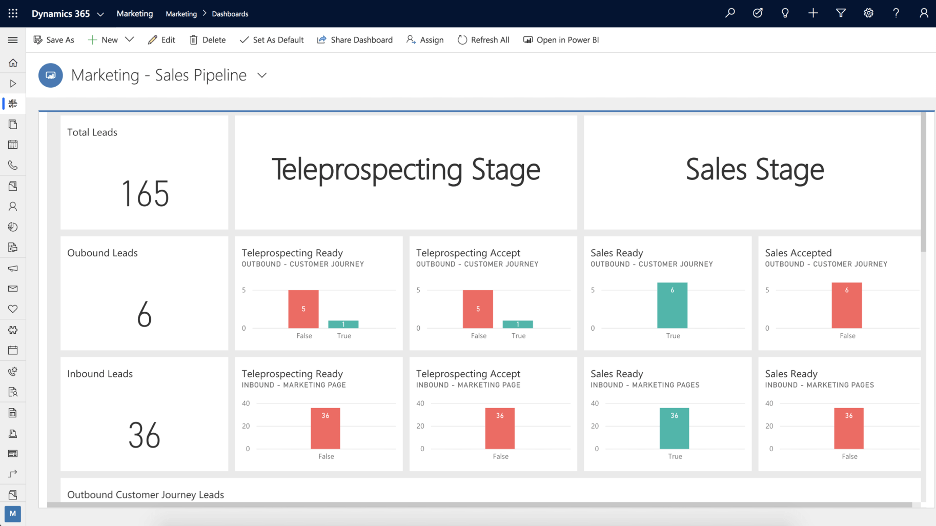
Microsoft Dynamics 365 ist eine cloudbasierte ERP- und CRM-Lösung für Unternehmen verschiedenster Branchen. Sie unterstützt Organisationen bei der Verwaltung von Betriebsabläufen, Finanzen und Kundenbeziehungen.
Warum es eine gute SAP-ERP-Alternative ist: Microsoft Dynamics 365 liefert KI-gestützte Erkenntnisse, die Ihr Team in die Lage versetzen, datengestützte Entscheidungen zu treffen. Durch das modulare Design können Sie die Anwendungen auswählen, die zu Ihren Geschäftsanforderungen passen, und erhalten so Flexibilität und Skalierbarkeit.
Die Integration der Plattform mit anderen Microsoft-Produkten steigert die Produktivität, indem sie eine einheitliche Benutzererfahrung schafft. Mit Analysen in Echtzeit können Sie wertvolle Einblicke in Ihre Abläufe gewinnen und Entscheidungsprozesse verbessern.
Herausragende Funktionen & Integrationen:
Funktionen umfassen Analysen in Echtzeit, die Erkenntnisse liefern und Ihrem Team helfen, fundierte Entscheidungen zu treffen. Sie profitieren außerdem vom modularen Design, mit dem Sie Anwendungen auswählen können, die zu Ihren Geschäftsanforderungen passen. Darüber hinaus steigert die Integration mit Microsoft-Produkten die Produktivität, indem sie eine einheitliche Benutzererfahrung schafft.
Integrationen umfassen Microsoft Office 365, LinkedIn, Power BI, Microsoft Azure, Microsoft Outlook, SharePoint, OneDrive, Microsoft Teams, Yammer und Microsoft Excel.
Pros and Cons
Pros:
- KI-gestützte Erkenntnisse in Echtzeit mithilfe generativer KI-Tools
- Maschinelle Lernmodelle prognostizieren wichtige Geschäftskennzahlen mit höherer Genauigkeit
- KI-Funktionen sind nativ integriert und lassen sich in Microsoft-Anwendungen übergreifend nutzen
Cons:
- Erfordert ein hohes Datenvolumen und eine hohe Datenqualität
- Zusätzliche Kosten für Premium-Funktionen
Am besten für kleine bis mittelständische Unternehmen
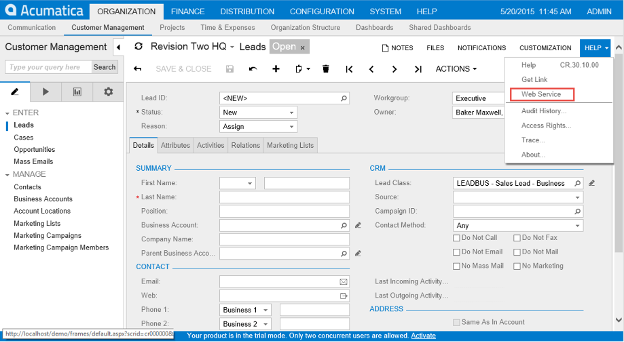
Acumatica ist ein cloudbasiertes ERP-System, das für verschiedene Branchen entwickelt wurde und Funktionen wie Finanzverwaltung und Distributionsmanagement bietet. Es wird hauptsächlich von kleinen bis mittelständischen Unternehmen genutzt, die eine flexible und skalierbare Lösung für die Geschäftsverwaltung benötigen.
Warum es eine gute SAP-ERP-Alternative ist: Acumatica bietet maßgeschneiderte Lösungen für kleine bis mittelständische Unternehmen mit Funktionen wie flexiblen Bereitstellungsoptionen und einem nutzungsabhängigen Lizenzmodell. Die benutzerfreundliche Oberfläche erleichtert es Teams, die Lösung einzuführen und an ihre spezifischen Anforderungen anzupassen.
Die Anpassungsfähigkeit des Systems unterstützt wachsende kleine Unternehmen und ermöglicht ihnen eine Skalierung ohne die Komplexität, die häufig mit größeren ERP-Systemen verbunden ist. Acumaticas Fokus auf Kundenzufriedenheit stellt sicher, dass Sie die benötigte Unterstützung erhalten.
Hervorstechende Funktionen & Integrationen:
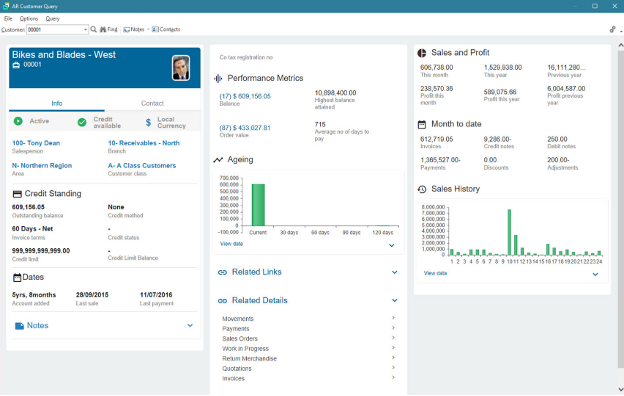
Zu den Funktionen gehören Finanzverwaltung, Bauverwaltung und eine umfassend anpassbare Oberfläche. Sie können außerdem vom Distributionsmanagement profitieren, das zur Optimierung Ihrer Lieferkettenprozesse beiträgt. Darüber hinaus ermöglichen flexible Bereitstellungsoptionen Ihrem Team, die beste Konfiguration für Ihre geschäftlichen Anforderungen auszuwählen.
Zu den Integrationen gehören Salesforce, Avalara, Amazon, Shopify, Jira, HubSpot, Adobe Commerce und ADP.
Pros and Cons
Pros:
- Flexible Bereitstellungsoptionen
- Skalierbar für wachsende Unternehmen
- Vereinheitlichte Daten und Echtzeittransparenz
Cons:
- Komplexe Implementierung
- Eingeschränkte globale Möglichkeiten im Vergleich zu Wettbewerbern

Am besten für die Automatisierung des Finanzmanagements geeignet
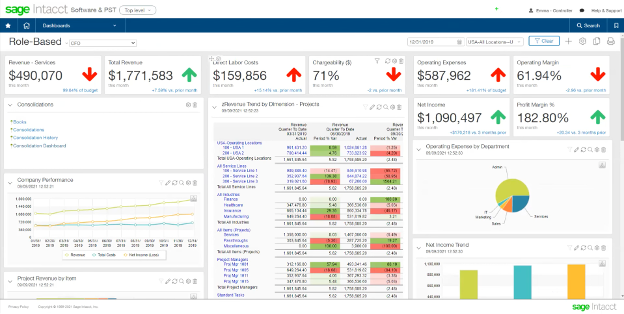
Sage Intacct ist eine cloudbasierte Lösung für das Finanzmanagement, die auf Buchhaltungsfachleute und Finanzteams zugeschnitten ist. Sie bietet zentrale Buchhaltungsfunktionen wie Kreditorenbuchhaltung, Debitorenbuchhaltung und Liquiditätsmanagement.
Warum es eine gute SAP-ERP-Alternative ist: Sage Intacct zeichnet sich durch die Automatisierung von Finanzprozessen aus und ist daher ideal für Teams, die ihre Bücher schneller abschließen möchten. Die Funktionen für die Finanzberichterstattung in Echtzeit unterstützen fundierte Entscheidungen, indem sie schnell Erkenntnisse liefern.
Die Skalierbarkeit der Plattform macht sie für wachsende Unternehmen geeignet, die ihre Finanzabläufe im Laufe der Zeit anpassen müssen. Durch den Fokus auf Finanzautomatisierung kann Ihr Team manuelle Aufgaben reduzieren und die Effizienz steigern.
Herausragende Funktionen & Integrationen:
Zu den Funktionen gehören erweiterte Finanzberichterstattung, die Verwaltung mehrerer Unternehmen und Dashboards in Echtzeit. Sie können außerdem die Funktionen für die Projektbuchhaltung nutzen, um Projektkosten und Rentabilität zu verfolgen. Darüber hinaus unterstützt die Funktion für das Liquiditätsmanagement Ihr Team bei der Verwaltung von Zahlungseingängen und -ausgängen.
Zu den Integrationen gehören Salesforce, Expensify, ADP, BILL, Stripe, Avalara, Gusto, Shopify, PayPal und Square.
Pros and Cons
Pros:
- Automatisierung reduziert manuelle Aufgaben und verbessert die Genauigkeit
- Dashboards und Berichte zum Finanzstatus in Echtzeit
- Gemeldete Produktivitätssteigerung des Finanzteams um 65 % oder mehr
Cons:
- Abhängigkeit vom Implementierungspartner
- Inkonsistente Integration der Module

Sage X3
Am besten für flexible ERP-Bereitstellungen
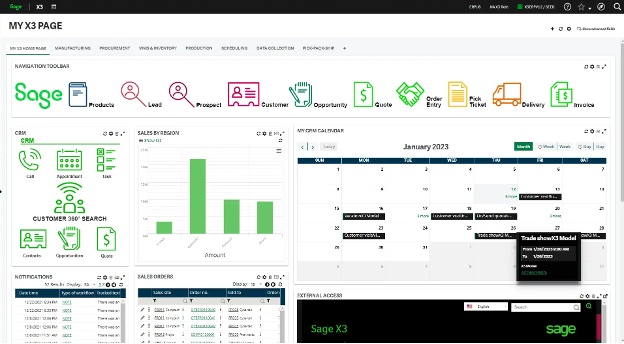
Sage X3 ist eine ERP-Lösung für mittelständische bis große Unternehmen mit Schwerpunkt auf Branchen wie Fertigung, Vertrieb und Dienstleistungen. Sie bietet Werkzeuge zur Verwaltung von Finanzen, Lieferkette und Produktionsprozessen.
Warum es eine gute SAP-ERP-Alternative ist: Sage X3 bietet branchenspezifische Lösungen, die auf die besonderen Anforderungen verschiedener Sektoren zugeschnitten sind, und ermöglicht dadurch einen maßgeschneiderten Ansatz für das ERP-Management. Dank der Skalierbarkeit kann Ihr Team die Software anpassen, wenn Ihr Unternehmen wächst.
Die fortschrittlichen Analyse- und Berichtstools von Sage X3 unterstützen datengestützte Entscheidungen. Dank flexibler Bereitstellungsoptionen können Sie die beste Konfiguration für Ihre Organisation wählen.
Herausragende Funktionen & Integrationen:
Zu den Funktionen gehören eine fortschrittliche Finanzverwaltung, die Ihrem Team hilft, genaue Finanzaufzeichnungen und Budgets zu führen. Außerdem können Sie von den Tools für das Lieferkettenmanagement profitieren, die die Koordination und Effizienz in Ihren Abläufen verbessern. Darüber hinaus bietet Sage X3 Funktionen für das Produktionsmanagement zur Optimierung der Fertigungsprozesse.
Zu den Integrationen gehören Salesforce, Microsoft Office 365 und Google Workspace.
Pros and Cons
Pros:
- Echtzeit-Geschäftsanalysen und zentrales SEI-Analysetool
- Flexible Bereitstellungsoptionen in der Cloud, lokal oder als Hybridlösung
- Fortschrittliche Detailberichtsfunktionen für ein besseres Verständnis von Trends
Cons:
- Begrenzte Dashboards ab Werk
- Die Einrichtung kann zeitaufwendig sein

SYSPRO
Am besten für Fertigung und Vertrieb
Syspro ist eine ERP-Software, die speziell für die Fertigungs- und Vertriebsbranche entwickelt wurde. Sie unterstützt Unternehmen dabei, Betriebsabläufe, Bestände und Lieferketten effektiv zu verwalten.
Warum es eine gute SAP-ERP-Alternative ist: Syspro bietet branchenspezifische Funktionen für die Fertigung und den Vertrieb und unterstützt Ihr Team bei der Verwaltung komplexer Lieferkettenprozesse. Die Echtzeittransparenz bei Beständen und Produktion ermöglicht eine effiziente Ressourcenplanung.
Die Skalierbarkeit von Syspro ermöglicht es Ihnen, sich an veränderte Geschäftsanforderungen anzupassen, ohne dass es zu erheblichen Unterbrechungen kommt. Mit dieser Software kann Ihre Organisation eine bessere betriebliche Kontrolle und Effizienz erreichen.
Herausragende Funktionen & Integrationen:
Zu den Funktionen gehört eine fortschrittliche Bestandsverwaltung, die Ihrem Team dabei hilft, optimale Lagerbestände aufrechtzuerhalten. Sie können außerdem von den Möglichkeiten zur Produktionsplanung profitieren, die eine effiziente Ressourcennutzung gewährleisten. Darüber hinaus verbessern die Supply-Chain-Management-Tools von Syspro die Koordination und Kommunikation in Ihren Betriebsabläufen.
Zu den Integrationen gehören Microsoft Office, Avalara und Vertex.
Pros and Cons
Pros:
- Speziell für Fertigung und Vertrieb entwickelt
- Echtzeittransparenz bei Beständen
- Fortschrittliche Produktionsplanung
Cons:
- Anpassungen verzögern Aktualisierungen
- Veraltete Benutzeroberfläche in einigen Modulen

Epicor
Am besten für KI-gestützte Anwendungen geeignet
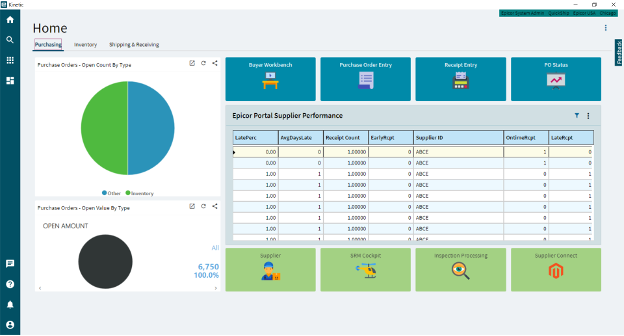
Epicor ist eine Software zur Unternehmensressourcenplanung für Branchen wie Fertigung, Vertrieb, Einzelhandel und Automobilindustrie. Sie richtet sich hauptsächlich an mittelständische bis große Unternehmen, die ihre betriebliche Effizienz steigern und ihre Prozesse optimieren möchten.
Warum es eine gute SAP-ERP-Alternative ist: Epicor überzeugt mit seinen KI-gestützten Anwendungen und bietet fortschrittliche Analysen sowie Echtzeiteinblicke, die Ihrem Team helfen, datengestützte Entscheidungen zu treffen. Die Funktionen zur Fertigungssteuerung stellen sicher, dass Produktionsprozesse optimiert und effizient gestaltet werden.
Die Funktionen der Software für das Lieferkettenmanagement ermöglichen eine bessere Koordination und Kommunikation in Ihrem gesamten Unternehmen. Mit dem Schwerpunkt auf der Steigerung der Produktivität unterstützt Epicor fundierte Entscheidungen und betriebliche Verbesserungen.
Hervorstechende Funktionen & Integrationen:
Zu den Funktionen gehören fortschrittliche Analysen, die Echtzeiteinblicke liefern und Ihrem Team helfen, schnell fundierte Entscheidungen zu treffen. Sie profitieren außerdem von Funktionen zur Fertigungssteuerung, die Produktionsprozesse optimieren. Die Funktionen für das Lieferkettenmanagement können dazu beitragen, Koordination und Kommunikation zu verbessern.
Zu den Integrationen gehören Microsoft Azure, Salesforce, ADP, QuickBooks, Smartsheet und Avalara.
Pros and Cons
Pros:
- Fortschrittliche prädiktive Analyse- und Bestandsprognose-Tools
- KI-gestütztes Lieferketten- und Logistikmanagement
- Moderne, browserbasierte Benutzeroberfläche
Cons:
- Anpassungen können kostspielig sein
- Für fortschrittliche Module und SCM-Funktionen ist eine Schulung erforderlich

IFS
Am besten für das Management des Anlagenlebenszyklus geeignet
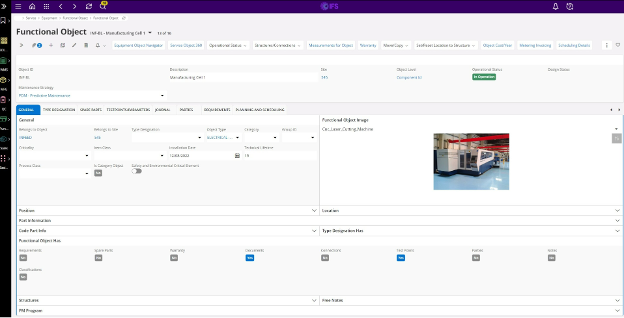
IFS ist eine ERP-Software mit Schwerpunkt auf anlagenintensiven Branchen und bietet Lösungen für Bereiche wie Luft- und Raumfahrt, Verteidigung und Energie. Sie unterstützt Unternehmen dabei, ihre Betriebsabläufe, Wartung und Anlagen effizient zu verwalten.
Warum es eine gute SAP-ERP-Alternative ist: IFS zeichnet sich durch das Management des Anlagenlebenszyklus aus und bietet Tools, mit denen Ihr Team die Anlagenleistung optimieren und Ausfallzeiten reduzieren kann. Die branchenspezifischen Lösungen unterstützen komplexe Wartungsanforderungen und gewährleisten dadurch betriebliche Effizienz.
Die Flexibilität des Tools ermöglicht es Ihnen, Workflows an Ihre geschäftlichen Anforderungen anzupassen. Mit Einblicken in Echtzeit verbessert IFS die Entscheidungsfindung und die betriebliche Kontrolle.
Hervorzuhebende Funktionen & Integrationen:
Funktionen umfassen Projektmanagement-Tools, die Ihrem Team helfen, Projekte effizient zu planen und umzusetzen. Außerdem profitieren Sie von den Funktionen für das Lieferkettenmanagement, die die Koordination in Ihren Betriebsabläufen verbessern. Darüber hinaus unterstützen die Funktionen von IFS für das Finanzmanagement eine fundierte Budgetierung und Finanzplanung.
Integrationen umfassen Microsoft Azure und Amazon Web Services.
Pros and Cons
Pros:
- Proaktive Wartung durch vorausschauende Wartungsstrategien und IoT-Daten
- Automatisierte Wartungs-Workflows
- Mobile Funktionen für Außendiensttechniker
Cons:
- Erfordert eine umfassende Datenintegration, um Erkenntnisse vollständig nutzen zu können
- Lange Implementierungsdauer aufgrund des Umfangs

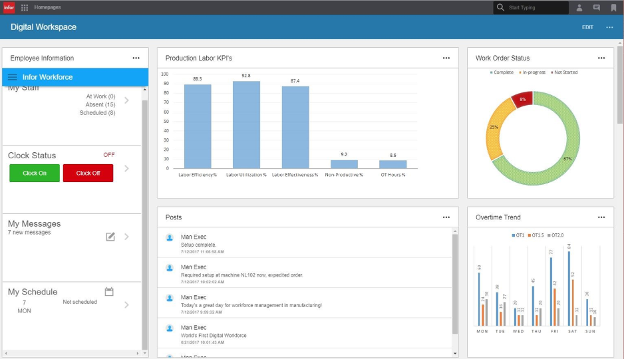
Infor ist eine ERP-Software, die verschiedene Branchen bedient und maßgeschneiderte Lösungen für Bereiche wie Fertigung, Gesundheitswesen und Einzelhandel bietet. Sie wurde für Unternehmen entwickelt, die branchenspezifische Funktionen suchen, welche die betriebliche Effizienz steigern.
Warum es eine gute SAP-ERP-Alternative ist: Infor bietet branchenspezifische Lösungen, die auf die individuellen Anforderungen von Unternehmen zugeschnitten sind, und eignet sich daher ideal für spezialisierte Branchen. Die cloudbasierte Architektur unterstützt Skalierbarkeit und Flexibilität und ermöglicht es Ihrem Team, sich schnell an veränderte Anforderungen anzupassen.
Die Plattform bietet fortschrittliche Analyse- und Berichtstools, um fundierte Entscheidungen zu ermöglichen. Mit ihren branchenorientierten Funktionen kann Infor Ihr Unternehmen dabei unterstützen, seine Ziele schneller zu erreichen.
Hervorstechende Funktionen & Integrationen:
Zu den Funktionen gehören fortschrittliche Analysen, die branchenspezifische Einblicke liefern. Sie können außerdem die cloudbasierte Architektur nutzen, die wachsenden Unternehmen Skalierbarkeit und Flexibilität bietet. Darüber hinaus unterstützen die Berichtstools von Infor datengestützte Entscheidungen.
Zu den Integrationen gehören Microsoft Azure, ADP, Microsoft Office, Shopify, Amazon Web Services, Salesforce, Shopify und DocuSign.
Pros and Cons
Pros:
- Branchenspezifische, KI-gestützte Analysen für kontextbezogene Einblicke
- Rollenbasierte Inhalte, Dashboards und Terminologie
- Integrierte branchenspezifische Vorschriften und Compliance-Anforderungen
Cons:
- Die umfangreichen Branchenlösungen können eine Investition in Schulungen erfordern
- Die Migration von Altsystemen kann zu Leistungseinbußen führen

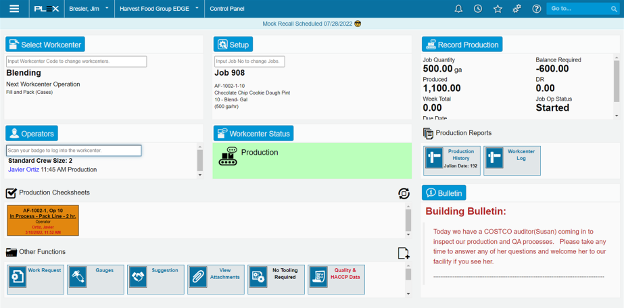
Plex ERP ist eine cloudbasierte ERP-Lösung für Hersteller, die sich auf Produktionsmanagement und die Optimierung der Lieferkette konzentriert. Sie unterstützt Branchen wie die Automobilindustrie, die Luft- und Raumfahrt sowie die Lebensmittel- und Getränkeindustrie.
Warum es eine gute SAP-ERP-Alternative ist: Plex ERP zeichnet sich durch die Integration von Fertigungsprozessen aus und bietet Echtzeittransparenz über Produktions- und Lieferkettenabläufe. Die cloudbasierte Plattform gewährleistet Skalierbarkeit und Flexibilität und passt sich an Ihre sich entwickelnden Geschäftsanforderungen an.
Der Fokus von Plex ERP auf fertigungsspezifische Funktionen hilft dabei, Produktionsabläufe zu optimieren und Ausfallzeiten zu reduzieren. Dank des Echtzeitzugriffs auf Daten kann Ihr Team fundierte Entscheidungen treffen.
Hervorzuhebende Funktionen & Integrationen:
Zu den Funktionen gehören Werkzeuge für das Produktionsmanagement, mit denen Ihr Team Fertigungsprozesse überwachen und optimieren kann. Sie können außerdem von den Funktionen für das Qualitätsmanagement profitieren, die sicherstellen, dass Produkte den Branchenstandards entsprechen. Darüber hinaus bietet Plex ERP Möglichkeiten für das Lieferkettenmanagement, um die Koordination zu verbessern.
Zu den Integrationen gehören Microsoft Azure, Google Cloud, Microsoft Office 365 und Amazon Web Services.
Pros and Cons
Pros:
- Native IIoT-Konnektivität und Nutzung des Plex-Fertigungsleitsystems
- Die Transparenz der Lieferkette erstreckt sich auf Lieferantenportale und Logistikdienstleister
- Fokus auf fertigungsspezifische Funktionen
Cons:
- Begrenzte Funktionen außerhalb der Fertigung
- Berichte benötigen Zeit für die Konfiguration

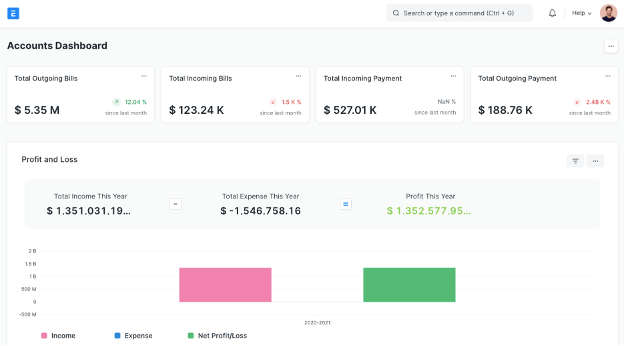
ERPNext ist eine Open-Source-ERP-Lösung für kleine und mittlere Unternehmen in verschiedenen Branchen. Es hilft bei der Verwaltung mehrerer Geschäftsprozesse wie Buchhaltung, Lagerbestand und Personalwesen.
Warum es eine gute SAP-ERP-Alternative ist: ERPNext bietet Open-Source-Flexibilität, sodass Ihr Team die Software anpassen und modifizieren kann, um spezifische Geschäftsanforderungen zu erfüllen. Sein modularer Aufbau unterstützt eine Vielzahl von Funktionen und macht die Lösung für verschiedene Branchen anpassbar.
Die benutzerfreundliche Oberfläche der Plattform ermöglicht eine einfache Navigation und eine schnelle Einführung. Durch seine gemeinschaftsbasierte Entwicklung bietet ERPNext kontinuierliche Verbesserungen und Aktualisierungen.
Herausragende Funktionen & Integrationen:
Zu den Funktionen gehört die Fertigungsverwaltung, mit der Ihr Team Produktionsprozesse überwachen kann. Außerdem können Sie von den Projektmanagement-Tools profitieren, die Planung und Umsetzung unterstützen. Darüber hinaus bietet ERPNext CRM-Funktionen zur Verwaltung von Kundenbeziehungen und Verkäufen.
Zu den Integrationen gehören DropBox, GoogleDrive, Amazon S3, Plaid, Stripe, PayPal, RazorPay, Shopify, WooCommerce, Amazon, Zenoti und Twilio.
Pros and Cons
Pros:
- Open Source und anpassbar
- Modularer Aufbau für verschiedene Branchen
- Gemeinschaftsbasierte Entwicklung
Cons:
- Die Einrichtung erfordert technische Erfahrung
- Ohne Unterstützung durch Entwickler schwer zu skalieren
Weitere SAP-ERP-Alternativen
Hier sind einige weitere SAP-ERP-Alternativen, die es nicht in meine Auswahl geschafft haben, aber dennoch einen Blick wert sind:
- Versa Cloud ERP
Am besten für bestandsorientiertes Design
- Focus ERP
Am besten für Automatisierung und Benutzerfreundlichkeit
- Odoo
Am besten für Open-Source-Anpassungen


So bewerte ich SAP-ERP-Alternativen
Ich teile meine Bewertung in zwei Ebenen auf: Die Grundvoraussetzung, die jeder SAP-Ersatz bieten muss — wie eine vollständige Hauptbuchführung, Multi-Entity-Unterstützung und zentrale ERP-Module — sowie die Merkmale, die die besten Optionen unterscheiden.
Kernfunktionen (Mindestanforderungen für diese Liste)
Wenn ich Tools für meine Liste auswähle, bewerte ich jedes auf einer Skala von 0 (Funktion nicht vorhanden) bis 5 (hervorragend in diesem Bereich) für jede unten aufgeführte Kernfunktion. Anschließend rechne ich die Gesamtpunktzahl jedes Tools in einen Prozentsatz um. Jedes Tool muss mindestens eine Gesamtpunktzahl von 75% erreichen, um berücksichtigt zu werden.
- Hauptbuch und Buchhaltung: Ich prüfe, ob ein vollständiges, doppisches Hauptbuch mit Kreditoren-, Debitoren- und Journalverwaltung vorhanden ist — etwa automatischer Bankabgleich und die Möglichkeit, Buchungen auf verschiedene Abteilungen zu taggen.
- Finanzberichterstattung & Konsolidierung: Jede Plattform sollte GAAP/IFRS-konforme Abschlüsse erstellen und eine Konsolidierung über mehrere Gesellschaften hinweg ermöglichen, wobei Intercompany-Eliminierungen automatisch abgewickelt werden.
- Integrierte ERP-Module: Eine echte SAP-Alternative braucht Module über die Buchhaltung hinaus. Ich achte darauf, dass Beschaffung, Lagerhaltung, Auftragsverwaltung oder Supply Chain in die gleiche Plattform eingebettet sind.
- Multi-Entity- und Mehrwährungsfähigkeit: Globale Teams benötigen automatisierte FX-Neubewertung und Unterstützung für lokale Steuervorschriften. Ich prüfe, wie jede Lösung Tochtergesellschaften in unterschiedlichen Ländern handhabt.
- Budgetierung, Planung & Forecasting: Ich suche nach integrierten FP&A-Tools — also Funktionen für Soll-Ist-Vergleiche, Szenarioplanung und rollierende Forecasts — statt den Zwang zu einer externen Planungssoftware.
- Compliance & Prüfungskontrollen: Hier zählen Audit Trails, rollenbasierter Zugriff und Funktionstrennung. Ich bewerte, wie die Lösung Standards wie SOX und regionale E-Invoicing-Anforderungen unterstützt.
Wenn eine Liste von Tools alle diese Anforderungen erfüllt, betrachte ich die Merkmale, die jede Plattform besonders machen.
Unterscheidungsmerkmale (Was Anbieter unterscheidet)
So vergleiche und differenziere ich verschiedene Anbieter:
Besondere Funktionen
KI-gestützte Automatisierung ist ein großer Pluspunkt. Ich suche Tools, die Rechnungen automatisch abgleichen, Anomalien markieren oder Cashflow-Prognosen ohne manuelle Tabellenarbeit liefern. Auch Funktionen zum Continuous Close sind wichtig — Plattformen wie Sage Intacct und Oracle NetSuite bieten Aufgabenorchestrierung und Automatisierung der Abstimmung, wodurch der Monatsabschluss von Wochen auf Tage verkürzt werden kann. Brancheneditionen sind ebenfalls relevant, da vorgefertigte Kontenrahmen und Abläufe für Fertigung oder Professional Services den Einrichtungsaufwand minimieren.
Über die Funktionen hinaus
Die Gesamtkosten zählen zu meinen ersten Bewertungskriterien. Die Lizenz- und Wartungsstruktur von SAP gilt als besonders komplex, deshalb vergleiche ich, wie transparent die Preisgestaltung jeder Alternative über einen Zeitraum von drei bis fünf Jahren ist. Ebenso wichtig sind die Implementierungszeiten — ich prüfe, ob ein Anbieter SAP-spezifische Migrationswerkzeuge oder zertifizierte Partner hat, die solche Umstellungen bereits begleitet haben. Passgenauigkeit ins Ökosystem rundet das Bild ab: Schnittstellen zu CRM-Systemen, Steuerplattformen wie Avalara oder Vertex und offene APIs bestimmen, wie gut sich eine Plattform in bestehende IT-Landschaften integrieren lässt.
Warum nach einer SAP-ERP-Alternative suchen?
Obwohl SAP ERP eine gute Wahl für ERP-Software ist, gibt es mehrere Gründe, warum manche Nutzer nach alternativen Lösungen suchen. Sie suchen möglicherweise nach einer SAP-ERP-Alternative, weil …
- Sie eine kostengünstigere Option benötigen
- Ihr Team die Software zu komplex findet
- Sie besseren Kundensupport benötigen
- branchenspezifische Funktionen fehlen
- Sie einfachere Anpassungsmöglichkeiten benötigen
- Ihr Unternehmen zu klein für SAP ERP ist
Wenn Sie sich in einem dieser Punkte wiedererkennen, sind Sie hier richtig. Meine Liste enthält mehrere ERP-Softwareoptionen, die besser für Teams geeignet sind, die mit diesen Herausforderungen von SAP ERP konfrontiert sind und nach alternativen Lösungen suchen.
Die wichtigsten Funktionen von SAP ERP
Hier sind einige der wichtigsten Funktionen von SAP ERP, damit Sie die Angebote alternativer Softwarelösungen gegenüberstellen und vergleichen können:
- Finanzverwaltung: Unterstützt Ihr Team dabei, Finanztransaktionen und Berichte mühelos zu verwalten.
- Lieferkettenmanagement: Bündelt Beschaffungs-, Bestands- und Logistikprozesse.
- Personalverwaltung: Unterstützt die Verwaltung von Mitarbeiterdaten, die Gehaltsabrechnung und die Personalbeschaffung.
- Kundenbeziehungsmanagement: Verbessert Kundenservice und Vertriebsprozesse durch die Organisation von Kundendaten.
- Analysen und Berichte: Liefert Erkenntnisse und Datenvisualisierungen für fundierte Entscheidungen.
- Projektmanagement: Unterstützt die effiziente Planung, Durchführung und Überwachung von Projekten.
- Compliance-Management: Stellt die Einhaltung von Branchenvorschriften und -standards sicher.
- Produktionsmanagement: Optimiert Produktionspläne und Betriebsabläufe.
- Vertrieb und Distribution: Erleichtert die Auftragsabwicklung und das Liefermanagement.
- Beschaffungsmanagement: Vereinfacht Aufgaben im Einkauf und Lieferantenmanagement.