

Software zur Verwaltung von Abzügen unterstützt Debitorenbuchhaltungsteams dabei, Kundenabzüge und Rückbelastungen zu identifizieren, zu validieren, anzufechten und zurückzufordern. Die besten Tools automatisieren die Erfassung von Forderungen, den Dokumentenabgleich, die Codierung von Abzügen, Einspruchsprozesse und die Nachverfolgung von Rückforderungen. Sie können außerdem mit ERP-Systemen und Händlerportalen verbunden werden. Ich habe führende Softwarelösungen zur Verwaltung von Debitorenabzügen für verschiedene Branchen, Arbeitsabläufe und Abzugsvolumen bewertet.
Warum Sie unseren Software-Empfehlungen vertrauen können
6,700+
Reviews
20
Industry experts
16+
Evaluation factors
14
Years
Unsere Bewertungen spiegeln unser unabhängiges Urteilsvermögen wider – keine Verkaufsstrategie. Erfahren Sie, wie wir transparent bleiben.
Für diesen Leitfaden haben wir Tools mithilfe von praktischen Tests und unabhängiger Recherche bewertet und dabei unsere Bewertungskriterien angewendet.
Unsere Bewertungen spiegeln unser menschliches redaktionelles Urteilsvermögen wider, keine Verkaufsstrategie.
Vergleichstabelle für Software zur Verwaltung von Abzügen
Diese Vergleichstabelle fasst die Preisdetails meiner Auswahl der besten Softwarelösungen zur Verwaltung von Abzügen zusammen:
| Tool | Best For | Trial Info | Price | ||
|---|---|---|---|---|---|
| 1 | Am besten für Streitfall-Workflows vom Rechnungseingang bis zum Zahlungseingang | Kostenlose Demo verfügbar | Preise auf Anfrage | Website | |
| 2 | Am besten geeignet für das SAP-Rückbelastungsmanagement | Kostenlose Demo verfügbar | Preis auf Anfrage | Website | |
| 3 | Am besten für CPG-Abzüge mit Expertenunterstützung | Kostenlose Demo verfügbar | Preis auf Anfrage | Website | |
| 4 | Am besten für die Erkennung von Minderzahlungen bei der Zahlungseingangszuordnung geeignet | Kostenlose Demo verfügbar | Preis auf Anfrage | Website | |
| 5 | Am besten für die Automatisierung von Workflows zur Verwaltung von CPG-Abzügen geeignet | Kostenlose Demo verfügbar | Preise auf Anfrage | Website | |
| 6 | Am besten für KI-gestützte Abzugs-Workflows geeignet | Kostenlose Demo verfügbar | Preise auf Anfrage | Website | |
| 7 | Am besten geeignet für KI-gestützte Validierung von Abzügen | Kostenlose Demo verfügbar | Preis auf Anfrage | Website | |
| 8 | Am besten für die autonome Bearbeitung von Abzügen geeignet | Kostenlose Demo verfügbar | Preis auf Anfrage | Website | |
| 9 | Am besten für die Automatisierung von Forderungseinreichungen über Händlerportale geeignet | Kostenlose Demo verfügbar | Preis auf Anfrage | Website | |
| 10 | Am besten für die ausgelagerte Umsatzrückgewinnung im Einzelhandel | Kostenlose Demo verfügbar | Preis auf Anfrage | Website |


Bewertungen der besten Software zur Verwaltung von Abzügen
Hier finden Sie meine ausführlichen Zusammenfassungen der besten Softwarelösungen zur Verwaltung von Abzügen, die es in meine Auswahlliste geschafft haben. Meine Bewertungen bieten einen detaillierten Überblick über die Funktionen, Möglichkeiten und Integrationen jeder Plattform, damit Sie die beste Lösung für Ihre Anforderungen finden.
 Am besten für Streitfall-Workflows vom Rechnungseingang bis zum Zahlungseingang
- Kostenlose Demo verfügbar
- Preise auf Anfrage
Visit WebsiteCustomer Rating:4.5/5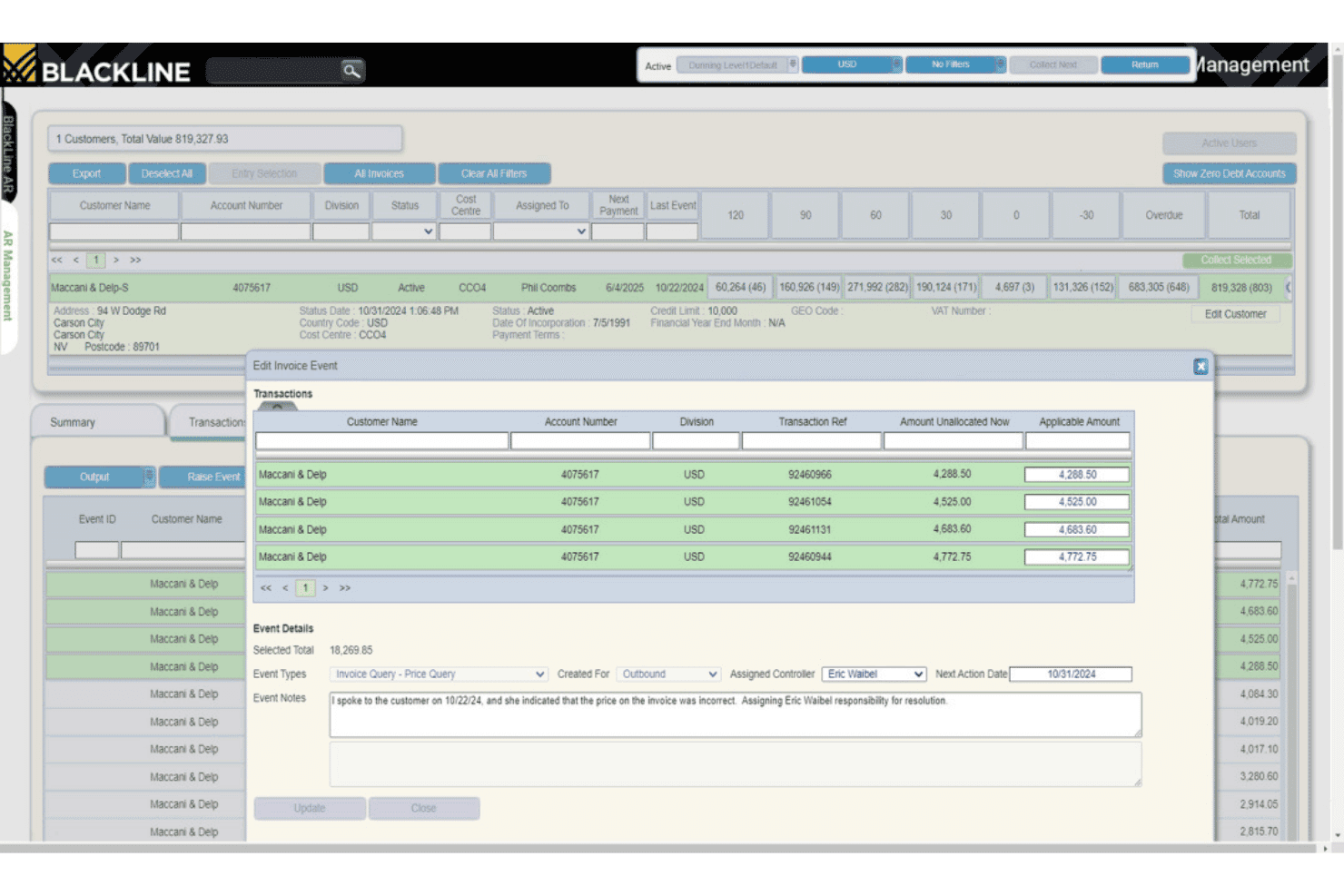
Mit BlackLine können Benutzer Rechnungsstreitfälle protokollieren und zur Lösung zuweisen. Die Verwaltung von Streitfällen & Abzügen von BlackLine ist ein Unternehmensmodul für die Debitorenbuchhaltung, das automatisierte Streitfall-Workflows, KI-gestützte Anspruchszusammenfassungen, SLA-Überwachung und eine in das ERP integrierte Dokumentationsverwaltung innerhalb einer umfassenderen Plattform vom Rechnungseingang bis zum Zahlungseingang kombiniert.
Für wen ist BlackLine am besten geeignet?
BlackLine eignet sich für Finanzteams im mittleren Marktsegment bis hin zu Großunternehmen, die ein hohes Volumen an Rechnungsstreitigkeiten innerhalb einer bestehenden ERP-Umgebung verwalten und SLA-gesteuerte Workflows mit vollständigen Prüfpfaden benötigen.
Warum ich BlackLine ausgewählt habe
Ich habe BlackLine als eine der besten Lösungen ausgewählt, weil die Streitfall-Workflow-Engine auf messbaren Lösungszyklen und nicht nur auf der Aufgabenverfolgung basiert. Mir gefällt besonders, wie Verity Summarize mithilfe von KI komplexe Streitfälle sofort aufschlüsselt und gezielte nächste Schritte aufzeigt, wodurch sich der Zeitaufwand für die manuelle Prüfung von Rechnungshistorien reduziert. Die SLA-Messschicht ist direkt mit der Berichterstattung zu überfälligen Forderungen und Rückstellungen verknüpft, sodass ich genau sehen kann, wo Streitfälle ins Stocken geraten und welche die Liquidität gefährden.
Wichtige Funktionen von BlackLine
- ERP- und CRM-Integration: Synchronisiert Abzugs- und Streitfalldaten direkt mit unterstützten ERP- und CRM-Plattformen.
- Prüfbereite Dokumentationsverwaltung: Zentralisiert sämtliche Belege und fügt sie für Compliance-Zwecke dem jeweiligen Streitfall hinzu.
- KPI- und SLA-Überwachung: Verfolgt die Dauer von Streitfallzyklen und Lösungsquoten anhand von Service-Level-Vereinbarungen.
- Rollenbasierte Workflow-Steuerung: Weist Benutzerzugriffe und Genehmigungsbefugnisse in Debitorenbuchhaltung, Vertrieb und Finanzteams zu, beschränkt und verwaltet sie.
BlackLine-Integrationen
BlackLine bietet native Integrationen mit SAP, Oracle, NetSuite, Microsoft Dynamics 365, Salesforce und Workday. Für benutzerdefinierte Integrationen ist außerdem eine API verfügbar.
Pros and Cons
Pros:
- SLA-gesteuerte Streitfallverfolgung mit messbaren Lösungszyklen
- KI-Zusammenfassungen reduzieren den Zeitaufwand für die manuelle Rechnungsprüfung
- Ein umfassender Prüfpfad unterstützt die SOX-Compliance-Anforderungen
Cons:
- Nicht speziell für CPG-Abzugs-Workflows entwickelt
- Die Implementierung erfordert in der Regel eine erhebliche Beteiligung von IT-Ressourcen
Learn more about BlackLine: Am besten geeignet für das SAP-Rückbelastungsmanagement
- Kostenlose Demo verfügbar
- Preis auf Anfrage
Visit WebsiteCustomer Rating:4.3/5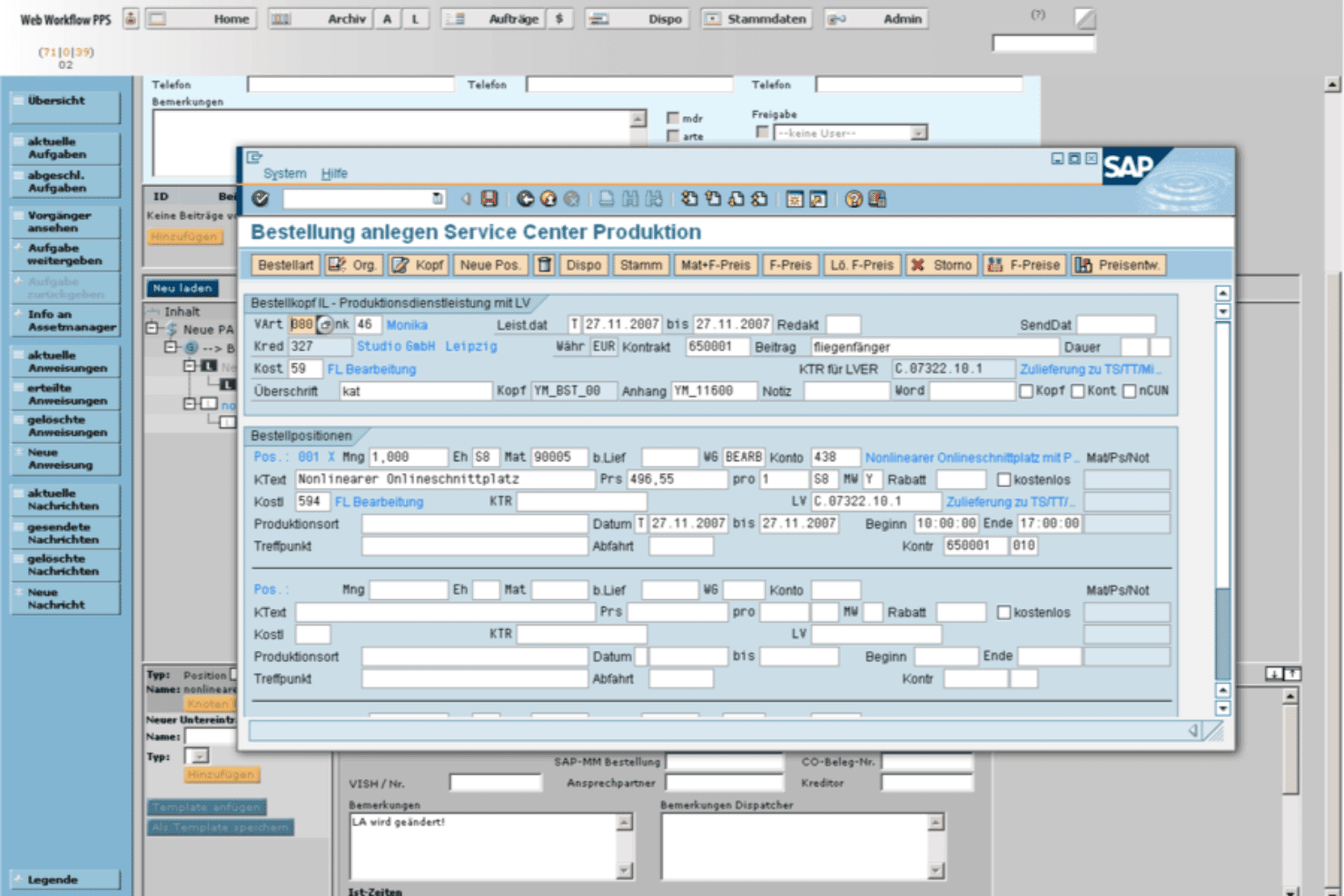
Vistex ermöglicht die strukturierte Erstellung von Serviceaufträgen innerhalb von SAP-Arbeitsabläufen. Vistex ist eine in SAP integrierte Plattform für Rückbelastungs- und Forderungsmanagement, die die Initiierung von Forderungen, die Klassifizierung nach Ursachencodes, die Abstimmung, Rückstellungen und die Abwicklung übernimmt – direkt in SAP-S/4HANA- und ECC-Umgebungen eingebettet.
Für wen ist Vistex am besten geeignet?
Vistex eignet sich besonders für große Unternehmen in der Konsumgüterindustrie, im produzierenden Gewerbe oder im Vertrieb, die bereits SAP S/4HANA oder ECC einsetzen und große Mengen an Rückbelastungen verwalten.
Warum ich Vistex ausgewählt habe
Vistex hat sich einen Platz auf meiner engeren Auswahl verdient, weil es so tief in SAP S/4HANA für das Rückbelastungsmanagement eingebettet ist. Mir gefällt, dass die Lösung den gesamten Lebenszyklus einer Forderung von der Initiierung über die Abstimmung bis zur Abwicklung abdeckt, ohne eine separate Datenintegrationsschicht zu erfordern. Die automatisierten Rückstellungs- und Simulationsfunktionen ermöglichen es meinem Team außerdem, die Kostenerstattung zu prognostizieren, bevor Forderungen eingereicht werden. Eine solche Transparenz vor der Forderungseinreichung ist bei einer direkt in SAP integrierten Lösung wirklich schwer zu finden.
Wichtige Funktionen von Vistex
- Direkte SAP-Abwicklungsprozesse: Direkt in SAP S/4HANA und ECC eingebettet für die durchgängige Forderungsbearbeitung und finanzielle Abstimmung.
- Regelbasierte Kategorisierung von Abzügen: Klassifiziert Gebühren und Abzüge mithilfe anpassbarer Geschäftsregeln, die an Vertragsbedingungen und Vereinbarungsstrukturen gekoppelt sind.
- Rückstellungs- und Prognosefunktionen: Unterstützt die Rückstellungsverwaltung in Echtzeit und prädiktive Modelle für bevorstehende Kostenerstattungen.
- Detaillierte Prüfspur: Erfasst eine detaillierte Historie von Forderungen, Abwicklungen und Anpassungen für die Einhaltung von Vorschriften und Finanzkontrollzwecke.
Integrationen von Vistex
Vistex ist in SAP-S/4HANA- und ECC-Umgebungen eingebettet und bietet direkte Integrationen mit zentralen SAP-Modulen. Für kundenspezifische Integrationen ist eine API verfügbar.
Pros and Cons
Pros:
- Direkte SAP-Abwicklung ohne Zwischenschicht von Drittanbietern
- Vollständige Nachverfolgung des Forderungslebenszyklus innerhalb von SAP
- Leistungsstarke Rückstellungsverwaltung zur Kostenerstattung
Cons:
- Nicht für Umgebungen ohne SAP geeignet
- Lange Implementierungszeiten bei Einsatz in Großunternehmen
Learn more about Vistex: Am besten für CPG-Abzüge mit Expertenunterstützung
- Kostenlose Demo verfügbar
- Preis auf Anfrage
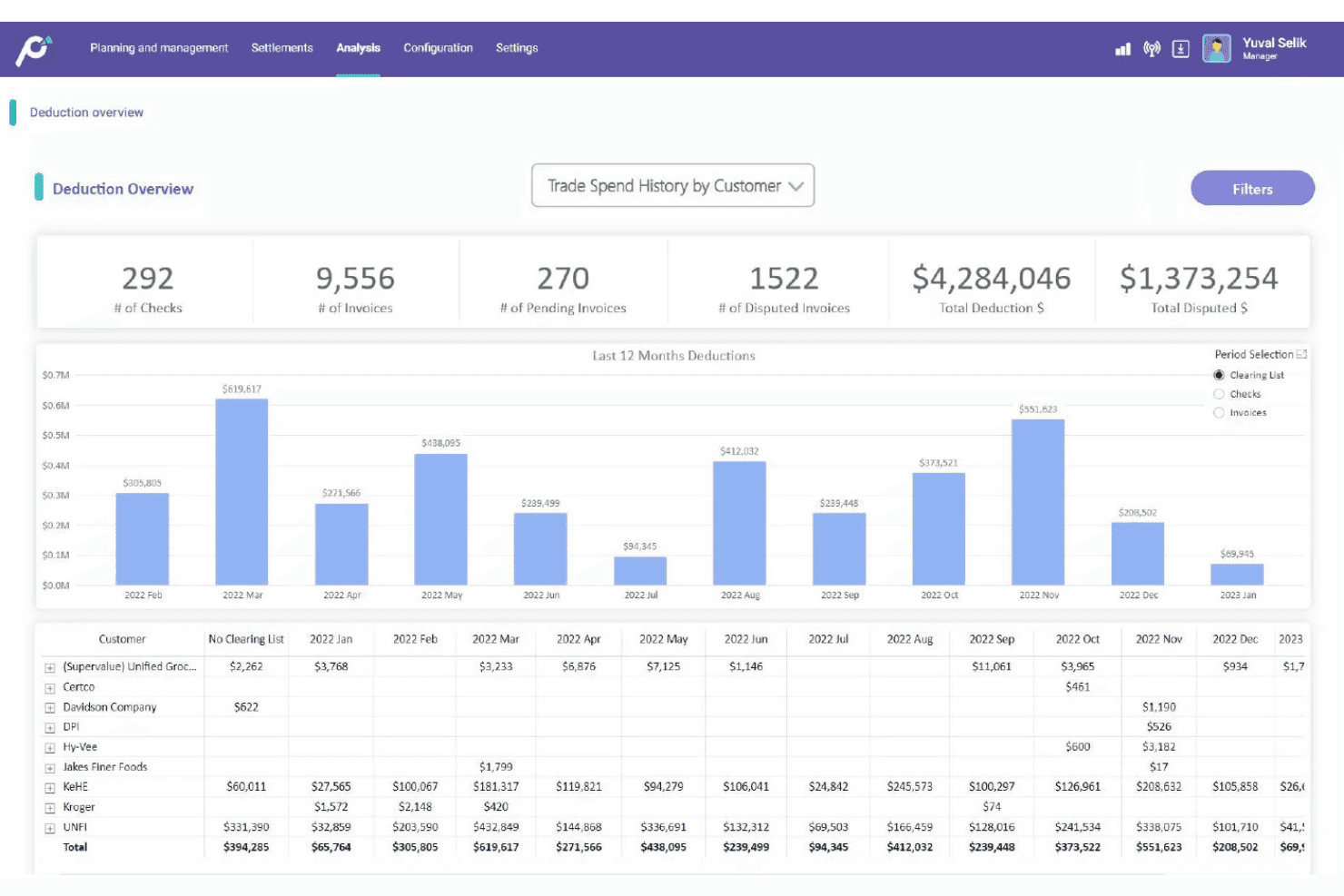
Promomash verfolgt die Abzüge von Handelsausgaben nach Kunden über einen bestimmten Zeitraum. Promomash ist eine auf CPG fokussierte Plattform für das Abzugsmanagement, die die KI-gestützte Erfassung, Kodierung, Validierung und Rückforderung von Abzügen mit einem Team engagierter Spezialisten kombiniert, die den gesamten Abzugslebenszyklus in Ihrem Namen verwalten.
Für wen ist Promomash am besten geeignet?
Promomash eignet sich hervorragend für wachsende CPG-Marken, die über große Einzelhändler und Distributoren verkaufen, aber kein eigenes internes Team für das Abzugsmanagement haben.
Warum ich Promomash ausgewählt habe
Promomash gehört zu meinen Favoriten, weil die Plattform die beiden zeitaufwendigsten Bereiche des Abzugsmanagements besonders gut bewältigt: Kodierung und Anfechtung. Ich schätze besonders, dass die Plattform einen proprietären Katalog mit Begründungscodes verwendet, der speziell für CPG-Einzelhändler und -Distributoren entwickelt wurde. Dadurch werden Abzüge von Walmart, KEHE und UNFI ohne manuelle Eingriffe korrekt kategorisiert. Wenn ein ungültiger Abzug angefochten werden muss, übernimmt das CPGenius-Team die Erstellung des Falls und reicht ihn in Ihrem Namen ein.
Die wichtigsten Funktionen von Promomash
- Integrationen mit Einzelhändlern und Distributoren: Direkte Verbindung zu führenden Portalen wie Walmart, Target, Amazon, UNFI und KEHE zur Aggregation von Abzugsdaten.
- Erweiterung für Zahlungseingänge: Ordnet Bankzahlungen offenen Rechnungen zu und synchronisiert Zahlungsaktivitäten mit Ihrem ERP-System.
- Übersicht für Abzugsanalysen: Bietet Echtzeit-Übersichten zur Überwachung des Abzugsstatus, von Trends und Aufschlüsselungen der zugrunde liegenden Ursachen.
- Zuordnung von Werbeaktionen zu Abzügen: Verknüpft Abzüge automatisch mit bestimmten Handelswerbeaktionen, um eine ordnungsgemäße Validierung und Abwicklung zu gewährleisten.
Promomash-Integrationen
Promomash bietet native Integrationen mit NetSuite, QuickBooks, Sage Intacct, Microsoft Dynamics 365, Walmart Retail Link, Target Partners Online, Amazon Vendor Central, UNFI und KEHE. Für individuelle Integrationen steht eine API zur Verfügung.
Pros and Cons
Pros:
- Verwaltete Anfechtungsservices reduzieren den internen Arbeitsaufwand für die Debitorenbuchhaltung
- Die CPG-spezifische Bibliothek mit Begründungscodes verbessert die Genauigkeit der Kodierung
- Deckt sowohl Abzüge aus Handelsgeschäften als auch andere Abzugsarten ab
Cons:
- Begrenzte Eignung für Branchen außerhalb von CPG und dem Lebensmittelhandel
- Für die Anpassung von Berichten ist die Unterstützung des Supportteams erforderlich
Learn more about Promomash: Am besten für die Erkennung von Minderzahlungen bei der Zahlungseingangszuordnung geeignet
- Kostenlose Demo verfügbar
- Preis auf Anfrage
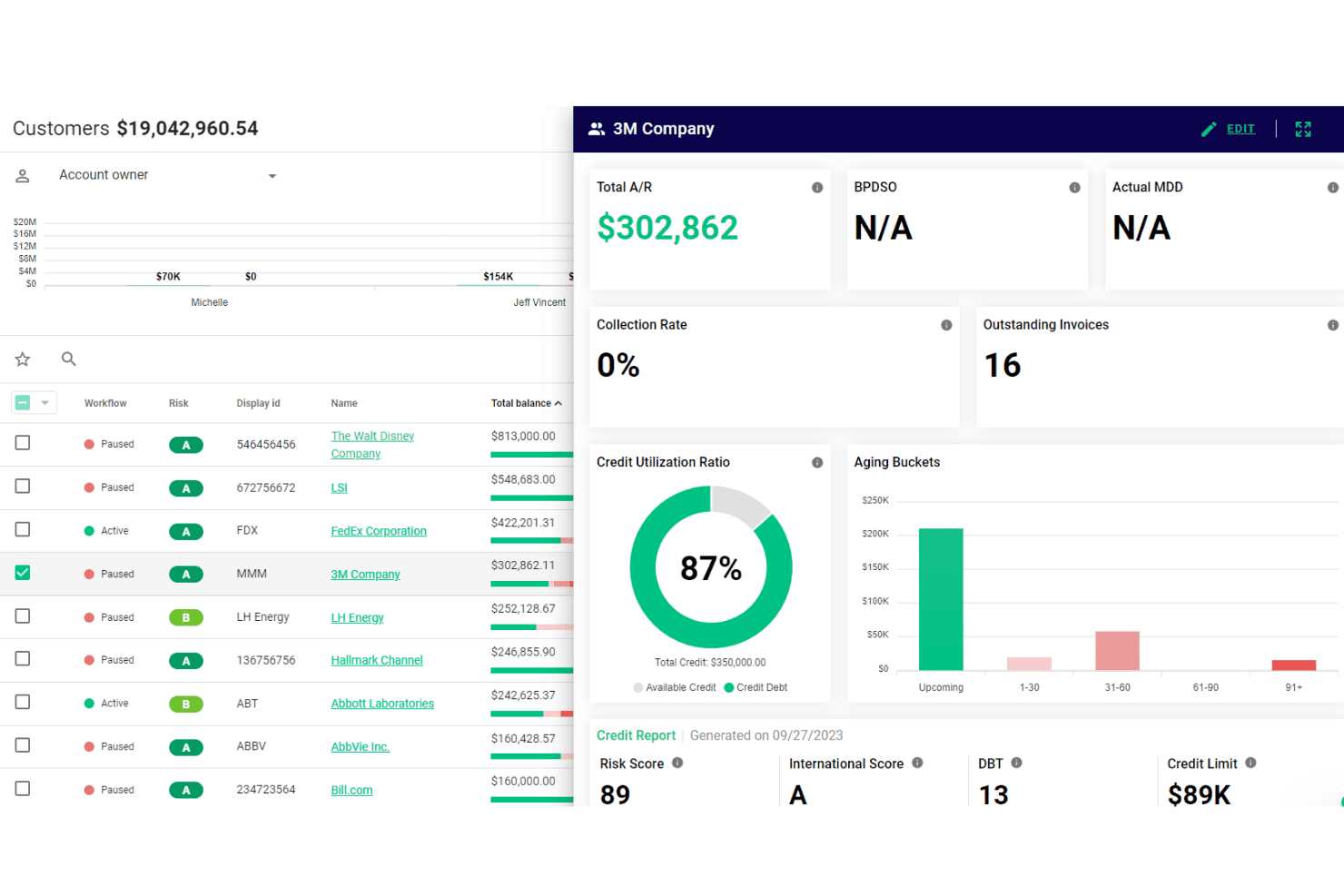
Cforia zeigt Kundenrisikobewertungen und die Altersstruktur der Debitorenbuchhaltung in einer Ansicht. Cforia ist eine Automatisierungsplattform für den Auftrag-bis-Zahlung-Prozess in der Debitorenbuchhaltung mit Modulen für Zahlungseingangszuordnung, Forderungsmanagement, integrierte Streitfallklärung und Abzugsverfolgung auf Basis der Erkennung von Minderzahlungen.
Für wen ist Cforia am besten geeignet?
Cforia eignet sich gut für Teams in der Debitorenbuchhaltung und im Forderungsmanagement von Unternehmen, die große Mengen an Kundenzahlungen verarbeiten und eine automatisierte Erkennung von Minderzahlungen benötigen, die in ihren Workflow zur Zahlungseingangszuordnung integriert ist.
Warum ich Cforia ausgewählt habe
Ich habe Cforia als eine der besten Lösungen ausgewählt, weil das Modul zur Zahlungseingangszuordnung Minderzahlungen bereits bei der Zahlungszuordnung erkennt und nicht erst bei einem manuellen Nachbearbeitungsschritt. Wenn eine Zahlungsaviso mit einem Fehlbetrag eingeht, kennzeichnet Cforia sie automatisch und erstellt gleichzeitig einen Abzugs- und Streitfalldatensatz. Außerdem gefällt mir die Funktion zur automatischen Kundenverknüpfung, die Zahlungen über Hierarchien von übergeordneten und untergeordneten Konten hinweg zuordnet, sodass Konten mit mehreren Gesellschaften keine falschen Abzugskennzeichnungen erzeugen.
Die wichtigsten Funktionen von Cforia
- Integriertes Streitfallmanagement: Ermöglicht Teams, Abzugsstreitfälle direkt innerhalb der Plattform zu erfassen, zu verfolgen und zu lösen.
- Automatische Kundenverknüpfung und -zuordnung: Verknüpft Zahlungen und offene Rechnungen über Strukturen mit übergeordneten und untergeordneten Konten hinweg, um eine genaue Erfassung von Abzügen zu gewährleisten.
- Echtzeit-Dashboards für die Debitorenbuchhaltung: Bietet Teams der Debitorenbuchhaltung konfigurierbare Dashboards zur Überwachung des Abzugsstatus, des Aktivitätsverlaufs und von Leistungskennzahlen.
- Datenimport aus mehreren Quellen: Unterstützt den Import von Zahlungsaviso-, Zahlungs- und Minderzahlungsdaten aus Banken, Lockbox-Dateien und ERP-Systemen.
Integrationen von Cforia
Native Integrationen sind nicht eindeutig dokumentiert. Cforia bietet eine API für benutzerdefinierte Integrationen und kann über eine kundenspezifische Einrichtung mit ERP-Systemen verbunden werden.
Pros and Cons
Pros:
- Die Erkennung von Minderzahlungen ist in die Zahlungseingangszuordnung integriert
- Verarbeitet komplexe Strukturen mit übergeordneten und untergeordneten Konten
- Streitfalldatensätze werden bei der Kennzeichnung automatisch erstellt
Cons:
- Die Implementierung kann mehrere Monate dauern
- Für die Anpassung von Berichten ist die Unterstützung des Anbieters erforderlich
Learn more about Cforia: Am besten für die Automatisierung von Workflows zur Verwaltung von CPG-Abzügen geeignet
- Kostenlose Demo verfügbar
- Preise auf Anfrage
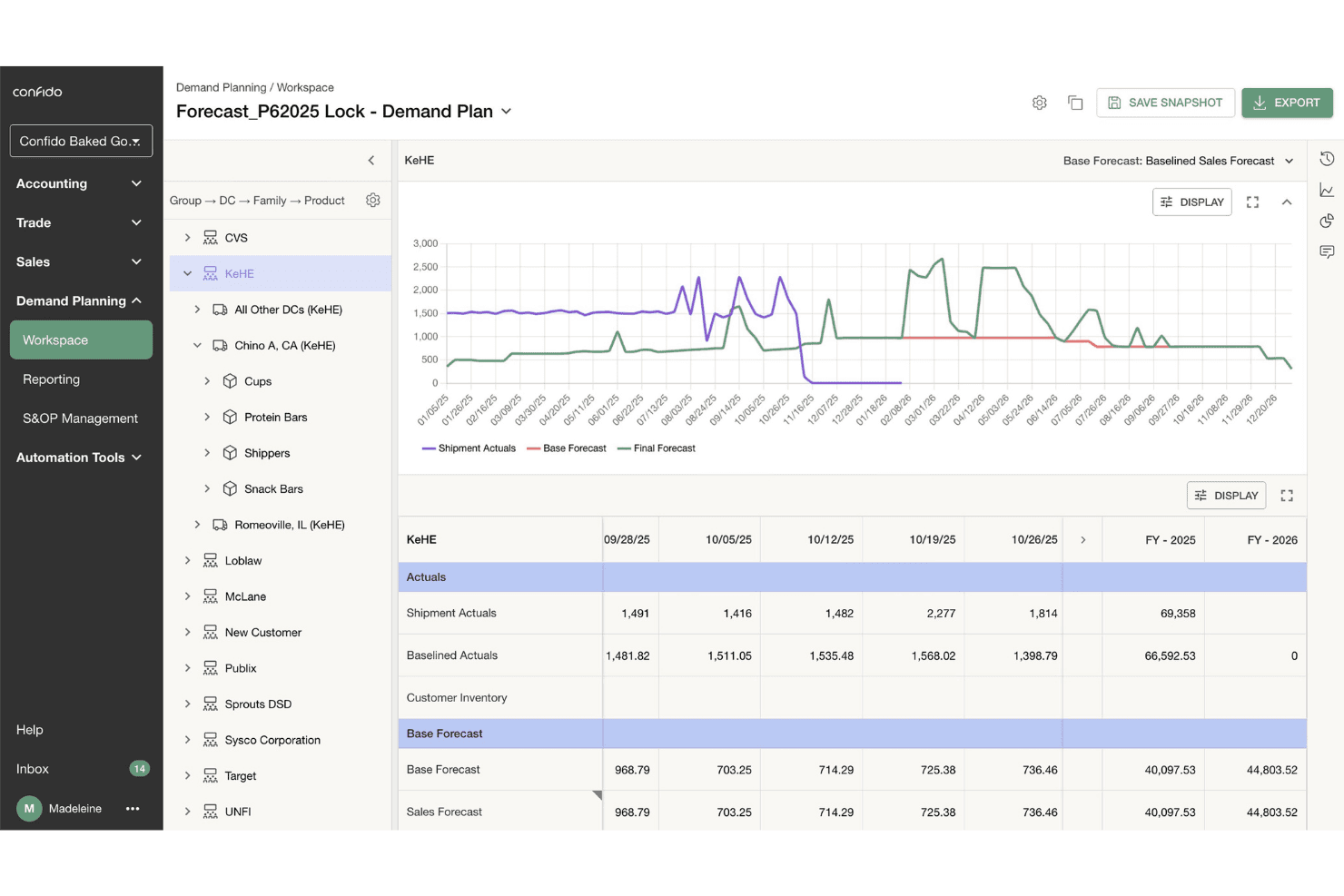
Confido ermöglicht es Benutzern, die Nachfrage mithilfe visueller Diagramme und wöchentlicher Daten zu prognostizieren. Confido ist eine Plattform zur Verwaltung von Abzügen, die speziell für CPG-Marken entwickelt wurde und die automatisierte Erfassung von Abzügen, KI-gestützte Klassifizierung, Workflows zur Einreichung von Beanstandungen sowie direkte Integrationen mit großen Einzelhändlern, Distributoren und ERP-Systemen kombiniert.
Für wen ist Confido am besten geeignet?
Confido eignet sich besonders für Debitorenbuchhaltungs- und Finanzteams von CPG-Marken, die über den stationären Einzelhandel verkaufen und regelmäßig eine große Anzahl von Abzügen großer Einzelhändler und Distributoren verwalten.
Warum ich Confido ausgewählt habe
Ich habe Confido als eine der besten Lösungen ausgewählt, weil der automatisierte Workflow für Abzüge speziell auf die Interaktion von CPG-Marken mit großen Einzelhändlern zugeschnitten ist. Mir gefällt, dass das System automatisch Abzüge kennzeichnet, die außerhalb genehmigter Vereinbarungen liegen, sodass mein Team Beanstandungen priorisieren kann, ohne jede einzelne Position manuell prüfen zu müssen. Der Genehmigungsworkflow leitet Abzüge direkt an die richtigen Ansprechpartner in den Finanz-, Vertriebs- und Maklerteams weiter und reduziert dadurch den Abstimmungsaufwand, der die Bearbeitung verzögert.
Wichtige Funktionen von Confido
- Automatisierte Extraktion von Nachweisdokumenten: Confido extrahiert automatisch Rechnungen, Abzüge und Zahlungsavisedetails aus E-Mails und Portalen von Einzelhändlern.
- Abgleich von Abzügen aus Handelsaktionen: Das System ordnet Abzüge mithilfe integrierter Konnektoren für Handelsdaten bestimmten Werbeaktionen oder Vereinbarungen zu.
- ERP- und Einzelhändlerintegrationen über mehrere Kanäle: Die Plattform verbindet sich mit NetSuite, QuickBooks, SAP, Sage, Microsoft Dynamics 365 und über 40 Einzelhändlerportalen.
- Rollenbasierte Genehmigungsworkflows: Abzugspositionen werden mit konfigurierbaren, teamspezifischen Berechtigungen und zentralisierten Diskussionsthreads zugewiesen, eskaliert und nachverfolgt.
Integrationen von Confido
Confido bietet native Integrationen mit NetSuite, QuickBooks, SAP, Sage, Microsoft Dynamics 365, Walmart, Kroger, Target, KeHE, UNFI und Meijer. Für individuelle Integrationen steht eine API zur Verfügung.
Pros and Cons
Pros:
- Ordnet Abzüge automatisch direkt Werbeaktionen und Begründungscodes zu
- Skaliert von kleinen, schlanken Teams bis hin zu größeren Marken
- SOC 2-zertifiziert für Finanz- und Einzelhändlerdaten
Cons:
- Speziell für CPG entwickelt, nicht für andere Branchen
- Preise und Benchmarks zum ROI sind nicht öffentlich verfügbar
Learn more about Confido: Am besten für KI-gestützte Abzugs-Workflows geeignet
- Kostenlose Demo verfügbar
- Preise auf Anfrage
Visit WebsiteCustomer Rating:4.5/5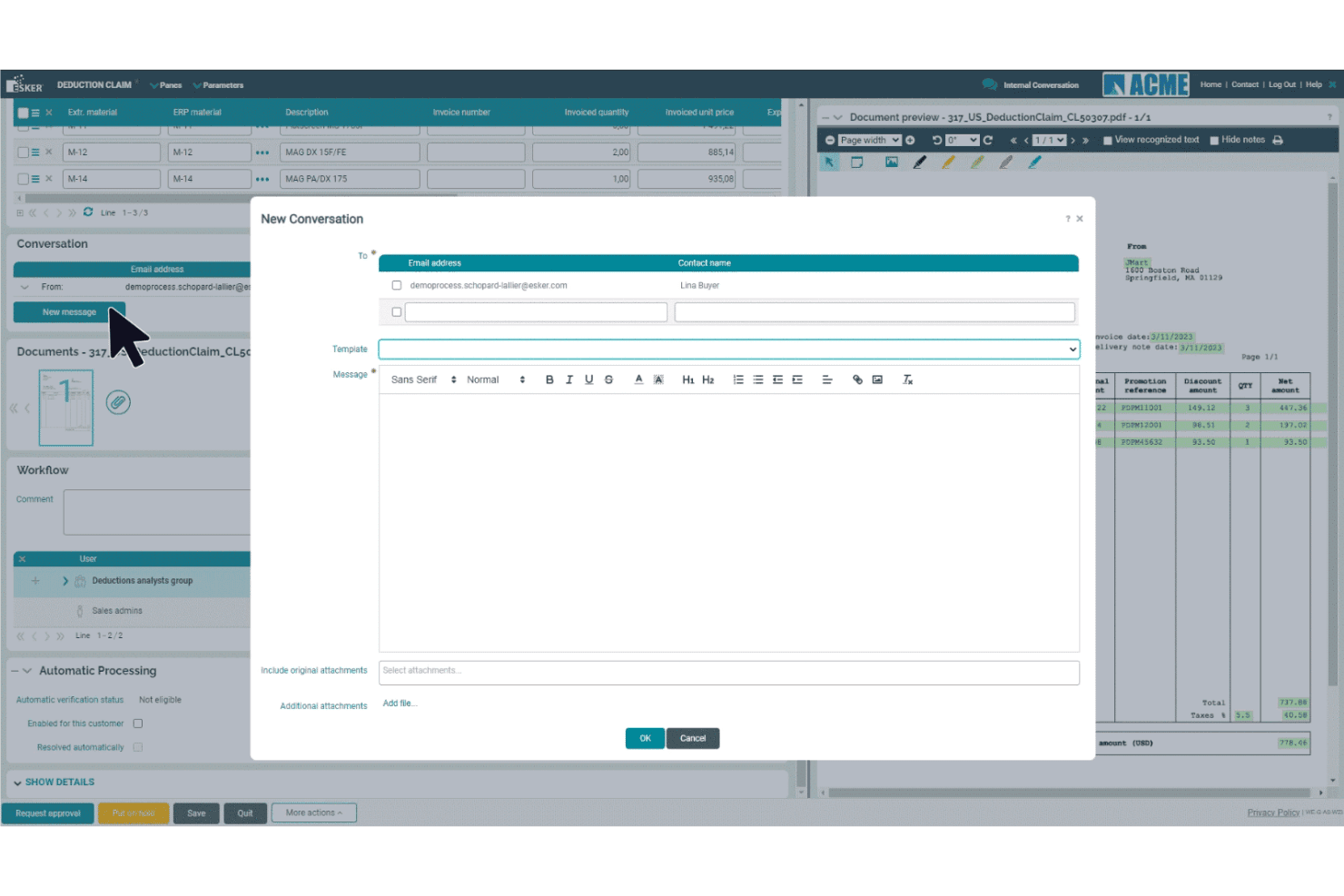
Mit Esker können Benutzer interne Unterhaltungen direkt aus einem Abzugsfall heraus senden. Esker ist eine cloudbasierte AR-Automatisierungsplattform mit einem Modul zur Verwaltung von Abzügen, das KI-Datenerfassung, RPA-Dokumentenabruf und konfigurierbare Workflows nutzt, um sowohl Handels- als auch Nichthandelsabzüge von Kunden zu bearbeiten.
Für wen eignet sich Esker am besten?
Esker eignet sich besonders für mittelständische und große Hersteller, Konsumgüterunternehmen sowie Lebensmittel- und Getränkeunternehmen, die ein hohes Volumen an Handels- und Nichthandelsabzügen von Kunden bearbeiten.
Warum ich Esker ausgewählt habe
Esker gehört zu den besten Lösungen auf meiner Auswahlliste, weil Esker Synergy AI den aufwendigsten Teil der Abzugsbearbeitung übernimmt. Mir gefällt, dass die Lösung Abzüge aus Zahlungsavisen, Belastungsanzeigen und Werbungsrechnungen automatisch extrahiert und in Handels- oder Nichthandelskategorien klassifiziert. RPA-Bots rufen unterstützende Dokumente wie PODs und BOLs direkt aus den Portalen von Einzelhändlern ab. Die KI lernt außerdem im Laufe der Zeit aus den Korrekturen der Analysten, wodurch sich die Genauigkeit der automatischen Codierung mit zunehmender Nutzung verbessert.
Wichtige Funktionen von Esker
- Workflow-Konfiguration auf mehreren Ebenen: Richten Sie individuelle Genehmigungsprozesse nach Abzugstyp und Wert ein und beziehen Sie Teams aus Debitorenbuchhaltung, Vertrieb und Lieferkette ein.
- RPA-gestützter Dokumentenabruf: Automatisieren Sie die Beschaffung unterstützender Dokumente direkt aus Portalen von Einzelhändlern und Spediteuren.
- Integriertes Analyse-Dashboard für die Debitorenbuchhaltung: Überwachen Sie wichtige Leistungskennzahlen wie DDO, das Alter von Abzügen und Aufschlüsselungen der Ursachen in Echtzeit in einer einzigen Ansicht.
- Salesforce-Integration: Synchronisieren Sie Daten zu Abzugsfällen und arbeiten Sie über eine direkte API-Verbindung mit Vertriebsteams zusammen.
Esker-Integrationen
Esker bietet native Integrationen mit SAP, Oracle, Microsoft Dynamics 365, NetSuite, Sage, Salesforce und QuickBooks sowie eine API für benutzerdefinierte Integrationen.
Pros and Cons
Pros:
- Die Genauigkeit der automatischen Codierung verbessert sich durch Korrekturen der Analysten
- Bearbeitet sowohl Handels- als auch Nichthandelsabzüge
- Echtzeittransparenz bei DDO und dem Alter von Abzügen
Cons:
- Die Implementierungsdauer kann sich über mehrere Monate erstrecken
- Die vollständige Konfiguration erfordert dedizierte Unterstützung durch einen Administrator
Learn more about Esker: Am besten geeignet für KI-gestützte Validierung von Abzügen
- Kostenlose Demo verfügbar
- Preis auf Anfrage
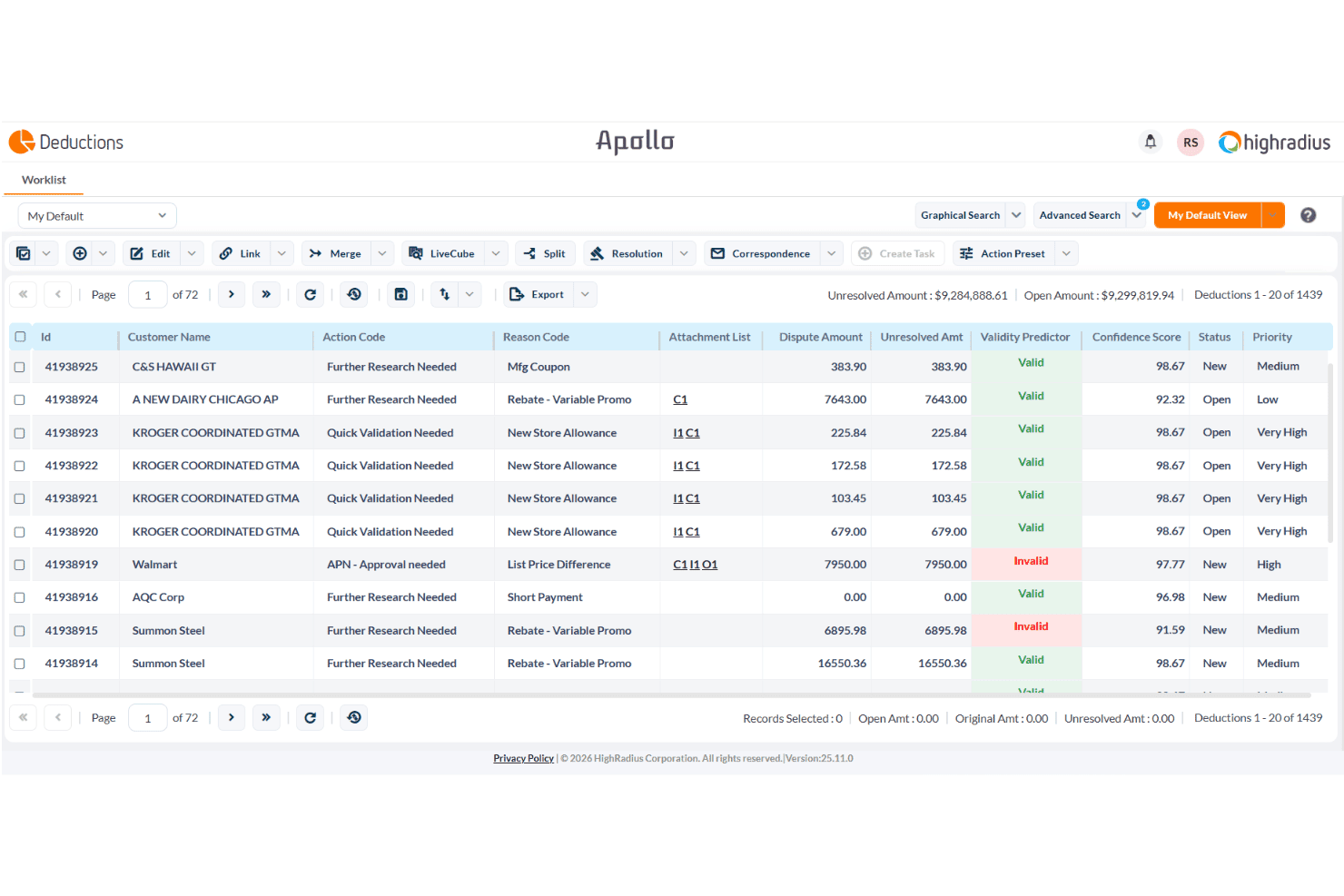
HighRadius unterstützt Benutzer dabei, Abzüge mithilfe von KI-basierten Gültigkeitsprognosen zu verwalten und zu priorisieren. HighRadius ist eine KI-gestützte Plattform zur Verwaltung von Abzügen, die die Erfassung von Forderungen aus Händlerportalen, den Abgleich von Belegdokumenten, die Kodierung von Abzügen und die Arbeitsabläufe zur Bearbeitung von Streitfällen in Debitorenteams automatisiert.
Für wen ist HighRadius am besten geeignet?
HighRadius eignet sich besonders für Debitorenteams in Unternehmen aus der Konsumgüterindustrie, der Lebensmittel- und Getränkeindustrie sowie dem verarbeitenden Gewerbe, die große Mengen an Abzügen aus Händlerportalen bearbeiten.
Warum ich HighRadius ausgewählt habe
HighRadius gehört zu den besten Lösungen auf meiner Auswahlliste, weil die Funktion zur Vorhersage der Gültigkeit von Abzügen eine KI-basierte Konfidenzbewertung verwendet, um zu kennzeichnen, ob ein Abzug gültig oder ungültig ist, bevor ihn jemand manuell prüft. Besonders gut gefällt mir, dass der Agent zum Herunterladen von Forderungen aus Portalen automatisch durch wichtige Händlerportale wie Amazon und Kroger navigiert, um Forderungsdokumente direkt abzurufen und die wiederholten Portal-Anmeldungen zu vermeiden. Der Agent zum Abgleich von Handelsaktionen gleicht diese Forderungen anschließend mit SAP-TPM-Daten und Verkaufsdaten am Point of Sale ab, um eine mehrfache Validierung zu ermöglichen.
Wichtige Funktionen von HighRadius
- Analyse von Fehlmengenabweichungen: Führt Zustellnachweise und Transporteurdokumente zusammen, um Forderungen zur Validierung mit Fehlmengen zu verknüpfen.
- Priorisierung der Arbeitsliste: Erstellt KI-gestützte, dynamische Listen, um Aufgaben zur Untersuchung von Abzügen in Debitorenteams zu organisieren und zuzuweisen.
- Hochladen ungültiger Forderungen und Streitfallmanagement: Erstellt automatisch Streitfallunterlagen mit Anhängen und übermittelt sie an Händlerportale.
- Verknüpfung von Belegdokumenten zu Abzügen: Ordnet automatisch alle relevanten Belegdokumente jedem offenen Abzugsdatensatz zu und fügt sie an.
Integrationen von HighRadius
HighRadius bietet native Integrationen mit SAP-, Oracle-, NetSuite-, Microsoft-Dynamics-365-, QuickBooks- und Sage-ERP-Systemen sowie eine API für kundenspezifische Integrationen.
Pros and Cons
Pros:
- KI-basierte Gültigkeitsbewertung vor Beginn der manuellen Prüfung
- Automatische Navigation durch Händlerportale zum Abrufen von Forderungsdokumenten
- Mehrfacher Abgleich von Handelsaktionen mit TPM-Daten
Cons:
- Lange Implementierungszeiten bei Bereitstellungen in Großunternehmen
- Die Anpassung von Berichten erfordert Unterstützung durch die IT-Abteilung oder den Anbieter
Learn more about HighRadius: Am besten für die autonome Bearbeitung von Abzügen geeignet
- Kostenlose Demo verfügbar
- Preis auf Anfrage
Visit WebsiteCustomer Rating:3.5/5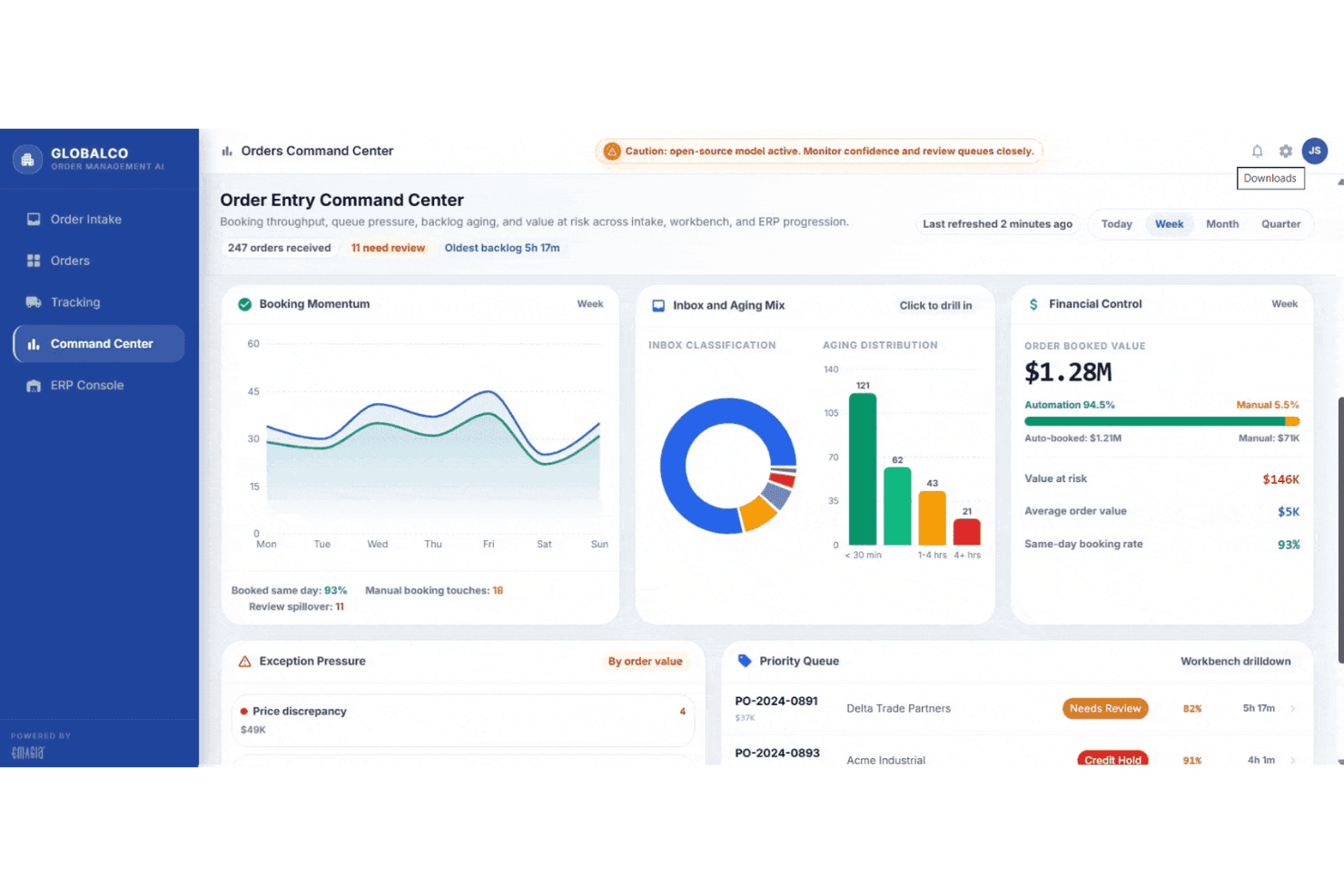
Emagia zentralisiert das Auftragsmanagement mit KI-gestützter Auftragserfassung und Nachverfolgung von Ausnahmen. Emagia ist eine KI-gestützte Plattform für das Abzugsmanagement, die die Identifizierung von Unterzahlungen, die Klassifizierung von Ursachencodes, die Weiterleitung von Streitfall-Arbeitsabläufen und die Nachverfolgung von Lösungen im gesamten Debitorenbereich automatisiert.
Für wen ist Emagia am besten geeignet?
Emagia eignet sich besonders für Finanzteams in Großunternehmen und Zentren für gemeinsame Dienstleistungen, die große Mengen an Abzügen über mehrere ERP-Systeme und Geschäftsbereiche hinweg verwalten.
Warum ich Emagia ausgewählt habe
Ich habe Emagia als eine der besten Lösungen ausgewählt, weil die Plattform die autonome Bearbeitung von Abzügen in der Praxis besonders weit vorantreibt. Die regelbasierte Verarbeitung von Sammelansprüchen genehmigt Abzüge automatisch auf Grundlage vordefinierter Geschäftsentscheidungen, ohne dass ein Analyst eingreifen muss. Darüber hinaus identifiziert Gia AI automatisch Unter- und Überzahlungen, weist Ursachencodes zu und leitet jedes Element sofort durch den richtigen Arbeitsablauf. Dadurch muss mein Team nicht erst manuell einen Rückstau sortieren, bevor die eigentliche Lösungsarbeit beginnen kann.
Wichtige Funktionen von Emagia
- Konfigurierbare Ursachencode-Bibliothek: Erstellen und verwalten Sie individuelle Ursachencodes für Abzüge, die auf die geschäftlichen Anforderungen zugeschnitten sind.
- Integration von ERP- und Finanzsystemen: Verbindet sich mit SAP, Oracle, Microsoft Dynamics, NetSuite, Sage und anderen führenden ERP-Plattformen.
- Dokumentenaggregation und -verknüpfung: Fasst unterstützende Dokumente wie Rechnungen, PODs und BOLs zusammen und fügt sie zur einfachen Referenz an Abzugsfällen an.
- Analyseübersicht: Verfolgt das Alter von Abzügen, Lösungsquoten und Trends nach Kunden oder Grundursache zur Überprüfung durch das Management.
Emagia-Integrationen
Emagia bietet native Integrationen mit SAP, Oracle, NetSuite, PeopleSoft, Workday, Microsoft Dynamics und Sage. Für individuelle Integrationen ist eine API verfügbar.
Pros and Cons
Pros:
- KI löst bis zu 80 % der Abzüge automatisch
- Granularität auf Positionsebene bei Streitfällen zu Rechnungen
- Berechtigungsmatrix für Genehmigungs-Arbeitsabläufe
Cons:
- Keine selbstständige Preisermittlung oder Testzugang
- Komplexe Implementierung in Umgebungen mit mehreren ERP-Systemen
Learn more about Emagia: Am besten für die Automatisierung von Forderungseinreichungen über Händlerportale geeignet
- Kostenlose Demo verfügbar
- Preis auf Anfrage
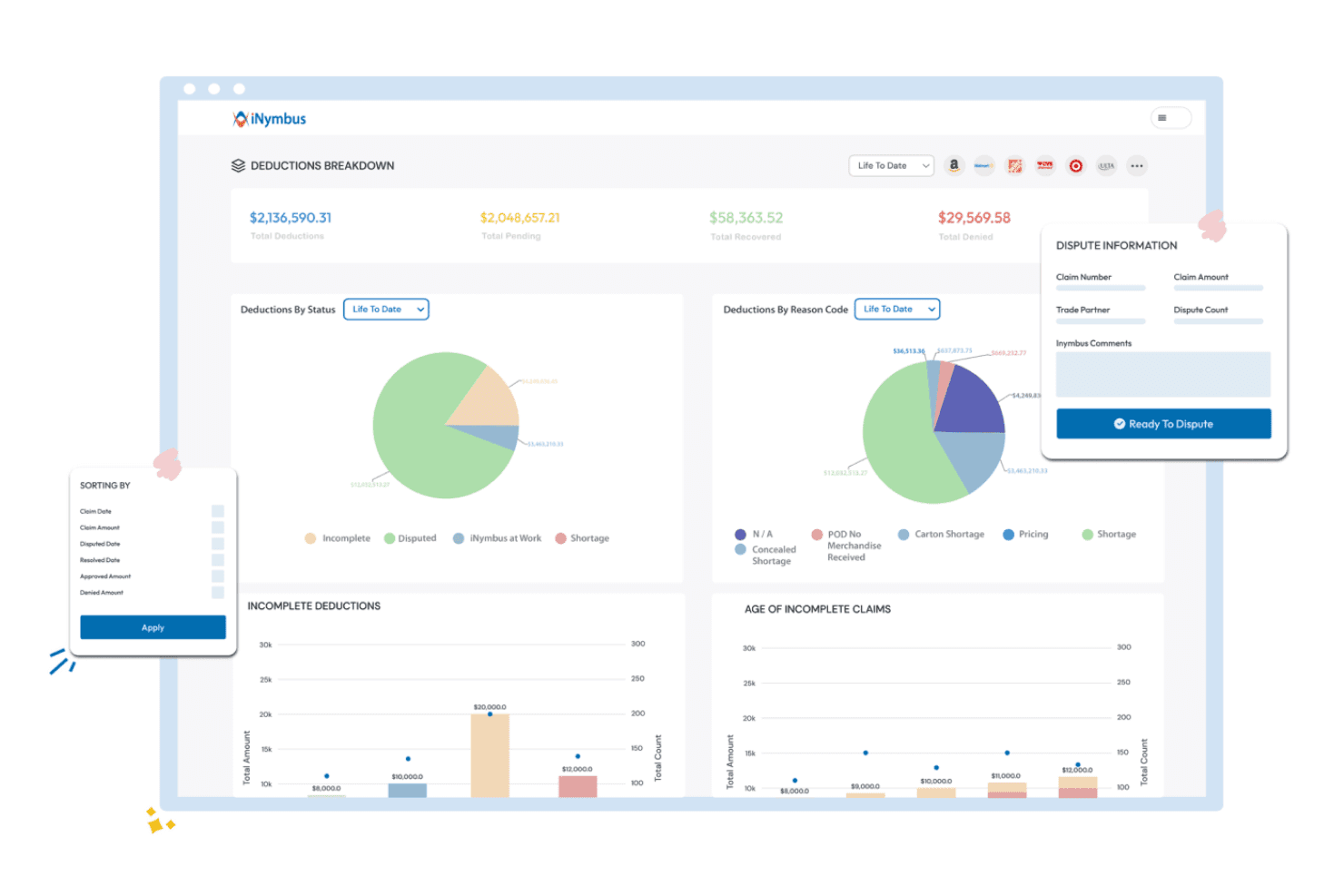
iNymbus DeductionXchange erfasst und visualisiert Abzüge nach Status und Ursachencode. iNymbus DeductionXchange ist eine cloudbasierte Plattform zur Verwaltung von Abzügen, die robotergestützte Prozessautomatisierung verwendet, um Rückbelastungen und Forderungen von Einzelhändlern über mehr als 50 Händlerportale, EDI-Transaktionen und kanalbasierte E-Mail-Kommunikation zu erfassen, abzugleichen und anzufechten.
Für wen eignet sich iNymbus DeductionXchange am besten?
Die Lösung eignet sich besonders für CPG-Hersteller, Distributoren und Lieferanten, die große Mengen an Abzügen von Einzelhändlern aus wichtigen Kundenkonten wie Walmart, Amazon oder Target bearbeiten.
Warum ich iNymbus DeductionXchange ausgewählt habe
Ich habe iNymbus DeductionXchange aufgrund der umfassenden Abwicklung von Einreichungen über Händlerportale als eine der besten Lösungen ausgewählt. Die RPA-Roboter rufen Forderungsdokumente ab, stellen Widerspruchspakete zusammen und füllen erforderliche Portalformulare aus über Walmart Retail Link, Amazon Vendor Central und mehr als 50 weiteren Portalen aus, ohne dass eine manuelle Anmeldung erforderlich ist. Außerdem schätze ich den auf den Cent genauen Abgleich nach Walmart SQEP, der Betragsabweichungen vor der Einreichung erkennt und die Anzahl abgelehnter Widersprüche reduziert.
Wichtige Funktionen von iNymbus DeductionXchange
- Zentralisiertes Dashboard für Abzüge: Alle Abzüge mehrerer Einzelhändler an einem Ort anzeigen und verwalten.
- Automatisierte Dokumentenaggregation: Unterstützende Dokumente aus EDI-, ERP-, E-Mail- und Portalquellen abrufen.
- Flexible Unterstützung von Dateiformaten: Angepasste Dateiformate integrieren, um eine nahtlose Datenverarbeitung über verschiedene Quellen hinweg zu ermöglichen.
- Werkzeuge zur Ursachenanalyse: Abzugsmuster und Ursachen mithilfe detaillierter Analyse-Dashboards visualisieren.
Integrationen von iNymbus DeductionXchange
iNymbus DeductionXchange bietet native Integrationen mit SAP, Oracle, NetSuite, Microsoft Dynamics und QuickBooks und verbindet sich mit Händlerplattformen wie Walmart Retail Link und Amazon Vendor Central. Für individuelle Integrationen ist eine API verfügbar.
Pros and Cons
Pros:
- Verarbeitet Einreichungen über mehr als 50 Händlerportale automatisch
- Gleicht Walmart-Abzüge auf den Cent genau ab
- Verkürzt den manuellen Zeitaufwand für die Vorbereitung von Widersprüchen erheblich
Cons:
- Die Optionen zur Anpassung von Berichten sind standardmäßig begrenzt
- Die Implementierung erfordert eine umfangreiche Einrichtung der Zugangsdaten für Händlerportale
Learn more about iNymbus DeductionXchange: Am besten für die ausgelagerte Umsatzrückgewinnung im Einzelhandel
- Kostenlose Demo verfügbar
- Preis auf Anfrage
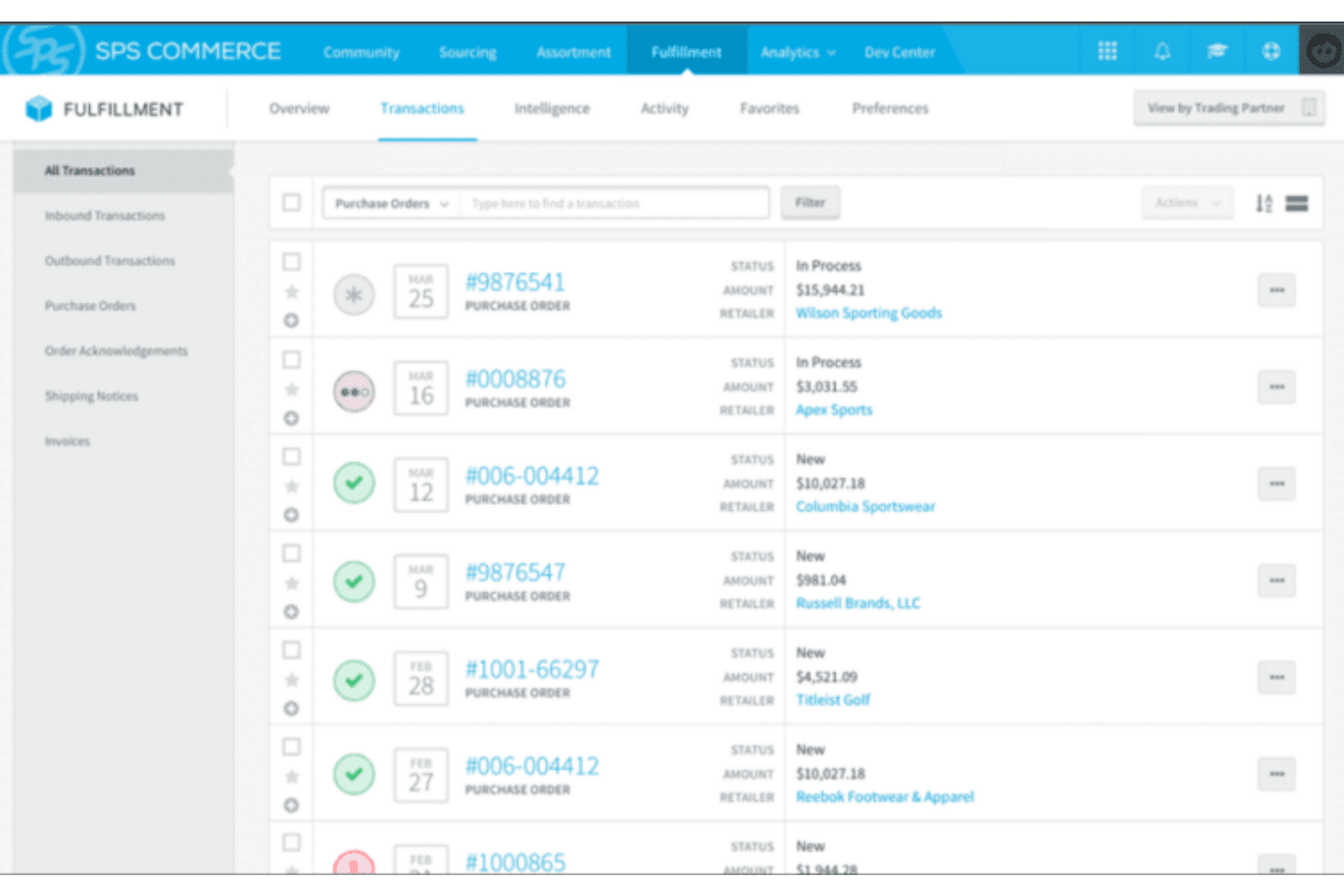
SPS Commerce zentralisiert die Verfolgung von Bestellungen, um Umsatzlücken aufzudecken. SPS Commerce Revenue Recovery ist eine Plattform zur Verwaltung von Abzügen im Einzelhandel, die die Erfassung von Abzügen, den Abruf von Belegdokumenten, die Einreichung von Streitfällen und die Berichterstattung über Grundursachen bei großen Einzelhändlern, Distributoren und Marktplatzkanälen automatisiert.
Für wen eignet sich SPS Commerce Revenue Recovery am besten?
CPG-Marken und Lieferanten von Konsumgütern, die über große Einzelhandelsketten verkaufen und einen verwalteten, von Experten geleiteten Ansatz zur Rückforderung von Abzügen wünschen.
Warum ich SPS Commerce Revenue Recovery ausgewählt habe
Ich habe SPS Commerce Revenue Recovery in meine Top-Auswahl aufgenommen, weil es die einzige mir bekannte Plattform ist, die ein wirklich ausgelagertes Rückforderungsmodell anbietet, bei dem SPS-Experten den gesamten Streitfallzyklus in Ihrem Namen übernehmen. Mir gefällt, dass die Plattform automatisch händlerspezifische Belegdokumente abruft und sie vor der Einreichung an offene Abzüge anhängt. Die vordefinierten Partner-Workflows für Einzelhändler wie Walmart, Amazon und Kroger stellen sicher, dass Streitfallpakete exakt nach den jeweiligen Vorgaben des Einzelhändlers erstellt werden.
Wichtige Funktionen von SPS Commerce Revenue Recovery
- Zentralisiertes Abzugs-Dashboard: Alle Abzüge, Streitfälle und Lösungen in einer einzigen Oberfläche anzeigen, verfolgen und verwalten.
- Händlerspezifische Compliance-Zuordnung: Die integrierte Logik berücksichtigt Anforderungen an Rückbelastungen für Walmart, Amazon, Kroger, CVS und weitere.
- Automatisierte Ursachenanalyse: Abzugstrends und -muster über Kunden, Ursachencodes und Zeiträume hinweg aufdecken, um gezielte Prozessverbesserungen vorzunehmen.
- Datensicherheit nach SOC 2 Typ II: Finanzdaten mit stündlichen Sicherungen, Verschlüsselung und rollenbasierter Zugriffsverwaltung schützen.
Integrationen von SPS Commerce Revenue Recovery
SPS Commerce Revenue Recovery bietet native Integrationen mit großen Händlerportalen wie Walmart Retail Link, Amazon Vendor Central, Target Partners Online, Kroger Partners Portal und CVS Supplier Portal. Für individuelle Integrationen ist eine API verfügbar.
Pros and Cons
Pros:
- Der vollständig verwaltete Streitfallzyklus reduziert den internen Aufwand in der Debitorenbuchhaltung
- Rückgewinnungsquote von bis zu 99 % bei berechtigten Forderungen
- Erkenntnisse zu den Grundursachen verhindern wiederkehrende Abzugstypen
Cons:
- Keine Selbstbedienungspreise; ein Gespräch mit dem Vertrieb ist erforderlich
- Weniger geeignet für Nicht-Einzelhandels- oder Direktvertriebskanäle
Learn more about SPS Commerce Revenue Recovery:
Weitere Software zur Verwaltung von Abzügen
Hier finden Sie einige zusätzliche Softwareoptionen zur Verwaltung von Abzügen, die es nicht in meine Auswahlliste geschafft haben, aber dennoch einen Blick wert sind:
- 11UpClear BluePlannerAm besten für den Abgleich von Handelsförderungsabzügen geeignet
- 12VividlyAm besten für die Nachverfolgung von CPG-Abzügen geeignet
- 13BilltrustAm besten für zentralisierte AR-Streitfälle
- 14VersapayAm besten für Rechnungsstreitigkeiten mit Kunden
- 15GavitiAm besten für Abzüge in AR-Workflows
How I Evaluate Deduction Management Software
I split my evaluation into baseline requirements—like automated deduction capture and dispute workflows—and the differentiators, like retailer coverage and ERP fit, that separate good from great.
Core Functionality (Table Stakes For This List)
When I'm selecting tools for my list, I rank each one on a scale from 0 (does not offer the functionality) to 5 (excels in this area) for every core functionality below. I then calculate the total score as a percentage. I use 65% as a benchmark to assess overall fit for the list.
- Deduction Capture: I check whether the tool pulls deduction data from ERP systems, bank remittances, EDI 812/820 feeds, and retailer portals without manual uploads.
- Document Matching: Automatic retrieval and matching of PODs, BOLs, and invoices to open claims saves hours of portal-hopping across retailer systems.
- Deduction Coding: I evaluate how the tool classifies deductions by reason code—shortages, pricing errors, promotional claims—to support root-cause analysis.
- Dispute Workflows: Multi-role workflows with audit trails matter here, especially when AR, sales, and trade teams all need to collaborate on approvals and escalations.
- Recovery Management: I look for automated chargeback packet assembly and submission, plus tracking through to repayment—manual packet building doesn't scale.
- Analytics & Reporting: Dashboards should track deduction aging, recovery rates, and root causes by customer or reason code to surface trends worth acting on.
Next, once I have a list of tools that meet the criteria, I consider what sets each platform apart.
Differentiating Factors (What Sets Vendors Apart)
Here's how I compare and contrast different vendors:
Standout Features
AI-powered deduction coding can automatically classify claims by reason code using historical patterns. This can cut triage time on high-volume accounts. Automated backup document retrieval is another key differentiator. Native retailer portal connectors can pull PODs and claim documents without manual downloads. For CPG brands, I also evaluate trade promotion matching. This helps validate deductions against TPM systems or promotional calendars.
Beyond Features
ERP integration depth also matters. I check whether a platform syncs with AR aging and cash application data in systems like SAP, NetSuite, or Oracle. Similarly, retailer coverage is important for companies selling through major retail or foodservice channels. Pricing models also vary across this space. Some vendors use SaaS subscriptions, while others charge contingency-based recovery fees.
So wählen Sie Software zur Verwaltung von Abzügen aus
Beim Vergleich von Software zur Verwaltung von Abzügen sollten Sie darauf achten, wie gut die jeweilige Plattform zu Ihrem Arbeitsablauf in der Debitorenbuchhaltung, Ihrem Abzugsvolumen, Ihrer ERP-Umgebung und den Quellen Ihrer Forderungen passt.
| Wenn Ihre Priorität lautet | Achten Sie auf |
| Schneller Dokumentenabgleich | Vorgefertigte Verbindungen zu Händlerportalen |
| Einblicke in die Ursachen von Abzügen | KI-gestützte Codierung und detaillierte Analysen |
| Umgang mit einer Mischung aus Händler-EDI und -Portalen | Automatische Erfassung aus EDI 812 und Nicht-EDI-Portalen |
| Optimierte Rückforderung von Rückbelastungen | Automatisierte Übermittlung von Nachweispaketen mit Rückzahlungsverfolgung |
| ERP- und TPM-Integration | Bidirektionale Synchronisierung mit Ihrem zentralen Finanzsystem |
So prüfen Sie Ihre Auswahlliste
- Testen Sie die automatische Erfassung anhand von Beispielabrechnungen: Laden Sie mindestens drei unterschiedliche Abzugsdateien von Händlern hoch und vergleichen Sie die automatisch erfassten Daten innerhalb von 48 Stunden.
- Fordern Sie einen Beispielbericht zur Zuordnung von Anspruchsdokumenten an: Lassen Sie sich eine Live-Demo zeigen, in der POD, Rechnung und BOL für einen aktuellen Kunden automatisch den Ansprüchen eines Einzelhändlers zugeordnet werden.
- Ordnen Sie die Workflow-Schritte Ihrer SOP zu: Bitten Sie um vorgefertigte Widerspruchsschreiben, Benutzerrollen und Eskalationswege und gleichen Sie diese anschließend mit Ihrem eigenen Debitorenprozess ab.
- Bestehen Sie auf einer Prüfspur: Bitten Sie um ein Beispiel eines Prüfprotokolls, das alle Maßnahmen zu Abzügen, Benutzerkennungen und Zeitstempel zur Validierung der Compliance enthält.
- Abwägung – KI-Automatisierung oder Anpassbarkeit: Entscheiden Sie, ob Sie eine durchgängige Automatisierung oder größere Anpassbarkeit benötigen. Stärker konfigurierbare Tools erfordern möglicherweise zusätzliche Überwachung.
Was ist Software zur Verwaltung von Abzügen?
Software zur Verwaltung von Abzügen ist ein spezialisiertes Tool für die Debitorenbuchhaltung. Sie automatisiert die Erfassung, Kodierung, Dokumentenzuordnung und Bearbeitung von Kundenansprüchen im Zusammenhang mit Abzügen. Diese Plattformen können mit Ihrem ERP-System, EDI-Datenfeeds und Portalen von Einzelhändlern verbunden werden. Dies trägt dazu bei, manuelle Arbeit zu reduzieren, die Bearbeitung von Widersprüchen zu beschleunigen und die Ursachen von Minderzahlungen oder Rückbelastungen aufzudecken. Dadurch können Finanzteams diese Tools nutzen, um die Rückgewinnung zu beschleunigen und Trends bei Abzügen zu überwachen.
Funktionen von Software zur Verwaltung von Abzügen
Beim Vergleich von Software zur Verwaltung von Ansprüchen und Abzügen sollten Sie auf Funktionen achten, die den gesamten Prozess von der Erfassung und Validierung eines Anspruchs bis zur Beilegung des Widerspruchs und zur Rückgewinnung unterstützen:
- Erfassung und Zusammenführung von Abzügen: Erfasst Abzugsdaten automatisch aus ERP-Systemen, EDI-Datenfeeds, Zahlungsavisen und Portalen von Einzelhändlern, um die manuelle Zusammenstellung zu vermeiden.
- Zuordnung von Ansprüchen und Belegdokumenten: Ruft Zustellnachweise, Frachtbriefe und Rechnungen ab, ordnet sie zu und fügt sie den zugehörigen Ansprüchen im Zusammenhang mit Abzügen bei, um die Validierung zu vereinfachen.
- Kategorisierung nach Ursachencode: Weist jeden Abzug bestimmten Ursachencodes wie Fehlmengen, Preisabweichungen oder Compliance-Verstößen zu und hilft Debitorenteams dadurch, die zugrunde liegenden Ursachen zu analysieren und zu beheben.
- Workflow für Widersprüche und Genehmigungen: Verwaltet jeden Schritt zur Validierung, Eskalation, Anfechtung oder Abschreibung von Abzügen mithilfe von Prüfspuren und klar definierten Genehmigungswegen.
- Erstellung von Rückbelastungs- und Rückgewinnungspaketen: Stellt relevante Dokumente und Formulare zu Paketen für Rückbelastungen zusammen. Teams können diese anschließend an Kunden übermitteln, um ungerechtfertigte Abzüge zurückzugewinnen.
- Integration von Einzelhändlern und EDI: Verbindet sich nativ mit den Portalen großer Einzelhändler und unterstützt die Formate EDI 812/820. Dies hilft Teams bei der Verwaltung sowohl elektronischer als auch manueller Anspruchsformate.
- Konfigurierbare Dashboards und Berichte: Bietet Dashboards zur Visualisierung von Abzugstrends, Überfälligkeiten und Rückgewinnungsquoten und hilft Teams dadurch, KPIs zu überwachen und Muster zu erkennen.
- Benutzerberechtigungen und -rollen: Ermöglicht die Einrichtung verschiedener Zugriffsebenen und gewährleistet so Nachvollziehbarkeit und Compliance, während Teams aus Debitorenbuchhaltung, Vertrieb und Finanzen zusammenarbeiten.
- Nachverfolgung von Prüfprotokollen: Zeichnet jede Benutzeraktion und Änderung innerhalb der Plattform auf, wodurch sich der Verlauf von Entscheidungen leichter nachvollziehen und die Finanzkontrolle unterstützen lässt.
- Automatisierte Benachrichtigungen: Sendet Benachrichtigungen zu neuen Ansprüchen, Genehmigungsfristen oder Workflow-Eskalationen, damit nichts übersehen wird.
KI-Funktionen in Software zur Verwaltung von Abzügen
KI-Funktionen in Software zur Verwaltung von Abzügen können Debitorenteams dabei helfen, Abzüge zu klassifizieren, Ansprüche zu validieren, Belegdokumente zuzuordnen, Widersprüche zu priorisieren und Muster zu erkennen, die zu wiederkehrenden Abzügen beitragen können. Sehen Sie sich die folgenden Funktionen an:
- KI-gestützte Abzugskodierung: Verwendet maschinelles Lernen, um Abzüge anhand historischer Anspruchsmuster automatisch nach Ursachencode zu klassifizieren und so den Zeitaufwand für die manuelle Prüfung zu reduzieren.
- Vorhersagegestützte Beilegung von Widersprüchen: Analysiert frühere Ergebnisse, um die effektivsten Widerspruchsstrategien vorzuschlagen und die Wahrscheinlichkeit einer erfolgreichen Rückgewinnung für jeden Anspruch zu prognostizieren.
- Automatisierte Dokumentenzuordnung: Nutzt KI, um Belegdokumente – etwa PODs und Rechnungen – zu erkennen, zu extrahieren und dem richtigen Abzug zuzuordnen, selbst wenn Formate oder Benennungskonventionen variieren.
- Analyse von Trends bei den Ursachen: Verwendet KI, um aufkommende Muster und Anomalien in Abzugsdaten sichtbar zu machen. Dies hilft Teams, wiederkehrende Probleme zu beheben und zukünftige Forderungen zu verhindern.
- Intelligente Workflow-Zuweisung: Weist Abzugsfälle dynamisch den richtigen Teammitgliedern oder Eskalationswegen zu, basierend auf der Komplexität der Forderung, der Kundenhistorie und einem ausgewogenen Arbeitsaufkommen.
- Verarbeitung natürlicher Sprache zur Prüfung von Forderungen: Verwendet KI, um unstrukturierte Schilderungen von Forderungen oder ergänzende Dokumente zu interpretieren und zusammenzufassen. Dadurch können komplexe Abzüge leichter validiert und gelöst werden.
Vorteile von Software für das Abzugsmanagement
Software für das Abzugsmanagement hilft Teams der Debitorenbuchhaltung, manuelle Arbeit zu reduzieren, Abzüge schneller zu klären, Rückgewinnungsquoten zu verbessern und einen besseren Überblick über die Ursachen von Kundenabzügen zu erhalten. Zu den erwartbaren Vorteilen gehören:
- Schnellere Klärung von Forderungen: Automatisierte Datenerfassung, Dokumentenabgleich und Workflow-Verfolgung helfen Teams, Abzugsforderungen schneller zu bearbeiten.
- Verbesserte Rückgewinnungsquoten: Die Erstellung von Rückbelastungspaketen und die Automatisierung von Streitfällen helfen Ihnen, mehr ungültige Abzüge zu identifizieren und zurückzufordern.
- Tiefgreifendere Ursachenanalyse: Kategorisierung, Analysen und KI-gestützte Erkenntnisse erleichtern es, Trends zu erkennen und wiederkehrende Probleme bei Abzügen zu beheben.
- Weniger manueller Aufwand: Integrationen mit ERP-, EDI- und Händlerportalen minimieren aufwendige Downloads, Uploads und die wiederholte Dateneingabe.
- Bessere Zusammenarbeit zwischen Teams: Rollenbasierte Workflows und Prüfpfade verbinden Debitorenbuchhaltung, Vertrieb und Handelsteams, sodass nichts übersehen oder doppelt bearbeitet wird.
- Mehr Sicherheit bei der Compliance: Prüfprotokolle und Berechtigungskontrollen erleichtern die Durchsetzung interner Richtlinien und die Einhaltung von SOX oder ähnlichen Finanzvorschriften.
- Größere finanzielle Transparenz: Benutzerdefinierte Dashboards und Echtzeitberichte schaffen für die Finanzleitung Klarheit über Abzugsaktivitäten, Rückgewinnungsquoten und bestehende Risiken.
Kosten & Preise
Die Preise für Software zum Abzugsmanagement werden in der Regel auf Angebotsbasis festgelegt. Die Kosten können je nach Abzugsvolumen, Anzahl der Nutzer, ERP-Integrationen, Händlerabdeckung und Implementierungsanforderungen variieren. Viele auf Unternehmenskunden ausgerichtete Anbieter veröffentlichen keine Standardpreise. In der Regel müssen Sie den Anbieter kontaktieren, um ein individuelles Angebot zu erhalten. Nachfolgend finden Sie einige typische Preisoptionen:
Vergleichstabelle für Tarife von Software zum Abzugsmanagement
| Tariftyp | Durchschnittlicher Preis | Übliche Funktionen |
|---|---|---|
| TariftypKostenloser Tarif | Durchschnittlicher Preis$0 | Übliche FunktionenGrundlegende Abzugsverfolgung, begrenzte Dokumenten-Uploads, Zugriff für einen einzelnen Nutzer und E-Mail-Support. |
| TariftypPersönlicher Tarif | Durchschnittlicher Preis$50-$150/Nutzer/Monat | Übliche FunktionenStandardmäßige Erfassung von Forderungen, automatisierter Dokumentenabgleich, Workflow-Vorlagen und grundlegende Analyse-Dashboards. |
| TariftypGeschäftstarif | Durchschnittlicher Preis$200-$700/Nutzer/Monat | Übliche FunktionenZusammenarbeit mehrerer Nutzer, ERP- und EDI-Integration, benutzerdefinierte Berichte, konfigurierbare Genehmigungs-Workflows und Prüfprotokolle. |
| TariftypUnternehmenstarif | Durchschnittlicher Preis$1,000+/Monat | Übliche FunktionenErweiterte KI-Funktionen, unbegrenzte Integrationen von Händlerportalen, Premium-Support, vollständige Compliance-Tools und Integration mit TPM-Systemen. |
FAQs zur Software für Abzugsmanagement
Hier finden Sie Antworten auf häufige Fragen zur Software für Abzugsmanagement:
Wie verarbeitet Software für Abzugsmanagement die Dokumentation von Forderungen des Einzelhandels?
Software für Abzugsmanagement verbindet sich mit Portalen von Einzelhändlern und ruft Forderungspakete, Rechnungen und unterstützende Dokumente automatisch ab, sodass Ihr Team Dateien nicht manuell herunterladen und sortieren muss.
Kann Software für Abzugsmanagement in unser ERP- oder Buchhaltungssystem integriert werden?
Ja, die meisten Lösungen bieten native Konnektoren für ERP-Systeme wie NetSuite, SAP, Microsoft Dynamics und QuickBooks, sodass Abzugsdaten mit Ihrer Debitorenbuchhaltung, Ihrer Zahlungszuordnung und Ihrem Hauptbuch synchronisiert werden können.
Wie werden Abzüge aus Verkaufsförderungsaktionen in diesen Plattformen validiert?
Diese Tools gleichen Forderungen von Einzelhändlern häufig mit Ihrem System für das Management von Verkaufsförderungsaktionen (TPM) oder Ihrem Aktionskalender ab. So können Sie überprüfen, ob die Abzüge mit genehmigten Werbevereinbarungen übereinstimmen oder angefochten werden müssen.
Was ist der erste Schritt zur Automatisierung von Abzugs-Workflows?
Beginnen Sie damit, das System mit Ihren eigenen Forderungsdaten zu testen – laden Sie Beispieldateien hoch und prüfen Sie, wie Abzugscodes zugewiesen, Dokumente automatisch abgeglichen und Streitfälle über den Genehmigungsprozess bearbeitet werden.
Sind Prüfpfade und die Nachverfolgung der SOX-Compliance verfügbar?
Ja, führende Software für Abzugsmanagement stellt detaillierte Prüfprotokolle aller Benutzeraktionen, Dokumentänderungen und Systemereignisse bereit, um die SOX-Compliance und interne Finanzkontrollen zu unterstützen.
Was ist Software für das Abzugsmanagement in der Debitorenbuchhaltung?
Software für das Abzugsmanagement in der Debitorenbuchhaltung unterstützt Teams der Debitorenbuchhaltung dabei, Kundenabzüge zu identifizieren, zu validieren, nachzuverfolgen, anzufechten und zurückzufordern. Sie kann Aufgaben wie die Codierung von Abzügen, den Dokumentabgleich, die Validierung von Forderungen, das Streitfallmanagement und die Nachverfolgung von Rückforderungen automatisieren und gleichzeitig Abzugs-Workflows mit ERP- und Debitorenbuchhaltungssystemen verbinden.