
Rippling Bewertung: Vorteile, Nachteile, Funktionen und Preise erklärt
Rippling zeichnet sich dadurch aus, dass es HR, IT und Finanzen in einer ERP-Plattform vereint und eine unvergleichliche Automatisierung und Flexibilität bietet. Für kleinere Teams oder einfache Anforderungen kann das System jedoch komplex sein.

Wir bewerten Tools unabhängig; Provisionen helfen, unsere Tests zu finanzieren. Siehe unsere Transparenzrichtlinie und unsere Methodik.
Rippling is a CFO ERP software that connects payroll, spend management, and workforce data in a single platform. I'd consider it if your finance team needs full visibility into headcount costs and employee spend without stitching together separate HR and finance systems. If you've looked at Workday, Rippling is worth a close comparison, it covers similar ground but is faster to implement and more accessible for mid-market teams that don't need a full enterprise rollout.
Rippling Evaluation Summary
4.9/5
- Upon request
- Free demo available
Warum Sie unseren Software-Empfehlungen vertrauen können
6,700+
Reviews
20
Industry experts
16+
Evaluation factors
14
Years
Unsere Bewertungen spiegeln unser unabhängiges Urteilsvermögen wider – keine Verkaufsstrategie. Erfahren Sie, wie wir transparent bleiben.
Für diesen Leitfaden haben wir Tools mithilfe von praktischen Tests und unabhängiger Recherche bewertet und dabei unsere Bewertungskriterien angewendet.
Unsere Bewertungen spiegeln unser menschliches redaktionelles Urteilsvermögen wider, keine Verkaufsstrategie.
Rippling Overview
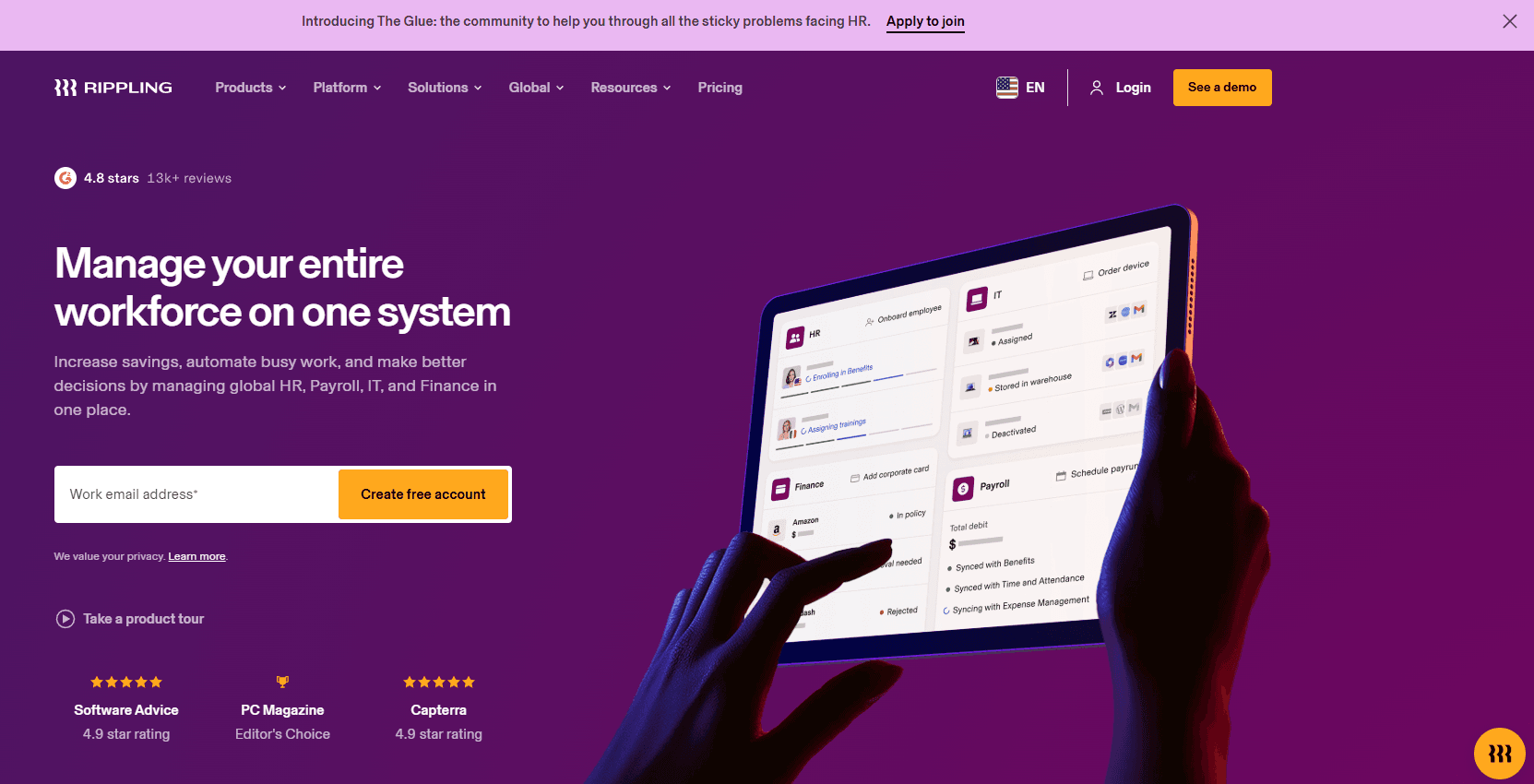
When judging ERP software, Rippling impresses with its unified HR system, IT, and finance modules, intuitive interface, and deep automation. Its modular pricing lets you select only what you need, and integrations cover most business apps.
Compared to others, onboarding is faster and support is responsive, but advanced finance features may lag for complex enterprises. If you’re determining the best fit for a tech-forward, mid-sized company seeking automation and easy scaling, Rippling is a strong contender. For example, IT provisioning and payroll sync in one workflow is rare at this price point.
Pros
- Automates HR, IT, and finance workflows in one platform
- Modular pricing allows you to select only needed features
- Fast onboarding and responsive customer support
Cons
- Advanced finance features are limited for complex needs
- Reporting customization can be restrictive for some users
- Pricing can be high for smaller organizations
Is Rippling Right For Your Needs?
Who Would be a Good Fit for Rippling?
Rippling is best suited for tech-forward, mid-sized businesses and fast-growing companies that need to automate HR processes, IT, and finance processes in one place. Its modular approach, workflow automation, and unified data make it ideal for organizations with distributed teams, compliance needs, or frequent onboarding. Companies with lean HR or IT departments, or those focused on scalability, will benefit from Rippling’s ability to centralize employee data, manage permissions, automate device management, and streamline payroll.
- Tech StartupsRippling automates onboarding, payroll, and device provisioning for rapid growth.
- Remote-First TeamsCentralized HR and IT tools support distributed workforces seamlessly.
- Professional ServicesAutomated compliance and payroll simplify multi-state or global operations.
- Healthcare PracticesIntegrated HR and benefits management help meet strict regulatory needs.
- Finance DepartmentsUnified payroll, expense, and time tracking reduce manual reconciliation.
- HR ManagersAutomated workflows and centralized data ease administrative burdens.
Who Would be a Bad Fit for Rippling?
Rippling may not suit organizations with highly complex finance needs, legacy ERP requirements, or those seeking deep industry-specific modules. Large enterprises with custom reporting demands or manufacturers needing advanced inventory and supply chain management may find Rippling’s finance and operations features lacking. Companies with minimal HR or IT needs, or those prioritizing deep customization, may also find better fits elsewhere.
- Large EnterprisesRippling lacks advanced finance and custom reporting for complex structures.
- Manufacturing FirmsNo built-in inventory or supply chain management modules.
- Retail ChainsLimited POS and inventory integration for high-volume retail operations.
- NonprofitsMay not support specialized grant tracking or fund accounting.
- Construction CompaniesNo project-based accounting or field operations management.
- Small Local BusinessesPricing and feature set may exceed simple HR tasks or payroll needs.
Wie wir Tools testen und bewerten
Wir haben jahrelang daran gearbeitet, unser System zur Softwarebewertung zu entwickeln, zu verfeinern und stetig zu verbessern. Der Bewertungsleitfaden wurde entworfen, um die Feinheiten der Softwareauswahl und die Qualitätskriterien eines effektiven Tools präzise zu erfassen, mit Fokus auf entscheidende Aspekte im Auswahlprozess. Im Folgenden sehen Sie genau, wie unsere Prüfungen und Bewertungen nach sieben Kriterien funktioniert. So können wir eine objektive Bewertung der Software auf Grundlage der Kernfunktionalitäten, herausragenden Eigenschaften, Benutzerfreundlichkeit, Einführung, Kundensupport, Integrationen, Kundenbewertungen sowie Preis-Leistungs-Verhältnis bieten.
Kernfunktionalität (25 % der Gesamtbewertung)
Der Ausgangspunkt unserer Bewertung ist immer die Kernfunktionalität des Tools. Verfügt es über die grundlegenden Features und Funktionen, die ein Nutzer erwarten würde? Sind einige dieser Kernfunktionen auf höherpreisige Tarife beschränkt? Im Kern erwarten wir, dass ein Tool mit den Basisfunktionen seiner Wettbewerber mithalten kann.
Herausragende Funktionen (25 % der Gesamtbewertung)
Im nächsten Schritt bewerten wir ungewöhnliche, herausragende Funktionen, die über die üblichen Kernfunktionen vergleichbarer Tools hinausgehen. Eine hohe Punktzahl erhält, wer spezialisierte oder einzigartige Funktionen bietet, die das Produkt schneller, effizienter oder besonders wertvoll für den Nutzer machen. Wir prüfen auch, wie einfach sich das Tool mit anderen Programmen des typischen Tech-Stacks integrieren lässt, um den Funktionsumfang und die Nützlichkeit der Software zu erweitern. Vielseitige native Integrationen, Drittanbieter-Anbindungen sowie API-Zugänge für individuelle Integrationen schneiden am besten ab.
Benutzerfreundlichkeit (10 % der Gesamtbewertung)
Wir bewerten, wie schnell und einfach sich die wichtigsten Aufgaben im Tool erledigen lassen. Hoch bewertete Software ist gut gestaltet, intuitiv bedienbar, bietet mobile Apps, Vorlagen und macht selbst komplexere Aufgaben handhabbar.
Einführung (10 % der Gesamtbewertung)
Wir wissen, wie wichtig eine rasche Teamakzeptanz bei neuen Plattformen ist. Deshalb prüfen wir, wie einfach sich ein Tool mit minimalem Trainingsaufwand erlernen und bedienen lässt. Wir bewerten auch, wie schnell ein Teammitglied ohne vorherige Erfahrung startklar ist. Hoch bewertete Lösungen benötigen wenig oder gar keinen Support.
Kundensupport (10 % der Gesamtbewertung)
Wir prüfen, wie leicht und schnell Sie mit Telefon, Live-Chat oder Wissensdatenbank Hilfe erhalten können. Tools und Unternehmen, die Echtzeit-Support bieten, erzielen die besten Ergebnisse, während Chatbots am schlechtesten abschneiden.
Kundenbewertungen (10 % der Gesamtbewertung)
Neben unseren eigenen Tests berücksichtigen wir den Net-Promoter-Score aktueller und ehemaliger Kunden. Wir prüfen, wie wahrscheinlich sie sich erneut für das Tool entscheiden würden, basierend auf der Kernfunktionalität. Hoch bewertete Software spiegelt einen hohen Net-Promoter-Score wider.
Preis-Leistungs-Verhältnis (10 % der Gesamtbewertung)
Abschließend vergleichen wir alle Kriterien und bewerten den Durchschnittspreis der Einstiegstarife im Verhältnis zu den Kernfunktionen und dem Nutzen der weiteren Bewertungskriterien. Software, die mehr für weniger bietet, erhält die besten Bewertungen.
Core Features
Unified HR Management
Manage onboarding, benefits, time off. performance, and compliance from a single dashboard. All employee data is centralized for easy access and reporting.
Global Payroll
Run payroll for employees and contractors worldwide in minutes. Supports multi-currency payments and local compliance.
IT Device and Access Management
Automate device provisioning and manage app access for new hires. Enforce security policies and track hardware from the same platform.
Spend Management
Control corporate cards, expenses, procurement, and pay stubs in one place. Real-time visibility into company spending helps prevent budget overruns.
Workflow Automation
Trigger complex workflows using any data point across HR, IT, and finance. Automate onboarding, offboarding, and policy enforcement without manual steps.
Custom App Studio
Build custom workflows and applications with no code required. Tailor processes to unique business needs without relying on external developers.
Standout Features
Policy Management Engine
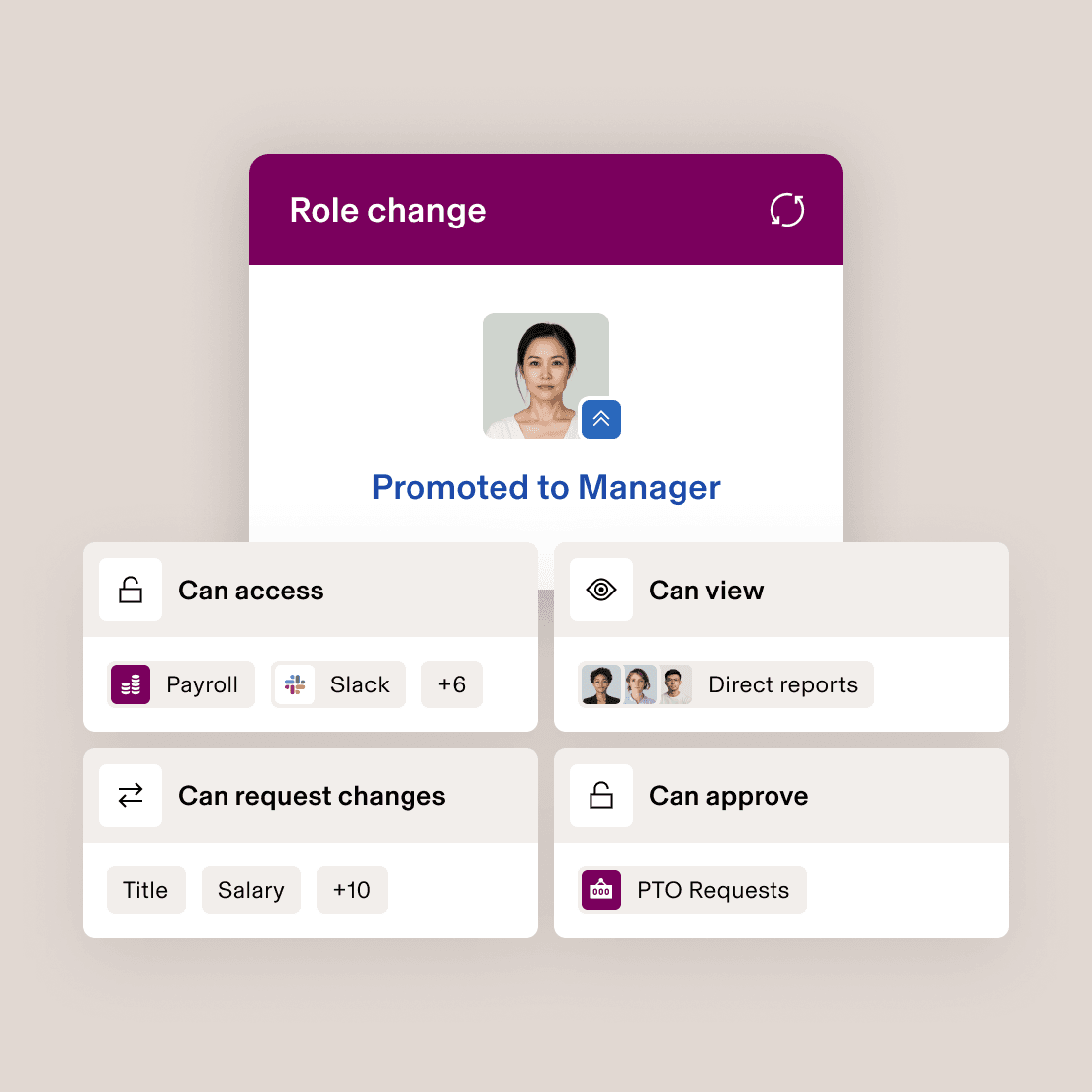
Rippling’s policy engine lets you set granular rules for everything. You can automate enforcement based on role, location, or department, reducing manual oversight and compliance risk.
Unified Analytics Dashboard
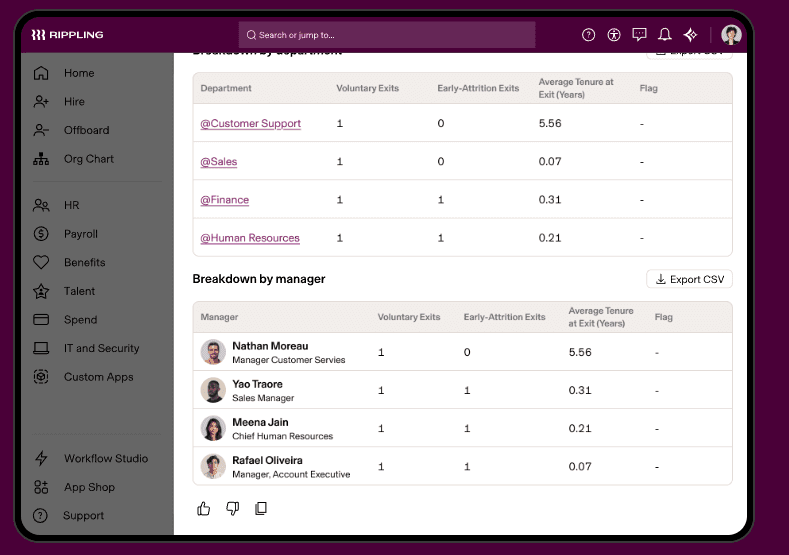
The analytics dashboard pulls data from HR, IT, and finance into one customizable view. Users can build cross-functional reports—like headcount vs. spend—without exporting data to external tools.
Ease of Use
Rippling is widely recognized for its clean, user-friendly interface and logical navigation, making it approachable for both finance and HR teams. Users often highlight how quickly they can onboard employees, automate workflows, and access reports without extensive training.
The platform’s guided setup, in-app help, and centralized dashboard reduce friction, especially for organizations new to ERP Software Systems. However, some users note that advanced features may require extra configuration to fully leverage.
Onboarding
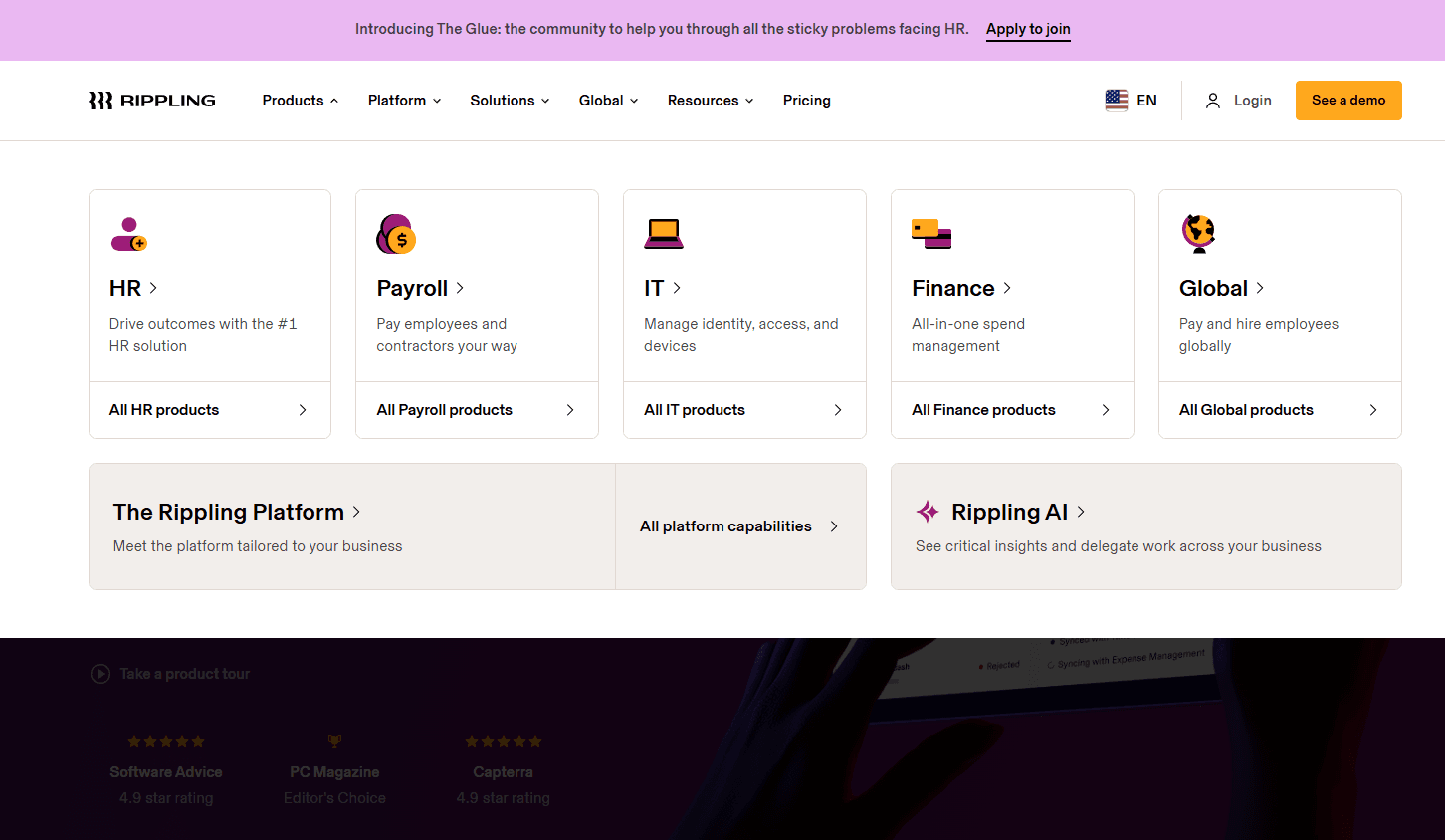
Rippling’s onboarding experience is frequently praised for its speed and clarity, with many users reporting that setup takes hours, not days. The platform guides new users through step-by-step workflows for adding employees, configuring payroll, and setting up devices — entirely avoiding a learning curve.
Extensive help articles, live chat, and onboarding specialists are available, ensuring questions are addressed quickly. This focus on guided setup and responsive support helps teams realize value from Rippling faster than with most ERP Software Systems.
Customer Support
Rippling’s customer support team receives positive feedback for their responsiveness and knowledgeable staff, especially during onboarding and urgent issues. Users appreciate the availability of live chat, email, and a detailed help center, which help resolve most questions quickly.
While some users mention occasional delays during peak periods, the majority find support agents helpful and solutions-oriented. The combination of multiple support channels and clear documentation makes Rippling’s assistance reliable for most ERP Software Systems users.
Integrations
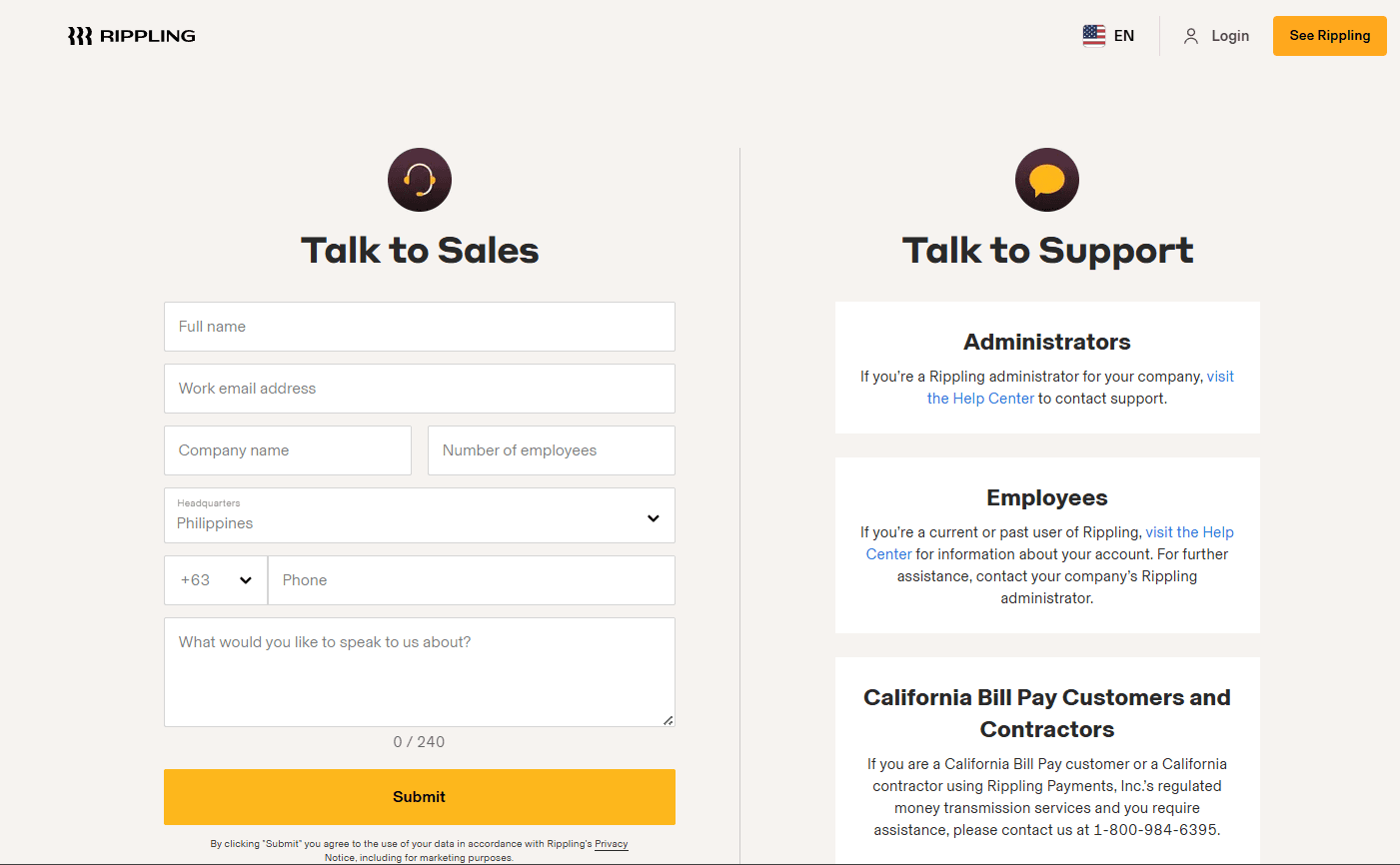
Rippling integrates with Slack, Google Workspace, Microsoft 365, Jira, Zoom, HubSpot, SentinelOne, and Notion, among others.
Rippling also offers an open API and supports custom integrations, allowing you to connect with third-party tools and build your own integrations as needed.
Value for Money
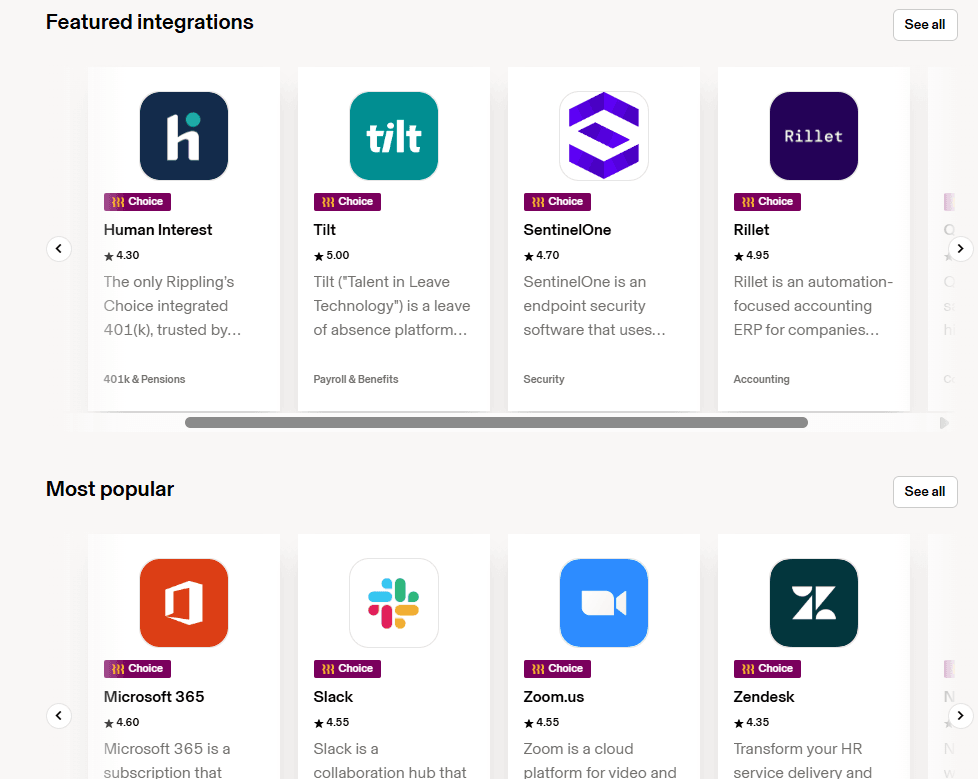
Rippling is often seen as a premium solution, but users feel its modular pricing and breadth of features justify the investment, especially for growing businesses. The ability to pay only for needed modules, combined with automation and unified data, delivers strong value for teams seeking to centralize HR, IT, and finance operations. Pricing isn’t transparent and a custom quote is required, though a free trial is available to assess the features before committing.
- Core Platform: Includes employee management and core HR tools.
- Payroll Module: Adds payroll processing and tax filing.
- Benefits Administration Module: Enables benefits management, enrollment, and compliance.
- Device Management Module: Adds device provisioning and app access controls.
- Expense Management Module: Offers expense tracking, bill pay, and corporate cards.
- Custom Modules: Optional add-ons for advanced analytics, global payroll, and more.
New Product Updates from Rippling
 Opens new window
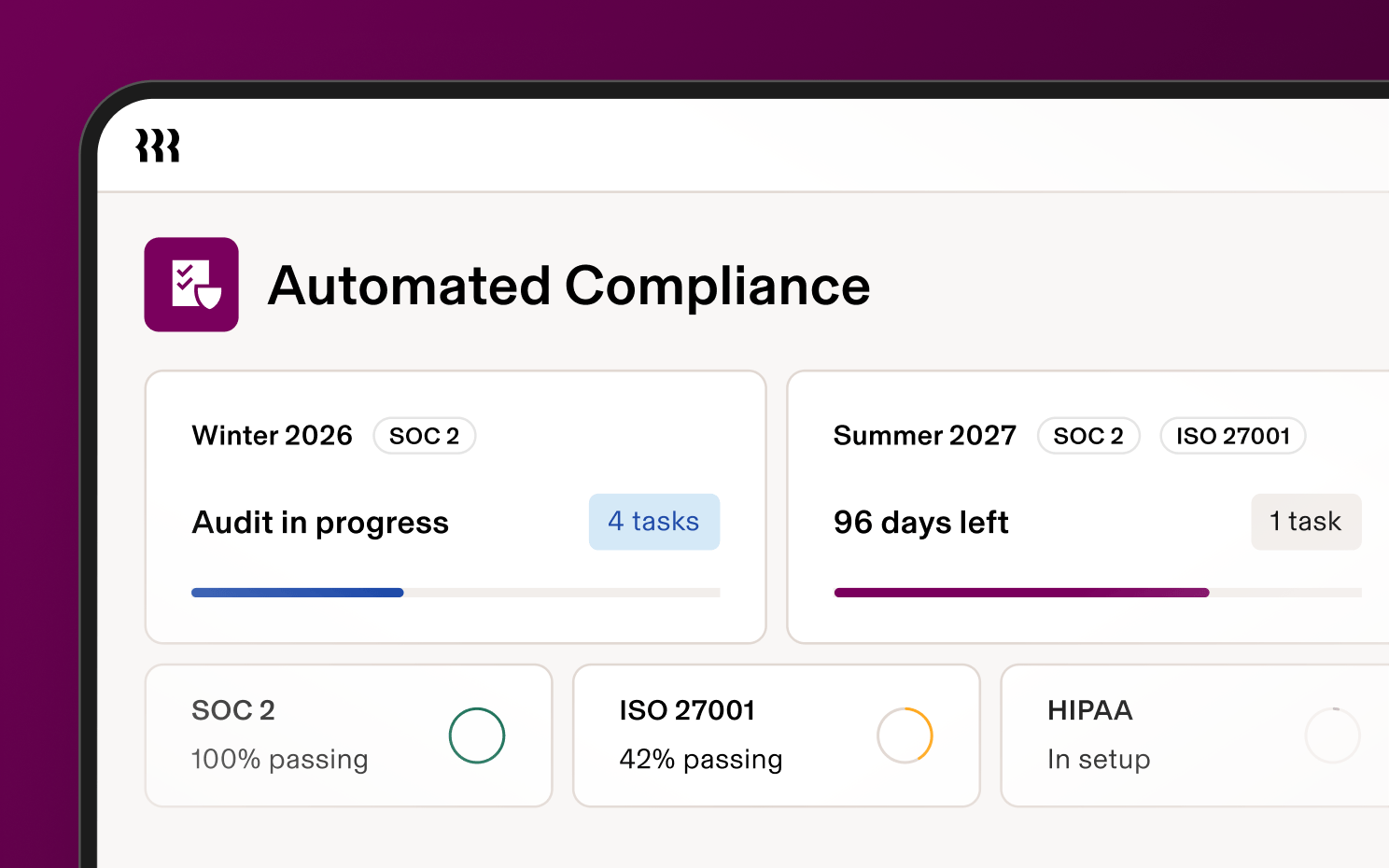
Rippling Expands Automated Compliance With AI Workflows
Rippling updates Automated Compliance with reusable compliance libraries, automated evidence collection, AI-assisted remediation, and built-in audit and trust tools. It currently supports frameworks including SOC 2, ISO 27001, and HIPAA, with additional frameworks planned for later release. Highlights include:
- Multi-Framework Support: Manage multiple compliance programs, including SOC 2, ISO 27001, and HIPAA.
- Reusable Libraries: Reuse policies, controls, evidence monitors, risks, and vendors across frameworks.
- Automated Evidence Collection: Collect evidence from connected Rippling and third-party systems.
- AI-Assisted Remediation: Identify missing evidence, outdated policies, and incomplete monitors and suggest remediation steps.
- Audit Portal: Manage auditor requests and supporting evidence in a dedicated workspace.
- Trust Centers: Publish approved compliance documentation for customers and prospects.
- AI Answer Banks: Use approved compliance context to help respond to security questionnaires.
Visit Rippling’s official site for more details.
Rippling Expands Preferred Carrier Program Integrations
Rippling adds Principal, Beam Benefits, and Sun Life to its Preferred Carrier Program, bringing the total to six participating carriers. The program supports deeper technology integration, operations coordination, service alignment, and product collaboration between Rippling and benefits carriers. Highlights include:
- Principal Integration: Adds Principal to Rippling’s Preferred Carrier Program for benefits administration.
- Beam Benefits Integration: Connects Beam Benefits through Rippling’s preferred carrier framework.
- Sun Life Integration: Adds Sun Life as a supported Preferred Carrier.
- Carrier Data Integration: Supports more connected benefits data flows between Rippling and participating carriers.
- Operations Coordination: Helps coordinate implementation, renewals, and service issues across Rippling and carriers.
Visit Rippling’s official site for more details.
 Opens new window
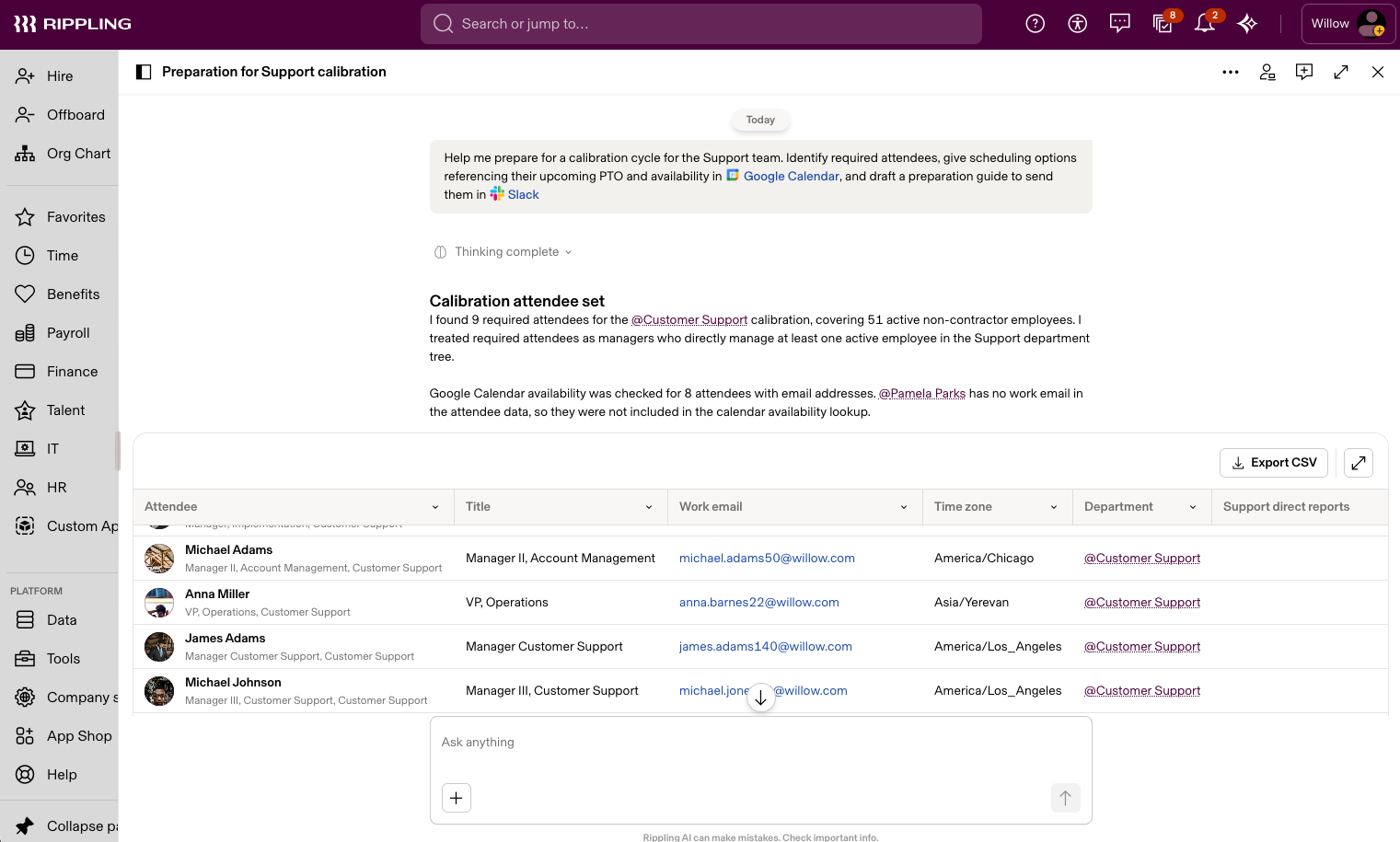
Rippling AI Adds Plugins, Skills, and Automations
Rippling AI adds plugins for approved third-party MCP connections, skills for reusable natural-language instructions, and automations for scheduled or event-based AI workflows. Each capability follows Rippling permissions so employees only access the data and actions they’re allowed to use. Highlights include:
- Plugins: Connect Rippling AI to approved third-party systems and take permitted actions across business tools.
- Skills: Package repeatable instructions, rules, files, and approved actions into reusable AI workflows.
- Automations: Run AI prompts on schedules or triggers from Rippling, email, Slack, or third-party systems.
- Workforce-Aware Access: Apply role, team, reporting line, policies, and permissions automatically as employees change roles.
- Natural-Language Workflow Setup: Describe a process in plain language and let Rippling AI generate the steps, prompts, and triggers.
Visit Rippling’s official site for more details.
 Opens new window
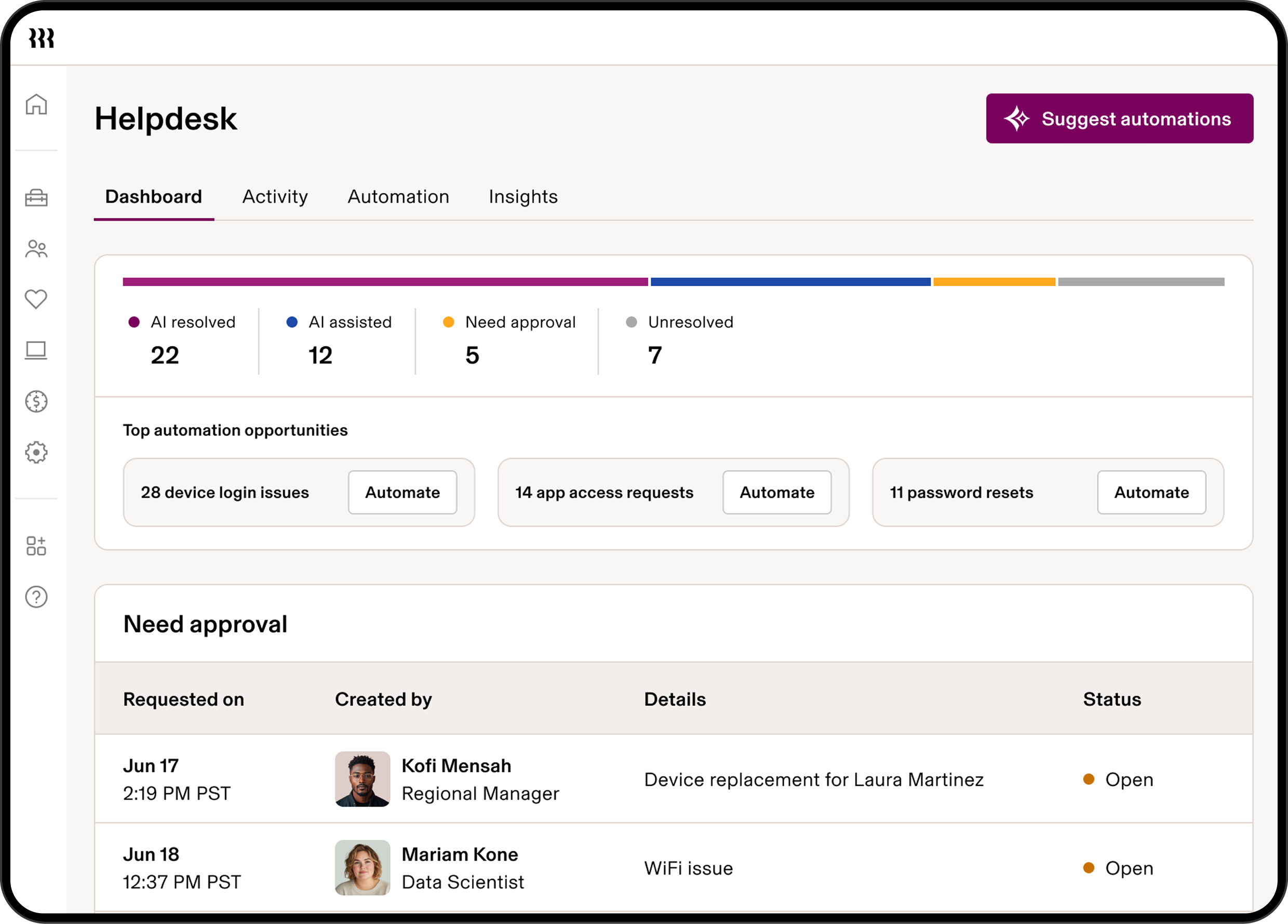
Rippling Introduces Agentic IT Helpdesk
Rippling launches Helpdesk to resolve routine IT requests using employee, policy, app, and device context. It can troubleshoot issues, take supported actions, route approvals, and escalate unresolved requests with context attached. Highlights include:
- Automated Ticket Resolution: Resolves routine requests such as app access, password resets, device lockouts, and replacements.
- Contextual Troubleshooting: Uses employee, device, policy, and app data to determine the next action.
- Approval Routing: Sends actions for approval when required by company policy.
- IT Actions: Supports actions across Rippling IT, including device replacement workflows.
- Contextual Escalation: Escalates unresolved requests with troubleshooting and employee context included.
- Activity Logs: Records requests, actions, resolutions, and escalations for visibility.
Visit Rippling’s official site for more details.
Rippling Adds AI-Powered Procurement Platform
Rippling adds Procurement with specialized AI agents for purchase intake, contract review, vendor security, purchasing, and renewals, alongside automated approvals and real-time spend visibility. The platform connects procurement with HR, IT, and finance data to help teams manage purchases, identify waste, and maintain control throughout the buying process. Highlights include:
- AI Procurement Agents: Automates purchase intake, contract review, vendor security checks, purchasing, and renewal management.
- Automated Approvals: Routes purchase requests based on criteria such as department, seniority, risk level, and vendor type.
- Spend Visibility: Connects cards, bills, expenses, and contracts with the employees and departments behind each purchase.
- Spend Controls: Flags duplicate vendors, invoice mismatches, upcoming renewals, and other potential unnecessary costs.
- Custom AI Agents: Lets teams build and customize agents around their own procurement processes.
Visit Rippling’s official site for more details.
 Opens new window
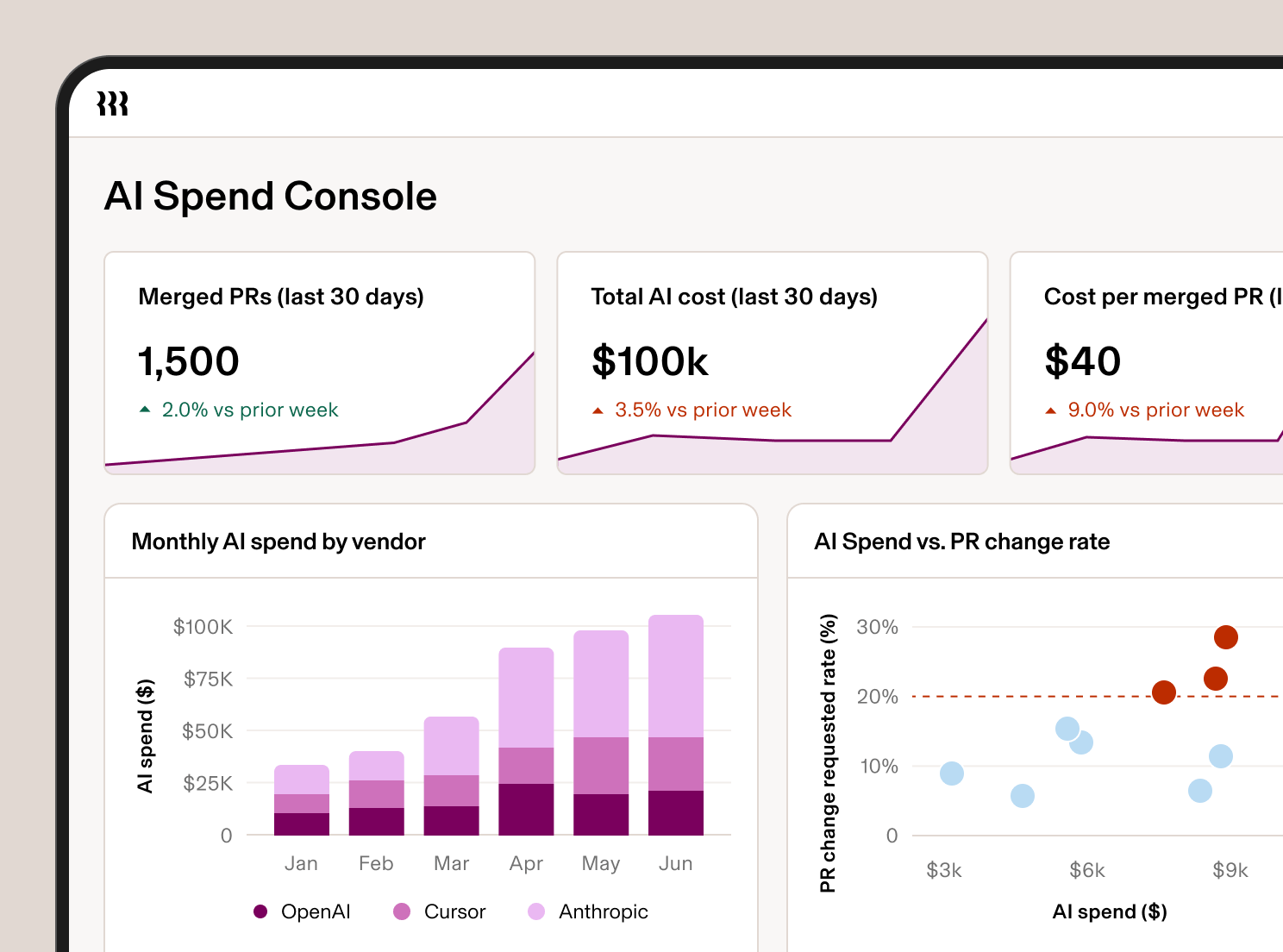
Rippling Adds AI Spend Console for AI Cost Governance
Rippling adds AI Spend Console with team-level spend breakdowns, business metric comparisons, natural-language analysis, and controls for approved model access. The console helps organizations track AI usage by role, team, or department, evaluate whether spend is driving value, and manage access to approved LLMs. Highlights include:
- AI Spend Visibility: Breaks down AI costs by teams, roles, and departments to show what is driving spend.
- Business Outcome Analysis: Connects AI spend with metrics such as performance ratings and pull request volume.
- Permissioned Dashboards: Generates dashboards across connected data while respecting existing Rippling permissions.
- Natural-Language Analysis: Lets users ask follow-up questions and drill into AI usage and spend without SQL.
- Model Access Controls: Supports policies for approved LLM access and routing based on employee attributes.
Visit Rippling’s official site for more details.
Rippling Specs
- 2-Factor Authentication: Yes
- 360 Degree Feedback: Yes
- API: Yes
- Application Tracking: Yes
- Attendance Tracking: Yes
- Batch Permissions & Access: Yes
- Compliance Tracking: Yes
- Dashboard: Yes
- Data Export: Yes
- Data Import: Yes
- Data Visualization: Yes
- Employee Database: Yes
- Employee Engagement: Yes
- Employee Incentive Management: Yes
- Employee Onboarding: Yes
- Employee Training: Yes
- Expense Tracking: Yes
- External Integrations: Yes
- Feedback Management: Yes
- Multi-User: Yes
- Notifications: Yes
- Payroll: Yes
- Performance Appraisal: Yes
- Scheduling: Yes
- Time Management: Yes
- Timesheets: Yes
- Travel Management: Yes
- Vacation & Absence Calendar: Yes
Rippling FAQs
Rippling Company Overview & History
Rippling is a workforce management platform headquartered in San Francisco, California, with additional offices in New York, Austin, London, Dublin, Bengaluru, and Sydney. Founded in 2016 by Parker Conrad, Rippling unifies HR, IT, and finance operations for businesses of all sizes. The company employs over 6,000 people and is known for its strong commitment to R&D and innovative work culture.
Rippling Major Milestones
- 2016: Company founded by Parker Conrad in San Francisco.
- 2017: Official launch of the Rippling platform.
- 2021: Expanded global presence with new offices in Dublin and other international locations.
- 2024: Reached a valuation of $16.8 billion and surpassed 6,000 employees.
- 2025: Reported $570 million in revenue and continued rapid growth in customer base and product offerings.