

Reseña de Fiserv: Ventajas, Desventajas, Características y Precios
Fiserv ofrece precios competitivos y tecnología robusta, lo que la convierte en una software de cuentas por pagar confiable.

Revisamos las herramientas de forma independiente, y las comisiones ayudan a financiar nuestras pruebas. Consulta nuestra política de transparencia, nuestra metodología o sugiere una herramienta.
Fiserv is an accounts payable software built for organizations that process high volumes of payments and need AP automation tied directly to banking and payment network infrastructure. I'd consider it over a tool like SAP Concur if your priority is payment execution and financial institution connectivity rather than expense-heavy workflows and ERP-centric reporting. It's a strong fit for finance teams that need AP operations to run close to the payment rails, not just on top of them.
Fiserv Evaluation Summary
3.8/5
- Pricing upon request
- Free demo available
Por qué confiar en nuestras recomendaciones de software
6,700+
Reviews
20
Industry experts
16+
Evaluation factors
14
Years
Nuestras reseñas reflejan nuestro criterio independiente, no un discurso de ventas. Descubra cómo mantenemos la transparencia.
Para esta guía, evaluamos las herramientas mediante pruebas prácticas e investigación independiente, puntuando las herramientas según nuestros criterios de selección.
Nuestras reseñas reflejan nuestro criterio editorial humano, no un discurso de ventas.
Fiserv Overview
In my opinion, Fiserv is a competent Accounts Payable Software platform that offers a blend of solid features and usability. Its core functionalities are reliable, and the standout features, such as integration options with financial institutions and merchant services, make it appealing for businesses with diverse needs. The platform is relatively user-friendly, though onboarding may require some patience. Customer support could be more responsive, but it generally meets expectations. Fiserv is competitively priced and offers good value, especially for medium-sized businesses that need a robust accounts payable solution. It may not be the top choice for small startups due to its complexity, but for established teams with structured business management processes, it provides a comprehensive suite of tools to manage payment processing, vendor workflows, and operational efficiency effectively.
Pros
- Strong security features that help protect sensitive financial data.
- Interface is generally easy for teams to navigate.
- Broad technology capabilities with a wide range of integrations.
Cons
- Some users feel the interface looks dated or clunky.
- Pricing and fees can be unpredictable and on the higher side.
- Some users report inconsistent customer support and occasionally disruptive updates.
- Initial setup process can be complex and time-consuming.
Is Fiserv Right For Your Needs?
Who Would be a Good Fit for Fiserv?
Fiserv is well-suited for financial institutions and businesses that require robust transaction processing and payment solutions. If your work involves handling high volumes of financial transactions or requires integrated payment solutions, Fiserv’s extensive suite of tools supports these needs. Its capabilities in managing complex financial operations make it a strong choice for banks, credit unions, and payment service providers.
- Financial InstitutionsFiserv’s comprehensive transaction processing tools are ideal for banks and credit unions managing large volumes of transactions.
- Payment Service ProvidersFiserv supports diverse payment methods, making it perfect for businesses providing payment services.
- RetailFor retailers, Fiserv offers integrated payment solutions that simplify the checkout process for customers.
- HealthcareHealthcare providers benefit from Fiserv’s billing and payment processing, ensuring smooth financial operations.
- Small BusinessesSmall businesses can leverage Fiserv’s scalable solutions to handle payments efficiently as they grow.
- E-commerceE-commerce businesses find Fiserv’s secure payment processing essential for online transactions.
- Project Manager/Risk managementProject managers in banking and risk management teams often choose Fiserv for its structured workflows and compliance-focused tools.
Who Would be a Bad Fit for Fiserv?
Fiserv may be a bad fit for businesses seeking low-cost payment processing, modern technology, or highly responsive client support, as some of its platforms have been described as expensive or outdated. Fiserv might not be ideal for organizations that need comprehensive financial features like budgeting and expense tracking. If your team relies heavily on integrations with other software, Fiserv's limited integration capabilities could hinder your workflow. Its occasional allocation glitches can also be problematic for teams requiring precise financial management.
- StartupsIf you need extensive budgeting and expense features, Fiserv won't meet your needs.
- Small BusinessesLimited integrations can disrupt your operations if you rely on diverse software tools.
- RetailFiserv's lack of detailed inventory management could be a drawback for you.
- FreelancersThe occasional allocation glitches can be a hassle if precision is crucial in your work.
- Tech CompaniesIf you need seamless software integrations, Fiserv's limited options might frustrate your team.
- Finance DepartmentsWithout robust budgeting tools, Fiserv may not fulfill your department's needs for detailed financial planning.
Cómo probamos y puntuamos las herramientas
Hemos dedicado años a construir, perfeccionar y mejorar nuestro sistema de evaluación y puntuación de software. La rúbrica está diseñada para capturar los matices de la selección de software y lo que hace que una herramienta sea efectiva, enfocándose en los aspectos críticos del proceso de toma de decisiones. A continuación, puedes ver exactamente cómo funcionan nuestras pruebas y puntuación en siete criterios. Esto nos permite proporcionar una evaluación imparcial del software basada en la funcionalidad principal, características destacadas, facilidad de uso, onboarding, atención al cliente, integraciones, opiniones de clientes y relación calidad-precio.
Funcionalidad principal (25% de la puntuación final)
Nuestro punto de partida siempre es la funcionalidad principal de la herramienta. ¿Tiene las funciones básicas que un usuario esperaría ver? ¿Alguna de estas características principales está limitada a planes de precios superiores? En esencia, esperamos que una herramienta esté a la altura de las capacidades básicas de sus competidores.
Características destacadas (25% de la puntuación final)
A continuación, evaluamos las características únicas y sobresalientes que van más allá de la funcionalidad principal normalmente encontrada en herramientas de este tipo. Una puntuación alta refleja funciones especializadas o únicas que hacen el producto más rápido, eficiente o que aportan valor adicional al usuario. También evaluamos lo fácil que es integrarse con otras herramientas que normalmente forman parte del stack tecnológico para ampliar la funcionalidad y utilidad del software. Las herramientas que ofrecen numerosas integraciones nativas, conexiones con terceros y acceso API para crear integraciones personalizadas obtienen la mejor puntuación.
Facilidad de uso (10% de la puntuación final)
Consideramos cuán rápido y fácil es ejecutar las tareas definidas en la funcionalidad principal usando la herramienta. El software que obtiene la puntuación más alta está bien diseñado, es intuitivo, ofrece aplicaciones móviles, proporciona plantillas y hace que tareas relativamente complejas parezcan simples.
Onboarding (10% de la puntuación final)
Sabemos lo importante que es una adopción rápida del equipo para una nueva plataforma, por lo que evaluamos cuán sencillo es aprender y utilizar una herramienta con una formación mínima. Analizamos lo rápido que un miembro del equipo puede configurarse y empezar a usar la herramienta sin experiencia previa. Las soluciones con alta puntuación indican que se requiere poco o ningún soporte.
Atención al cliente (10% de la puntuación final)
Revisamos cuán rápido y sencillo es salir de un atasco y encontrar ayuda por teléfono, chat en vivo o base de conocimiento. Las herramientas y empresas que proporcionan soporte en tiempo real obtienen la mejor puntuación, mientras que los chatbots obtienen la peor.
Opiniones de clientes (10% de la puntuación final)
Además de nuestras propias pruebas y evaluaciones, consideramos el net promoter score de clientes actuales y anteriores. Revisamos la probabilidad de que, de tener la opción, elijan nuevamente la herramienta por su funcionalidad principal. Un software con alta puntuación refleja un alto net promoter score de clientes presentes o pasados.
Relación calidad-precio (10% de la puntuación final)
Por último, considerando todos los demás criterios, revisamos el precio medio de los planes de entrada frente a las funciones principales y analizamos el valor de los demás criterios de evaluación. El software que ofrece más por menos obtiene una puntuación superior.
Core Features
Automated Invoice Processing: This feature helps you manage invoices with minimal manual intervention. It captures data from invoices and automatically routes them for approval, saving your team time and reducing errors.
Expense Management: You can track and categorize business expenses efficiently. This feature ensures all expenses align with your company policies, helping you keep a close eye on spending.
Vendor Management: Keep all your supplier information in one place. This feature lets you easily track vendor performance and maintain strong relationships.
Payment Scheduling: Plan and schedule payments to vendors automatically. This ensures timely payments and helps you avoid late fees.
Compliance Tracking: Stay on top of regulatory requirements effortlessly. This feature helps ensure your accounts payable processes meet all necessary legal standards.
Reporting and Analytics: Gain insights into your accounts payable activities with detailed reports. This feature provides data that can help you make informed financial decisions.
Ease of Use
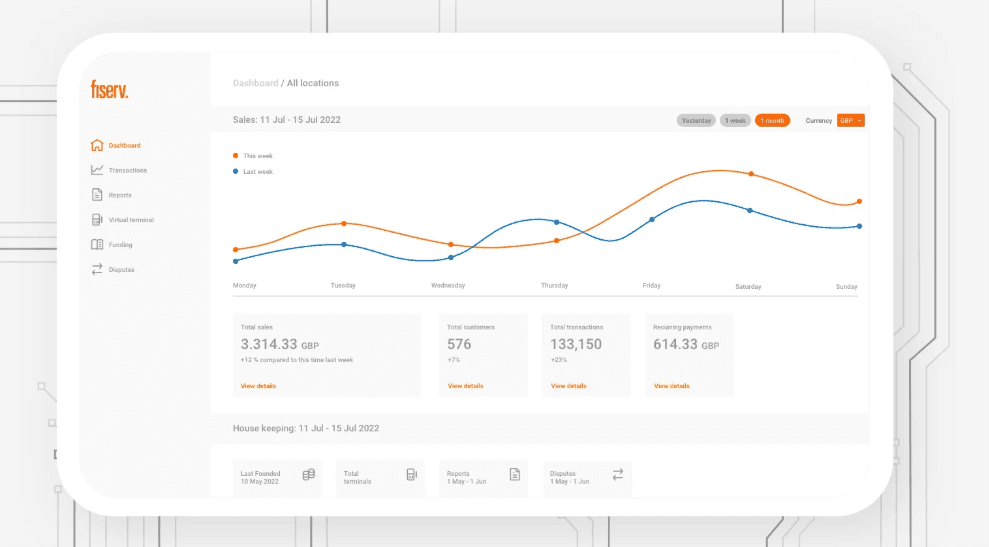
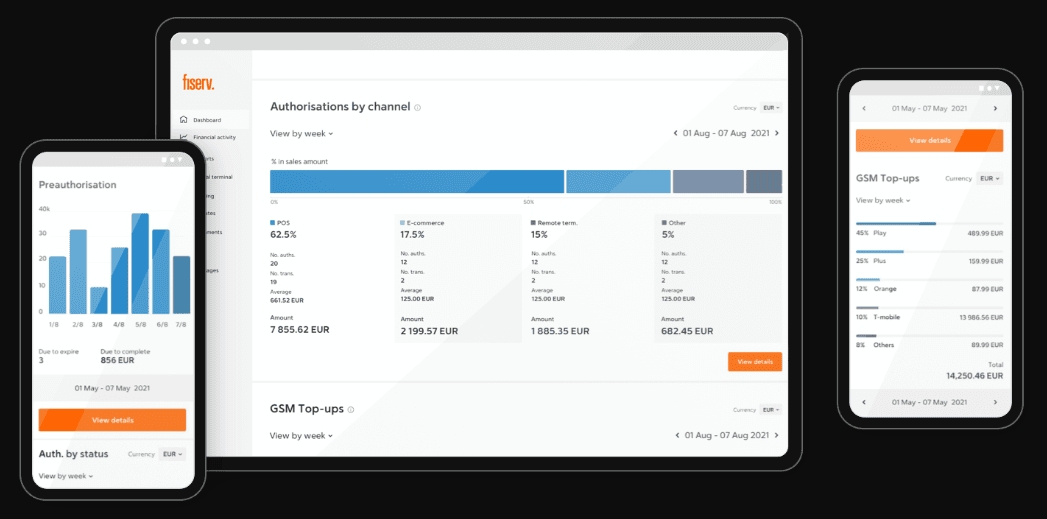
Fiserv's Accounts Payable Software is generally user-friendly, with a straightforward interface that simplifies navigation. Many users find it easy to use and navigate, particularly for front and back office operations and simpler transaction processing. However, some reviewers note the interface can feel dated or clunky, and performance can be inconsistent when handling advanced features or customization. So, teams needing modern design, heavy customization, or advanced analytics may encounter challenges. Users appreciate the automation features, which save time and reduce manual errors. And compared to other software, Fiserv stands out for its comprehensive support and documentation, making it easier for your team to adapt and maximize its capabilities.
Integrations
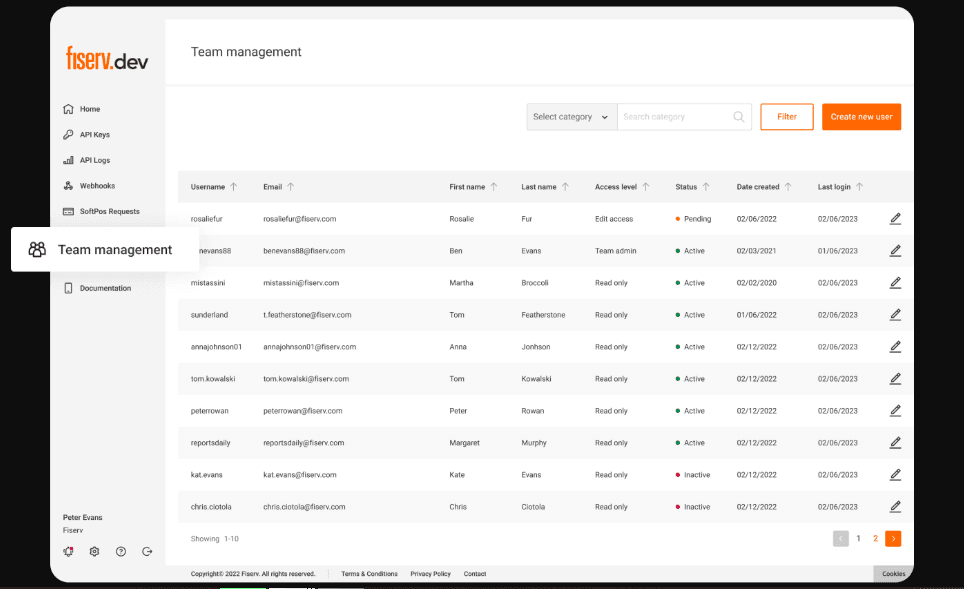
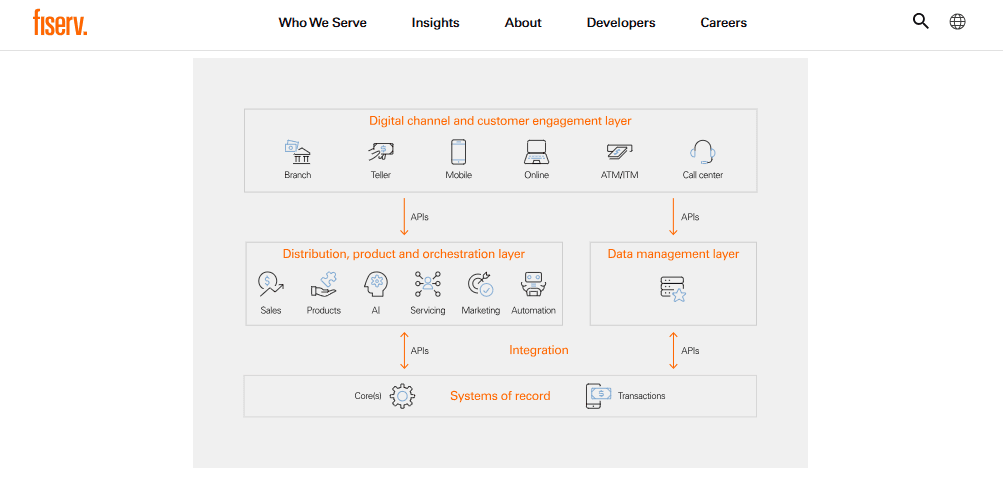
Fiserv works with a vast array of partners, platforms, and custom client solutions, making it impractical to list every integration. A few of them will include Cleartouch, Precision, and Premier. The integrations are often tailored to specific client needs, so the available connections can vary depending on the product, region, and type of financial institution.
Fiserv also provides an API that allows for real-time sharing of data and processes, and it connects with third-party integration tools.
Fiserv Specs
- 2-Factor Authentication: Yes
- A/B Testing: Yes
- Analytics: No
- API: Yes
- BitCoin: No
- Conversion Tracking: Yes
- Dashboard: Yes
- Data Export: Yes
- Data Import: Yes
- Data Visualization: Yes
- Design Templates: No
- External Integrations: Yes
- Inventory Tracking: No
- Keyword Tracking: Yes
- Marketing Automation: Yes
- Multi-User: Yes
- Notifications: Yes
- Order Management: No
- Payment Gateway Integration: No
- Payment Processor: No
- PayPal: No
- Product Catalog: No
- Review Monitoring: No
- SAP Integration: No
- Scheduling: Yes
- Stripe: No
- Third-Party Plugins/Add-Ons: Yes


