

I 10 migliori software ERP basati sui progetti recensiti per il 2026

Miglior elenco di software ERP basati sui progetti


Il miglior software ERP basato sui progetti riunisce dati finanziari, risorse, tempistiche e risultati finali in un unico sistema, senza gli strumenti scollegati, le soluzioni manuali alternative o gli attriti sui dati che rallentano i team di progetto. Se la configurazione attuale non ti offre una visibilità chiara sulle prestazioni dei progetti o non semplifica i flussi di lavoro tra i reparti, potrebbe limitare la tua capacità di rispettare le scadenze e il budget.
Con oltre 15 anni di esperienza nella gestione finanziaria e nel software digitale, ho testato innumerevoli piattaforme ERP e ho visto in prima persona come il sistema giusto possa trasformare la collaborazione, migliorare le previsioni ed eliminare costosi colli di bottiglia. Lo strumento sbagliato, invece, può causare scadenze non rispettate, dati disordinati e inefficienze operative che si accumulano nel tempo.
Per aiutarti a fare la scelta giusta, ho trascorso ore a esaminare i feedback degli utenti e ad analizzare le principali soluzioni ERP basate sui progetti disponibili oggi. Ecco le piattaforme che possono ridurre la complessità, migliorare la visibilità e supportare ogni fase del ciclo di vita del tuo progetto.
Perché fidarsi dei nostri consigli sui software
Le nostre recensioni riflettono il nostro giudizio indipendente, non un discorso di vendita. Scopri come manteniamo la trasparenza.
Per questa guida, abbiamo valutato gli strumenti attraverso test pratici e ricerche indipendenti, assegnando un punteggio agli strumenti in base ai nostri criteri di selezione.
Le nostre recensioni riflettono il nostro giudizio editoriale umano, non un discorso di vendita.
Riepilogo dei migliori software ERP basati sui progetti
Abbiamo analizzato i prezzi e la disponibilità di prove gratuite e versioni demo, così puoi effettuare un confronto diretto molto più semplice.
| Tool | Best For | Trial Info | Price | ||
|---|---|---|---|---|---|
| 1 | Ideale per il riconoscimento avanzato dei ricavi | Demo gratuita disponibile | Prezzo su richiesta | Website | |
| 2 | Ideale per transazioni multi-valuta | Prova gratuita disponibile | Da $16/utente/mese (fatturato annualmente) | Website | |
| 3 | Ideale per progetti di produzione su misura | Demo gratuita disponibile | Prezzo su richiesta | Website | |
| 4 | Ideale per organizzazioni incentrate sulle persone | Not available | Prezzo su richiesta | Website | |
| 5 | Ideale per dati edilizi in tempo reale | Not available | Prezzo su richiesta | Website | |
| 6 | Ideale per la gestione integrata di asset e ciclo di vita | Demo gratuita disponibile | Prezzo su richiesta | Website | |
| 7 | Ideale per la gestione completa del ciclo di vita del progetto | Prova gratuita disponibile | Prezzo su richiesta | Website | |
| 8 | Ideale per la conformità DCAA | Prezzo su richiesta | Website | ||
| 9 | Ideale per il controllo unificato dei progetti in edilizia | Demo gratuita disponibile | Prezzi su richiesta | Website | |
| 10 | Ideale per la gestione integrata dei progetti di ingegneria | Demo gratuita disponibile | Prezzo su richiesta | Website |
Recensioni dei migliori software ERP basati sui progetti
Ecco la mia recensione e analisi approfondita dei migliori software ERP basati sui progetti. Di seguito illustrerò i pro e i contro, le caratteristiche e le funzionalità di ogni strumento per aiutarti a comprenderne l’idoneità per i tuoi progetti.

Ideale per il riconoscimento avanzato dei ricavi

DualEntry è un software ERP nativo per l’AI progettato per aziende di medie dimensioni che necessitano di una gestione finanziaria basata sui progetti. Combina una potente automazione con controlli contabili dettagliati, risultando particolarmente adatto ai team che gestiscono progetti finanziari complessi e devono scalare in modo efficiente.
Perché ho scelto DualEntry:
Ho scelto DualEntry perché supporta il riconoscimento avanzato dei ricavi, fondamentale per la contabilità basata sui progetti. Apprezzo anche la presenza di controlli di approvazione che aiutano a mantenere la conformità durante tutto il ciclo di vita del progetto. Le automazioni basate su AI di DualEntry, come l’abbinamento bancario e la categorizzazione delle transazioni, possono ridurre il lavoro manuale e migliorare la precisione. Inoltre, i suoi strumenti di reportistica personalizzata permettono di monitorare i dati finanziari dei progetti a livello dettagliato.
Caratteristiche e integrazioni principali:
Le funzionalità includono integrazioni per la gestione fiscale con Avalara e Vertex, semplificando la gestione delle imposte su più giurisdizioni. DualEntry offre anche la gestione dei cespiti per tenere traccia dei beni legati a specifici progetti. Apprezzo particolarmente la presenza di un audit trail sempre attivo che sostiene transazioni tracciabili e facilita la preparazione per la revisione contabile.
Le integrazioni includono BambooHR, Bill.com, Brex, Deel, Google SSO, Gusto, HubSpot, Ramp, Rippling, Salesforce, Stripe Billing e Stripe Invoicing.
Pros and Cons
Pros:
- Il riconoscimento automatizzato dei ricavi assicura la conformità agli standard
- Supporta operazioni multi-entità e multi-valuta
- Le funzionalità AI avanzate aiutano nei compiti contabili complessi
Cons:
- In quanto ERP, può offrire più funzionalità rispetto alle esigenze di contabilità più semplici
- Le opzioni di personalizzazione richiedono una configurazione accurata

VOGSY
Ideale per transazioni multi-valuta
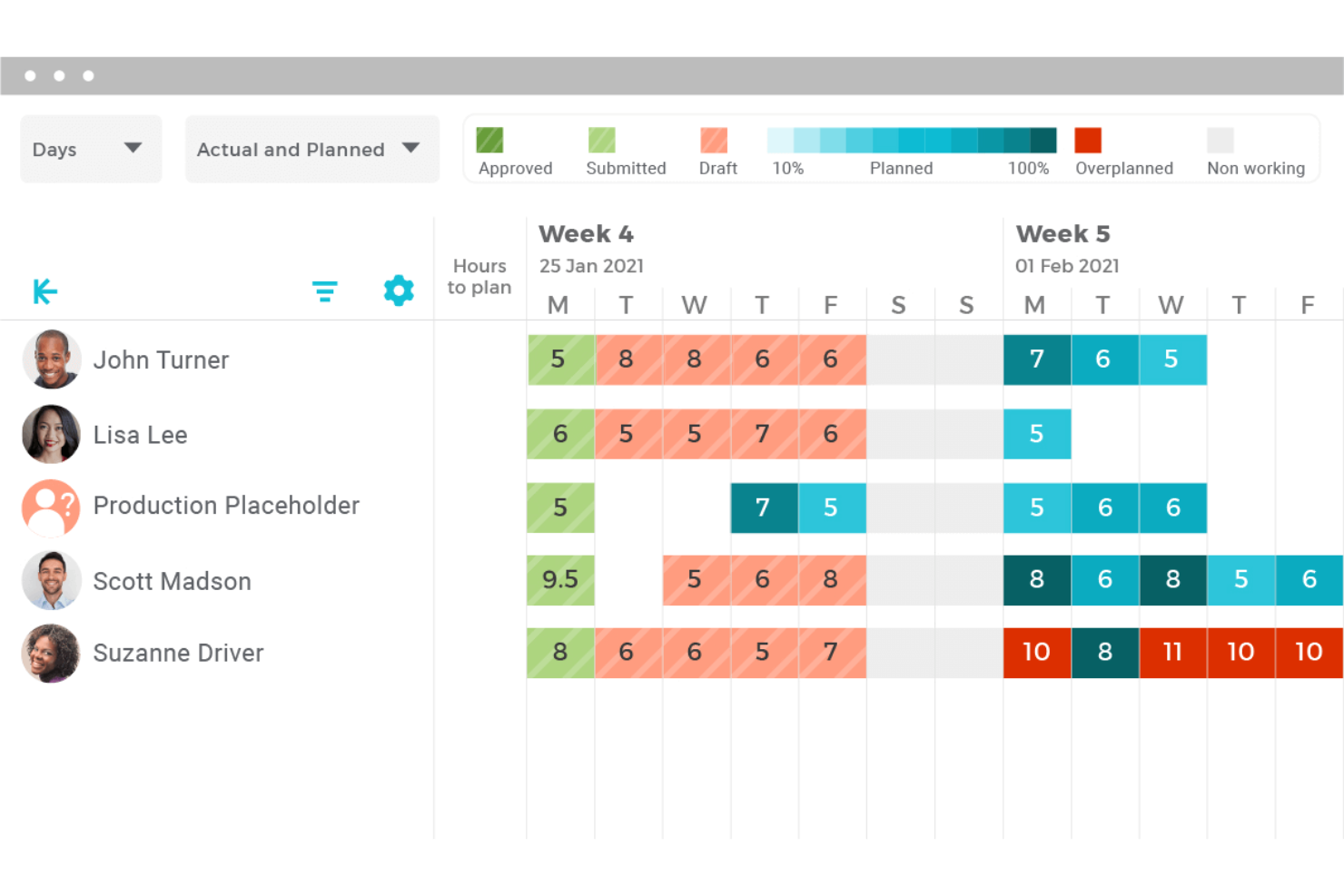
VOGSY è una piattaforma CRM ed ERP tutto-in-uno progettata specificamente per team di progetto globali. Mira a semplificare la gestione di progetti internazionali fornendo un'unica fonte di verità per persone, progetti e finanze in diversi paesi e valute.
Perché ho scelto VOGSY:
Ho scelto VOGSY per questa lista grazie alle sue solide funzionalità di gestione globale delle risorse. Semplifica l'avvio delle operazioni in nuovi paesi, la gestione di progetti internazionali e l'integrazione di diversi applicativi finanziari locali—ideale per le aziende che si espandono a livello globale. VOGSY supporta anche transazioni multi-valuta e contabilità di progetto, consentendo ai team di gestire i budget, monitorare le spese e mantenere la redditività. Con reportistica e analisi in tempo reale, i decisori ottengono tempestive informazioni finanziarie per mantenere i progetti in carreggiata e le operazioni senza intoppi.
Funzionalità e integrazioni principali:
Le funzionalità includono la contabilità di progetto, che aiuta a gestire i budget e monitorare efficacemente le spese. La piattaforma offre anche reportistica e analisi in tempo reale, fornendo insight fondamentali per prendere decisioni informate. Inoltre, VOGSY supporta le operazioni multi-valuta, permettendo di gestire facilmente le finanze in diverse regioni.
Le integrazioni includono QuickBooks, Deltek, Xero, Sage, Certinia, Oracle Netsuite, Exact, PHC-GO, Tally, Wave, ABSS e Omie.
Pros and Cons
Pros:
- Panoramica finanziaria globale in tempo reale
- Configurazione e onboarding rapidi
- Strumenti robusti per la pianificazione delle risorse
Cons:
- Funzionalità mobile limitate
- Le opzioni di personalizzazione di base risultano restrittive
New Product Updates from VOGSY
VOGSY Adds Practices and Financial Totals in Planning Views
VOGSY adds a new Practices layer for consolidated reporting and displays revenue and cost totals directly in planning views so you get high-level insights and instant financial context without extra steps. For more information, visit VOGSY’s official site.
 .
.
Ideale per progetti di produzione su misura
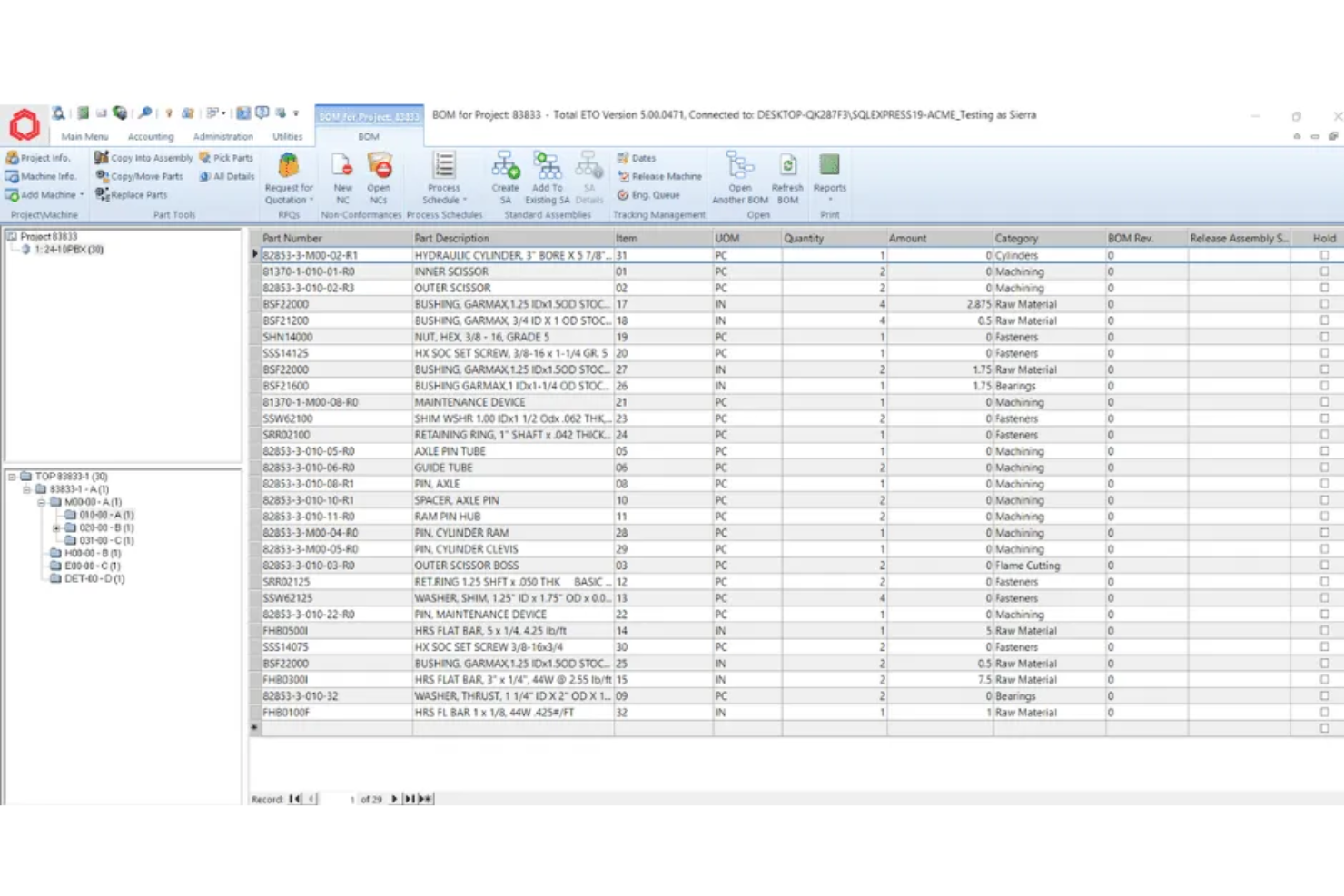
Total ETO è un software di pianificazione delle risorse aziendali (ERP) progettato specificamente per i produttori su commessa (ETO) e per la produzione su misura. Offre strumenti per gestire e ottimizzare i processi unici coinvolti nei progetti di produzione personalizzata.
Perché ho scelto Total ETO:
Total ETO si integra con i più diffusi sistemi CAD, consentendo al team di ingegneria di importare i progetti direttamente nei progetti aziendali. Questa integrazione permette di tracciare le modifiche alla distinta base (BOM) in qualsiasi fase, garantendo la condivisione delle informazioni tra reparti. Il software migliora anche la gestione degli approvvigionamenti semplificando i processi di acquisto grazie all'interconnessione tra ingegneria, ricevimento merci e reparto produttivo. Puoi raggruppare componenti o fornitori comuni su più progetti, emettere e revisionare richieste di offerta (RFQ) e ordini di acquisto (PO), riservare l'inventario per progetto mentre ne monitori la disponibilità.
Funzionalità di rilievo e integrazioni:
Funzionalità includono gestione dinamica della BOM, gestione dell'inventario per progetto, capacità di report personalizzabili, calcolo dei costi in tempo reale, gestione delle variazioni d'ordine, strumenti di stima dei preventivi, tracciamento degli approvvigionamenti, pianificazione della produzione e integrazione contabile.
Integrazioni includono SolidWorks, Autodesk, Onshape, QuickBooks, Sage e Microsoft.
Pros and Cons
Pros:
- L'accesso in tempo reale ai dati migliora l'efficienza dei report
- Integrazione fluida con sistemi CAD
- Gestione dinamica della BOM
Cons:
- Interfaccia datata
- Nessuna prova gratuita per i nuovi utenti
Unit4
Ideale per organizzazioni incentrate sulle persone

Unit4 offre una soluzione ERP basata su cloud per aumentare la produttività e la collaborazione all'interno di organizzazioni incentrate sulle persone. È ideale per le organizzazioni che necessitano di soluzioni ERP adattabili per migliorare la produttività e la collaborazione, moderando al contempo la spesa.
Perché ho scelto Unit4:
Ho scelto Unit4 per la sua attenzione alle organizzazioni incentrate sulle persone e per l'adattabilità alle diverse esigenze aziendali. Unit4 è perfetto per le organizzazioni che mettono le persone al centro, poiché offre ai dipendenti strumenti per incrementare la produttività e favorire la crescita.
Caratteristiche e integrazioni principali:
Caratteristiche includono gestione finanziaria, gestione dei progetti, gestione degli approvvigionamenti, gestione HR di base e gestione delle retribuzioni. Il software sfrutta funzionalità alimentate dall'intelligenza artificiale per una gestione finanziaria avanzata, controllo dei progetti, approvvigionamento, reportistica, previsione e paghe.
Integrazioni includono Microsoft Office, Salesforce, SAP, Oracle, Google Workspace, Slack, Trello e Jira.
Pros and Cons
Pros:
- Design incentrato sulle persone
- Adattabile a vari settori
- Set completo di funzionalità
Cons:
- Può richiedere una formazione approfondita
- Opzioni di personalizzazione limitate


Access Coins ERP è un sistema completo specifico per l'edilizia, progettato per i professionisti che necessitano di dati in tempo reale e flussi di lavoro automatizzati. Garantisce visibilità durante tutto il ciclo di vita del progetto, supportando la gestione dei margini, la mitigazione dei rischi e la consegna puntuale dei progetti.
Perché ho scelto Access Coins ERP:
Ho inserito Access Coins ERP in questo elenco grazie alle sue funzionalità specifiche per l'edilizia e alle sue capacità di fornire dati in tempo reale. Questi aspetti lo rendono particolarmente efficace nella gestione di progetti complessi con precisione. I suoi flussi di lavoro automatizzati e i dati in tempo reale lo rendono ideale per i professionisti del settore che necessitano di queste caratteristiche.
Funzionalità e integrazioni principali:
Le funzionalità includono gestione dei progetti, gestione dei servizi, gestione finanziaria, gestione della catena di approvvigionamento e gestione della forza lavoro & paghe. Questo assicura il controllo sui progetti di costruzione, dalla pianificazione all'esecuzione.
Le integrazioni includono Microsoft Office, Oracle, SAP, Procore, Bluebeam, Autodesk, Viewpoint, Sage e Primavera.
Pros and Cons
Pros:
- Accesso ai dati in tempo reale
- Flussi di lavoro automatizzati
- Visibilità completa del progetto
Cons:
- Può richiedere una formazione approfondita
- Limitato al settore delle costruzioni

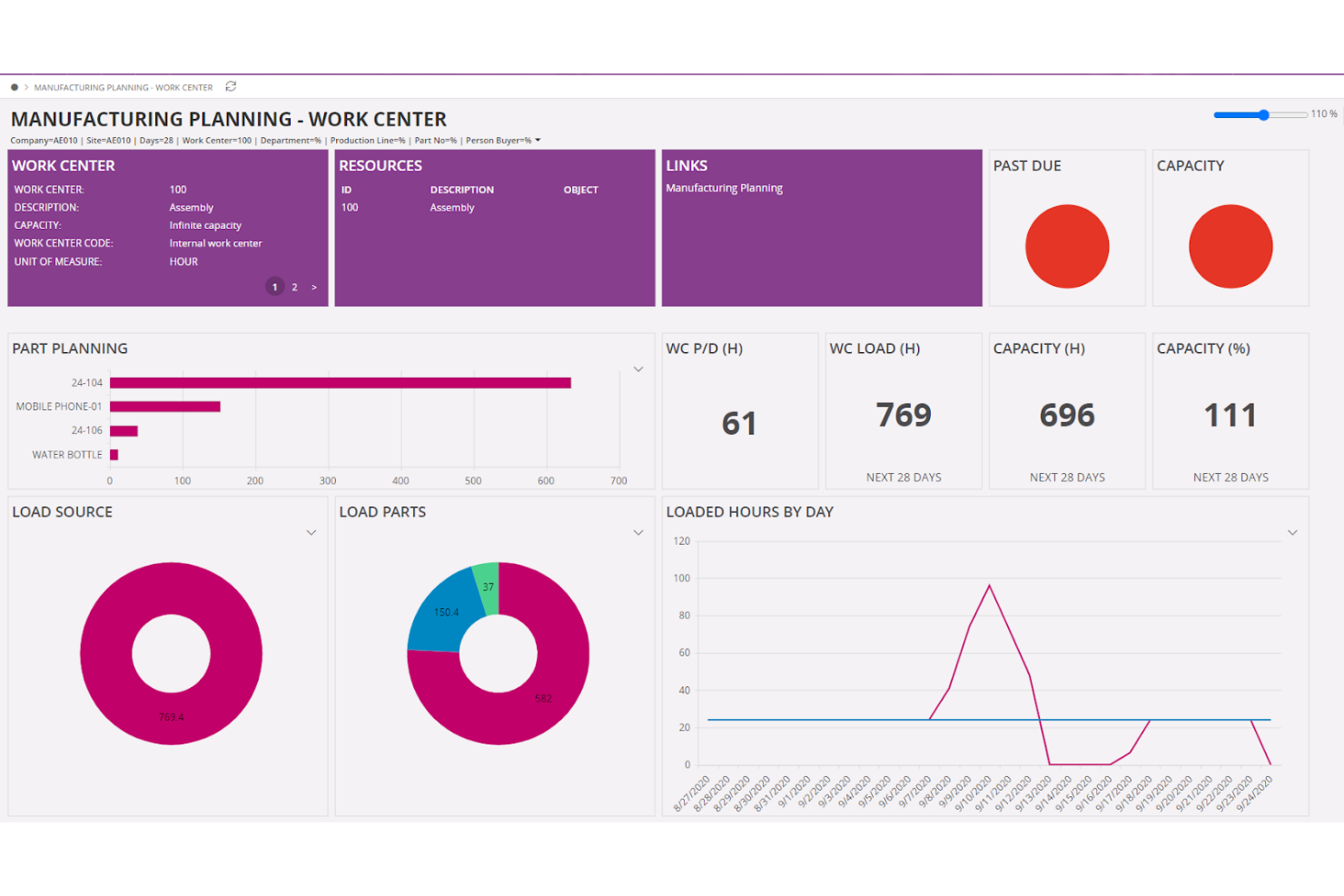
IFS Cloud offre soluzioni ERP su misura per settori che necessitano di una gestione integrata del ciclo di vita di asset e progetti. Queste soluzioni combinano la gestione di progetti e asset per un coordinamento e un controllo efficienti.
Perché ho scelto IFS Cloud:
Ho scelto IFS Cloud per la sua forte integrazione tra gestione degli asset e dei cicli di vita dei progetti, caratteristica che lo distingue nel mercato ERP. IFS Cloud fornisce una piattaforma unificata che soddisfa le esigenze di gestione di asset e progetti, rendendola ideale per settori con requisiti progettuali complessi.
Caratteristiche e integrazioni principali:
Le funzionalità includono il monitoraggio dei progetti in tempo reale, la gestione delle prestazioni degli asset e controlli finanziari completi. Questo lo rende ideale per settori con requisiti progettuali complessi.
Le integrazioni comprendono Microsoft Azure, AWS, Salesforce, Oracle, SAP, IBM Maximo, Google Cloud, ServiceNow, Microsoft Dynamics e Tableau.
Pros and Cons
Pros:
- Gestione completa degli asset
- Monitoraggio dei progetti in tempo reale
- Controlli finanziari avanzati
Cons:
- Configurazione complessa
- Richiede personalizzazione


Deltek Vision è un software ERP basato su progetti, progettato per aziende di servizi professionali. Fornisce una gestione completa del ciclo di vita del progetto per semplificare l'esecuzione dei progetti e migliorare le prestazioni.
Perché ho scelto Deltek Vision:
Ho scelto Deltek Vision per la sua capacità di gestire l'intero ciclo di vita del progetto, dalla gestione del rapporto con il cliente all'esecuzione del progetto fino al miglioramento delle prestazioni. La sua capacità di integrare dati di redditività, pianificazione di progetto e risorse in un unico sistema lo distingue, rendendolo ideale per le aziende orientate ai progetti.
Caratteristiche e integrazioni principali:
Le funzionalità includono informazioni in tempo reale per prendere decisioni informate e strumenti per il monitoraggio continuo dello stato dei progetti. Dispone anche di un sistema integrato per il tracciamento dei dati finanziari, di progetto e di pianificazione delle risorse.
Le integrazioni includono Microsoft Office, Salesforce, QuickBooks, SAP Concur, Oracle, IBM, Google Workspace, Slack, Trello e Jira.
Pros and Cons
Pros:
- Gestione completa del ciclo di vita del progetto
- Accesso ai dati in tempo reale
- Pianificazione finanziaria e di progetto integrata
Cons:
- Configurazione complessa
- Può essere difficile da scalare


Unanet offre soluzioni ERP e CRM basate su progetti, appositamente studiate per appaltatori governativi, studi di architettura, ingegneria e aziende di costruzione. È ideale per gli appaltatori governativi che necessitano della conformità DCAA grazie alle funzionalità integrate che garantiscono il rispetto delle normative governative.
Perché ho scelto Unanet:
Ho scelto Unanet per le sue solide funzionalità di conformità progettate specificamente per gli appaltatori governativi. Unanet si distingue per i suoi strumenti di conformità DCAA completi, essenziali per i contraenti che lavorano su progetti governativi. Questo lo rende la scelta migliore per garantire l’aderenza normativa gestendo i progetti in modo efficiente.
Funzionalità e integrazioni di rilievo:
Le funzionalità includono visibilità in tempo reale su progetti, contratti e risorse. Le funzioni aziendali comprendono inoltre la conformità DCAA integrata, una solida gestione finanziaria e strumenti di analisi.
Le integrazioni includono Paylocity, ADP, Oracle, BambooHR, Microsoft Teams, Box, UKG, Paycom, Gusto, Paychex, Proliant, TriNet e GovConPay.
Pros and Cons
Pros:
- Conformità DCAA integrata
- Visibilità dei progetti in tempo reale
- Solida gestione finanziaria
Cons:
- Può richiedere una formazione approfondita
- Limitato a settori specifici

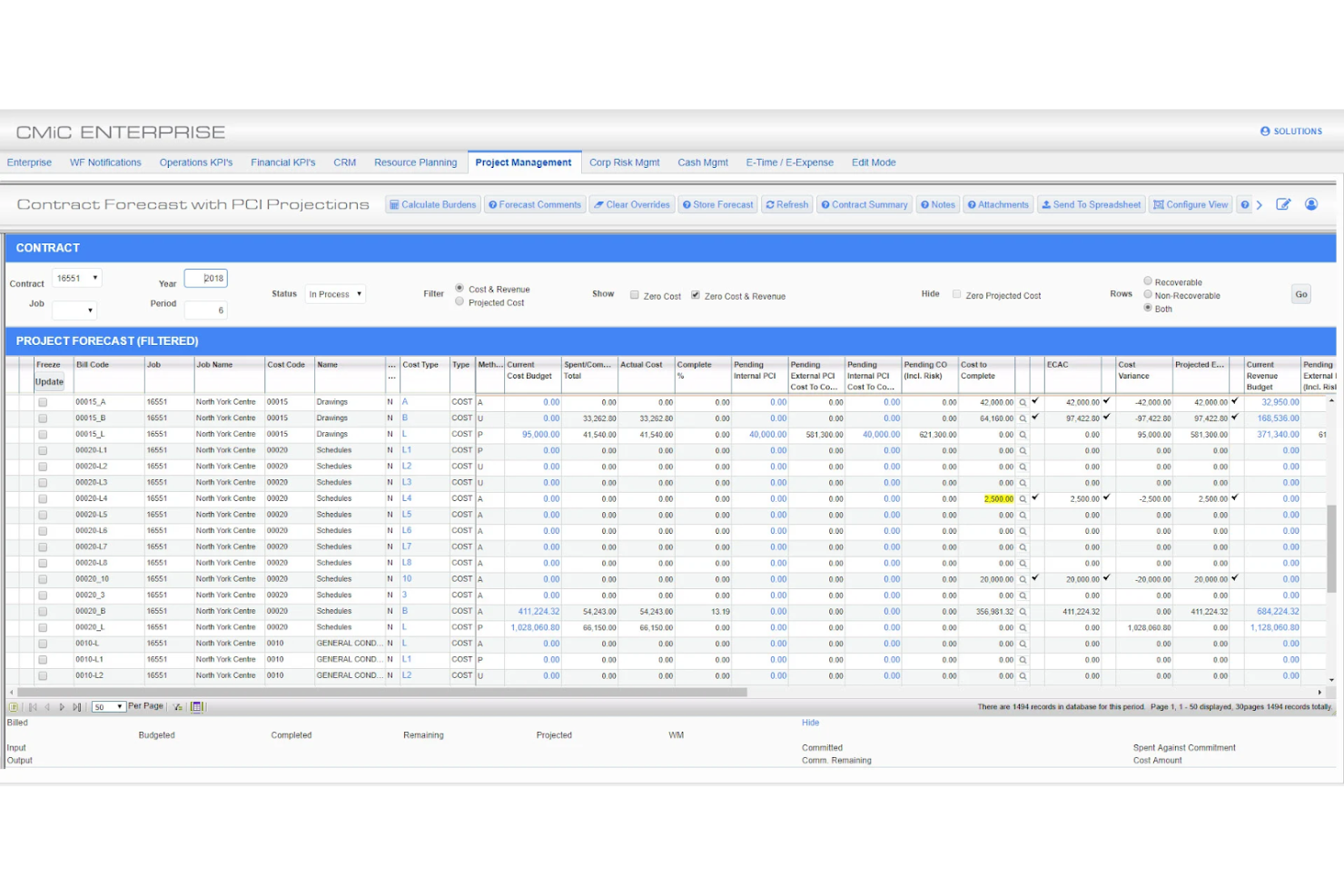
CMIC è un software di gestione dei progetti progettato per l'industria delle costruzioni. Fornisce una piattaforma unificata per gestire il controllo dei progetti, inclusi budget, tempi, spese, fornitori e costi. È ideale per le imprese edili che necessitano di un controllo dei progetti semplificato, poiché integra tutti gli aspetti della gestione in un unico database per garantire la coerenza dei dati e migliorare la comunicazione tra gli stakeholder.
Perché ho scelto CMiC:
Ho scelto CMiC perché offre solide capacità di controllo dei progetti in ambito edile. A differenza di altri strumenti, CMiC utilizza una piattaforma basata su un unico database per prevenire conflitti di dati e migliorare la collaborazione. È ideale per le imprese del settore costruzioni che cercano un controllo unificato dei progetti, semplificando la gestione e aumentando l'efficienza operativa.
Funzionalità e integrazioni principali:
Le funzionalità includono la gestione delle varianti, la gestione delle relazioni con i subappaltatori, il controllo dei costi, dei ricavi e dei budget. Offre anche un potente reporting analitico e funzionalità mobile per i team in cantiere.
Le integrazioni includono Oracle, Docusign, Procore, Salesforce, Bluebeam, PlanGrid, BIM 360, Microsoft Office, Viewpoint e Tableau.
Pros and Cons
Pros:
- Controllo completo dei progetti
- Piattaforma con database unico
- Potente reporting analitico
Cons:
- Potrebbe richiedere molta formazione
- Limitato al settore delle costruzioni


CMap è progettato specificamente per architetti e ingegneri, offrendo strumenti completi di gestione dei progetti. Integra pianificazione dei progetti, allocazione delle risorse e gestione finanziaria per semplificare i processi e migliorare l'efficienza.
Perché ho scelto CMap:
Ho scelto CMap per la sua specializzazione nei settori dell'architettura e dell'ingegneria. Le sue caratteristiche chiave dedicate lo rendono la scelta migliore per la gestione integrata dei progetti. La capacità di CMap di offrire una visibilità completa su progetti, operazioni aziendali e flussi di cassa è particolarmente vantaggiosa per architetti e ingegneri.
Funzionalità e integrazioni principali:
Le funzionalità includono report e dashboard personalizzabili e strumenti di budgeting intuitivi. Include anche integrazione di dati in tempo reale per prevedere la domanda futura.
Le integrazioni includono MS Dynamics GP, Sage, Xero, QuickBooks, Tableau, Atvero ed Excel.
Pros and Cons
Pros:
- Su misura per il settore AEC
- Strumenti di budgeting intuitivi
- Dashboard personalizzabili
Cons:
- Limitato a settori specifici
- Richiede Microsoft 365
Altri software ERP basati sui progetti
Il miglior software ERP basato sui progetti riunisce dati finanziari, risorse, tempistiche e risultati finali in un unico sistema, senza gli strumenti scollegati, le soluzioni manuali alternative o gli attriti sui dati che rallentano i team di progetto. Se la configurazione attuale non ti offre una visibilità chiara sulle prestazioni dei progetti o non semplifica i flussi di lavoro tra i reparti, potrebbe limitare la tua capacità di rispettare le scadenze e il budget.
Con oltre 15 anni di esperienza nella gestione finanziaria e nel software digitale, ho testato innumerevoli piattaforme ERP e ho visto in prima persona come il sistema giusto possa trasformare la collaborazione, migliorare le previsioni ed eliminare costosi colli di bottiglia. Lo strumento sbagliato, invece, può causare scadenze non rispettate, dati disordinati e inefficienze operative che si accumulano nel tempo.
Per aiutarti a fare la scelta giusta, ho trascorso ore a esaminare i feedback degli utenti e ad analizzare le principali soluzioni ERP basate sui progetti disponibili oggi. Ecco le piattaforme che possono ridurre la complessità, migliorare la visibilità e supportare ogni fase del ciclo di vita del tuo progetto.
Di seguito è riportato un elenco di software ERP basati sui progetti aggiuntivi che abbiamo selezionato, ma che non sono entrati nell’elenco principale. Vale la pena dare loro un’occhiata!Il software ERP basato sui progetti è un sistema centralizzato progettato per gestire finanze, risorse, tempistiche e risultati finali per le aziende la cui attività ruota attorno ai progetti.
- Jamis Prime ERP
Ideale per una contabilità conforme end-to-end ai requisiti governativi
- Penta Technologies
Ideale per la gestione delle costruzioni
- Kantata
Le migliori soluzioni avanzate per la gestione di progetti e risorse nei servizi professionali


Come valuto i software ERP basati su progetti
Divido la mia valutazione tra requisiti di base—come la contabilità WIP di progetto e la rilevazione dei ricavi secondo l'ASC 606—e fattori che distinguono le piattaforme create appositamente da quelle adattate da gestionali generali.
Funzionalità di base (elementi imprescindibili per questa lista)
Quando seleziono gli strumenti per la mia lista, assegno a ciascuno un punteggio da 0 (la funzionalità non è presente) a 5 (eccelle in quest'area) per ciascuna funzionalità di base elencata di seguito. Successivamente calcolo il punteggio totale dello strumento in percentuale. Ogni strumento deve raggiungere un punteggio minimo totale del 65% per essere preso in considerazione.
- Contabilità di progetto: Verifico se la piattaforma mantiene una vera contabilità separata per progetti con monitoraggio WIP e ripartizione dei costi, invece di limitarsi a etichettare le registrazioni di prima nota con un codice progetto.
- Costificazione e budget di progetto: Qui conta il confronto tra budget e consuntivi a livello di fase e attività, oltre alla possibilità di effettuare previsioni EAC in caso di variazione di ambito a metà progetto.
- Riconoscimento dei ricavi: Valuto come ogni strumento gestisce ASC 606 e IFRS 15 su diverse tipologie di contratto—T&M, a prezzo fisso e a milestone—senza obbligare ad inserimenti manuali di scritture contabili.
- Gestione tempi e spese: Cerco la rilevazione nativa di tempi e spese collegata direttamente ai registri dei costi e alla fatturazione di progetto, inclusi workflow di approvazione e inserimento da mobile.
- Pianificazione e gestione delle risorse: La pianificazione della capacità e la reportistica sull'utilizzo mostrano se lo strumento può aiutarti a prevedere la domanda e assegnare le persone giuste ai progetti giusti.
- Fatturazione e invio fatture di progetto: Valuto la flessibilità del sistema nella gestione di regole di fatturazione specifiche per contratto, dai prelievi su retainer e milestone all'emissione di fatture T&M a tariffa mista.
Una volta ottenuta la lista degli strumenti che soddisfano questi criteri, considero cosa distingue ciascuna piattaforma.
Fattori differenzianti (cosa distingue i fornitori)
Ecco come confronto le diverse soluzioni:
Funzionalità distintive
L'earned value management è un fattore di distinzione rilevante: cerco piattaforme che offrano metriche CPI e SPI per identificare in anticipo i progetti a rischio prima che si erodano i margini. Anche la consolidazione multi-azienda è importante, soprattutto per chi gestisce progetti tra filiali e necessita di eliminazioni infragruppo. La BI integrata rappresenta un ulteriore plus; dashboard preconfigurate su backlog, utilizzo e redditività di progetto evitano al team di dover esportare dati in spreadsheet per ogni riunione del consiglio.
Oltre le funzionalità
La specializzazione per settore è uno degli aspetti che valuto per primi. Una piattaforma pensata per studi di architettura/ingegneria affronterà retainer e fatturazione AIA in modo diverso rispetto a una progettata per il settore GovCon con audit trail DCAA. L'ecosistema di integrazione è altrettanto significativo: il tuo ERP deve potersi collegare senza problemi a CRM, payroll e strumenti come Jira o Procore senza trasferimenti manuali di dati. Considero anche l'approccio alla compliance, in particolare la certificazione SOC 2 Type II e la profondità delle tracce di audit a supporto di SOX e della rendicontazione ASC 606, poiché controlli deboli in quest'area aumentano i rischi in fase di audit esterno.
Come scegliere un software ERP basato sui progetti
Trovare un software ERP basato sui progetti affidabile può essere difficile quando non sai da dove iniziare. Ecco alcuni aspetti da considerare durante la tua ricerca:
- Requisiti funzionali: Le aziende basate sui progetti hanno requisiti unici che i sistemi ERP standard potrebbero non soddisfare. Quando si valuta un sistema ERP, è necessario assicurarsi che offra funzionalità specifiche per i progetti, come la registrazione dei costi attraverso strutture di progetto e la rilevazione dei ricavi in base al completamento del progetto, alle milestone o alla fatturazione progressiva.
- Esigenze specifiche del settore: Settori diversi hanno esigenze specializzate che un sistema ERP generico potrebbe non essere in grado di soddisfare. Quando si seleziona un sistema ERP, è necessario assicurarsi che possa supportare tutte le esigenze aziendali, inclusi la gestione dei documenti, la pianificazione e la programmazione.
- Capacità di integrazione: Molte aziende utilizzano più applicazioni, quindi il software ERP dovrebbe connettersi con esse per evitare l'isolamento dei dati. Ad esempio, se stai cercando un software ERP per il settore immobiliare, avrai bisogno di una soluzione che riunisca le funzionalità di contabilità, CRM e gestione dei progetti.
- Costo e ROI: Il costo del software ERP può variare notevolmente in base al fornitore, al numero di moduli necessari e al fatto che la soluzione sia basata sul cloud o installata localmente. Considera tutte le spese, come i costi delle licenze, la manutenzione annuale, i test, la formazione e il supporto all'implementazione. Valuta il ritorno sull'investimento (ROI) a lungo termine esaminando il periodo di recupero dell'investimento nell'arco di cinque-sette anni.
- Reputazione e supporto del fornitore: Quando si sceglie il miglior fornitore ERP, la reputazione e la qualità del supporto sono considerazioni essenziali. Analizza l'esperienza del fornitore nel settore, i partner di implementazione e i feedback dei clienti. Valuta il livello di supporto post-implementazione, ad esempio la disponibilità di assistenza 24 ore su 24, 7 giorni su 7 per i problemi critici.
Tendenze nel software ERP basato sui progetti
Di seguito sono riportate alcune tendenze nel software ERP basato sui progetti e il loro potenziale impatto sulle piccole imprese e sulle organizzazioni più grandi. Ho analizzato numerosi aggiornamenti dei prodotti e comunicati stampa per individuare questi aspetti chiave.
- Integrazione dell'intelligenza artificiale e dell'apprendimento automatico: l'intelligenza artificiale e l'apprendimento automatico vengono integrati sempre più nei sistemi ERP. Queste tecnologie aggiuntive contribuiscono ad automatizzare le attività e a fornire analisi predittive. Questa tendenza è fondamentale per migliorare il processo decisionale e l'efficienza.
- Soluzioni basate sul cloud: sempre più piattaforme ERP si stanno spostando sul cloud invece di utilizzare soluzioni ERP installate localmente, offrendo scalabilità e accesso remoto. Questa tendenza è essenziale per le aziende con squadre distribuite.
- Maggiore sicurezza dei dati: le funzionalità di sicurezza dei dati stanno diventando sempre più avanzate. I sistemi ERP ora includono una solida crittografia e l'autenticazione a più fattori. Questa tendenza è essenziale per proteggere le informazioni sensibili delle aziende di commercio elettronico.
- Accessibilità da dispositivi mobili: il software ERP è sempre più accessibile tramite dispositivi mobili. Le applicazioni mobili consentono aggiornamenti in tempo reale e la gestione in mobilità. Questa tendenza è importante per migliorare flessibilità e reattività.
- Pannelli di controllo personalizzabili: i pannelli di controllo personalizzabili stanno diventando sempre più diffusi. Consentono agli utenti di adattare la propria interfaccia a esigenze specifiche. Questa tendenza è essenziale per migliorare l'esperienza utente e la produttività.
Che cos'è il software ERP basato sui progetti?
Il software ERP basato sui progetti è uno strumento di pianificazione delle risorse aziendali che integra la gestione dei progetti, le finanze e le operazioni in un unico sistema. Viene utilizzato dai responsabili di progetto, dai responsabili del controllo finanziario e dalle squadre operative per pianificare, definire il budget, allocare le risorse e monitorare i progressi in ogni fase di un progetto. Unificando la pianificazione dei progetti, la gestione finanziaria, il monitoraggio del tempo e la reportistica, offre una visibilità in tempo reale sulle prestazioni e sui costi. Questo aiuta le squadre a completare i progetti nei tempi e nei limiti di budget previsti, mantenendo al contempo il pieno controllo dell'ambito e delle risorse.
Funzionalità del software ERP basato sui progetti
Quando selezioni un software ERP basato sui progetti, concentrati sulle seguenti funzionalità chiave:
- Pianificazione del progetto: aiuta a delineare le attività, le tempistiche e le dipendenze del progetto. È utile in tutti i settori, ma soprattutto nel marketing e nel settore delle costruzioni.
- Gestione finanziaria: gestisce budget, spese e rendicontazione finanziaria.
- Gestione delle risorse: assegna e monitora efficacemente le risorse tra i progetti. È particolarmente utile se gestisci un team IT o di ingegneria.
- Monitoraggio del tempo: registra il tempo dedicato alle attività per una fatturazione e un'analisi accurate. È vantaggioso se lavori per uno studio legale o un'azienda di gestione immobiliare.
- Rendicontazione: fornisce report completi sullo stato e sulle prestazioni del progetto.
- Gestione dei rischi: individua e mitiga i potenziali rischi del progetto.
- Gestione dei documenti: organizza e archivia centralmente i documenti del progetto.
- Strumenti di collaborazione: migliorano la comunicazione e la collaborazione del team.
- Capacità di integrazione: si connette con altri sistemi software per un flusso di dati più fluido.
- Gestione delle relazioni con i clienti (CRM): gestisce le interazioni con i clienti e le comunicazioni relative ai progetti.
Vantaggi del software ERP basato sui progetti
Il software ERP basato sui progetti semplifica e ottimizza la gestione dei progetti integrando i processi aziendali in un unico sistema. Ecco cinque vantaggi principali del software ERP basato sui progetti.
- Maggiore visibilità sul progetto: il software fornisce informazioni in tempo reale sull'avanzamento del progetto, consentendo di prendere decisioni migliori e di adottare una gestione proattiva.
- Migliore gestione delle risorse: assegna e utilizza le risorse in modo efficiente, garantendo che siano disponibili le risorse giuste al momento giusto.
- Gestione finanziaria semplificata: l'integrazione dei dati finanziari con la gestione dei progetti garantisce accuratezza nella definizione del budget, nelle previsioni e nella rendicontazione finanziaria.
- Maggiore collaborazione: il software facilita una migliore comunicazione e collaborazione tra i membri del team, migliorando i risultati del progetto.
- Scalabilità e flessibilità: può adattarsi rapidamente alle esigenze in evoluzione dell'organizzazione, sostenendone la crescita e la scalabilità.
Costi e prezzi del software ERP basato sui progetti
Comprendere i modelli di prezzo e i costi è importante quando si seleziona il software ERP basato sui progetti più adatto. Di seguito è riportata una tabella che riassume i diversi tipi di piano, i relativi prezzi medi e le funzionalità standard incluse in ciascun piano.
Tabella di confronto dei piani per il software ERP basato sui progetti
| Tipo di piano | Prezzo medio | Funzionalità comuni |
| Piano gratuito | $0 | Funzionalità di base, numero limitato di utenti e assistenza della comunità |
| Piano base | $50/user/month | Funzionalità ERP fondamentali, personalizzazione limitata e assistenza standard |
| Piano standard | $100/user/month | Moduli ERP avanzati, personalizzazione moderata e assistenza potenziata |
| Piano premium | $200/user/month | Suite ERP completa, ampia personalizzazione, assistenza premium e formazione |
| Piano aziendale | Prezzo personalizzato | Soluzioni ERP complete, personalizzazione totale, assistenza dedicata e consulenza |
Domande frequenti sul software ERP basato sui progetti
Ecco alcune delle domande più frequenti sul software ERP basato sui progetti.
In che modo il software ERP basato sui progetti migliora la gestione dei progetti?
Il software ERP basato sui progetti integra vari aspetti della gestione dei progetti in un’unica piattaforma, fornendo informazioni in tempo reale. Di conseguenza, migliora l’allocazione delle risorse, il monitoraggio finanziario e semplifica la comunicazione tra le parti interessate.
Il software ERP basato sui progetti può essere personalizzato per adattarsi alle esigenze della mia azienda?
Sì, molte soluzioni ERP basate sui progetti offrono moduli e funzionalità personalizzabili, adattabili ai processi e ai requisiti specifici della tua azienda.
Quali sono le opzioni di implementazione del software ERP basato sui progetti?
Le opzioni di implementazione includono generalmente modelli basati sul cloud, on-premise o ibridi, consentendoti di scegliere in base all’infrastruttura e alle esigenze di sicurezza della tua azienda.
In che modo il software ERP basato sui progetti gestisce la gestione finanziaria?
Il software ERP basato sui progetti gestisce budget, spese e rendicontazione finanziaria, offrendo strumenti per il monitoraggio accurato dei costi, le previsioni e la verifica che i progetti rimangano entro i vincoli economici.
È disponibile una formazione per i nuovi utenti del software ERP basato sui progetti?
Sì, la maggior parte dei fornitori mette a disposizione risorse formative come video, webinar, tour interattivi e documentazione di supporto per aiutare i nuovi utenti a familiarizzare rapidamente con il sistema.
In che modo il software ERP basato sui progetti garantisce la sicurezza dei dati?
Per proteggere i dati sensibili dei progetti, utilizza misure di sicurezza avanzate, come crittografia, autenticazione degli utenti, controlli degli accessi e aggiornamenti regolari della sicurezza.
Qual è il ruolo dell'IA nel software ERP basato sui progetti?
L’IA può automatizzare le attività di routine, fornire analisi predittive e offrire informazioni utili a migliorare la pianificazione dei progetti e l’allocazione delle risorse.
Quali sono le difficoltà più comuni nell'implementazione del software ERP basato sui progetti?
Le difficoltà possono includere la resistenza al cambiamento, problemi di migrazione dei dati, l’integrazione con i sistemi esistenti e la necessità di garantire l’adozione da parte degli utenti.
Cosa succede dopo?
Pronto a consolidare le tue competenze come professionista della finanza?
Iscriviti alla nostra newsletter gratuita per ricevere consigli di esperti, guide e approfondimenti dai leader della finanza che stanno plasmando il settore tecnologico.