

Recensione SoftLedger: Vantaggi, Svantaggi, Caratteristiche e Prezzi
SoftLedger si distingue per i suoi dati finanziari in tempo reale e la sua API flessibile, rendendolo perfetto per le aziende in crescita che necessitano di soluzioni personalizzabili.

Recensiamo gli strumenti in modo indipendente e le commissioni aiutano a finanziare i nostri test. Consulta la nostra politica sulla trasparenza, la nostra metodologia, oppure suggerisci uno strumento.
SoftLedger is a cloud-based general ledger software built for businesses managing multiple entities, subsidiaries, or investment portfolios that need real-time financial consolidation. I'd consider it if your organization has outgrown QuickBooks but doesn't want the lengthy implementation—or the price tag—that comes with NetSuite. SoftLedger gives finance teams multi-entity consolidation, multi-currency support, and an API-first architecture in a platform that's genuinely faster to deploy than most enterprise ERP alternatives.
SoftLedger Evaluation Summary
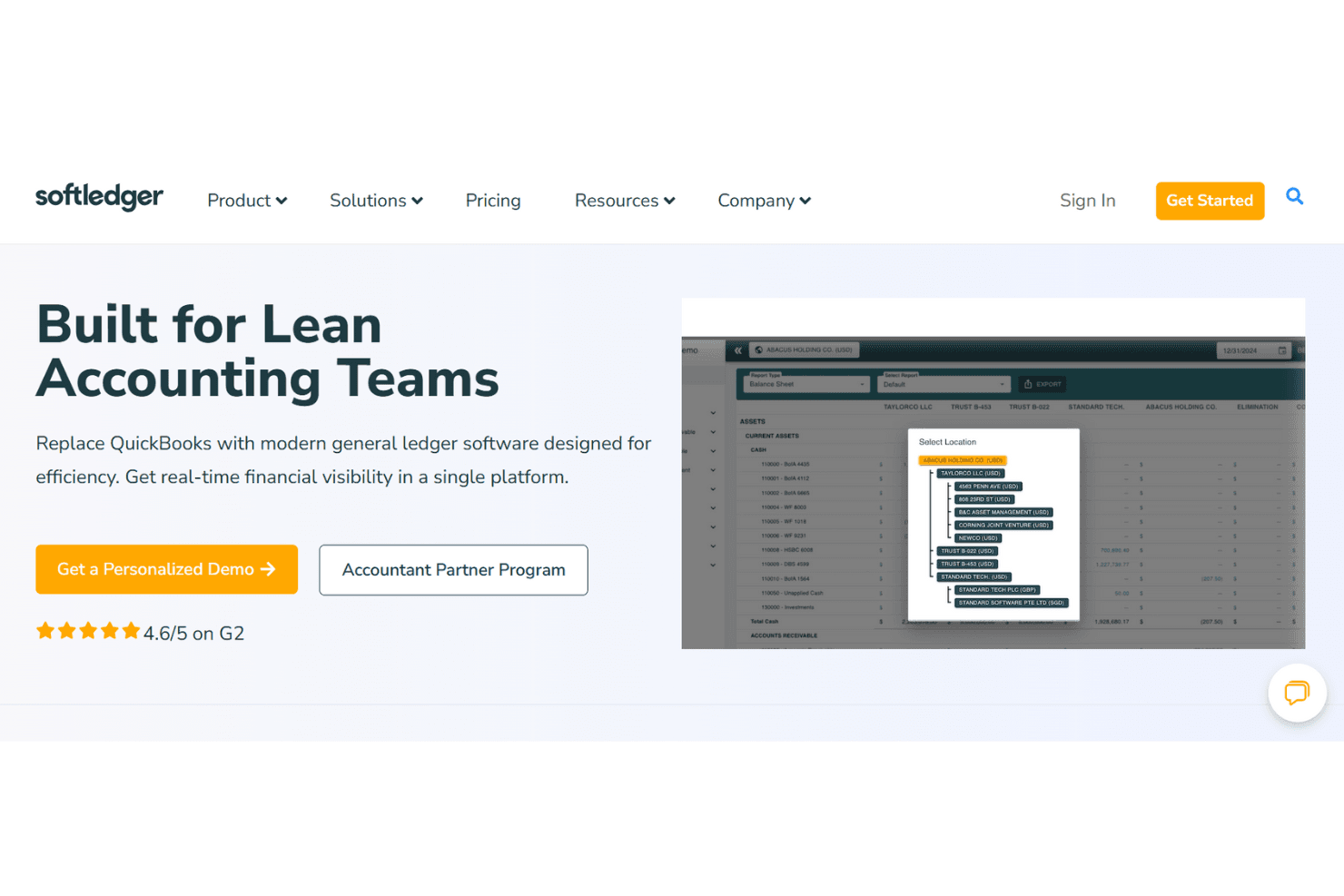
4.6/5
- Pricing upon request
- Free demo available
Perché fidarsi dei nostri consigli sui software
6,700+
Reviews
20
Industry experts
16+
Evaluation factors
14
Years
Le nostre recensioni riflettono il nostro giudizio indipendente, non un discorso di vendita. Scopri come manteniamo la trasparenza.
Per questa guida, abbiamo valutato gli strumenti attraverso test pratici e ricerche indipendenti, assegnando un punteggio agli strumenti in base ai nostri criteri di selezione.
Le nostre recensioni riflettono il nostro giudizio editoriale umano, non un discorso di vendita.
SoftLedger Overview
In my opinion, SoftLedger is an excellent choice for teams needing strong multi-entity management and cryptocurrency accounting capabilities. Its ease of use and effective onboarding process are notable, ensuring your team can quickly adapt and utilize its features. Compared to other accounting software, such as Sage Intacct, SoftLedger shines with its flexibility and modern interface, making it suitable for tech-savvy users and businesses dealing with complex financial structures. However, its pricing might be on the higher side for smaller businesses. This software is best suited for healthcare organizations, crypto businesses, and teams in the financial industry looking for a comprehensive solution that integrates well with other systems and apps. If your team values detailed reporting and cryptocurrency tracking, SoftLedger could be a worthwhile investment.
Pros
- You can easily manage multiple entities and currencies.
- Your team will appreciate the straightforward user interface.
- You get real-time financial data for better decision-making.
Cons
- Your work might be disrupted by occasional system glitches.
- You could face challenges with limited customization options.
- Your team may be overwhelmed with its advanced tools.
Is SoftLedger Right For Your Needs?
Who Would be a Good Fit for SoftLedger?
SoftLedger is ideal for businesses with complex financial operations, especially those managing multiple entities or needing real-time financial insights. Its multi-entity general ledger and automation functions are perfect for organizations seeking efficiency in financial reporting and consolidation. If you handle digital assets, require strong cash management tools, or need seamless integration with other platforms, SoftLedger's capabilities in these areas make it a strong contender for your financial management needs.
- Financial ServicesSoftLedger's real-time financial reporting and multi-entity management are excellent for financial institutions needing accurate and timely insights.
- Healthcare OrganizationsIts multi-currency support and automation help healthcare providers manage complex billing and financial operations efficiently.
- Real Estate CompaniesWith its consolidation accounting system and integration capabilities, SoftLedger aids real estate firms in managing diverse financial assets.
- NonprofitsThe software's tailored solutions and robust reporting tools assist nonprofits in maintaining transparency and compliance.
- Crypto BusinessesSoftLedger's digital asset management supports cryptocurrency accounting, making it ideal for businesses in this emerging market.
- Global EnterprisesIts scalability and multi-currency features benefit global companies dealing with complex cross-border financial operations.
Who Would be a Bad Fit for SoftLedger?
SoftLedger might not suit small businesses or startups with limited accounting needs due to its extensive capabilities, which could be overwhelming. Its advanced functionalities might also be excessive for industries that don't require intricate financial reporting, multi-entity accounting, or inventory management. If your work primarily involves simple bookkeeping or you need a straightforward, low-cost solution, SoftLedger's capabilities could be more than you need.
- Small BusinessesIf you run a small business with basic accounting needs, SoftLedger's advanced options might be too complex and costly.
- StartupsFor startups with limited budgets, the extensive capabilities of SoftLedger could be unnecessary and financially burdensome.
- FreelancersFreelancers needing simple invoicing and expense tracking might find SoftLedger's comprehensive suite too expansive.
- Construction CompaniesIndustries like construction, which often require specialized project accounting processes, may not find SoftLedger's general financial tools adequately tailored.
Come testiamo e valutiamo gli strumenti
Abbiamo impiegato anni a costruire, perfezionare e migliorare il nostro sistema di test e valutazione dei software. Il nostro schema è progettato per cogliere le sfumature della scelta del software e ciò che rende uno strumento efficace, concentrandosi sugli aspetti critici del processo decisionale. Di seguito puoi vedere esattamente come funzionano i nostri test e le nostre valutazioni in base a sette criteri. Questo ci permette di offrire una valutazione imparziale del software basata su funzionalità di base, caratteristiche distintive, facilità d’uso, onboarding, assistenza clienti, integrazioni, recensioni dei clienti e rapporto qualità-prezzo.
Funzionalità principali (25% del punteggio finale)
Il punto di partenza della nostra valutazione è sempre la funzionalità principale dello strumento. Dispone delle funzionalità base che un utente si aspetterebbe di trovare? Alcune di queste funzionalità sono riservate ai piani a pagamento più elevati? In sostanza, ci aspettiamo che uno strumento sia all’altezza delle capacità minime dei concorrenti.
Caratteristiche distintive (25% del punteggio finale)
Successivamente, valutiamo le caratteristiche distintive che vanno oltre la funzionalità principale normalmente presente negli strumenti di questo tipo. Un punteggio elevato riflette funzionalità specializzate o uniche che rendono il prodotto più rapido, efficiente o offrono valore aggiunto all’utente. Valutiamo inoltre quanto sia semplice integrare il software con altri strumenti tipicamente presenti nello stack tecnologico, per estenderne la funzionalità e l’utilità. Gli strumenti che offrono numerose integrazioni native, connessioni di terze parti e accesso API per creare integrazioni personalizzate ottengono il punteggio migliore.
Facilità d’uso (10% del punteggio finale)
Consideriamo quanto sia rapido e semplice eseguire le attività fondamentali previste dallo strumento. Un software con punteggio elevato è ben progettato, intuitivo da usare, offre app mobile, modelli predefiniti e semplifica operazioni complesse.
Onboarding (10% del punteggio finale)
Sappiamo quanto sia importante l’adozione rapida da parte del team quando si introduce una nuova piattaforma: per questo valutiamo quanto sia facile imparare e utilizzare lo strumento con una formazione minima. Valutiamo la rapidità con cui un membro del team può impostare e iniziare a utilizzare lo strumento senza esperienza pregressa. Le soluzioni con punteggio alto richiedono poco o nessun supporto.
Assistenza clienti (10% del punteggio finale)
Analizziamo quanto sia semplice e veloce ottenere aiuto tramite telefono, live chat o knowledge base. Gli strumenti e le aziende che offrono supporto in tempo reale ottengono i punteggi migliori, mentre i chatbot ricevono i punteggi più bassi.
Recensioni dei clienti (10% del punteggio finale)
Oltre ai nostri test e valutazioni, consideriamo il net promoter score dei clienti attuali e passati. Verifichiamo la probabilità che i clienti scelgano nuovamente lo strumento per le funzionalità di base. Un software con punteggio elevato riflette un net promoter score alto da parte dei clienti vecchi e attuali.
Rapporto qualità-prezzo (10% del punteggio finale)
Infine, considerando tutti gli altri criteri, valutiamo il prezzo medio dei piani base rispetto alle funzionalità principali e agli altri criteri di valutazione. I software che offrono di più, a un costo inferiore, ottengono punteggi migliori.
Core Features
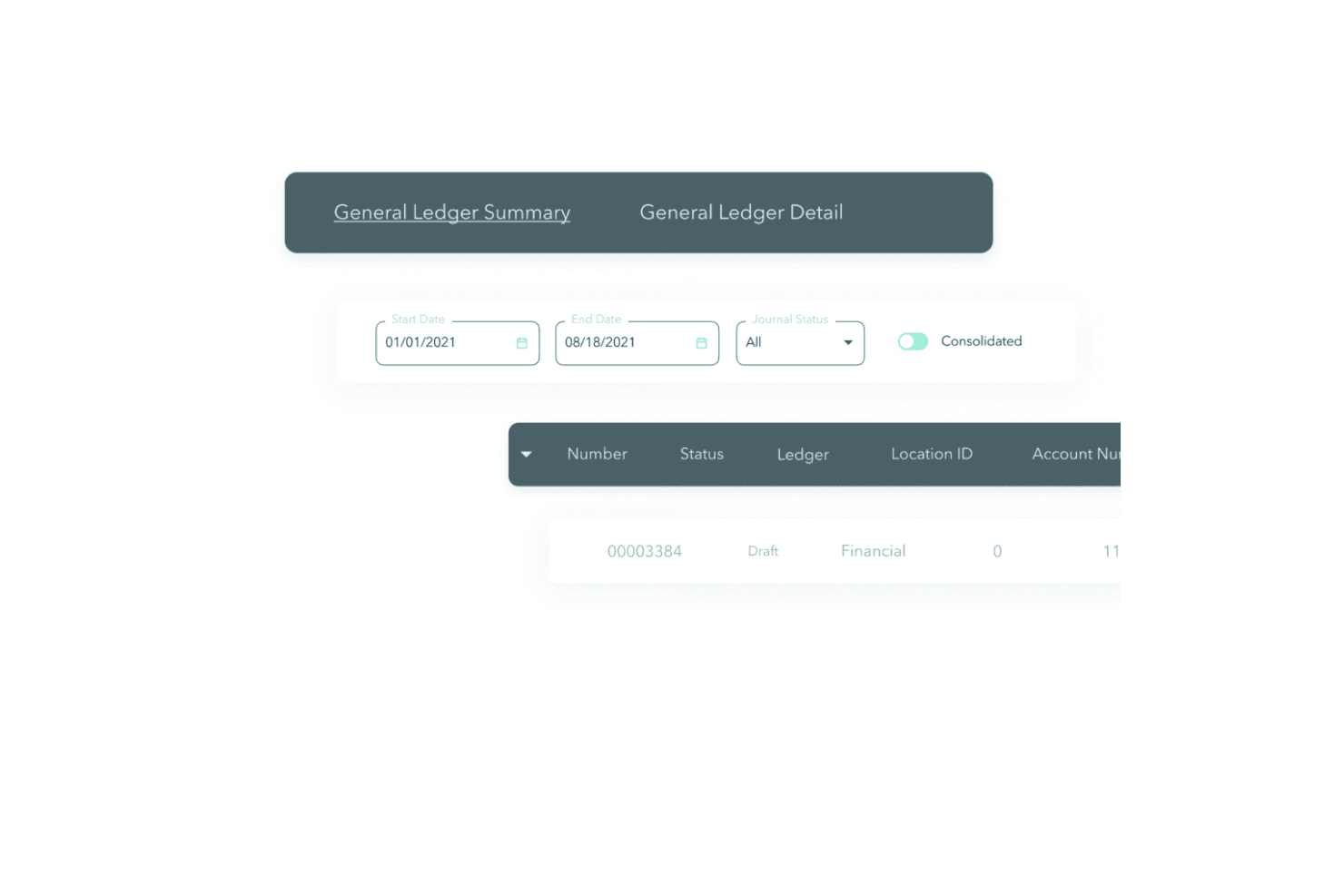
General Ledger: SoftLedger's general ledger lets you manage all your financial data and journal entries in one place. It automatically updates records, giving you up-to-date insights into your finances.
Accounts Payable: You can easily track and manage your bills with SoftLedger's accounts payable tool, helping you avoid late fees by organizing your payment schedules.
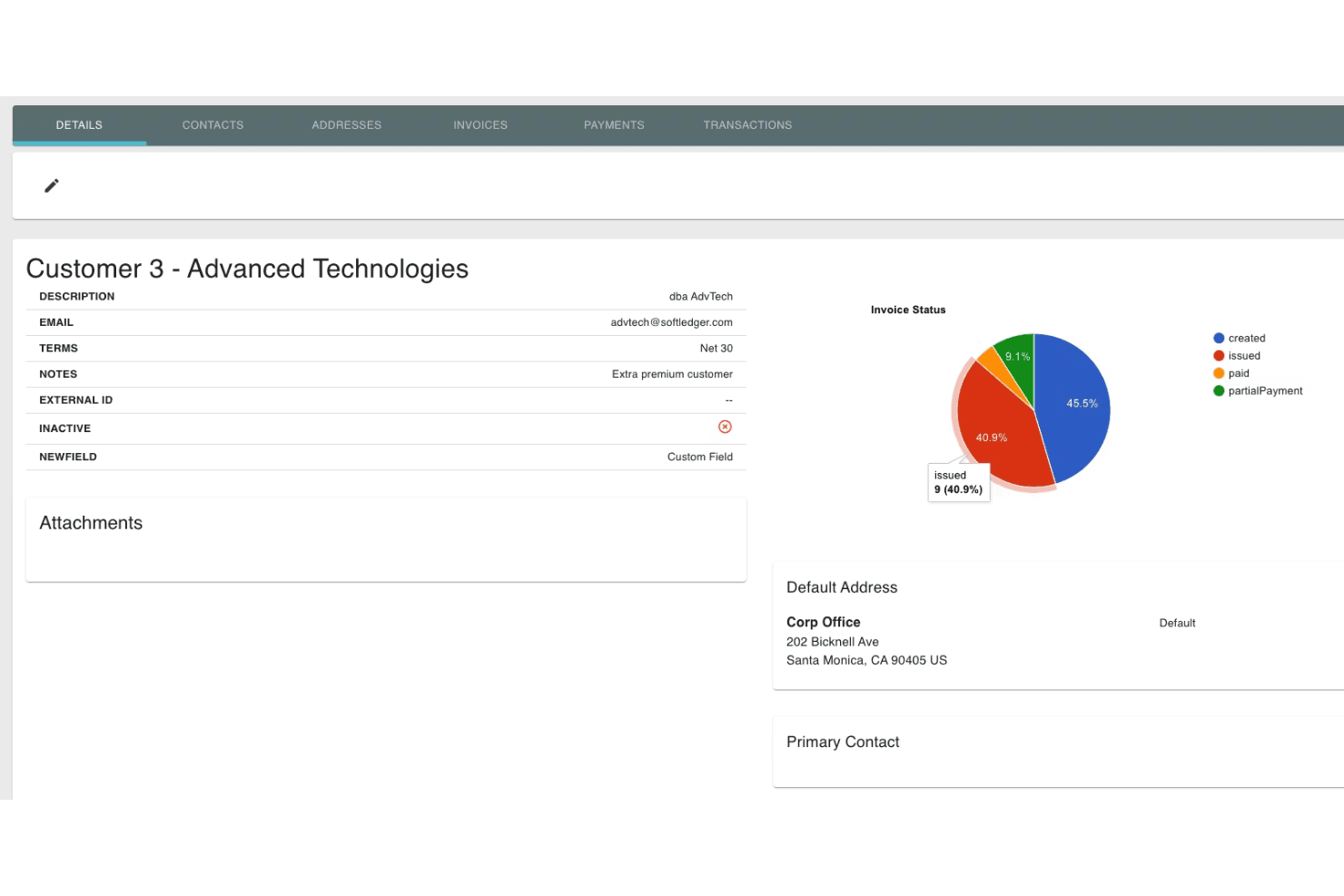
Accounts Receivable: The software allows you to manage your incoming payments, ensuring you get paid on time. It also offers tools for invoicing and tracking customer payments.
Expense Management: SoftLedger helps you keep track of your expenses, making it easier to analyze spending. You can categorize expenses and monitor them against your budget.
Fixed Asset Management: Keep a detailed record of your fixed assets, including depreciation schedules, which ensures you always know their value and status.
Financial Reporting: Generate comprehensive reports to understand your financial health. You can customize reports and dashboards to focus on the metrics that matter most to your business, including cash flow.
Ease of Use
SoftLedger's interface is generally user-friendly. While some users have found the navigation challenging, with more complex functions and modules not being immediately intuitive, the software's detailed customer support can assist you in overcoming these hurdles. Despite any challenges, once you are familiar with it, the full feature set can greatly aid your team in managing financial tasks effectively.
Integrations
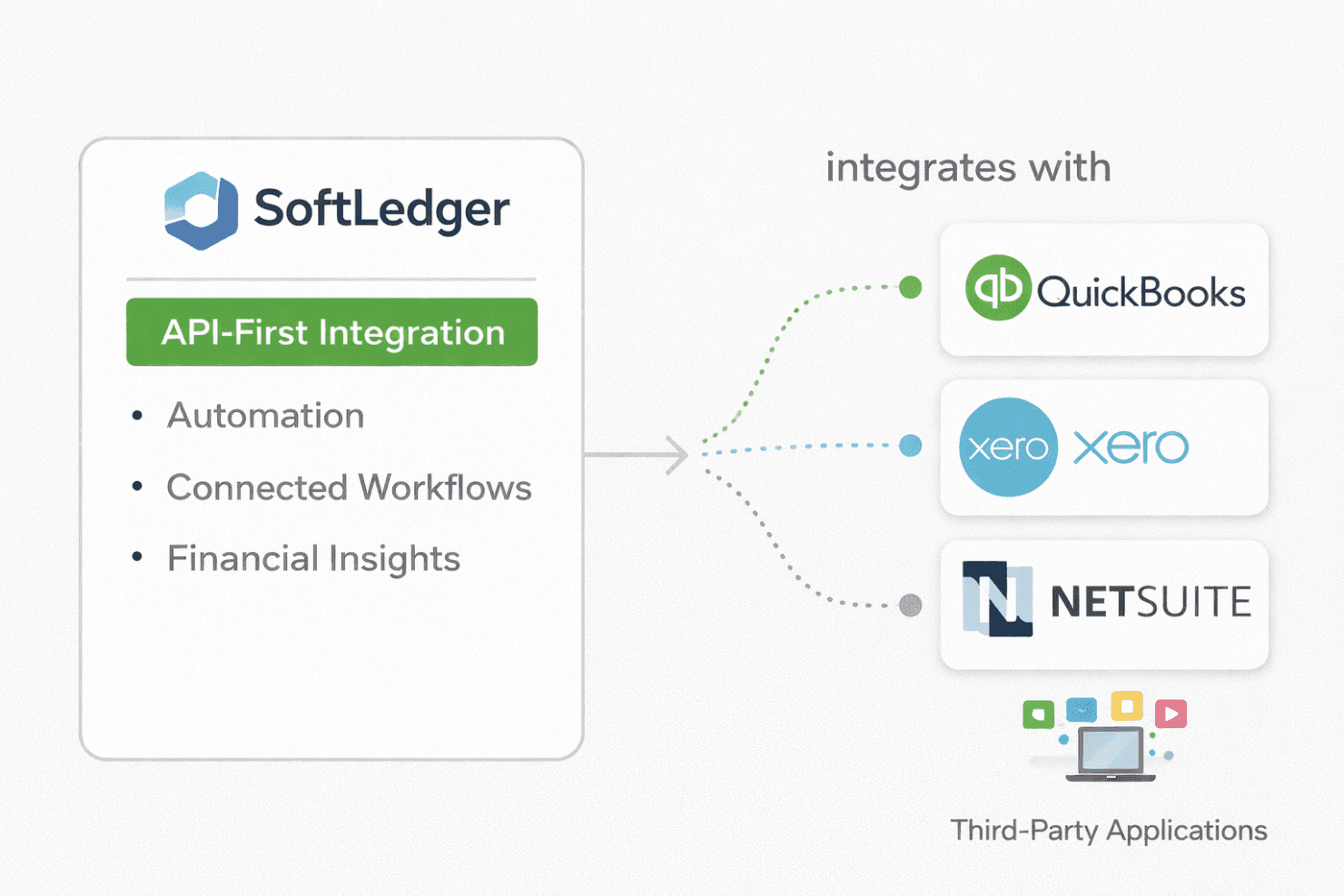
SoftLedger integrates with QuickBooks, Xero, and NetSuite.
In addition, SoftLedger's API-first approach enables integration with third-party applications, allowing for automation, connected workflows, and enhanced financial insights.
SoftLedger Specs
- 2-Factor Authentication: No
- Accounts Payable: Yes
- Accounts Receivable: Yes
- API: Yes
- Balance Sheet: Yes
- Billing/Invoicing: Yes
- BitCoin: Yes
- Budgeting: Yes
- Calendar Management: No
- Contact Management: Yes
- CRM Integration: Yes
- Customer Management: Yes
- Dashboard: Yes
- Data Export: Yes
- Data Import: Yes
- Data Visualization: Yes
- Expense Tracking: Yes
- External Integrations: Yes
- Forecasting: Yes
- General Account Ledger: Yes
- Inventory Tracking: Yes
- Multi-Currency: Yes
- Multi-User: Yes
- Notifications: Yes
- P&L: Yes
- PayPal: Yes
- Payroll: Yes
- SAP Integration: No
- Stripe: Yes
- Supplier Management: Yes
- Tax Management: No


