
Le 10 migliori alternative a QuickBooks che consiglio nel 2026

Elenco delle migliori alternative a QuickBooks


Le migliori alternative a QuickBooks offrono soluzioni contabili semplificate e adattate alle esigenze specifiche della tua azienda, che si tratti di una startup in rapida crescita, di un'azienda di medie dimensioni che gestisce flussi di lavoro complessi o di una piccola impresa alla ricerca di una gestione finanziaria più semplice.
Se QuickBooks sembra eccessivamente complesso, costoso o limitato, esplorare delle alternative può portare a una migliore personalizzazione, integrazioni più fluide e notevoli miglioramenti dell'efficienza. Attingendo alla mia vasta esperienza nella gestione delle operazioni finanziarie e nella valutazione dei software, ho individuato le migliori alternative per aiutarti a riprendere il controllo dei tuoi processi contabili e massimizzare la chiarezza finanziaria.
Cosa sono le alternative a QuickBooks?
Le alternative a QuickBooks sono piattaforme software di contabilità progettate per offrire alle aziende funzionalità specializzate, interfacce più semplici o soluzioni più convenienti rispetto a QuickBooks.
Queste alternative rispondono a diverse esigenze aziendali, tra cui fatturazione, gestione delle buste paga, monitoraggio delle spese, rendicontazione finanziaria e gestione dell'inventario. Le aziende cercano generalmente alternative a QuickBooks per superare limiti come esperienze utente complesse, costi di abbonamento elevati o capacità di personalizzazione insufficienti.
Perché fidarsi dei nostri consigli sui software
Le nostre recensioni riflettono il nostro giudizio indipendente, non un discorso di vendita. Scopri come manteniamo la trasparenza.
Per questa guida, abbiamo valutato gli strumenti attraverso test pratici e ricerche indipendenti, assegnando un punteggio agli strumenti in base ai nostri criteri di selezione.
Le nostre recensioni riflettono il nostro giudizio editoriale umano, non un discorso di vendita.
Tabella comparativa delle alternative a QuickBooks
Questa tabella comparativa riassume i dettagli dei prezzi delle mie migliori alternative a QuickBooks:
| Tool | Best For | Trial Info | Price | ||
|---|---|---|---|---|---|
| 1 | Ideale per automazione di paghe e risorse umane | Piano gratuito + demo gratuita disponibile | A partire da $49/mese + $6/mese/persona | Website | |
| 2 | Ideale per l'automazione avanzata della contabilità | Demo gratuita disponibile | Prezzi su richiesta | Website | |
| 3 | Ideale per la sincronizzazione ERP in tempo reale | Piano gratuito + prova gratuita di 30 giorni + demo gratuita disponibile | Da $15/utente/mese | Website | |
| 4 | Ideale per il consolidamento finanziario globale avanzato | Demo gratuita disponibile | Prezzi su richiesta | Website | |
| 5 | Ideale per contabilità cloud avanzata | Prova gratuita di 30 giorni disponibile | Da $2.50/mese | Website | |
| 6 | Ideale per gestire le finanze delle piccole imprese | Piano gratuito disponibile | A partire da $19/mese | Website | |
| 7 | Ideale per l'integrazione di buste paga e conformità | Demo gratuita disponibile | Prezzi su richiesta | Website | |
| 8 | Ideale per la fatturazione gratuita con pagamenti online | Gratis | Gratis | Website | |
| 9 | Ideale per la contabilità desktop su Mac e Windows | Prova gratuita di 30 giorni disponibile | A partire da $20/mese | Website | |
| 10 | Ideale per aziende in crescita | Prova gratuita di 30 giorni | Prezzi su richiesta | Website |

Recensioni delle migliori alternative a QuickBooks
In questa analisi esaminerò diverse alternative a QuickBooks. Illustrerò i pro e i contro di ogni strumento, le sue funzionalità e i casi d’uso più adatti.

Gusto
Ideale per automazione di paghe e risorse umane
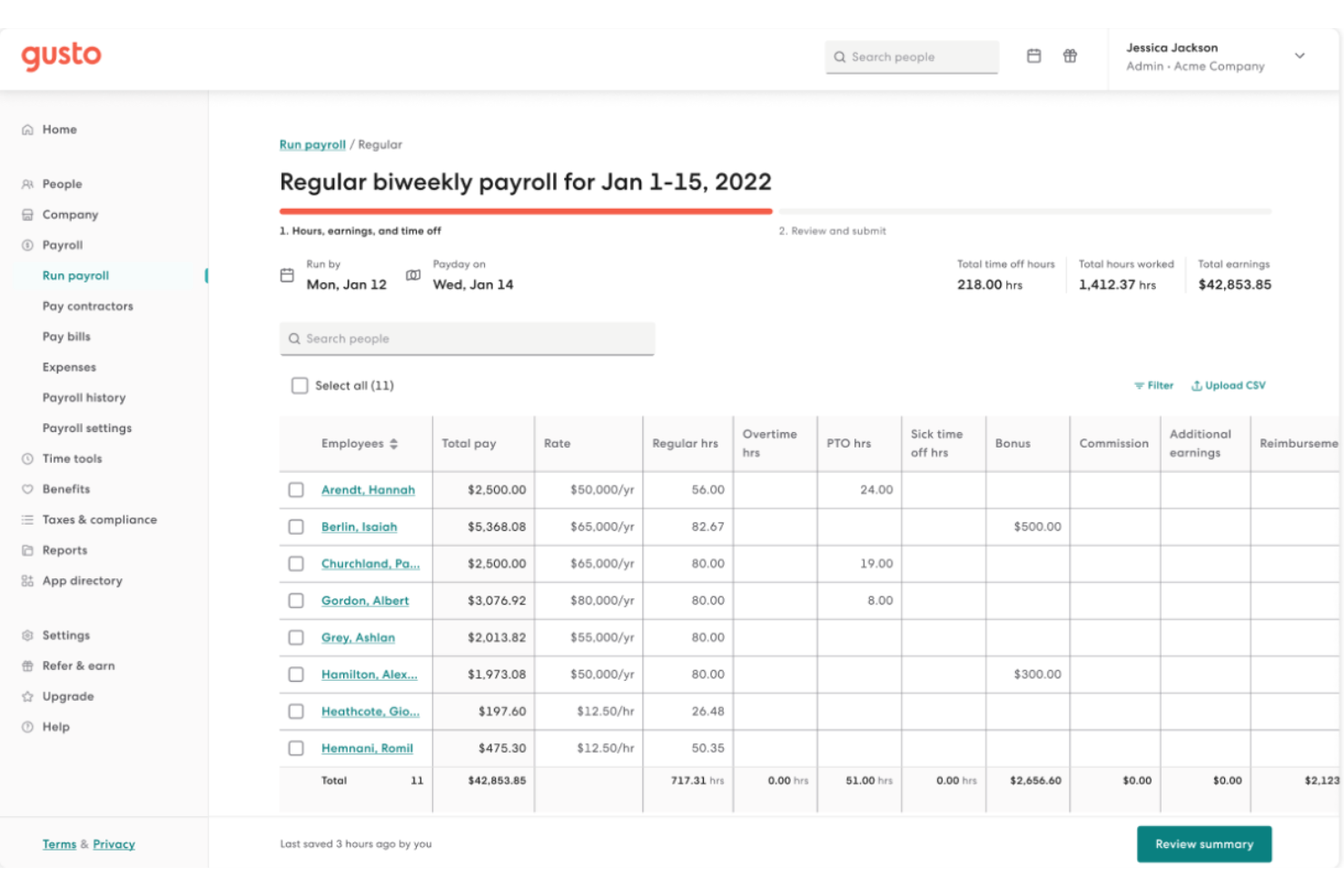
Per chi sta cercando alternative a QuickBooks, Gusto offre una soluzione adatta a imprese di tutte le dimensioni, in particolare startup e piccole aziende. Questa piattaforma facilita la gestione di paghe, tasse e risorse umane attraverso l'automazione e una facile integrazione con altri strumenti aziendali. Semplificando attività come la conformità normativa e la gestione dei benefit, Gusto ti permette di concentrarti sulla crescita e sull'efficienza operativa.
Perché ho scelto Gusto
Ho scelto Gusto come migliore alternativa a QuickBooks per il suo focus sull'automazione di paghe e risorse umane, cruciale per aziende che cercano efficienza in questi ambiti. Il sistema di paghe automatizzato di Gusto consente di sincronizzare ore lavorate, permessi e detrazioni per i benefit con un solo clic, semplificando processi complessi e riducendo gli errori manuali. La piattaforma gestisce inoltre tutti i calcoli delle tasse, le dichiarazioni e i pagamenti, garantendo la conformità senza complicazioni. Inoltre, gli strumenti HR integrati di Gusto, come i flussi di lavoro per l'onboarding e l'amministrazione dei benefit, lo rendono una scelta interessante per le aziende che vogliono ottimizzare funzioni di paghe e risorse umane in un’unica piattaforma.
Caratteristiche principali di Gusto
Oltre alle sue capacità di automazione delle paghe e HR, Gusto offre una gamma di funzionalità che lo rendono un'alternativa competitiva a QuickBooks.
- Scelta guidata dei benefit sanitari: Gusto offre raccomandazioni personalizzate dei piani direttamente nell'app, basate sui dati aziendali, semplificando il processo di selezione dei benefit sanitari.
- Integrazioni 401(k): La piattaforma si integra con Vestwell e altre piattaforme per automatizzare la gestione dei piani 401(k), riducendo gli errori manuali e risparmiando tempo.
- Automazioni assicurative Guardian: Semplifica il processo di rinnovo e aggiunta di benefit sanitari con Guardian, automatizzando la documentazione e garantendo una gestione accurata.
- Consulenza esperta: Gusto affianca le aziende con consulenti dedicati per la gestione dei benefit, assicurando un'esperienza senza intoppi per chi acquista polizze assicurative.
Integrazioni di Gusto
Le integrazioni includono Brightwheel, ChildPilot, Digits, DocuSign, Jobber, OpenComp, Guideline e strumenti per il monitoraggio del tempo e la gestione dei progetti.
Pros and Cons
Pros:
- Funzionalità complete per paghe e HR
- Automatizza paghe e dichiarazioni fiscali
- Include supporto per la conformità
Cons:
- Nessuna integrazione diretta con tutte le banche
- Benefit disponibili solo in alcuni stati
New Product Updates from Gusto
Gusto Adds Solo Advisory Tools and Mobile Money Features
Gusto adds Solo S-Corp Advisory Tools and Gusto Money on Mobile for tax guidance, invoicing, and bill payments. These updates help accountants advise solopreneurs and let users manage business finances from their phones. For more information, visit Gusto’s official site.

Ideale per l'automazione avanzata della contabilità
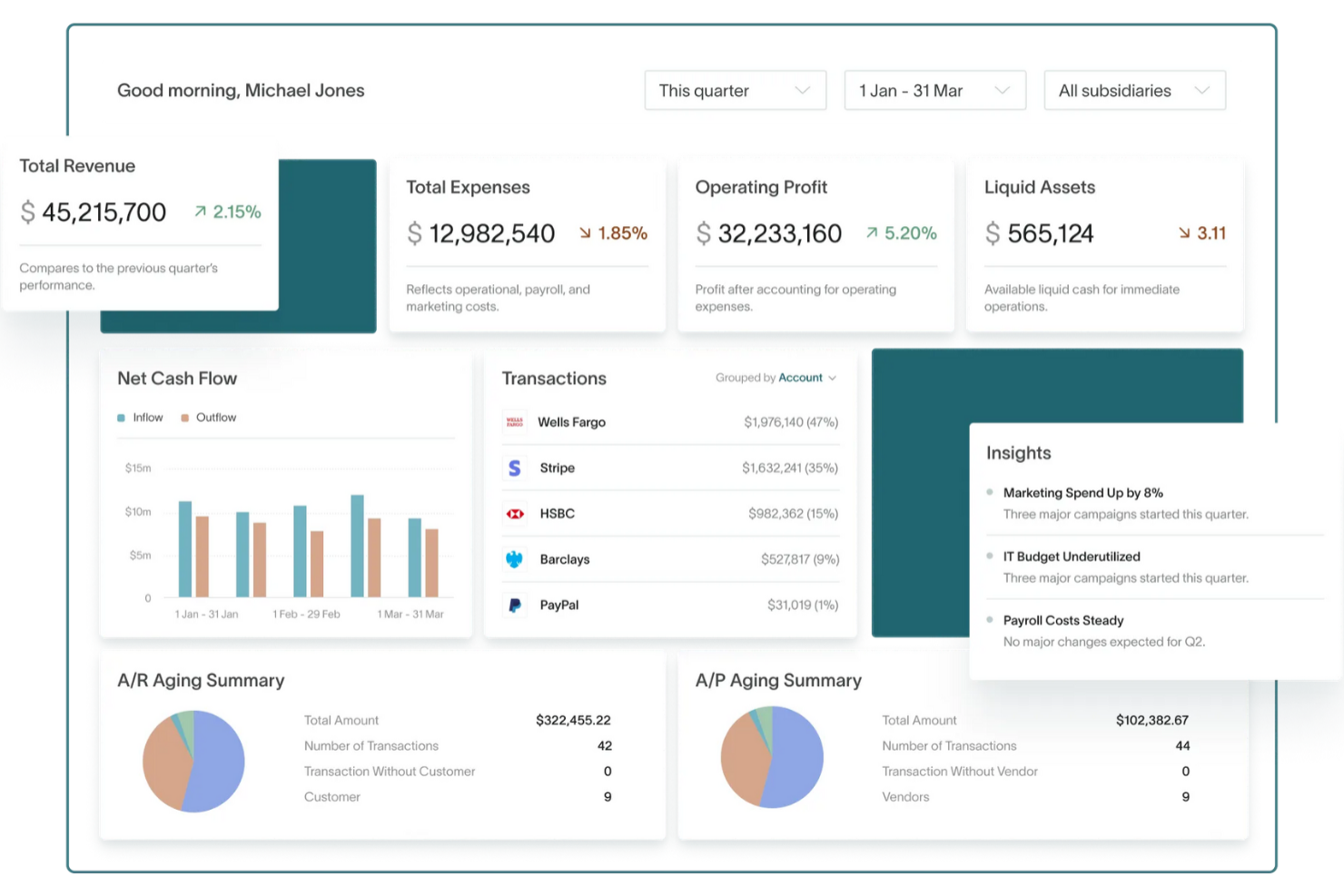
Navigare nel mondo della gestione finanziaria non deve essere intimidatorio, soprattutto quando DualEntry è al tuo fianco. Progettato per le aziende che stanno crescendo dal mercato medio fino alla quotazione in borsa, questa soluzione ERP guidata dall'IA offre gli strumenti necessari per gestire la contabilità multi-entity e multi-valuta senza problemi. Con l'automazione al centro, DualEntry ti permette di ottimizzare le operazioni finanziarie fornendo approfondimenti basati sull'IA e integrazioni estese, garantendo al contempo la conformità alle normative finanziarie.
Perché ho scelto DualEntry
Ho scelto DualEntry perché eccelle nell'automazione avanzata della contabilità, rendendolo un'alternativa ideale a QuickBooks per chi desidera migliorare le proprie operazioni finanziarie. Le capacità guidate dall'IA del software, come l'abbinamento bancario automatico e la lettura OCR, riducono significativamente l'inserimento manuale dei dati e le operazioni di riconciliazione, risparmiando tempo e minimizzando gli errori. Inoltre, la capacità di DualEntry di gestire la contabilità multi-entity e multi-valuta risponde a strutture aziendali complesse, offrendo una gestione finanziaria senza interruzioni tra le filiali. Queste funzionalità ottimizzano i processi contabili, garantiscono la conformità e offrono analisi approfondite, risultando una scelta convincente per le aziende che intendono migliorare la propria gestione finanziaria.
Caratteristiche principali di DualEntry
Oltre all'automazione contabile avanzata, DualEntry offre una varietà di funzionalità che lo rendono un'alternativa interessante a QuickBooks per la tua azienda.
- Gestione del Libro Mastro Generale: Questa funzione fornisce un quadro solido per la registrazione di tutte le transazioni finanziarie, garantendo che i dati finanziari dell'azienda siano completi e organizzati.
- Gestione della Liquidità: DualEntry consente di monitorare e gestire efficacemente i flussi di cassa, permettendo una migliore pianificazione e allocazione delle risorse finanziarie.
- Gestione Fiscale: Il software semplifica i processi fiscali automatizzando i calcoli e assicurando la conformità con le diverse normative fiscali.
- Analisi Predittiva: Questa caratteristica fornisce approfondimenti e previsioni in tempo reale, aiutando a prendere decisioni informate basate sui dati finanziari attuali.
Integrazioni di DualEntry
Le integrazioni includono Ramp, Rippling, Salesforce, Stripe e altro ancora, con oltre 200 opzioni native disponibili per una connettività senza problemi in tutto il tuo stack tecnologico.
Pros and Cons
Pros:
- Il riconoscimento ricavi automatizzato garantisce la conformità agli standard
- Supporta operazioni multi-entity e multi-valuta
- Le funzioni AI avanzate aiutano con compiti contabili complessi
Cons:
- Essendo un ERP, può offrire più funzionalità del necessario per le esigenze contabili più semplici
- Le opzioni di personalizzazione richiedono una configurazione attenta

Ramp
Ideale per la sincronizzazione ERP in tempo reale
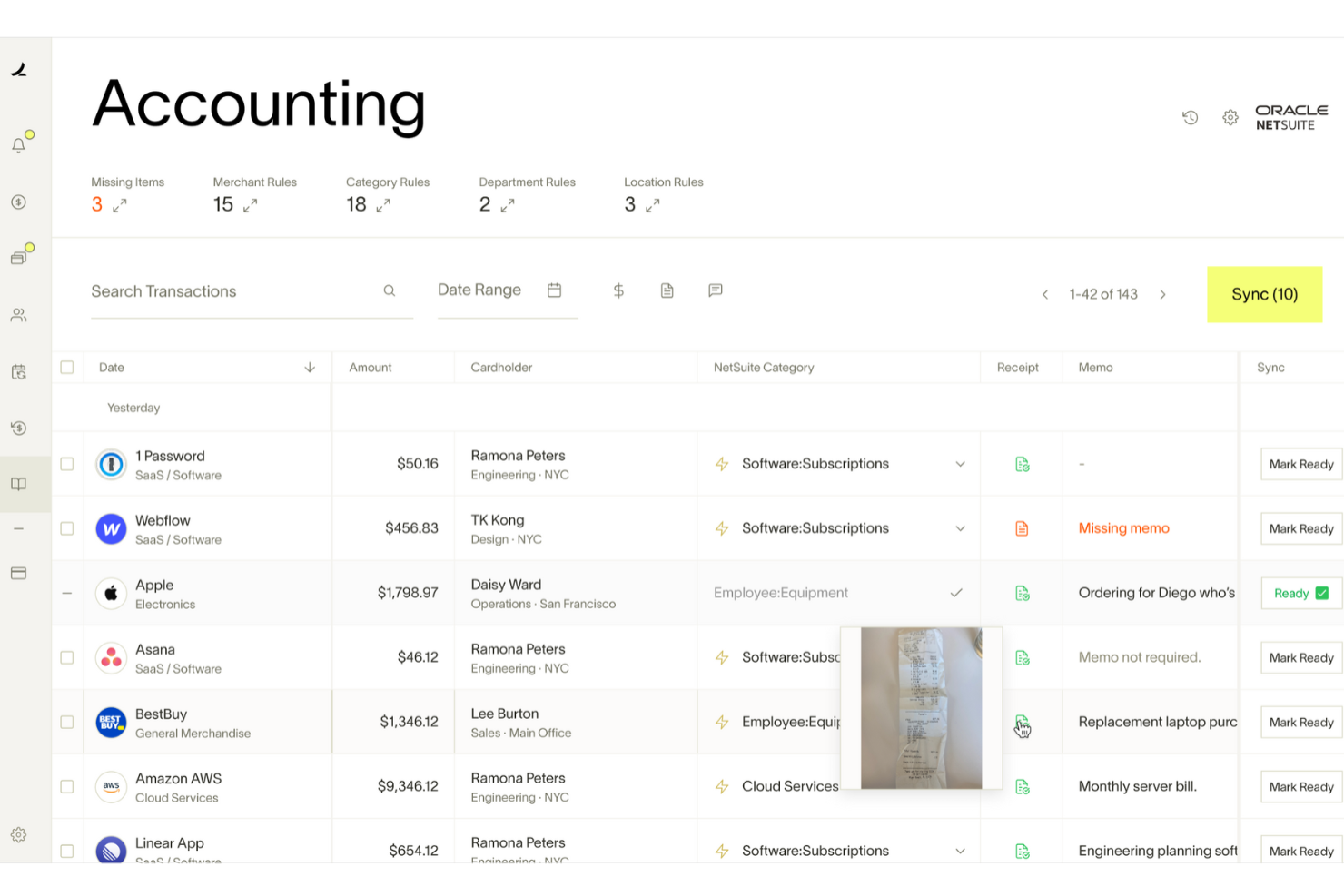
Per le aziende che cercano un'alternativa a QuickBooks, Ramp offre una soluzione di gestione delle spese interessante che integra carte aziendali, pagamenti di fatture e strumenti contabili. Progettato per migliorare le operazioni finanziarie, Ramp è ideale per i team finanziari che desiderano sostituire sistemi obsoleti con una piattaforma unificata che automatizza la gestione delle spese e semplifica i processi. Grazie a funzionalità come insight basati sull’intelligenza artificiale e pagamenti globali rapidi, Ramp consente alle aziende di concentrarsi su attività strategiche e migliorare l’efficienza del flusso di lavoro, affermandosi come un concorrente di rilievo nel settore della gestione finanziaria.
Perché ho scelto Ramp
Ho scelto Ramp perché eccelle nella sincronizzazione ERP in tempo reale, fondamentale per le aziende che cercano una solida alternativa a QuickBooks. Con le sue capacità di integrazione senza soluzione di continuità, Ramp permette di automatizzare il monitoraggio e la reportistica delle spese, offrendo insight guidati dall’IA per aiutare nella riduzione dei costi e nel controllo finanziario. La possibilità di sincronizzarsi in tempo reale con i sistemi ERP esistenti assicura che il tuo team abbia sempre accesso ai dati finanziari più aggiornati, riducendo gli errori di immissione manuale e migliorando il processo decisionale. Inoltre, funzionalità come carte aziendali personalizzabili e gestione automatizzata delle ricevute semplificano le operazioni finanziarie, rendendo Ramp una scelta convincente per aumentare l'efficienza e il controllo sulle spese aziendali.
Caratteristiche principali di Ramp
Oltre alle capacità di sincronizzazione ERP in tempo reale, Ramp offre diverse altre funzionalità che la rendono un'alternativa interessante a QuickBooks per la tua azienda.
- Carte illimitate: Puoi emettere sia carte virtuali che fisiche con limiti di spesa personalizzabili, permettendo un controllo preciso sui costi.
- Scansione automatica delle ricevute: Questa funzione consente il monitoraggio delle spese in tempo reale e garantisce la conformità acquisendo e registrando automaticamente le ricevute.
- Workflow di approvvigionamento: Grazie alla gestione dei fornitori e al monitoraggio dei contratti, i processi di approvvigionamento diventano più snelli ed efficienti.
- Applicazione delle policy: I controlli automatizzati aiutano a prevenire spese fuori policy, assicurando il rispetto delle linee guida finanziarie aziendali.
Integrazioni di Ramp
Le integrazioni includono Xero, QuickBooks, NetSuite, Sage, Slack, Google Workspace, Dropbox, Microsoft Teams, Stripe e Salesforce.
Pros and Cons
Pros:
- Report spese e abbinamento delle ricevute automatizzati
- Possibilità di emettere più carte virtuali con controlli personalizzabili
- Funzionalità di reportistica complete
Cons:
- Potrebbe offrire funzionalità contabili più avanzate
- Si concentra principalmente su conti da pagare e gestione delle spese
New Product Updates from Ramp

Ramp Adds VAT-Compliant Reimbursement Statements
Ramp added VAT and entity address details to reimbursement statements, helping teams in the EU, UK, and Canada reclaim VAT with less manual paperwork. For more information, visit Ramp’s official site.
 .
.
NetSuite
Ideale per il consolidamento finanziario globale avanzato
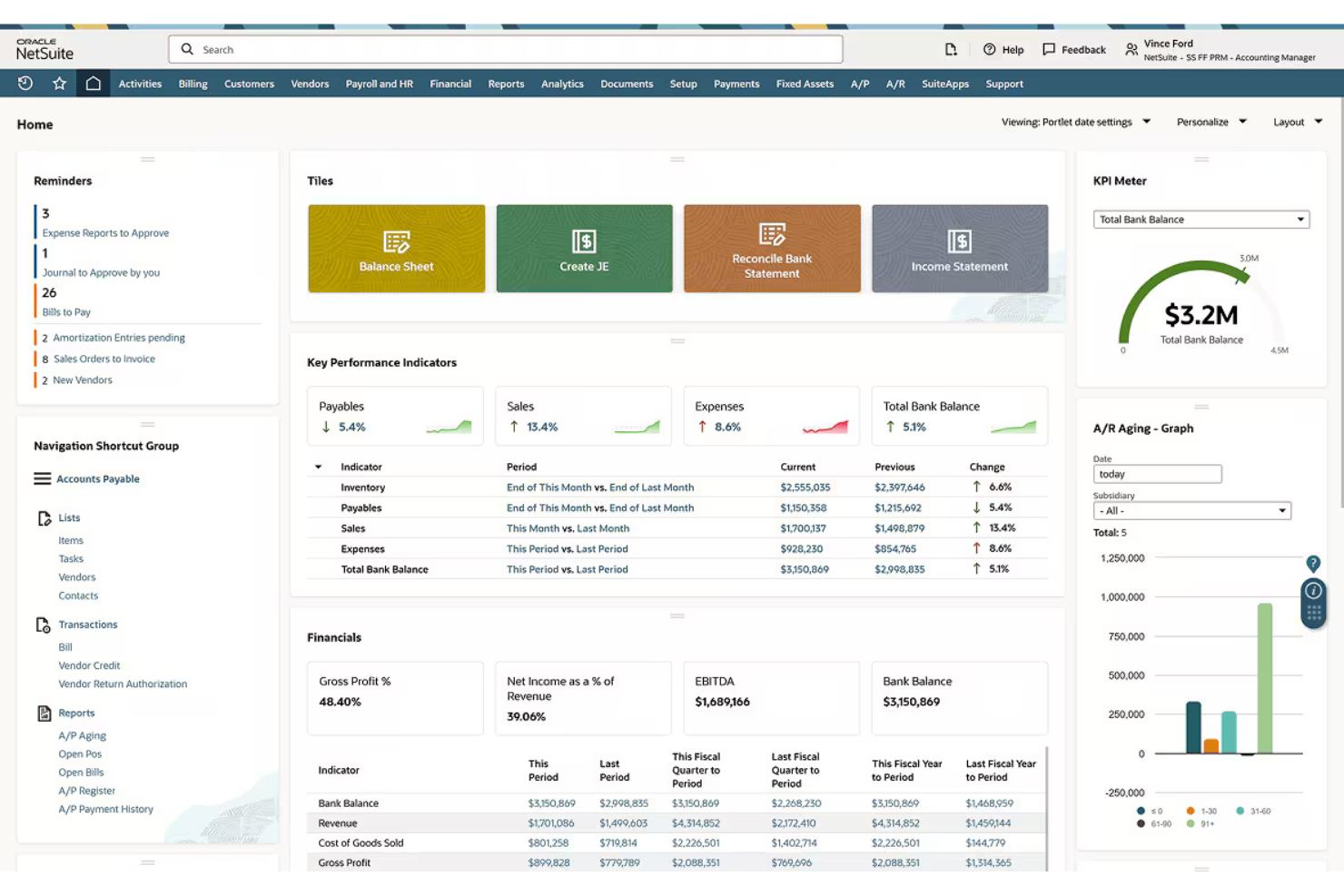
NetSuite è una piattaforma ERP e di gestione finanziaria basata su cloud, pensata per aziende di medie e grandi dimensioni che devono gestire contabilità multi-entità, riconoscimento del ricavo complesso e visibilità finanziaria in tempo reale su più filiali o aree geografiche.
Per chi è più indicato NetSuite?
NetSuite è ideale per aziende di medie e grandi dimensioni che gestiscono più entità, filiali o operazioni internazionali e che hanno superato i limiti dei tradizionali strumenti di contabilità.
Perché NetSuite è una buona alternativa a QuickBooks
Ho scelto NetSuite perché la sua funzione di consolidamento finanziario multi-entità va ben oltre le capacità di QuickBooks. Posso consolidare i dati finanziari di decine di filiali in valute diverse, con eliminazioni automatiche tra società e adeguamenti dei tassi di cambio in tempo reale, integrati direttamente nel processo di chiusura. I bilanci e i conti economici consolidati di NetSuite raggruppano tutte le entità contemporaneamente, eliminando la necessità di unire i fogli di calcolo manualmente, come spesso accade agli utenti QuickBooks.
Caratteristiche principali di NetSuite
- Riconoscimento del ricavo: Automatizza i piani di rateizzazione e le regole di allocazione del ricavo secondo ASC 606 e IFRS 15, collegandoli direttamente a contratti e traguardi di fatturazione.
- Automazione dei conti da pagare: Gestisce le fatture dei fornitori tramite flussi di approvazione configurabili, prima di programmare ed eseguire i pagamenti.
- SuiteAnalytics: Offre un ambiente di reportistica integrato con accesso in tempo reale ai dati del libro mastro generale, ricerche personalizzate salvate e dashboard finanziari basati sul ruolo.
- Audit trail: Traccia ogni modifica di transazione, azione utente e approvazione in tutto il sistema con indicazioni temporali, per la conformità e i controlli interni.
Integrazioni NetSuite
NetSuite offre connettori preconfigurati sia tramite l'add-on Connector sia tramite la sua Integration Platform per applicazioni come Shopify, BigCommerce, Adobe Commerce, WooCommerce, Amazon, eBay, Walmart, Salesforce, ShipStation e Square.
Pros and Cons
Pros:
- Reportistica finanziaria in tempo reale su più filiali
- Supporta 190 valute e 27 lingue
- Si adatta alla crescita delle aziende con più entità
Cons:
- Spesso sono necessari consulenti per la configurazione iniziale
- L'interfaccia può risultare complessa per i nuovi utenti

Xero
Ideale per contabilità cloud avanzata
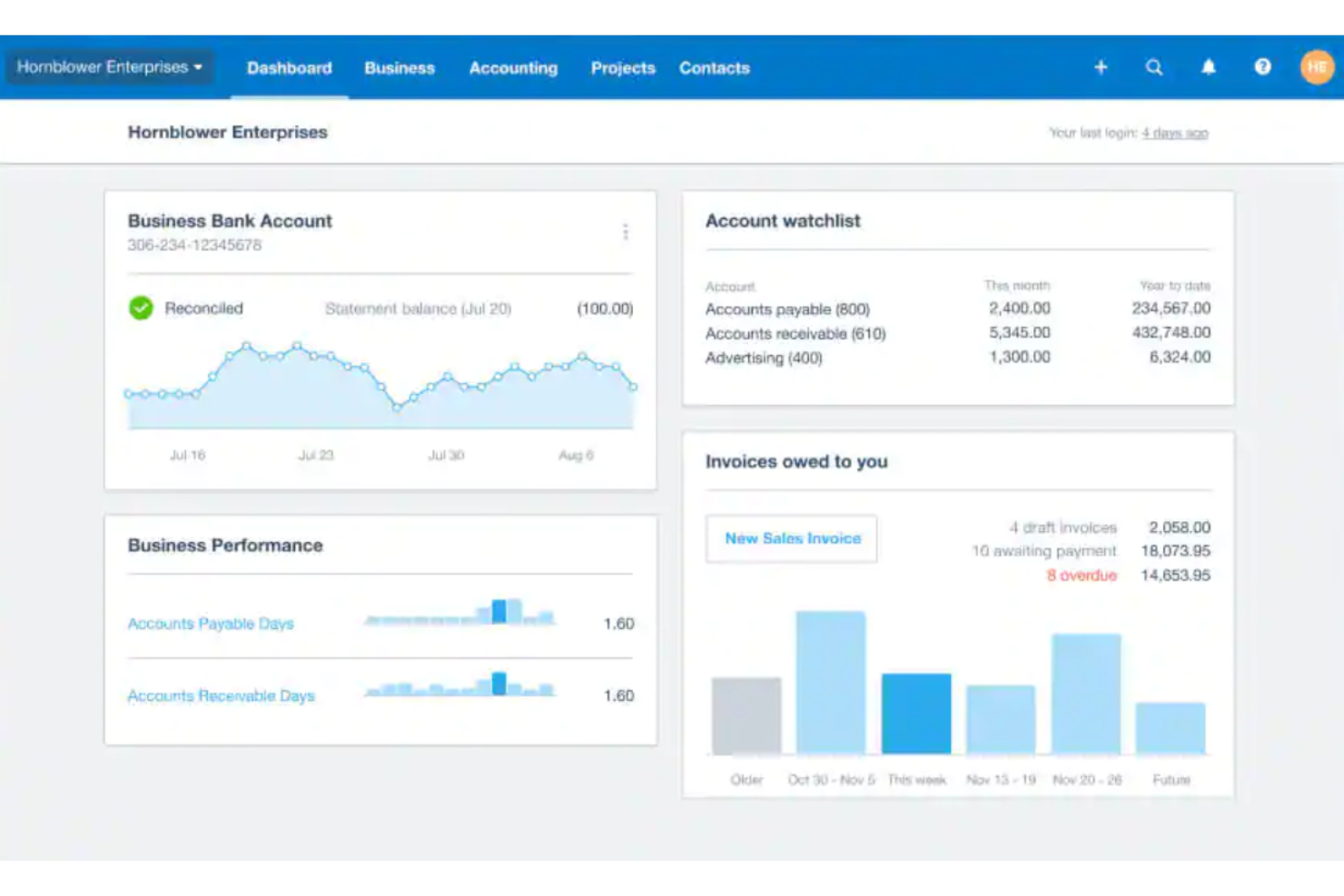
Xero è un software di contabilità basato su cloud pensato per le piccole e medie imprese. La sua suite avanzata di funzionalità e la capacità di integrazione crescono con l’aumentare del volume e delle dimensioni del business.
Perché è una buona alternativa a QuickBooks: Le funzionalità avanzate di Xero e la facile integrazione con oltre 1.000 app lo rendono un forte concorrente per le aziende che desiderano abbandonare QuickBooks. Offre integrazioni fluide con una vasta gamma di applicazioni di terze parti, migliorando l’efficienza dei flussi di lavoro per aziende di ogni dimensione. Inoltre, la struttura di prezzi trasparente e l’accesso illimitato agli utenti rendono Xero un’opzione conveniente e scalabile per le aziende in crescita.
Caratteristiche e integrazioni principali:
Funzionalità comprendono strumenti essenziali di gestione contabile, tra cui fatturazione, riconciliazione bancaria e monitoraggio delle spese. La sua interfaccia intuitiva e i dati finanziari in tempo reale lo rendono semplice da usare ed efficiente nella gestione delle finanze aziendali.
Integrazioni includono Hubdoc, Stripe, Shopify, HubSpot CRM, Square, PayPal, Gusto, Trello, GoCardless e Receipt Bank.
Pros and Cons
Pros:
- Set di funzionalità completo
- Eccellenti capacità di integrazione
- Interfaccia intuitiva
Cons:
- Accesso offline limitato
- Occasionali problemi di sincronizzazione con i feed bancari

Wave
Ideale per gestire le finanze delle piccole imprese
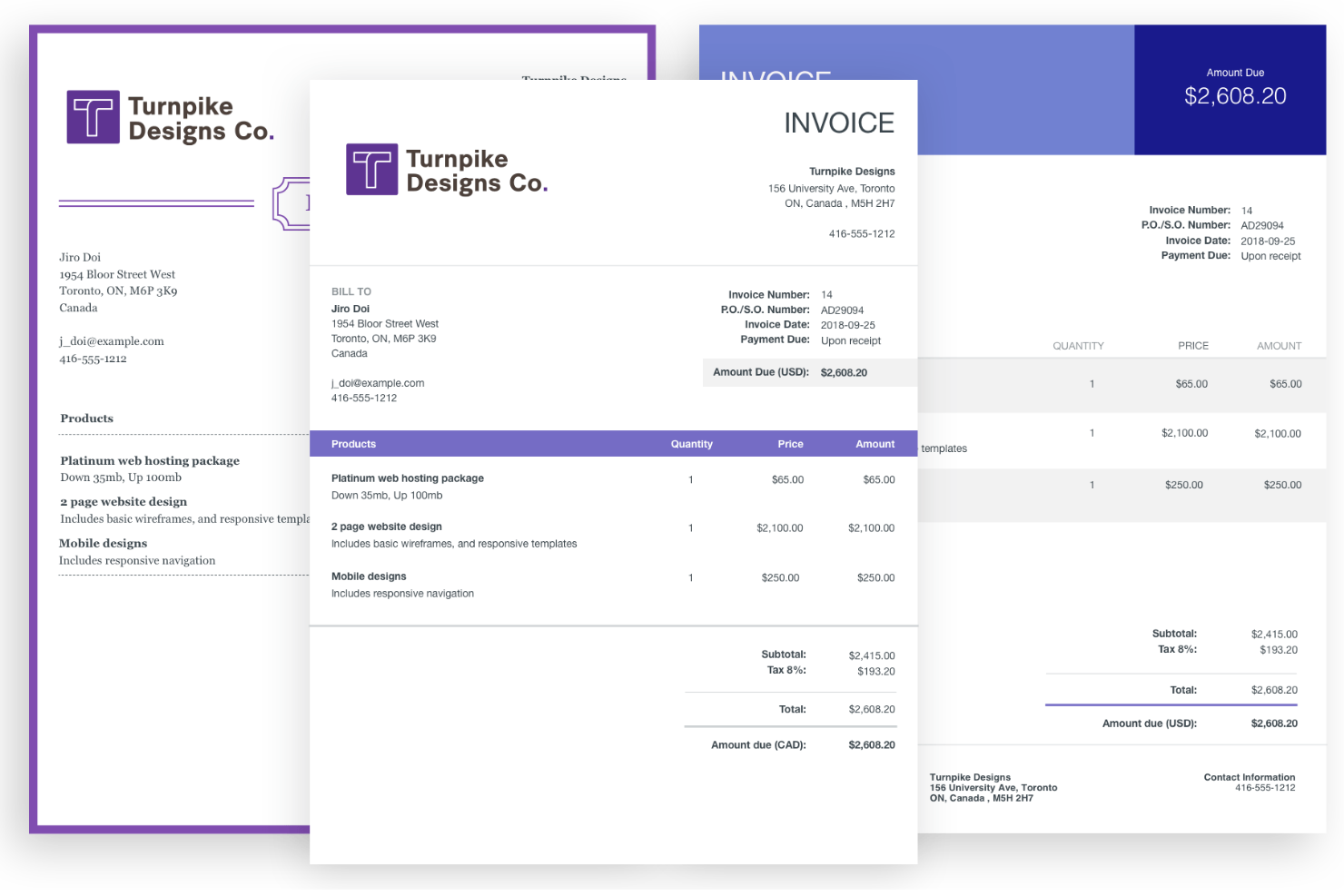
Wave è un software di contabilità per piccole imprese che offre una suite completa di strumenti per la gestione delle finanze aziendali. Che tu debba gestire fatturazione, contabilità o paghe, Wave fornisce una piattaforma affidabile che semplifica queste attività, rendendolo un'ottima opzione per i titolari di piccole imprese.
Perché è una valida alternativa a QuickBooks: Ho scelto Wave come alternativa a QuickBooks perché offre funzionalità essenziali di contabilità come la fatturazione, l'elaborazione dei pagamenti e la gestione delle ricevute. Questi strumenti ti aiutano a gestire il flusso di cassa e a prepararti per la dichiarazione dei redditi, il tutto senza richiedere conoscenze contabili avanzate. Inoltre, il cruscotto intelligente di Wave organizza le tue informazioni finanziarie, rendendo più semplice monitorare la salute della tua attività.
Un altro motivo per considerare Wave è il suo Pro Plan, che migliora l'esperienza abilitando l'importazione e la categorizzazione automatica delle transazioni. Questo significa che puoi collegare conti bancari e carte di credito illimitati, riducendo la necessità di inserimenti manuali e assicurando che i tuoi dati siano sempre aggiornati. Inoltre, Wave offre una crittografia a 256 bit per mantenere i tuoi dati finanziari al sicuro, così puoi concentrarti sulla gestione della tua attività senza preoccuparti di violazioni dei dati.
Caratteristiche principali & integrazioni:
Le funzionalità includono la possibilità di importare dati da altre app di contabilità, rendendo la transizione agevole quando passi a Wave. Puoi anche impostare diversi privilegi di accesso per i collaboratori, consentendo al tuo team di accedere solo alle informazioni di cui hanno bisogno. Un'altra funzione straordinaria è la suite di strumenti per la gestione del denaro, come il sistema paghe, che ti aiuta a tenere traccia degli stipendi dei dipendenti e degli obblighi fiscali.
Le integrazioni includono Stripe, Google Sheets, Mailchimp, Square, HubSpot, Slack, Shopify, Jotform, HoneyBook, ShipStation, Formstack Documents ed eBay.
Pros and Cons
Pros:
- Strumenti completi per fatturazione e pagamenti
- Importazione e categorizzazione automatica delle transazioni
- Gestione integrata di paghe e ricevute
Cons:
- L'assistenza clienti può essere lenta
- Scalabilità limitata per aziende in crescita

ADP Run
Ideale per l'integrazione di buste paga e conformità

ADP è una piattaforma per la gestione delle buste paga e delle risorse umane pensata per le aziende che necessitano di gestire in un unico posto la retribuzione dei dipendenti, la dichiarazione dei tributi, l'amministrazione dei benefit e la conformità normativa della forza lavoro.
Per chi è ideale ADP?
ADP è particolarmente adatto per aziende di medie e grandi dimensioni che necessitano di una piattaforma unica per la gestione di buste paga, conformità fiscale e amministrazione delle risorse umane.
Perché ADP è una valida alternativa a QuickBooks
Ho scelto ADP perché gestisce automaticamente la presentazione e il versamento delle tasse sulle buste paga, mentre QuickBooks richiede un controllo manuale più frequente. Apprezzo che gli strumenti di conformità integrati di ADP si aggiornino continuamente in base ai cambiamenti delle normative fiscali federali, statali e locali. Le funzionalità di comunicazione delle nuove assunzioni e il supporto per gli audit sulle indennità dei lavoratori sono strumenti che trovo davvero utili quando si gestisce un’organizzazione in crescita con dipendenti situati in diverse giurisdizioni.
Funzionalità principali di ADP
- Sincronizzazione con libro contabile generale: Esporta i dati delle retribuzioni direttamente sul tuo sistema contabile per mantenere allineate le registrazioni finanziarie dopo ogni ciclo di paga.
- Monitoraggio ore e presenze: Registra le ore dei dipendenti tramite cartellini, turni e richieste di assenza sulla stessa piattaforma.
- Amministrazione dei benefit: Gestisci iscrizioni a piani sanitari, dentistici e pensionistici insieme alla busta paga in un unico dossier dipendente.
- Retribuzione on-demand: Permetti ai dipendenti di accedere immediatamente ai salari maturati prima del giorno di paga senza dover effettuare regolazioni manuali sul payroll.
Integrazioni ADP
ADP offre centinaia di integrazioni tramite ADP Marketplace, tra cui QuickBooks, Xero, Wave, ClockShark, Synerion, WEX, Trusaic e Points North.
Pros and Cons
Pros:
- Gestisce automaticamente la dichiarazione fiscale delle buste paga in più stati
- Include buste paga, HR e gestione dei benefit insieme
- Si adatta dalla piccola impresa fino alle grandi aziende
Cons:
- Nessun prezzo trasparente o pubblicato
- I tempi di risposta dell'assistenza clienti variano molto

Ideale per la fatturazione gratuita con pagamenti online
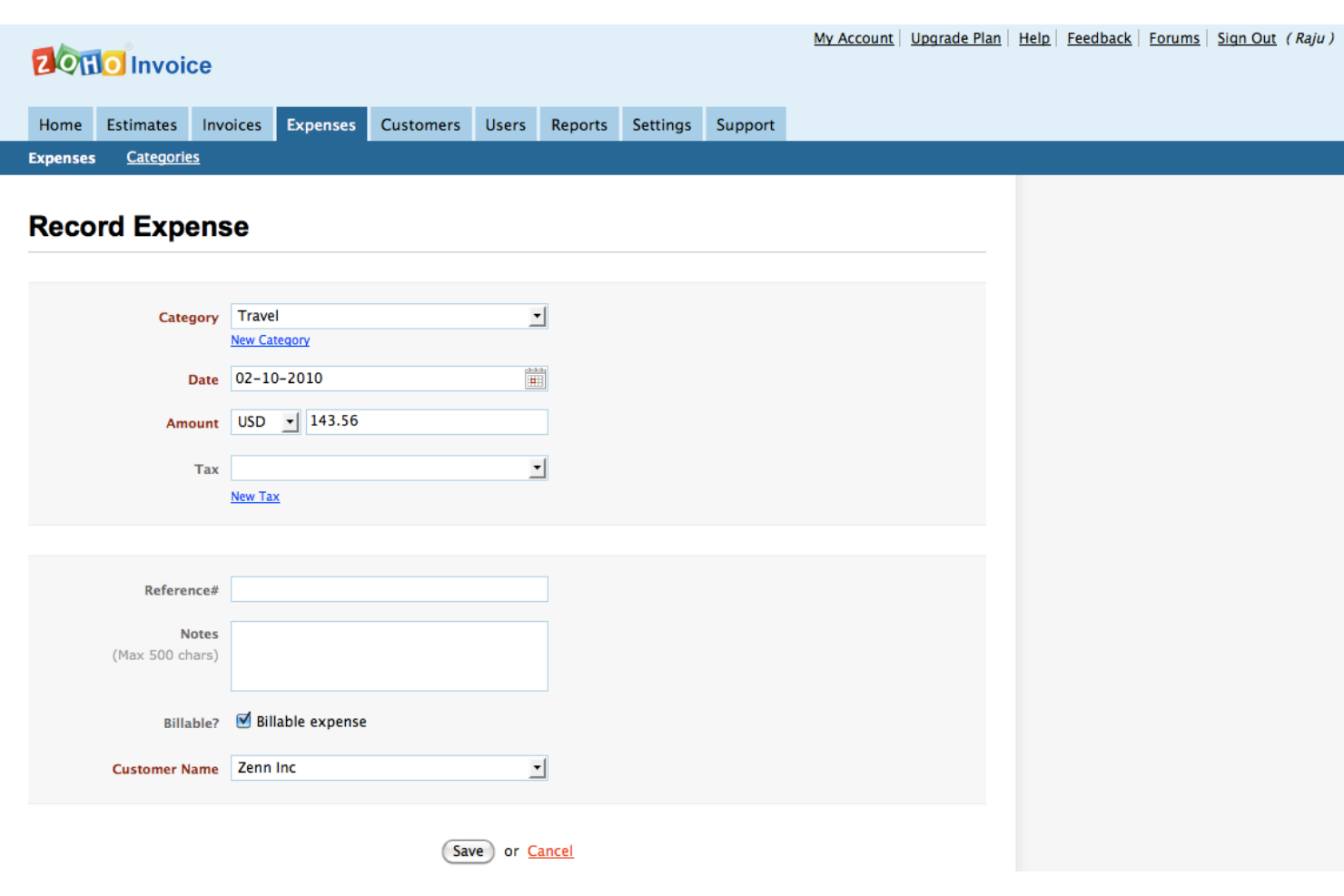
Zoho Invoice è uno strumento di fatturazione gratuito pensato per liberi professionisti e piccole imprese che hanno bisogno di inviare fatture professionali, accettare pagamenti online e monitorare la fatturazione dei clienti senza pagare per una suite contabile completa.
Per chi è consigliato Zoho Invoice?
Zoho Invoice è ideale per lavoratori autonomi e piccolissime imprese di servizi che fatturano regolarmente i clienti ma non hanno ancora bisogno della contabilità in partita doppia completa.
Perché Zoho Invoice è una buona alternativa a QuickBooks
Ho scelto Zoho Invoice per questa lista perché è l'unico vero strumento di fatturazione gratuito che ho trovato che gestisce anche la riscossione dei pagamenti online senza aggiungere commissioni sulla piattaforma. Puoi collegarlo a Stripe, PayPal, Square, Authorize.net o molti altri gateway, e i tuoi clienti possono pagare direttamente dalla fattura utilizzando una carta di credito, bonifico ACH o portafoglio elettronico. Apprezzo anche che i solleciti di pagamento automatici vengano inviati secondo una pianificazione che imposti tu, così non devi rincorrere manualmente le fatture scadute.
Funzionalità principali di Zoho Invoice
- Monitoraggio del tempo: Registra le ore fatturabili per progetti specifici e trasforma il tempo tracciato direttamente in una fattura al cliente.
- Gestione delle spese: Registra e categorizza le spese aziendali, trasformando con un solo clic quelle fatturabili in fatture.
- Portale clienti: Offri ai clienti un hub self-service dove visualizzare fatture, approvare preventivi ed effettuare pagamenti totali o parziali.
- Fatture ricorrenti: Imposta fatturazioni automatiche programmando l'invio delle fatture ai clienti ricorrenti senza intervento manuale.
Integrazioni di Zoho Invoice
Zoho Invoice offre oltre 55 integrazioni, tra cui Stripe, PayPal, Zoho CRM, Zoho Books, Slack, Google Workspace, Microsoft 365, Dropbox, Google Drive e QuickBooks.
Pros and Cons
Pros:
- Completamente gratuito senza restrizioni sulle funzionalità
- Scannerizza automaticamente le ricevute per generare voci di spesa
- Il motore di regole di workflow automatizza le azioni di fatturazione
Cons:
- Manca il modulo per la gestione del magazzino
- L'app mobile è lenta durante la sincronizzazione dei dati

Ideale per la contabilità desktop su Mac e Windows
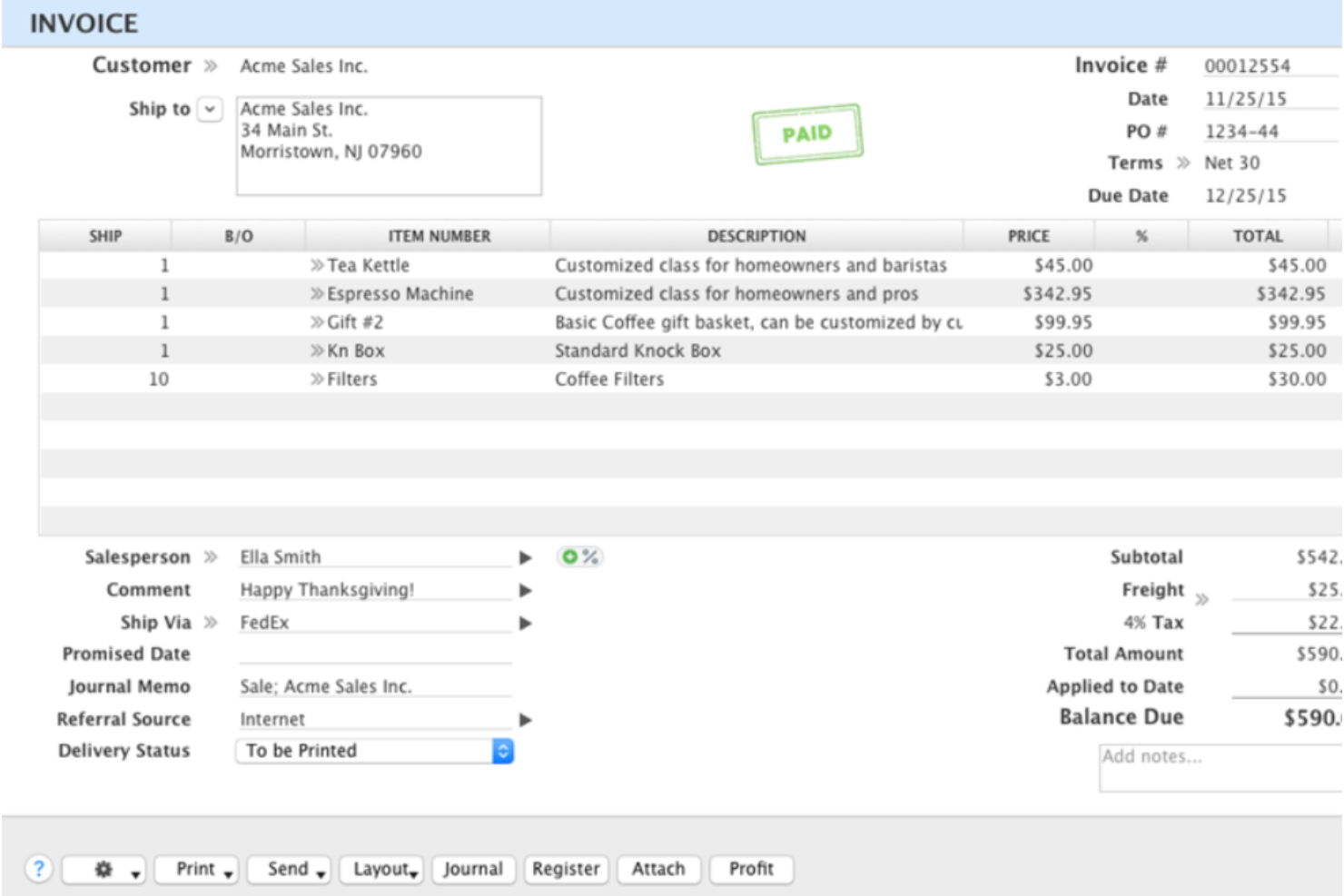
AccountEdge è un software di contabilità desktop per titolari di piccole imprese disponibile sia su Mac che su Windows. Si distingue nell'offrire soluzioni basate su desktop, rendendolo ideale per le aziende che preferiscono software non basati sul cloud.
Perché è una buona alternativa a QuickBooks: AccountEdge offre funzionalità avanzate di contabilità con un focus sulla personalizzazione per soddisfare le esigenze specifiche di vari tipi di attività. Fornisce sia accesso desktop che cloud, offrendo flessibilità alle aziende che preferiscono il controllo locale dei dati. Inoltre, il suo prezzo a pagamento unico può risultare più conveniente rispetto al modello di abbonamento di QuickBooks.
Funzionalità e integrazioni principali:
Funzionalità comprendono una vasta gamma di opzioni come vendite e fatturazione, acquisti e spese, gestione dell'inventario, fatturazione del tempo e altro ancora. I servizi di gestione paghe sono disponibili come componente aggiuntivo opzionale.
Integrazioni includono Zapier, Plaid, ShipEngine, Square, Dropbox, Microsoft Power BI, TimeSolv, UPS Ready, Ramp e QuickBooks.
Pros and Cons
Pros:
- Funzionalità di contabilità desktop complete
- Compatibile sia con Mac che con Windows
- Prezzi flessibili con componenti aggiuntivi opzionali
Cons:
- Manca di piena funzionalità integrata basata su cloud
- Supporto limitato per app mobile

Sage
Ideale per aziende in crescita
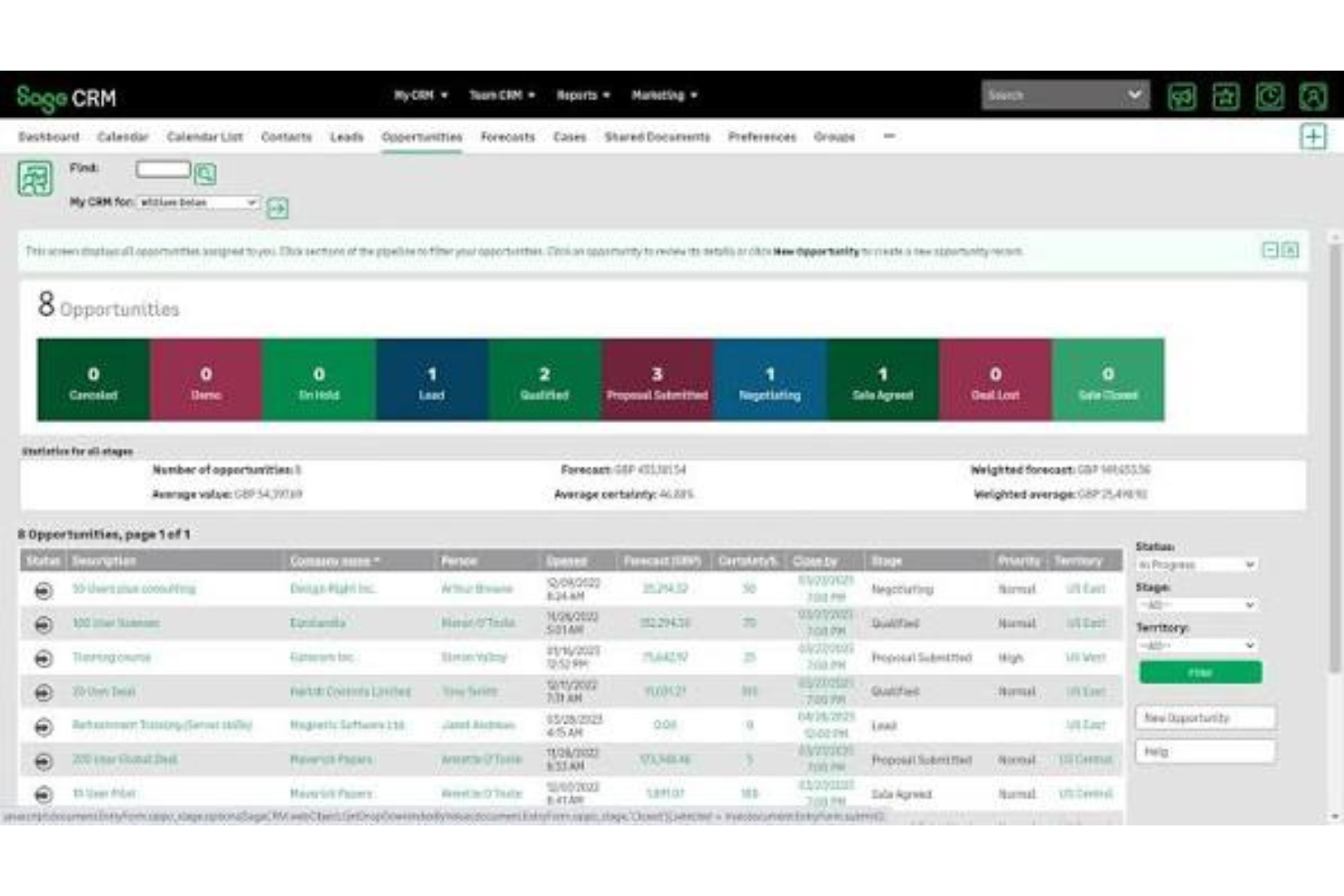
Sage è una piattaforma di contabilità e gestione finanziaria progettata per piccole e medie imprese che necessitano di strumenti scalabili di contabilità, gestione paghe, reportistica e conformità man mano che le loro operazioni crescono.
Per chi è ideale Sage?
Sage è particolarmente adatto a piccole e medie imprese che hanno superato gli strumenti di contabilità di base e necessitano di maggiore controllo sulla reportistica finanziaria e sulla conformità.
Perché Sage è una buona alternativa a QuickBooks
Ho scelto Sage per questo elenco perché cresce insieme alla tua azienda in modo che la maggior parte degli strumenti di contabilità non fa. Man mano che la tua azienda si espande, puoi passare da Sage 50 a Sage 200 o Sage Intacct senza dover ricostruire il piano dei conti o migrare verso un sistema completamente nuovo. Apprezzo in particolare la sua reportistica a livello dipartimentale e di progetto, che consente di monitorare la redditività delle diverse unità aziendali man mano che la complessità aumenta. La funzione di audit trail integrata e i controlli di accesso basati sui ruoli sono anche estremamente utili quando il tuo team e le operazioni finanziarie iniziano a espandersi.
Funzionalità principali di Sage
- Gestione delle paghe: Elabora le retribuzioni dei dipendenti, calcola le ritenute fiscali e genera i cedolini direttamente sulla piattaforma.
- Riconciliazione bancaria: Abbina automaticamente le transazioni bancarie importate alle registrazioni in contabilità per mantenere i conti aggiornati.
- Supporto multivaluta: Registra transazioni, emetti fatture e genera report in più valute con gestione in tempo reale dei tassi di cambio.
- Gestione dei cespiti: Monitora i piani di ammortamento e le dismissioni dei cespiti insieme ai tuoi registri contabili principali.
Integrazioni di Sage
Sage Intacct offre oltre 350 integrazioni di marketplace, tra cui Salesforce, ADP Workforce Now, Expensify, Rippling, Gusto, Tipalti, FloQast, BlackLine, Ramp e Brex.
Pros and Cons
Pros:
- Offre oltre 150 modelli di report integrati
- Combina l'affidabilità del desktop con la connettività cloud
- Supporta una contabilità dettagliata dei costi per progetti
Cons:
- Nessuna fattura ricorrente o promemoria di pagamento automatici
- Meno integrazioni di terze parti rispetto a QuickBooks
Altre alternative a QuickBooks
Di seguito è riportato un elenco di ulteriori alternative a QuickBooks che ho selezionato. Sebbene non siano rientrate tra le prime 10, sono comunque valide e meritano ulteriori approfondimenti.
- Puzzle
Ideale per la contabilità automatizzata tramite AI
- Tiller Money
Ideale per il monitoraggio finanziario basato su fogli di calcolo
- Pilot
Ideale per team dedicati alla contabilità


Come Valuto le Alternative a QuickBooks
Divido la mia valutazione in criteri di base—come la contabilità a partita doppia, la riconciliazione bancaria e i report principali—e fattori differenzianti che separano una buona scelta da quella giusta.
Funzionalità Principali (Requisiti Minimi per Questa Lista)
Quando seleziono gli strumenti per la mia lista, valuto ognuno su una scala da 0 (non offre la funzionalità) a 5 (eccelle in quest’area) per ciascuna delle funzionalità principali elencate di seguito. Poi calcolo il punteggio totale dello strumento in percentuale. Ogni strumento deve raggiungere un punteggio totale minimo del 75% per essere preso in considerazione.
- Libro Mastro Generale & Partita Doppia: Verifico se il libro mastro supporta un piano dei conti completamente modificabile e registrazioni in partita doppia, dato che strumenti come FreshBooks in passato erano orientati alla partita semplice e limitavano le possibilità d’intervento del contabile.
- Fatturazione & Crediti con Clienti: Ogni strumento che valuto deve permettere di creare fatture ricorrenti, accettare pagamenti online e monitorare la scadenza dei crediti—basi essenziali per qualsiasi azienda che fattura con pagamento dilazionato.
- Spese & Debiti verso Fornitori: Osservo come ogni piattaforma gestisce l’intero ciclo dalla ricezione della fattura alla liquidazione, dall’inserimento delle fatture dei fornitori alla programmazione delle scadenze fino all’effettivo pagamento senza uscire dall’app.
- Riconciliazione Bancaria & Flussi: In questa sezione sono importanti i flussi bancari live e la riconciliazione guidata. Valuto come ogni strumento gestisce l’abbinamento delle transazioni e se supporta la categorizzazione tramite regole per ridurre il lavoro manuale ogni mese.
- Reportistica Finanziaria: Lo strumento deve generare almeno un conto economico, uno stato patrimoniale e un rendiconto finanziario. Controllo anche la possibilità di filtrare per intervallo di date, classe o reparto, così da estrarre report segmentati a fine periodo.
- Supporto Fiscale & di Conformità: Valuto se la piattaforma traccia l’IVA o altre imposte sulle transazioni e produce report pronti per la dichiarazione, perché questo è un punto su cui molti piccoli imprenditori si bloccano in fase di dichiarazione fiscale.
Una volta che ho una lista di strumenti che soddisfano questi criteri, considero cosa rende unica ciascuna piattaforma.
Fattori Differenzianti (Cosa Distingue i Fornitori)
Ecco come confronto e metto a confronto diversi fornitori:
Funzionalità Distintive
Qui contano molto i moduli specifici per settore. Un costruttore ha bisogno dell’analisi lavori, mentre una nonprofit ha bisogno della contabilità dei fondi—piattaforme come Xero e Sage Intacct adottano approcci diversi alla funzionalità verticale. Verifico inoltre se la gestione stipendi è integrata, perché affidarsi a un fornitore esterno aggiunge costi e complicazioni a ogni ciclo paga. Per le aziende in crescita, la gestione multi-azienda è degna di nota—produrre report aggregati per più società con un unico accesso fa davvero risparmiare tempo a fine mese.
Oltre le Funzionalità
L’assistenza per la migrazione è un aspetto importante per me. Cambiare piattaforma contabile nel corso dell’anno è stressante, quindi analizzo se il fornitore offre strumenti per importare dati da QuickBooks o servizi di migrazione guidata. Anche le integrazioni sono fondamentali—il software contabile deve collegarsi a gateway di pagamento, piattaforme ecommerce e strumenti per il personale che già utilizzi. Piattaforme come Xero e Wave gestiscono questo aspetto in modo differente, quindi valuto ognuna in base al marketplace di app e all’accesso API. Anche la trasparenza dei prezzi conta, soprattutto per freelance e piccoli team attenti a ogni voce di spesa in fattura.
Perché cercare un'alternativa a QuickBooks?
Sebbene QuickBooks sia un valido software di contabilità, sul mercato esistono diverse opzioni che potrebbero adattarsi meglio alle tue esigenze. Ecco alcuni dei motivi per cui potresti cercare un'alternativa a QuickBooks.
- Costo: I prezzi di QuickBooks possono essere elevati, rendendolo meno ideale per le piccole imprese che desiderano gestire le spese in modo efficace. Gli utenti attenti al budget potrebbero trovare opzioni più convenienti che offrono comunque le funzionalità essenziali.
- Complessità: L'interfaccia e le funzionalità di QuickBooks possono essere complicate, creando una curva di apprendimento ripida. Chi cerca una soluzione semplice e semplificata potrebbe preferire alternative più intuitive.
- Assistenza clienti: Gli utenti riscontrano spesso ritardi e un'assistenza non ottimale quando contattano il supporto di QuickBooks. Questo può essere frustrante per le aziende che necessitano di risolvere rapidamente i problemi tecnici.
- Personalizzazione: A causa della flessibilità limitata, QuickBooks potrebbe non consentire agli utenti di adattare il software ai propri flussi di lavoro specifici. Le alternative offrono spesso una maggiore personalizzazione per esigenze aziendali particolari.
- Integrazione: QuickBooks potrebbe non integrarsi perfettamente con tutti gli altri strumenti e software su cui fai affidamento. Cercare un'alternativa potrebbe migliorare l'efficienza del flusso di lavoro grazie a una migliore compatibilità.
Funzionalità delle alternative a QuickBooks
Quando valuti le alternative a QuickBooks, cerca un software in grado di eguagliare o persino migliorare le funzionalità principali della piattaforma. Le alternative più valide dovrebbero supportare flussi di lavoro contabili quotidiani fluidi, offrire una visione chiara della situazione finanziaria e garantire flessibilità durante la crescita dell'azienda. Le funzionalità principali includono:
- Fatturazione: La tua alternativa dovrebbe consentire di creare, personalizzare e inviare rapidamente le fatture. I promemoria automatici e il monitoraggio dei pagamenti aiutano a garantire che i clienti paghino puntualmente e riducono il lavoro amministrativo di sollecito.
- Monitoraggio delle spese: Cerca strumenti che consentano di categorizzare le spese, allegare ricevute e monitorare i costi in tempo reale. In questo modo la contabilità rimane accurata e la pianificazione del budget e delle dichiarazioni fiscali diventa più semplice.
- Collegamenti bancari: Le importazioni automatiche delle transazioni bancarie sono essenziali. Collegamenti bancari affidabili riducono l'inserimento manuale, velocizzano la riconciliazione e forniscono una visione costantemente aggiornata del flusso di cassa.
- Gestione delle paghe: Se le paghe fanno parte del tuo flusso di lavoro, scegli una soluzione in grado di calcolare gli stipendi, gestire le detrazioni, occuparsi degli adempimenti fiscali e integrarsi perfettamente con il libro mastro generale.
- Gestione dell'inventario: Le buone alternative dovrebbero monitorare i livelli delle scorte, gestire i punti di riordino e sincronizzare le variazioni dell'inventario con le attività di vendita e acquisto per mantenere le operazioni fluide.
- Redditività dei progetti: Monitorare ricavi, spese e lavoro a livello di progetto aiuta a capire quali attività sono redditizie e dove i costi potrebbero aumentare gradualmente.
- Monitoraggio del tempo: Il monitoraggio integrato del tempo garantisce che le ore fatturabili vengano registrate accuratamente e possano essere trasferite direttamente alla fatturazione o alle paghe senza reinserimento manuale.
- Preparazione delle dichiarazioni fiscali: I calcoli fiscali automatici, le tabelle fiscali aggiornate e il supporto alla presentazione delle dichiarazioni semplificano la conformità normativa e riducono il rischio di errori costosi.
- Applicazione mobile: Un'applicazione mobile efficace offre accesso ai dati finanziari, agli strumenti di fatturazione, all'acquisizione delle ricevute e alle approvazioni da qualsiasi luogo: l'ideale per i team sempre in movimento.
- Reportistica: Report finanziari completi e personalizzabili aiutano ad analizzare le prestazioni, individuare le tendenze e prendere decisioni informate con maggiore sicurezza.
Funzionalità AI comuni dei software alternativi a QuickBooks
Molte alternative a QuickBooks incorporano ora funzionalità AI che migliorano l'accuratezza, ottimizzano i processi e migliorano le previsioni, tra cui:
- Categorizzazione intelligente delle transazioni: L'AI apprende i tuoi modelli contabili e classifica automaticamente spese e ricavi, riducendo il lavoro di correzione e migliorando l'accuratezza del libro mastro.
- Analisi predittive del flusso di cassa: I modelli di AI proiettano le future disponibilità liquide analizzando le tendenze storiche, le fatture imminenti e i crediti, aiutando le aziende ad anticipare potenziali carenze di liquidità.
- Acquisizione automatica di fatture e ricevute: L'apprendimento automatico estrae i dati da fatture, bollette e ricevute con elevata accuratezza, eliminando l'inserimento manuale e velocizzando le attività di contabilità.
- Rilevamento delle anomalie: L'AI segnala le transazioni insolite, come addebiti duplicati o attività impreviste dei fornitori, per contribuire a prevenire gli errori e individuare tempestivamente le frodi.
- Reportistica e analisi assistite dall'AI: L'AI può generare spiegazioni narrative delle prestazioni finanziarie, evidenziare i principali fattori alla base degli scostamenti e far emergere tendenze che altrimenti potrebbero passare inosservate.
Domande frequenti sulle alternative a QuickBooks
Ecco alcune domande frequenti sulle alternative a QuickBooks:
Qual è la migliore alternativa a QuickBooks per le aziende in crescita con esigenze complesse?
Le migliori alternative a QuickBooks per le aziende in crescita includono Xero o Sage Intacct. Entrambe offrono funzionalità avanzate come il supporto per più entità, report dettagliati e integrazioni.
Se le vostre attività sono complesse o avete bisogno di scalabilità, cercate una piattaforma con ruoli utente flessibili, automazioni personalizzate e analisi avanzate. Nella scelta di un’alternativa, cercate sempre di individuare quella che soddisfa le vostre esigenze specifiche.
Quanto è facile migrare i dati da QuickBooks a una piattaforma alternativa?
La migrazione dei dati da QuickBooks a un’altra piattaforma può essere semplice se il nuovo software offre strumenti di importazione integrati o un’assistenza dedicata all’avvio.
La maggior parte delle alternative a QuickBooks offre ai clienti opzioni di importazione guidate per clienti, fornitori, transazioni e piano dei conti. Eseguite il backup dei dati e testate prima una migrazione campione per evitare errori e tempi di inattività.
Le alternative a QuickBooks offrono integrazioni con strumenti per le buste paga, l'e-commerce o la gestione delle relazioni con i clienti (CRM)?
Sì, la maggior parte delle principali alternative a QuickBooks offre integrazioni con fornitori di servizi per le buste paga, negozi di e-commerce e sistemi CRM diffusi. Piattaforme come Xero, FreshBooks e Zoho Books si collegano a Shopify, Square, HubSpot, Gusto e altri ancora. Prima di cambiare piattaforma, verificate quali integrazioni sono più importanti per la vostra azienda e assicuratevi che siano disponibili sulla piattaforma scelta.
Posso trovare un'alternativa a QuickBooks gratuita o economica che sia affidabile?
Sì, le piccole aziende possono trovare alternative a QuickBooks affidabili, economiche o persino gratuite. Opzioni diffuse come Wave e Zoho Books offrono piani di base.
Questi strumenti gestiscono la fatturazione di base e il monitoraggio delle spese per i piccoli team. Verificate i limiti relativi alle funzionalità o agli utenti, poiché le versioni gratuite potrebbero non supportare le buste paga, le integrazioni o i report avanzati.
Quali funzionalità di sicurezza offrono le alternative a QuickBooks per proteggere i miei dati finanziari?
Le alternative a QuickBooks Online investono in sistemi di sicurezza avanzati, come la crittografia, l’autenticazione a più fattori e i backup regolari. Molte sono conformi agli standard di settore e offrono controlli degli accessi basati sui ruoli.
Se gestite dati finanziari o dei clienti sensibili, verificate che la piattaforma scelta supporti l’archiviazione sicura dei dati e consenta di impostare le autorizzazioni per il team.
Esiste un'alternativa canadese a QuickBooks?
Sì, Wave è una delle principali alternative canadesi a QuickBooks, con un supporto pensato per le imposte, la valuta e i servizi bancari canadesi. Anche altre opzioni come FreshBooks e Sage 50cloud hanno una solida base di utenti in Canada. Verificate che siano inclusi le aliquote fiscali locali, i codici delle imposte sulle vendite e il supporto bilingue, così da soddisfare i vostri requisiti di conformità.