

I 10 migliori software ERP aerospaziali recensiti nel 2026

Elenco dei migliori software ERP per il settore aerospaziale


Le aziende aerospaziali hanno bisogno di soluzioni solide in grado di gestire requisiti normativi rigorosi, processi produttivi complessi e operazioni globali. Tuttavia, trovare il miglior software ERP per il settore aerospaziale può essere difficile quando sono disponibili così tante opzioni.
Grazie alla mia vasta esperienza nel campo dei software ERP, ho testato e confrontato alcune delle migliori soluzioni presenti sul mercato per aiutare i team a iniziare la ricerca. Indipendentemente dagli obiettivi e dai requisiti della tua azienda, potrai utilizzare le mie recensioni approfondite per trovare la soluzione ERP più adatta, che ti aiuti a raggiungere il successo mantenendo la conformità normativa.
Perché fidarsi dei nostri consigli sui software
Le nostre recensioni riflettono il nostro giudizio indipendente, non un discorso di vendita. Scopri come manteniamo la trasparenza.
Per questa guida, abbiamo valutato gli strumenti attraverso test pratici e ricerche indipendenti, assegnando un punteggio agli strumenti in base ai nostri criteri di selezione.
Le nostre recensioni riflettono il nostro giudizio editoriale umano, non un discorso di vendita.
Tabella comparativa dei software ERP per il settore aerospaziale
| Tool | Best For | Trial Info | Price | ||
|---|---|---|---|---|---|
| 1 | Ideale per la tracciabilità totale dei materiali | Prova gratuita di 30 giorni disponibile | A partire da $49/utente/mese | Website | |
| 2 | Ideale per una tracciabilità dettagliata dell'inventario | Prova gratuita di 30 giorni | Da $50/utente/mese | Website | |
| 3 | Ideale per ERP basati su progetti e soluzioni di conformità | Demo gratuita disponibile | Prezzo su richiesta | Website | |
| 4 | Ideale per conformità e sicurezza in ambito aerospaziale e difesa | Demo gratuita disponibile | Prezzo su richiesta | Website | |
| 5 | Ideale per la gestione completa del ciclo di vita degli asset | Demo gratuita disponibile | Prezzo su richiesta | Website | |
| 6 | Ideale per ERP integrato con tracciabilità e gestione documentale | Not available | Prezzi su richiesta | Website | |
| 7 | Ideale per integrazione con Salesforce e gestione del ciclo di vita dei progetti | Demo gratuita disponibile | Da $100/utente/mese | Website | |
| 8 | Ideale per soluzioni ERP personalizzabili per produttori aerospaziali | Not available | Prezzo su richiesta | Website | |
| 9 | Ideale per gestire le sfide sui costi e la conformità regolamentare | Demo gratuita disponibile | Prezzo su richiesta | Website | |
| 10 | Ideale per un ambiente operativo integrato per fornitori aerospaziali | Not available | Prezzo su richiesta | Website |
Recensioni dei migliori software ERP per il settore aerospaziale
La mia analisi approfondita fornisce una panoramica di ciascun software ERP per il settore aerospaziale. Di seguito illustrerò i vantaggi e gli svantaggi, le funzionalità e i migliori casi d’uso di ogni strumento.

MRPeasy
Ideale per la tracciabilità totale dei materiali
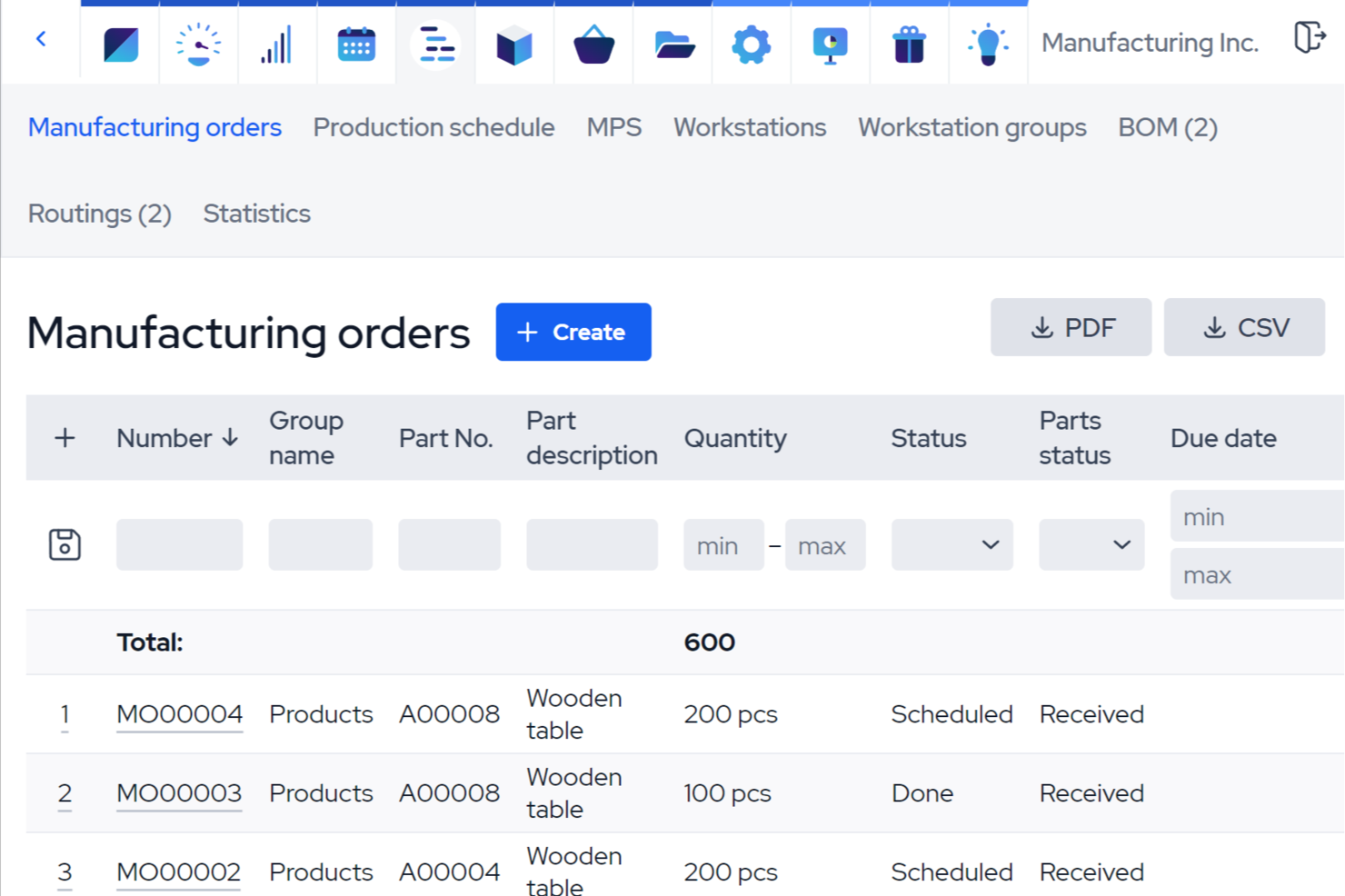
MRPeasy è una piattaforma ERP e MRP basata su cloud progettata per le piccole aziende manifatturiere, che integra pianificazione della produzione, controllo dell'inventario, approvvigionamento, gestione delle vendite e finanza in un unico sistema.
Per Chi è Meglio MRPeasy?
MRPeasy è ideale per piccole aziende manifatturiere nei settori aerospaziale e difesa con 10-200 dipendenti che necessitano di un controllo strutturato della produzione e dell'inventario.
Perché Ho Scelto MRPeasy
MRPeasy entra nella mia lista perché la sua tracciabilità tramite lotto e numero di serie copre ogni fase della supply chain. Nell’aerospaziale, dove un solo componente non conforme può bloccare un programma, apprezzo la possibilità di tracciare un lotto di materia prima dalla ricezione dal fornitore fino alla produzione e alla spedizione dell’unità finita. La funzionalità RMA e di richiamo consente di isolare esattamente quali prodotti serializzati sono coinvolti, senza ritirare l’intero inventario non correlato. Gli strumenti integrati per l’ispezione qualità, che segnalano le non conformità già alla ricezione della merce prima che arrivino in produzione, completano un quadro di tracciabilità davvero accurato.
Funzionalità Principali di MRPeasy
- Distinta base multilivello: Crea e gestisci distinte base complesse e annidate che riflettono l’intera gerarchia dei componenti degli assemblaggi aerospaziali.
- Pianificazione produzione con diagrammi di Gantt: Pianifica e ripianifica gli ordini di produzione visivamente utilizzando un'interfaccia Gantt drag-and-drop.
- Controllo delle revisioni della distinta base: Traccia e gestisci le modifiche agli ordini di ingegneria fra le versioni della distinta base per mantenere la produzione allineata alle specifiche più aggiornate.
- Scansione barcode per il reporting in produzione: Gli operatori scansionano i codici a barre per registrare tempi, materiali utilizzati e avanzamento del lavoro direttamente dalla linea produttiva.
Pros and Cons
Pros:
- Fornisce controllo sui costi di produzione
- Pianificazione della produzione drag-and-drop per la programmazione
- Tracciabilità del controllo qualità per la documentazione di conformità
Cons:
- Nessuna gestione documentale nativa per le certificazioni
- Ruoli e permessi utente con scarsa granularità
New Product Updates from MRPeasy
MRPeasy Expands REST API v2 With New Data Endpoints
MRPeasy expands REST API v2 with new endpoints for reports, dashboard data, production resources, stock, and settings. This gives users broader programmatic access to operational data. For more information, visit MRPeasy’s official site.
 .
.
Ideale per una tracciabilità dettagliata dell'inventario
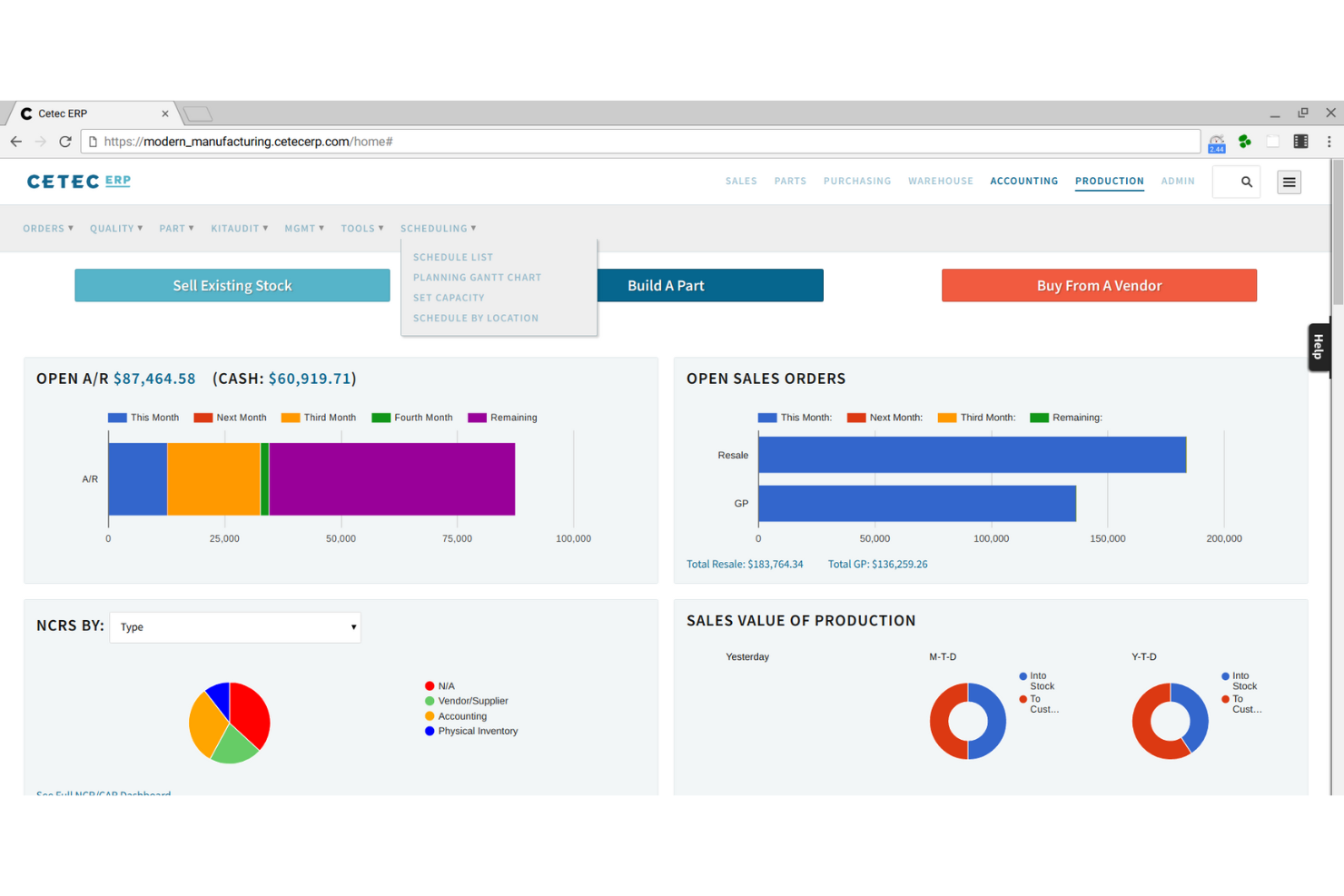
Cetec ERP è una piattaforma ERP cloud completa progettata per i produttori aerospaziali e della difesa, che copre produzione, preventivazione, inventario, gestione della qualità e aspetti finanziari in un unico sistema integrato.
Per chi è ideale Cetec ERP?
Cetec ERP è adatto a produttori conto terzi di piccole e medie dimensioni nel settore aerospaziale e della difesa che necessitano di controlli di qualità conformi a AS9100 e tracciabilità integrate nelle operazioni principali.
Perché ho scelto Cetec ERP
Ho scelto Cetec ERP come uno dei migliori perché la sua gestione dell'inventario va ben oltre il semplice conteggio delle scorte. Nell'aerospaziale, ogni lotto, numero di serie, codice batch e certificato di conformità deve essere collegato a una parte specifica dalla ricezione fino alla spedizione finale — e Cetec gestisce tutto questo in modo nativo. Apprezzo in particolare la tracciabilità FIFO/FEFO a livello di contenitore, fondamentale per la gestione della durata di conservazione dei materiali. La reportistica 'as-used' mi consente inoltre di tracciare esattamente quale materiale è stato impiegato in ciascun ordine di lavoro, fornendomi la documentazione necessaria per un audit o una richiesta di CoC da parte di un cliente senza dover cercare tra più sistemi.
Funzionalità chiave di Cetec ERP
- Segnalazione delle non conformità (NCR): Registra, traccia e risolvi guasti qualitativi direttamente nella piattaforma, con flussi di lavoro di destinazione collegati e assegnazione di codici di errore.
- Distinte base e router con controllo delle revisioni: Gestisci le modifiche di ingegneria con distinte base e percorsi produttivi a versione controllata, inclusi flussi di approvazione instradati.
- Strumenti per la conformità ITAR e DFARS: I controlli di accesso integrati e la registrazione degli audit supportano i requisiti normativi comuni negli ambienti produttivi aerospaziali e della difesa.
- Tracciamento qualità fornitori: Registra e traccia certificazioni dei fornitori, risultati delle ispezioni e rifiuti di materiale collegati direttamente a ordini di acquisto e registri di ricezione.
Pros and Cons
Pros:
- Copre finanza, inventario, produzione, CRM e assicurazione qualità
- Particolarmente adatto per i settori manifatturiero e di distribuzione
- Supporta aziende di varie dimensioni con accesso ai dati in tempo reale
Cons:
- L'ambito di integrazione è limitato
- Le personalizzazioni avanzate possono richiedere competenze tecniche
New Product Updates from Cetec ERP
Cetec ERP Adds Boardera Integration for PCB Quoting
Cetec ERP adds a Boardera integration that connects PCB analysis, costing, and quoting with live inventory data. This helps EMS providers and contract manufacturers move from RFQ to production-ready quote with fewer manual lookups. For more information, visit Cetec ERP’s official site.
 .
.
Deltek
Ideale per ERP basati su progetti e soluzioni di conformità
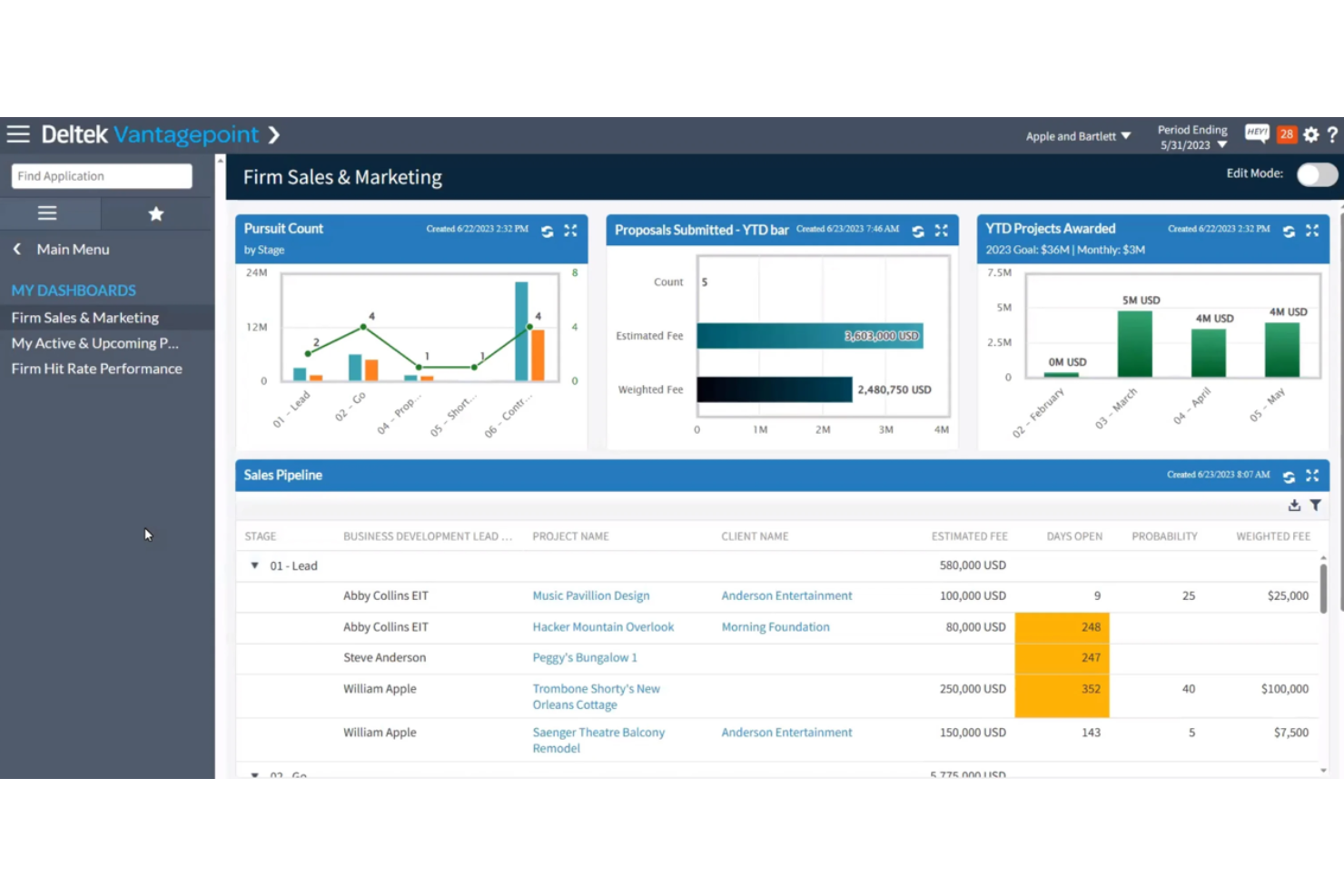
Deltek è una piattaforma ERP basata su progetti, creata appositamente per gli appaltatori dei settori aerospaziale e difesa, che copre l'intero ciclo di vita del contratto con strumenti per la contabilità di progetto, la gestione della qualità, la conformità, la supply chain e la determinazione dei prezzi delle offerte.
Per chi è indicato Deltek?
Deltek è particolarmente indicato per le aziende di qualsiasi dimensione nel settore aerospaziale e della difesa che gestiscono contratti governativi e devono rispettare la conformità a DCAA, DFARS e altri regolamenti federali.
Perché ho scelto Deltek
Deltek si guadagna il suo posto tra i migliori della mia shortlist perché il suo Costpoint ERP è costruito attorno alle strutture contrattuali governative—e non adattato da una piattaforma ERP generica. Mi affido al suo modulo di contabilità di progetto per monitorare in tempo reale i costi a livello di contratto, CLIN e WBS, e la gestione del valore acquisito integrata permette al mio team di essere sempre pronto per le revisioni DCAA senza riconciliazioni manuali. Il quadro di conformità non è un'aggiunta opzionale: è integrato direttamente nei flussi di lavoro principali dell'ERP.
Caratteristiche principali di Deltek
- Sistema di gestione della qualità (QMS): Deltek TIPQA monitora la conformità delle parti e dei processi agli standard AS9100 e FAA, includendo l'approvazione degli elementi di sicurezza FAA.
- Gestione della supply chain: Gestisce la qualifica dei fornitori, gli ordini di acquisto e il tracciamento del rischio di parti contraffatte nell'intera catena di fornitura A&D.
- Determinazione dei prezzi delle offerte: Consente di costruire e verificare le proposte economiche in base agli standard di prezzo governativi direttamente all'interno della piattaforma.
- Esecuzione della produzione: Monitora in tempo reale le operazioni di produzione, gli ordini di lavoro e la manodopera in base ai requisiti contrattuali.
Pros and Cons
Pros:
- Solidi strumenti di conformità
- ERP basato su progetti
- Gestione finanziaria completa
Cons:
- Configurazione complessa
- Opzioni di personalizzazione limitate

Infor
Ideale per conformità e sicurezza in ambito aerospaziale e difesa
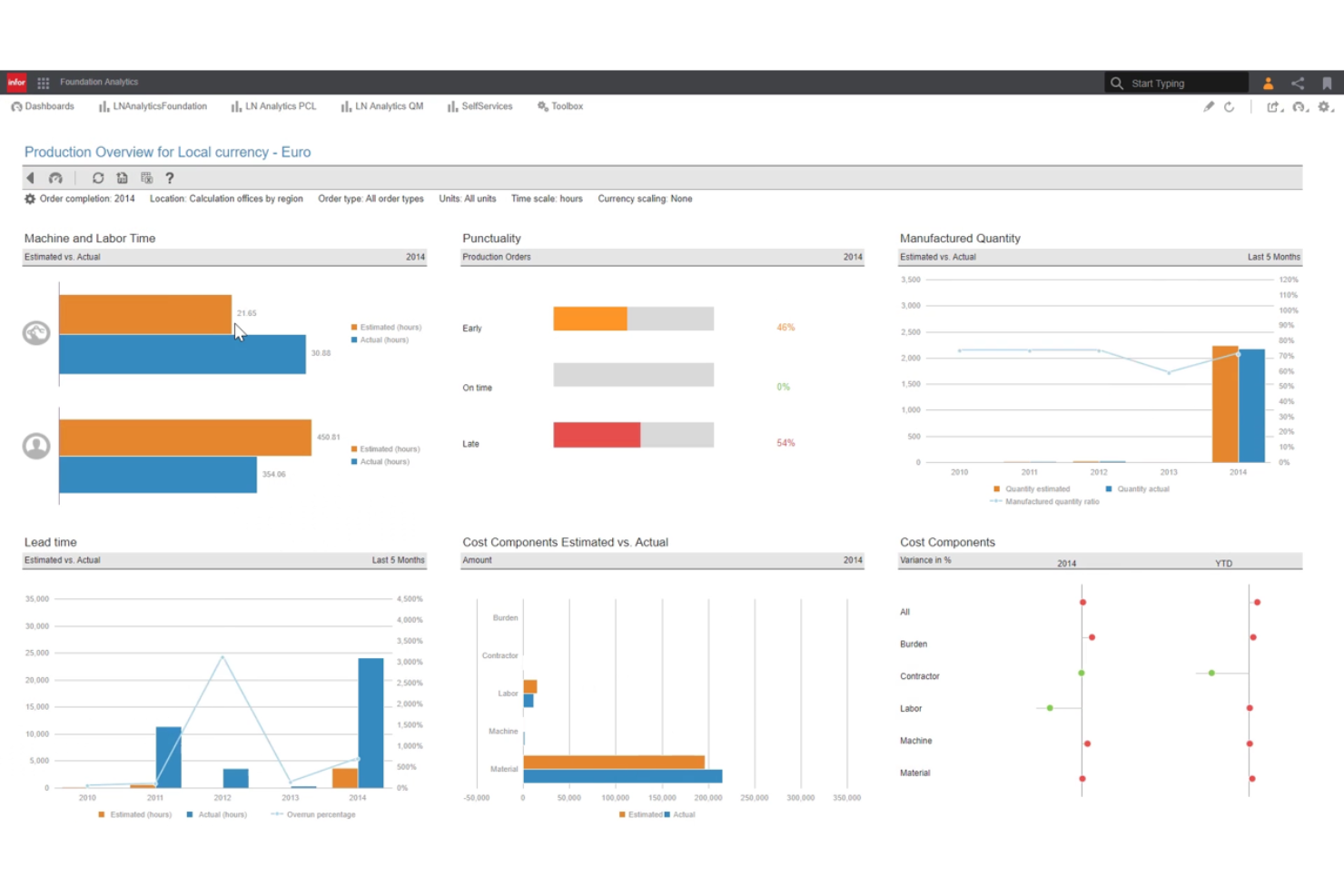
Infor CloudSuite Aerospace & Defense è una piattaforma ERP creata appositamente per produttori, appaltatori e fornitori del settore aerospaziale e della difesa, coprendo gestione contrattuale, supply chain, tracciamento dei costi, conformità e gestione dei servizi MRO.
Per chi è ideale Infor?
Infor CloudSuite Aerospace & Defense è particolarmente adatto a fornitori di difesa e produttori aerospaziali di medie e grandi dimensioni che operano in regime di contratti governativi con severi requisiti normativi e di sicurezza.
Perché ho scelto Infor
Infor si distingue perché nessun altro ERP che ho analizzato viene preconfigurato per i framework di conformità richiesti agli appaltatori della difesa. I controlli sulle esportazioni ITAR ed EAR sono integrati nel sistema, quindi il mio team non deve gestire separatamente la compliance commerciale. Le opzioni di implementazione pronte per CMMC 2.0 e FedRAMP mi consentono di includere la piattaforma nella nostra postura di sicurezza invece di dover creare tali evidenze da zero.
Funzionalità principali di Infor
- Gestione contrattuale e flow-down delle clausole: Gestione di contratti governativi e commerciali con il passaggio diretto delle clausole ai subappaltatori integrato nel sistema.
- Contabilità dei costi di progetto: Monitoraggio dei costi di programma, budget e dati reali a livello di progetto con indicatori specifici per A&D e attribuzione dei costi.
- Gestione servizi MRO: Pianificazione e gestione degli ordini di manutenzione, riparazione e revisione insieme alle attività core di produzione.
- Pianificazione multi-sito della produzione: Coordinamento di materiali, capacità e approvvigionamento attraverso più stabilimenti in un unico ambiente di pianificazione.
Pros and Cons
Pros:
- Solida piattaforma cloud
- Analisi avanzate
- Gestione progetti completa
Cons:
- Difficoltà nella personalizzazione e nell’aggiornamento
- Supporto clienti limitato

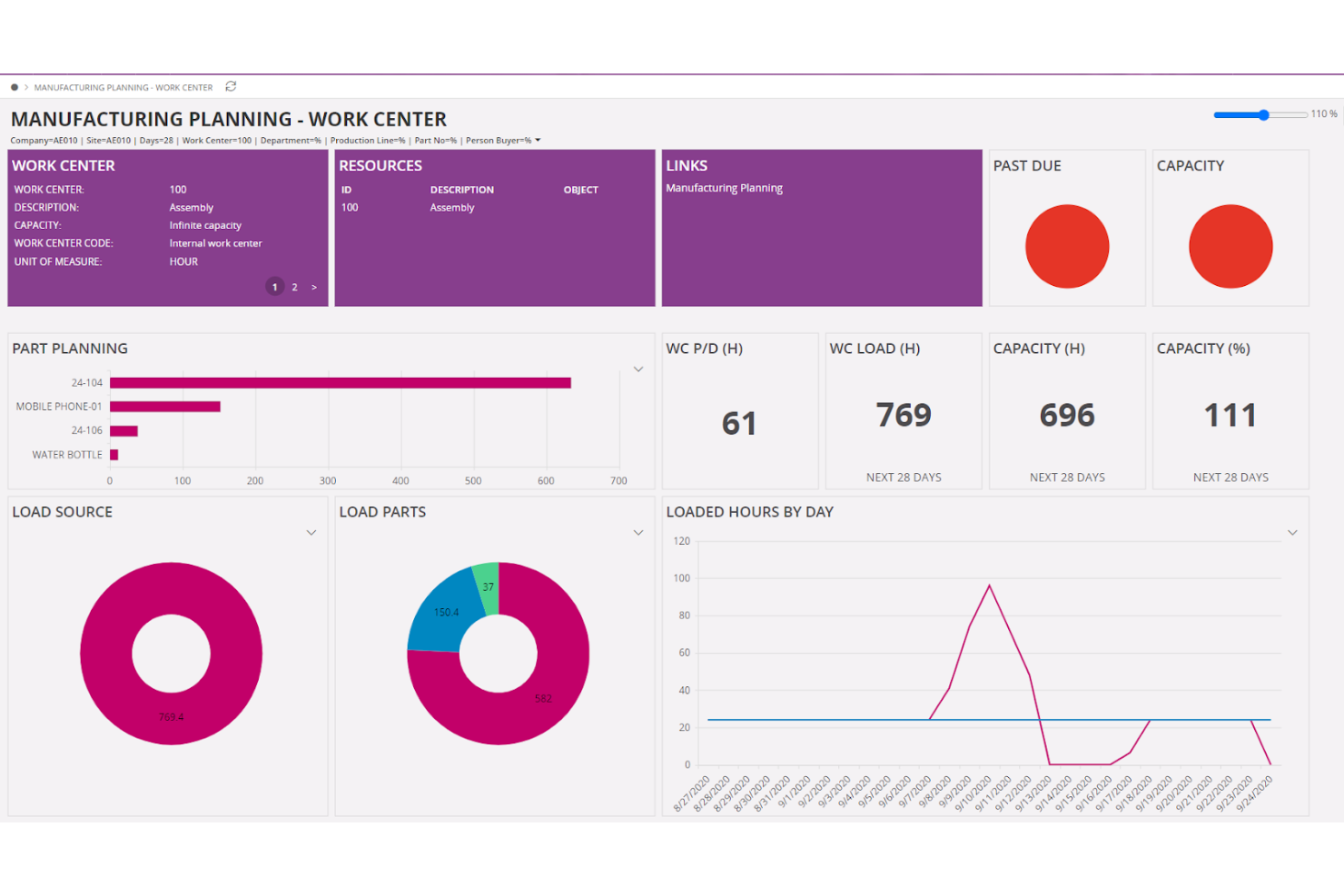
IFS Cloud è una piattaforma ERP progettata specificamente per le organizzazioni dell'aerospaziale e della difesa, integrando ingegneria, produzione, MRO, supply chain e gestione degli asset aziendali in un unico sistema.
Per chi è IFS Cloud?
IFS Cloud è particolarmente adatto a produttori di aerospaziale e difesa di medie e grandi dimensioni, fornitori MRO e appaltatori della difesa che gestiscono operazioni complesse su più siti.
Perché ho scelto IFS Cloud
IFS Cloud si è guadagnato un posto nella mia lista per la sua gestione completa del ciclo di vita degli asset. Il modulo EAM di IFS Cloud traccia gli asset dalla progettazione alla dismissione, offrendo una panoramica completa della situazione degli asset in ogni momento. La gestione delle prestazioni degli asset consente ai team di monitorare in tempo reale lo stato degli asset, favorendo una pianificazione della manutenzione più intelligente e riducendo i fermi non programmati. Gli strumenti per la manutenzione aeronautica collegano pianificazione, programmazione ed esecuzione in un unico sistema, così i team MRO non operano su piattaforme disconnesse.
Caratteristiche principali di IFS Cloud
- Gestione della supply chain: Pianifica, approvvigiona e traccia i materiali attraverso supply chain aerospaziali e della difesa complesse, con strumenti per l'ottimizzazione delle scorte e la gestione dei fornitori.
- Sistema di esecuzione della produzione: Monitora in tempo reale le operazioni di produzione, seguendo l'avanzamento della produzione, la qualità e l'uso delle risorse a livello di linea.
- Gestione della conformità normativa: Strumenti integrati per supportare requisiti di certificazione e audit secondo gli standard AS9100, FAA ed EASA.
- Tracciabilità end-to-end: Traccia i componenti a livello di numero di serie dalla ricezione iniziale fino all'intero ciclo di vita MRO.
Pros and Cons
Pros:
- Gestione completa degli asset
- Solide funzionalità di conformità
- Ampie integrazioni
Cons:
- Implementazione complessa
- Richiede formazione per un uso completo

WinMan
Ideale per ERP integrato con tracciabilità e gestione documentale
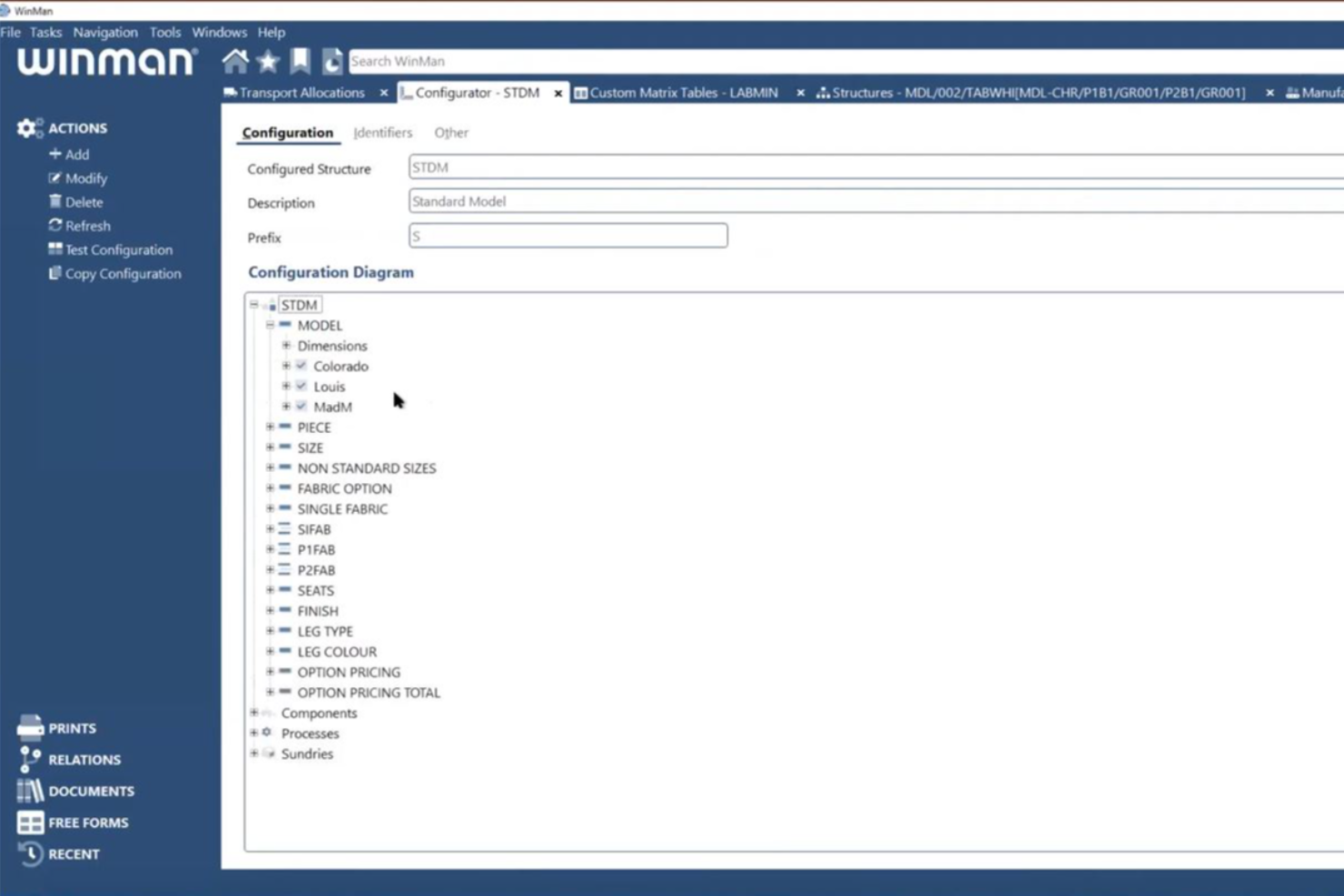
WinMan è una piattaforma ERP per la produzione che copre la gestione della produzione, la catena di fornitura, la pianificazione e la schedulazione, la gestione dei documenti, la finanza, il CRM e la gestione del magazzino all'interno di un unico sistema integrato progettato specificamente per i produttori.
Per Chi è Ideale WinMan?
WinMan è particolarmente indicato per le piccole e medie aziende manifatturiere del settore aerospaziale e difesa che necessitano di un unico sistema per gestire produzione, qualità e catena di fornitura.
Perché Ho Scelto WinMan
WinMan si guadagna il suo posto nella mia lista perché la tracciabilità e la gestione documentale non sono semplici componenti aggiuntivi: sono integrate nel cuore stesso del funzionamento del sistema. Mi piace che ogni articolo possa essere assegnato a un numero di serie o di lotto univoco, offrendo al mio team una completa tracciabilità dalla ricezione delle merci fino al prodotto finito. Sul versante documentale, disegni tecnici, contratti e file di progetto vengono allegati direttamente alle singole schede e nulla viene archiviato esternamente al sistema.
Funzionalità Chiave di WinMan
- Registrazione del controllo qualità: Registra difetti, assegna procedimenti e imposta traguardi di qualità direttamente sulle commesse di produzione.
- Configuratore per ingegnerizzazione su commessa: Crea distinte base precise a partire da un ordine di vendita e monitora in tempo reale i costi dei progetti di ingegneria.
- Raccolta dati dal reparto produttivo: Registra l'attività produttiva in tempo reale a livello di macchina o postazione di lavoro per monitorare l'avanzamento delle commesse.
- Pianificazione e schedulazione: Gestisci capacità, programmazione della produzione e requisiti di materiali da un'unica area di pianificazione.
Pros and Cons
Pros:
- Funzionalità di tracciabilità complete
- Gestione della conformità efficace
- Pianificazione avanzata della produzione
Cons:
- Processo di implementazione ERP complesso
- Può richiedere formazione approfondita

Ideale per integrazione con Salesforce e gestione del ciclo di vita dei progetti
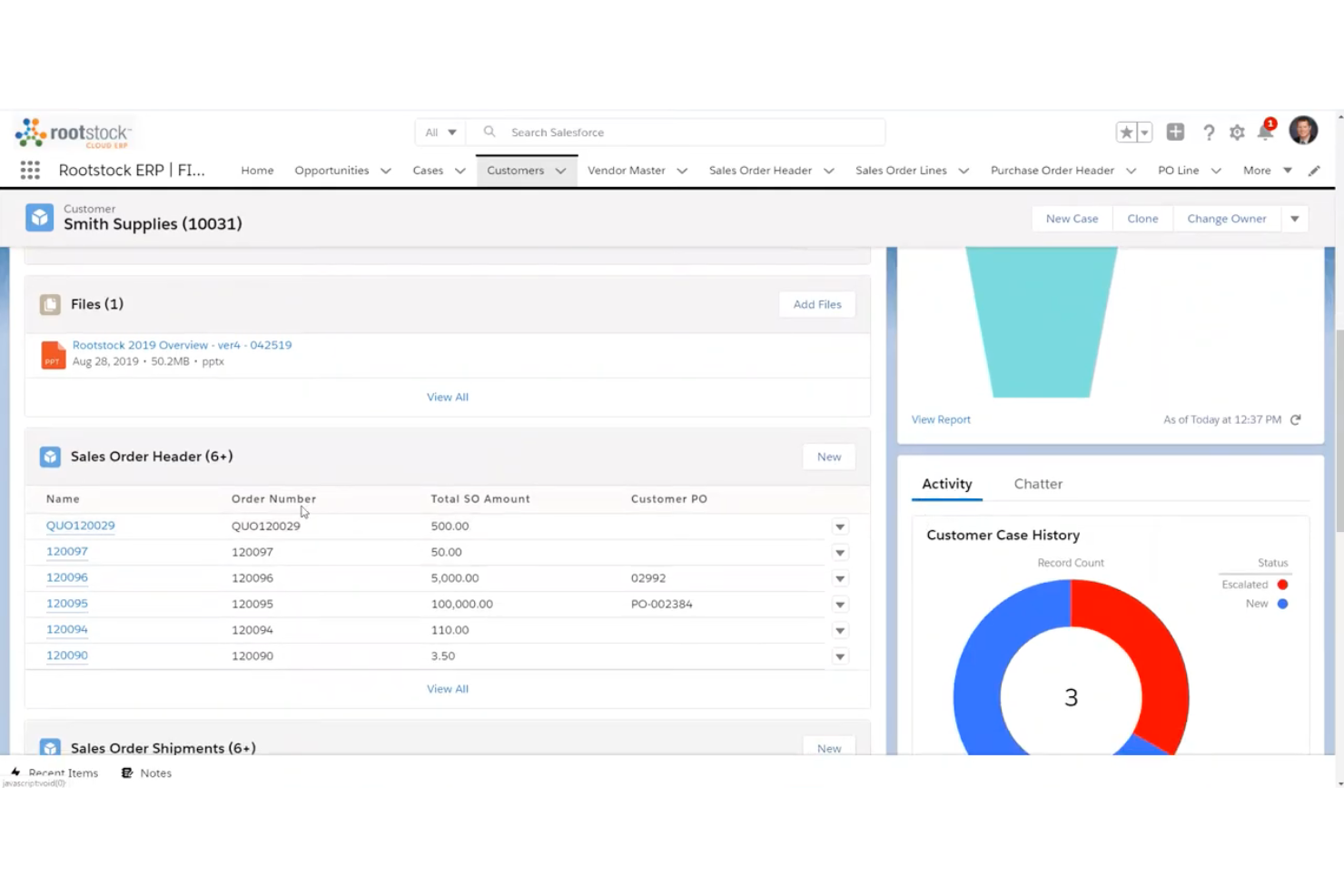
Rootstock è una piattaforma ERP cloud sviluppata nativamente su Salesforce, pensata per i produttori del settore aerospaziale e della difesa al fine di gestire i cicli di vita dei progetti, le operazioni di produzione, la catena di approvvigionamento, la tracciabilità e il controllo dei costi.
Per chi è ideale Rootstock Aerospace ERP?
Rootstock è indicato per produttori di medio mercato nei settori aerospaziale e della difesa che già utilizzano Salesforce e necessitano di un ERP unificato costruito sulla stessa piattaforma.
Perché ho scelto Rootstock Aerospace ERP
Ho scelto Rootstock perché è l’unico ERP per il settore aerospaziale che funziona nativamente sulla piattaforma Salesforce, il che significa che i dati di CRM ed ERP risiedono nello stesso ambiente. Apprezzo il fatto che la gestione del ciclo di vita dei progetti sia integrata direttamente nelle operazioni di produzione: è possibile pianificare, monitorare e calcolare i costi per ogni progetto utilizzando il controllo progetti integrato, con visibilità in tempo reale che parte dalle stime e dall’ingegneria fino alla programmazione della produzione. Trovo anche molto utile la rilevazione dei costi in tempo reale su più progetti, poiché consente di approfondire qualsiasi voce di costo specifica senza dover passare tra diversi sistemi.
Funzionalità chiave di Rootstock Aerospace ERP
- Tracciabilità completa delle configurazioni: Traccia i lotti e i numeri di serie attraverso i registri di storia del dispositivo, dall’ingegneria e produzione fino al servizio.
- Registrazione automatica delle verifiche: Registra automaticamente tutti i movimenti di materiali di magazzino, revisioni e requisiti di assemblaggio o kit per la documentazione normativa.
- eQMS con ComplianceQuest: Gestisci la qualità e la conformità normativa tramite l’integrazione nativa con ComplianceQuest, operante sulla piattaforma Salesforce.
- Strumenti di gestione dell’ingegneria: Gestisci componenti, distinte base (BOM) e modifiche ingegneristiche all’interno dello stesso ambiente ERP della produzione e della supply chain.
Pros and Cons
Pros:
- Forte integrazione con Salesforce
- Gestione completa del ciclo di vita dei progetti
- Visibilità dei dati in tempo reale
Cons:
- Può richiedere competenze su Salesforce
- Processo di configurazione complesso

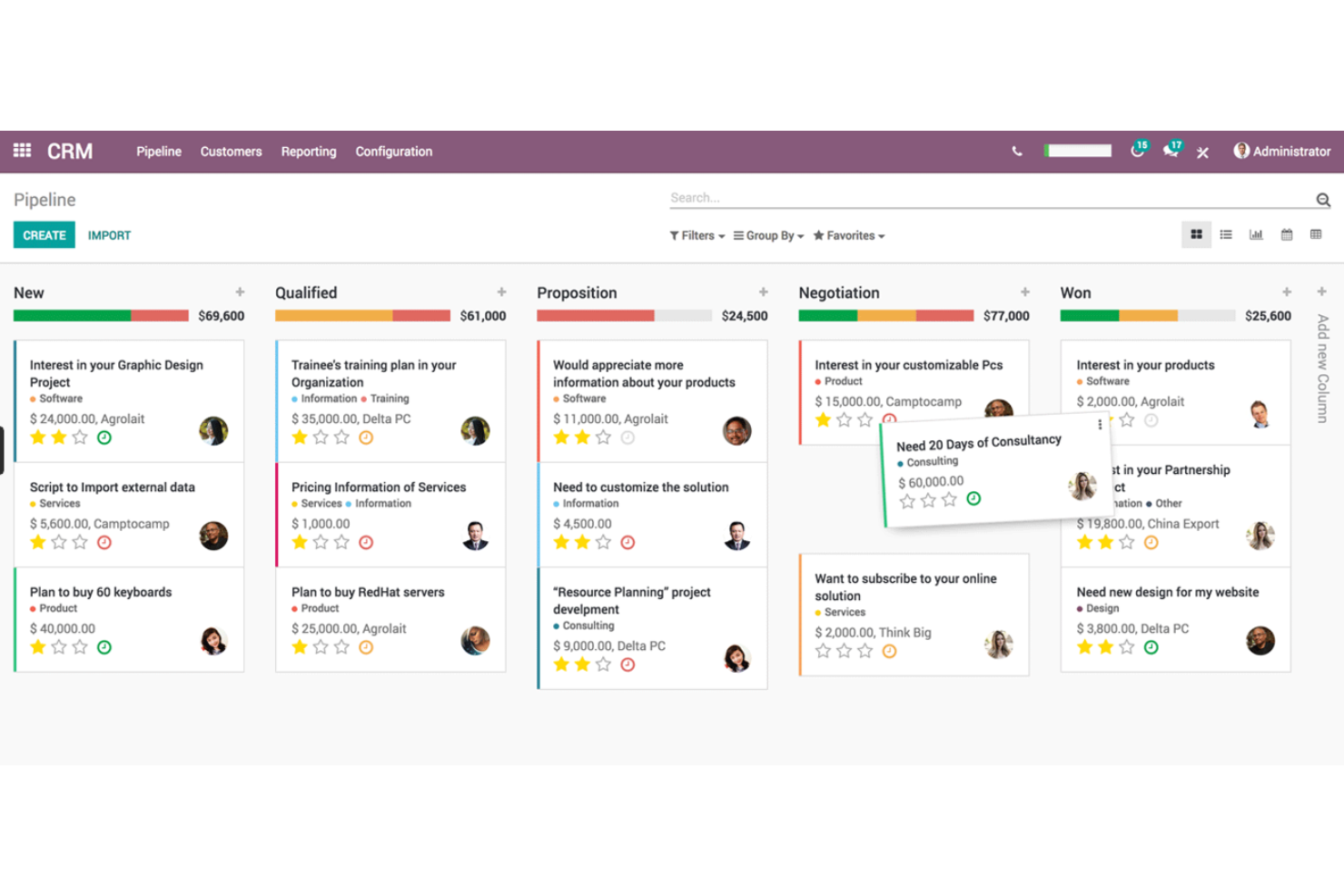
Captivea è un partner Gold di Odoo e una società di consulenza specializzata nell'implementazione di ERP, che distribuisce e personalizza Odoo ERP per produttori del settore aerospaziale e della difesa, coprendo la pianificazione della produzione, la gestione della catena di fornitura, il controllo qualità, il monitoraggio della conformità e la gestione finanziaria.
Per chi è più indicato Captivea?
Captivea è particolarmente indicata per le piccole e medie imprese manifatturiere del settore aerospaziale e difesa che necessitano di una soluzione Odoo ERP personalizzata intorno ai loro specifici flussi produttivi e requisiti di conformità.
Perché ho scelto Captivea
Ho inserito Captivea tra le mie scelte principali perché è uno dei pochi partner Odoo con una chiara specializzazione nell'industria manifatturiera aerospaziale e della difesa. Mi piace soprattutto il fatto che non si limita a implementare una versione generica di Odoo: il team Captivea integra nel sistema i flussi di lavoro produttivi e i requisiti normativi specifici della tua azienda durante la fase di implementazione. Il tracciamento delle non conformità e gli audit di qualità sono integrati nella configurazione della gestione della qualità, un elemento essenziale per chi opera secondo AS9100 o standard simili.
Funzionalità principali di Captivea
- Pianificazione MRP: Pianifica i cicli di produzione utilizzando distinte base, ordini di lavoro e instradamenti configurati per la complessità dei componenti aerospaziali.
- Tracciabilità lotti e numeri di serie: Traccia i singoli componenti e assiemi durante l'intero ciclo produttivo con tracciabilità completa end-to-end.
- Controllo costi basato su progetto: Monitora il costo di manodopera, materiali e spese generali a livello di progetto per un'analisi accurata dei costi di commessa.
- Previsione della domanda: Genera raccomandazioni di riapprovvigionamento basate sulle consumazioni storiche e sugli ordini di vendita aperti.
Pros and Cons
Pros:
- Altamente personalizzabile
- Funzionalità specifiche per il settore
- Solide funzionalità di conformità
Cons:
- Supporto globale limitato
- Processo di implementazione complesso

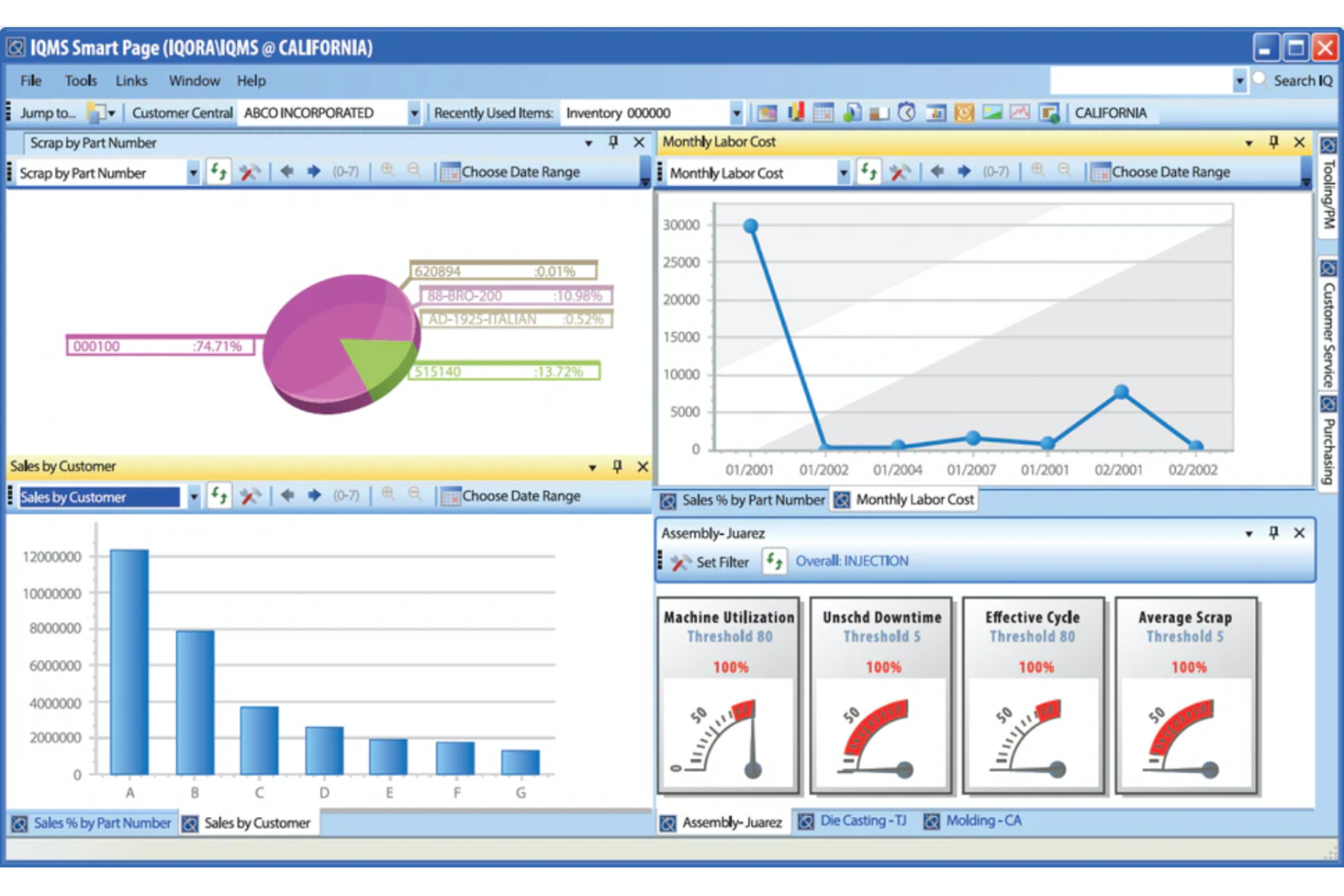
DELMIAWorks è una piattaforma ERP e MES per la produzione progettata per aziende manifatturiere di medie dimensioni che operano nella produzione discreta, ripetitiva e a lotti, con gestione integrata della qualità, monitoraggio del reparto produttivo, controllo della supply chain e strumenti di conformità, tutto all’interno di un unico sistema.
Per chi è più indicato DELMIAWorks?
DELMIAWorks è particolarmente adatto a produttori di medie dimensioni nei settori aerospaziale e della difesa che necessitano di una stretta integrazione tra le operazioni di produzione, la conformità alla qualità e i controlli finanziari in un'unica piattaforma ERP.
Perché ho scelto DELMIAWorks
Ho incluso DELMIAWorks tra le mie migliori scelte perché affronta direttamente due delle sfide più difficili nella produzione aerospaziale e della difesa: il rigoroso controllo dei costi e la conformità normativa. Apprezzo in particolare come la gestione della certificazione ITAR per le spedizioni di esportazione sia integrata direttamente nell’ERP, eliminando la necessità di un sistema separato. DELMIAWorks integra anche la conformità AS9100 Rev. C e D nella sua suite qualità, coprendo il monitoraggio delle non conformità, le azioni correttive e il controllo dei documenti da un unico database, rendendo la preparazione agli audit molto meno complessa.
Caratteristiche principali di DELMIAWorks
- Monitoraggio in tempo reale del reparto produttivo: Consente di tracciare lo stato dei lavori in corso, delle macchine e delle performance produttive in tutto il reparto grazie a un flusso di dati live.
- Pianificazione dei fabbisogni di materiali (MRP): È possibile eseguire l’MRP per allineare approvvigionamento, livelli di inventario e programmazione della produzione alla domanda reale.
- Tracciabilità e monitoraggio dei lotti: Consente di tracciare materiali e componenti lungo tutto il ciclo produttivo, dalla ricezione delle materie prime fino alla spedizione dei pezzi finiti.
- Gestione del magazzino: Permette di gestire la movimentazione dell’inventario, le ubicazioni nei magazzini e il trasferimento dei materiali direttamente all’interno dell’ERP, senza bisogno di un sistema di magazzino separato.
Pros and Cons
Pros:
- Gestione dati completa
- Pianificazione MRP dettagliata
- Gestione della certificazione ITAR
Cons:
- Opzioni di personalizzazione complesse
- Aggiornamenti che richiedono molte risorse

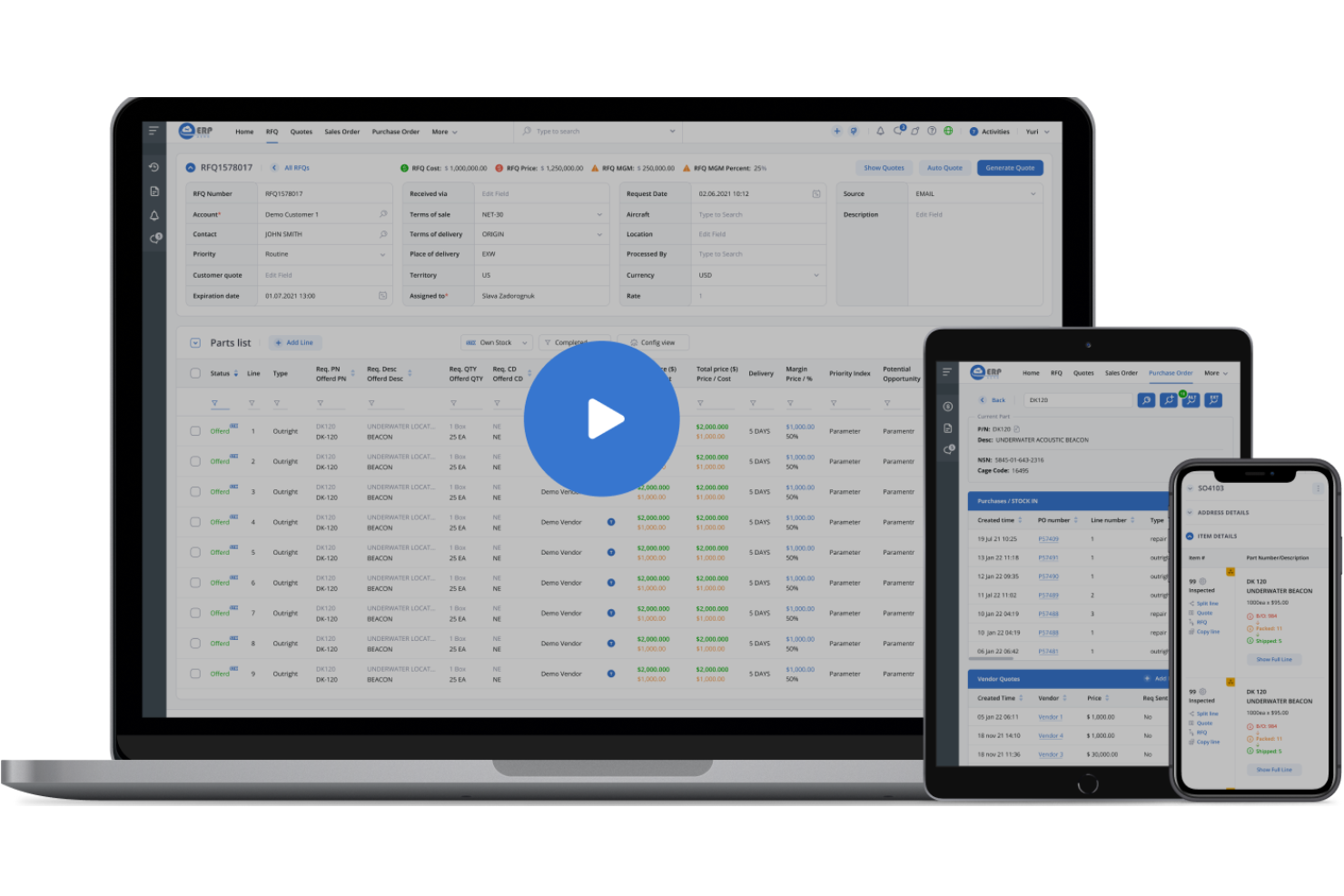
ERP.aero è una piattaforma ERP e CRM basata su cloud, creata esclusivamente per fornitori di parti aerospaziali, produttori e organizzazioni MRO, che copre la gestione dell'inventario, l'elaborazione degli ordini, l'automazione delle richieste di preventivo (RFQ), le integrazioni con marketplace aeronautici e l'e-commerce integrato.
Per chi è ideale ERP.aero?
ERP.aero è una scelta eccellente per fornitori di parti aerospaziali di piccole e medie dimensioni e aziende MRO che necessitano di un sistema specifico per il settore in grado di gestire vendite, inventario e operazioni su marketplace da un'unica piattaforma.
Perché ho scelto ERP.aero
ERP.aero si guadagna un posto nella mia shortlist perché è progettato attorno a un ambiente operativo unico e unificato, pensato specificamente per i fornitori aerospaziali. Apprezzo che la gestione delle RFQ, l'inventario, l'elaborazione degli ordini e la fatturazione siano tutti inclusi in un'unica piattaforma, così il tuo team non dovrà gestire strumenti scollegati tra loro. Le API integrate con ILS, PartsBase e Locatory ti permettono di pubblicare e sincronizzare l'inventario nei principali marketplace aeronautici direttamente dall'ERP, senza bisogno di esportazioni manuali o soluzioni di terze parti. Il portale e-commerce Store.aero aggiunge un ulteriore livello, consentendo di gestire le schede prodotto, le relazioni con i clienti e i pagamenti senza mai uscire dal sistema.
Funzionalità principali di ERP.aero
- Gestione degli ordini di lavoro: Crea e monitora ordini di riparazione e manutenzione collegati direttamente ai ricambi e alle schede cliente all'interno della piattaforma.
- Costruttore di distinte base (BOM): Crea e gestisci distinte base multilivello per la produzione di parti aerospaziali, a supporto della corretta determinazione dei costi di commessa e della pianificazione produttiva.
- Gestione spedizioni e logistica: Genera spedizioni e gestisci le prenotazioni dei vettori tramite integrazioni native con EasyPost e FlyCovr.
- Modulo di formazione del personale: Assegna, monitora e gestisci i corsi di formazione e le certificazioni del personale direttamente dall'ERP per soddisfare i requisiti normativi.
Pros and Cons
Pros:
- ERP/CRM basato su cloud
- Attrezzature di magazzino integrate
- Supporto multilingue
Cons:
- Rete di supporto fornitori limitata
- Opzioni di personalizzazione limitate
Altri software ERP per il settore aerospaziale
Di seguito trovi un elenco di ulteriori software ERP per il settore aerospaziale che ho selezionato. Sebbene non siano rientrati tra i primi 10, sono comunque validi e meritano ulteriori approfondimenti.
- OnRamp Solutions
Ideale per reportistica in tempo reale e monitoraggio della forza lavoro
- Deskera
Ideale per la contabilità multivaluta e la sicurezza dei dati
- DualEntry
Ideale per audit trail e rilevamento anomalie


Come Valuto il Software ERP Aerospaziale
Divido la mia valutazione in criteri di accettazione di base—come la conformità DCAA e la contabilità dei costi a livello WBS—e fattori differenzianti che separano i fornitori per tipi di programmi e strutture contrattuali specifiche.
Funzionalità di Base (Requisiti Minimi per Questa Lista)
Quando seleziono gli strumenti per la mia lista, attribuisco a ciascuno un punteggio da 0 (non offre la funzionalità) a 5 (eccelle in quest'area) per ogni funzionalità di base elencata di seguito. Successivamente, calcolo il punteggio totale dello strumento in percentuale. Ogni strumento deve raggiungere un punteggio totale minimo del 55% per essere preso in considerazione per l'inclusione.
- Contabilità Conforme all’Aerospaziale: Verifico se la piattaforma supporta la rilevazione delle ore conforme a DCAA, la reportistica DFARS/FAR e la tracciabilità degli audit ITAR—il tipo di struttura necessaria per superare un audit di contratto governativo senza problemi.
- Contabilità per Progetti e Contratti: Valuto quanto bene ogni strumento traccia i costi a livello di programma, contratto e WBS, soprattutto per programmi pluriennali dove l’allocazione delle aliquote indirette può determinare la visibilità dei margini.
- Fatturazione Contratti Governativi: I fornitori aerospaziali gestiscono contemporaneamente fatturazione a costi maggiorati, a tempo e materiali, a prezzo fisso e per milestone. Cerco piattaforme che gestiscano questi tipi di fatturazione e li colleghino al riconoscimento dei ricavi per percentuale di completamento.
- Integrazione Finanziaria nella Produzione: Il libro mastro deve restare collegato a MRP, costing della distinta base e dati effettivi della produzione. Cerco collegamenti in tempo reale tra dati produttivi e registrazioni finanziarie, con tracciabilità di lotto e matricola integrata.
- Gestione del Valore Acquisito: Per i programmi di difesa, valuto se la reportistica EVM (CPI, SPI, BCWP, ACWP) sia integrata o richieda workaround manuali, e se sia allineata con gli standard ANSI/EIA-748 per i report del DoD.
- Consolidamento Multi-Entità: Le operazioni aerospaziali globali richiedono multi-valuta, multi-azienda e eliminazioni intercompany. Valuto come ogni piattaforma gestisce la rivalutazione FX e i consolidamenti finanziari a livello di società controllate.
Una volta ottenuta una lista di strumenti che soddisfano questi criteri, considero ciò che distingue ciascuna piattaforma.
Fattori Differenzianti (Cosa Distingue i Fornitori)
Ecco come confronto e metto a confronto i diversi fornitori:
Funzionalità Distintive
La modellazione configurabile delle aliquote indirette è importante quando si gestiscono aliquote provvisorie e effettive su più contratti. Cerco strumenti che permettano di eseguire scenari what-if sulla determinazione dei prezzi futuri senza esportare in fogli di calcolo. La stima e la determinazione dei prezzi delle offerte sono strettamente correlati—le piattaforme che collegano l’analisi dei costi stimati ai dati storici reali danno un reale vantaggio al team durante i cicli RFP. Valuto inoltre la contabilità della manutenzione e del post-vendita, poiché le officine che gestiscono riparazioni devono tracciare il numero di coda e collegare la fatturazione dei contratti di servizio ai piani di ricavo.
Oltre le Funzionalità
Il modello di deployment è una considerazione importante—se gestisci dati soggetti a controllo ITAR, devi confermare se il fornitore offre soluzioni GovCloud, on-premise o hosting autorizzato FedRAMP. Valuto anche l’ecosistema di integrazione, in particolare i connettori preconfigurati per strumenti PLM come Siemens Teamcenter o PTC Windchill, poiché dati di prodotto e finanziari scollegati creano seri problemi in fase di chiusura dei conti. Anche la scalabilità è importante. Un fornitore di livello 3 che cresce fino a lavorare su contratti diretti ha bisogno di una piattaforma che segua la complessità dei programmi senza richiedere una completa sostituzione.
Come scegliere un software ERP per il settore aerospaziale
Mentre porti avanti il tuo processo di selezione del software, unico per la tua azienda, tieni presenti i seguenti aspetti:
- Funzionalità specifiche per il settore: i settori aerospaziale e della difesa presentano requisiti specifici, come la gestione dei progetti, la gestione delle materie prime, gli standard di qualità e l'automazione del reparto produttivo. Pertanto, i sistemi ERP adattati a queste esigenze possono semplificare notevolmente le operazioni e aiutare le aziende che gestiscono progetti complessi e normative rigorose.
- Scalabilità e flessibilità: la capacità del sistema ERP di crescere insieme alla tua azienda e di adattarsi alle esigenze in continua evoluzione è fondamentale. Cerca una soluzione software nota per la sua flessibilità e per le opzioni di personalizzazione, in modo che sia sempre adatta ai tuoi requisiti in evoluzione.
- Capacità di integrazione: le aziende aerospaziali utilizzano spesso diversi software specializzati per funzioni differenti. Pertanto, un sistema ERP che si integri con gli strumenti esistenti può far risparmiare tempo e ridurre gli errori.
- Costi e complessità: il costo totale di proprietà, inclusi implementazione, personalizzazione e manutenzione continuativa, dovrebbe essere valutato attentamente nella scelta di un ERP. È importante bilanciare le funzionalità del sistema con il budget e la disponibilità di risorse.
- Supporto del fornitore ed ecosistema: la qualità del supporto del fornitore e la disponibilità di un solido ecosistema per l'implementazione possono influenzare notevolmente il successo dell'implementazione del tuo ERP. Programmi di formazione avanzati, assistenza tecnica continuativa e una rete solida di partner per l'implementazione sono fattori importanti per garantire una transizione fluida e la sostenibilità a lungo termine del sistema ERP.
Tendenze dei software ERP per il settore aerospaziale
Queste sono alcune tendenze che ho notato nei software ERP per il settore aerospaziale e ciò che potrebbero significare per il futuro. Ho analizzato innumerevoli aggiornamenti dei prodotti, comunicati stampa e registri delle versioni per individuare gli aspetti più importanti.
- Integrazione dell'intelligenza artificiale e dell'apprendimento automatico: L'intelligenza artificiale e l'apprendimento automatico vengono integrati nei sistemi ERP. Queste tecnologie aiutano nella manutenzione predittiva e nell'ottimizzazione delle catene di approvvigionamento. Questa tendenza è importante per ridurre i tempi di inattività e aumentare l'efficienza.
- Soluzioni basate sul cloud: Le soluzioni ERP cloud stanno guadagnando popolarità. Rispetto alle soluzioni in sede, offrono scalabilità e accesso remoto, elementi essenziali per le operazioni globali. Questa tendenza risponde alla necessità di flessibilità e accesso ai dati in tempo reale.
- Misure di sicurezza informatica avanzate: La sicurezza informatica sta diventando una priorità assoluta. Le aziende aerospaziali stanno investendo in protocolli di sicurezza avanzati per proteggere i dati sensibili. Questa tendenza è fondamentale a causa del numero crescente di minacce informatiche.
- Connettività IoT: I dispositivi IoT vengono collegati ai sistemi ERP. Ciò consente il monitoraggio in tempo reale e la raccolta di dati da diverse risorse. Questa tendenza è significativa per migliorare l'efficienza operativa e la gestione delle risorse.
- Interfacce utente personalizzabili: Le interfacce utente personalizzabili stanno diventando sempre più comuni. Consentono agli utenti di adattare il sistema ERP alle proprie esigenze specifiche. Questa tendenza è importante per migliorare l'esperienza utente e la produttività.
Che cos'è il software ERP per il settore aerospaziale?
Un sistema di pianificazione delle risorse aziendali (ERP) è una piattaforma software integrata utilizzata dalle organizzazioni per gestire e automatizzare i processi aziendali fondamentali tra i vari reparti.
Quando sono progettati per il settore aerospaziale, i sistemi ERP aiutano i produttori aerospaziali, i fornitori e le organizzazioni di manutenzione a mantenere un'elevata qualità dei prodotti, aumentare la capacità produttiva e rispondere rapidamente alle perturbazioni del mercato.
Caratteristiche del software ERP per il settore aerospaziale
Quando si seleziona un software ERP per il settore aerospaziale, è importante comprendere le caratteristiche principali che supporteranno le operazioni aziendali. Il sistema ERP giusto può aiutare a gestire processi complessi, garantire la conformità e migliorare l'efficienza complessiva. Ecco alcune delle caratteristiche principali che il software ERP dovrebbe avere:
- Gestione della conformità: Garantisce il rispetto delle normative e degli standard del settore, aspetto fondamentale per mantenere le certificazioni ed evitare sanzioni.
- Gestione della catena di approvvigionamento: Gestisce il flusso di materiali e componenti, assicurando consegne puntuali e riducendo il rischio di ritardi nella produzione.
- Controllo qualità: Monitora e mantiene la qualità dei prodotti, elemento essenziale per soddisfare i rigorosi standard aerospaziali e le aspettative dei clienti.
- Gestione dell'inventario: Tiene traccia dei livelli e dei movimenti delle scorte, contribuendo a ridurre le eccedenze ed evitare carenze.
- Pianificazione della produzione: Programma e monitora le attività produttive, garantendo un uso efficiente delle risorse e il rispetto delle scadenze di consegna.
- Gestione finanziaria: Gestisce la contabilità, la definizione del budget e la rendicontazione finanziaria, offrendo un quadro chiaro della situazione finanziaria dell'azienda.
- Gestione dei progetti: Gestisce i progetti dall'avvio al completamento, garantendo che procedano secondo i piani e rispettino il budget.
- Gestione della manutenzione: Programma e tiene traccia delle attività di manutenzione, garantendo che apparecchiature e macchinari siano in condizioni ottimali.
- Gestione delle risorse umane: Gestisce i dati dei dipendenti, le buste paga e i benefit, supportando la pianificazione e lo sviluppo della forza lavoro.
- Gestione delle relazioni con i clienti (CRM): Gestisce le interazioni e i dati dei clienti, contribuendo a migliorare la soddisfazione e la fidelizzazione della clientela.
Le caratteristiche del software ERP per il settore aerospaziale sono progettate con grande attenzione per rispondere alle complesse esigenze del settore, garantendo un'integrazione fluida e una gestione efficiente delle operazioni critiche. Investire in una buona soluzione ERP per il settore aerospaziale non solo migliora l'efficienza operativa, ma sostiene anche l'innovazione e la crescita a lungo termine del settore.
Vantaggi del software ERP per il settore aerospaziale
L'implementazione di un software ERP per il settore aerospaziale può rivoluzionare le operazioni aziendali ottimizzando i processi, garantendo la conformità e migliorando l'efficienza complessiva. Ecco alcuni dei principali vantaggi che questo software può offrire agli utenti e alle organizzazioni:
- Gestione della conformità migliorata: il software ERP aerospaziale garantisce il rispetto delle normative di settore, riducendo il rischio di non conformità e delle relative sanzioni.
- Maggiore efficienza operativa: integrando diversi processi aziendali, il software riduce le attività manuali e gli errori, portando a operazioni più efficienti.
- Analisi dei dati in tempo reale: l'accesso ai dati in tempo reale consente di prendere decisioni migliori e aiuta le aziende a rispondere rapidamente ai cambiamenti del mercato e alle esigenze operative.
- Gestione semplificata della catena di approvvigionamento: il software ERP aerospaziale ottimizza la catena di approvvigionamento, migliorando la gestione dell'inventario e riducendo i tempi di consegna, con un conseguente aumento della produttività complessiva.
- Gestione completa dei progetti: il software offre strumenti per la pianificazione e l'esecuzione dettagliate dei progetti, garantendo che vengano completati nei tempi previsti e nel rispetto del budget.
La scelta del software ERP aerospaziale più adatto può apportare notevoli vantaggi alla tua organizzazione, migliorando la conformità, aumentando l'efficienza e fornendo informazioni preziose attraverso i dati in tempo reale. Semplificando la gestione della catena di approvvigionamento e dei progetti, puoi garantire operazioni più fluide e risultati finanziari migliori.
Costi e prezzi del software ERP aerospaziale
Quando valuti un software ERP aerospaziale, è essenziale comprendere i diversi piani tariffari e le funzionalità offerte da ciascun piano. Queste informazioni aiutano gli acquirenti di software a prendere decisioni informate in base alle proprie esigenze specifiche e al proprio budget. Di seguito è riportata una panoramica dei piani tariffari più comuni e delle relative funzionalità, per guidarti nel processo di selezione.
Tabella comparativa dei piani per il software ERP aerospaziale
| Tipo di piano | Prezzo medio | Funzionalità comuni |
| Gratuito | $0/user/month | Funzionalità di base, supporto limitato agli utenti, archiviazione dati limitata e strumenti essenziali per la reportistica |
| Base | $50/user/month | Funzionalità ERP fondamentali, reportistica standard, supporto via e-mail, analisi di base e integrazioni limitate |
| Standard | $100/user/month | Analisi avanzate, gestione della catena di approvvigionamento, strumenti per la conformità, gestione dei progetti e supporto via chat |
| Premium | $200/user/month | Tutte le funzionalità Standard, analisi dei dati in tempo reale, numerose integrazioni, supporto 24/7 e accesso mobile |
| Aziendale | $500/user/month | Suite completa di funzionalità, integrazioni personalizzate, account manager dedicato, sicurezza avanzata e archiviazione illimitata |
Il piano software ERP aerospaziale più adatto dipende dalle dimensioni della tua organizzazione, dal budget e dalle esigenze specifiche. Assicurati di valutare attentamente le funzionalità e il supporto offerti da ciascun piano per trovare la soluzione più adatta alla tua attività.
Domande frequenti sul software ERP aerospaziale
Ecco alcune delle domande frequenti che mi vengono poste sul software ERP aerospaziale.
In che modo il software ERP aerospaziale migliora la conformità?
Il software ERP aerospaziale integra i requisiti normativi nei propri flussi di lavoro, garantendo che tutti i processi siano conformi agli standard di settore. Automatizza la documentazione e la reportistica, riducendo gli errori umani e garantendo la tracciabilità per gli audit.
Qual è il tempo di implementazione tipico del software ERP aerospaziale?
I tempi di implementazione variano, ma generalmente vanno da alcuni mesi a un anno. Tra i fattori che li influenzano vi sono le dimensioni dell’azienda, la complessità dei processi e il livello di personalizzazione.
Il software ERP aerospaziale include la formazione?
La maggior parte dei fornitori offre programmi di formazione, che possono includere formazione in loco, corsi online e manuali utente. La formazione è fondamentale per massimizzare i vantaggi del software e garantirne un’adozione fluida.
In che modo il software ERP aerospaziale gestisce la sicurezza dei dati?
Il software ERP aerospaziale include generalmente solide misure di sicurezza, come crittografia, controlli degli accessi e audit regolari. Queste funzionalità aiutano a proteggere i dati sensibili dalle violazioni e garantiscono la conformità alle normative sulla protezione dei dati.
Quale tipo di supporto è disponibile per il software ERP aerospaziale?
Le opzioni di supporto includono generalmente assistenza via e-mail, telefono e chat dal vivo. I piani di livello superiore spesso includono account manager dedicati e supporto 24/7.