

Los 10 mejores programas gratuitos de facturación para pequeñas empresas en 2026

10 Lista de los mejores programas gratuitos de facturación para pequeñas empresas


Dirigir una pequeña empresa no es tarea fácil, especialmente cuando se trata de gestionar las finanzas. Como CFO, probablemente tengas que lidiar con presupuestos ajustados y buscar soluciones rentables. Ahí es donde resulta útil el software de facturación en línea gratuito. Te ayuda a realizar un seguimiento de las facturas sin aumentar tus gastos.
Según mi experiencia, estas herramientas de contabilidad pueden aliviar el estrés de la facturación y la gestión del flujo de caja. Ofrecen funciones esenciales para mantener tu empresa funcionando sin problemas y sin un precio elevado.
En este artículo, compartiré mis principales opciones de los mejores programas gratuitos de facturación disponibles. Encontrarás reseñas imparciales y análisis que te ayudarán a elegir la aplicación de facturación adecuada para tu equipo. Veamos algunas soluciones que facilitan la gestión financiera.
Por qué confiar en nuestras recomendaciones de software
Nuestras reseñas reflejan nuestro criterio independiente, no un discurso de ventas. Descubra cómo mantenemos la transparencia.
Para esta guía, evaluamos las herramientas mediante pruebas prácticas e investigación independiente, puntuando las herramientas según nuestros criterios de selección.
Nuestras reseñas reflejan nuestro criterio editorial humano, no un discurso de ventas.
Resumen de los mejores programas gratuitos de facturación para pequeñas empresas
Aunque todos los programas de facturación para pequeñas empresas de mi lista ofrecen opciones gratuitas, la mayoría también dispone de planes de pago por si deseas actualizar. Estos son los costes iniciales de cada una de las herramientas que llegaron a mi lista:
| Tool | Best For | Trial Info | Price | ||
|---|---|---|---|---|---|
| 1 | Ideal para el seguimiento de inventario | Prueba gratuita de 30 días disponible | Desde $9/usuario/mes | Website | |
| 2 | Ideal para facturación ilimitada | Plan gratuito disponible | Desde $14/mes | Website | |
| 3 | Lo mejor para autónomos | Prueba gratuita de 30 días | Desde $23/mes | Website | |
| 4 | Ideal para empresas en crecimiento | Prueba gratuita de 30 días | Desde $30/mes | Website | |
| 5 | Ideal para múltiples monedas | Plan gratuito disponible | Desde $9.99/mes | Website | |
| 6 | Lo mejor para contabilidad integrada | Plan gratuito disponible | Desde $19/mes | Website | |
| 7 | Mejor para herramientas de automatización | Gratis para usar | Gratis para usar | Website | |
| 8 | Mejor para facturación móvil | Plan gratuito disponible | Desde $35/mes | Website | |
| 9 | Ideal para pagos fáciles | Plan gratuito disponible | Desde 3,49% + $0,49/transacción (pago en línea) | Website | |
| 10 | Ideal para una interfaz sencilla | Prueba gratuita + plan gratis disponible | Desde $150/año (facturado anualmente) | Website |
Reseña de los mejores programas gratuitos de facturación para pequeñas empresas
A continuación se muestran mis resúmenes detallados de los mejores programas gratuitos de facturación para pequeñas empresas que llegaron a mi lista. Mis reseñas ofrecen un análisis detallado de las funciones principales, las ventajas y desventajas, las integraciones y los casos de uso ideales de cada herramienta para ayudarte a encontrar la mejor opción para ti. Aunque algunas de estas herramientas ofrecen una versión completamente gratuita, otras ofrecen un periodo de prueba gratuito. He añadido una nota sobre lo que es gratuito en cada una de mis reseñas.

OneUp
Ideal para el seguimiento de inventario
OneUp es un software de gestión empresarial diseñado para pequeñas empresas, enfocado en la contabilidad, facturación y gestión de inventario. Sus herramientas ayudan a las empresas a supervisar sus operaciones y llevar un control de sus finanzas e inventario.
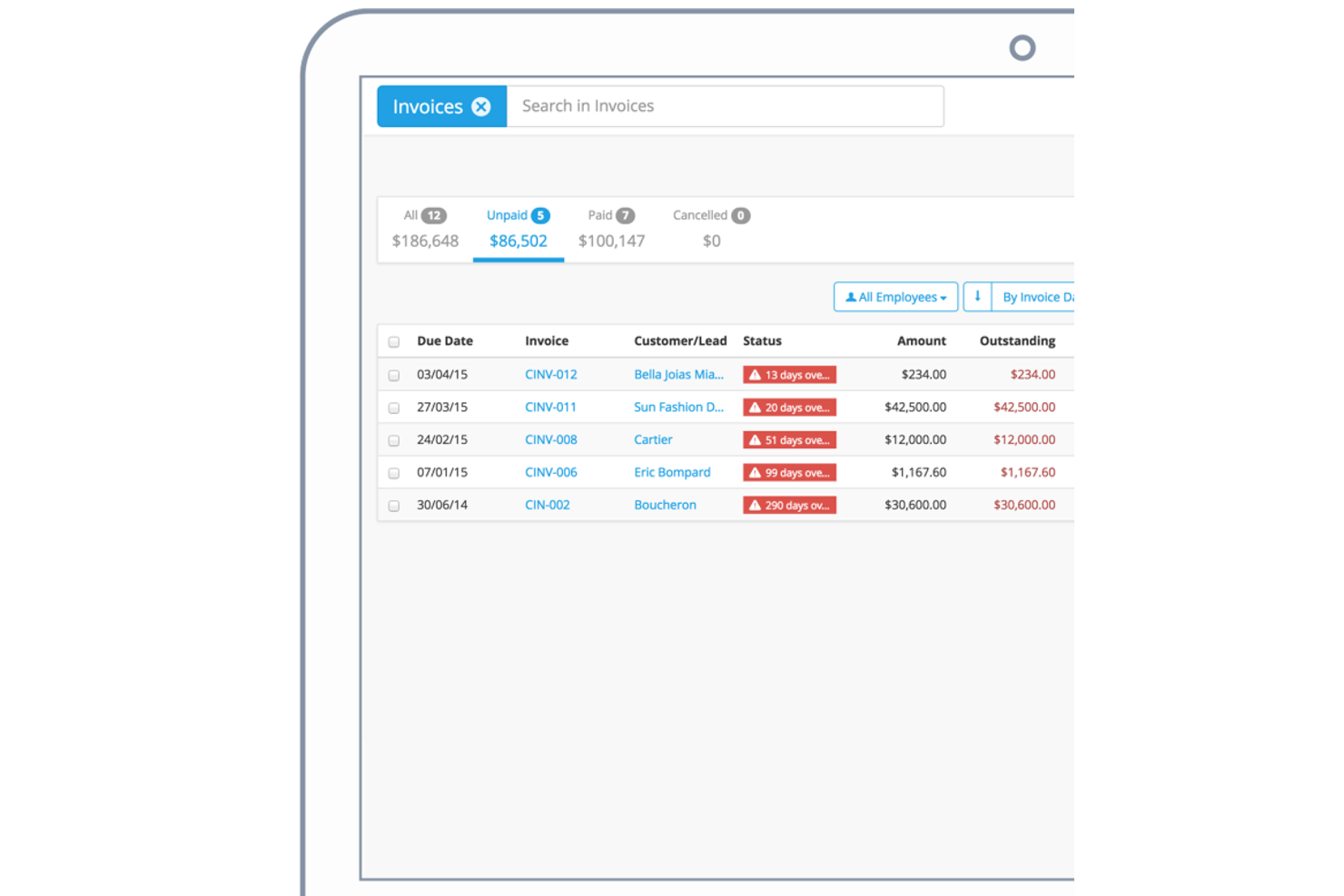
Por qué elegí OneUp: La prueba gratuita te permite explorar las capacidades de seguimiento de inventario, lo cual es ideal para empresas con productos físicos. Puedes gestionar los niveles de stock y rastrear los movimientos de inventario fácilmente. El software también ofrece funciones de facturación que se integran con el inventario, garantizando una facturación precisa. Hay filtros para facturas no pagadas, una función de búsqueda y claros indicadores de estado vencido para el seguimiento de los pagos de los clientes. Con su enfoque en la gestión de inventario, apoya a las empresas que buscan optimizar el control de su stock.
Características destacadas e integraciones:
Características incluyen la conciliación bancaria automática, que simplifica las tareas contables. También puedes generar informes financieros detallados para obtener una visión clara del desempeño de tu empresa. Además, la herramienta ofrece funcionalidades de CRM, ayudándote a gestionar eficazmente las relaciones con tus clientes.
Las integraciones no se publican de manera pública.
¿Qué es gratis? La prueba gratuita de OneUp da acceso a todas las funciones, permitiéndote explorar todas sus capacidades antes de optar por un plan de pago.
Pros and Cons
Pros:
- Sólidas funciones de gestión de inventario
- Conciliación bancaria automática
- Funcionalidades de CRM incluidas
Cons:
- Única pasarela de pago
- Automatiza la facturación junto con la contabilidad integrada

Ideal para facturación ilimitada
Invoice Ninja es un software de facturación gratuito diseñado para freelancers, profesionales de servicios y pequeños empresarios. Ofrece funciones esenciales, como gestión de gastos, facturación, gestión de proyectos y seguimiento de tiempo, que ayudan a los usuarios a gestionar sus finanzas de manera eficiente y recibir pagos rápidamente.
Por qué elegí Invoice Ninja: La opción gratuita incluye facturación ilimitada para hasta cinco clientes, lo que representa una solución práctica para freelancers y equipos pequeños que gestionan unos pocos clientes. El soporte de la plataforma para varios métodos de pago ofrece utilidad para pequeños negocios.
Características destacadas e integraciones:
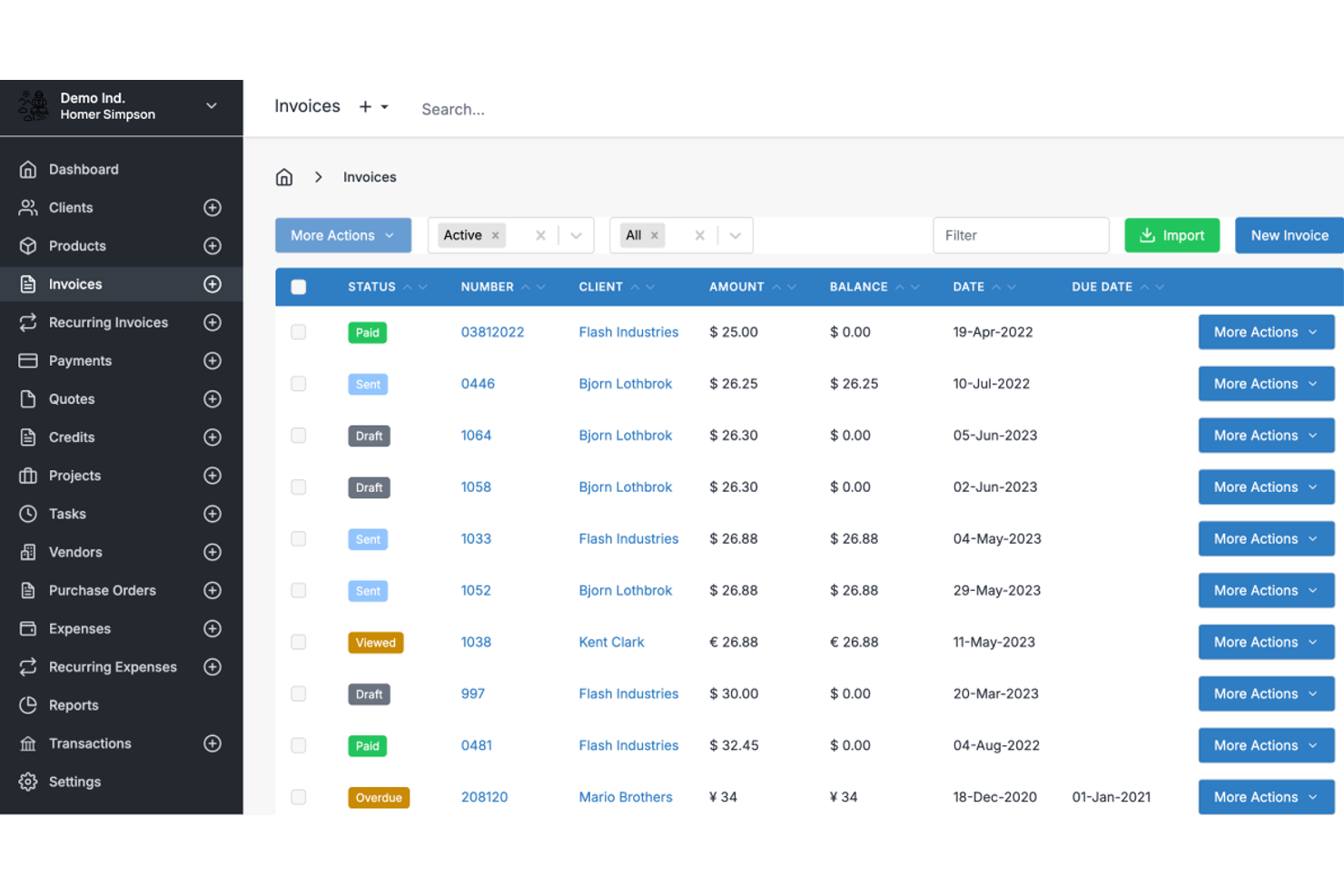
Características incluyen herramientas de gestión de proyectos que te permiten llevar un control del tiempo y los gastos. Las plantillas de factura personalizables del software te ayudan a mantener la identidad de tu marca. El panel de control cuenta con columnas ordenables por estado, número, cliente, importe, saldo, fecha y fecha de vencimiento. Además, puedes automatizar los recordatorios de facturas, lo que facilita gestionar los pagos atrasados.
Integraciones incluyen Zapier, Integrately, Make y más.
¿Qué es gratis? Invoice Ninja ofrece un plan gratis para siempre con hasta cinco clientes activos.
Pros and Cons
Pros:
- Permite facturación recurrente automatizada
- Admite múltiples métodos de pago
- Acceso a la app móvil
Cons:
- No hay soporte telefónico
- Las funciones avanzadas requieren un plan de pago

Lo mejor para autónomos
FreshBooks es un software de contabilidad y facturación diseñado principalmente para autónomos y pequeños empresarios. Funciones como el seguimiento de gastos, el control del tiempo y la facturación lo convierten en una herramienta integral para gestionar las finanzas.
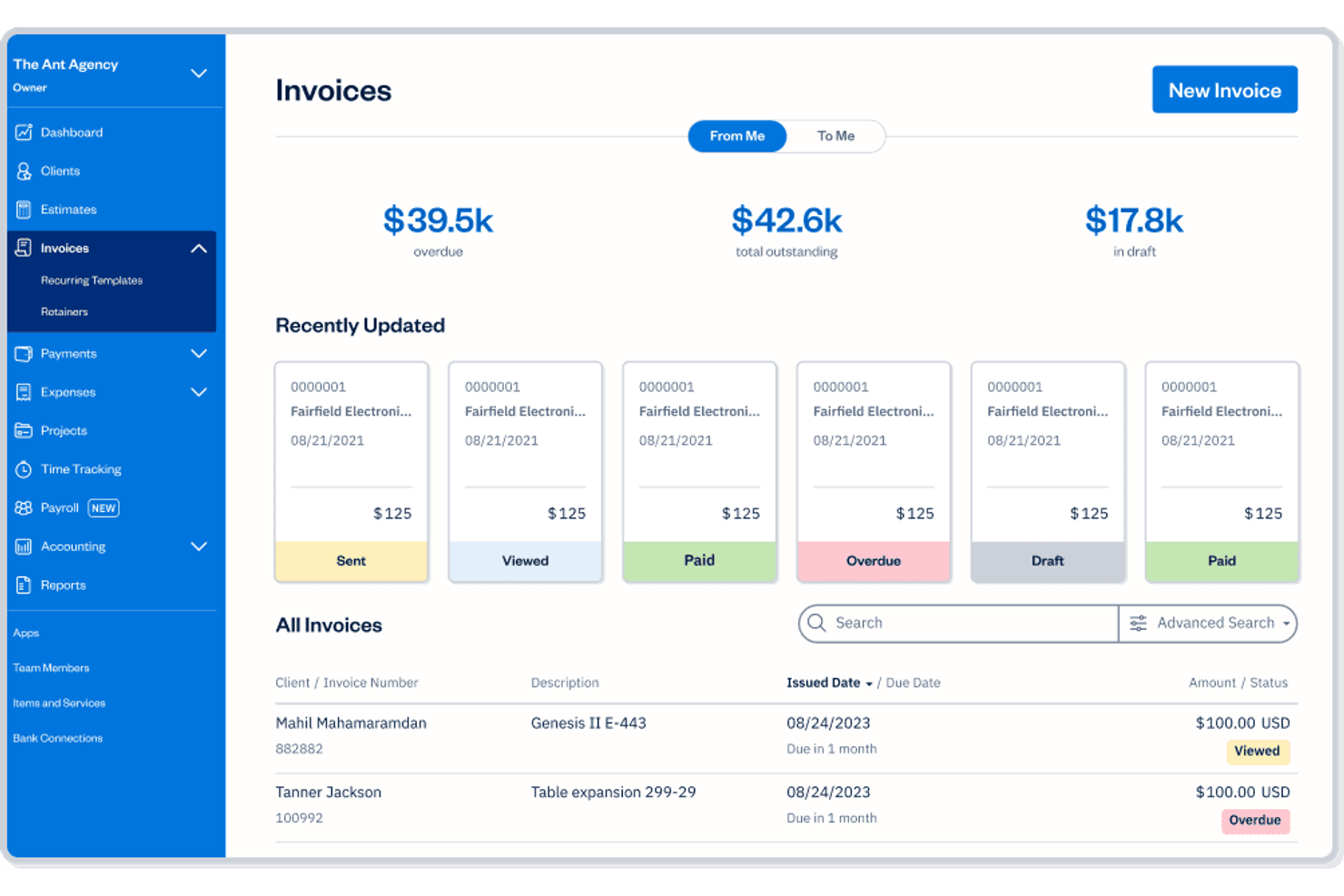
Por qué elegí FreshBooks: La prueba gratuita ofrece a los autónomos la oportunidad de explorar las funciones de facturación de la herramienta, incluidos sus recientemente actualizados registros de facturas y la lista de facturas con función de búsqueda. Puedes crear facturas profesionales y registrar fácilmente las horas facturables. El software también te permite gestionar los gastos, lo cual es útil para los autónomos que manejan varios proyectos. Con un enfoque en la simplicidad, integra la facturación y la contabilidad en una sola plataforma.
Características destacadas e integraciones:
Características incluyen plantillas de factura personalizables que te permiten mantener la identidad de tu marca. Los recordatorios automáticos de pago de la plataforma te ayudan a cobrar más rápido. Además, puedes generar informes financieros que proporcionan información sobre el rendimiento de tu negocio.
Integraciones incluyen Mailchimp, Zapier, HubSpot CRM, Gusto y más.
¿Qué es gratis? La prueba gratuita de FreshBooks te da acceso a todas las funciones, permitiéndote explorar todas sus capacidades antes de decidirte por un plan de pago.
Pros and Cons
Pros:
- Ideal para autónomos
- Gestión de gastos sencilla
- Recordatorios automáticos de pago
Cons:
- Sin soporte telefónico en la prueba
- Prueba limitada a un solo usuario

Ideal para empresas en crecimiento
QuickBooks es una solución de software de contabilidad dirigida a pequeñas y medianas empresas y trabajadores autónomos. Ofrece una variedad de funciones, como facturación, seguimiento de gastos y elaboración de informes financieros, lo que la convierte en una herramienta adecuada para gestionar las finanzas empresariales.
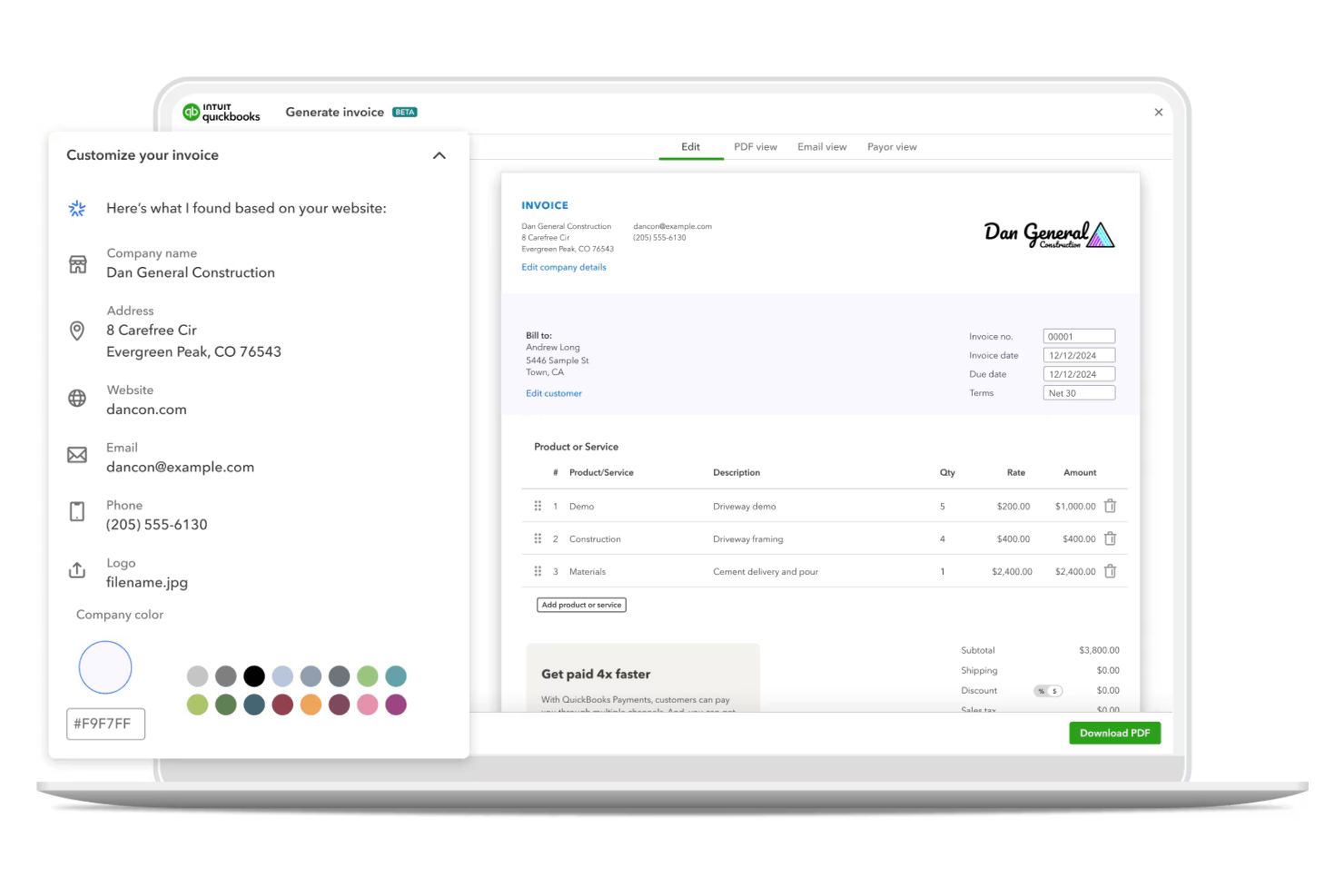
Por qué elegí QuickBooks: La prueba gratuita permite a las pequeñas empresas experimentar toda la gama de funciones contables de la herramienta. Puedes crear y enviar facturas profesionales, registrar gastos y generar informes financieros detallados. La interfaz fácil de usar de la plataforma te ayuda a gestionar las finanzas de forma intuitiva. Con soporte para múltiples usuarios, se adapta tanto a equipos pequeños que buscan organizar sus procesos contables como a equipos en expansión.
Funciones destacadas e integraciones:
Funciones incluyen cálculos de impuestos automatizados, lo cual ahorra tiempo durante la temporada fiscal. El software también ofrece herramientas para la gestión del flujo de caja para ayudarte a monitorizar la salud financiera de tu negocio. Además, QuickBooks proporciona una categorización detallada de los gastos, permitiéndote llevar un control de en qué se invierte el dinero.
Integraciones incluyen PayPal, Shopify, Square, Gusto y más.
¿Qué es gratis? La prueba gratuita de QuickBooks otorga acceso a todas las funciones, permitiéndote explorar sus capacidades antes de comprometerte con un plan de pago.
Pros and Cons
Pros:
- Funciones contables completas
- Cálculos de impuestos automatizados
- Categorización de gastos
Cons:
- Soporte al cliente limitado durante la prueba
- Algunas funciones requieren conocimientos técnicos

Ideal para múltiples monedas
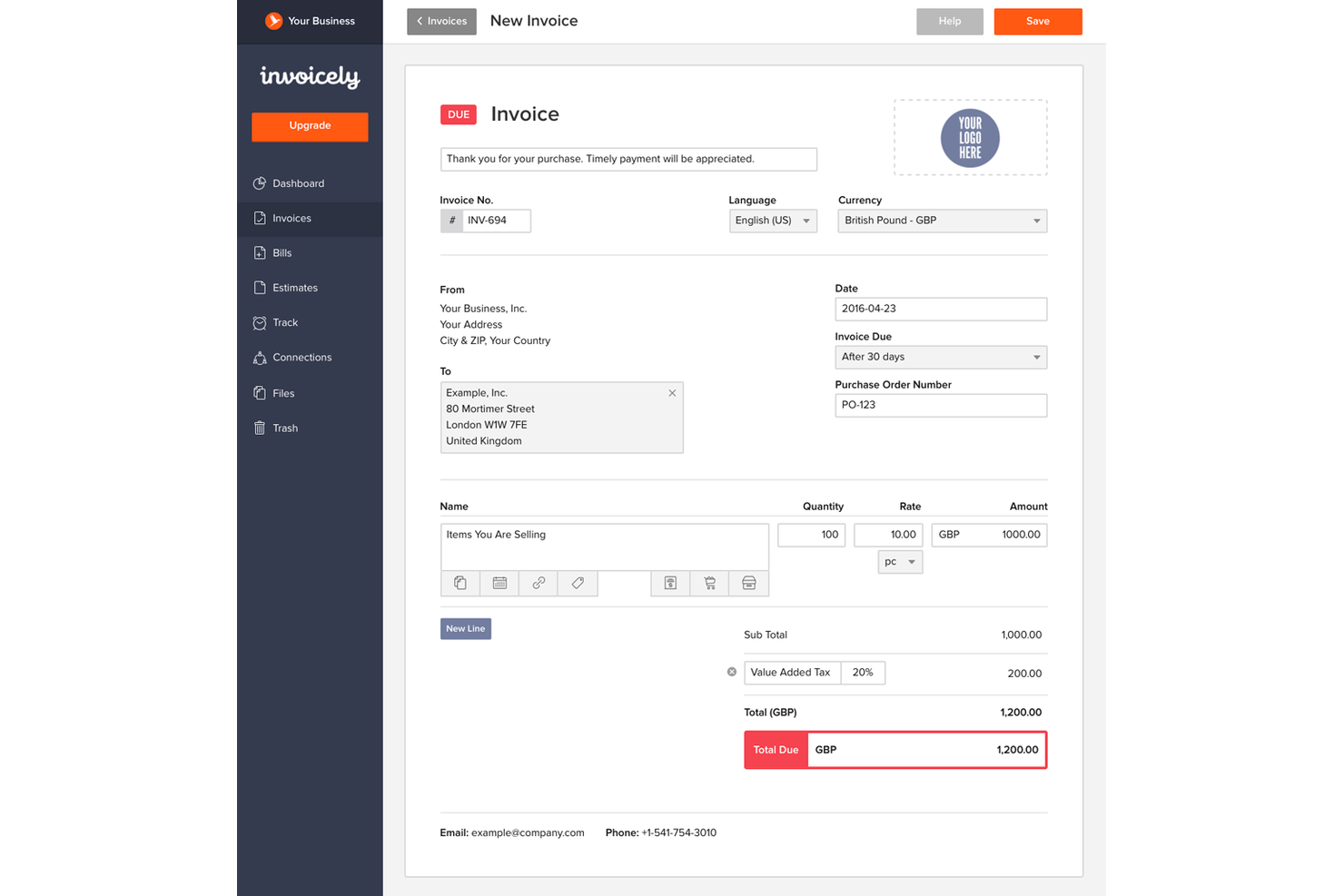
Invoicely es una herramienta de facturación versátil diseñada para autónomos y pequeños negocios. Ayuda a los usuarios a gestionar la facturación, controlar gastos y crear facturas en varias monedas, lo que la hace adecuada para operaciones internacionales.
Por qué elegí Invoicely: La versión gratuita te permite crear y enviar cinco facturas al mes en varias monedas, lo cual es ideal para equipos pequeños que trabajan con clientes internacionales. También puedes registrar gastos básicos y acceder a herramientas de reporte esenciales. La plataforma ofrece opciones de personalización de facturas para detalles de clientes, conceptos, cálculos de impuestos y condiciones de pago para ayudarte a mantener la identidad de tu marca.
Funciones y conexiones destacadas:
Funciones incluyen herramientas de reporte detalladas que te ayudan a monitorear tu estado financiero. La plataforma también ofrece facturación recurrente, lo que ahorra tiempo en tareas repetitivas. Además, puedes gestionar varios negocios desde una sola cuenta, proporcionando flexibilidad para emprendedores.
Integraciones incluyen PayPal, Stripe, Authorize.net, Mollie y más.
¿Qué es gratis? Invoicely ofrece un plan gratuito para siempre que permite cinco facturas mensuales y clientes internacionales, con limitaciones en algunas funciones avanzadas.
Pros and Cons
Pros:
- Soporta múltiples monedas
- Seguimiento básico de gastos
- Gestiona varios negocios
Cons:
- El plan gratuito contiene anuncios
- Capacidades de reporte limitadas

Wave
Lo mejor para contabilidad integrada
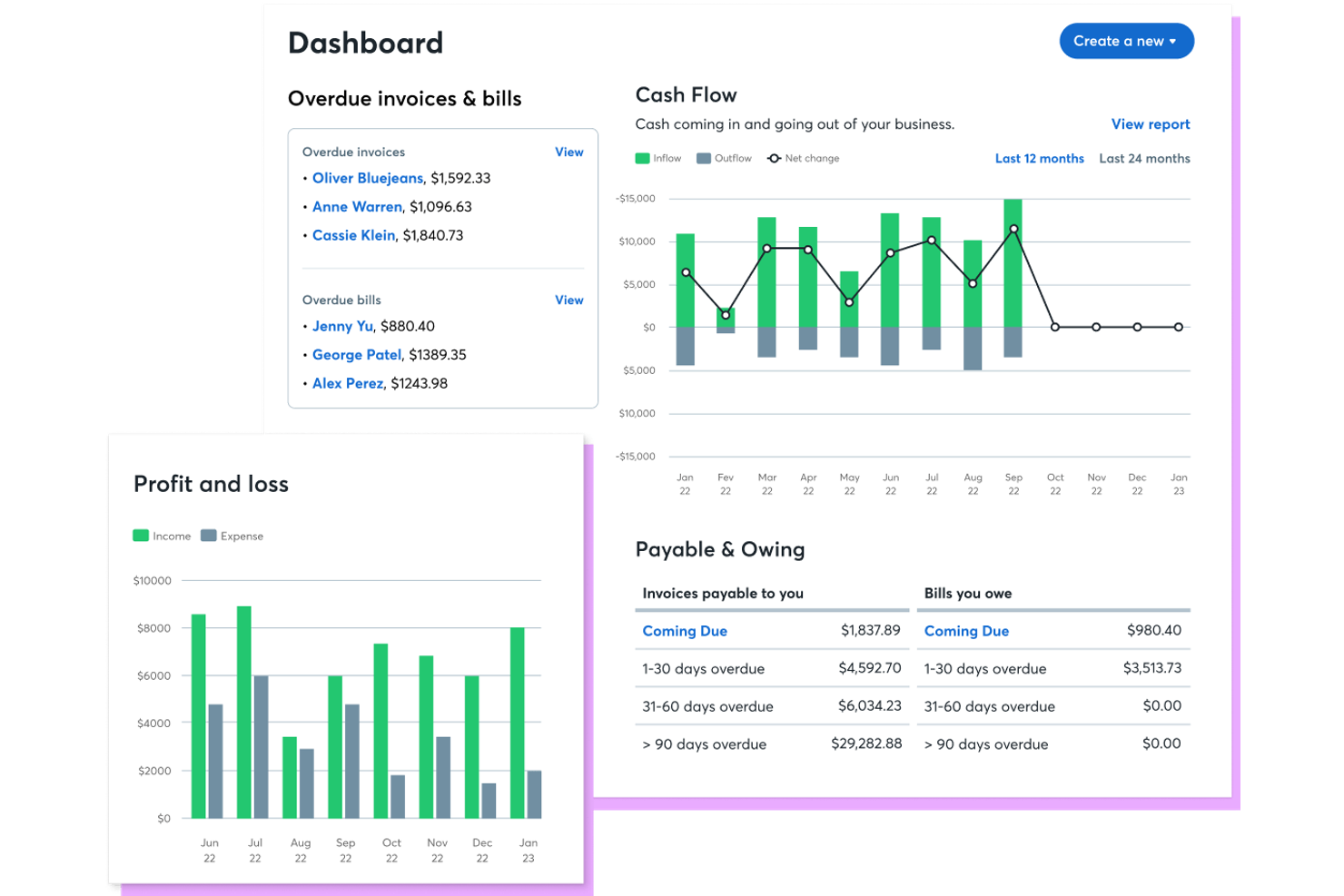
Wave es una herramienta de gestión financiera rica en recursos dirigida a pequeñas empresas y autónomos. Ofrece facturación, contabilidad y escaneo de recibos, ayudando a los usuarios a gestionar sus finanzas en un solo lugar.
Por qué elegí Wave: La cuenta gratuita incluye funciones contables integradas, lo que la hace ideal para quienes desean mantener sus libros en orden sin costo adicional. Puedes enviar facturas ilimitadas y rastrear los pagos. El escaneo de recibos te permite digitalizar y organizar tus gastos. Con su panel de control fácil de usar, puedes monitorear la salud financiera de tu negocio de un vistazo.
Funciones destacadas e integraciones:
Funciones incluyen opciones de facturación que te permiten personalizar plantillas para que coincidan con tu marca. También puedes gestionar la información de los clientes y ver historiales de pagos en un solo lugar. Además, la plataforma ofrece seguimiento de flujo de efectivo, gráficos de ganancias y pérdidas, y resúmenes de cuentas por pagar y por cobrar para brindar información sobre el rendimiento de tu negocio.
Integraciones incluyen Zapier y más.
¿Qué es gratis? Wave ofrece un plan gratuito para siempre sin limitaciones en funciones de facturación o contabilidad.
Pros and Cons
Pros:
- Contabilidad integrada con facturación
- Panel fácil de usar
- Herramientas de informes financieros
Cons:
- Sin integraciones gratuitas
- Comisiones por procesamiento de pagos en línea

Mejor para herramientas de automatización
Zoho Invoice es una herramienta de facturación en la nube diseñada para freelancers y pequeños empresarios. Ofrece facturación automatizada, gestión de gastos y control de tiempo para simplificar las tareas financieras.
Por qué elegí Zoho Invoice: La versión gratuita incluye herramientas de automatización que aceleran tu proceso de facturación. Puedes configurar facturas recurrentes y automatizar los recordatorios de pago para ahorrar tiempo y reducir el trabajo manual. El control de tiempo es útil para facturar a los clientes con precisión. Su interfaz fácil de usar está pensada para freelancers y pequeños equipos con enfoque en la productividad.
Características destacadas e integraciones:
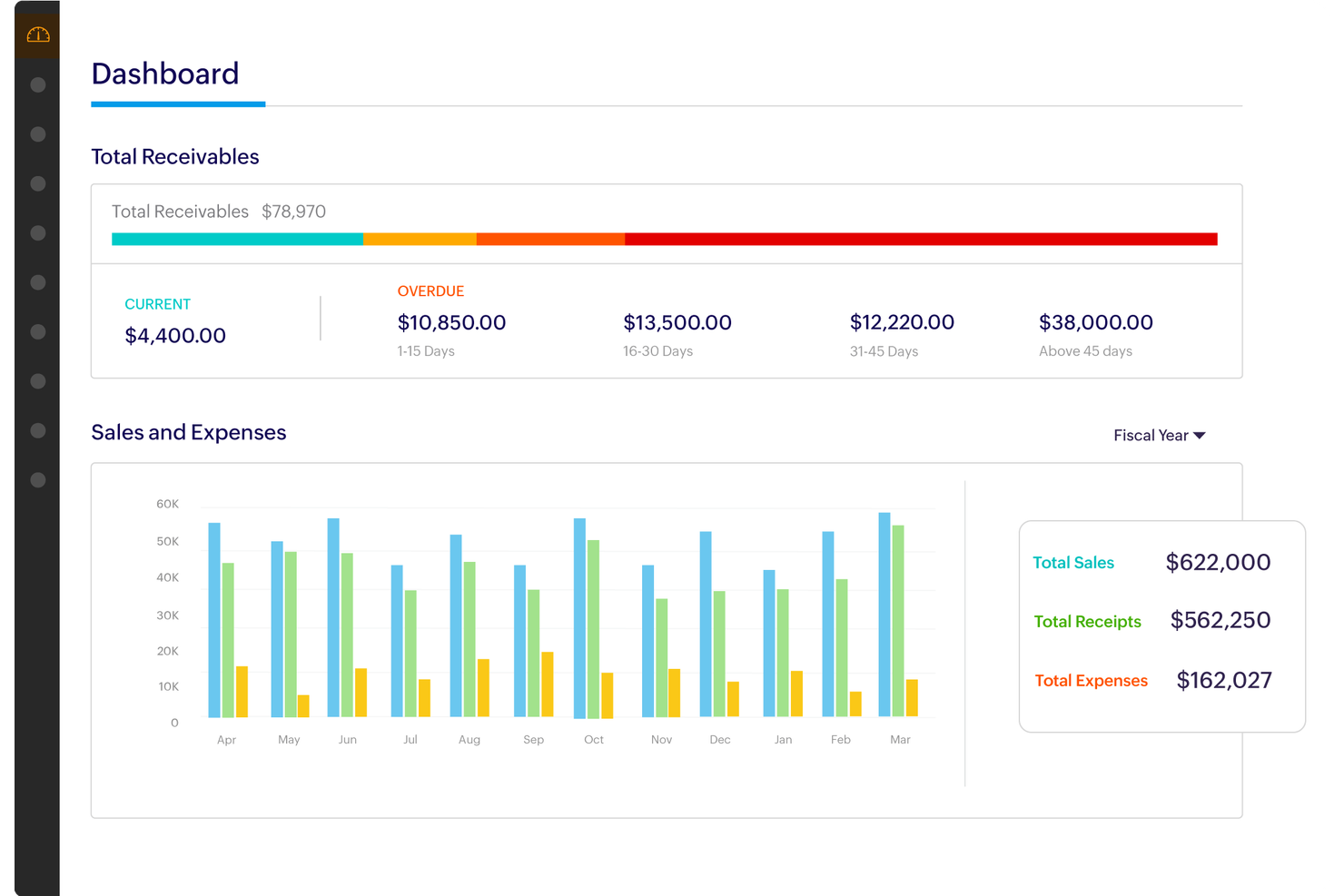
Características incluyen un detallado seguimiento de gastos, permitiéndote categorizar y gestionar fácilmente los gastos de tu negocio. También muestra el total de cuentas por cobrar por periodos de antigüedad y una gráfica comparativa de ventas y gastos por año fiscal. El software también ofrece soporte multimoneda, lo que lo hace apropiado para transacciones internacionales. Además, proporciona un portal para clientes donde pueden ver y pagar facturas en línea.
Integraciones incluyen Zoho CRM, PayPal, Stripe, QuickBooks, Dropbox, WhatsApp, Slack y más.
¿Qué es gratis? Zoho Invoice ofrece un plan gratuito para siempre, que te permite crear facturas que cumplen con requisitos fiscales y automatizar recordatorios de pago.
Pros and Cons
Pros:
- Soporta transacciones en varias monedas
- Portal de clientes para pagos sencillos
- Control de tiempo para facturación precisa
Cons:
- Sin soporte telefónico
- Las plantillas carecen de flexibilidad en el diseño

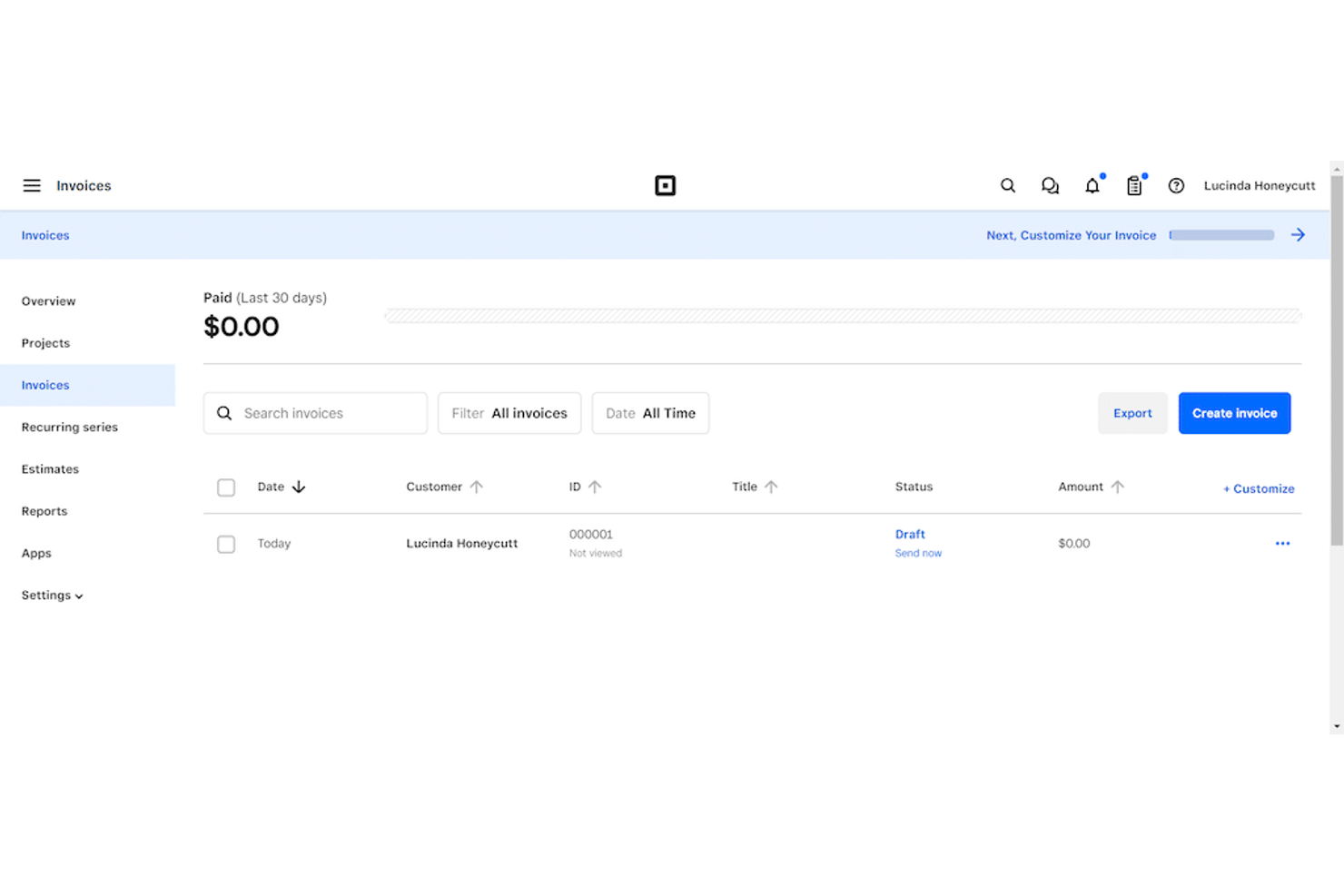
Square es una herramienta de facturación diseñada para pequeñas empresas y autónomos que necesitan un software de facturación móvil. Ofrece facturación móvil, pagos con tarjeta y procesamiento de pagos ACH, lo que lo hace conveniente para quienes requieren flexibilidad en sus operaciones financieras.
Por qué elegí Square: El plan gratuito te permite enviar facturas directamente desde tu dispositivo móvil, lo que es perfecto para quienes están siempre en movimiento. Puedes aceptar pagos a través de varios métodos en línea y en punto de venta, incluidos tarjetas de crédito y billeteras digitales. La plataforma proporciona seguimiento en tiempo real del estado de las facturas y opciones de filtrado para que siempre sepas cómo va tu cuenta. Sin cuotas mensuales, es una opción práctica para empresas que buscan mantener bajos sus costos.
Funciones destacadas e integraciones:
Funciones incluyen la posibilidad de crear facturas recurrentes y ahorrar tiempo en tareas repetitivas. También puedes personalizar las plantillas de facturas para que coincidan con tu marca. Además, la herramienta proporciona informes de ventas detallados, ofreciéndote información sobre el rendimiento de tu negocio.
Integraciones incluyen QuickBooks, Xero y más.
¿Qué es gratis? Square ofrece un plan gratuito para siempre sin cuotas mensuales, pero se aplican comisiones por transacción para los pagos procesados a través de la plataforma.
Pros and Cons
Pros:
- Capacidad de facturación móvil
- Seguimiento de facturas en tiempo real
- Permite pagos de facturas en línea al instante
Cons:
- Sin personalización en el plan gratuito
- Funciones avanzadas limitadas

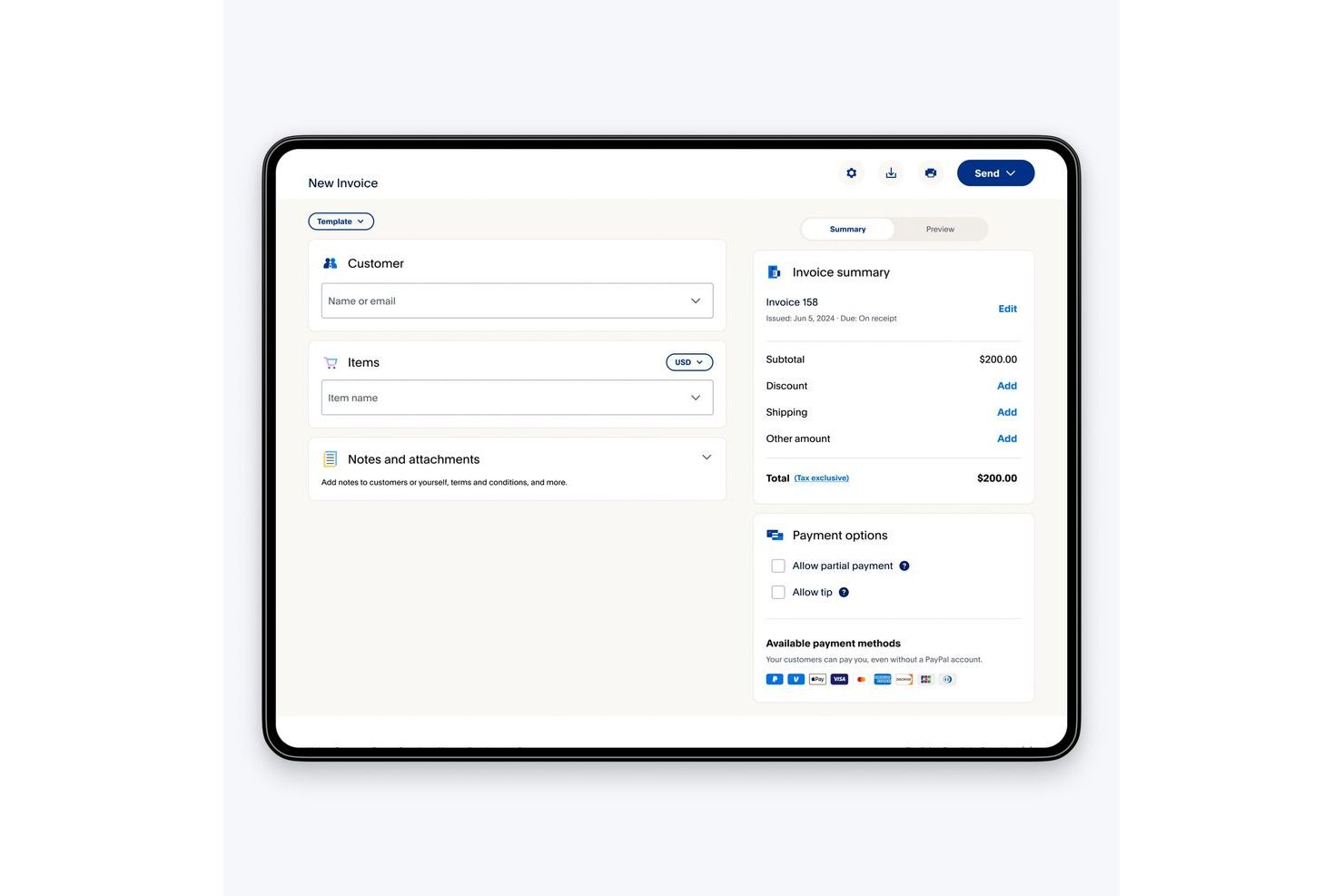
PayPal Open es una plataforma de pagos en línea ampliamente utilizada que atiende a particulares, freelancers y pequeñas empresas. Facilita transacciones fáciles y seguras, lo que la convierte en una opción popular para enviar y recibir pagos a nivel global.
Por qué elegí PayPal Open: La facilidad para configurar y gestionar pagos la diferencia de otras herramientas de facturación. Puedes enviar facturas y recibir pagos de manera conveniente por correo electrónico, lo cual es útil para propietarios de pequeñas empresas. La plataforma soporta múltiples monedas, lo que te permite realizar transacciones internacionales sin complicaciones. También acepta varios métodos de pago, incluyendo tarjetas de débito, cuentas bancarias y billeteras digitales. Sin tarifas de configuración, es accesible para empresas que buscan gestionar pagos eficientemente.
Características destacadas e integraciones:
Características incluyen la posibilidad de configurar pagos por suscripción, lo cual es ideal para negocios con facturación recurrente. También puedes crear y enviar facturas directamente desde tu cuenta, con opciones para detalles del cliente, facturación detallada y opciones de pago. Además, PayPal Open ofrece protección contra fraudes, asegurando que tus transacciones permanezcan seguras.
Integraciones incluyen Zapier y más.
¿Qué es gratis? PayPal Open ofrece un plan gratuito para siempre para facturación básica y procesamiento de pagos, aplicando comisiones por transacción a cada pago recibido.
Pros and Cons
Pros:
- Admite facturación detallada
- Transacciones seguras con protección antifraude
- Opciones de pago por suscripción
Cons:
- Comisiones por transacción en los pagos
- Diseños de facturación avanzada limitados
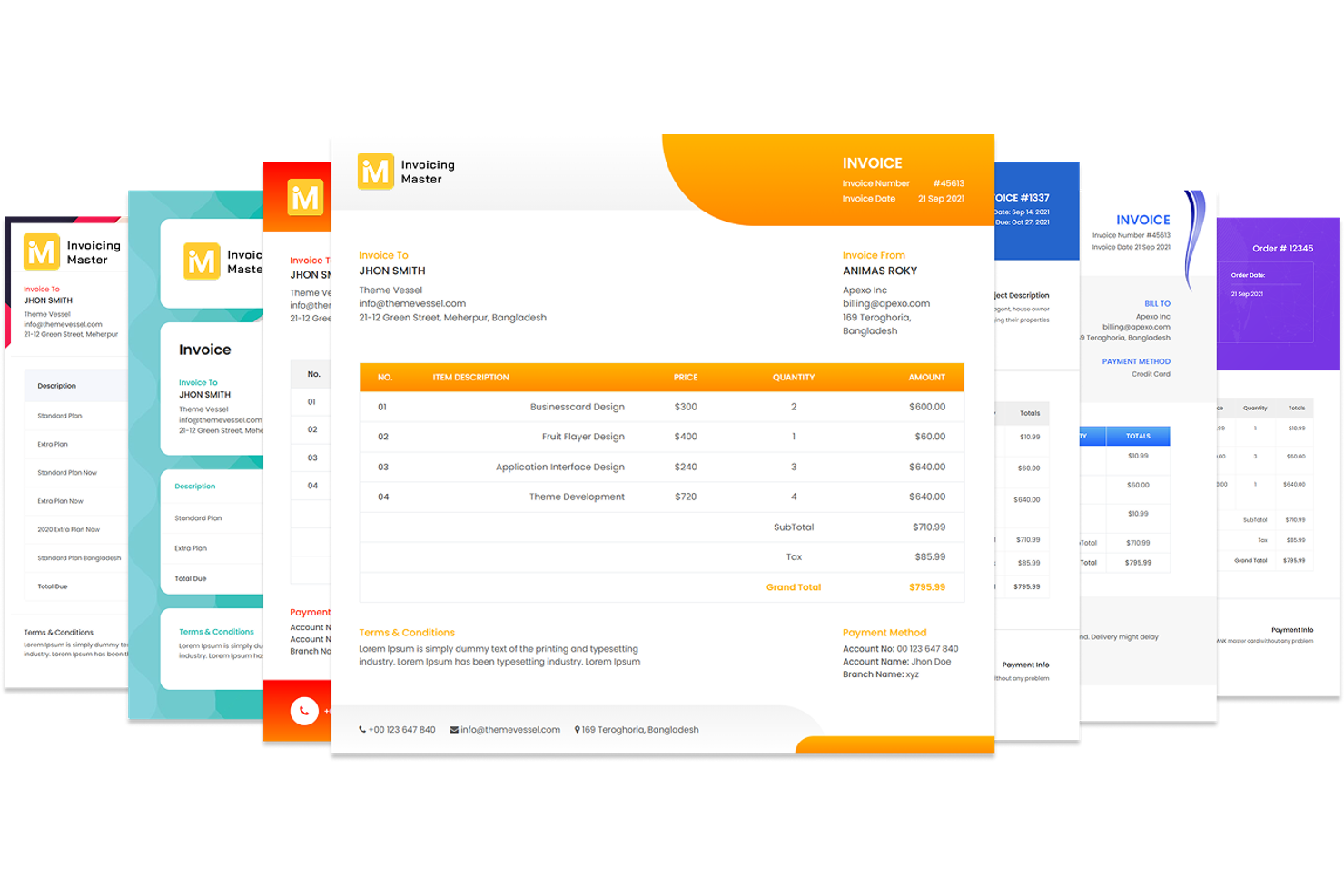
Invoice Master es una herramienta de gestión empresarial integral diseñada para pequeñas empresas, contratistas y autónomos. Ofrece facturación, CRM, gestión de inventario y seguimiento de proyectos, proporcionando a los usuarios un enfoque todo en uno para gestionar sus operaciones.
Por qué elegí Invoice Master: El plan gratuito se centra en proporcionar una interfaz sencilla para una navegación fácil. Puedes crear y enviar facturas profesionales con plantillas personalizables, incluyendo secciones de facturación detallada, métodos de pago y opciones de branding empresarial. La plataforma admite facturación en varias monedas, lo que es ideal para clientes internacionales. Con funciones integradas de gestión de proyectos, mantiene organizadas tus tareas sin añadir complejidad.
Características destacadas e integraciones:
Características incluyen un panel de análisis detallado que brinda información sobre tu rendimiento financiero. También puedes gestionar el inventario con seguimiento y control detallados. Además, la herramienta ofrece un sistema CRM completo para administrar contactos e interacciones de ventas.
Integraciones incluyen Stripe y más.
¿Qué es gratis? Invoice Master ofrece un plan gratuito para siempre con acceso a funcionalidades de facturación, CRM y características básicas de inventario, pero con restricciones en las funciones avanzadas.
Pros and Cons
Pros:
- Soporte para facturación en varias monedas
- Admite facturación recurrente automática
- Herramientas integradas de gestión de proyectos
Cons:
- Gestión de inventario compleja
- Personalización limitada para CRM
Otros programas gratuitos de facturación para pequeñas empresas
Estas son algunas opciones adicionales de programas de facturación para pequeñas empresas que también ofrecen planes o pruebas gratuitas. Aunque estas herramientas no llegaron a mi lista, vale la pena conocerlas:


Cómo evalúo el software de facturación gratuito
Analizo el software de facturación gratuito en dos niveles: las funciones básicas que un autónomo o una PYME necesita para facturar a sus clientes y recibir pagos, y los diferenciadores que hacen que una herramienta destaque frente a otra.
Funcionalidad básica (requisitos indispensables para esta lista)
Cuando selecciono las herramientas para mi lista, califico cada una en una escala del 0 (no ofrece la funcionalidad) al 5 (destaca en esta área) para cada funcionalidad básica que se enumera a continuación. Luego, calculo la puntuación total de la herramienta en un porcentaje. Cada herramienta debe lograr una puntuación total mínima del 65% para ser considerada.
- Creación y personalización de facturas: Verifico si puedes agregar tu logotipo, ajustar conceptos, y aplicar descuentos o impuestos para que las facturas luzcan profesionales y reflejen tu marca.
- Disponibilidad de plan gratuito: La herramienta debe ofrecer un plan gratuito permanente, no una prueba. Reviso si soporta suficiente volumen de facturas y clientes según la realidad mensual de un autónomo.
- Integración con procesadores de pago: Recibir pagos rápido es importante, por lo que evalúo a qué pasarelas se conecta cada herramienta—Stripe, PayPal, Square—y si los clientes pueden pagar con tarjeta o por transferencia bancaria.
- Seguimiento y estado de facturas: Busco que haya visibilidad clara de si una factura ha sido enviada, vista o pagada, el tipo de información que ayuda al responsable de cuentas a cobrar a gestionar saldos vencidos.
- Facturación recurrente y recordatorios: Para consultores que cobran por retención o negocios por suscripción, compruebo si la herramienta puede generar facturas automáticamente en un calendario predefinido y enviar recordatorios a los morosos.
- Soporte de impuestos y multimoneda: Valoro cómo maneja cada herramienta tasas de impuestos como IVA o GST y si puedes facturar a clientes extranjeros en su moneda local.
Una vez tengo una lista de herramientas que cumplen con estos criterios, considero qué distingue a cada plataforma.
Factores diferenciadores (qué distingue a cada proveedor)
Así es como comparo y contrasto las diferentes opciones:
Funciones destacadas
El control de gastos y tiempo es importante para consultores y autónomos que cobran por hora. Busco herramientas que permitan registrar el tiempo en un proyecto y añadir esas entradas a una factura. También es útil evaluar la conversión de presupuestos a facturas, ya que muchos pequeños empresarios comienzan con un estimado. Un proceso de un clic del presupuesto aprobado a la factura definitiva ahorra tiempo real. Además, reviso si la herramienta se sincroniza con plataformas como QuickBooks o Xero para que los datos de factura fluyan automáticamente a la contabilidad.
Más allá de las funciones
La transparencia del plan gratuito es lo primero que valoro. Algunas herramientas limitan funciones esenciales como la exportación a PDF o la aceptación de pagos a los planes de pago, lo que contradice el objetivo. También considero qué tan bien se integra cada plataforma a tu stack actual—si se conecta con tu CRM, herramientas de proyectos o plataforma de comercio electrónico mediante integraciones nativas o Zapier. La seguridad es fundamental cuando las facturas contienen datos sensibles del cliente y de pago. Verifico el cumplimiento PCI-DSS y opciones como la autenticación en dos pasos (2FA) que protegen tu cuenta incluso en el plan gratuito.
Cómo elegir un programa gratuito de facturación para pequeñas empresas
Las listas de funciones complejas y las estructuras de precios pueden dificultar la comprensión de lo que realmente obtienes con un programa gratuito de facturación para pequeñas empresas. Para ayudarte a mantener la concentración mientras avanzas en el proceso de selección del software, estos son algunos factores que debes tener en cuenta:
| Factor | Qué considerar |
| Alcance de la oferta gratuita | Comprueba qué incluye el plan gratuito. Asegúrate de que cubra funciones esenciales, como la facturación y el seguimiento de pagos, sin limitaciones ocultas. |
| Escalabilidad | Considera si el software puede crecer junto con tu negocio. Busca herramientas que ofrezcan opciones de actualización asequibles a medida que aumenten tus necesidades de facturación. |
| Integraciones | Asegúrate de que el software se integre con las herramientas que ya utilizas, como sistemas de contabilidad o CRM. Esto ayudará a consolidar tus procesos y ahorrar tiempo. |
| Facilidad de uso | Elige un software con una interfaz fácil de usar. Pruébalo con tu equipo para asegurarte de que sea intuitivo y reduzca la curva de aprendizaje para todos. |
| Atención al cliente | Evalúa el nivel de asistencia proporcionado. El acceso al chat en directo o a la asistencia telefónica puede ser urgente cuando necesites ayuda rápida con problemas de facturación. |
| Personalización | Busca opciones de personalización, como plantillas de facturas. Esto ayuda a mantener la identidad de tu marca y garantiza que tus facturas satisfagan las necesidades específicas de tu negocio. |
| Seguridad | Verifica las medidas de seguridad del software. Asegúrate de que cumpla con las normativas de protección de datos para proteger la información confidencial tuya y de tus clientes. |
| Acceso móvil | Considera si el software ofrece una aplicación móvil. Esto resulta útil para gestionar facturas estés donde estés y garantiza que puedas mantenerte al día con tu negocio desde cualquier lugar. |
¿Qué es el software de facturación gratuito para pequeñas empresas?
El software de facturación gratuito para pequeñas empresas es una herramienta digital diseñada para ayudar a las empresas a crear y gestionar facturas sin coste alguno. Estos productos suelen ofrecer versiones o pruebas gratuitas que incluyen funciones básicas de facturación y seguimiento de pagos. Los propietarios de pequeñas empresas, los trabajadores autónomos y los contables suelen utilizar estas herramientas por su asequibilidad y eficiencia. Aportan valor al simplificar el proceso de facturación, ahorrar tiempo y mejorar la gestión del flujo de caja. Funciones como las plantillas personalizables, los recordatorios de pago y la compatibilidad con múltiples divisas ayudan a los usuarios a mantener la profesionalidad, garantizar pagos puntuales y gestionar transacciones internacionales.
Funciones del software de facturación gratuito para pequeñas empresas
Repasemos las funciones que se encuentran habitualmente en el software de facturación para pequeñas empresas, así como cuáles suelen estar incluidas en los planes gratuitos frente a los de pago.
Funciones habituales del software de facturación gratuito para pequeñas empresas
- Creación de facturas: Permite crear y enviar facturas profesionales a los clientes, lo que ayuda a organizar el proceso de facturación.
- Seguimiento de pagos: Ayuda a supervisar los pagos recibidos y pendientes, garantizando que mantengas bajo control tu flujo de caja.
- Gestión de clientes: Almacena la información de los clientes para facilitar el acceso y simplificar el CRM.
- Plantillas personalizables: Adapta los formularios a tu marca para mantener una apariencia profesional.
- Compatibilidad con múltiples divisas: Permite facturar en diversas monedas, algo esencial para las empresas con clientes internacionales.
- Informes básicos: Proporciona información sobre tus datos financieros, ayudándote a tomar decisiones empresariales fundamentadas.
- Acceso móvil: Permite gestionar las facturas estés donde estés, ofreciendo flexibilidad y comodidad.
- Recordatorios automatizados: Envía notificaciones a los clientes sobre los pagos próximos o atrasados, lo que ayuda a mejorar el cobro.
Funciones habituales del software de facturación de pago para pequeñas empresas
- Informes avanzados: Ofrece análisis detallados y perspectivas útiles que te ayudan a comprender tu salud financiera general.
- Contabilidad integrada: Combina la facturación con herramientas contables, consolidando tus procesos de gestión financiera.
- Seguimiento del tiempo: Registra las horas facturables, lo que facilita facturar a los clientes con precisión por servicios basados en el tiempo.
- Gestión de inventario: Ayuda a supervisar y gestionar los niveles de existencias, algo fundamental para las empresas que venden productos físicos.
- Integración con CRM: Se conecta con sistemas CRM y facilita la gestión de las interacciones con los clientes.
- Funciones fiscales automatizadas: Calcula los impuestos automáticamente, ahorrando tiempo y reduciendo los errores durante la temporada fiscal.
- Facturación por suscripción: Admite pagos recurrentes para servicios basados en suscripciones, simplificando el proceso de facturación de los servicios continuos.
- Acceso multiusuario: Permite que varios miembros del equipo accedan a la facturación y colaboren en ella, mejorando la eficiencia del equipo.
Beneficios del software de facturación gratuito para pequeñas empresas
Implementar un software de facturación gratuito para una pequeña empresa proporciona varios beneficios para tu equipo y tu negocio. Estos son algunos de los que puedes esperar:
- Ahorro de costes: Los planes gratuitos te ayudan a gestionar la facturación sin aumentar tus gastos, por lo que son ideales para empresas con presupuestos ajustados.
- Apariencia profesional: Las plantillas personalizables te permiten mantener una imagen de marca coherente y reforzar la profesionalidad de tu empresa.
- Mejora del flujo de caja: Los recordatorios automatizados garantizan pagos puntuales y te ayudan a gestionar y mejorar tu flujo de caja.
- Accesibilidad: El acceso móvil te permite gestionar las facturas desde cualquier lugar, garantizando flexibilidad y comodidad para tu equipo.
- Eficiencia de tiempo: Funciones como la creación de facturas y el seguimiento de pagos ahorran tiempo en tareas administrativas y liberan recursos para otras actividades empresariales.
- Alcance global: La compatibilidad con varias monedas te permite facturar cómodamente a clientes internacionales y ampliar tu mercado potencial.
- Información sobre los datos: Los informes básicos proporcionan información valiosa sobre tus datos financieros y ayudan a tomar decisiones fundamentadas.
Costes y precios del software de facturación gratuito para pequeñas empresas
Entiendo que has llegado a este artículo buscando opciones disponibles de forma gratuita para encontrar el mejor software de facturación para pequeñas empresas. Sin embargo, como los planes gratuitos solo ofrecen funciones limitadas, es muy probable que en el futuro tengas que ampliar tu plan.
La siguiente tabla resume los planes habituales, sus precios medios y las funciones que suelen incluir las soluciones de software de facturación para pequeñas empresas:
Tabla comparativa de planes de software de facturación para pequeñas empresas
| Tipo de plan | Precio medio | Funciones habituales |
| Plan gratuito | $0 | Crear facturas, realizar un seguimiento de los pagos, gestionar clientes y consultar informes básicos. |
| Plan personal | $5-$20/usuario/mes | Plantillas personalizables, recordatorios automatizados, acceso móvil y compatibilidad con varias monedas. |
| Plan empresarial | $20-$60/usuario/mes | Informes avanzados, contabilidad integrada, seguimiento del tiempo e integración con CRM. |
| Plan empresarial grande | $60-$150+/usuario/mes | Facturación por suscripción, gestión de inventario, acceso multiusuario y asistencia especializada. |
Preguntas frecuentes sobre software gratuito de facturación para pequeñas empresas
Aquí tienes algunas respuestas a preguntas frecuentes sobre software gratuito de facturación para pequeñas empresas:
¿Puedo usar software gratuito de facturación para clientes internacionales?
Por supuesto, muchas opciones de software gratuito de facturación admiten la facturación multidivisa. Esta función te permite crear facturas en diferentes monedas, lo que facilita trabajar con clientes internacionales. Es importante comprobar si el software que estás considerando incluye esta función en su plan gratuito.
¿Cuáles son las limitaciones del software gratuito de facturación?
El software gratuito de facturación suele tener limitaciones, como un límite en el número de facturas que puedes enviar o de clientes que puedes gestionar. Algunas funciones, como los informes avanzados o las integraciones, también podrían estar restringidas. Asegúrate de revisar las limitaciones específicas del plan gratuito antes de elegir una herramienta.
¿Qué tan seguro es el software gratuito de facturación?
La mayoría de los proveedores de software gratuito de facturación de buena reputación priorizan la seguridad y cumplen con las normativas de protección de datos. Utilizan cifrado para proteger tus datos y ofrecen opciones seguras de procesamiento de pagos. Es importante verificar las medidas de seguridad de cualquier software que elijas para asegurarte de que tu información esté protegida.
¿Puedo integrar el software gratuito de facturación con otras herramientas?
Muchas soluciones de software gratuito de facturación ofrecen integraciones con herramientas populares, como software de contabilidad, pasarelas de pago y sistemas CRM. Sin embargo, la disponibilidad de las integraciones puede variar según el proveedor y estar limitada en los planes gratuitos. Comprueba las opciones de integración para asegurarte de que satisfacen las necesidades de tu empresa.
¿Tendré que actualizar de un plan gratuito en algún momento?
Según el crecimiento y las necesidades de tu empresa, es posible que con el tiempo tengas que actualizar de un plan gratuito. Los planes gratuitos son excelentes para empresas emergentes u operaciones pequeñas, pero a medida que aumenten tus necesidades de facturación, es posible que necesites funciones más avanzadas disponibles en los planes de pago. Ten en cuenta la trayectoria de crecimiento de tu empresa al elegir una solución.
Qué sigue:
Si estás investigando software gratuito de facturación para una pequeña empresa, conecta con un asesor de SoftwareSelect para obtener recomendaciones gratuitas.
Rellenas un formulario y mantienes una breve conversación en la que profundizan en los detalles de tus necesidades. Después recibirás una lista breve de software para revisar. También te ayudarán durante todo el proceso de compra, incluidas las negociaciones de precios.