

I 10 migliori software di contabilità generale recensiti nel 2026

Miglior elenco ristretto di software di contabilità generale


Il miglior software di contabilità generale semplifica il monitoraggio di attività, passività, patrimonio netto, ricavi e spese, senza i disordinati sincronismi con i mastri ausiliari, le discrepanze difficili da comprendere o i ritardi nella reportistica che possono compromettere l'intero processo di chiusura contabile. Se il sistema attuale non riesce a mantenere una traccia di controllo chiara o ad allineare i dati di più entità, potrebbe creare più confusione che chiarezza.
Con oltre 15 anni di esperienza nella gestione finanziaria e nei software digitali, ho vissuto in prima persona bilanci di verifica che non tornavano, il caos delle entità multiple e le frenetiche corse di fine mese. Ho anche visto come la piattaforma di contabilità generale giusta possa automatizzare le registrazioni contabili, supportare la reportistica dimensionale e rendere la stagione degli audit piacevolmente priva di eventi.
Per aiutarti a raggiungere questo livello di stabilità, ho testato e recensito i principali strumenti di contabilità generale disponibili sul mercato. Ecco le piattaforme che semplificano i flussi di lavoro contabili quotidiani, crescono insieme alla tua azienda e offrono la precisione di cui hai bisogno, sia che tu debba gestire la conformità agli standard IFRS/GAAP, coordinare più entità o semplicemente desideri un sistema che mantenga in equilibrio dare e avere.
Perché fidarsi dei nostri consigli sui software
Le nostre recensioni riflettono il nostro giudizio indipendente, non un discorso di vendita. Scopri come manteniamo la trasparenza.
Per questa guida, abbiamo valutato gli strumenti attraverso test pratici e ricerche indipendenti, assegnando un punteggio agli strumenti in base ai nostri criteri di selezione.
Le nostre recensioni riflettono il nostro giudizio editoriale umano, non un discorso di vendita.
Riepilogo dei migliori software di contabilità generale
Ho raccolto questa tabella dei prezzi dei software di contabilità generale per aiutarti a confrontare rapidamente le migliori opzioni e trovare quella più adatta al tuo flusso di lavoro, al tuo budget e alle tue esigenze di conformità.
| Tool | Best For | Trial Info | Price | ||
|---|---|---|---|---|---|
| 1 | Ideale per il rilevamento di anomalie basato su IA | Demo gratuita disponibile | Prezzo su richiesta | Website | |
| 2 | Ideale per l'integrazione ERP in cloud | Demo gratuita disponibile | Prezzo su richiesta | Website | |
| 3 | Ideale per la convenienza | Piano gratuito + demo gratuita disponibile | Da $15/mese (fatturazione annuale) | Website | |
| 4 | Ideale per aziende di medie dimensioni | Demo gratuita disponibile | Prezzo su richiesta | Website | |
| 5 | Ideale per aggiornamenti in tempo reale | Demo gratuita disponibile | Prezzo su richiesta | Website | |
| 6 | Ideale per il supporto multivaluta | Demo gratuita disponibile | Prezzi su richiesta | Website | |
| 7 | Ideale per aziende retail ed ecommerce | Demo gratuita disponibile | Prezzo su richiesta | Website | |
| 8 | Ideale per il settore edile | Demo gratuita disponibile | Prezzo su richiesta | Website | |
| 9 | Il miglior libro mastro generale guidato dall’IA | Prova gratuita di 14 giorni | Da $25/mese | Website | |
| 10 | Ideale per il settore sanitario | Demo gratuita disponibile | Prezzi su richiesta | Website |

Recensione dei migliori software di contabilità generale
Ho selezionato i migliori software di contabilità generale per monitorare attività, passività, patrimonio netto, ricavi e spese. Ogni riepilogo mette in evidenza funzionalità principali, vantaggi e svantaggi, integrazioni e casi d’uso ideali, così è facile confrontarli e trovare quello più adatto al tuo flusso di lavoro.

Ideale per il rilevamento di anomalie basato su IA
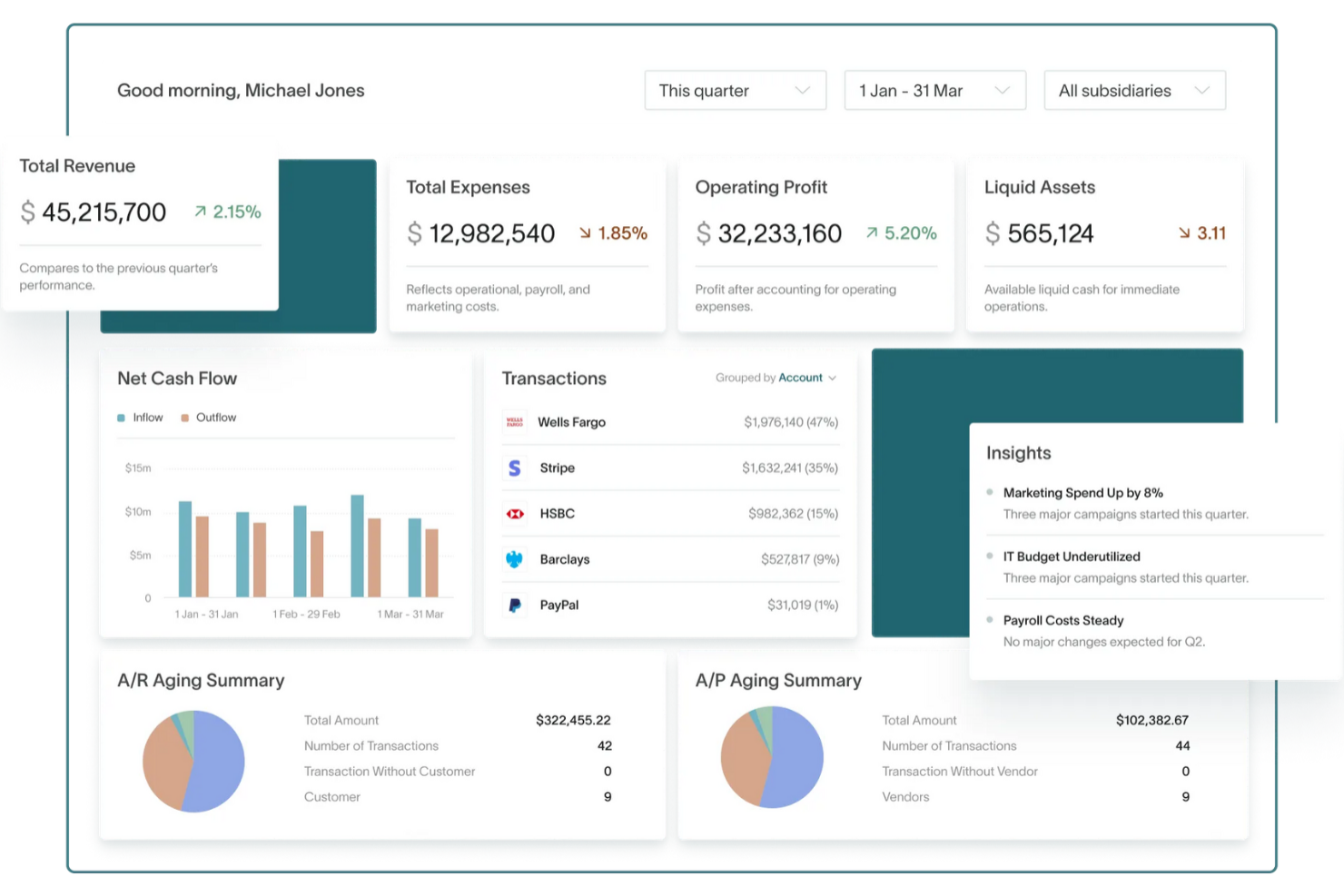
DualEntry è un sistema ERP potenziato dall'IA progettato per aziende di medie dimensioni che desiderano scalare in modo efficiente. Include moduli robusti di gestione finanziaria incentrati su accuratezza, conformità e analisi in tempo reale.
Perché ho scelto DualEntry: Ho scelto DualEntry per la sua forte attenzione all'accuratezza del libro mastro, garantita dal rilevamento di anomalie basato su IA e da audit continui. Questi controlli automatizzati riducono gli errori manuali e forniscono dati finanziari chiari e precisi, agevolando le chiusure di fine mese. Inoltre, la consolidazione multi-entità supporta strutture aziendali complesse, rendendolo ideale per organizzazioni in crescita.
Funzionalità principali e integrazioni:
Le funzionalità includono campi del libro mastro personalizzabili in base alle tue esigenze operative, feed bancari in tempo reale che mantengono una visibilità finanziaria aggiornata e assistenza dedicata di CPA per un supporto esperto. DualEntry offre anche automazione per il riconoscimento dei ricavi e la fatturazione a sottoscrizione.
Le integrazioni includono BambooHR, Bill.com, Brex, Deel, Google SSO, Gusto, HubSpot, Ramp, Rippling, Salesforce e Stripe.
Pros and Cons
Pros:
- Le funzionalità IA avanzate aiutano nei compiti più complessi
- Supporta operazioni multi-entità e multi-valuta
- Il riconoscimento dei ricavi automatizzato garantisce la conformità agli standard
Cons:
- La profondità della piattaforma potrebbe non essere adatta a team più piccoli
- Le opzioni di personalizzazione richiedono una configurazione accurata
Ideale per l'integrazione ERP in cloud
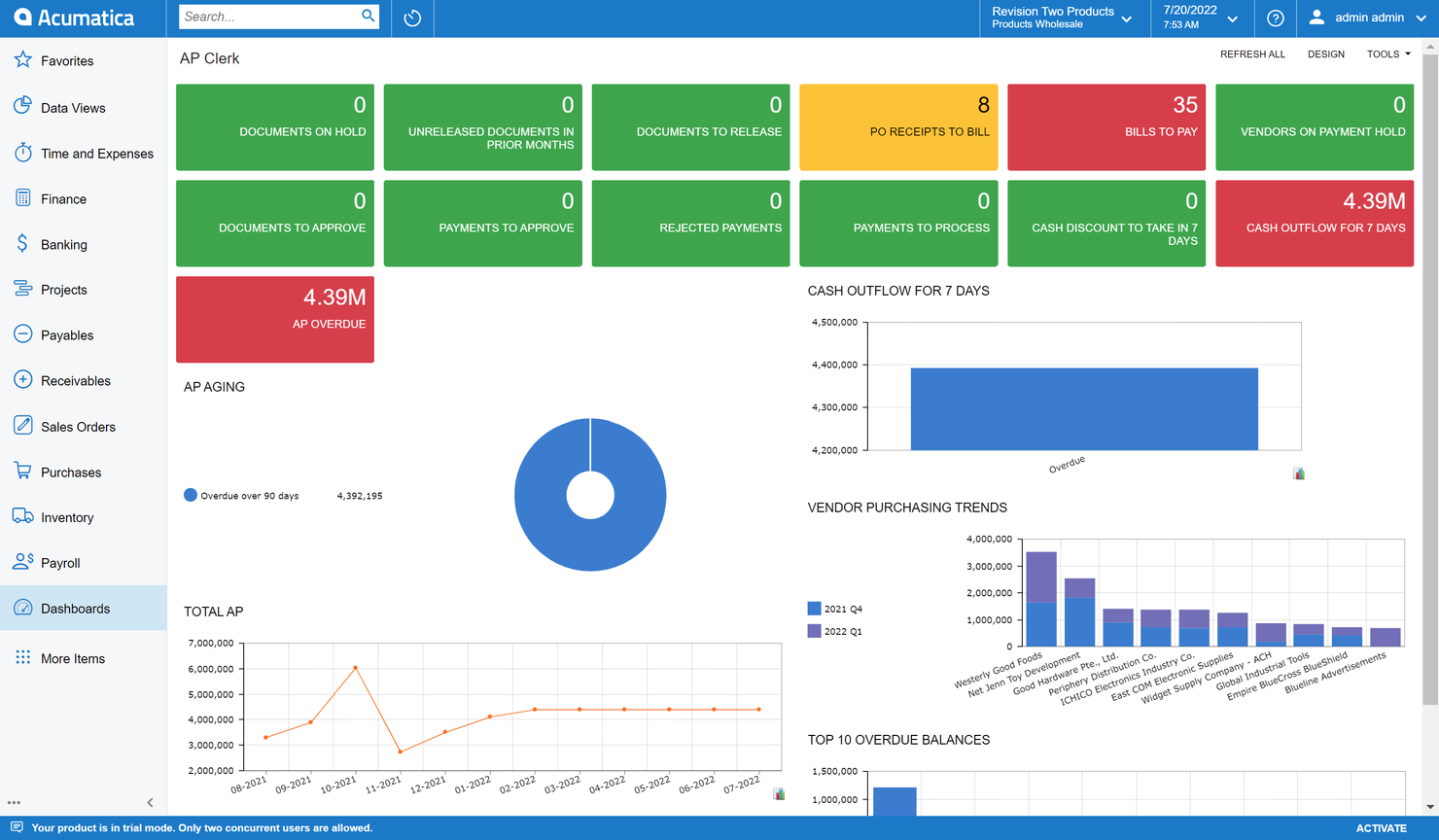
Acumatica è un software ERP basato su cloud progettato per piccole e medie imprese, che offre soluzioni avanzate per la gestione finanziaria. È ideale per settori come la produzione, la distribuzione e il commercio al dettaglio, concentrandosi sulle operazioni finanziarie.
Perché ho scelto Acumatica: Acumatica eccelle nell'integrazione ERP in cloud, offrendo connettività tra le diverse funzioni aziendali. Con funzionalità come la contabilità multi-entità e opzioni di implementazione flessibili, si adatta a diverse esigenze aziendali. L'accesso ai dati in tempo reale e l'interfaccia intuitiva migliorano inoltre il processo decisionale finanziario, rendendolo una scelta distintiva per le aziende che desiderano scalare i processi.
Caratteristiche e integrazioni principali:
Caratteristiche includono dashboard personalizzabili che forniscono una visione approfondita e in tempo reale dei tuoi dati finanziari. Puoi anche usufruire del calcolo automatico delle tasse, che contribuisce a ridurre gli errori manuali. Inoltre, offre tracciabilità dettagliata delle attività per garantire trasparenza e precisione nei registri finanziari.
Integrazioni includono Salesforce, Microsoft Power BI, Avalara, Shopify, HubSpot, DocuSign, Magento, Adobe Sign, Smartsheet e Microsoft Teams.
Pros and Cons
Pros:
- Tracciabilità dettagliata delle attività
- Calcoli fiscali automatizzati
- Accesso ai dati in tempo reale
Cons:
- Funzionalità limitate nell'app mobile
- Curva di apprendimento ripida

Ideale per la convenienza
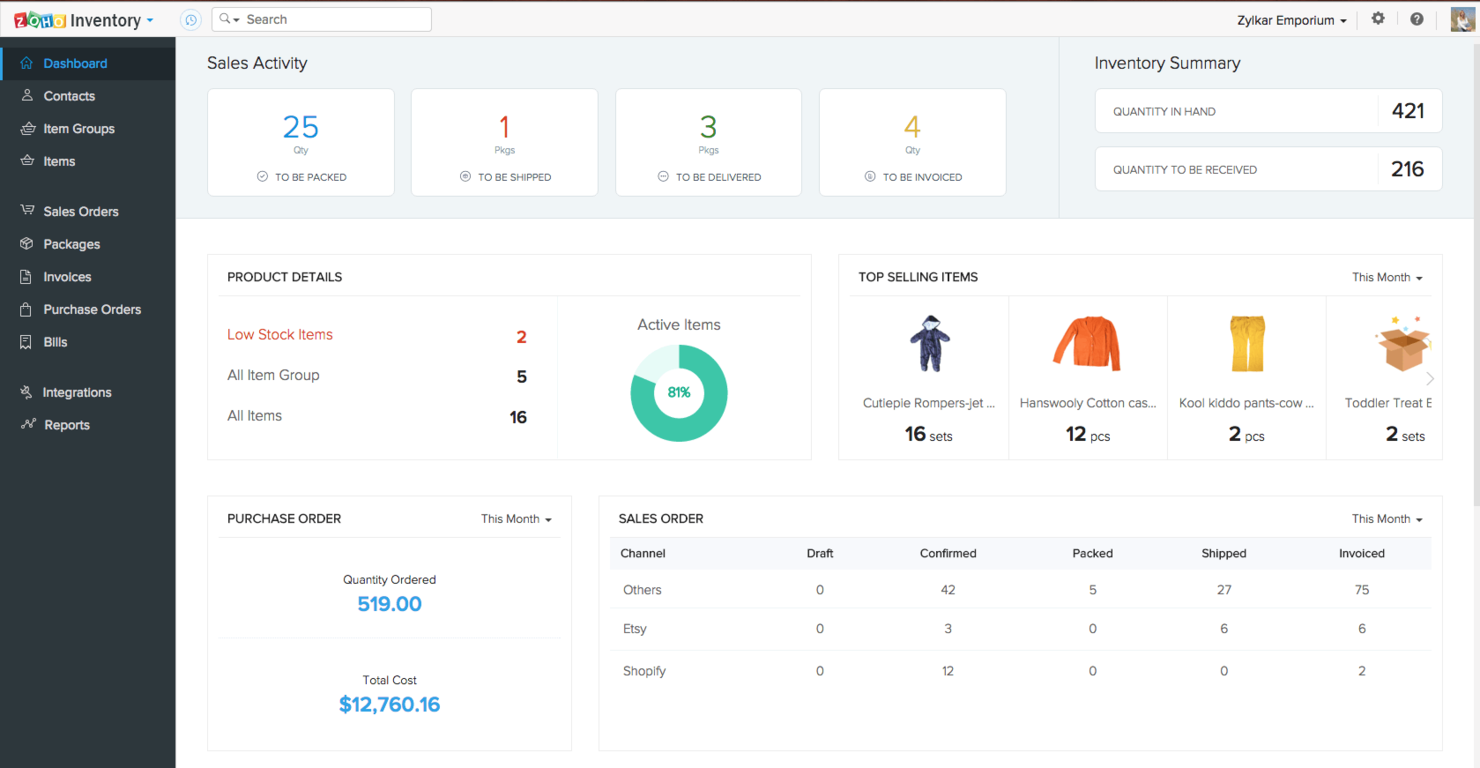
Zoho Books è un software di contabilità online progettato per le piccole e medie imprese che necessitano di una gestione finanziaria efficiente.
Perché ho scelto Zoho Books: Il prezzo accessibile di Zoho Books lo rende disponibile per le aziende con budget limitati. Nella maggior parte dei piani, il software offre un'interfaccia intuitiva che semplifica le attività contabili per il tuo team. Offre inoltre flussi di lavoro automatizzati per ridurre il lavoro manuale e migliorare l'efficienza. In generale, Zoho Books aiuta i team a gestire funzioni chiave come fatturazione, monitoraggio delle spese e gestione fiscale a un costo inferiore alla media.
Funzionalità principali & integrazioni:
Funzionalità includono feed bancari automatizzati, che ti aiutano a riconciliare le transazioni in modo rapido e preciso. Puoi anche beneficiare delle sue funzionalità di monitoraggio del tempo, che ti permettono di gestire efficacemente le ore fatturabili. Inoltre, Zoho Books offre report finanziari completi, fornendoti dettagli e analisi sulla salute finanziaria della tua azienda.
Integrazioni includono PayPal, Stripe, Square, Zoho CRM, Zoho Projects, G Suite, Slack, Office 365, Zapier e Mailchimp.
Pros and Cons
Pros:
- Gestione efficace del tempo
- Opzioni di reportistica complete
- Interfaccia intuitiva
Cons:
- Gestione dell'inventario di base
- Funzionalità avanzate limitate

Ideale per aziende di medie dimensioni
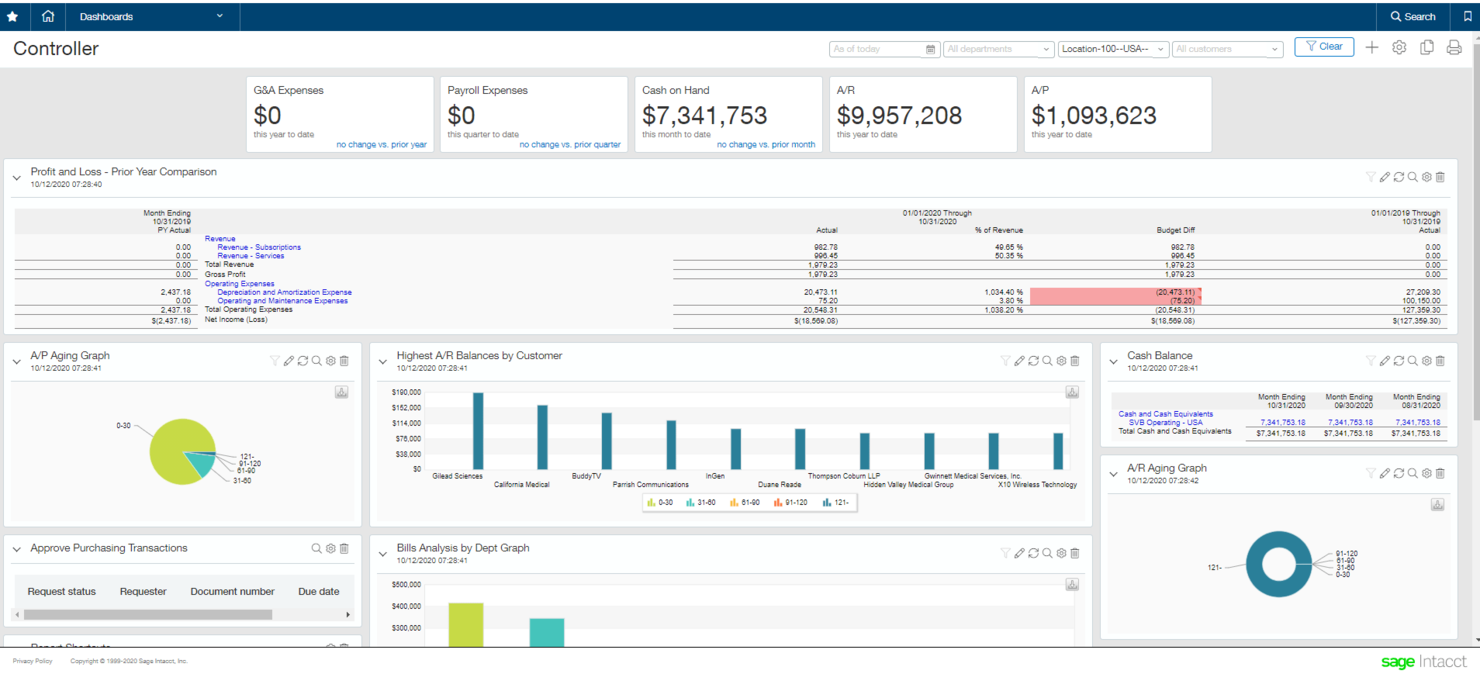
Sage Intacct è un software di gestione finanziaria basato su cloud progettato per piccole e medie imprese. Serve principalmente settori come servizi professionali, organizzazioni non profit e sanità, offrendo funzioni finanziarie essenziali.
Perché ho scelto Sage Intacct: Sage Intacct è particolarmente prezioso per le aziende di medie dimensioni grazie al supporto multi-ente e ai report personalizzabili. Il software fornisce analisi finanziarie dettagliate, che possono essere vitali per le aziende in crescita. Offre inoltre un'interfaccia intuitiva che facilita la gestione di attività finanziarie complesse. Queste funzionalità, combinate, lo rendono ideale per le organizzazioni che desiderano migliorare le proprie operazioni finanziarie complessive.
Funzionalità di spicco & integrazioni:
Le funzionalità includono report multidimensionali, che permettono di monitorare le finanze su varie dimensioni come dipartimenti e progetti. Offre anche dashboard configurabili che forniscono informazioni in tempo reale sullo stato di salute finanziaria. Un'altra caratteristica chiave è la gestione avanzata dei ricavi, che aiuta a semplificare i processi di riconoscimento dei ricavi.
Le integrazioni includono Salesforce, ADP, Expensify, Bill.com, Avalara, American Express, Stripe, PayPal e Shopify.
Pros and Cons
Pros:
- Interfaccia intuitiva
- Report multidimensionali
- Riconoscimento efficace dei ricavi
Cons:
- Difficoltà nella personalizzazione dei report
- Funzionalità di inventario limitate

Ideale per aggiornamenti in tempo reale
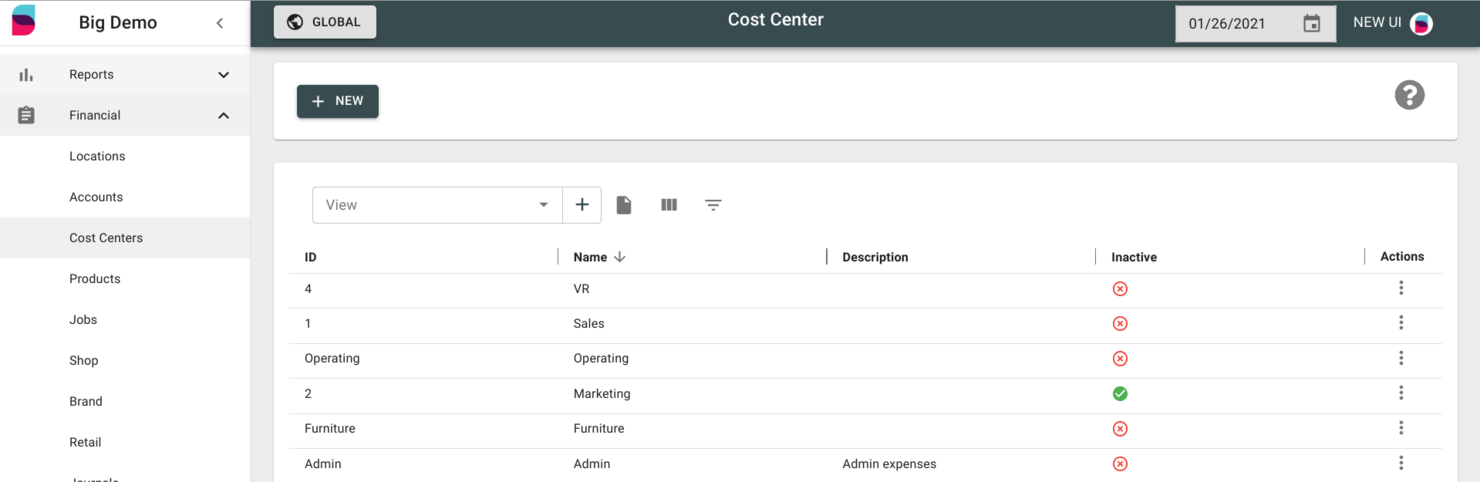
SoftLedger è un software di contabilità basato su cloud progettato per le aziende che necessitano di aggiornamenti finanziari in tempo reale. Serve settori come finanza, immobiliare e criptovalute, offrendo funzioni essenziali di gestione finanziaria.
Perché ho scelto SoftLedger: Gli aggiornamenti in tempo reale sono fondamentali per le aziende che necessitano di dati aggiornati e, con SoftLedger, gli utenti hanno accesso a dati costantemente migliorati. Il software offre anche consolidamenti automatici, che facilitano i processi finanziari tra più entità, e processi di contabilità per criptovalute. Con queste funzionalità, SoftLedger è una scelta unica per le aziende che cercano informazioni finanziarie sempre aggiornate.
Funzionalità e integrazioni principali:
Funzionalità includono opzioni di reportistica flessibile che consentono di personalizzare i report finanziari in base alle proprie esigenze. Si può inoltre beneficiare della gestione multi-entità, che aiuta a gestire le finanze tra diversi filiali. Inoltre, il software offre flussi di lavoro automatizzati, riducendo la necessità di interventi manuali.
Integrazioni includono QuickBooks, Xero, Stripe, Coinbase, Plaid, Twilio, Slack, Amazon Web Services, Google Sheets e HubSpot.
Pros and Cons
Pros:
- Opzioni di reportistica flessibile
- Consolidamenti automatici
- Supporto per la contabilità di criptovalute
Cons:
- Opzioni di personalizzazione limitate
- Configurazione complessa

Xledger
Ideale per il supporto multivaluta

Xledger è una soluzione di gestione finanziaria basata su cloud progettata per medie e grandi imprese. Supporta diverse funzioni aziendali, tra cui contabilità, gestione delle buste paga e delle spese, offrendo valore alle aziende internazionali.
Perché ho scelto Xledger: Il supporto multivaluta di Xledger è essenziale per le aziende che operano in diversi paesi. Insieme a questa caratteristica chiave, il software offre anche la conversione automatica delle valute, che semplifica le transazioni internazionali, e bilanci finanziari consolidati. Queste capacità rendono Xledger una scelta eccellente per le aziende che necessitano di una soluzione contabile globale avanzata.
Caratteristiche e integrazioni di rilievo:
Caratteristiche comprendono la riconciliazione bancaria automatizzata, che riduce lo sforzo manuale nel confronto delle transazioni. Offre anche un modulo di gestione delle immobilizzazioni che aiuta a tracciare e gestire gli asset della tua organizzazione. Inoltre, il design cloud-based assicura l’accesso ai dati finanziari ovunque ti trovi, offrendo flessibilità ai team remoti.
Integrazioni includono Microsoft Dynamics, Salesforce, SAP, Oracle, QuickBooks, Sage, Xero, NetSuite, FreshBooks e Zoho Books.
Pros and Cons
Pros:
- Riconciliazione bancaria automatica
- Bilanci finanziari consolidati
- Conversione automatica delle valute
Cons:
- Dipendenza dalla connessione internet
- Sono necessari aggiornamenti di sistema occasionali

Fulfil
Ideale per aziende retail ed ecommerce
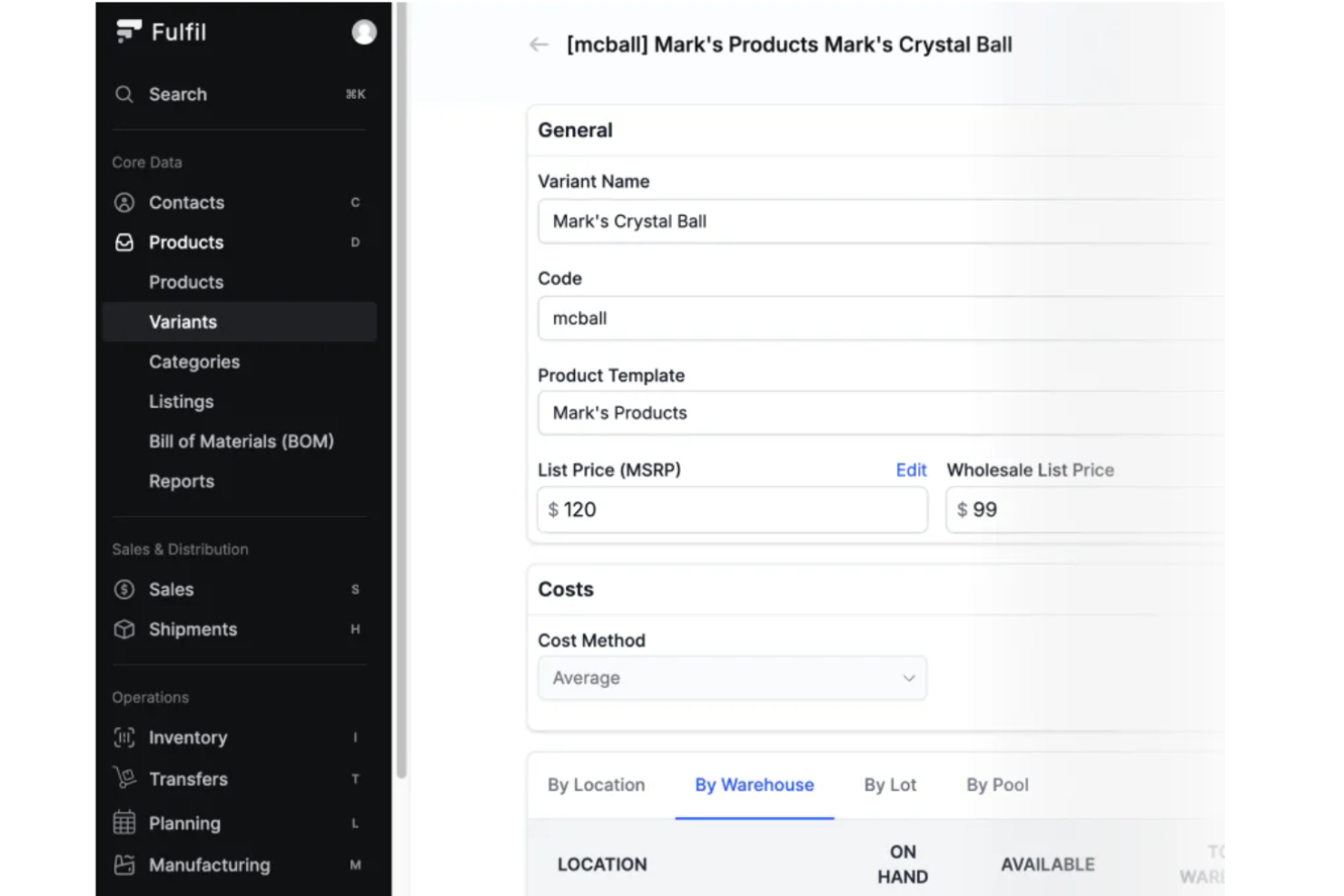
Fulfil è un software ERP basato su cloud progettato per aziende retail ed eCommerce in rapida crescita. Centralizza contabilità, inventario e operazioni, così ogni transazione finanziaria, dalla ricezione dell'inventario al pagamento del cliente, viene automaticamente registrata nei tuoi libri contabili.
Perché ho scelto Fulfil: Fulfil si distingue per le aziende che necessitano di un sistema di contabilità generale costruito attorno alle operazioni di retail ed eCommerce. La sua registrazione automatica delle transazioni pubblica voci di giornale per ogni ordine, pagamento e movimento di inventario senza sforzo manuale. La contabilità multi-entity mantiene i libri separati per le varie sussidiarie, consolidando al contempo i dati finanziari tra regioni e valute. L'intelligenza artificiale Fulfil Copilot analizza i dati per evidenziare tendenze e anomalie, offrendo ai team finanziari una visibilità immediata sulle performance senza ore di controllo manuale.
Caratteristiche principali & integrazioni
Le funzionalità includono il monitoraggio in tempo reale del costo del venduto, che si aggiorna automaticamente al movimento dell'inventario mantenendo l'analisi della redditività precisa e aggiornata. La piattaforma offre anche report per dipartimento e unità operative, consentendo di suddividere i risultati per canale, magazzino o brand, eliminando la necessità di fogli di calcolo esterni. Il riconoscimento automatico dei ricavi e il matching AP 3-way riducono ulteriormente gli errori di riconciliazione e aiutano a garantire la conformità.
Le integrazioni includono Amazon, Shopify, Etsy, eBay, FedEx, UPS, DHL, PayPal, Stripe, Avalara, Klarna e Amazon Shipping.
Pros and Cons
Pros:
- Registra automaticamente ogni transazione, riducendo l'inserimento manuale delle scritture contabili
- Il movimento inventariale in tempo reale si integra direttamente con la contabilità
- Solido supporto multi-entity e multi-valuta
Cons:
- Focalizzazione limitata al di fuori delle operazioni retail ed ecommerce
- Essendo un ERP con contabilità integrata, manca di strumenti contabili specialistici

Ideale per il settore edile
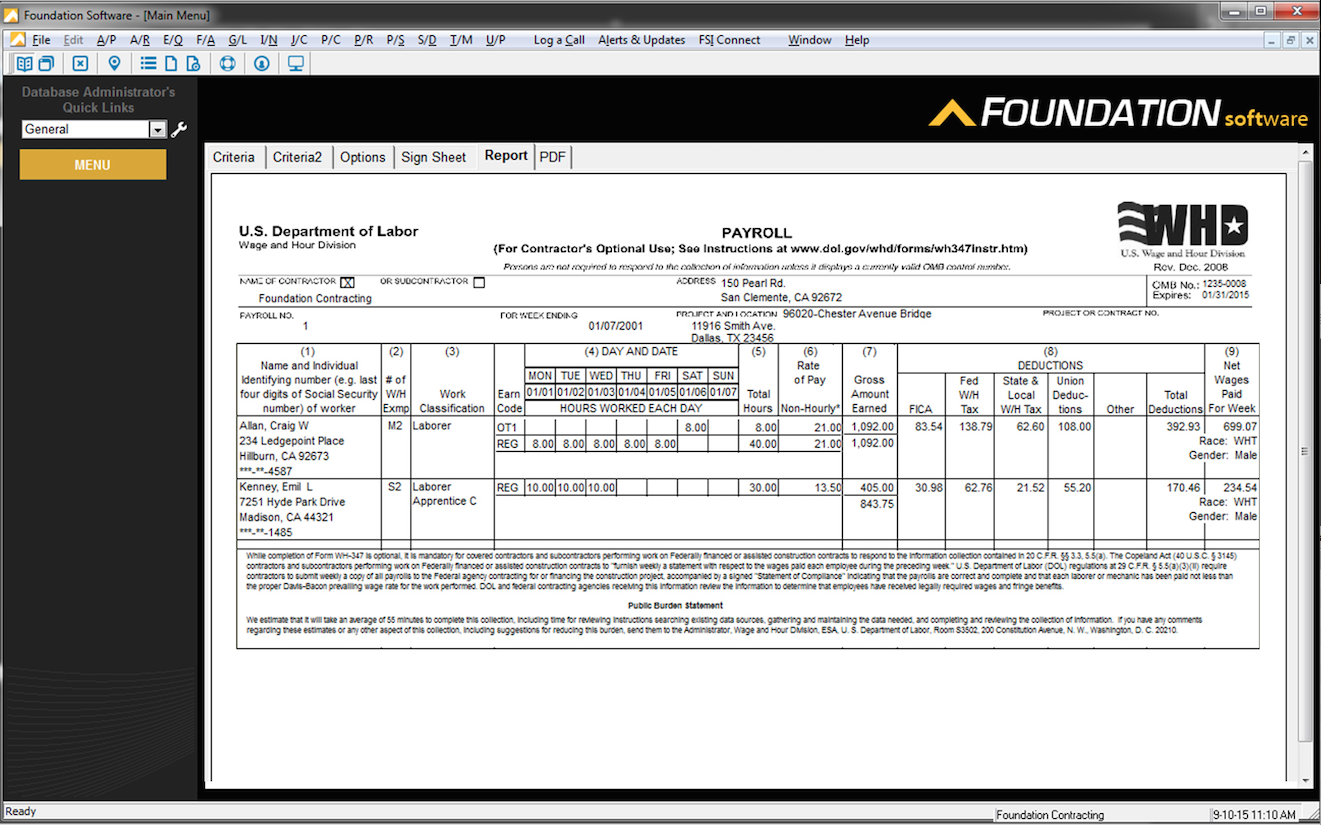
FOUNDATION è un software di contabilità progettato specificamente per appaltatori e aziende edili. Gestisce attività finanziarie essenziali come la rilevazione dei costi di commessa, le paghe e la gestione della contabilità generale.
Perché ho scelto FOUNDATION: FOUNDATION è realizzato per il settore edile, rendendolo la scelta ideale per gli appaltatori che hanno bisogno di strumenti di gestione finanziaria specializzati. Il software offre funzionalità di rilevazione dei costi di commessa che aiutano a tracciare con precisione le spese di progetto. Fornisce inoltre una gestione delle paghe specifica per il settore edile, garantendo la conformità alle normative di settore. Insieme, queste funzionalità lo rendono uno strumento prezioso per le aziende edili che cercano un controllo finanziario accurato.
Funzionalità eccezionali e integrazioni:
Le funzionalità includono rilevazione avanzata dei costi di commessa, che consente di monitorare le spese di progetto in tempo reale. Il software supporta anche il payroll certificato, aiutandoti a rimanere conforme alle richieste di rendicontazione governative. Inoltre, offre il tracciamento delle attrezzature, permettendoti di gestire e allocare efficacemente le risorse.
Le integrazioni includono Procore, Viewpoint, QuickBooks, Sage 300, Microsoft Excel, Autodesk, Spectrum, Bluebeam, PlanGrid e Acumatica.
Pros and Cons
Pros:
- Conformità agli standard di settore
- Capacità di tracciamento delle attrezzature
- Supporto per il payroll certificato
Cons:
- Configurazione iniziale complessa
- Scalabilità limitata per altri settori

Puzzle
Il miglior libro mastro generale guidato dall’IA
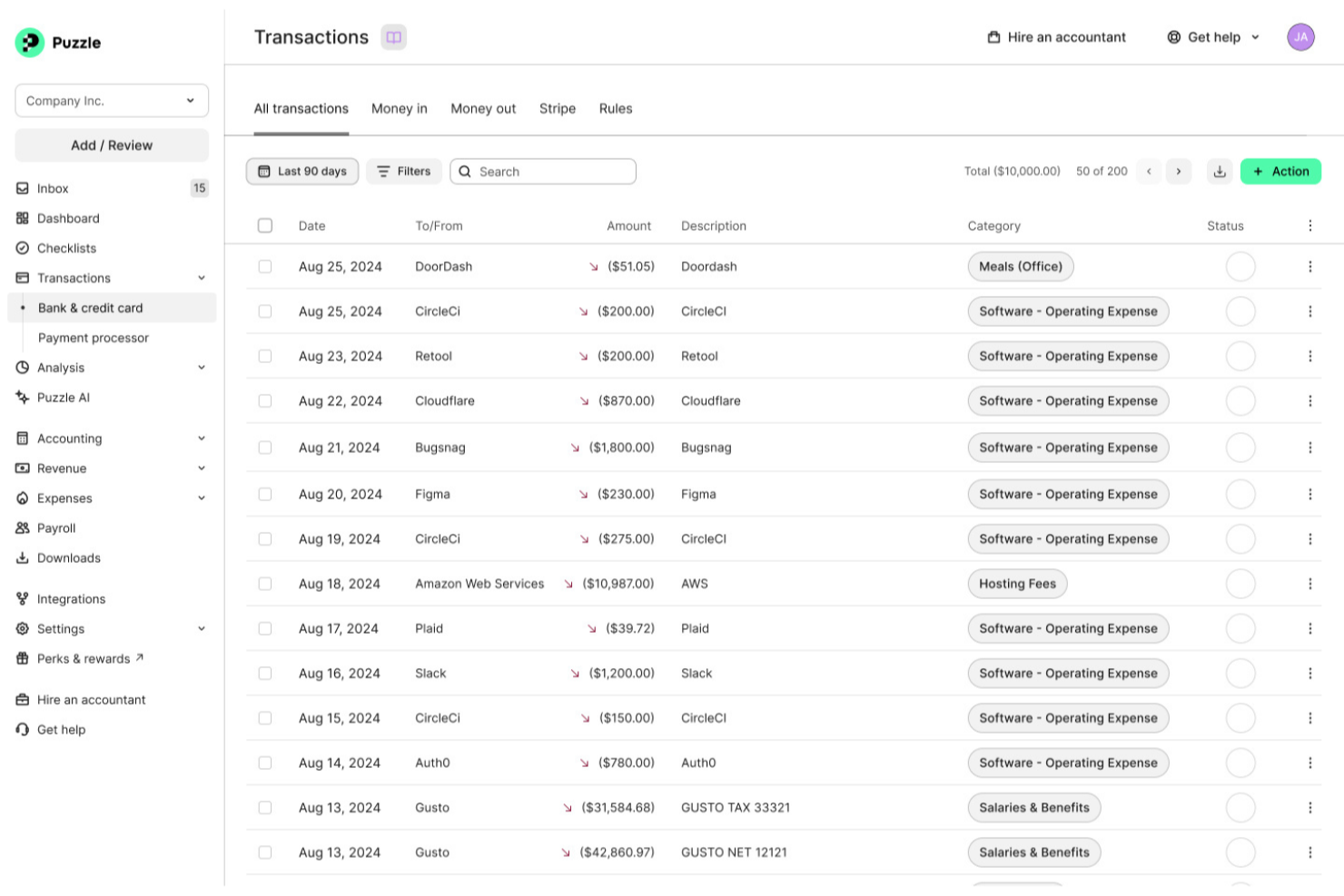
Puzzle è un software di contabilità nativo per l'IA progettato per aiutare startup e piccole imprese nella gestione della contabilità. Automatizza le attività di tenuta dei registri, fornisce approfondimenti finanziari in tempo reale e supporta sia i metodi di contabilità per cassa che per competenza.
Perché ho scelto Puzzle.io: Una delle caratteristiche principali di Puzzle è la categorizzazione delle transazioni basata sull'IA, che classifica automaticamente la maggior parte delle transazioni aziendali senza dover impostare regole manuali. Questo è reso possibile da Puzzlebot, l'auto-categorizzatore della piattaforma, che apprende e si perfeziona nel tempo, migliorando l'efficienza della gestione finanziaria. Inoltre, AI Lookup di Puzzle permette agli utenti di ricevere assistenza nella categorizzazione delle transazioni tramite la sintesi delle informazioni sui fornitori e la proposta di categorie appropriate.
Funzionalità principali e integrazioni:
Le funzionalità includono un libro mastro generale avanzato, che offre approfondimenti in tempo reale e viste personalizzabili. Inoltre, Puzzle.io esegue revisioni continue dell’accuratezza, dove l'intelligenza artificiale monitora i rendiconti finanziari per individuare eventuali errori prima che diventino problemi. Dispone persino di un’automazione integrata per la contabilità per competenza, che consente agli utenti di gestire riconoscimento dei ricavi, spese anticipate, immobilizzazioni, conti da pagare e crediti in un’unica piattaforma.
Le integrazioni includono Stripe, Brex, Ramp, Rippling, Mercury, Gusto, Deel, Central, Every, Meow, Bill.com e Runway.
Pros and Cons
Pros:
- Dashboard in tempo reale forniscono immediati approfondimenti finanziari
- Categorizzazione delle transazioni tramite IA
- La riconciliazione bancaria automatica garantisce accuratezza
Cons:
- Supporto limitato ai conti bancari fuori dagli USA
- La prova gratuita richiede la connessione di un conto bancario


Multiview è un software di gestione finanziaria per il settore sanitario, che fornisce funzioni essenziali di contabilità. Serve ospedali e organizzazioni sanitarie offrendo strumenti per la pianificazione del budget, la rendicontazione finanziaria e la gestione della conformità.
Perché ho scelto Multiview: Multiview è specificamente progettato per il settore sanitario, offrendo funzionalità che rispondono a esigenze particolari. Il software offre strumenti di budgetizzazione dettagliati che aiutano a gestire efficacemente la pianificazione finanziaria. Include anche capacità di gestione della conformità, rispettando le normative sanitarie. Queste caratteristiche, combinate, rendono Multiview particolarmente adatto alle organizzazioni sanitarie che necessitano di un controllo finanziario specializzato.
Funzionalità e integrazioni più rilevanti:
Funzionalità includono avanzate capacità di budgetizzazione, che ti permettono di creare piani finanziari completi. Il software offre anche rendicontazione finanziaria in tempo reale, fornendo insight aggiornati sulla salute finanziaria della tua organizzazione. Inoltre, supporta il monitoraggio della conformità, aiutandoti a rispettare gli standard del settore sanitario.
Integrazioni includono Microsoft Dynamics, SAP, QuickBooks, Salesforce, Workday, NetSuite, Sage, IBM e Tableau.
Pros and Cons
Pros:
- Capacità di gestione della conformità
- Rendicontazione finanziaria in tempo reale
- Strumenti dettagliati di budgetizzazione
Cons:
- Scalabilità limitata per altri settori
- Dipendenza dall'assistenza tecnica
Altri software di contabilità generale
Ecco alcune ulteriori opzioni di software di contabilità generale che non sono entrate nel mio elenco ristretto, ma che vale comunque la pena prendere in considerazione:
- Flexi
Ideale per esigenze di conformità
- Adagio Ledger
Ideale per registrare voci ricorrenti
- Eleven
Ideale per la scalabilità
- Passport Business Solutions
Ideale per le piccole imprese
- SapphireOne
Ideale per moduli completi


Come Valuto i Software per il Libro Mastro Generale
Esamino gli strumenti GL su due livelli: i requisiti di base necessari per scritture contabili, chiusure di periodo e gestione del piano dei conti, e i fattori differenzianti—come la profondità della consolidazione—che distinguono le migliori soluzioni.
Funzionalità Principali (Requisiti Indispensabili per Questa Lista)
Quando seleziono gli strumenti per la mia lista, valuto ciascuno su una scala da 0 (non offre la funzionalità) a 5 (eccelle in quest'area) per ogni funzionalità principale elencata di seguito. Successivamente, calcolo il punteggio totale dello strumento in percentuale. Ogni strumento deve raggiungere un punteggio minimo totale del 65% per essere preso in considerazione.
- Gestione del Piano dei Conti: Valuto quanto sia flessibile la struttura del piano dei conti—se è possibile costruire gerarchie multi-segmento e mappare i conti tra entità senza ricominciare da zero.
- Registrazione e Inserimento delle Scritture: Ogni strumento dovrebbe supportare scritture manuali, ricorrenti e di storno con tracciabilità. Verifico la presenza di workflow di approvazione e opzioni di importazione massiva.
- Contabilità Doppia: Deve essere garantito il bilanciamento di dare e avere al momento della registrazione. Valuto se la validazione si estende a tutti i sotto-mastri e i moduli.
- Reportistica Finanziaria e Bilancio di Verifica: I bilanci standard sono importanti, ma cerco anche la possibilità di effettuare drill-down da stato patrimoniale o conto economico al dettaglio delle scritture contabili sottostanti.
- Supporto Multi-Entità e Multi-Valuta: Per i team che gestiscono filiali, valuto la profondità della consolidazione—eliminazioni infragruppo, rivalutazione cambi e reportistica unificata.
- Chiusura di Periodo e Riconciliazione: Il processo di chiusura è il punto in cui gli strumenti GL dimostrano il loro valore. Cerco checklist guidate, strumenti di riconciliazione dei sotto-mastri e controlli di blocco periodo.
Una volta ottenuta una lista di strumenti che rispettano questi criteri, considero ciò che distingue ogni piattaforma.
Fattori Differenzianti (Cosa Distingue i Fornitori)
Ecco come confronto e metto a confronto i diversi fornitori:
Caratteristiche Distintive
Un motore di consolidamento nativo è un grande elemento distintivo per i team multi-entità. Cerco funzioni integrate di eliminazione infragruppo e gestione delle partecipazioni di minoranza che mantengono tutto su un'unica piattaforma invece di esportare su uno strumento CPM separato. Anche il rilevamento di anomalie tramite intelligenza artificiale è importante—gli strumenti che segnalano doppie registrazioni o scritture sospette prima della chiusura evitano grandi problemi ai controller. La reportistica dimensionale completa il quadro, permettendo di etichettare le transazioni per dipartimento, progetto o sede per analisi più approfondite senza complicare il piano dei conti.
Oltre le Funzionalità
L'ecosistema di integrazione è una delle prime cose che valuto. Un GL che non si collega a contabilità fornitori/clienti, gestione stipendiale e sistemi bancari crea colli di bottiglia nella riconciliazione ad ogni chiusura. Considero anche l'idoneità per settore e dimensione aziendale—una non profit che usa la contabilità per fondi ha esigenze molto diverse rispetto a una società SaaS che gestisce la revenue recognition secondo ASC 606. Anche le tempistiche di implementazione sono importanti. Verifico se il fornitore offre template per la mappatura del piano dei conti e strumenti di migrazione dati, poiché una distribuzione complessa in aziende di medie dimensioni che si protrae oltre il cambio di esercizio può bloccare l'intero team finance.
Come scegliere il software di contabilità generale
Scegliere un software di contabilità generale può sembrare complicato, considerando tutte le funzionalità e i dettagli sui prezzi disponibili. Per mantenere l'attenzione sulle mie priorità, utilizzo una semplice checklist che mi aiuta a trovare uno strumento realmente adatto al mio modo di lavorare.
| Fattore | Cosa considerare |
| Scalabilità | Assicurati che il software possa crescere insieme alla tua azienda. Cerca soluzioni che supportino utenti e transazioni aggiuntivi man mano che la tua azienda si espande. |
| Integrazioni | Verifica se il software si integra con gli strumenti esistenti, come i sistemi CRM o ERP, per semplificare i processi e migliorare l'accuratezza dei dati. |
| Personalizzazione | Cerca un software che consenta di adattare report e dashboard alle esigenze e ai flussi di lavoro specifici della tua azienda. |
| Facilità d'uso | Scegli un software con un'interfaccia intuitiva e una navigazione semplice per ridurre la curva di apprendimento del tuo team. |
| Budget | Confronta i piani tariffari e assicurati che rientrino nei tuoi vincoli finanziari. Considera il costo totale di proprietà, comprese eventuali commissioni nascoste. |
| Misure di sicurezza | Assicurati che il software offra solide misure di sicurezza, come la crittografia dei dati e i controlli di accesso degli utenti, per proteggere le informazioni finanziarie sensibili. |
| Assistenza clienti | Valuta la disponibilità e la qualità dei servizi di assistenza, come il supporto 24 ore su 24, 7 giorni su 7, per contribuire a risolvere rapidamente i problemi. |
| Funzionalità di reporting | Cerca funzionalità avanzate di reporting per ottenere informazioni sulle prestazioni finanziarie e supportare il processo decisionale. |
Tendenze nei software per la contabilità generale
Durante la mia ricerca, ho esaminato gli aggiornamenti dei prodotti, i registri delle versioni e gli annunci dei fornitori di software per la contabilità generale. Ecco cosa ha attirato la mia attenzione:
- Informazioni basate sull'intelligenza artificiale: Sempre più fornitori utilizzano l'intelligenza artificiale per offrire analisi predittive e informazioni utili. Questo aiuta le aziende a prevedere le tendenze finanziarie e a prendere decisioni consapevoli. Ad esempio, alcuni strumenti analizzano ora i modelli di spesa per suggerire modifiche al budget.
- Integrazione della blockchain: La tecnologia blockchain viene adottata per migliorare la trasparenza e la sicurezza. Creando registri immutabili, contribuisce a prevenire le frodi e garantisce una rendicontazione finanziaria accurata. Alcuni fornitori stanno persino esplorando l'uso della blockchain per le tracce di audit.
- Rendicontazione della sostenibilità: È sempre più forte l'attenzione verso funzionalità che monitorano l'impatto ambientale e gli indicatori di sostenibilità. Questa tendenza è guidata dal desiderio delle aziende di allineare la rendicontazione finanziaria agli obiettivi di responsabilità sociale d'impresa.
- Design incentrato sull'utente: I fornitori stanno iniziando a dare priorità all'esperienza utente, con interfacce più intuitive e dashboard personalizzate. Questo rende il software più facile da usare, riducendo la curva di apprendimento per i nuovi utenti.
- Automazione della conformità normativa: Con normative in continua evoluzione, gli strumenti offrono ora aggiornamenti automatici sulla conformità. Ciò garantisce che le aziende siano sempre aggiornate sui requisiti legali, riducendo il rischio di sanzioni.
Che cos'è un software per la contabilità generale?
Il software per la contabilità generale è uno strumento finanziario che centralizza e organizza in un unico sistema tutti i dati contabili di un'azienda. Registra, classifica e riepiloga le transazioni, dalle vendite e dalle spese alle attività e alle passività, costituendo la base per una rendicontazione e verifiche accurate.
Utilizzato da piccole imprese, commercialisti e team finanziari di grandi aziende, semplifica la contabilità e riduce gli errori manuali. Grazie alle registrazioni automatiche, alle dashboard in tempo reale e alle tracce di audit integrate, sostituisce i fogli di calcolo e garantisce una conformità uniforme.
Funzionalità
Quando confronto i software per la contabilità generale, cerco funzionalità che rendano la gestione delle transazioni semplice, accurata e conforme alle normative. Oltre al supporto della partita doppia e alla riconciliazione dei conti, ecco alcune altre funzionalità chiave da cercare:
- Flussi di lavoro automatizzati: Semplificano le attività ripetitive per risparmiare tempo e ridurre gli errori manuali.
- Reporting in tempo reale: Fornisce dati finanziari aggiornati per aiutare le aziende a prendere decisioni rapide e consapevoli.
- Supporto multivaluta: Gestisce transazioni in valute diverse, ideale per le aziende che operano a livello internazionale.
- Monitoraggio della conformità: Garantisce il rispetto delle normative di settore e riduce il rischio di sanzioni.
- Dashboard personalizzabili: Consentono agli utenti di adattare l'interfaccia alle proprie esigenze e preferenze specifiche.
- Informazioni basate sull'intelligenza artificiale: Offrono analisi predittive per prevedere le tendenze e migliorare la pianificazione finanziaria.
- Strumenti avanzati di budgeting: Aiutano a creare piani finanziari dettagliati per gestire efficacemente le risorse.
- Tracce di audit: Mantengono un registro chiaro di tutte le transazioni per aumentare la trasparenza e la responsabilità.
- Interfaccia intuitiva: Rende il software facile da navigare, riducendo la curva di apprendimento per i nuovi utenti.
Vantaggi
Quando sono passato a un software per la contabilità generale, ho notato subito i vantaggi. Ha semplificato il flusso di lavoro del mio team, mantenuto i nostri registri in ordine e reso molto più semplice la conformità normativa. Se cerchi un maggiore controllo sui tuoi conti, ecco cosa puoi aspettarti dal software di contabilità generale più adatto:
- Maggiore precisione: I flussi di lavoro automatizzati e i report in tempo reale riducono gli errori manuali e migliorano la precisione finanziaria.
- Processo decisionale più efficace: Gli approfondimenti basati sull'IA e le analisi avanzate offrono dati preziosi per orientare le scelte strategiche.
- Conformità normativa: Il monitoraggio della conformità aiuta a garantire che la tua azienda rispetti le normative del settore, riducendo al minimo i rischi.
- Risparmio di tempo: Funzionalità come i processi automatizzati e le interfacce intuitive velocizzano le attività finanziarie e aumentano la produttività.
- Personalizzazione: I pannelli di controllo e i report personalizzabili consentono di adattare il sistema alle tue specifiche esigenze operative.
- Maggiore trasparenza: Le tracce di controllo forniscono registri chiari delle transazioni, promuovendo la responsabilità e la fiducia all'interno del team.
Costi e prezzi
I prezzi dei software applicativi per la contabilità generale possono variare notevolmente. I piani cambiano in base alle funzionalità, agli utenti e agli extra inclusi. Ho analizzato le opzioni più comuni, i costi medi e ciò che è generalmente incluso per aiutarti a confrontare le alternative e scegliere quella più adatta alle tue esigenze.
Tabella di confronto dei piani per il software di contabilità generale
| Tipo di piano | Prezzo medio | Funzionalità comuni |
| Piano gratuito | $0/user/month | Monitoraggio di base delle transazioni, reportistica limitata e assistenza minima. |
| Piano personale | $5-$25/user/month | Reportistica avanzata, integrazioni di base e interfaccia intuitiva. |
| Piano aziendale | $30-$75/user/month | Supporto multivaluta, pannelli di controllo personalizzabili e analisi avanzate. |
| Piano per aziende | $80-$150/user/month | Approfondimenti basati sull'IA, monitoraggio della conformità e assistenza clienti dedicata. |
Domande frequenti sul software per il libro mastro
Ecco alcune risposte alle domande frequenti sul software per il libro mastro:
Quali sono le 4 C del libro mastro?
Le 4 C del libro mastro si riferiscono al piano dei conti, al calendario, alla valuta e alle convenzioni contabili. Questi elementi garantiscono coerenza nella rendicontazione finanziaria. Aiutano a strutturare i dati finanziari, a stabilire la tempistica dei periodi finanziari, a gestire più valute e ad applicare regole contabili standardizzate.
Quali sono i 5 elementi del libro mastro?
I cinque elementi di un libro mastro sono attività, passività, patrimonio netto del proprietario, ricavi e spese. Queste categorie aiutano a organizzare i dati finanziari per rappresentare la situazione finanziaria dell’azienda. Comprendere questi elementi consente di monitorare la performance finanziaria e preparare rendiconti finanziari accurati.
Quali sono le regole del libro mastro?
Un libro mastro segue il metodo della contabilità in partita doppia, in cui ogni transazione interessa almeno due conti. Un conto viene addebitato mentre un altro viene accreditato, garantendo che il totale degli addebiti sia uguale al totale degli accrediti. Questa regola mantiene il saldo dei conti e garantisce registrazioni finanziarie accurate.
In che modo il software per il libro mastro automatizza i processi?
Il software per il libro mastro automatizza processi come l’acquisizione delle fatture, la registrazione delle transazioni e la rendicontazione finanziaria. Ciò riduce l’inserimento manuale dei dati, minimizza gli errori e fa risparmiare tempo. Automatizzando queste attività, il tuo team può concentrarsi sull’analisi dei dati finanziari invece che sul loro inserimento.
In che modo il software per il libro mastro può aiutare a garantire la conformità?
Il software per il libro mastro aiuta a garantire la conformità fornendo registrazioni finanziarie accurate e tracce di audit. Assicura che tutte le transazioni siano documentate e facilmente accessibili durante gli audit. Questo può aiutare la tua azienda a rispettare le normative del settore ed evitare sanzioni.
Perché l'integrazione è importante nel software per il libro mastro?
L’integrazione è importante perché consente al software di contabilità del libro mastro di connettersi con altri sistemi come CRM ed ERP. Ciò garantisce la coerenza dei dati tra le piattaforme, riduce la duplicazione dell’inserimento dei dati e migliora l’efficienza complessiva nella gestione delle informazioni finanziarie.
Qual è il prossimo passo?
Se stai valutando un software per il libro mastro, contatta gratuitamente un consulente SoftwareSelect per ricevere consigli.
Compili un modulo e svolgi una breve conversazione durante la quale il consulente approfondirà le tue esigenze specifiche. Poi riceverai una selezione ristretta di software da valutare. Ti assisterà anche durante l'intero processo di acquisto, comprese le trattative sul prezzo.