

I 10 migliori ERP per organizzazioni non profit recensiti nel 2026

Miglior ERP per organizzazioni non profit - Selezione


L'ERP per organizzazioni non profit è un software appositamente progettato che integra operazioni fondamentali come la contabilità dei fondi, il monitoraggio di donazioni e promesse di donazione, la supervisione delle sovvenzioni e la reportistica sulla conformità in un'unica piattaforma semplificata. Per i professionisti della finanza nel settore non profit, questo tipo di sistema può liberare tempo, ridurre gli errori manuali e fare chiarezza sui fondi vincolati e non vincolati in più sedi.
In qualità di esperto di software digitali con esperienza nella gestione finanziaria, ho lavorato a stretto contatto con organizzazioni che affrontano sfide specifiche. Dalla gestione di finanziamenti provenienti da più fonti e della conformità al Modulo 990 dell'IRS, fino al dover conciliare le aspettative dei donatori con le restrizioni dei programmi, comprendo quanto sia fondamentale disporre di sistemi che non si limitino a funzionare, ma che sostengano davvero la vostra causa.
Tuttavia, trovare il tempo per confrontare i software quando si è già oberati di lavoro può essere difficile. Per questo ho trascorso ore a ricercare, testare e confrontare le principali soluzioni ERP per organizzazioni non profit. Questo elenco è pensato per aiutarvi a trovare un sistema affidabile e in linea con la vostra missione, che rispetti il vostro budget e i vostri obiettivi.
Perché fidarsi dei nostri consigli sui software
Le nostre recensioni riflettono il nostro giudizio indipendente, non un discorso di vendita. Scopri come manteniamo la trasparenza.
Per questa guida, abbiamo valutato gli strumenti attraverso test pratici e ricerche indipendenti, assegnando un punteggio agli strumenti in base ai nostri criteri di selezione.
Le nostre recensioni riflettono il nostro giudizio editoriale umano, non un discorso di vendita.
Riepilogo dei migliori ERP per organizzazioni non profit
Ho creato questa tabella per farvi risparmiare tempo. Confrontate rapidamente prezzi e periodi di prova dei migliori ERP per organizzazioni non profit, così potrete trovarne uno che semplifichi il monitoraggio dei fondi, la gestione dei donatori e la conformità senza superare il vostro budget.
| Tool | Best For | Trial Info | Price | ||
|---|---|---|---|---|---|
| 1 | Ideale con funzionalità CRM integrate | Prova gratuita disponibile | Da $35/utente/mese | Website | |
| 2 | Ideale per la contabilità dei fondi | Demo gratuita disponibile | Prezzo su richiesta | Website | |
| 3 | Ideale per una gestione aziendale completa | 7 giorni di prova gratuita | A partire da $99/mese | Website | |
| 4 | Ideale per la gestione delle organizzazioni non profit basate su progetti | Demo gratuita disponibile | Prezzi su richiesta | Website | |
| 5 | Ideale per la raccolta fondi e il coinvolgimento dei donatori nel non profit | Demo gratuita disponibile | Prezzo su richiesta | Website | |
| 6 | Ideale per software aziendale orientato alle persone | Demo gratuita disponibile | Prezzo su richiesta | Website | |
| 7 | Ideale per soluzioni software aziendali specifiche per settore | Demo gratuita disponibile | Prezzi disponibili su richiesta | Website | |
| 8 | Ideale per la fatturazione GST e la gestione dell'inventario | Not available | Da $107/utente/mese | Website | |
| 9 | Ideale per soluzioni ERP del settore pubblico e non profit | Not available | Prezzo su richiesta | Website | |
| 10 | Ideale per ERP manifatturiero personalizzabile | Demo gratuita disponibile | Prezzi su richiesta | Website |
Recensioni dei migliori ERP per organizzazioni non profit
Di seguito analizzo ogni ERP per organizzazioni non profit, così potrete confrontare rapidamente vantaggi, svantaggi, funzionalità e casi d’uso. Se gestite sovvenzioni, donatori o la conformità in più sedi, questo vi aiuterà a trovare la soluzione più adatta.

Striven
Ideale con funzionalità CRM integrate
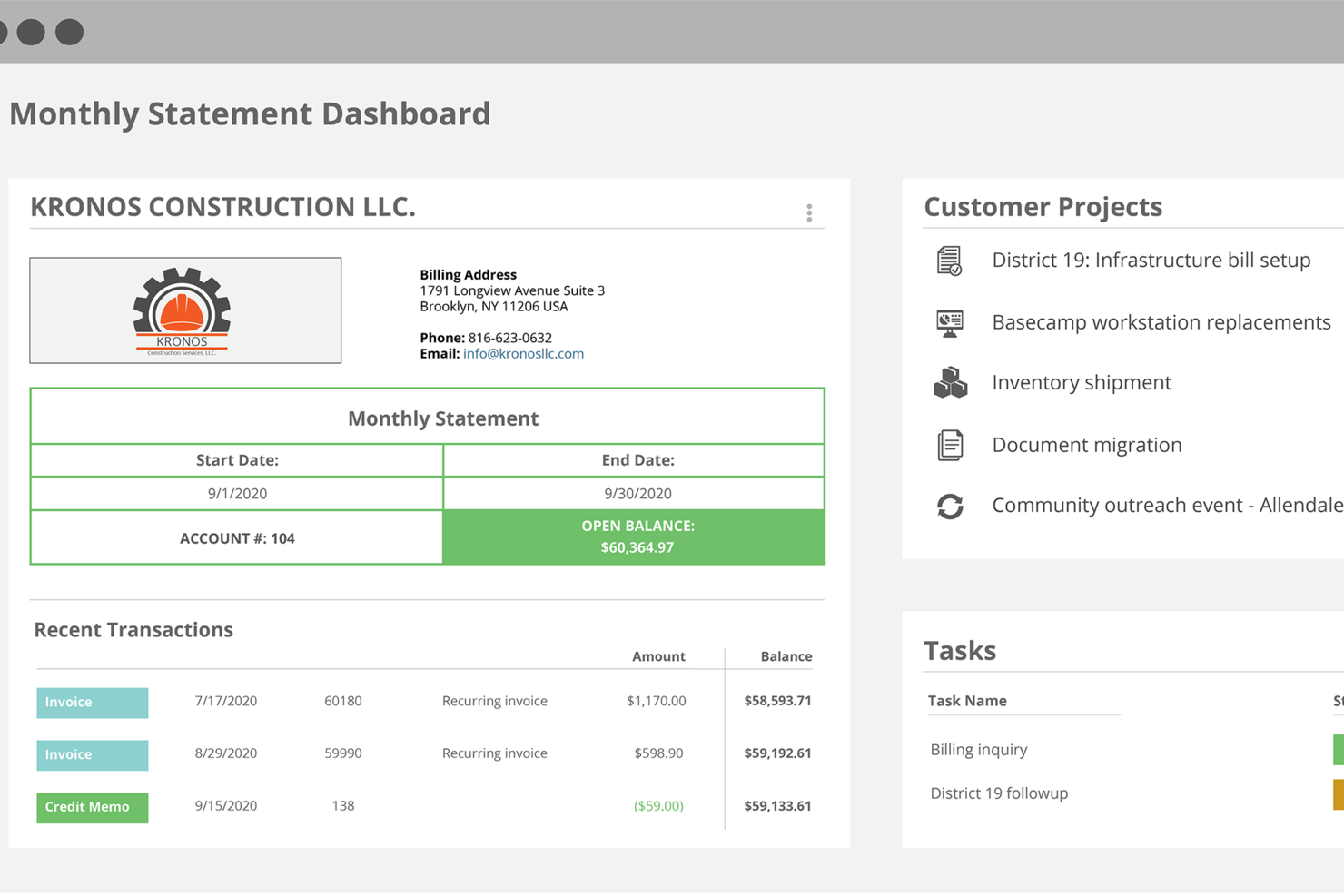
Striven è una piattaforma ERP basata su cloud progettata per le organizzazioni non profit, che offre contabilità per fondi, gestione di donatori e volontari, automazione dei flussi di lavoro, tracciamento documenti e reportistica, tutto in un unico sistema.
Per chi è più adatto Striven?
Striven è particolarmente indicato per piccole e medie organizzazioni non profit che necessitano di una piattaforma unica per gestire finanze, operazioni e relazioni con i donatori.
Perché ho scelto Striven
Ho incluso Striven tra le mie migliori scelte perché il suo CRM è integrato direttamente nell’ERP, non aggiunto come soluzione successiva. Per un'organizzazione non profit, questo significa che profili dei donatori, campagne di raccolta fondi e cronologia delle comunicazioni convivono accanto ai dati finanziari nello stesso sistema. Apprezzo in particolare gli strumenti di gestione dei donatori, che consentono di tracciare le donazioni, personalizzare le attività di outreach e automatizzare invii mirati di email senza dover cambiare piattaforma. Le funzionalità di gestione pipeline e automazione marketing si adattano bene anche alle esigenze non profit, come la gestione delle pipeline di ricerca fondi o la realizzazione di campagne donatori ricorrenti in un unico luogo.
Funzionalità chiave di Striven
- Contabilità per fondi: Tieni traccia di entrate e spese su più fondi, sovvenzioni e programmi all’interno di un unico sistema contabile.
- Costificazione progetti e attività: Assegna costi e budget a specifici programmi o iniziative per monitorare le spese a livello di progetto.
- Gestione volontari: Registra ore, ruoli e attività dei volontari direttamente all’interno della piattaforma.
- Dashboard di reportistica personalizzati: Crea e condividi report finanziari e operativi in tempo reale, adattati alle esigenze di rendicontazione della tua organizzazione non profit.
Integrazioni di Striven
Le integrazioni native non sono chiaramente documentate. Striven mette a disposizione un'API per integrazioni personalizzate.
Pros and Cons
Pros:
- Flussi di lavoro automatizzati per la rendicontazione ricorrente dei finanziamenti
- Contabilità per fondi e progetti adatta alle organizzazioni non profit
- Permessi basati sui ruoli per i dati sensibili dei donatori
Cons:
- Le opzioni di personalizzazione richiedono competenze da amministratore
- Documentazione limitata sulle integrazioni API

Ideale per la contabilità dei fondi
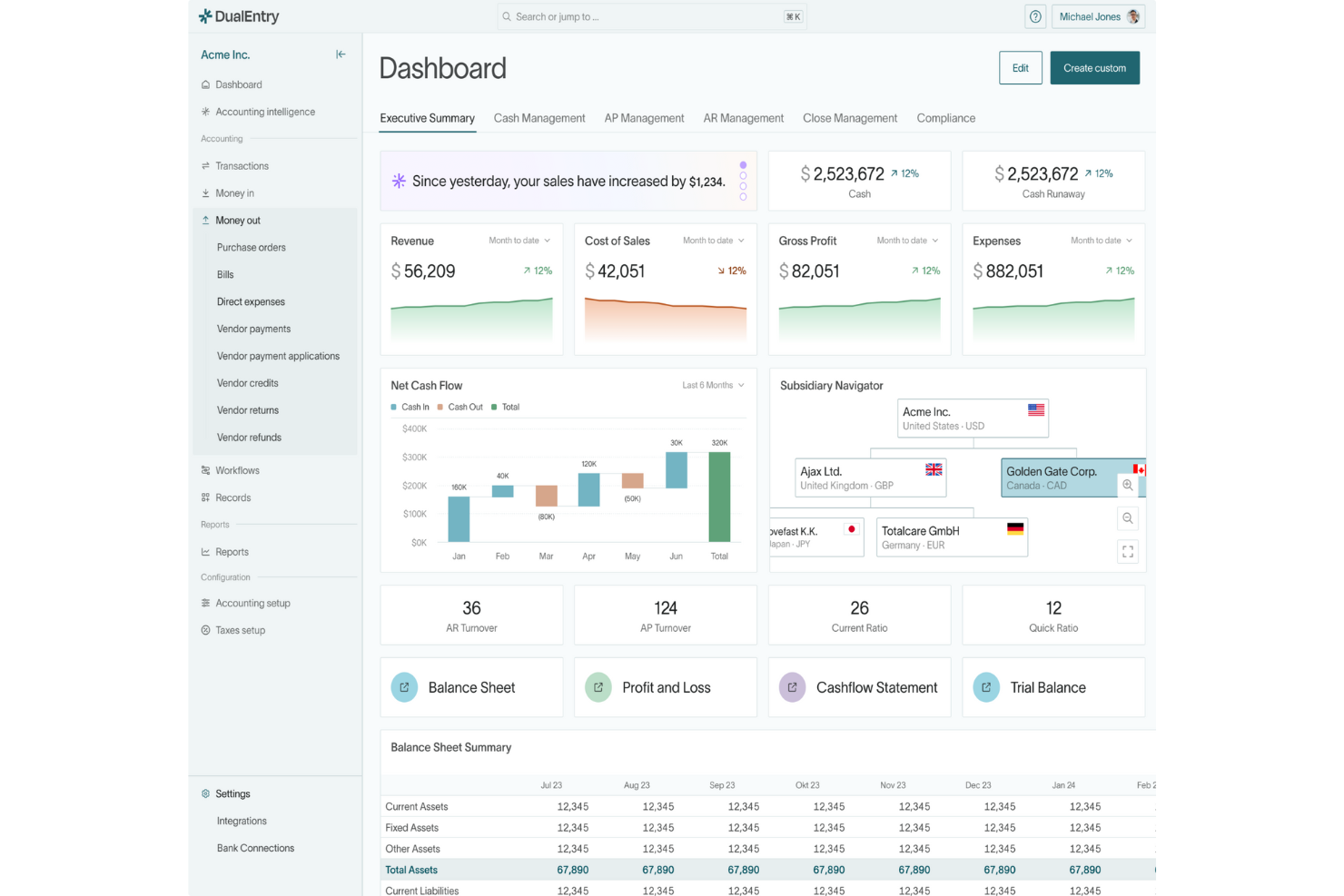
DualEntry è una piattaforma ERP nativa AI progettata per automatizzare e semplificare le operazioni finanziarie delle organizzazioni. Offre una suite completa di strumenti per gestire i processi finanziari principali, la contabilità avanzata e i requisiti di conformità.
Perché ho scelto DualEntry: Le capacità di contabilità per fondi di DualEntry la rendono ideale per le organizzazioni non profit. La piattaforma consente di mantenere registri finanziari separati per diversi fondi, garantendo la conformità alle restrizioni dei donatori e alle politiche organizzative. Ogni fondo opera con conti a bilanciamento autonomo e il sistema offre strumenti di reportistica completi per soddisfare le esigenze dei diversi stakeholder. Questa struttura facilita il monitoraggio dettagliato delle risorse e degli obblighi di ciascun fondo, migliorando trasparenza e responsabilità.
Funzionalità principali & integrazioni:
Le funzionalità includono strumenti di allocazione guidati dall’AI che consentono di impostare modelli ricorrenti di allocazione e automatizzare le allocazioni intercompany, garantendo una distribuzione puntuale e accurata dei costi e ricavi. La piattaforma offre inoltre tracciabilità dettagliate di audit, permettendo di risalire a ogni transazione con un solo clic.
Le integrazioni includono BambooHR, Bill.com, Brex, Deel, Google SSO, Gusto, HubSpot, Ramp, Rippling, Salesforce, Stripe Billing e Stripe Invoicing.
Pros and Cons
Pros:
- Le funzionalità AI avanzate aiutano nella gestione della contabilità complessa
- Supporta operazioni multi-entità e multi-valuta
- Il riconoscimento dei ricavi automatizzato garantisce la conformità agli standard
Cons:
- Nessuna opzione di prova prima dell’acquisto
- Le opzioni di personalizzazione richiedono un’attenta configurazione

Ideale per una gestione aziendale completa
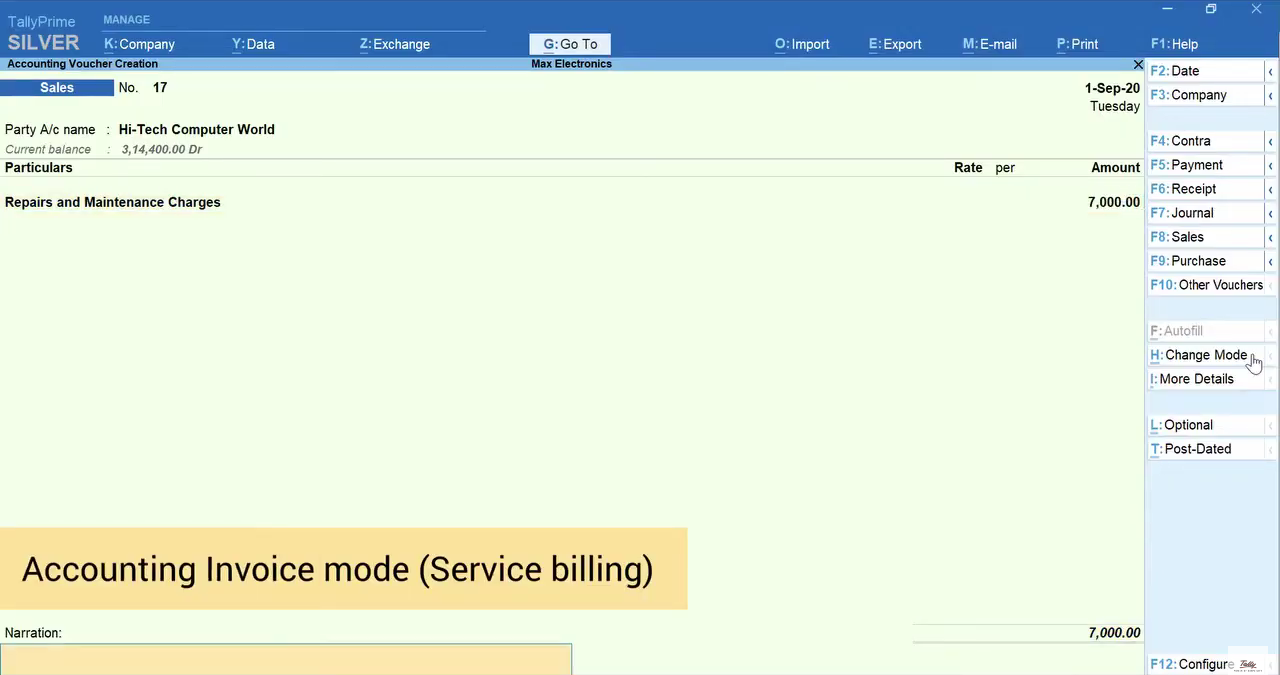
TallyPrime è un software di gestione aziendale progettato per semplificare e velocizzare il modo in cui le aziende operano. Si distingue per le sue funzionalità estese che coprono contabilità, inventario, conformità, gestione delle buste paga e molto altro.
Perché ho scelto TallyPrime: TallyPrime offre un'ampia gamma di funzionalità che rispondono a diverse esigenze aziendali, rendendolo uno strumento versatile per le organizzazioni non profit. La sua capacità di gestire più aziende e fornire report personalizzabili lo rende una delle migliori soluzioni disponibili. Inoltre, il software mette a disposizione una vasta gamma di funzionalità utili per ottimizzare i processi e migliorare il processo decisionale.
Funzionalità e integrazioni principali:
Le funzionalità includono il supporto multivaluta, la gestione degli ordini, i centri di costo, un’efficiente movimentazione delle scorte e l’accesso in tempo reale ai report aziendali da qualsiasi dispositivo.
Le integrazioni includono Microsoft Excel, Microsoft Word, Google Sheets, Google Docs, PayPal, Stripe, QuickBooks, Zoho CRM, Salesforce e Slack.
Pros and Cons
Pros:
- Set di funzionalità completo
- Reportistica in tempo reale
- Gestione multi-azienda
Cons:
- Personalizzazione limitata
- Richiede rinnovo annuale

Deltek
Ideale per la gestione delle organizzazioni non profit basate su progetti
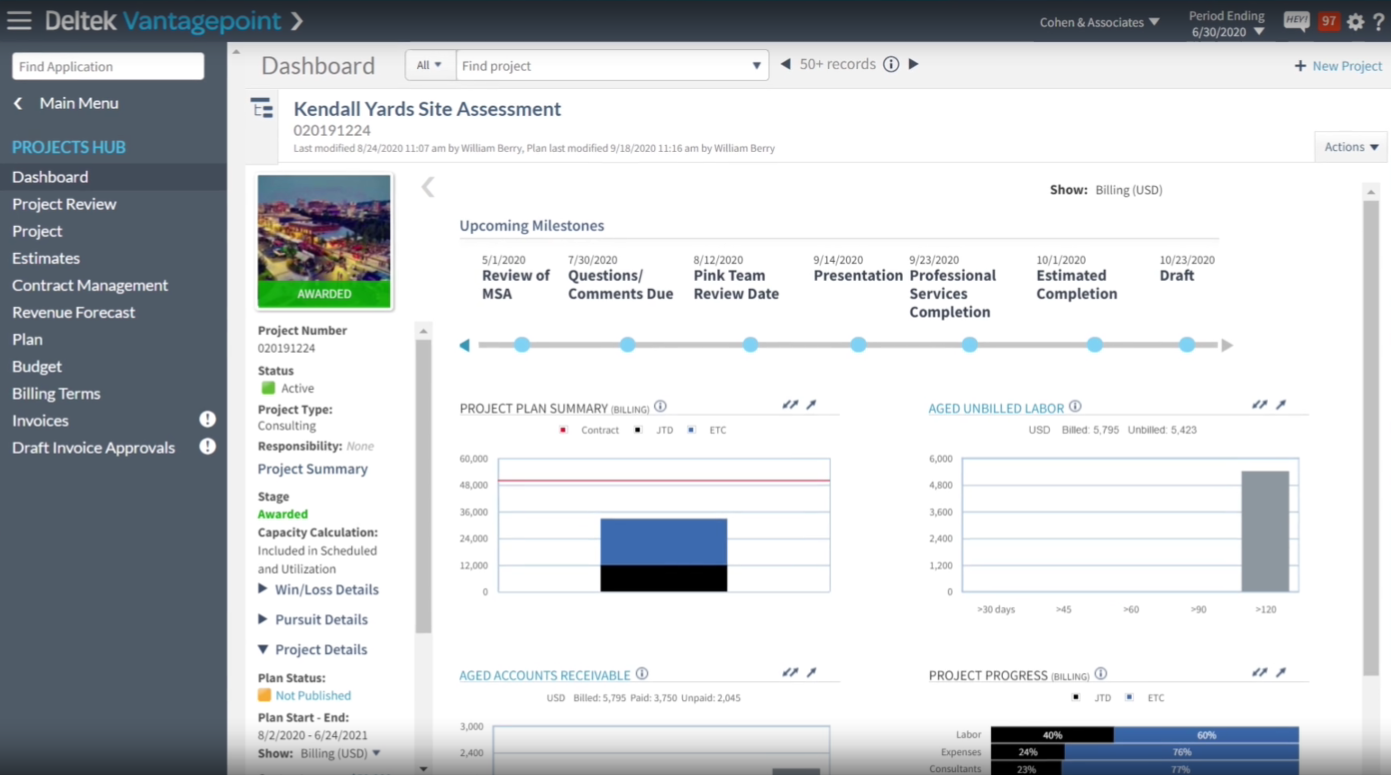
Deltek fornisce soluzioni ERP specificamente progettate per la gestione delle organizzazioni non profit basate su progetti. Offre strumenti avanzati per gestire in modo efficace progetti, finanze e risorse umane.
Perché ho scelto Deltek: Deltek offre funzionalità di gestione progetti approfondite adattate alle organizzazioni non profit. Si distingue per la sua capacità di fornire una visibilità dettagliata sui costi dei progetti e sull'allocazione dei finanziamenti, fondamentale per la trasparenza e la responsabilità delle organizzazioni non profit. Inoltre, la sua suite avanzata di strumenti aiuta a ottimizzare la pianificazione, l’esecuzione e la rendicontazione dei progetti per organizzazioni di tutte le dimensioni.
Caratteristiche & integrazioni principali:
Funzionalità includono budgetizzazione dei progetti, budgetizzazione organizzativa, pianificazione delle risorse, previsione dei tassi indiretti e strumenti di reportistica su progetti e finanze, inclusa la gestione del valore guadagnato (EVM).
Integrazioni includono Vantagepoint CRM, GovWin IQ, Costpoint, Acumen, wInsight Analytics, PM Compass, Open Plan, Talent Management, Time & Expense e Core HR.
Pros and Cons
Pros:
- Gestione progetti completa
- Reportistica finanziaria dettagliata
- Solide capacità di integrazione
Cons:
- Interfaccia utente complessa
- Flessibilità limitata nella reportistica personalizzata

Ideale per la raccolta fondi e il coinvolgimento dei donatori nel non profit
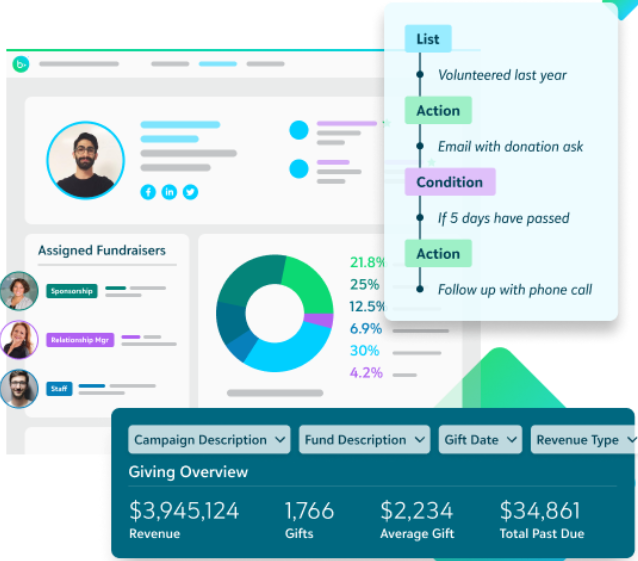
Blackbaud è un fornitore leader di software per organizzazioni non profit, istruzione e responsabilità sociale d'impresa. Offre soluzioni avanzate per il fundraising, la gestione finanziaria e il coinvolgimento dei donatori.
Perché ho scelto Blackbaud: Blackbaud offre agli utenti una particolare attenzione alle esigenze delle organizzazioni non profit, soprattutto nel fundraising e nel coinvolgimento dei donatori. Si distingue dalle altre soluzioni ERP grazie a strumenti specializzati che rispondono specificamente al settore non profit, rappresentando la scelta migliore per le organizzazioni che desiderano massimizzare gli sforzi di raccolta fondi e le relazioni con i donatori.
Caratteristiche e integrazioni principali:
Caratteristiche includono fundraising basato su cloud, gestione dei donatori, gestione delle relazioni con i sostenitori, email marketing integrato, gestione degli eventi, gestione di sovvenzioni, gestione dei volontari, elaborazione di donazioni online, raccolta fondi peer-to-peer, analisi dei dati e reportistica, accesso mobile, integrazione con i social media, screening della capacità di donazione, elaborazione dei pagamenti, gestione delle iscrizioni e integrazione con CRM.
Integrazioni includono Salesforce, Microsoft Dynamics, QuickBooks, Google Analytics, PayPal, Mailchimp, Eventbrite, Constant Contact, Classy e Double the Donation.
Pros and Cons
Pros:
- Strumenti completi per la raccolta fondi
- Analisi dei dati approfondite
- Gestione robusta delle campagne
Cons:
- Configurazione complessa
- Potrebbe richiedere formazione aggiuntiva

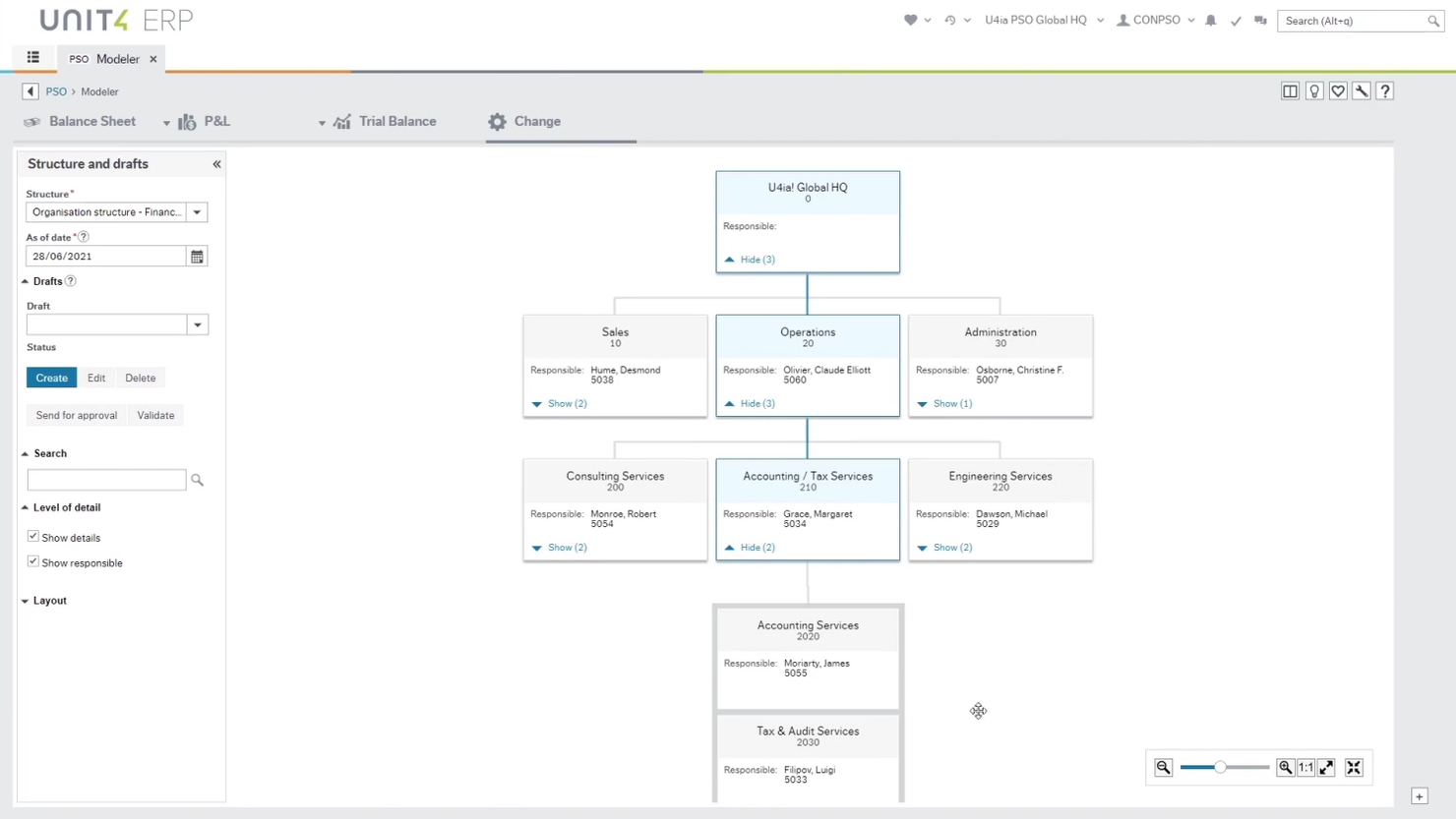
Unit4 offre soluzioni software aziendali basate su cloud progettate per aumentare la produttività e la collaborazione. È la soluzione migliore per il software aziendale orientato alle persone perché si concentra sul miglioramento dell'esperienza lavorativa dei dipendenti, aumentando così le prestazioni complessive dell'organizzazione.
Perché ho scelto Unit4: Unit4 pone una forte enfasi sulle soluzioni incentrate sulle persone, che la distingue dagli altri sistemi ERP. Il suo software è progettato per aiutare le organizzazioni a concentrarsi su ciò che conta di più: le loro persone. Questo lo rende la scelta ideale per le organizzazioni non profit che danno priorità al coinvolgimento e alla produttività dei dipendenti.
Caratteristiche principali e integrazioni:
Le funzionalità includono una piattaforma basata su cloud, gestione finanziaria, gestione delle risorse umane, gestione dei progetti, approvvigionamento, gestione degli asset, gestione delle spese, analisi e reportistica, automazione del flusso di lavoro, supporto multivaluta, supporto multilingue, accessibilità mobile, capacità di integrazione, interfaccia intuitiva e accesso ai dati in tempo reale.
Le integrazioni includono Microsoft Office 365, Salesforce, SAP, Oracle, Google Workspace, Slack, Zoom, Docusign, QuickBooks e PayPal.
Pros and Cons
Pros:
- Design incentrato sulle persone
- Soluzioni ERP complete
- Modelli specifici per settore
Cons:
- Opzioni di personalizzazione limitate
- Risorse gratuite limitate

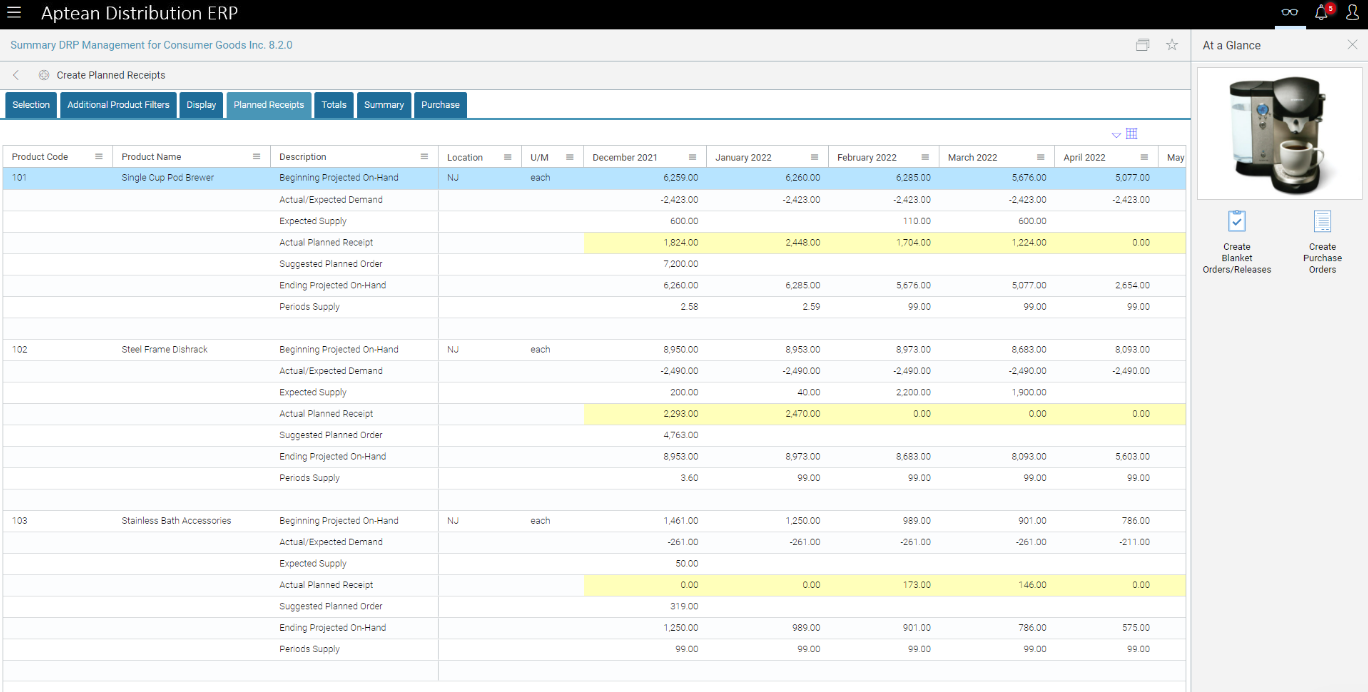
Aptean offre soluzioni software aziendali su misura progettate per soddisfare le esigenze specifiche di diversi settori. Si distingue nell’offrire funzionalità specializzate pensate per i requisiti particolari delle industrie, rendendolo il migliore per soluzioni software aziendali specifiche per settore.
Perché ho scelto Aptean: Aptean si focalizza fortemente sulla fornitura di soluzioni mirate alle esigenze specifiche di settore, differenziandosi dagli altri fornitori di ERP. La sua capacità di adattare il software alle esigenze uniche dei diversi settori permette alle organizzazioni di raggiungere la massima efficienza ed efficacia. Inoltre, il software offre funzionalità specializzate che rispondono ai requisiti unici di vari comparti.
Funzionalità e integrazioni principali:
Le funzionalità includono gestione delle relazioni con i clienti, gestione della catena di approvvigionamento, sistemi di esecuzione della produzione, gestione finanziaria, gestione delle risorse umane, business intelligence, gestione del ciclo di vita del prodotto, gestione della conformità e della qualità, gestione degli asset e gestione del magazzino.
Le integrazioni includono Microsoft Dynamics, Salesforce, QuickBooks, SAP, Oracle, IBM, Google Analytics, HubSpot, Shopify e Amazon Web Services (AWS).
Pros and Cons
Pros:
- Soluzioni specifiche per settore
- Analisi avanzate
- Opzioni di implementazione flessibili
Cons:
- Può richiedere personalizzazione
- Opzioni di prova gratuita limitate
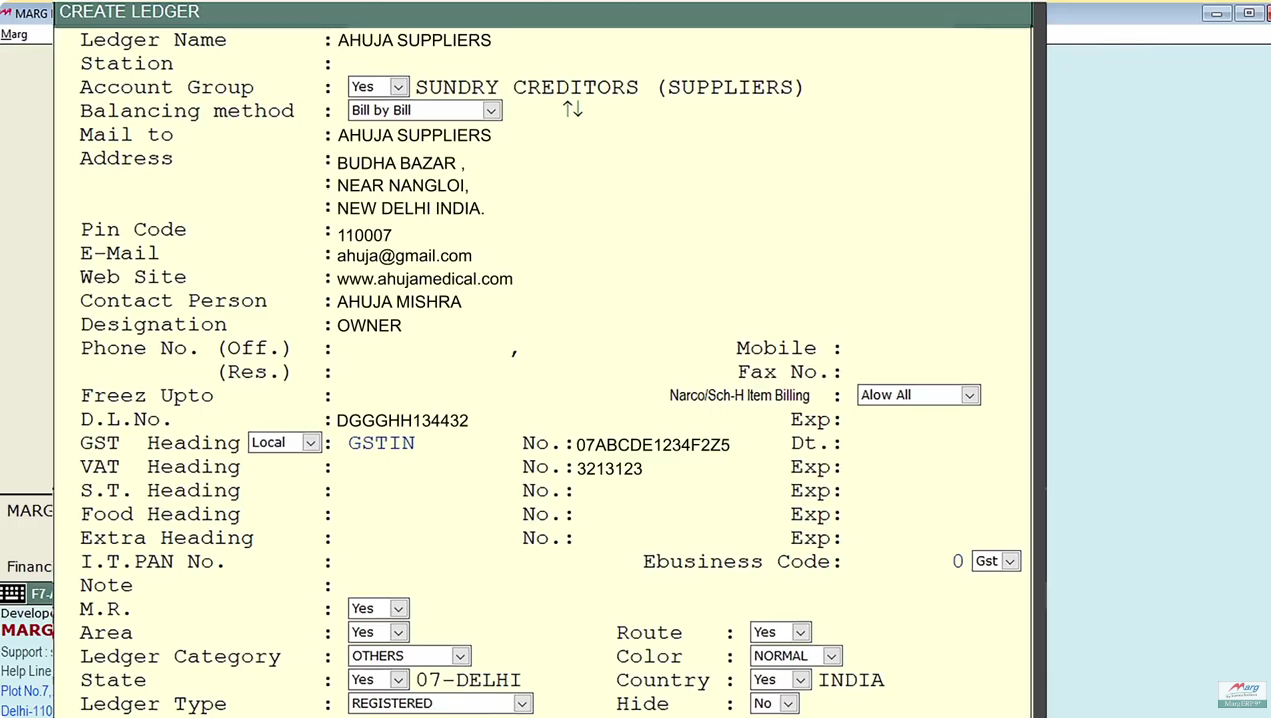
Marg ERP 9+ è un software avanzato per le aziende che eccelle nella fatturazione GST e nella gestione dell'inventario. Come soluzione ERP, offre un'ampia gamma di funzionalità per ottimizzare in modo efficace le operazioni aziendali.
Perché ho scelto Marg ERP 9+: Marg ERP 9+ offre agli utenti funzionalità avanzate specifiche per la fatturazione GST e la gestione dell'inventario. Dopo aver confrontato diversi strumenti, Marg ERP 9+ si è distinto grazie alla sua interfaccia intuitiva e alle capacità estese. È particolarmente efficace per le aziende che desiderano semplificare la conformità fiscale e i processi di gestione dell'inventario.
Caratteristiche principali & integrazioni:
Le caratteristiche includono gestione dell'inventario, contabilità, fatturazione, gestione buste paga, conformità GST, generazione di codici a barre, gestione ordini, integrazione con app mobile, supporto multi-valuta, integrazione e-commerce, gestione relazioni con i clienti, reportistica finanziaria, controllo degli accessi utente, dashboard personalizzabili e gestione del processo produttivo.
Le integrazioni includono Retail App, eOrder App, eOwner App, SFAXpert, PharmaNXT, GPS Tracking App, MargMart e Marg Pay.
Pros and Cons
Pros:
- Gestione completa della fatturazione GST
- Gestione dell'inventario robusta
- Ampie funzionalità specifiche per vari settori
Cons:
- Opzioni di personalizzazione limitate
- È necessaria una formazione per l'uso ottimale

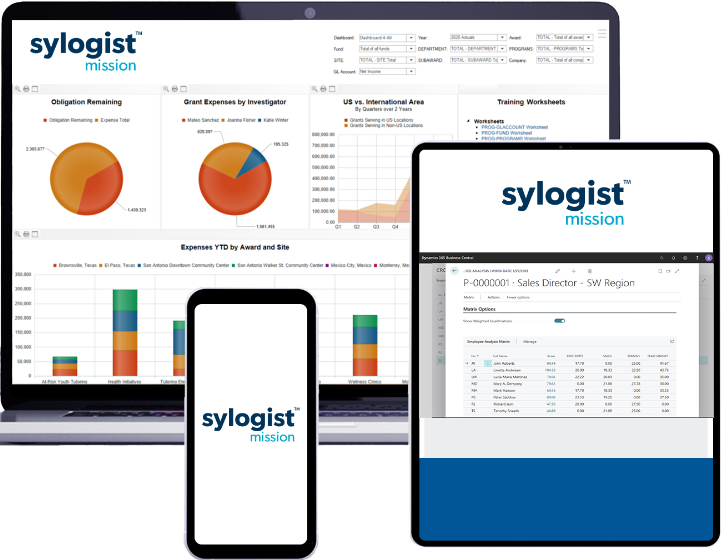
Sylogist fornisce soluzioni ERP avanzate su misura per organizzazioni non profit, ONG e enti del settore pubblico. È particolarmente noto per le sue capacità specializzate nella gestione finanziaria e nella contabilità dei fondi, che semplificano le operazioni e migliorano la trasparenza.
Perché ho scelto Sylogist: Sylogist offre agli utenti soluzioni ERP specializzate progettate appositamente per il settore non profit e pubblico. Il suo focus sulla contabilità dei fondi e la gestione finanziaria lo distingue dalle altre soluzioni ERP. Inoltre, il software propone funzionalità dedicate che rispondono alle esigenze specifiche di queste organizzazioni, garantendo conformità ed efficienza operativa.
Caratteristiche e integrazioni principali:
Le funzionalità includono piattaforma basata su cloud, gestione finanziaria integrata, gestione delle sovvenzioni, contabilità dei fondi, approvvigionamento e acquisti, gestione delle retribuzioni e delle risorse umane, budgeting e previsione, reportistica personalizzata e analisi, preparazione alla conformità e agli audit, controlli di accesso basati sui ruoli, accesso mobile e capacità di lavoro da remoto, design scalabile e modulare e un'interfaccia intuitiva.
Le integrazioni includono Microsoft Dynamics 365, Power BI, Salesforce, QuickBooks, PayPal, Stripe, Google Analytics, Mailchimp, Slack e Zoom.
Pros and Cons
Pros:
- Funzionalità di conformità integrate
- Gestione finanziaria completa
- Solida contabilità dei fondi
Cons:
- Limiti di scalabilità per aziende di grandi dimensioni
- Possibile complessità nelle integrazioni


Absolute ERP è un software ERP per la produzione basato su cloud progettato per ottimizzare i processi di produzione e operativi. È particolarmente noto per le sue funzionalità personalizzabili che si rivolgono specificamente al settore manifatturiero, permettendo alle aziende di adattare il software alle proprie esigenze uniche.
Perché ho scelto Absolute ERP: Absolute ERP offre agli utenti una forte attenzione all'industria manifatturiera e soluzioni ERP altamente personalizzabili. Questo lo distingue da altri sistemi ERP che potrebbero non fornire lo stesso livello di flessibilità e funzionalità specifiche per il settore. Il software consente alle aziende di adattarsi ai propri flussi di lavoro produttivi specifici, garantendo una migliore gestione delle risorse e una maggiore efficienza operativa.
Funzionalità principali & integrazioni:
Le funzionalità includono gestione della produzione, distinta base dei materiali, pianificazione della richiesta dei materiali, programmazione della produzione e gestione dell'inventario.
Le integrazioni includono Microsoft SQL Server, .NET e varie applicazioni Microsoft Office.
Pros and Cons
Pros:
- Altamente personalizzabile
- Funzionalità specifiche del settore
- Ottime capacità di integrazione
Cons:
- Potrebbe richiedere un'ampia configurazione
- Limitato al settore manifatturiero
Altri ERP per organizzazioni non profit
L’ERP per organizzazioni non profit è un software appositamente progettato che integra operazioni fondamentali come la contabilità dei fondi, il monitoraggio di donazioni e promesse di donazione, la supervisione delle sovvenzioni e la reportistica sulla conformità in un’unica piattaforma semplificata. Per i professionisti della finanza nel settore non profit, questo tipo di sistema può liberare tempo, ridurre gli errori manuali e fare chiarezza sui fondi vincolati e non vincolati in più sedi.
Ho trascorso anni lavorando al fianco dei team finanziari di organizzazioni non profit e comprendo la pressione necessaria per garantire trasparenza e una gestione responsabile senza spendere eccessivamente. Non state solo scegliendo un software: state scegliendo un partner che deve sostenere la vostra missione, soddisfare i requisiti delle sovvenzioni e superare gli audit. L’ERP sbagliato può portare a una reportistica inadeguata, alla perdita di finanziamenti o all’esaurimento del team. E diciamolo chiaramente: il vostro margine di errore è più ridotto rispetto a quello della maggior parte delle organizzazioni.
Per questo ho investito oltre 40 ore nella ricerca, nei test e nel confronto delle principali soluzioni ERP per organizzazioni non profit. Questo elenco è pensato per aiutarvi a trovare un sistema affidabile e in linea con la vostra missione, che rispetti il vostro budget e i vostri obiettivi.
Di seguito trovate un elenco di ulteriori software ERP per organizzazioni non profit che ho selezionato. Sebbene non siano rientrati tra i primi 10, sono comunque validi e meritano ulteriori ricerche.
- LEAD Accounting Plus
Ideale per contabilità e gestione dell'inventario in tempo reale
- Priority
Ideale per ERP cloud flessibili e scalabili
- Hiverbrite
Ideale per la gestione della community


Come Valuto gli ERP per Organizzazioni Non Profit
Divido la mia valutazione in due livelli: criteri di base che lo strumento deve soddisfare—come contabilità per fondi, monitoraggio delle sovvenzioni e report FASB—e elementi differenzianti che separano le opzioni più forti.
Funzionalità Principali (Requisiti Minimi per Questa Lista)
Quando scelgo gli strumenti per la mia lista, ne valuto ognuno su una scala da 0 (non offre la funzionalità) a 5 (eccelle in quest'area) per ciascuna funzionalità principale elencata di seguito. Quindi, calcolo il punteggio totale dello strumento in percentuale. Ogni strumento deve raggiungere un punteggio minimo totale del 65% per essere considerato per l'inclusione.
- Contabilità per Fondi: Verifico se la piattaforma separa nativamente gli attivi vincolati e non vincolati, gestisce trasferimenti tra fondi e automatizza il rilascio delle restrizioni a livello di fondo.
- Monitoraggio delle Sovvenzioni & Donatori: Ogni strumento dovrebbe permettere di collegare le spese ai budget di specifiche sovvenzioni così da poter eseguire confronti tra preventivo e consuntivo per ciascun finanziatore senza dover ricorrere manualmente ai fogli di calcolo.
- Reporting Finanziario per Non Profit: Cerco rendiconti preimpostati come il Rendiconto delle Attività, lo Stato Patrimoniale e i report delle spese funzionali, oltre al supporto per il Modulo 990 che si collega direttamente al piano dei conti generale.
- Piano dei Conti Multi-Dimensionale: Il piano dei conti dovrebbe supportare la classificazione delle transazioni per programma, fondo, sovvenzione, sede e tipo di restrizione per consentire una rendicontazione trasversale.
- Strumenti di Pianificazione e Previsione: Valuto se la piattaforma supporta budget a livello di sovvenzione e programma con controllo delle versioni, così il tuo team può simulare scenari su più anni fiscali.
- Moduli ERP Base: Contabilità fornitori, clienti, generale, gestione della liquidità e flussi di approvvigionamento dovrebbero essere tutti all'interno dello stesso sistema, senza dover ricorrere a strumenti aggiuntivi per le operazioni di base.
Dopo aver individuato gli strumenti che soddisfano questi criteri, considero cosa distingue ciascuna piattaforma.
Fattori Differenzianti (Cosa Distingue i Fornitori)
Ecco come confronto e metto a contrasto i diversi fornitori:
Caratteristiche Distintive
Le allocazioni automatizzate dei costi sono fondamentali qui—cerco motori basati su regole che distribuiscano le spese condivise come affitti o IT tra programmi e categorie funzionali senza registrazioni manuali mensili in contabilità. La consolidazione multi-ente è un altro elemento chiave, soprattutto per le organizzazioni con sedi regionali o uffici internazionali che necessitano di aggregazioni in tempo reale. Valuto anche le integrazioni con strumenti di raccolta fondi/CRM, poiché collegare piattaforme come Raiser's Edge o Salesforce NPSP al piano dei conti generale elimina problemi di riconciliazione tra i team di sviluppo e finanza.
Oltre le Caratteristiche
La conformità normativa e la preparazione all'audit pesano molto nella mia valutazione—verifico se una piattaforma supporta la rendicontazione FASB ASC 958 e la preparazione per audit e controlli specifici, poiché questi influenzano direttamente la chiusura di fine anno e la fiducia dei finanziatori. Anche il costo totale di proprietà è importante perché i budget delle non profit sono ridotti; analizzo come la tariffazione cresce aggiungendo utenti, enti o moduli. Considero inoltre se il fornitore abbia una divisione dedicata alle non profit con partner di implementazione che comprendano i flussi di lavoro della contabilità per fondi, non solo consulenti ERP generici.
Come scegliere un ERP per organizzazioni non profit
Scegliere un ERP per organizzazioni non profit può diventare rapidamente complicato. Per aiutarvi a confrontare chiaramente le opzioni ERP, ho creato questa semplice checklist. Ecco cosa dovreste chiedervi durante il percorso di scelta del software:
| Fattore | Cosa considerare |
|---|---|
| Scalabilità | L'ERP crescerà insieme alla tua organizzazione non profit? Considera l'espansione futura e la capacità di gestire un aumento dei dati e degli utenti senza problemi di prestazioni. |
| Integrazioni | Si connette agli strumenti che già utilizzi? Assicurati che supporti i software che usi già, come il CRM o il software di contabilità, per evitare silos di dati e inefficienze. |
| Personalizzazione | Puoi adattarlo ai tuoi processi? Cerca flessibilità nei flussi di lavoro e nei report, in modo da soddisfare le esigenze specifiche della tua organizzazione senza ricorrere a costose codifiche personalizzate. |
| Semplicità d'uso | È facile da usare per il tuo team? Scegli interfacce intuitive e una navigazione chiara per ridurre al minimo il tempo di formazione e gli errori. |
| Implementazione e inserimento | Come si svolge il processo di inserimento? Valuta il tempo e le risorse necessari per una transizione fluida e una formazione efficace del team. |
| Costo | Rientra nel tuo budget? Valuta il costo totale di proprietà, comprese licenze, assistenza ed eventuali costi nascosti, per garantire la sostenibilità finanziaria. |
| Misure di sicurezza | Come protegge i tuoi dati? Verifica gli standard di crittografia, i controlli degli accessi degli utenti e la conformità alle normative sulla protezione dei dati per salvaguardare le informazioni sensibili. |
| Disponibilità dell'assistenza | Quale assistenza offre il fornitore? Verifica la disponibilità di un servizio clienti reattivo, risorse formative e assistenza continua per supportare il tuo team quando necessario. |
Tendenze degli ERP per le organizzazioni non profit
Quando ho esaminato i software, ho analizzato gli aggiornamenti dei prodotti e le note di rilascio dei principali ERP per le organizzazioni non profit. Cosa è emerso? Un orientamento verso funzionalità allineate alla missione, a prezzi sensati. Se gestisci le finanze di più sedi, ecco alcune tendenze più importanti che mai:
- Adozione degli ERP cloud: Le organizzazioni non profit stanno passando alle soluzioni ERP cloud per aumentare la flessibilità e ridurre i costi. Questa tendenza è importante perché consente alle organizzazioni di accedere a strumenti avanzati precedentemente disponibili solo per le grandi imprese, permettendo una migliore gestione delle risorse e una maggiore efficienza operativa.
- Strumenti di pianificazione e analisi finanziaria (FP&A): L'integrazione degli strumenti FP&A nei sistemi ERP sta diventando importante per le organizzazioni non profit. Questi strumenti aiutano le organizzazioni a monitorare i budget e a pianificare in modo più efficace la distribuzione delle risorse, favorendo una maggiore indipendenza finanziaria ed efficienza.
- Gestione mobile dei donatori: Con la crescita delle donazioni in abbonamento, le funzionalità mobili per la gestione dei donatori stanno guadagnando terreno. Questa tendenza è significativa perché consente alle organizzazioni non profit di coinvolgere i donatori in modo più efficace e di semplificare i processi di donazione, migliorando nel complesso le attività di raccolta fondi.
- Integrazione dell'IA e dell'apprendimento automatico: I sistemi ERP incorporano sempre più spesso l'IA e l'apprendimento automatico per l'analisi predittiva e l'automazione intelligente. Questa tendenza è interessante perché consente alle organizzazioni non profit di prendere decisioni basate sui dati, ottimizzare i processi e migliorare l'erogazione dei servizi.
- Soluzioni ERP personalizzabili: Le organizzazioni non profit cercano soluzioni ERP adattabili alle loro esigenze specifiche, come la gestione delle sovvenzioni e il monitoraggio dei donatori. Questa tendenza è importante perché garantisce che i sistemi ERP possano supportare i requisiti operativi specifici dei diversi settori non profit.
Che cos'è un ERP per le organizzazioni non profit?
Un ERP per le organizzazioni non profit è un software di pianificazione delle risorse aziendali sviluppato appositamente per aiutare le organizzazioni non profit a gestire funzioni fondamentali come contabilità, raccolta fondi, relazioni con i donatori e conformità all'interno di un unico sistema integrato.
Il software ERP per le organizzazioni non profit centralizza attività quali la contabilità dei fondi, la gestione delle sovvenzioni, il coordinamento dei volontari e la reportistica. Questo aiuta le organizzazioni non profit a ridurre i costi amministrativi generali, monitorare con precisione i fondi vincolati e soddisfare facilmente i requisiti normativi. È ideale per le organizzazioni non profit che necessitano di strumenti scalabili per gestire la crescita rimanendo concentrate sulla propria missione.
Funzionalità degli ERP per le organizzazioni non profit
L'ERP giusto per le organizzazioni non profit contribuisce a sostenere la tua missione con funzionalità chiave come il coordinamento dei volontari e la reportistica in tempo reale. Altre funzionalità da cercare includono:
- Contabilità dei fondi: questa funzione consente alle organizzazioni non profit di gestire più fondi con finalità e restrizioni diverse, garantendo una tenuta accurata dei registri e la conformità alle intenzioni dei donatori e ai requisiti normativi.
- Budget: i sistemi ERP offrono accesso in tempo reale alle informazioni finanziarie, facilitando la creazione e la gestione di budget che tengono conto di tutte le fonti di entrata e delle spese, aspetto fondamentale per la stabilità finanziaria e la conformità.
- Gestione delle sovvenzioni: questa funzione aiuta le organizzazioni non profit a gestire l'intero ciclo di vita delle sovvenzioni, dalla richiesta alla rendicontazione, garantendo la conformità ai requisiti delle sovvenzioni e fornendo una solida traccia di controllo.
- Gestione dei donatori: i sistemi ERP offrono strumenti per gestire le informazioni sui donatori, tenere traccia delle donazioni e generare report, migliorando la comunicazione e la costruzione di relazioni con i donatori.
- Gestione dei volontari: questa funzione aiuta a tenere traccia delle informazioni sui volontari, gestire i calendari e coordinare le attività, garantendo un utilizzo efficiente delle risorse dei volontari.
- Report e dashboard: i sistemi ERP forniscono report e dashboard personalizzabili che offrono visibilità in tempo reale sui principali indicatori, aiutando le organizzazioni non profit a prendere decisioni informate e a dimostrare trasparenza alle parti interessate.
- Gestione della conformità: i sistemi ERP integrano normative e linee guida specifiche del settore, automatizzando la conformità e garantendo che le organizzazioni non profit soddisfino tutti i requisiti legali e normativi.
- Gestione dell'inventario: questa funzione è essenziale per le organizzazioni non profit che gestiscono beni fisici, aiutandole a monitorare i livelli delle scorte, gestire l'inventario e garantire un'adeguata allocazione delle risorse.
- Gestione delle risorse umane: i sistemi ERP automatizzano attività delle risorse umane come l'inserimento dei nuovi dipendenti, la gestione delle buste paga e dei benefit, lasciando al personale delle risorse umane più tempo da dedicare alle iniziative strategiche.
- Gestione centralizzata dei dati: consolidando i dati provenienti da ogni parte dell'organizzazione in un unico archivio, i sistemi ERP eliminano i silos di dati, migliorano la comunicazione interna e supportano un processo decisionale più efficace.
Vantaggi degli ERP per le organizzazioni non profit
Con un ERP per organizzazioni non profit, puoi mantenere l'organizzazione, la responsabilità e l'allineamento alle normative. Oltre a semplificare i flussi di lavoro, la soluzione giusta per la tua organizzazione non profit ti aiuterà con:
- Migliore gestione finanziaria: i sistemi ERP forniscono strumenti solidi per la gestione di fondi, sovvenzioni e budget. Ciò garantisce che le organizzazioni non profit possano monitorare e rendicontare con precisione l'utilizzo dei fondi, aspetto importante per mantenere la fiducia dei donatori e la conformità normativa.
- Migliore gestione di donatori e volontari: grazie ai moduli CRM integrati, gli ERP aiutano le organizzazioni non profit a conservare registri dettagliati delle interazioni con donatori e volontari. Ciò consente una comunicazione e un coinvolgimento più personalizzati, favorendo relazioni più solide e tassi di fidelizzazione più elevati.
- Operazioni semplificate: automatizzando le attività di routine e centralizzando i dati, gli ERP riducono il carico amministrativo sul personale delle organizzazioni non profit. Ciò consente di concentrarsi maggiormente sulle iniziative strategiche e sulle attività legate alla missione, invece di rimanere assorbiti dalle operazioni quotidiane.
- Report accurati e tempestivi: gli ERP automatizzano la generazione di report complessi, garantendo accuratezza e risparmiando tempo. Questo è essenziale per dimostrare la responsabilità alle parti interessate, ai membri del consiglio e ai donatori, oltre che per soddisfare i requisiti normativi.
- Riduzione dei costi: ottimizzando l'allocazione delle risorse e riducendo la necessità di utilizzare più sistemi autonomi, gli ERP aiutano le organizzazioni non profit ad abbassare i costi generali. Ciò significa che è possibile destinare più fondi alle attività fondamentali per la missione anziché alle spese amministrative.
Costi e prezzi degli ERP per le organizzazioni non profit
Gli ERP per organizzazioni non profit sono disponibili in molte configurazioni. Il costo dipende dalle funzionalità, dagli utenti e dagli extra. Ecco una rapida panoramica dei piani comuni, dei prezzi medi e di ciò che ciascuno include generalmente:
Tabella comparativa dei piani ERP per le organizzazioni non profit
| Tipo di piano | Prezzo medio | Funzionalità comuni |
|---|---|---|
| Piano gratuito | $0-$10/utente/mese | Accesso agli strumenti di base, opzioni di personalizzazione limitate e supporto della comunità. |
| Piano personale | $10-$25/utente/mese | Report di base, supporto via e-mail e integrazioni essenziali. |
| Piano aziendale | $25-$50/utente/mese | Report avanzati, supporto prioritario e più integrazioni. |
| Piano per grandi imprese | Prezzo personalizzato | Responsabile dell'account dedicato, flussi di lavoro personalizzati e supporto di livello superiore. |
Domande frequenti sugli ERP per organizzazioni non profit
Ecco alcune domande frequenti che ho ricevuto sugli ERP per organizzazioni non profit.
In che modo un sistema ERP può migliorare la gestione finanziaria delle organizzazioni non profit?
Un sistema ERP può migliorare significativamente la gestione finanziaria delle organizzazioni non profit fornendo visibilità in tempo reale sui dati finanziari, automatizzando le attività contabili di routine e garantendo un monitoraggio accurato dei fondi. Aiuta a gestire i budget, monitorare le spese e generare report finanziari essenziali per la trasparenza e la responsabilità. Inoltre, i sistemi ERP possono gestire requisiti complessi di contabilità dei fondi, assicurando che i fondi vengano utilizzati in conformità alle restrizioni dei donatori e alle linee guida normative.
In che modo un sistema ERP può aiutare nella gestione dei donatori?
Un sistema ERP può migliorare la gestione dei donatori fornendo strumenti per monitorare e analizzare le interazioni con i donatori, gestire le campagne di raccolta fondi e generare report dettagliati sui contributi ricevuti. Aiuta a mantenere un database completo dei donatori, a segmentarli per comunicazioni mirate e ad automatizzare i messaggi di ringraziamento e le ricevute. Questo porta a una maggiore fidelizzazione dei donatori e a iniziative di raccolta fondi più efficaci.
Quali difficoltà potrebbero incontrare le organizzazioni non profit nell'implementazione di un sistema ERP?
Le organizzazioni non profit possono incontrare diverse difficoltà nell’implementazione di un sistema ERP, tra cui:
- Costi: L’investimento iniziale e i costi continuativi possono essere significativi, soprattutto per le organizzazioni non profit più piccole.
- Gestione del cambiamento: Il personale potrebbe opporsi ai cambiamenti dei processi consolidati e avere bisogno di formazione per adattarsi al nuovo sistema.
- Migrazione dei dati: Il trasferimento dei dati dai sistemi esistenti al nuovo ERP può essere complesso e richiedere molto tempo.
- Personalizzazione: Le organizzazioni non profit potrebbero dover personalizzare il sistema ERP per adattarlo alle proprie esigenze specifiche, aumentando i tempi e i costi di implementazione.
Come possono le organizzazioni non profit garantire un'implementazione ERP efficace?
Per garantire un’implementazione ERP efficace, le organizzazioni non profit dovrebbero:
- Condurre una valutazione delle esigenze: Identificare le esigenze e gli obiettivi specifici dell’organizzazione per scegliere il sistema ERP più adatto.
- Coinvolgere le parti interessate: Coinvolgere le principali parti interessate nel processo decisionale per garantire consenso e supporto.
- Pianificare accuratamente: Sviluppare un piano di implementazione dettagliato con tempistiche, responsabilità e traguardi chiari.
- Fornire formazione: Offrire una formazione completa al personale per garantire che si senta a proprio agio nell’utilizzo del nuovo sistema.
- Monitorare e valutare: Monitorare costantemente il processo di implementazione e valutare le prestazioni del sistema per apportare gli adeguamenti necessari.
E adesso?
Pronto a sviluppare ulteriormente le tue competenze come professionista della finanza? Iscriviti alla nostra newsletter gratuita.