

Recensione di HubSpot CRM: Vantaggi, Svantaggi, Caratteristiche e Prezzi Spiegati
HubSpot CRM si distingue per la sua interfaccia intuitiva e l'automazione avanzata, rendendolo ideale per gli studi contabili che cercano soluzioni CRM scalabili e focalizzate sul cliente.

Recensiamo gli strumenti in modo indipendente e le commissioni aiutano a finanziare i nostri test. Consulta la nostra politica sulla trasparenza, la nostra metodologia, oppure suggerisci uno strumento.
HubSpot CRM is an accounting CRM for finance and accounting teams that need to manage client pipelines, centralize contact data, and track deals without relying on spreadsheets or disconnected tools. If you're weighing it against Salesforce, HubSpot CRM is worth a serious look when you want a shorter setup time and a more accessible interface—without giving up the automation and reporting features your team needs day-to-day.
HubSpot CRM Evaluation Summary
4.4/5
- From $7/user/month
- Free plan available
Perché fidarsi dei nostri consigli sui software
6,700+
Reviews
20
Industry experts
16+
Evaluation factors
14
Years
Le nostre recensioni riflettono il nostro giudizio indipendente, non un discorso di vendita. Scopri come manteniamo la trasparenza.
Per questa guida, abbiamo valutato gli strumenti attraverso test pratici e ricerche indipendenti, assegnando un punteggio agli strumenti in base ai nostri criteri di selezione.
Le nostre recensioni riflettono il nostro giudizio editoriale umano, non un discorso di vendita.
HubSpot CRM Overview
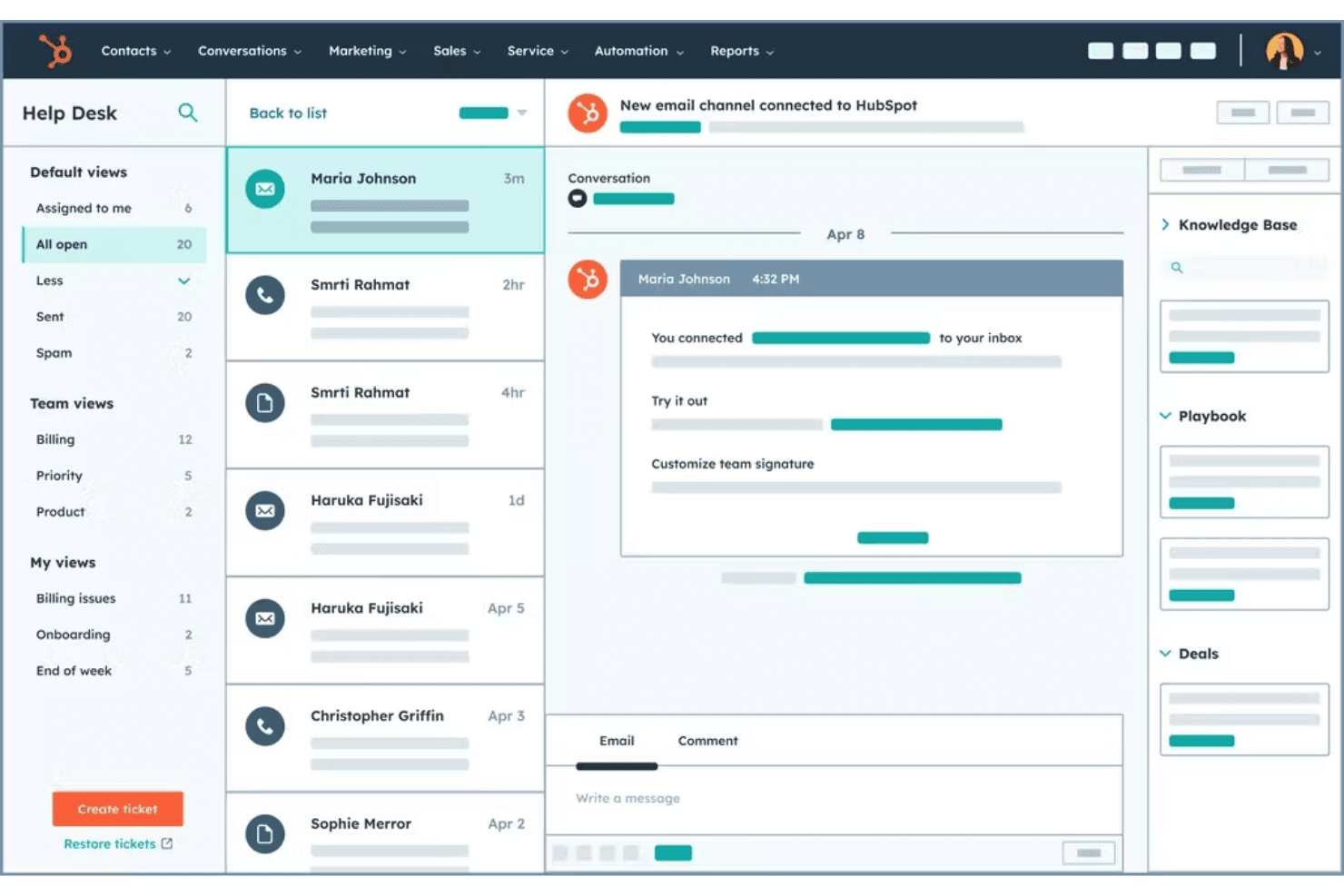
If you're judging HubSpot CRM as accounting CRM software, I think its intuitive interface, strong automation, and deep integration options set it apart for firms that want quick onboarding and scalable workflows. The free version is generous, but advanced features can get pricey as you grow. Compared to other providers, HubSpot CRM's support and documentation are reliable, and its customizable dashboards make client tracking easy. I'd suggest it's best for accounting teams who value flexibility, need to connect with other business tools, and want a solution that's easy to adopt without heavy IT involvement.
Pros
- Centralizes client and deal data for accounting workflows
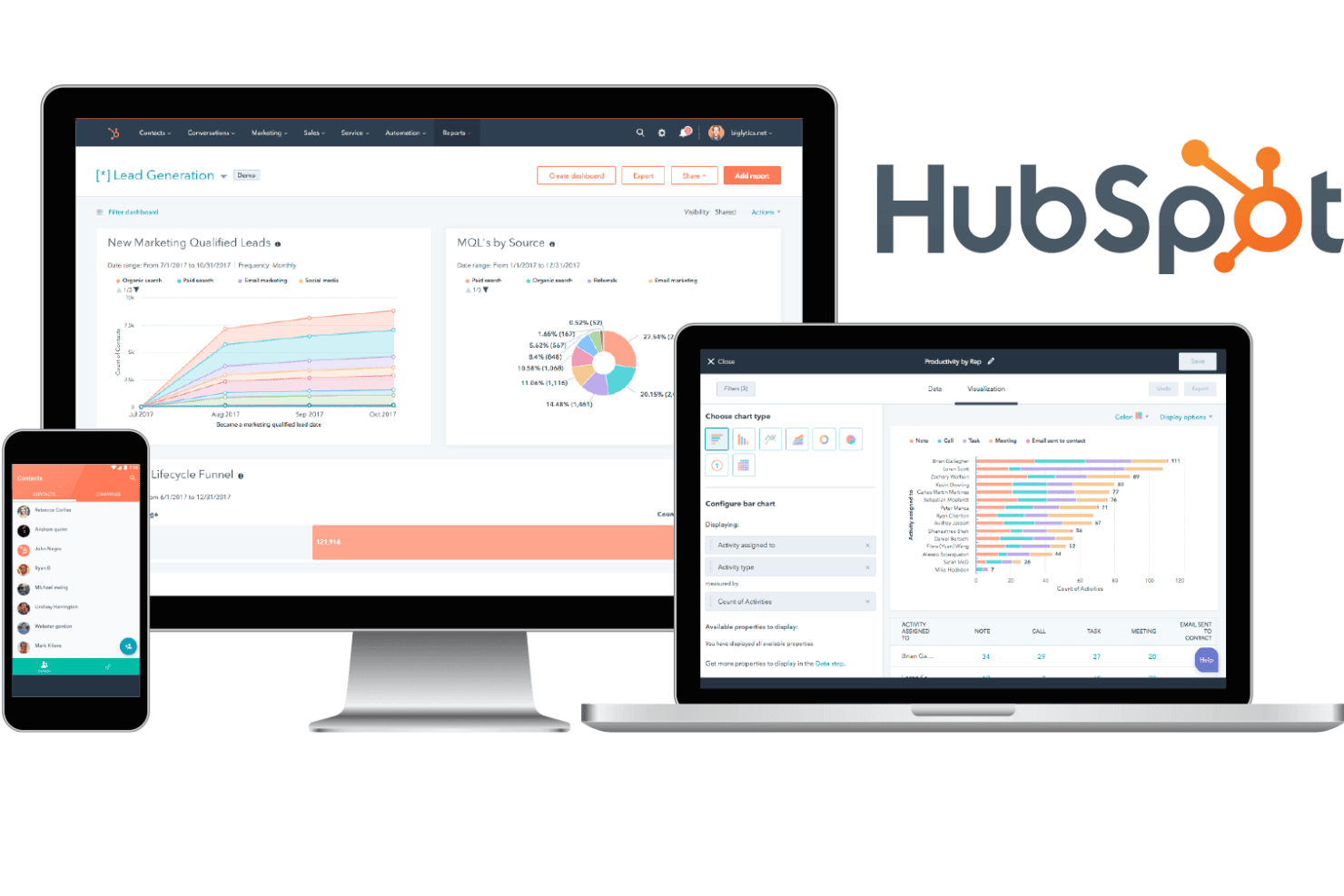
- Offers customizable dashboards for financial reporting
- Includes automated reminders for client follow-ups
Cons
- Advanced reporting features require higher-tier plans
- Lacks built-in invoice and billing management
- Pricing increases quickly as user count grows
Is HubSpot CRM Right For Your Needs?
Who Would be a Good Fit for HubSpot CRM?
HubSpot CRM is a strong choice for accounting teams in client-focused industries, fast-growing firms, and small businesses that need to centralize client communications and automate follow up sequences. Its customizable dashboards, workflow automation, and lead management tools make it especially useful for sales teams that want to improve visibility and collaboration without heavy IT support. If your business needs easy onboarding and reliable functionality, HubSpot CRM is likely to fit those business needs.
- Small Accounting FirmsHubSpot CRM's free plan and simple setup help small teams manage client pipelines.
- Professional ServicesAutomated reminders and client tracking support recurring service engagements.
- Financial AdvisorsCentralized customer data and customizable dashboards aid in compliance tracking.
- StartupsScalable plans and workflow automation suit fast-growing, resource-limited teams.
- Remote TeamsCloud-based access and collaboration tools support distributed accounting staff.
- Sales-Accounting CollaborationShared pipelines and integrated communication tools bridge sales and finance.
Who Would be a Bad Fit for HubSpot CRM?
HubSpot CRM may not be the best fit for firms needing deep accounting integrations, advanced billing, or highly specialized financial reporting. Large enterprises with complex, multi-entity structures or those requiring granular permission controls may find its feature set limiting. If your business relies on built-in invoicing or advanced analytics, you might need a more specialized CRM system.
- Large EnterprisesLimited advanced reporting and permission controls restrict complex organizations.
- Audit DepartmentsLacks built-in audit trail and compliance management features.
- Manufacturing FirmsDoes not support inventory or supply chain financial workflows.
- NonprofitsNo built-in donation or grant management for nonprofit accounting needs.
- Tax Preparation FirmsMissing integrated tax document management and filing tools.
- Multi-Entity CompaniesDoes not offer native multi-entity or consolidation features.
Come testiamo e valutiamo gli strumenti
Abbiamo impiegato anni a costruire, perfezionare e migliorare il nostro sistema di test e valutazione dei software. Il nostro schema è progettato per cogliere le sfumature della scelta del software e ciò che rende uno strumento efficace, concentrandosi sugli aspetti critici del processo decisionale. Di seguito puoi vedere esattamente come funzionano i nostri test e le nostre valutazioni in base a sette criteri. Questo ci permette di offrire una valutazione imparziale del software basata su funzionalità di base, caratteristiche distintive, facilità d’uso, onboarding, assistenza clienti, integrazioni, recensioni dei clienti e rapporto qualità-prezzo.
Funzionalità principali (25% del punteggio finale)
Il punto di partenza della nostra valutazione è sempre la funzionalità principale dello strumento. Dispone delle funzionalità base che un utente si aspetterebbe di trovare? Alcune di queste funzionalità sono riservate ai piani a pagamento più elevati? In sostanza, ci aspettiamo che uno strumento sia all’altezza delle capacità minime dei concorrenti.
Caratteristiche distintive (25% del punteggio finale)
Successivamente, valutiamo le caratteristiche distintive che vanno oltre la funzionalità principale normalmente presente negli strumenti di questo tipo. Un punteggio elevato riflette funzionalità specializzate o uniche che rendono il prodotto più rapido, efficiente o offrono valore aggiunto all’utente. Valutiamo inoltre quanto sia semplice integrare il software con altri strumenti tipicamente presenti nello stack tecnologico, per estenderne la funzionalità e l’utilità. Gli strumenti che offrono numerose integrazioni native, connessioni di terze parti e accesso API per creare integrazioni personalizzate ottengono il punteggio migliore.
Facilità d’uso (10% del punteggio finale)
Consideriamo quanto sia rapido e semplice eseguire le attività fondamentali previste dallo strumento. Un software con punteggio elevato è ben progettato, intuitivo da usare, offre app mobile, modelli predefiniti e semplifica operazioni complesse.
Onboarding (10% del punteggio finale)
Sappiamo quanto sia importante l’adozione rapida da parte del team quando si introduce una nuova piattaforma: per questo valutiamo quanto sia facile imparare e utilizzare lo strumento con una formazione minima. Valutiamo la rapidità con cui un membro del team può impostare e iniziare a utilizzare lo strumento senza esperienza pregressa. Le soluzioni con punteggio alto richiedono poco o nessun supporto.
Assistenza clienti (10% del punteggio finale)
Analizziamo quanto sia semplice e veloce ottenere aiuto tramite telefono, live chat o knowledge base. Gli strumenti e le aziende che offrono supporto in tempo reale ottengono i punteggi migliori, mentre i chatbot ricevono i punteggi più bassi.
Recensioni dei clienti (10% del punteggio finale)
Oltre ai nostri test e valutazioni, consideriamo il net promoter score dei clienti attuali e passati. Verifichiamo la probabilità che i clienti scelgano nuovamente lo strumento per le funzionalità di base. Un software con punteggio elevato riflette un net promoter score alto da parte dei clienti vecchi e attuali.
Rapporto qualità-prezzo (10% del punteggio finale)
Infine, considerando tutti gli altri criteri, valutiamo il prezzo medio dei piani base rispetto alle funzionalità principali e agli altri criteri di valutazione. I software che offrono di più, a un costo inferiore, ottengono punteggi migliori.
Core Features
Contact and Company Management
Store, organize, and track all customer interactions and company details in one place. Easily view communication history and deal status for every accounting client.
Pipeline Management
Visualize and manage sales pipeline and client onboarding stages with drag-and-drop tools. Track deal progress and forecast revenue for accounting engagements.
Task and Activity Tracking
Assign, schedule, and monitor tasks for client follow up and document requests in real-time. Automated notifications help ensure nothing falls through the cracks.
Customizable Dashboards
Build dashboards to monitor key accounting metrics, client activity, and team performance. Tailor reports to highlight outstanding invoices or upcoming deadlines.
Email Tracking and Templates
Send, track, and log emails directly from the CRM. Use email templates for recurring client communications like engagement letters or payment reminders.
Workflow Automation
Automate repetitive tasks such as client onboarding, follow up reminders, and document requests. Set triggers and actions to streamline accounting processes.
Ease of Use
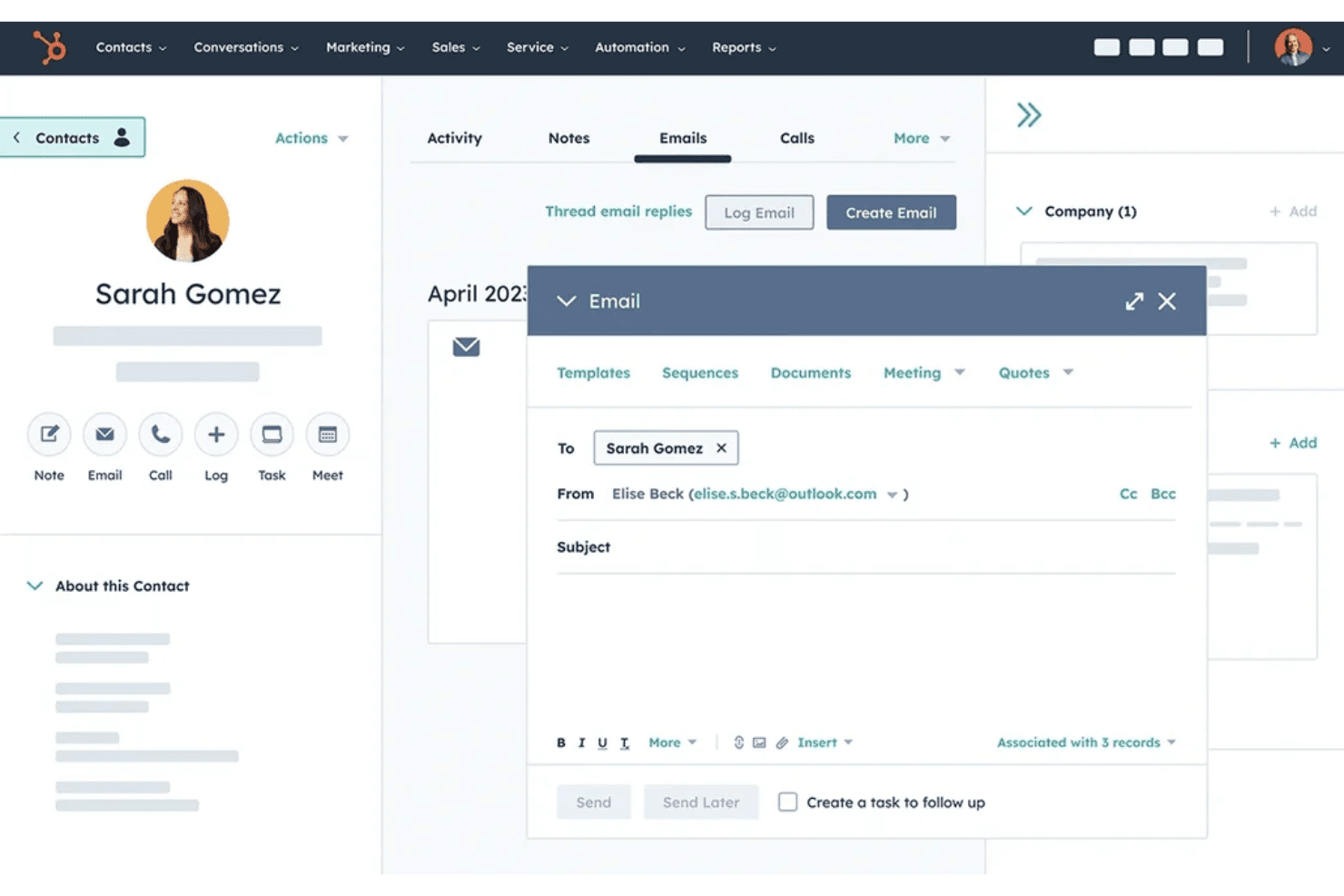
HubSpot CRM is widely recognized for its clean interface and intuitive navigation, making it easy for accounting teams to get started without extensive training. Users often mention how quickly they can set up pipelines, customize dashboards, and automate routine tasks. The drag-and-drop tools and clear menu structure help reduce onboarding time, while in-app guidance and a robust knowledge base support users at every step. This user-friendliness stands out in the accounting CRM space.
Integrations
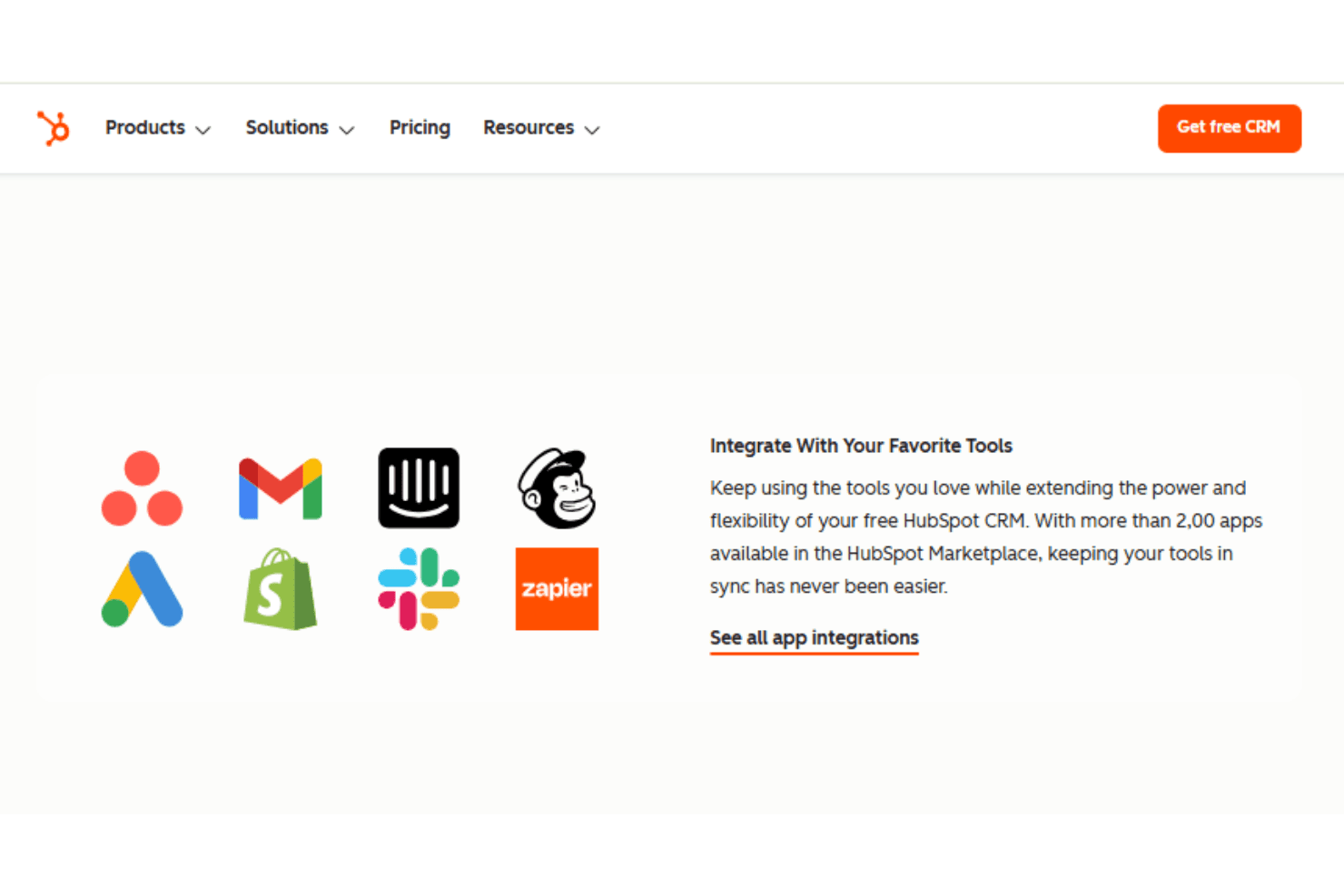
HubSpot CRM integrates with QuickBooks Online, Freshbooks, Xero, Gmail, Outlook, DocuSign, Mailchimp, Slack, and Google Calendar, among others.
HubSpot CRM also offers a robust API and connects with third-party integration tools like Zapier for expanded automation and connectivity.
HubSpot CRM Specs
- 2-Factor Authentication: Yes
- API: Yes
- Calendar Management: Yes
- Call Tracking: Yes
- Campaign Management: Yes
- Click-to-Dial: Yes
- Contact Management: Yes
- Contact Sharing: Yes
- Custom Data Forms: Yes
- Customer Management: Yes
- Dashboard: Yes
- Data Export: Yes
- Data Import: Yes
- Data Visualization: Yes
- Email Integration: Yes
- External Integrations: Yes
- File Sharing: Yes
- File Transfer: Yes
- Google Apps Integration: Yes
- Lead Management: Yes
- Lead Scoring: Yes
- Marketing Automation: Yes
- Mobile App: Yes
- Multi-User: Yes
- Notifications: Yes
- Pipeline Management: Yes
- Sales Automation: Yes
- Scheduling: Yes
- Social-Media Integration: Yes
- Task Scheduling/Tracking: Yes
- Third-Party Plugins/Add-Ons: Yes


