

10 Best Automotive ERP Software 2026

Best Automotive ERP Software Shortlist


Automotive ERP software brings inventory management, production scheduling, and financial reporting into one system. It makes things more efficient, cuts costs, and sharpens your decision-making. Basically, it helps you get your business in top gear. However, choosing the right automotive ERP software can be a headache—there are so many out there!
If you’re looking to manage your automotive business more effectively, picking the best tool is key. With my years of experience using all kinds of financial management tools, I’m here to help you nail down the right choice. Here are my top picks for automotive ERP software.
Why Trust Our Software Recommendations
Our team has been testing and reviewing software since 2012. As finance leaders ourselves, we know how difficult—and important—it is to choose the right software.
For this guide, we evaluated tools using hands-on testing and independent research, scoring tools using our selection criteria.
Our reviews reflect our human editorial judgment, not a sales pitch.
Automotive ERP Software Comparison Table
Use this comparison table to review pricing details for my top automotive ERP software selections.
| Tool | Best For | Trial Info | Price | ||
|---|---|---|---|---|---|
| 1 | Best for inventory management | 30-day free trial | From $50/user/month | Website | |
| 2 | Best for scalable supply chain planning | Free demo available | Pricing upon request | Website | |
| 3 | Best for real-time supply chain visibility | Free demo available | Pricing upon request | Website | |
| 4 | Best for aftermarket data analytics | Free demo available | Pricing upon request | Website | |
| 5 | Best for custom manufacturing operations | Free demo available | Pricing upon request | Website | |
| 6 | Best for cloud-based automotive ERP solutions | Free demo available | Pricing upon request | Website | |
| 7 | Best for adaptive ERP with industry best practices | Not available | Pricing upon request | Website | |
| 8 | Best for comprehensive manufacturing execution | Free demo available | Pricing upon request | Website | |
| 9 | Best for full transparency along the supply chain | Free demo available | Pricing upon request | Website | |
| 10 | Best for customizable ERP solutions | Free demo available | Pricing upon request | Website |
Best Automotive ERP Software Reviews
This section provides an in-depth analysis and overview of each automotive ERP software. I will walk through the pros and cons of each tool, their features, and their best use cases.

Best for inventory management

Cetec ERP is a cloud-based, full-suite manufacturing ERP that covers production planning, shop floor management, inventory control, quality management, and integrated financials in a single platform.
Who Is Cetec ERP Best For?
Cetec ERP is a good fit for small to mid-sized manufacturers that need a full-suite ERP without the cost or complexity of enterprise-tier systems.
Why I Picked Cetec ERP
Cetec ERP earns its spot on my shortlist because its inventory management goes well beyond basic stock tracking. I particularly like how it combines lot and serial traceability, location control, and mobile barcode scanning into one connected system, so every material movement from receiving to shipment is captured in real time. For automotive parts manufacturers, that means a full trace from a finished assembly back to the original raw material lot. I also use the dimensional inventory feature for tracking materials sold or stocked by length, area, or weight, which is genuinely useful for sheet metal or cable stock.
Cetec ERP Key Features
- MRP scheduling: Run material requirements planning across multi-level BOMs to generate purchase and work orders based on demand.
- Shop floor work order tracking: Monitor labor, materials, and progress on the production floor through real-time work order management.
- Quality inspections and NCR management: Create inspection plans, log non-conformances, and manage corrective actions directly within the system.
- Job costing: Track actual vs. estimated costs at the job level, including materials, labor, and overhead.
Pros and Cons
Pros:
- Supports businesses of different sizes with real-time data access
- Strong fit for manufacturing and distribution sectors
- Covers finance, inventory, production, CRM, and quality assurance
Cons:
- Advanced customizations may require technical expertise
- Integration scope is limited
New Product Updates from Cetec ERP
Cetec ERP Adds Boardera Integration for PCB Quoting
Cetec ERP adds a Boardera integration that connects PCB analysis, costing, and quoting with live inventory data. This helps EMS providers and contract manufacturers move from RFQ to production-ready quote with fewer manual lookups. For more information, visit Cetec ERP’s official site.
 .
.
SAP
Best for scalable supply chain planning

SAP is an ERP platform built for the automotive industry, covering production planning, supply chain management, manufacturing execution, procurement, and financial operations across the full automotive value chain.
Who Is SAP Best For?
SAP is a strong fit for large automotive OEMs, tier-1 and tier-2 suppliers managing complex, multi-site production and global supply chain operations.
Why I Picked SAP
SAP earns its spot on my shortlist because of how well its supply network planning handles the scale and complexity that automotive operations demand. I particularly like SAP Integrated Business Planning (IBP), which aligns supply plans with real-time demand signals across multi-site, multi-tier networks. When demand shifts suddenly, IBP uses AI to detect changes and adjust plans automatically, which matters when you're coordinating with dozens of tier-1 and tier-2 suppliers at once. The collaborative supply chain module also lets you share demand forecasts directly with trading partners and receive confirmations faster, cutting planning cycle time without adding manual overhead.
SAP Key Features
- Production planning and scheduling: Adapt production plans in real time as automotive demand shifts, balancing resources and logistics across your shop floor.
- Manufacturing execution: Track work in progress and shop-floor tasks through SAP Digital Manufacturing, with transparent global and local production metrics.
- Asset performance management: Plan maintenance, repair, and operations in real time using scheduling and analytics to reduce equipment downtime.
- Warranty and claims management: Handle warranty and claims processing within the omnichannel service module, integrated across aftermarket, parts, and service operations.
Pros and Cons
Pros:
- Tailored automotive ERP features
- AI integration capabilities
- Real-time supply chain insights
Cons:
- Requires significant customization
- Slightly complex implementation

SYSPRO
Best for real-time supply chain visibility

SYSPRO is an industry-specific ERP built for manufacturing and distribution, with dedicated modules for production planning, supply chain management, lot traceability, quality management, and financial operations.
Who Is SYSPRO Best For?
SYSPRO is a strong fit for mid-market automotive manufacturers and distributors that need tight control over production, inventory, and compliance.
Why I Picked SYSPRO
I picked SYSPRO as one of the best because its supply chain visibility goes well beyond a dashboard. The Supply Chain Portal gives suppliers and customers direct, real-time access to purchase orders, account status, and payment schedules, which means my team isn't fielding constant status inquiries during a production crunch. I also like that EDI integration and blanket sales order release management connect directly with OEM schedules, so a missed release doesn't cascade into a line stoppage.
SYSPRO Key Features
- Lot traceability: Track individual components and materials across the full production lifecycle for recall readiness and audit compliance.
- Engineering Change Control: Manage changes to bills of materials and components while maintaining ISO compliance and version history.
- Quality management: Run inspections, log non-conformances, and manage customer complaints directly within the ERP.
- Material Requirements Planning (MRP): Plan production and purchasing based on real-time demand signals and inventory levels.
Pros and Cons
Pros:
- Comprehensive support
- Customizable solutions
- Real-time data insights
Cons:
- Setup and maintenance costs can add up
- Slightly complex implementation

Epicor
Best for aftermarket data analytics
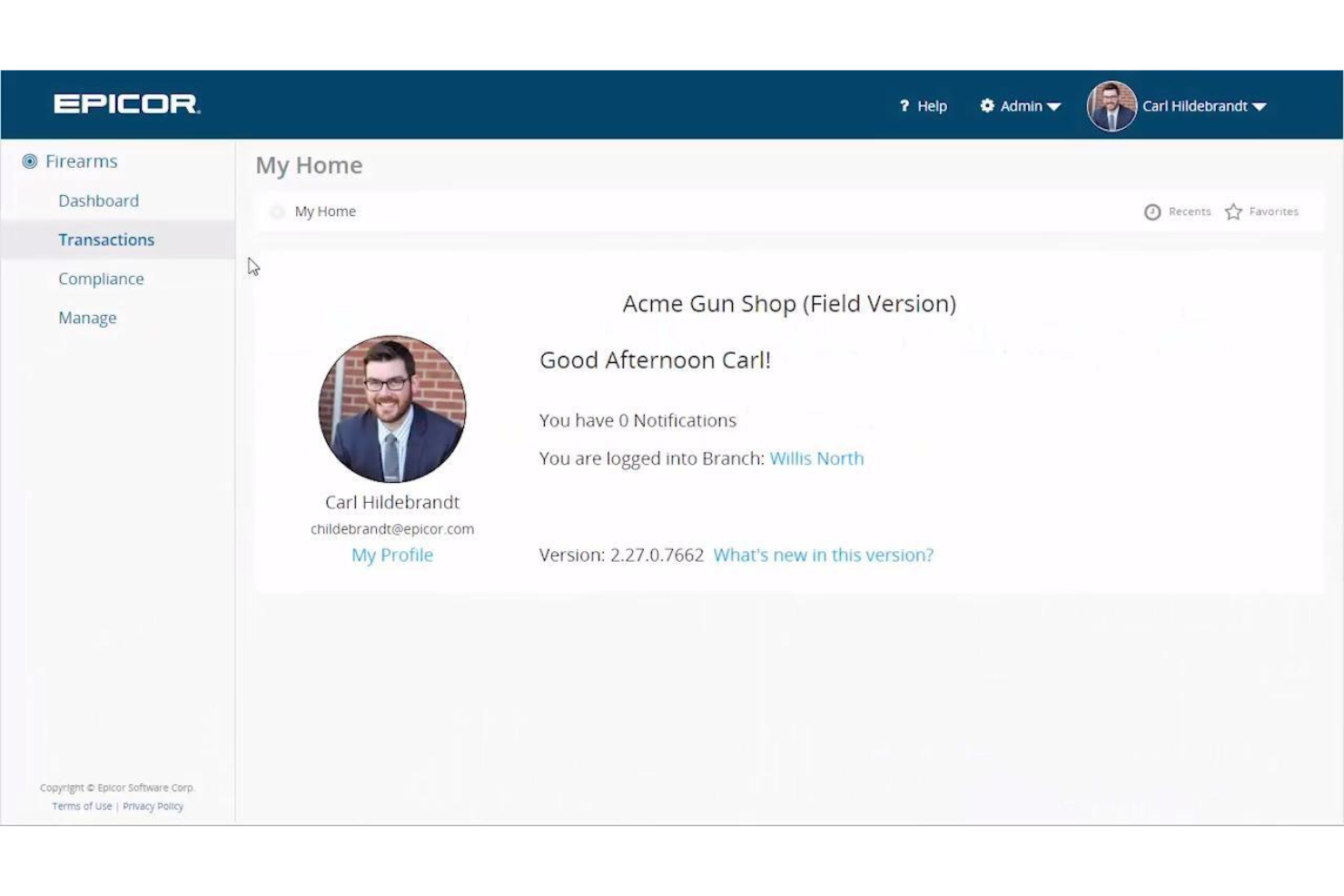
Epicor Kinetic is a cloud ERP built for manufacturers that covers financials, supply chain management, production management, planning and scheduling, and business intelligence, with dedicated capabilities for automotive supply chain and aftermarket businesses.
Who Is Epicor Best For?
Epicor Kinetic is a good fit for mid-size to large automotive manufacturers and aftermarket parts distributors operating across complex, multi-site supply chains.
Why I Picked Epicor
I've included Epicor on my shortlist because its Aftermarket Data Analytics product gives automotive parts businesses a depth of market intelligence I haven't seen matched elsewhere. The Predictive Inventory Assistant uses AI to generate stocking recommendations by aggregating point-of-sale data from stores with similar profiles, so distributors can align local inventory with actual demand by part number and application. I also like the Predictive Maintenance Assistant, which builds AI-driven repair profiles to forecast likely future repair needs by vehicle make, model, year, and engine—giving manufacturers and distributors a real edge in anticipating demand before it materializes.
Epicor Key Features
- Automotive EDI: Exchanges electronic documents with OEMs and trading partners to meet automotive supply chain communication requirements.
- MMOG/LE compliance tracking: Tracks materials, processes, and quality data to support compliance with automotive industry regulatory standards.
- Epicor Commerce for Automotive: A B2B ecommerce portal built for parts distributors to manage online ordering and catalog management.
- Production floor digitization: Delivers guided digital work instructions and real-time process visibility directly on the shop floor.
Pros and Cons
Pros:
- Advanced inventory management
- Real-time reporting
- Extensive data analytics
Cons:
- The order release process is not as user-friendly as it could be
- Additional integration with financial and HR applications welcomed

Best for custom manufacturing operations

Genius ERP is a manufacturing ERP built for small to mid-sized custom, engineer-to-order, and make-to-order manufacturers, covering engineering, production planning, shop floor management, job costing, inventory, and finance in a single platform—including a dedicated solution for transportation equipment manufacturers.
Who Is Genius ERP Best For?
Genius ERP is a strong fit for small to mid-sized manufacturers in custom, engineer-to-order, and transportation equipment industries.
Why I Picked Genius ERP
I've included Genius ERP in my top picks because it's one of the few ERP systems purpose-built for custom and engineer-to-order manufacturers. Its CAD2BOM feature lets you pull CAD designs directly into bills of materials and RFQs, which cuts out the manual re-entry that typically kills accuracy on complex builds. Its Smart Scheduling tool is a standout—it uses drum-buffer-rope methodology, which targets job shops managing variable, custom production rather than high-volume, repetitive runs.
Genius ERP Key Features
- Job costing: Track actual vs. estimated costs at the job level, including labor, materials, and overhead, across individual production orders.
- Shop floor control: Monitor work order progress in real time from the shop floor, including labor entry and work center status updates.
- Inventory management: Manage raw materials, work-in-progress, and finished goods with lot traceability and multi-location warehouse tracking.
- Quality control module: Log non-conformances, define inspection criteria, and manage corrective actions directly within production workflows.
Pros and Cons
Pros:
- Tailored for custom manufacturing
- Strong integration capabilities
- Comprehensive feature set
Cons:
- Transactions can be difficult to follow
- Features are not customizable and may require improvisation


Infor CloudSuite Automotive is a cloud-based ERP purpose-built for automotive manufacturers, covering multi-mode production, shop floor execution, supply chain, PLM, and financial management across OEMs, tier suppliers, and specialty vehicle makers.
Who Is Infor Best For?
Infor CloudSuite Automotive is a strong fit for mid-to-large automotive manufacturers, including OEMs, tier 1 and tier 2 suppliers, and specialty vehicle producers managing complex, multi-site operations.
Why I Picked Infor
Infor's cloud platform is built natively on AWS through Infor OS, providing real-time analytics and AI-driven automation in the same environment used to manage production. The EDI-driven supplier collaboration portal keeps OEMs and tier suppliers synced without manual data handoffs. Multi-site teams share a single cloud instance, and finance gains visibility across divisions without extra consolidation steps.
Infor Key Features
- Automotive PLM: Manages BOMs across "as designed," "as built," and "as maintained" states with real-time quality data capture.
- Manufacturing Execution System (MES): Digitizes shop floor operations and monitors production performance in real time.
- Statistical process control (SPC): Tracks in-process quality data to detect and flag deviations during production runs.
- Warehouse management system: Manages automotive inventory and logistics across multi-site distribution and storage locations.
Pros and Cons
Pros:
- Seamless third-party integration
- Advanced inventory management
- Real-time production monitoring
Cons:
- Support can be delayed
- No forecasting capabilities


QAD ERP is a cloud-native enterprise resource planning platform built specifically for manufacturing industries like automotive, combining production planning, supply chain management, quality control, and EDI collaboration in a single system.
Who Is QAD ERP Best For?
QAD ERP is a strong fit for mid-to-large automotive manufacturers and suppliers who need industry-specific ERP built around automotive production and compliance requirements.
Why I Picked QAD ERP
I chose QAD ERP because its adaptive framework is built around embedded automotive industry best practices rather than added later. I particularly like the built-in process maps for MMOG/LE and IATF 16949 compliance, which let tiered suppliers prepare for customer audits directly within the system. Additionally, QAD's Champion AI uses data and process mining against those same best practices to provide actionable visibility across production and supply chain operations.
QAD ERP Key Features
- Production scheduling: Dynamically re-sequences production orders on the fly to maximize shop floor capacity utilization.
- EDI collaboration services: Manages end-to-end transmission and receipt of EDI messages with trading partners across the automotive supply chain.
- Supplier visibility portal: Gives suppliers 24/7 access to inventory levels, delivery schedules, shipment status, and performance data.
- Shop floor data capture: Uses embedded barcode label printing and scanning to track materials across inbound, production, and outbound processes.
Pros and Cons
Pros:
- Advanced scheduling
- Robust quality management tools
- Real-time supply chain visibility
Cons:
- User navigation is not always intuitve
- Slight learning curve


Plex ERP is a cloud-based manufacturing ERP platform that combines integrated MES, financial management, supply chain, production, and quality modules to give manufacturers real-time visibility from the shop floor to the top floor.
Who Is Plex ERP Best For?
Plex ERP is well-suited for mid-to-large automotive and discrete manufacturers who need a unified platform across production, quality, and finance.
Why I Picked Plex ERP
Plex ERP earns its spot on my shortlist because it's one of the few platforms where ERP and MES are one system, not bolted together. I like that shop floor execution and top-floor financials share the same data in real time, so production changes cascade without a separate sync. The built-in traceability across the full production lifecycle is especially strong for automotive work, where you need to track every component from receiving through finished goods.
Plex ERP Key Features
- Automotive quality toolset: Manage APQP, PPAP, FMEA, SPC, and MSA workflows within a single quality module built for automotive compliance requirements.
- EDI automation: Automate order creation, advance ship notices, and invoicing directly from customer EDI transactions.
- Supply chain management: Track supplier schedules, purchase orders, and inbound material with real-time inventory visibility.
- OEE monitoring: View overall equipment effectiveness dashboards at the machine or line level to identify downtime and throughput issues.
Pros and Cons
Pros:
- End-to-end supply chain planning
- Comprehensive quality management
- Real-time production monitoring
Cons:
- Limited customization options
- Licensing for unique manufacturing features can be expensive


Abas ERP is a manufacturing ERP built for mid-market automotive suppliers, covering supply chain management, blanket order and delivery schedule handling, EDI integration, material requirements planning, and financial accounting.
Who Is Abas ERP Best For?
Abas ERP is a strong fit for mid-market automotive suppliers who need an ERP that handles the specific demands of OEM relationships, including delivery schedules, EDI compliance, and container management.
Why I Picked Abas ERP
Abas ERP is one of my top picks because I love how it gives you a real, end-to-end view of the automotive supply chain inside a single system. The cumulative figures control feature lets my team track delivery schedule fulfillment against blanket orders in real time, instead of chasing data from separate systems. I also rely on the lot and serial number management to trace materials from incoming goods through to finished goods shipment, which is exactly what you need when an OEM demands traceability documentation.
Abas ERP Key Features
- EDI integration: Supports automotive-specific EDI standards including VDA, ODETTE, EDIFACT, and ANSI X12 for direct data exchange with OEMs.
- Container management: Tracks packaging materials and containers across the supply chain in line with automotive manufacturer regulations.
- Material requirements planning: Runs schedule-based MRP with an early warning system to flag supply gaps before they affect production.
- Quality assurance management: Maps QA processes directly within the ERP, so quality checks are tied to production and delivery workflows.
Pros and Cons
Pros:
- Wide range of features covering various business operations
- Extensive customization options
- Industry-specific features
Cons:
- Slight learning curve
- Complex implementation


Focus Softnet is a cloud ERP, CRM, and HCM platform with a dedicated automotive industry vertical that covers dealership management, parts inventory, service operations, aftersales workflows, and multi-location network oversight.
Who Is Focus Best For?
Focus is a good fit for mid-to-large automotive businesses across dealerships, distributors, and manufacturers operating across multiple locations or regions.
Why Choose Focus
Focus offers a depth of customization that is rare in automotive ERP. Focus X lets you configure workflows, modules, and reporting structures to mirror how your operation runs—whether a franchise dealership network managing multi-location inventory or an auto parts distributor requiring region-specific tax compliance built directly into the system. The platform supports both cloud and on-premises deployment, so teams aren't forced into a one-size-fits-all infrastructure model. With custom report-writing tools and real-time analytics, the ERP can be shaped around your data needs rather than the other way around.
Focus Key Features
- Service job card management: Create, assign, and track repair and maintenance jobs across service bays and technicians in real time.
- Spare parts inventory tracking: Monitor stock levels, reorder points, and parts movement across multiple warehouse locations.
- Vehicle sales management: Manage the full vehicle sales cycle, from inquiry and test drive scheduling to invoice and registration.
- Automotive CRM: Track customer interactions, service history, and follow-up communications linked directly to vehicle and owner records.
Pros and Cons
Pros:
- AI-driven applications
- Cloud and on-premise options
- Highly customizable
Cons:
- Frequent updates can be disruptive
- May require setup and training support
Other Automotive ERP Software
Below is a list of additional automotive ERP software that I shortlisted but did not make it to the top list. Definitely worth checking them out.
- DELMIAWorks
For lean manufacturing support
- Deskera
For cloud-based ERP with real-time insights
- DualEntry
For multi-entity financial management
- Wrike
For project management and collaboration
- Acumatica
For cross-module workflows
- Sage Intacct
For financial management
- Microsoft Dynamics 365
For integration with Microsoft products
- Oracle ERP
For scalable enterprise solutions
- TallyPrime
For small to medium businesses
- IFS Cloud
For asset management and service


How I Evaluate Automotive ERP Software
I look at automotive ERP tools in two layers: baseline requirements like VIN-level accounting and OEM statement support, and the differentiators that set the strongest options apart.
Core Functionality (Table Stakes For This List)
When I'm selecting tools for my list, I rank each one on a scale from 0 (does not offer the functionality) to 5 (excels in this area) for each core functionality listed below. Then, I calculate the tool's total score into a percentage. Each tool needs to achieve a minimum total score of 55% to be considered for inclusion.
- Automotive-Specific General Ledger: I check whether the platform includes a chart of accounts pre-mapped to OEM factory financial statements rather than forcing your team to manually build one from a generic template.
- Vehicle Inventory Accounting: Each tool should track inventory at the VIN level with cost layers for holdbacks, add-ons, and reconditioning—so your books reflect actual per-unit profitability.
- Parts & Service Integration: I evaluate how tightly repair orders and parts inventory post to the GL, since delayed or batch-only posting creates reconciliation headaches at month-end.
- Multi-Entity Consolidation: Dealer groups running multiple rooftops and franchises need intercompany eliminations and consolidated reporting, so I look at how each tool handles cross-entity transactions.
- Warranty & Incentive Receivables: Tracking OEM warranty claims, rebates, and incentive aging is a distinct accounting workflow, and I look for tools that manage the full receivable lifecycle rather than treating it like standard AR.
- Floor Plan & Compliance Reporting: I evaluate each platform's ability to track floor plan curtailments, calculate interest accruals, and generate OEM-mandated and regulatory financial reports without manual workarounds.
Once I have a list of tools that meet this criteria, I consider what sets each platform apart.
Differentiating Factors (What Sets Vendors Apart)
Here's how I compare and contrast different vendors:
Standout Features
I pay close attention to DMS integration depth because a platform that natively connects with CDK or Reynolds saves your accounting team from re-keying deal data. F&I product accounting is another area I evaluate—tracking chargebacks, reserve amortization, and service contract cancellations requires purpose-built workflows. Real-time dealership KPIs like gross per unit and service absorption also matter, since they let controllers flag margin issues mid-month instead of after the close.
Beyond Features
OEM certifications matter because a vendor with approved status means your factory financial statements align with manufacturer requirements without manual adjustments when formats change. I also evaluate implementation support—migrating from a legacy DMS is high-risk, so I look for vendors with consultants who understand dealership accounting workflows. Ecosystem connectivity rounds out my assessment; floor plan lender integrations that auto-post curtailments from Ally or NextGear cut hours of manual reconciliation each month.
How to Choose Automotive ERP Software
As you work through your unique software selection process, keep the following points in mind:
- Industry-Specific Features: Automotive ERP software should offer functionalities tailored to the unique needs of automotive manufacturing and distribution. This includes modules for managing complex production processes, handling diverse supply chains, tracking parts and components, and ensuring compliance with industry regulations. For example, features like advanced supply chain management and comprehensive quality control are essential for optimizing production and maintaining high standards.
- Integration Capabilities: The ability to integrate seamlessly with existing systems and technologies is crucial. Automotive ERP software should facilitate smooth data exchange between various systems, such as accounting software, CRM platforms, and Manufacturing Execution Systems (MES). This integration enhances collaboration, improves decision-making, and optimizes resource utilization. For instance, integrating ERP with IoT sensors can enable real-time monitoring of equipment performance and predictive maintenance.
- Scalability: Scalability ensures that the ERP solution can grow and adapt to the evolving needs of your organization. A scalable ERP system can accommodate increased production volumes, additional product lines, and expanding operations without significant disruptions. This flexibility is vital for adapting to changing market conditions and seizing new growth opportunities. For example, a cloud-based ERP system can easily scale resources up or down as needed, aligning costs with business requirements.
- Mobility and Accessibility: Consider ERP systems that offer mobile access and cloud-based deployment options. Mobility features allow employees to access critical business data and functionality from anywhere, at any time, enhancing flexibility and collaboration. For example, field service technicians and sales representatives can stay connected to the ERP system while on the go, receiving real-time updates and making informed decisions quickly.
- User-Friendly Interface: A user-friendly interface ensures that employees can efficiently navigate the system, access relevant information, and perform tasks without unnecessary complexity. This leads to faster adoption rates, improved productivity, and reduced training time and costs. For instance, customizable dashboards and intuitive controls empower users to complete tasks with minimal effort, enhancing overall efficiency.
Trends for Automotive ERP Software
Automotive ERP software is evolving rapidly. Here are some of the forecasted key trends:
- AI and Machine Learning Integration: AI and machine learning are being integrated into ERP systems. This allows for predictive maintenance and smarter inventory management. It is important because it reduces downtime and optimizes resource use.
- Cloud-Based Solutions: Cloud-based ERP solutions are gaining traction. They offer scalability and remote access. This trend is crucial for businesses looking to reduce IT costs and improve flexibility.
- IoT Connectivity: IoT devices are being connected to ERP systems. This provides real-time data and analytics. It is interesting because it enhances decision-making and operational efficiency.
- Enhanced Cybersecurity Measures: Cybersecurity is becoming a priority in ERP systems. Advanced encryption and multi-factor authentication are being implemented. This is important to protect sensitive business data from cyber threats.
- Customization and Flexibility: ERP systems are becoming more customizable. Businesses can tailor the software to their specific needs. This trend is significant as it allows for better alignment with business processes.
It looks like automotive ERP software is shifting into high gear. With AI and machine learning on board, companies can now anticipate issues before they become roadblocks, ensuring smoother rides with predictive maintenance and smarter inventory management. Cloud-based solutions? They’re providing the flexibility and scalability needed to grow. And with IoT devices turning data into actionable insights, you’re making faster, better decisions on the fly. Finally, peek under the hood of modern ERP systems, and you’ll see a focus on customization, offering a tailor-made fit for your business.
What is Automotive ERP Software?
Automotive ERP software is specialized enterprise resource planning software designed to automate and streamline the management of day-to-day business activities in the automotive industry. It is used by automotive manufacturers, suppliers, and distributors to manage procurement, production planning, quality control, inventory, finance, and accounting. The primary users of this type of ERP platform are automotive business owners and managers who need to optimize operations, reduce costs, and improve efficiency and productivity.
Automotive ERP software is composed of various functional modules tailored to the specific needs of the automotive industry. These components include customer order management, procurement management, supply chain and inventory management, production management, field service management, financial management and accounting, human resources management, document management, and reporting and analytics. Each module integrates seamlessly to provide a comprehensive solution for managing all aspects of an automotive business.
Features of Automotive ERP Software
Automotive ERP (Enterprise Resource Planning) software is designed to streamline and optimize the various processes within the automotive industry. This software integrates different business functions into a single system, providing real-time visibility and control over operations. Here are the most important key features to look for in automotive ERP software:
- Customer Order Management: This feature provides visibility into the entire order execution workflow, from inception to fulfillment. It is crucial for tracking order status, automating order creation and approval, managing returns and exchanges, and ensuring timely and accurate order processing.
- Procurement Management: This module helps reduce purchase order lifecycle times and improve spend control by automating purchase orders, invoice matching, and spend tracking. It ensures transparency in procurement processes, which is essential for cost management and supplier relations.
- Supplier Management: This feature allows businesses to maintain the quality of products and prevent supply chain disruptions by tracking supplier performance, contracts, and financial health. Effective supplier management is vital for ensuring a reliable supply chain at both the manufacturing and auto dealership levels.
- Supply Chain & Inventory Management: ERP implementation helps ensure customer order fulfillment and reduces shipment turnaround times by tracking inventory across multiple locations and automating alerts for disruptions. It helps plan inventory stock levels and optimize logistics operations.
- Production Management: This feature provides complete visibility and control over production processes, including bill of materials management, material requirements planning, traceability, and quality control monitoring. It ensures high-quality production and compliance with regulatory standards.
- Field Service Management: This module streamlines field service operations by automating work order tasks, monitoring progress, and managing inventory. It is essential for improving field service efficiency and customer satisfaction.
- Financial Management & Accounting: This feature enhances financial data accuracy and productivity by automating invoicing, payroll, financial planning, and compliance management. It is crucial for maintaining financial health and regulatory compliance.
- Human Resources Management: This module increases the efficiency of personnel management by automating payroll, time and attendance, performance evaluation, and recruitment processes. It helps manage the employee lifecycle and improve workforce productivity.
- Document Management: This feature reduces errors from manual data entry and facilitates access to corporate documents through a centralized database. It is important for maintaining document integrity and ensuring easy access to information.
- Reporting & Analytics: This module provides real-time analytics and reporting capabilities, enabling data-driven decision-making. It supports various types of analytics and offers custom reports and dashboards, which are essential for monitoring performance and identifying improvement areas.
Benefits of Automotive ERP Software
Automotive ERP (Enterprise Resource Planning) software is a comprehensive solution designed to streamline and optimize various business processes within the automotive industry. By integrating different functions such as inventory management, production planning, financial management, and customer relationship management, automotive ERP software helps businesses achieve greater efficiency, reduce costs, and improve overall performance. Below are five primary benefits of automotive ERP software for users and organizations.
- Cost Reduction ERP: Software consolidates and integrates disparate systems within a business, significantly reducing expenses and making business processes more efficient. This integration eliminates the need for multiple software systems, saving time and reducing training costs for employees.
- Enhanced Collaboration and Communication: ERP systems display organization-wide data in real-time, improving collaboration, database security and accessibility. This ensures smooth and fast information flow within the business, allowing departments to share data accurately and securely and aiding managers in making important decisions.
- Comprehensive Analytics: With ERP software, teams can generate various reports such as expense statements, inventory levels, income reports, and sales reports. This capability brings agility into the business, empowering decision-makers to respond rapidly to critical situations based on data-driven insights.
- Boost in Productivity: ERP solutions optimize business processes by eliminating operational redundancies and ensuring the optimal use of resources, including human resources and available time. This leads to minimal wastage and maximum productivity and profitability.
- Quality Control: ERP software ensures quality from start to finish by tracking components in real-time as they move through the manufacturing, assembly, and delivery stages. This visibility allows for the identification and remediation of problems, ensuring that only high-quality finished products reach the market.
Implementing automotive ERP software can transform your business by supporting operations, reducing costs, and improving overall efficiency. By integrating various functions into a single system, ERP software provides a unified view of the business, enabling better decision-making and enhanced performance. Whether you are looking to improve customer relationships, enhance supply chain management, or optimize production processes, automotive ERP software offers the tools and insights needed to achieve your goals.
Costs and Pricing of Automotive ERP Software
When considering the purchase of automotive ERP software, it's essential to understand the various pricing plans and what each plan offers. Below, we outline the different plan options available for most software tools, their average prices, and the common features included in each plan.
Plan Comparison Table for Automotive ERP Software
| Plan Type | Average Price | Common Features |
| Free | $0 | Basic inventory management, order processing, and limited customer support |
| Small Business | $2,500 / month | Financials, distribution, under 10 users, basic support, and training |
| Core Business | $5,500 / month | All financials, distribution features, higher resource levels, and unlimited users |
| Advanced Business | $8,500 / month | Advanced distribution, light manufacturing, unlimited users, and dedicated support |
When you're gearing up to select the right automotive ERP software plan, remember to plan for the long haul. Start by honestly evaluating your business's current size and operations and avoid the pitfall of opting for feature-saturated plans you might not need just yet. Instead, look for software that can expand its capacity and feature set as you grow. Budget and feature considerations now will help ensure your ERP system remains a valuable asset without forcing you into a costly upgrade or migrating all your data to a new system down the road.
Automotive ERP Software FAQs
Here are some commonly asked questions about automotive ERP software.
Why is ERP important for the automotive industry?
ERP systems are helpful for the automotive industry due to the complexity and scale of operations. They help in managing the entire supply chain, from raw material procurement to final product delivery. ERP systems enhance collaboration, reduce operational costs, improve inventory management, and ensure compliance with industry regulations. They also provide real-time data analytics, which is essential for making informed business decisions.
How does automotive ERP software improve supply chain management?
Automotive ERP software enhances supply chain management by providing end-to-end visibility and control over the entire supply chain. It helps track inventory levels, manage supplier relationships, automate procurement processes, and optimize logistics. This leads to reduced lead times, lower costs, and improved customer satisfaction.
Can automotive ERP software be customized to fit specific business needs?
Yes, most automotive ERP software solutions offer customization options to fit specific business needs. This includes adding or modifying modules, integrating with other systems, and configuring workflows to match unique business processes. Customization ensures that the ERP system aligns with the company’s operational requirements and growth strategies.
How does automotive ERP software help with regulatory compliance?
Automotive ERP software helps with regulatory compliance by providing tools to manage and track compliance-related activities. It ensures that all processes adhere to industry standards and government regulations. The software can generate compliance reports, monitor quality control, and maintain records for audits. This reduces the risk of non-compliance and associated penalties.
What are the typical costs associated with implementing automotive ERP software?
The costs associated with implementing automotive ERP software can vary widely based on factors such as the size of the business, the complexity of the system, customization requirements, and the deployment model (cloud-based or on-premise). Typical costs include software licensing fees, implementation and customization charges, training expenses, and ongoing maintenance and support fees. It is essential to conduct a thorough cost-benefit analysis to determine the ROI of the ERP system.