

Los 10 mejores programas de cierre financiero analizados en 2026

Lista de preselección del mejor software de cierre financiero


Cerrar los libros contables no debería sentirse como una lucha interminable, pero con un software de cierre financiero obsoleto, a menudo lo es.
Como responsable de control financiero, he visto cómo los procesos de cierre ineficientes pueden consumir tiempo y energía. Una solución de cierre financiero bien elegida no solo ahorra horas, sino que también reduce el riesgo, garantiza el cumplimiento normativo y mantiene todo funcionando sin problemas. Pero con tantas opciones en el mercado, ¿cómo saber cuál es la adecuada para ti?
Para ayudarte a empezar, probé y analicé las mejores opciones de software de cierre financiero, para que puedas encontrar una solución fiable. Tanto si buscas automatización, mejores integraciones o registros de auditoría más sólidos, esta comparativa te ayudará a obtener una comparación clara de las mejores herramientas para cerrar más rápido y de forma más inteligente.
Por qué confiar en nuestras recomendaciones de software
Nuestras reseñas reflejan nuestro criterio independiente, no un discurso de ventas. Descubra cómo mantenemos la transparencia.
Para esta guía, evaluamos las herramientas mediante pruebas prácticas e investigación independiente, puntuando las herramientas según nuestros criterios de selección.
Nuestras reseñas reflejan nuestro criterio editorial humano, no un discurso de ventas.
Resumen del mejor software de cierre financiero
Esta tabla comparativa resume los detalles de precios de mis principales selecciones de software de cierre financiero para ayudarte a encontrar la mejor opción para tu presupuesto y las necesidades de tu empresa.
| Tool | Best For | Trial Info | Price | ||
|---|---|---|---|---|---|
| 1 | Mejor para el análisis de variaciones en empresas | Demostración gratuita disponible | Precio bajo solicitud | Website | |
| 2 | Ideal para cierre financiero potenciado por IA | Demostración gratuita disponible | Precios bajo solicitud | Website | |
| 3 | Ideal para hacer seguimiento del estado financiero durante el cierre | Demostración gratuita disponible | Precios disponibles previa solicitud | Website | |
| 4 | Ideal para consolidación financiera unificada | Demo gratuita disponible | Precio bajo consulta | Website | |
| 5 | Mejor para la gestión multi-entidad | Demo gratuita disponible | Desde $99/mes | Website | |
| 6 | Ideal para la integración de la planificación financiera | Demo gratuita disponible | Precio bajo solicitud | Website | |
| 7 | Ideal para verificaciones continuas de precisión | Prueba gratuita de 14 días | Desde $25/mes | Website | |
| 8 | Ideal para conciliación impulsada por IA | Demo gratuita disponible | Precio disponible bajo solicitud | Website | |
| 9 | Ideal para automatizar la recolección y el reporte de datos | Plan gratuito disponible | Desde $49/mes (facturado anualmente) | Website | |
| 10 | Ideal para cierres financieros habilitados para cripto | Plan gratuito disponible | Desde $25/mes | Website |
Análisis del mejor software de cierre financiero
A continuación encontrarás mis resúmenes detallados del mejor software de cierre financiero que llegó a mi lista de preselección. Mis análisis ofrecen una visión profunda de las características principales, ventajas y desventajas, integraciones y casos de uso ideales de cada herramienta para ayudarte a encontrar la mejor opción para ti.

Vena
Mejor para el análisis de variaciones en empresas
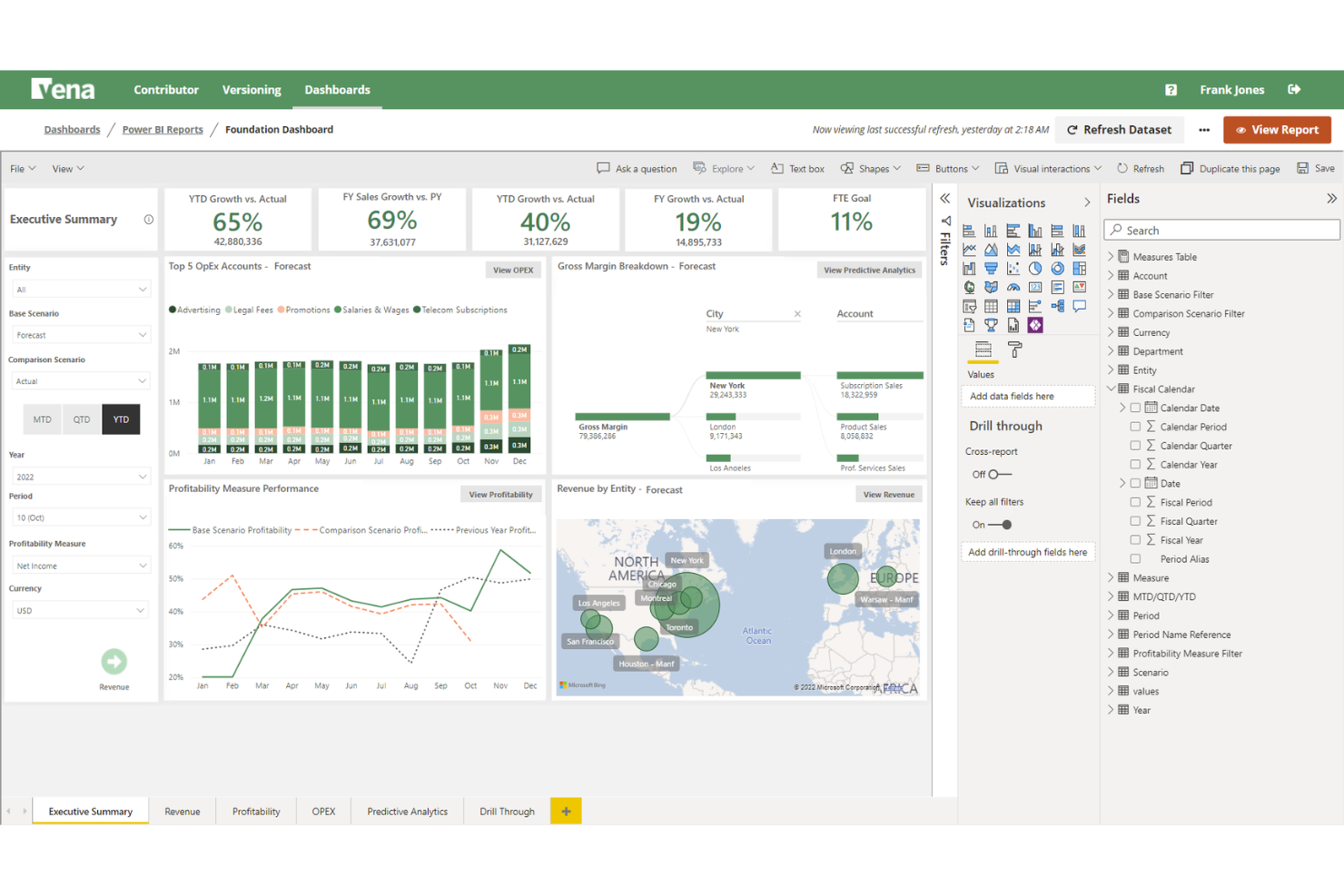
Vena es una plataforma de planificación y análisis financiero impulsada por IA que ayuda a los equipos financieros a gestionar el proceso de cierre financiero directamente en Microsoft Excel. Está diseñada para reducir el esfuerzo manual, mejorar la precisión del cierre y facilitar la colaboración en tiempo real durante la presupuestación, proyecciones y conciliaciones contables.
Por qué elegí Vena: Elegí Vena porque combina la familiaridad de Excel con capacidades de cierre financiero impulsadas por IA. Su modelado flexible y plantillas centralizadas permiten crear procesos de cierre financiero detallados y dinámicos que se adaptan a las necesidades de tu organización. También me gusta que Vena ofrezca planificación colaborativa y seguimiento de tareas para ayudar a los equipos a mantener la responsabilidad durante el ciclo de cierre. Además, los tableros en tiempo real y las herramientas de análisis de variaciones de Vena facilitan la identificación y resolución de problemas a medida que surgen.
Características y integraciones destacadas:
Las funcionalidades incluyen paneles de conciliación de cuentas, herramientas de provisión fiscal para gestionar el cumplimiento y Vena Copilot para obtener perspectivas impulsadas por IA y planificación de escenarios durante el cierre. Vena también proporciona informes en tiempo real y plantillas centralizadas para respaldar cierres financieros más rápidos y precisos.
Las integraciones incluyen Microsoft 365, SAP, Salesforce, Workday, NetSuite, QuickBooks, Sage, Dropbox y OneDrive.
Pros and Cons
Pros:
- Automatiza presupuestos y proyecciones
- Flujos de trabajo y reportes personalizados
- Permite la colaboración en equipo
Cons:
- Costoso para pequeños negocios
- Retrasos en la actualización de cuentas del libro mayor
New Product Updates from Vena
Vena Launches Advanced Financial Consolidation Solution
Vena launches Financial Consolidation with multi-entity consolidation, governed close workflows, and AI-powered analysis. These capabilities help finance teams manage complex close processes with stronger control and auditability. For more information, visit Vena’s official site.
 .
.
DOKKA
Ideal para cierre financiero potenciado por IA
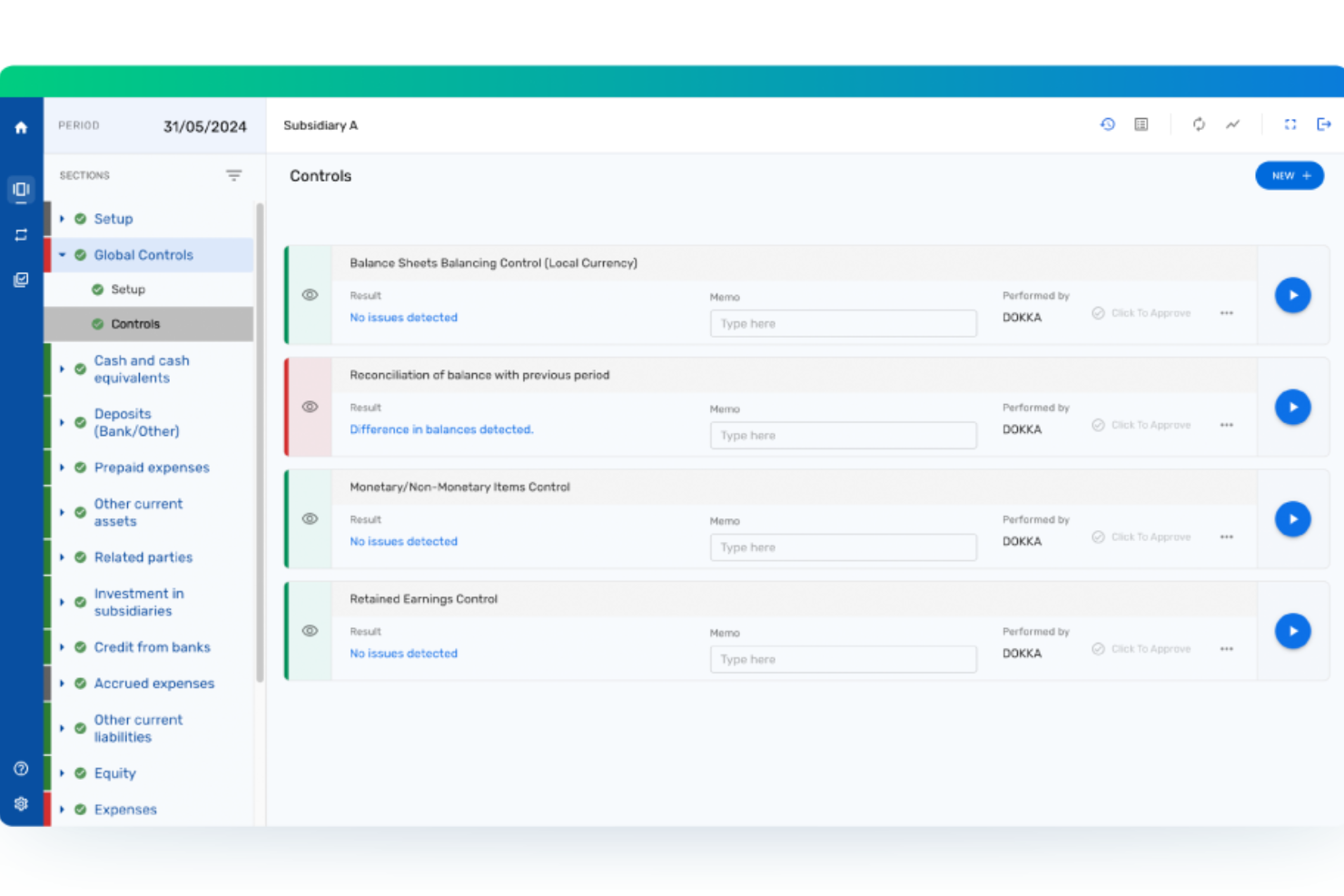
DOKKA es un software de cierre financiero diseñado para agilizar los procesos de cierre de fin de mes y de año para pequeñas y medianas empresas. Utiliza automatización impulsada por IA para gestionar tareas como la preparación de asientos contables, conciliaciones y gestión de documentos, reduciendo el tiempo y esfuerzo necesarios para finalizar informes financieros precisos.
Por qué elegí DOKKA: Elegí DOKKA porque ofrece un cierre financiero potenciado por IA. Su motor de aprendizaje automático categoriza y procesa automáticamente los documentos financieros, minimizando la introducción manual de datos y los errores humanos. Este enfoque impulsado por IA acelera el ciclo de cierre, mientras que sus flujos de trabajo colaborativos aseguran que los equipos financieros puedan revisar, aprobar y dar el visto bueno rápidamente. Para las organizaciones que buscan eficiencia y precisión, el uso de IA de DOKKA lo convierte en una opción sólida.
Funciones e integraciones destacadas:
Funciones incluyen creación automatizada de asientos contables, herramientas de conciliación y pistas de auditoría digital para simplificar el cumplimiento del cierre financiero. Su espacio de trabajo centralizado permite la colaboración en tiempo real del equipo y el seguimiento de aprobaciones. La captura y clasificación de documentos mediante IA asegura que todos los registros de respaldo estén correctamente almacenados y vinculados a las actividades de cierre.
Integraciones incluyen QuickBooks, Xero, Sage, NetSuite, Microsoft Dynamics, SAP, FreshBooks, Zoho Books, MYOB y KashFlow.
Pros and Cons
Pros:
- Conciliación automatizada
- Herramientas de colaboración en tiempo real
- Automatización eficaz de documentos
Cons:
- Potencial curva de aprendizaje para nuevos usuarios
- Escalabilidad limitada para grandes organizaciones

Ideal para hacer seguimiento del estado financiero durante el cierre
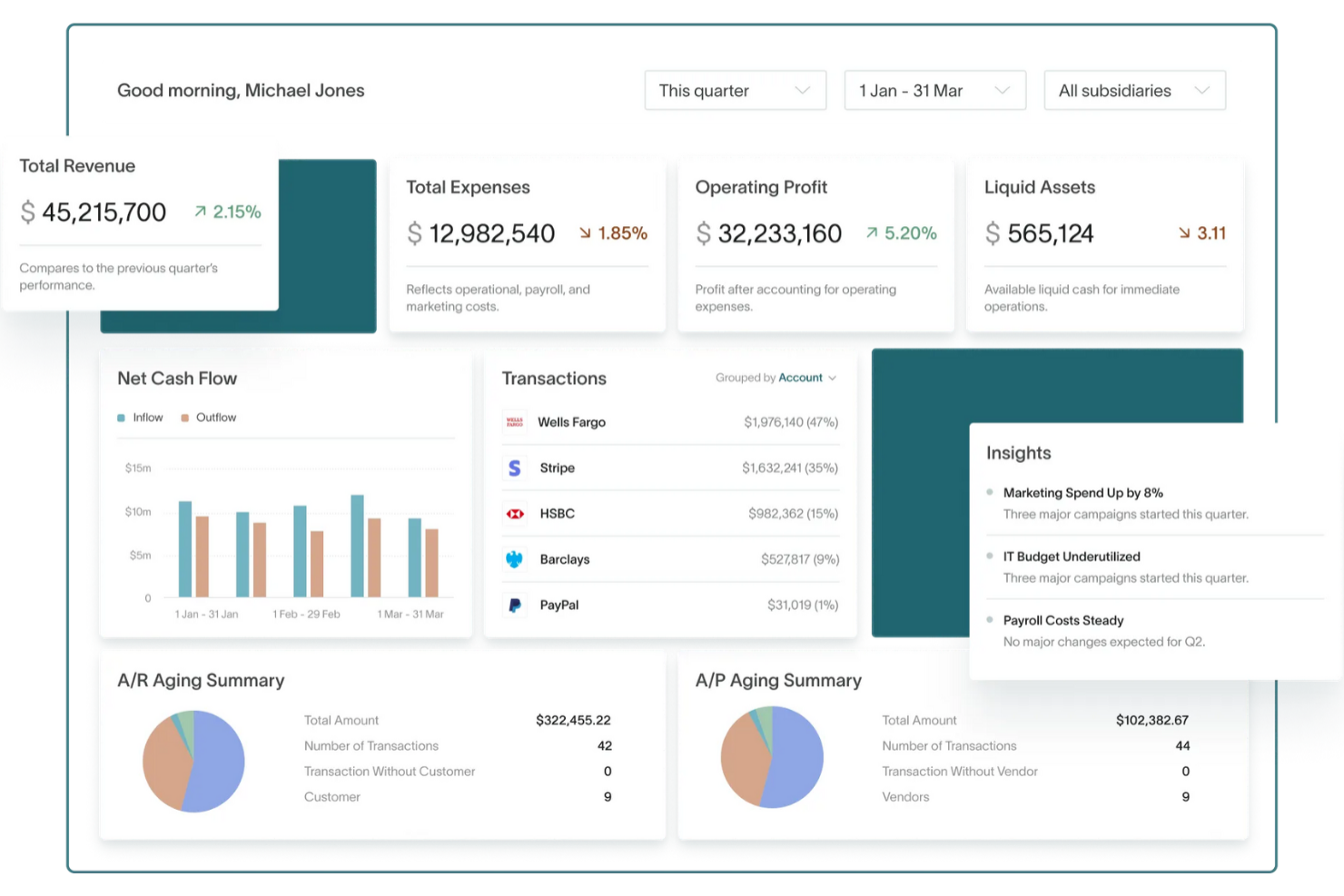
DualEntry es una plataforma ERP nativa de IA diseñada para empresas del mercado medio que necesitan automatizar y acelerar el proceso de cierre financiero. Está diseñada para reducir el trabajo manual, garantizar el cumplimiento y ofrecer visibilidad en tiempo real de las operaciones con múltiples entidades.
Por qué elegí DualEntry: Elegí DualEntry porque simplifica el cierre financiero con herramientas basadas en IA, como conciliaciones automatizadas, emparejamiento de transacciones y análisis de variaciones. Puedes gestionar consolidaciones complejas entre entidades y monedas, manteniendo a la vez registros de auditoría rigurosos para el cumplimiento de ASC 606, IFRS 15 y SOX. También me gusta que ofrece paneles en tiempo real, para que puedas hacer seguimiento del estado financiero mientras cierras, no solo después.
Funciones e integraciones destacadas:
Las funciones incluyen controles de aprobación basados en roles para proteger los datos confidenciales, incorporación y asistencia dirigidas por contadores públicos certificados, y conciliaciones impulsadas por IA que te ayudan a cerrar más rápido y con menos errores.
Las integraciones incluyen BambooHR, Bill.com, Brex, Deel, Google SSO, Gusto, HubSpot, Ramp, Rippling, Salesforce, Stripe Billing y Stripe Invoicing.
Pros and Cons
Pros:
- Las funciones avanzadas de IA ayudan con tareas contables complejas
- Admite operaciones con múltiples entidades y monedas
- El reconocimiento automatizado de ingresos garantiza el cumplimiento de las normas
Cons:
- Las opciones de personalización requieren una configuración cuidadosa
- Como ERP, puede ofrecer más funciones de las necesarias para necesidades contables más sencillas

Ideal para consolidación financiera unificada
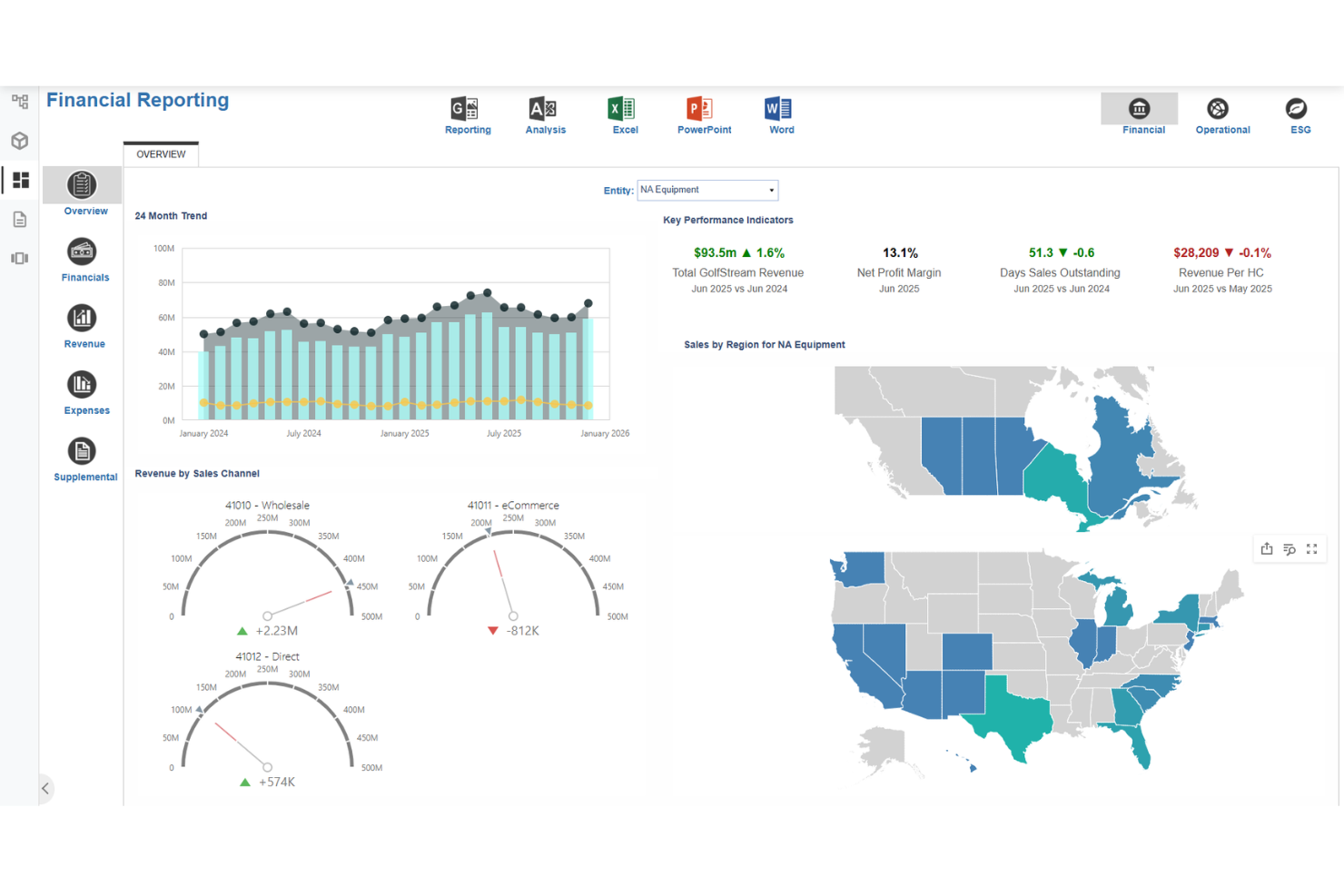
OneStream es una plataforma empresarial para el cierre y consolidación financiera que abarca cierre financiero, conciliación de cuentas, FP&A y planificación empresarial integrada en un entorno unificado.
¿Para quién es mejor OneStream?
OneStream es ideal para equipos financieros de grandes empresas que gestionan consolidaciones multi-entidad en estructuras legales complejas, monedas y marcos de reporte diversos.
Por qué elegí OneStream
OneStream se gana su lugar en mi lista porque es una de las pocas plataformas donde la consolidación financiera, el cierre, FP&A y los informes ESG se ejecutan en el mismo modelo de datos, sin capa de traducción entre ellos. Lo que encuentro especialmente atractivo es el motor de consolidación incorporado, que gestiona automáticamente las eliminaciones entre empresas, la conversión multimoneda y las estructuras de propiedad. También me agrada que la pista de auditoría permanente no puede desactivarse, lo que significa que cada cambio en los datos, metadatos y procesos queda registrado desde el informe hasta la fuente sin afectar el rendimiento.
Funciones clave de OneStream
- Gestión de tareas de cierre: Asigna, rastrea y certifica tareas de cierre entre equipos usando un panel de flujo de trabajo centralizado con visibilidad de estado.
- Conciliación de cuentas: Automatiza las conciliaciones de cuentas de balance con coincidencia integrada, umbrales de variación y flujos de trabajo de aprobación.
- Gestión de informes regulatorios: Redacta, revisa y publica estados financieros y notas directamente en la plataforma utilizando plantillas estructuradas.
- Soluciones MarketPlace extensibles: Añade soluciones preconfiguradas para provisión fiscal, contabilidad de arrendamientos y reporte de flujos de efectivo sin salir de la plataforma.
Integraciones de OneStream
OneStream ofrece integración directa con más de 250 sistemas fuente ERP, HCM, CRM y otros, incluyendo Oracle, PeopleSoft, JDE, SAP, Infor y Microsoft AX/Dynamics. También se conecta con SAP S/4HANA, Oracle Fusion y Snowflake, y dispone de una API REST para integraciones personalizadas.
Pros and Cons
Pros:
- La dimensionalidad extensible agrega dimensiones personalizadas sin pérdida de rendimiento
- Admite reportes multi-GAAP y cumplimiento de normativas locales
- El portafolio SensibleAI incluye previsión y detección de anomalías basadas en IA
Cons:
- Depende en gran medida de programación en VB más que de opciones low-code
- La documentación de las soluciones MarketPlace carece de detalles a nivel de implementación

Tipalti
Mejor para la gestión multi-entidad
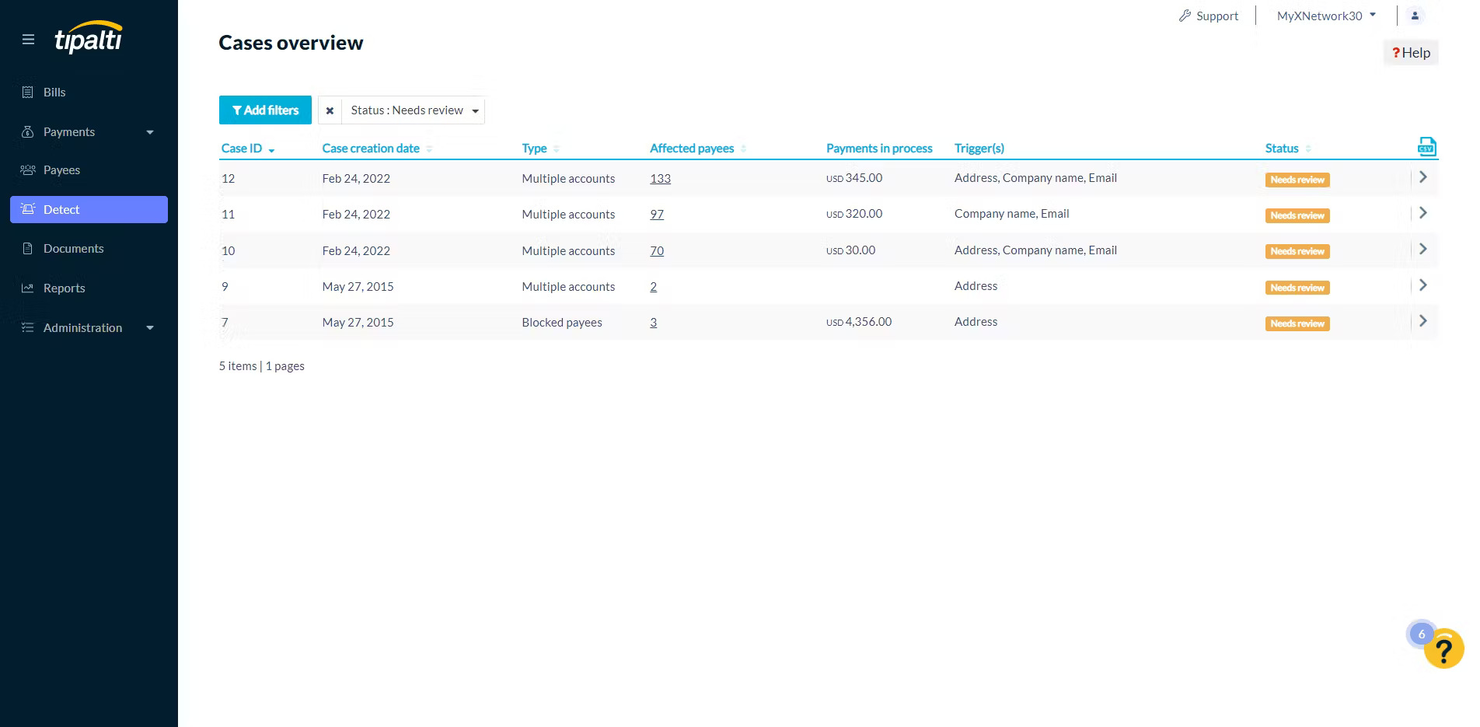
Tipalti es una solución de gestión financiera y cuentas por pagar para empresas con estructuras complejas y multi-entidad. Automatiza los procesos de pago, las comprobaciones de cumplimiento y los informes financieros para gestionar las operaciones en diferentes unidades de negocio.
Por qué elegí Tipalti: Tipalti es ideal para empresas que gestionan múltiples entidades, ya que ofrece funciones que simplifican los pagos globales y el cumplimiento normativo. Su conciliación de pagos automatizada ayuda a reducir errores manuales. Las funciones de cumplimiento fiscal de la plataforma también mantienen a tu equipo alineado con las regulaciones internacionales. Además, el panel centralizado de Tipalti proporciona una visión clara de las actividades financieras a través de todas las entidades.
Características destacadas e integraciones:
Características incluyen herramientas de detección de fraudes que ayudan a proteger las transacciones y reducir los riesgos financieros. Su soporte multi-moneda permite transacciones globales sin contratiempos, facilitando la gestión de pagos internacionales. La plataforma también proporciona rastreos de auditoría detallados, asegurando transparencia y cumplimiento con los estándares de informes financieros.
Integraciones incluyen NetSuite, QuickBooks, Xero, Sage Intacct, Microsoft Dynamics, Salesforce, SAP, Bill.com y Expensify.
Pros and Cons
Pros:
- Panel financiero centralizado
- Potentes funciones de cumplimiento fiscal
- Conciliación de pagos automatizada
Cons:
- Requiere capacitación para su uso completo
- Complejidad en la configuración inicial

Jedox
Ideal para la integración de la planificación financiera
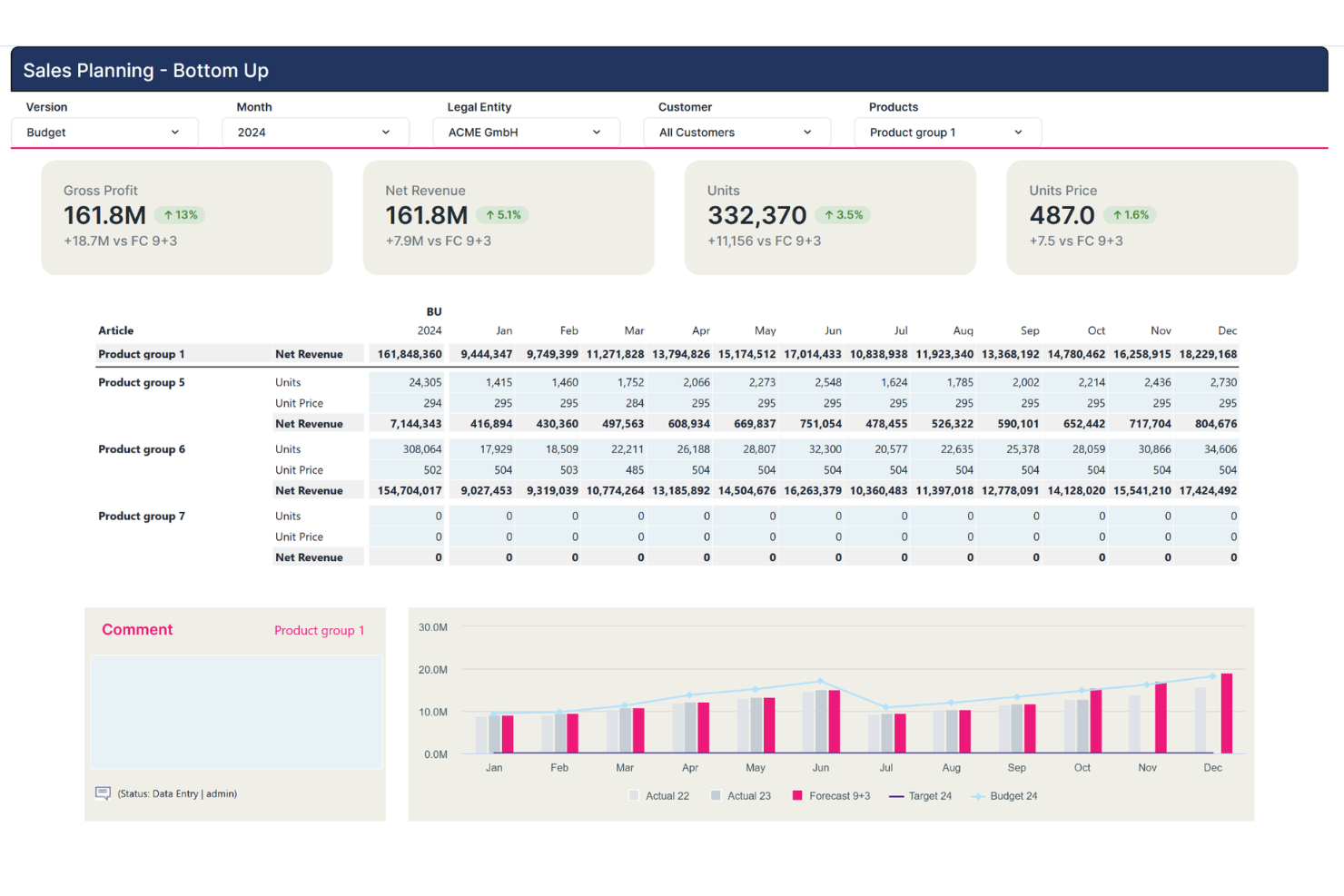
Jedox es una plataforma de planificación y análisis financiero (FP&A) que abarca la elaboración de presupuestos, las previsiones, la consolidación financiera, la planificación empresarial integrada y los informes de ESG en un único entorno.
¿Para quién es más adecuado Jedox?
Jedox es una opción sólida para los equipos de FP&A de empresas medianas y grandes que necesitan ejecutar la elaboración de presupuestos y las previsiones junto con el cierre financiero.
Por qué elegí Jedox
He incluido Jedox entre mis principales opciones porque es una de las pocas herramientas de cierre financiero en las que el proceso de cierre y el ciclo de planificación comparten el mismo modelo de datos. Lo que más me gusta es que los datos reales registrados durante el cierre alimentan directamente las previsiones continuas y los modelos de escenarios, por lo que no es necesario volver a introducir datos ni transferirlos manualmente entre sistemas. El Integrator de Jedox gestiona el ETL integrado desde fuentes como SAP, Oracle y Salesforce, de modo que los datos del cierre y los datos del plan se mantienen sincronizados automáticamente. También considero que el complemento nativo de Excel, compatible con la escritura directa de datos, es una ventaja real para los equipos de FP&A que quieren trabajar en un entorno familiar sin desconectarse del entorno de planificación gobernado.
Características principales de Jedox
- Motor OLAP multidimensional: Permite segmentar y analizar datos financieros por dimensiones como entidad, centro de costes, cuenta y periodo sin aplanar la estructura de datos.
- Consolidación financiera: Consolida los datos reales de varias entidades jurídicas, gestiona las eliminaciones entre empresas y administra la conversión de divisas dentro de un único modelo.
- Gestión de flujos de trabajo: Asigna tareas de cierre, establece plazos y supervisa el estado de finalización entre equipos mediante un motor de flujos de trabajo integrado.
- Registro de auditoría y control de versiones: Registra todos los cambios en los datos y las modificaciones del modelo con trazabilidad a nivel de usuario para facilitar la aprobación del cierre del periodo y la preparación para auditorías.
Integraciones de Jedox
Jedox se conecta a una amplia variedad de sistemas empresariales mediante su Integrator integrado, incluidos SAP ERP, SAP S/4HANA, SAP BW, Salesforce, Microsoft Dynamics 365, Oracle NetSuite, Snowflake, Power BI, Qlik Sense y Tableau. También admite bases de datos relacionales como Microsoft SQL Server, Oracle Database, IBM DB2, SAP HANA, MySQL y PostgreSQL, además de fuentes basadas en archivos y servicios web REST/SOAP. Hay disponibles un concentrador OData y una API REST para integraciones personalizadas.
Pros and Cons
Pros:
- Los datos reales y las previsiones comparten un único modelo de datos
- Modelado de escenarios integrado en los flujos de trabajo de cierre
- El OLAP en memoria gestiona grandes volúmenes de datos
Cons:
- Los modelos complejos introducen errores durante el traspaso
- El seguimiento de cambios dentro de la herramienta es limitado

Puzzle
Ideal para verificaciones continuas de precisión
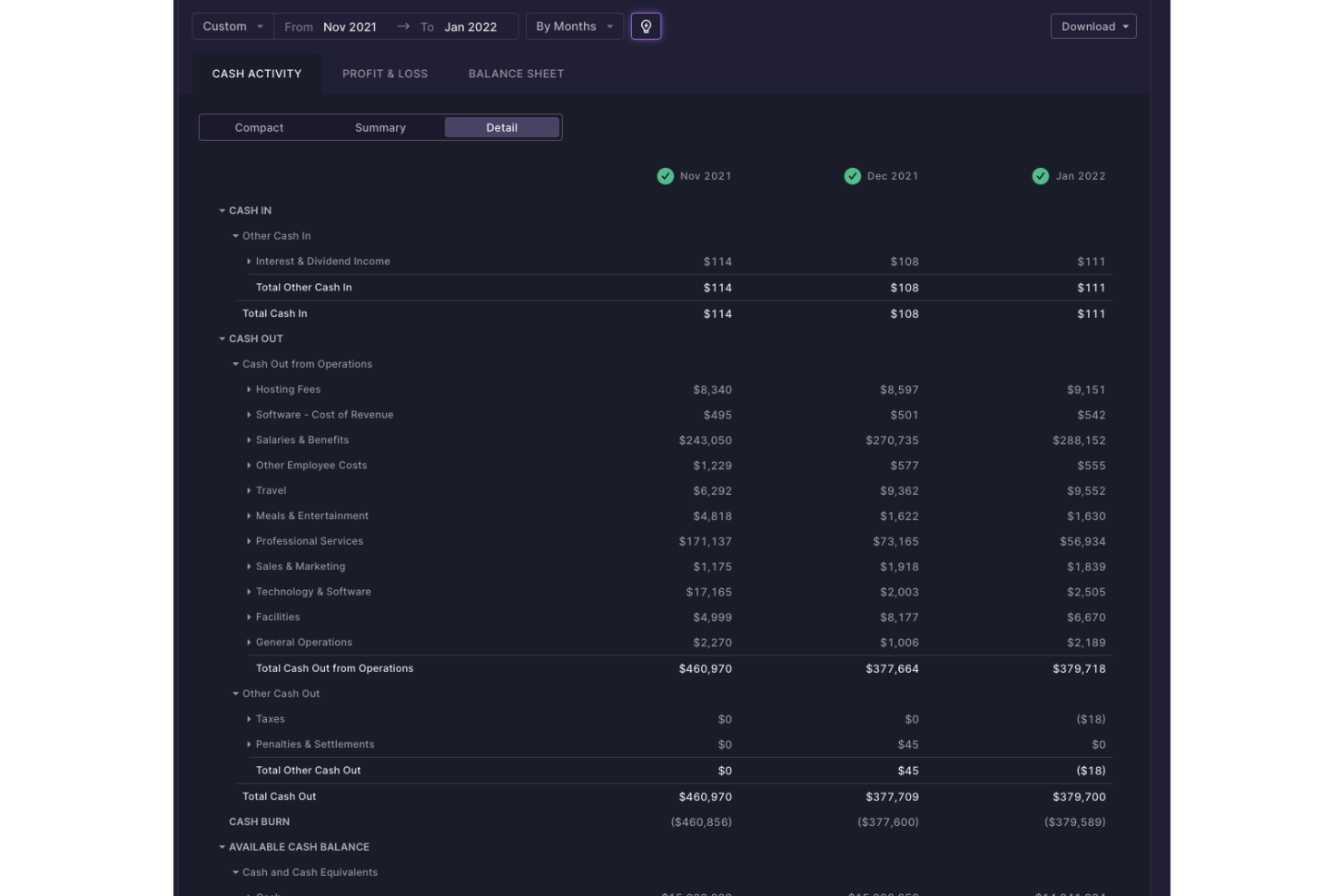
Puzzle.io es una plataforma de gestión financiera diseñada para ayudar a startups y firmas contables a gestionar el cierre financiero con automatización. Combina contabilidad asistida por IA, detección de errores y funciones de reporte que te permiten preparar estados financieros más rápido y con menos correcciones manuales.
Por qué elegí Puzzle.io: Incluí Puzzle.io por la manera en que gestiona la precisión durante el cierre. La plataforma realiza revisiones continuas mediante IA para detectar asientos faltantes, categorizaciones incorrectas y errores de conciliación mientras trabajas. Incluye herramientas de análisis de variaciones que pueden resaltar actividades inesperadas en tus estados financieros, ayudándote a identificar problemas temprano antes de que afecten tus reportes. Su automatización integrada de devengados también permite configurar políticas para el reconocimiento de ingresos, gastos pagados por adelantado y cuentas por pagar (AP) y cuentas por cobrar (AR), lo cual puede reducir la cantidad de trabajo en hojas de cálculo requerido.
Características y integraciones destacadas:
Características incluyen actualizaciones diarias de reportes para que siempre trabajes con datos actuales. La plataforma admite tanto la contabilidad basada en efectivo como la basada en devengado, permitiéndote aplicar el método que mejor se ajuste a tus necesidades de reporte. Las reglas de automatización personalizables ayudan a reducir tareas manuales recurrentes en la conciliación y la gestión de gastos.
Integraciones incluyen Brex, Mercury, Meow, Every, Plaid, Ramp, Bill.com, Gusto, Rippling, Central, Deel y Stripe.
Pros and Cons
Pros:
- Automatiza el reconocimiento de ingresos y la categorización de gastos
- La IA mejora la precisión en la categorización con el tiempo
- Admite contabilidad en efectivo y devengado
Cons:
- Personalización limitada para flujos de trabajo complejos
- Ecosistema de integraciones más pequeño en comparación con otras herramientas

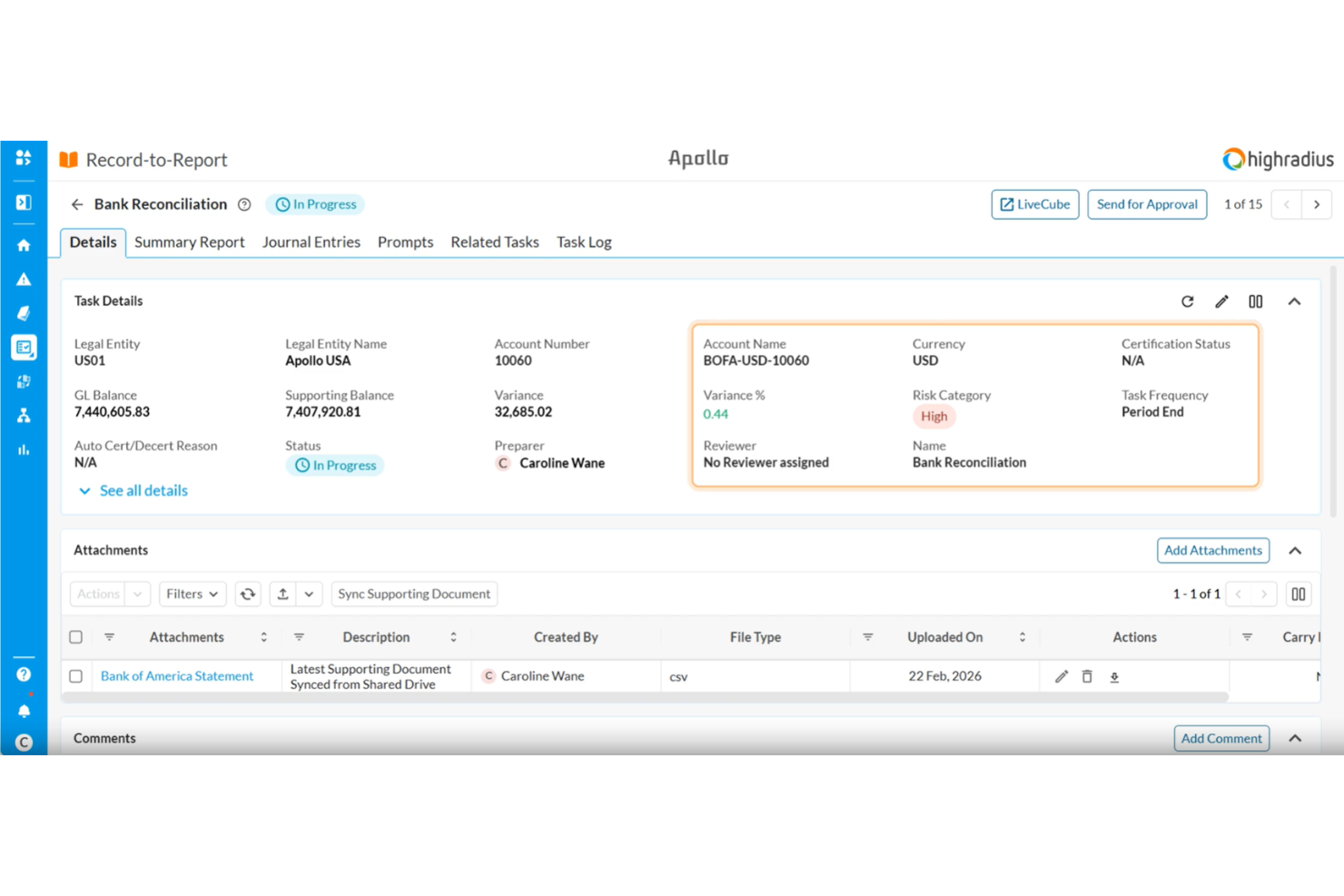
HighRadius es una plataforma nativa de IA para la oficina del CFO que cubre cierre financiero, conciliación, consolidación, order-to-cash, cuentas por pagar y gestión de tesorería en un solo sistema.
¿Para quién es mejor HighRadius?
HighRadius es ideal para grandes empresas y compañías de tamaño medio con altos volúmenes de transacciones que necesitan automatizar la conciliación y el cierre a gran escala.
Por qué elegí HighRadius
Elegí HighRadius como uno de los mejores porque su conciliación impulsada por IA va mucho más allá del cotejo basado en reglas. La plataforma utiliza un algoritmo de suma de subconjuntos para la conciliación de transacciones y modelos propietarios para sugerencias de corrección en el libro mayor basadas en IA, lo que significa que el sistema no solo señala excepciones, sino que propone soluciones activamente. También me gusta que la detección de anomalías se ejecute durante el proceso de cierre, por lo que mi equipo detecta variaciones antes de que se contabilicen los asientos y no durante la revisión.
Funciones clave de HighRadius
- Gestión automatizada de asientos contables: Crea, revisa y contabiliza asientos con documentación de respaldo adjunta directamente a cada asiento.
- Gestión de tareas de cierre: Asigna, rastrea y da el visto bueno a tareas de cierre de periodo usando una lista centralizada y en tiempo real.
- Consolidación financiera: Consolida datos de múltiples entidades y monedas dentro de un único flujo de cierre.
- Flujos de trabajo de aprobación por roles: Envía asientos contables por cadenas de aprobación multinivel configurables antes de su contabilización.
Integraciones de HighRadius
HighRadius ofrece integraciones predefinidas con más de 50 ERPs, incluidos SAP S/4HANA, SAP ECC, Oracle Fusion Cloud, Oracle EBS, NetSuite, Workday, Sage Intacct, Microsoft Dynamics 365 e Infor, junto con más de 100 integraciones de feeds bancarios y conexiones con procesadores de pago, agencias de crédito y sistemas subledger. Las integraciones funcionan mediante conectores API certificados y SFTP, y hay una API disponible para integraciones personalizadas.
Pros and Cons
Pros:
- 95% de tasa de coincidencia automática en transacciones
- La detección de anomalías con IA señala errores antes del cierre
- Eliminación entre compañías y conversión de divisas automatizada
Cons:
- Los plazos de implementación suelen extenderse más allá de lo estimado
- Los reportes avanzados requieren soporte de personalización del proveedor


Para las empresas que buscan un software eficiente para el cierre financiero, Coefficient destaca como una solución versátil. Diseñado para fortalecer los equipos de Finanzas, Operaciones de Ingresos, Marketing e Inteligencia de Negocios, responde a la necesidad de una integración de datos sin interrupciones y análisis en tiempo real. Al transformar hojas de cálculo en aplicaciones de datos dinámicas sin necesidad de programación, Coefficient te ayuda a automatizar tareas repetitivas, agilizar los procesos de reporte y tomar decisiones informadas con facilidad.
Por qué elegí Coefficient
Elegí Coefficient por su capacidad única de convertir hojas de cálculo ordinarias en potentes aplicaciones de datos, una función esencial para tareas de cierre financiero. Su integración con más de 100 fuentes de datos te permite automatizar la recolección de datos y la elaboración de reportes, lo cual es crucial para cierres financieros oportunos. El generador de tableros impulsado por IA te permite visualizar datos financieros en tiempo real y compartir información actualizada del cierre con los interesados. Además, Coefficient admite autoactualizaciones programadas y alertas personalizables en Slack o correo electrónico, asegurando que tu equipo esté informado sobre cambios críticos de balances durante todo el proceso de cierre. Para organizaciones que gestionan múltiples entidades, Coefficient consolida datos de varias instancias contables en una sola hoja de trabajo, y su funcionalidad de escritura bidireccional te permite enviar ajustes directamente a los sistemas de origen sin salir de la hoja de cálculo.
Funciones clave de Coefficient
Además de sus fortalezas principales, también encontré otras funciones que mejoran la utilidad de Coefficient como software de cierre financiero:
- Escritura bidireccional: Envía ajustes desde las hojas de cálculo directamente a los sistemas contables conectados.
- Consolidación de datos multi-entidad: Combina datos financieros de múltiples instancias contables en una sola hoja de trabajo unificada.
- Autoactualización programada: Configura actualizaciones automáticas cada hora, día o semana para mantener los papeles de cierre actualizados.
- Tableros de cierre financiero en vivo: Crea tableros compartibles y autoactualizables con asistencia de IA para una visibilidad en tiempo real.
Integraciones de Coefficient
Las integraciones incluyen Salesforce, QuickBooks, NetSuite, Sage Intacct, Xero, Snowflake, Google Sheets, Excel, HubSpot, Slack, Airtable, Looker, Google Analytics y Stripe.
Pros and Cons
Pros:
- Automatiza la sincronización de datos entre sistemas financieros
- Admite flujos de trabajo de informes en hojas de cálculo en tiempo real
- Permite alertas personalizadas para actualizaciones financieras
Cons:
- Las funciones avanzadas pueden requerir planes de nivel superior
- La configuración de integraciones puede ser compleja al principio

Slash
Ideal para cierres financieros habilitados para cripto
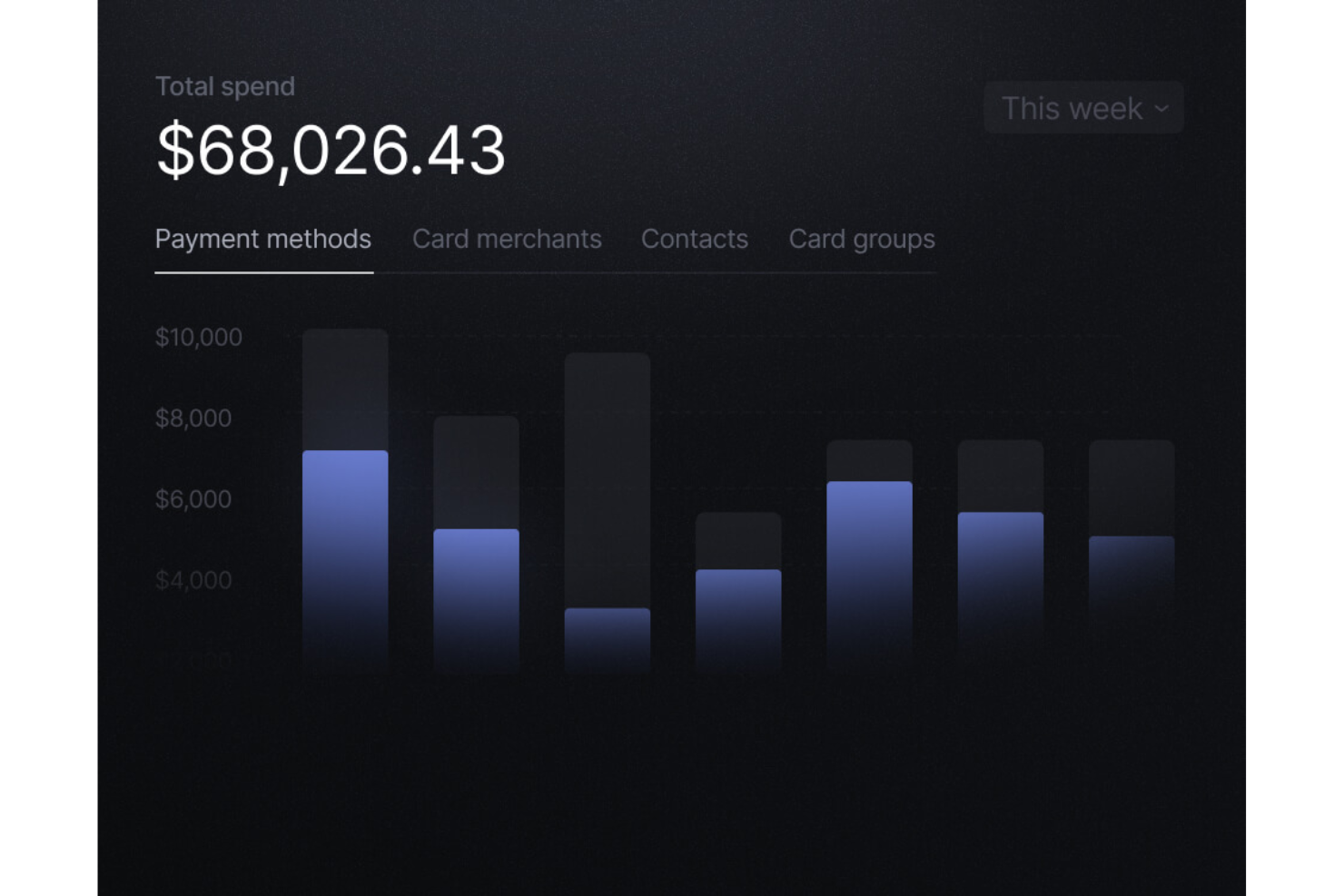
Slash es un software de cierre financiero que ayuda a las empresas a agilizar la conciliación, los pagos y los informes tanto en cuentas fiat como cripto. Automatiza tareas contables clave como la categorización de transacciones, el mapeo y la conciliación, reduciendo errores manuales y asegurando cierres de mes más rápidos. Con funciones de banca integrada, gestión de gastos y soporte de stablecoins, Slash une las finanzas tradicionales y digitales para equipos contables modernos.
Por qué elegí Slash: Elegí Slash porque te permite gestionar transacciones fiat y cripto en una sola plataforma, una capacidad que muchos equipos de finanzas necesitan hoy. Sus herramientas automatizadas de categorización y mapeo simplifican la conciliación y reducen el trabajo manual de diarios durante el cierre financiero. También me gusta que Slash se integra directamente con sistemas contables como QuickBooks y Xero, asegurando que tus datos permanezcan sincronizados. Para equipos que gestionan operaciones multi-entidad o multi-moneda, la analítica en tiempo real y los permisos de usuario personalizables de Slash proporcionan visibilidad y control sin complejidad.
Características e integraciones destacadas de Slash:
Características incluyen mapeo de transacciones automatizado, gestión multi-entidad y cuentas virtuales para ayudar a rastrear y conciliar fondos con precisión. También puedes usar sus herramientas de gestión de gastos y automatización de cuentas por pagar (AP) para manejar facturas, pagos a proveedores y aprobaciones desde un solo panel.
Integraciones incluyen Google Sheets, Notion, Airtable, Correo electrónico, Webhook, Amplitude, Zapier, Slack, QuickBooks y Xero.
Pros and Cons
Pros:
- Automatiza la conciliación cripto a fiat
- Soporta gestión financiera multi-entidad
- Ofrece análisis de cierre en tiempo real
Cons:
- Plantillas contables limitadas disponibles
- Cierta complejidad de configuración para principiantes
Otros programas de cierre financiero
Estas son algunas opciones adicionales de software de cierre financiero que no llegaron a mi lista de preselección, pero que aun así vale la pena considerar:


Cómo evalúo el software de cierre financiero
Analizo cada herramienta desde dos perspectivas: las capacidades básicas de cierre que debe tener para calificar y los diferenciadores que más le importan a los responsables de finanzas que cierran libros de múltiples entidades bajo presión de auditoría.
Funcionalidad básica (requisitos mínimos para esta lista)
Cuando selecciono herramientas para mi lista, califico cada una en una escala del 0 (no ofrece la funcionalidad) al 5 (sobresale en este área) para cada funcionalidad básica que detallo a continuación. Luego calculo la puntuación total de la herramienta como un porcentaje. Cada herramienta debe alcanzar una puntuación mínima total del 65% para ser considerada para su inclusión.
- Automatización de conciliaciones contables: Evalúo cómo cada herramienta gestiona las conciliaciones de balance general: auto-certificando cuentas de bajo riesgo como gastos pagados por anticipado, mientras que las de alto riesgo se envían a revisión.
- Gestión de tareas de cierre: Cada plataforma debe ofrecer una lista centralizada de verificación con dependencias de tareas, asignaciones y seguimiento en tiempo real del estado para que los responsables puedan ver exactamente cómo va el Día 3.
- Gestión de asientos contables: Verifico si los flujos de trabajo de asientos contables soportan aprobaciones multinivel, segregación de funciones y adjunto de documentos de respaldo, especialmente para provisiones y reclasificaciones.
- Compensación de transacciones: Aquí importa el emparejamiento a gran escala. Analizo cómo maneja cada herramienta los escenarios de emparejamiento muchos a muchos, como la liquidación de cientos de transacciones intercompañía entre entidades.
- Rastreo de auditoría y controles: Toda firma, aprobación y adjunto de documentos debe quedar registrada y ser accesible. Evalúo si los auditores pueden extraer el paquete completo de conciliación sin tener que buscar archivos.
- Integración con ERP: La herramienta necesita buenos conectores para extraer balances de prueba y datos transaccionales del libro mayor. Analizo con qué ERPs es compatible cada plataforma de forma nativa y si las sincronizaciones ocurren en tiempo real.
Una vez tengo una lista de herramientas que cumplen estos criterios, considero qué diferencia a cada plataforma.
Factores diferenciadores (lo que distingue a los proveedores)
Así es como comparo y contrasto diferentes proveedores:
Características destacadas
La conciliación intercompañía es un gran diferenciador: los equipos que cierran libros en diez o más entidades necesitan flujos de trabajo de emparejamiento y compensación diseñados específicamente, no hojas de cálculo manuales. También analizo las capacidades de análisis de fluctuaciones y variaciones, donde las mejores herramientas permiten a los revisores fijar umbrales por cuenta y registrar comentarios directamente en el flujo de trabajo. Los paneles de análisis de cierre completan el panorama mostrando exactamente dónde surgen cuellos de botella con comparaciones entre periodos que ayudan a acortar futuros ciclos.
Más allá de las funcionalidades
La adaptación al ecosistema ERP es una de las primeras cosas que reviso: una herramienta que se conecta de forma nativa al libro mayor significa una implementación más rápida y menos problemas de integridad de datos durante el cierre. La escalabilidad importa igual de mucho, especialmente para empresas en crecimiento que suman entidades o se preparan para una OPV que implique el cumplimiento SOX. También evalúo los equipos de éxito del cliente por su experiencia en el área, ya que tener acceso a asesores que entienden los ciclos de cierre puede marcar una diferencia real durante tu primer cierre trimestral en una nueva plataforma.
Cómo elegir un software de cierre financiero
Es fácil perderse entre largas listas de características y estructuras de precios complejas. Para ayudarte a mantener la atención mientras avanzas en tu proceso único de selección de software, aquí tienes una lista de factores que debes tener en cuenta:
| Factor | Qué considerar |
| Escalabilidad | Asegúrate de que el software pueda crecer junto con tu empresa. Busca soluciones que gestionen volúmenes de datos y cantidades de usuarios cada vez mayores sin comprometer el rendimiento. |
| Integraciones | Comprueba si se integra con tus sistemas actuales, como el ERP, el CRM o el software del equipo de contabilidad, para garantizar un flujo de datos fluido y minimizar la introducción manual de datos. |
| Personalización | Elige un software que te permita adaptar las funciones y los informes a las necesidades específicas de tu equipo, mejorando el flujo de trabajo y la eficiencia. |
| Facilidad de uso | Busca una interfaz intuitiva que requiera una formación mínima, para que tu equipo pueda adaptarse rápidamente y empezar a utilizar el software de forma eficaz. |
| Presupuesto | Evalúa el coste total, incluidas las cuotas de suscripción, la implementación y los posibles complementos, para asegurarte de que se ajusta a tus limitaciones financieras. |
| Medidas de seguridad | Verifica que el software ofrezca medidas de seguridad sólidas para proteger los datos financieros confidenciales, como el cifrado y los controles de acceso. |
| Servicios de soporte | Considera el nivel de soporte al cliente, incluida la disponibilidad y los tiempos de respuesta, para resolver los problemas de forma rápida y eficiente. |
| Funciones de cumplimiento normativo | Asegúrate de que el software respalde el cumplimiento normativo relevante para tu sector y ofrezca herramientas que faciliten la preparación de auditorías y la elaboración de informes. |
Tendencias del software de cierre financiero
Durante mi investigación, recopilé innumerables actualizaciones de productos, comunicados de prensa y registros de versiones de distintos proveedores de software de cierre financiero. Estas son algunas de las tendencias emergentes a las que estoy prestando atención:
- Información basada en IA: Cada vez más soluciones de software utilizan IA para analizar datos financieros en busca de patrones y tendencias, ofreciendo información práctica. Esto ayuda a los equipos a tomar decisiones fundamentadas con mayor rapidez.
- Colaboración en tiempo real: Las herramientas admiten cada vez más la colaboración en tiempo real, lo que permite a los equipos trabajar juntos desde cualquier lugar. Esta tendencia es fundamental para los entornos de trabajo remoto.
- Funciones de seguridad mejoradas: Debido a la creciente preocupación por las filtraciones de datos, el software de cierre financiero se centra cada vez más en medidas de seguridad avanzadas. Esto incluye la autenticación multifactor y la detección de amenazas en tiempo real.
- Diseño centrado en el usuario: Se está produciendo un cambio hacia interfaces más intuitivas y fáciles de usar que requieren menos capacitación. Esta tendencia hace que el software sea más accesible para los usuarios no técnicos.
- Herramientas de cumplimiento normativo: A medida que cambian las normativas, el software evoluciona para incluir herramientas que ayudan a las empresas a mantener el cumplimiento. Las funciones para los registros de auditoría y las comprobaciones automáticas de cumplimiento se están convirtiendo en un estándar, con empresas como SAP y HighRadius a la vanguardia.
¿Qué es el software de cierre financiero?
El software de cierre financiero es una herramienta que automatiza y gestiona el cierre financiero de las empresas. Normalmente lo utilizan los equipos financieros, los contables y los directores financieros para garantizar la precisión de los informes financieros y el cumplimiento normativo.
Este tipo de sistema incluye funciones clave como la conciliación automatizada, la colaboración en tiempo real y el seguimiento del cumplimiento para ayudar a los equipos a reducir errores, mejorar la colaboración y cumplir las normas regulatorias. En general, el software de cierre financiero ahorra tiempo y mejora la precisión de los datos financieros, haciendo que el proceso de cierre sea más eficiente antes de la consolidación.
Funciones del software de cierre financiero
Al seleccionar un software de cierre financiero, presta atención a las siguientes funciones clave:
- Conciliación automatizada: Ayuda a reducir los errores manuales al hacer coincidir automáticamente las transacciones, las deudas pendientes y las cuentas durante el ciclo de cierre, ahorrando tiempo a tu equipo.
- Colaboración en tiempo real: Permite que varios usuarios trabajen simultáneamente en las tareas de cierre financiero, mejorando el trabajo en equipo y la eficiencia.
- Seguimiento del cumplimiento: Garantiza que tus informes financieros y balances cumplan las normas regulatorias, reduciendo el riesgo de incumplimiento.
- Paneles personalizables: Permite a los usuarios adaptar su vista para centrarse en las métricas clave, mejorando los procesos de toma de decisiones.
- Información basada en IA: Analiza los datos financieros para descubrir tendencias y patrones, proporcionando información práctica para tomar mejores decisiones durante el cierre de fin de mes.
- Análisis de escenarios: Ayuda a evaluar diferentes estrategias empresariales, ayudando a los equipos a planificar distintos resultados de salud financiera.
- Compatibilidad con múltiples divisas: Gestiona transacciones en diferentes divisas, lo que lo hace ideal y menos laborioso para las empresas internacionales.
- Medidas de seguridad: Protege la información financiera confidencial con funciones como el cifrado y los controles de acceso.
- Diseño centrado en el usuario: Ofrece una interfaz intuitiva que requiere una capacitación mínima, lo que permite a los equipos adaptarse rápidamente.
- Capacidades de registro de auditoría: Proporciona un registro detallado de todas las transacciones financieras, incluida la originación de préstamos, lo que facilita la transparencia y la rendición de cuentas.
Beneficios del software de cierre financiero
Implementar un software de cierre financiero ofrece varios beneficios para tu equipo y tu empresa. Estos son algunos de los que puedes esperar:
- Mayor precisión: El software de cierre financiero reduce los errores humanos al automatizar los procesos empresariales, los cálculos y la introducción de datos.
- Ahorro de tiempo: Al automatizar las tareas repetitivas, el software libera tiempo para que tu equipo se concentre en el análisis y la planificación estratégica.
- Mejor cumplimiento: Con comprobaciones de cumplimiento integradas, el software de cierre financiero te ayuda a cumplir fácilmente las normas y regulaciones contables.
- Mayor visibilidad: Los paneles en tiempo real y las funciones de procesamiento de informes te ofrecen una visión clara del rendimiento financiero, lo que facilita la toma de decisiones informadas.
- Colaboración mejorada: El software facilita la colaboración al permitir que varios usuarios trabajen simultáneamente con datos financieros, asegurándose de que todos estén al tanto.
- Gestión de costes: Al hacer un seguimiento de los gastos y los ingresos con precisión, el software de cierre financiero ayuda a mantener los presupuestos y controlar los costes de forma eficaz.
- Coherencia de los datos: Las integraciones con otros sistemas garantizan que tus datos financieros sean coherentes en todas las plataformas, reduciendo las discrepancias. Esto también facilita la creación del libro mayor y los procesos de elaboración de informes financieros.
Costes y precios del software de cierre financiero
Para seleccionar un software de cierre financiero es necesario comprender los distintos modelos de precios y planes disponibles. Los costes varían según las funciones, el tamaño del equipo, los complementos y otros factores. La siguiente tabla resume los planes habituales, sus precios medios y las funciones que suelen incluir las soluciones de software de cierre financiero:
Tabla comparativa de planes de software de cierre financiero
| Tipo de plan | Precio medio | Funciones habituales |
| Plan gratuito | $0 | Informes básicos, usuarios limitados e integraciones esenciales. |
| Plan personal | $10-$30/usuario/mes | Informes mejorados, acceso para un solo usuario, importación y exportación de datos y asistencia básica. |
| Plan empresarial | $40-$80/usuario/mes | Acceso para varios usuarios, paneles personalizables, conciliación automatizada y seguimiento del cumplimiento. |
| Plan corporativo | $100-$200/usuario/mes | Análisis avanzados, colaboración en tiempo real, seguridad integral y asistencia prioritaria al cliente. |
Preguntas frecuentes sobre el software de cierre financiero
Estas son algunas respuestas a preguntas comunes sobre el software de cierre financiero:
¿Cómo mejora el software de cierre financiero la precisión de los informes?
El software de cierre financiero automatiza muchas de las tareas repetitivas relacionadas con el cierre contable, lo que reduce la posibilidad de errores humanos. Al consolidar datos de varias fuentes y proporcionar actualizaciones en tiempo real, garantiza que los informes se basen en información precisa y actualizada. Esto da lugar a estados financieros más confiables.
¿Puede el software de cierre financiero integrarse con los sistemas ERP existentes?
Sí, la mayoría de los programas de software de cierre financiero pueden integrarse con sistemas ERP populares como SAP, Oracle y Microsoft Dynamics. Estas integraciones permiten transferir datos sin problemas, lo que facilita que tu equipo consolide la información y genere informes sin introducir datos manualmente. Es importante comprobar la compatibilidad con tu sistema ERP específico antes de comprarlo.
¿Qué funciones de cumplimiento ofrece el software de cierre financiero?
El software de cierre financiero suele incluir funciones de cumplimiento como registros de auditoría, comprobaciones automatizadas y herramientas para la elaboración de informes regulatorios. Estas funciones ayudan a garantizar que tus procesos financieros cumplan las normas del sector y los requisitos normativos. Esto resulta especialmente útil para las empresas que operan en sectores muy regulados.
¿Cuál es el tiempo habitual de implementación del software de cierre financiero?
El tiempo de implementación puede variar en función de la complejidad de tus procesos financieros y del software que elijas. Por lo general, puede llevar desde unas semanas hasta varios meses. Factores como la migración de datos, la integración del sistema y la capacitación del personal pueden influir en los plazos, por lo que es fundamental planificar en consecuencia.
¿Cómo puede ayudar el software de cierre financiero en la preparación de auditorías?
El software de cierre financiero puede simplificar la preparación de auditorías al proporcionar registros de auditoría detallados y funciones completas de generación de informes. Estas herramientas permiten que tu equipo recopile y organice rápidamente la documentación necesaria para los auditores. Esto no solo ahorra tiempo, sino que también garantiza que tus registros financieros sean transparentes y fáciles de revisar.
¿Qué sigue?
Si estás investigando un software de cierre financiero, ponte en contacto con un asesor de SoftwareSelect para obtener recomendaciones gratuitas.
Rellena un formulario y tienes una breve conversación en la que se profundiza en los detalles de tus necesidades. Después, recibirás una lista de opciones de software para revisar. Incluso te ayudarán durante todo el proceso de compra, incluidas las negociaciones de precios.