

Los 10 mejores programas de gestión de auditorías internas seleccionados para 2026

Lista corta de software de gestión de auditorías internas


Cuando todo está disperso, las auditorías pueden convertirse fácilmente en búsquedas de última hora de pruebas, responsabilidades poco claras e informes que nunca parecen estar completamente listos para una auditoría. El software de gestión de auditorías internas te ayuda a planificar, ejecutar y hacer un seguimiento de las auditorías, al tiempo que mantiene el cumplimiento y la documentación en un solo lugar.
He trabajado con equipos de auditoría y cumplimiento, y he revisado decenas de herramientas, así que sé lo rápido que las auditorías «sencillas» pueden convertirse en situaciones caóticas de última hora cuando los sistemas no se comunican entre sí.
En esta guía, analizo el mejor software de gestión de auditorías internas para 2026, para que puedas comparar funciones, reducir el trabajo manual y elegir un sistema que realmente responda bien bajo la presión de una auditoría real.
Por qué confiar en nuestras recomendaciones de software
Nuestras reseñas reflejan nuestro criterio independiente, no un discurso de ventas. Descubra cómo mantenemos la transparencia.
Para esta guía, evaluamos las herramientas mediante pruebas prácticas e investigación independiente, puntuando las herramientas según nuestros criterios de selección.
Nuestras reseñas reflejan nuestro criterio editorial humano, no un discurso de ventas.
Resumen del mejor software de gestión de auditorías internas
Esta tabla comparativa resume los detalles de precios de mis principales selecciones de software de gestión de auditorías internas para ayudarte a encontrar la mejor opción para tu presupuesto y las necesidades de tu empresa.
| Tool | Best For | Trial Info | Price | ||
|---|---|---|---|---|---|
| 1 | Ideal para el seguimiento del cumplimiento normativo | Demo gratuita disponible | Precios bajo solicitud | Website | |
| 2 | Mejor para flujos de trabajo de auditoría en grandes empresas | Demo gratuita disponible | Precio bajo consulta | Website | |
| 3 | Ideal para flujos de trabajo de recopilación de evidencia | Demo gratuita disponible | Precio disponible bajo solicitud | Website | |
| 4 | Mejor para vincular incidentes con auditorías | Demostración gratuita disponible | Precios a pedido | Website | |
| 5 | Mejor para capacidades integradas de GRC | Demo gratuita disponible | Precios bajo petición | Website | |
| 6 | Mejor para marcos de auditoría personalizables | Demo gratuita disponible. | Precio a consultar | Website | |
| 7 | El mejor para integración con sistemas ERP | Demostración gratuita disponible | Precios a consultar | Website | |
| 8 | Mejor para la automatización de procesos de auditoría | No disponible | Precio a consultar | Website | |
| 9 | Mejor para necesidades de informes a nivel de consejo | Demo gratuita disponible | Precios bajo solicitud | Website | |
| 10 | Mejor para visibilidad de riesgos en tiempo real | Demostración gratuita disponible | Precio bajo consulta | Website |
Reseñas de software de gestión de auditorías internas
A continuación encontrarás mis resúmenes detallados del software de gestión de auditorías internas que se incluyó en mi lista corta. Mis reseñas ofrecen un análisis detallado de las funciones, los mejores casos de uso y las integraciones de cada plataforma para ayudarte a encontrar la opción más adecuada para ti.

SAI360
Ideal para el seguimiento del cumplimiento normativo
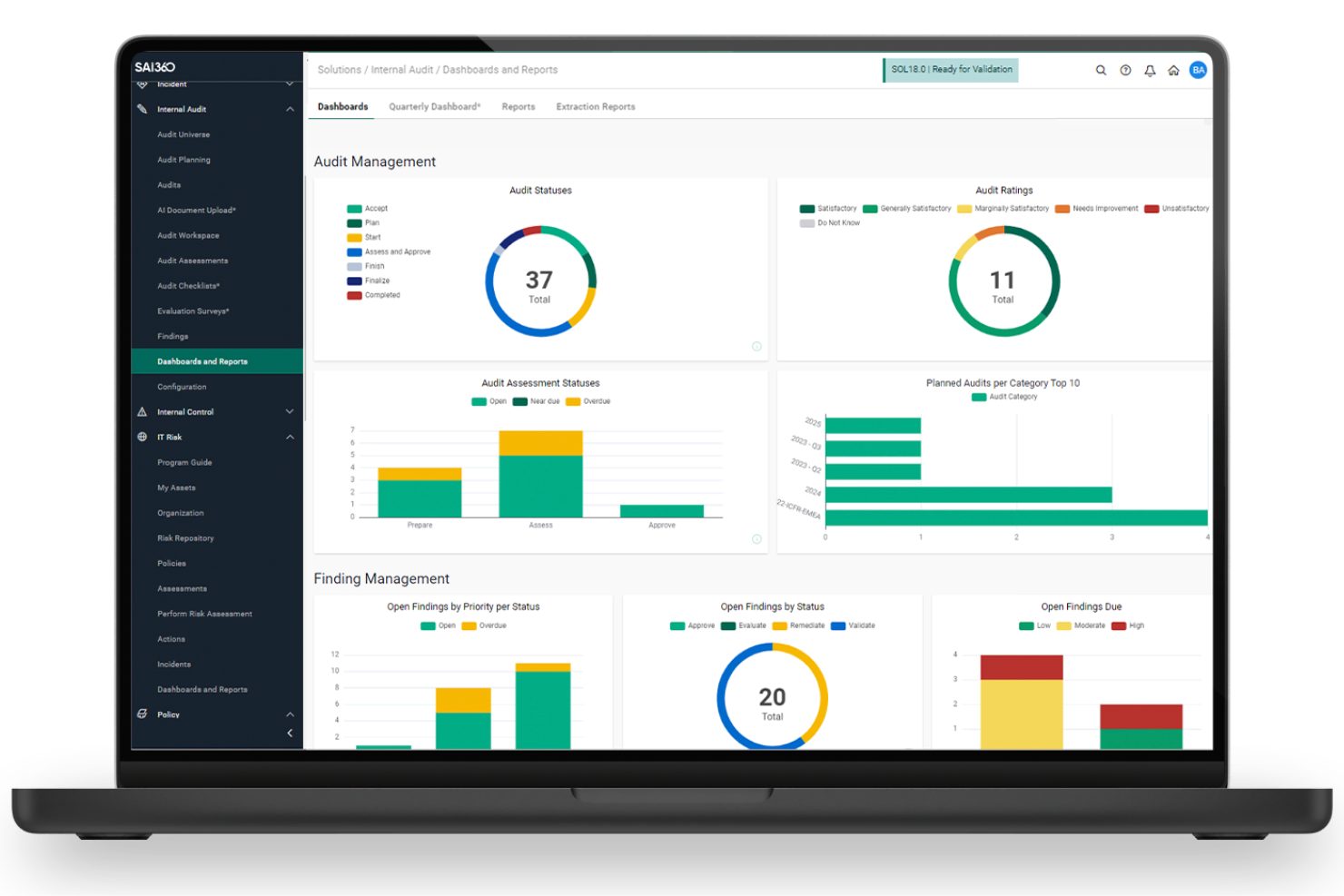
SAI360 está diseñado para organizaciones que necesitan gestionar requisitos complejos de cumplimiento normativo y riesgo junto con sus auditorías internas. Esta plataforma es especialmente útil para industrias altamente reguladas como la sanitaria, los servicios financieros y la energía, donde el seguimiento de regulaciones en constante cambio es un desafío constante. Su enfoque integrado ayuda a los equipos de auditoría a centralizar datos de cumplimiento, automatizar la recolección de evidencias y anticiparse a los cambios regulatorios.
Por qué elegí SAI360
Para los equipos de auditoría que necesitan mantenerse al día con demandas regulatorias cambiantes, SAI360 ofrece una solución enfocada en el seguimiento del cumplimiento dentro de la gestión de auditoría interna. Elegí SAI360 por su sólido enfoque en el cumplimiento normativo junto a la gestión de auditorías. Me gustó cómo conecta las actividades de auditoría directamente con los requisitos regulatorios, facilitando la demostración del cumplimiento. Su contenido normativo y el seguimiento de cambios ayudan a los equipos a permanecer actualizados frente a los estándares en evolución. Esto lo convierte en una opción sólida para organizaciones que operan en industrias muy reguladas.
Características clave de SAI360
Además de sus fortalezas en el seguimiento del cumplimiento, SAI360 ofrece varias otras funcionalidades para los equipos de auditoría:
- Gestión de flujos de trabajo automatizados: Configura y automatiza los flujos de trabajo de auditoría para adaptarlos a los procesos de tu organización.
- Herramientas de evaluación de riesgos: Puntúa y prioriza riesgos utilizando módulos de evaluación integrados.
- Gestión documental: Almacena, organiza y versiona evidencias de auditoría y documentos de respaldo.
- Cuadros de mando personalizables: Crea dashboards para visualizar estado de auditorías, hallazgos y tendencias.
Integraciones de SAI360
Las integraciones incluyen Workday, ADP, BambooHR, Slack, Oracle, SAP, Salesforce, ServiceNow, Microsoft 365 y SharePoint.
Pros and Cons
Pros:
- El mapeo normativo vincula directamente auditorías con requisitos de cumplimiento
- Las herramientas integradas de evaluación de riesgos ayudan a priorizar auditorías
- Los cuadros de mando personalizables brindan visibilidad sobre el estado y los hallazgos de auditoría
Cons:
- La configuración de permisos de usuario puede ser compleja de gestionar
- La personalización de informes puede requerir soporte adicional

Workiva
Mejor para flujos de trabajo de auditoría en grandes empresas
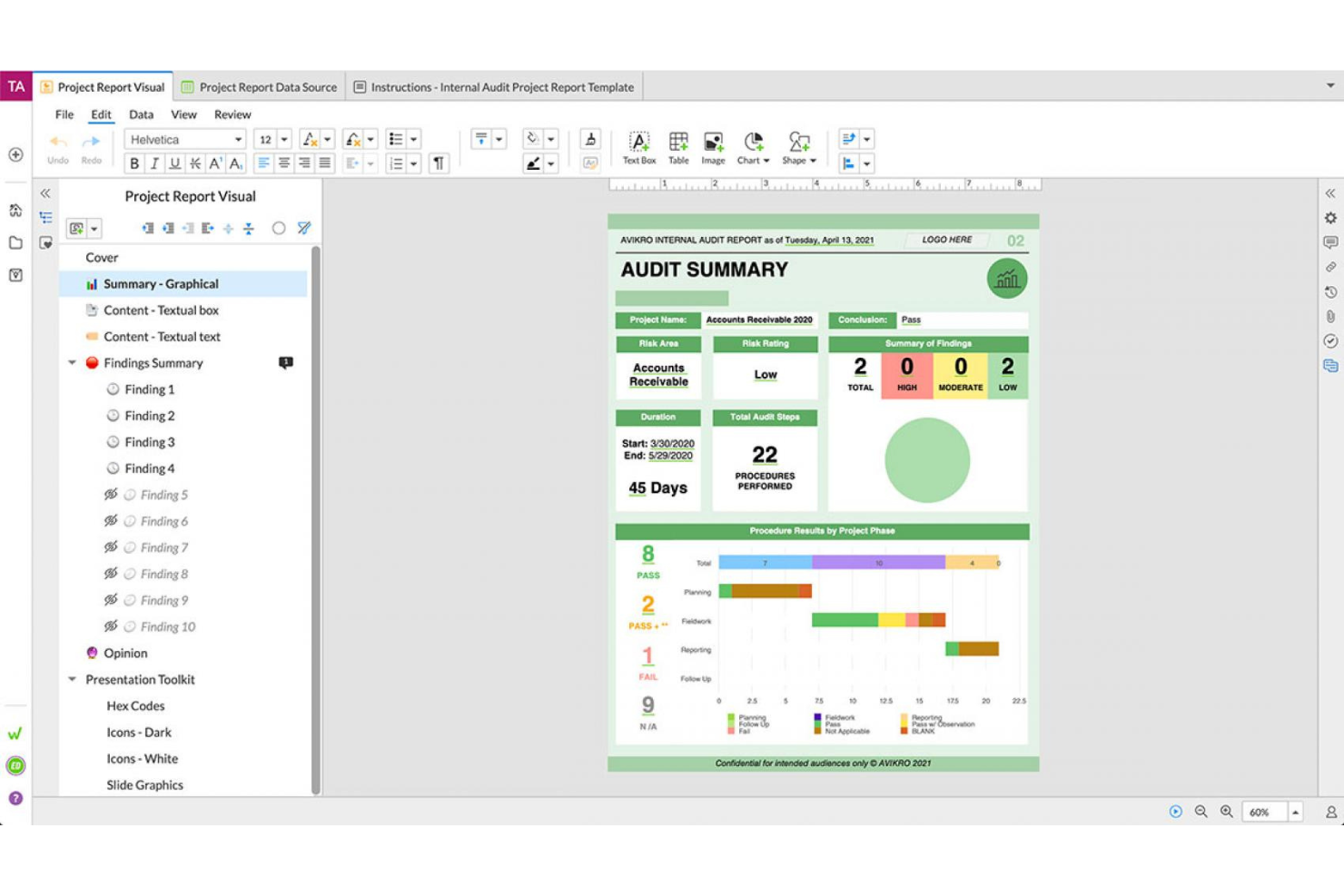
Workiva está diseñado para equipos de auditoría en grandes empresas que necesitan gestionar flujos de trabajo de auditoría complejos y con múltiples entidades. La plataforma conecta la planificación, ejecución e informes de auditoría en un solo entorno, ayudando a coordinar entre departamentos y mantener el cumplimiento normativo. Si tu organización enfrenta exigentes requerimientos regulatorios y grandes volúmenes de datos de auditoría, Workiva ofrece herramientas para centralizar y automatizar tus procesos.
Por qué elegí Workiva
Elegí Workiva porque está creado para gestionar la escala y la complejidad de los flujos de trabajo de auditoría de grandes empresas. La plataforma soporta la planificación y ejecución de auditorías de múltiples entidades, permitiendo coordinar auditorías entre diferentes unidades de negocio y geografías. También valoro cómo las herramientas de automatización de flujos de trabajo de Workiva ayudan a estandarizar los procesos y asegurar una documentación consistente. Sus funciones de colaboración en tiempo real también facilitan que grandes equipos como el mío gestionen hallazgos, den seguimiento a incidencias y mantengan el cumplimiento en toda la organización.
Características clave de Workiva
Otras funciones de Workiva que apoyan a los equipos de auditoría incluyen:
- Análisis de auditoría: Realiza pruebas y análisis basados en datos directamente en la plataforma para identificar anomalías y tendencias.
- Gestión de incidencias: Supervisa, asigna y resuelve hallazgos de auditoría con flujos de trabajo y actualizaciones de estado integradas.
- Gestión documental: Almacena, organiza y controla versiones de toda la documentación de auditoría en un repositorio centralizado y seguro.
- Controles de acceso basados en roles: Configura permisos granulares para usuarios y equipos y protege información delicada de auditoría.
Integraciones de Workiva
Las integraciones incluyen SAP, Oracle, Microsoft Office 365, NetSuite, Workday, Salesforce, Coupa, BlackLine, Trintech y una API para integraciones personalizadas.
Pros and Cons
Pros:
- Admite flujos de trabajo de auditoría multinacionales y Multi-entidad
- Colaboración en tiempo real para equipos de auditoría distribuidos
- Seguimiento automatizado del historial y documentación de auditoría
Cons:
- El precio no es transparente ni público
- La implementación puede ser prolongada para equipos grandes

Ideal para flujos de trabajo de recopilación de evidencia

Hyperproof está diseñado para equipos de auditoría y cumplimiento que necesitan gestionar la recopilación de evidencia a través de múltiples marcos y auditorías. La plataforma atrae a organizaciones con requisitos regulatorios complejos, especialmente aquellas que manejan SOC 2, ISO 27001 o HIPAA. Su enfoque basado en flujos de trabajo ayuda a los equipos a centralizar, rastrear y automatizar la recopilación de evidencia, reduciendo el seguimiento manual y la fatiga del auditor.
Por qué elegí Hyperproof
Elegí Hyperproof porque se centra en gran medida en la recopilación y gestión de evidencia. Me gustó cómo centraliza la evidencia y permite a los equipos mapearla a través de múltiples controles y marcos. Su seguimiento de tareas y recordatorios ayuda a mantener las auditorías dentro del cronograma sin necesidad de seguimiento manual constante. Esto lo hace especialmente útil para equipos que gestionan auditorías recurrentes en múltiples estándares de cumplimiento.
Características clave de Hyperproof
Además de sus flujos de trabajo para la recopilación de evidencia, Hyperproof ofrece varias otras características que vale la pena destacar:
- Biblioteca de marcos: Accede a una biblioteca integrada de marcos de cumplimiento para alinear rápidamente tus auditorías con los estándares del sector.
- Gestión de tareas: Asigna, rastrea y gestiona tareas relacionadas con la auditoría dentro de la plataforma.
- Registro de riesgos: Mantén un registro centralizado de riesgos y vincúlalos a controles y actividades de auditoría.
- Historial de auditoría: Visualiza un historial detallado de cambios y acciones realizadas sobre la evidencia y los controles.
Integraciones de Hyperproof
Las integraciones incluyen Slack, Snowflake, Splunk, Square Payroll, Tenable, Trinet, Ultipro, Zendesk, Zenefits y Zoom.
Pros and Cons
Pros:
- La gestión centralizada de evidencia facilita auditorías multi-marco
- Recordatorios automáticos mantienen las tareas de auditoría en curso
- Las trazas de auditoría proporcionan visibilidad sobre la actividad de la evidencia
Cons:
- No hay aplicación móvil para realizar auditorías en campo
- Las plantillas de informes ofrecen una personalización limitada

Resolver
Mejor para vincular incidentes con auditorías
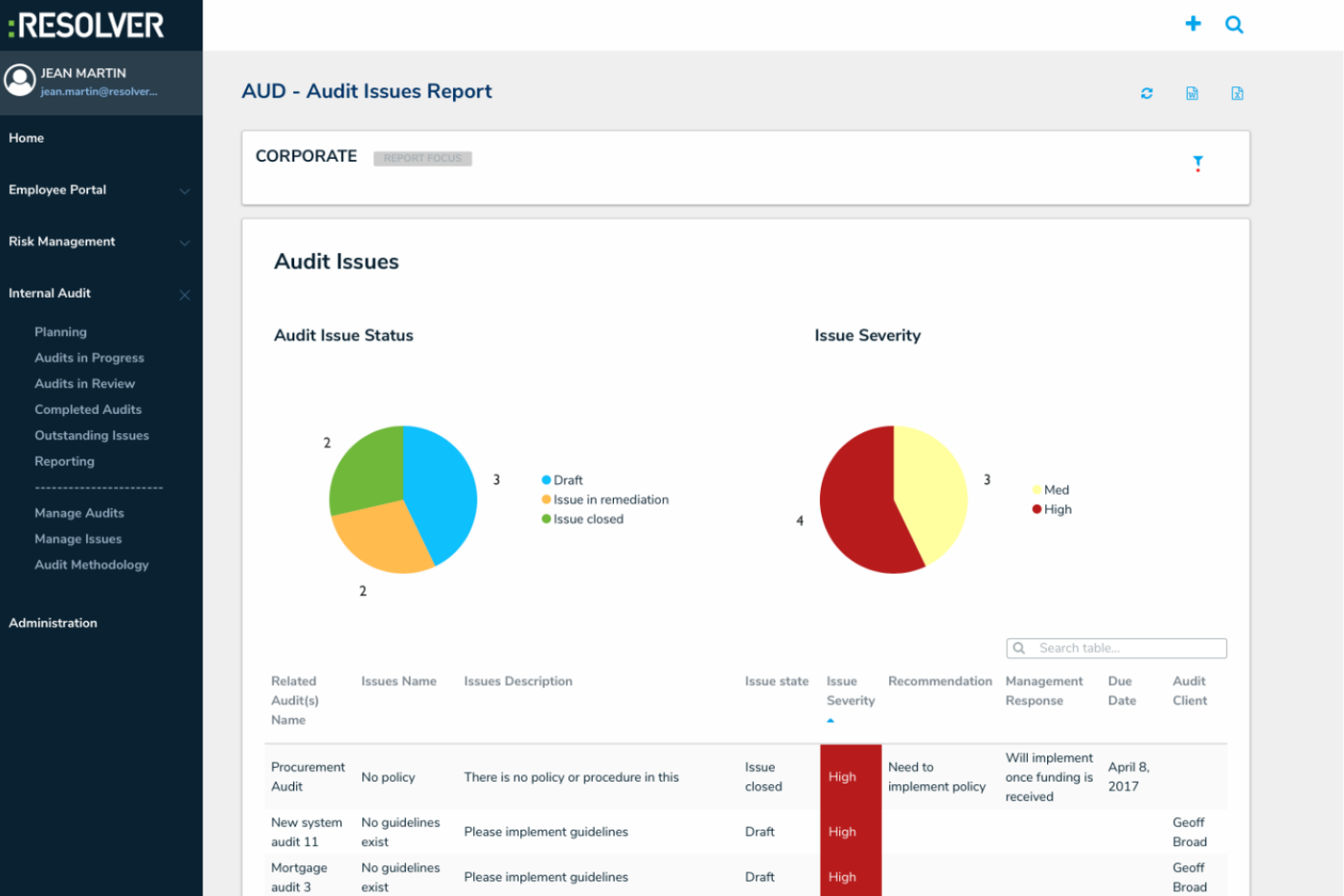
Resolver destaca para los equipos de auditoría que necesitan conectar la gestión de incidentes directamente con sus procesos de auditoría. Esta plataforma es especialmente útil para organizaciones en sectores como servicios financieros, salud y manufactura, donde es esencial hacer seguimiento al ciclo de vida desde el incidente hasta la remediación. Al vincular incidentes, riesgos y auditorías en un solo sistema, Resolver ayuda a los equipos a identificar causas raíz y fortalecer los controles basados en eventos reales.
Por qué elegí Resolver
Lo que me atrajo de Resolver es su capacidad para conectar la gestión de incidentes directamente con las actividades de auditoría interna. La plataforma te permite vincular incidentes, riesgos y hallazgos de auditoría en un solo flujo de trabajo, para que puedas rastrear los problemas desde el informe inicial hasta la remediación y el cierre de la auditoría. Valoro cómo la vinculación de incidentes a auditorías de Resolver ayuda a los equipos de auditoría a identificar patrones y causas raíz, lo que facilita priorizar auditorías basadas en hechos operativos reales. Este enfoque es especialmente útil para organizaciones que desean fortalecer los controles y demostrar una respuesta clara a los incidentes dentro de su proceso de auditoría.
Principales características de Resolver
Otras características que hacen que Resolver sea útil para los equipos de auditoría incluyen:
- Programación automática de auditorías: Configura auditorías recurrentes o únicas con recordatorios automáticos.
- Plantillas de auditoría personalizables: Crea y reutiliza plantillas de auditoría adaptadas a los requisitos de tu organización.
- Informes en tiempo real: Genera y comparte informes de auditoría con datos y visualizaciones actualizadas.
- Controles de acceso basados en roles: Asigna permisos y restringe el acceso según los roles y responsabilidades de los usuarios.
Integraciones de Resolver
No se enumeran integraciones.
Pros and Cons
Pros:
- Vincula directamente incidentes a hallazgos de auditoría para un mejor análisis de causa raíz
- Las plantillas personalizables apoyan diferentes marcos de auditoría
- La generación de informes en tiempo real proporciona información de auditoría actualizada
Cons:
- Configurar el flujo de trabajo puede llevar tiempo para quedar completamente operativo
- Las opciones de formato de los informes de auditoría son algo limitadas

Mejor para capacidades integradas de GRC
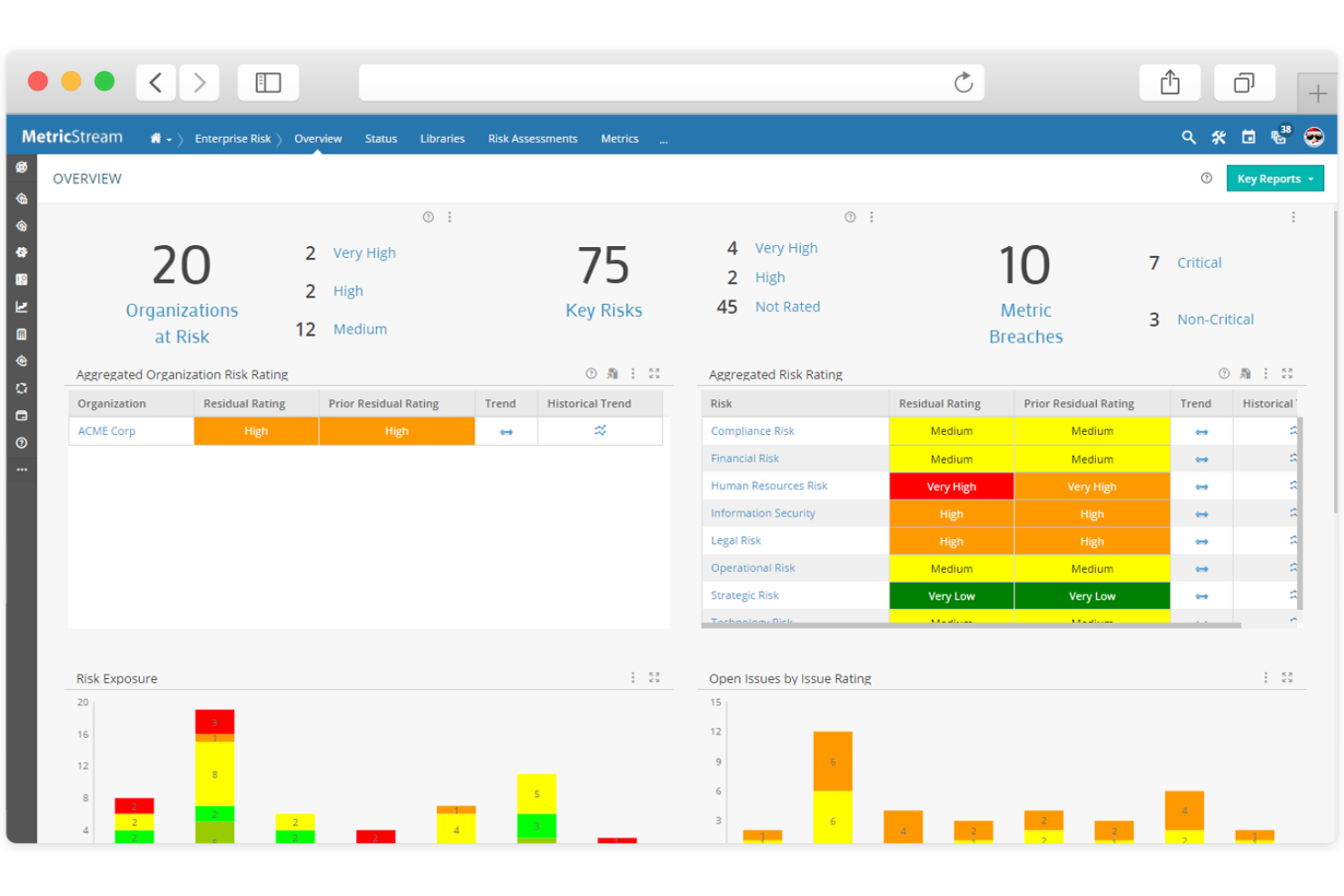
MetricStream reúne la gestión de auditoría, riesgo y cumplimiento en una única plataforma diseñada para organizaciones con necesidades de gobernanza complejas. Es una opción sólida para equipos que desean conectar los procesos de auditoría interna con actividades más amplias de GRC, como evaluaciones de riesgos y gestión de políticas. Si tu empresa necesita supervisión y reportes unificados a través de múltiples funciones de riesgo y cumplimiento, MetricStream ofrece flujos de trabajo integrados y análisis para respaldar esos procesos.
Por Qué Elegí MetricStream
Aprecio la capacidad de MetricStream para conectar la auditoría interna con las actividades más amplias de gobernanza, riesgo y cumplimiento, y destaca especialmente por sus capacidades integradas de GRC. Los enlaces de la plataforma son útiles para la planificación, ejecución y reporte de auditorías junto con evaluaciones de riesgos y gestión de políticas, así puedo gestionar todo en un solo lugar. Elegí MetricStream porque sus flujos de trabajo unificados me ayudan a coordinar los hallazgos de auditoría con los requisitos de riesgo y cumplimiento de la empresa. Este enfoque apoya a las organizaciones que desean derribar silos y crear una fuente única de verdad para todas las actividades de GRC.
Características Clave de MetricStream
Otras funciones que MetricStream ofrece para los equipos de auditoría incluyen:
- Seguimiento Automático de Incidencias: Rastrear, asignar y monitorear incidencias de auditoría desde la identificación hasta su resolución dentro de la plataforma.
- Plantillas de Auditoría Personalizables: Utiliza y adapta plantillas preconstruidas para diferentes tipos de auditoría y requisitos del sector.
- App de Auditoría Móvil: Realiza auditorías, recopila evidencias y completa listas de verificación directamente desde un dispositivo móvil.
- Paneles de Análisis en Tiempo Real: Visualiza el progreso, los hallazgos y las tendencias de auditoría con paneles y herramientas de reporte configurables.
Integraciones de MetricStream
Las integraciones incluyen SAP, Oracle, Salesforce, Microsoft Dynamics, Workday, ServiceNow, Tableau, Power BI, Jira y NetSuite.
Pros and Cons
Pros:
- Centraliza los flujos de trabajo de auditoría, riesgo y cumplimiento
- Soporta auditorías multi-idioma y multi-entidad
- Ofrece plantillas de auditoría configurables para sectores
Cons:
- La navegación puede ser compleja para usuarios nuevos
- La creación de informes personalizados requiere soporte técnico

Archer
Mejor para marcos de auditoría personalizables

Archer ofrece a los equipos de auditoría la flexibilidad de crear y personalizar marcos de auditoría que se adapten al panorama de riesgos único de su organización. Es especialmente útil para grandes empresas e industrias reguladas que necesitan alinear los procesos de auditoría con controles internos complejos y estándares de cumplimiento. Con Archer, puedes adaptar los flujos de trabajo y los informes para hacer frente a los requisitos de auditoría y prioridades empresariales en constante evolución.
Por qué elegí Archer
Archer destaca para los equipos que necesitan diseñar marcos de auditoría altamente personalizables a medida de las necesidades de riesgo y cumplimiento de su organización. Elegí Archer por el alto nivel de control que ofrece a los equipos para diseñar sus propios marcos de auditoría. Me gustó cómo puedes configurar flujos de trabajo, modelos de puntuación y estructuras de informes para cumplir con políticas internas y requisitos regulatorios. Su gestión del universo de auditoría es especialmente útil para hacer un seguimiento de las entidades auditables y los riesgos asociados. Este nivel de personalización lo convierte en una excelente opción para organizaciones con estructuras de gobernanza complejas.
Características clave de Archer
Además de sus capacidades de personalización, Archer ofrece varias otras funciones para equipos de auditoría:
- Recopilación automatizada de evidencia: Reúne y organiza la documentación de soporte directamente en la plataforma.
- Controles de acceso basados en roles: Asigna permisos y restringe el acceso según los roles y responsabilidades de los usuarios.
- Gestión de incidencias y excepciones: Haz seguimiento, documenta y resuelve hallazgos y excepciones de auditoría en un flujo de trabajo estructurado.
- Gestión del universo de auditoría: Mantén un inventario centralizado de todas las entidades auditables y datos de riesgo relacionados.
Integraciones de Archer
Las integraciones no se especifican en su sitio web.
Pros and Cons
Pros:
- Los flujos de trabajo altamente personalizables responden a necesidades complejas de auditoría y cumplimiento
- La gestión del universo de auditoría centraliza el seguimiento de las entidades auditables
- La recopilación automatizada de evidencia favorece una documentación consistente de la auditoría
Cons:
- La configuración puede requerir un esfuerzo de implementación considerable
- Las actualizaciones de la interfaz de usuario son menos frecuentes que las de algunos competidores

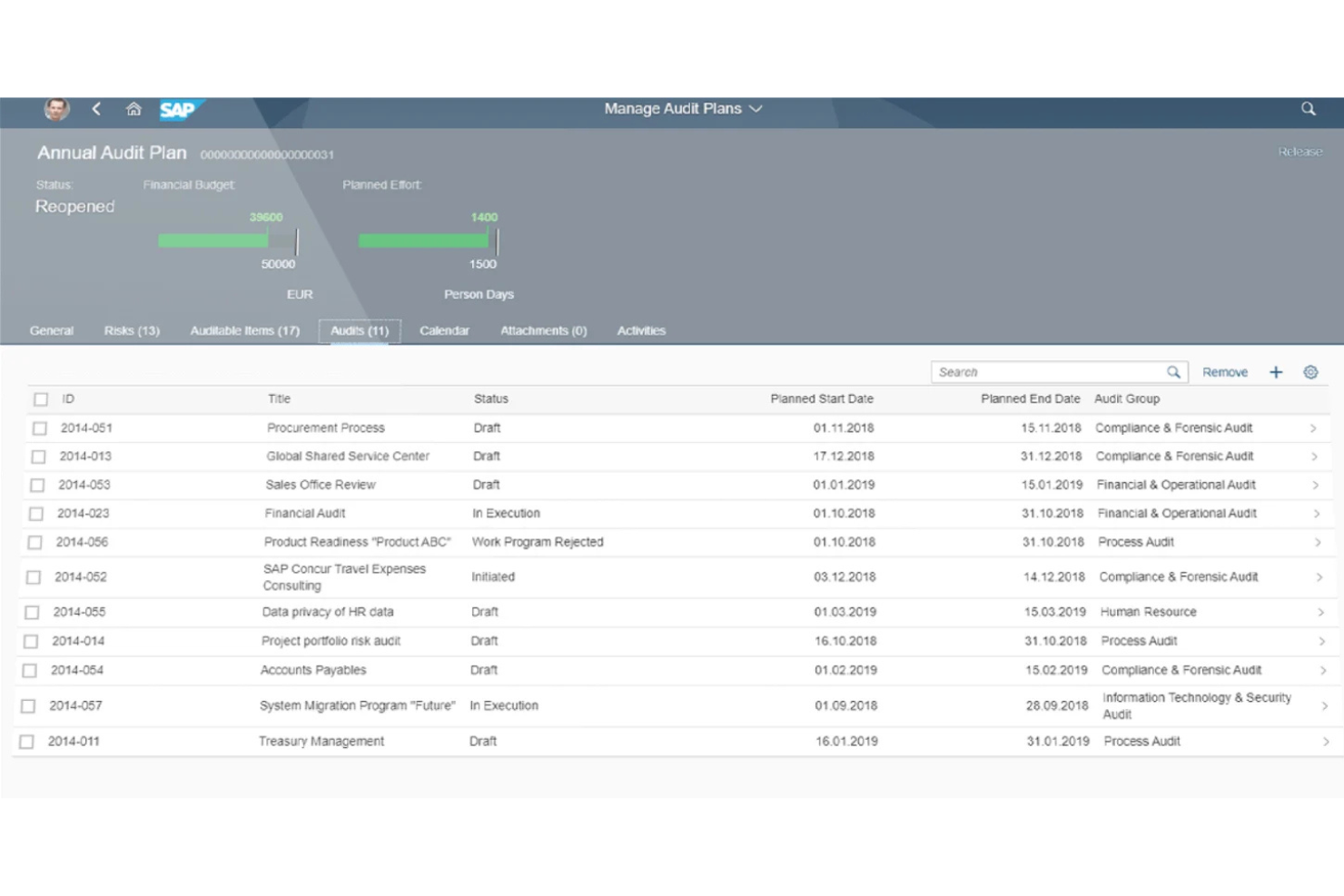
SAP Audit Management está diseñado para organizaciones que desean conectar directamente los procesos de auditoría con sus sistemas SAP ERP y financieros. Esta herramienta es ideal para grandes empresas y negocios globales que necesitan gestionar auditorías en entornos complejos e integrados. Aprovechando la integración nativa con SAP, ayuda a los equipos de auditoría a acceder a datos en tiempo real y automatizar flujos de trabajo dentro del ecosistema SAP.
Por qué elegí SAP Audit Management
Elegí SAP Audit Management por su estrecha alineación con los entornos SAP. Me gustó cómo permite que los equipos de auditoría trabajen directamente con los datos financieros y operativos de los sistemas SAP, lo que mejora la precisión en la planificación y ejecución de auditorías. Su enfoque basado en plantillas y la automatización de flujos de trabajo también ayudan a estandarizar auditorías recurrentes. Esto lo hace especialmente eficaz para organizaciones que ya operan dentro del ecosistema SAP.
Funciones clave de SAP Audit Management
Otras funciones que hacen útil a SAP Audit Management para los equipos de auditoría incluyen:
- Capacidades de auditoría móvil: Realice y documente auditorías desde dispositivos móviles en campo.
- Seguimiento de incidencias y acciones: Asigne, supervise y dé seguimiento a los hallazgos y tareas de remediación de la auditoría.
- Planificación de auditorías basada en plantillas: Use plantillas estandarizadas para planificar y programar auditorías recurrentes.
- Paneles de control basados en roles: Ofrezca paneles personalizados para distintos roles de usuarios y monitoree el progreso y estado de las auditorías.
Integraciones de SAP Audit Management
Las integraciones incluyen SAP Risk Management, SAP Process Control y SAP Business Integrity Screening.
Pros and Cons
Pros:
- El acceso directo a los datos de SAP mejora la precisión y el contexto de la auditoría
- La planificación basada en plantillas respalda procesos de auditoría repetibles
- Los flujos de trabajo integrados alinean las actividades de auditoría con las operaciones del negocio
Cons:
- Más adecuado para organizaciones que ya usan sistemas SAP
- La configuración de informes personalizados puede requerir experiencia técnica

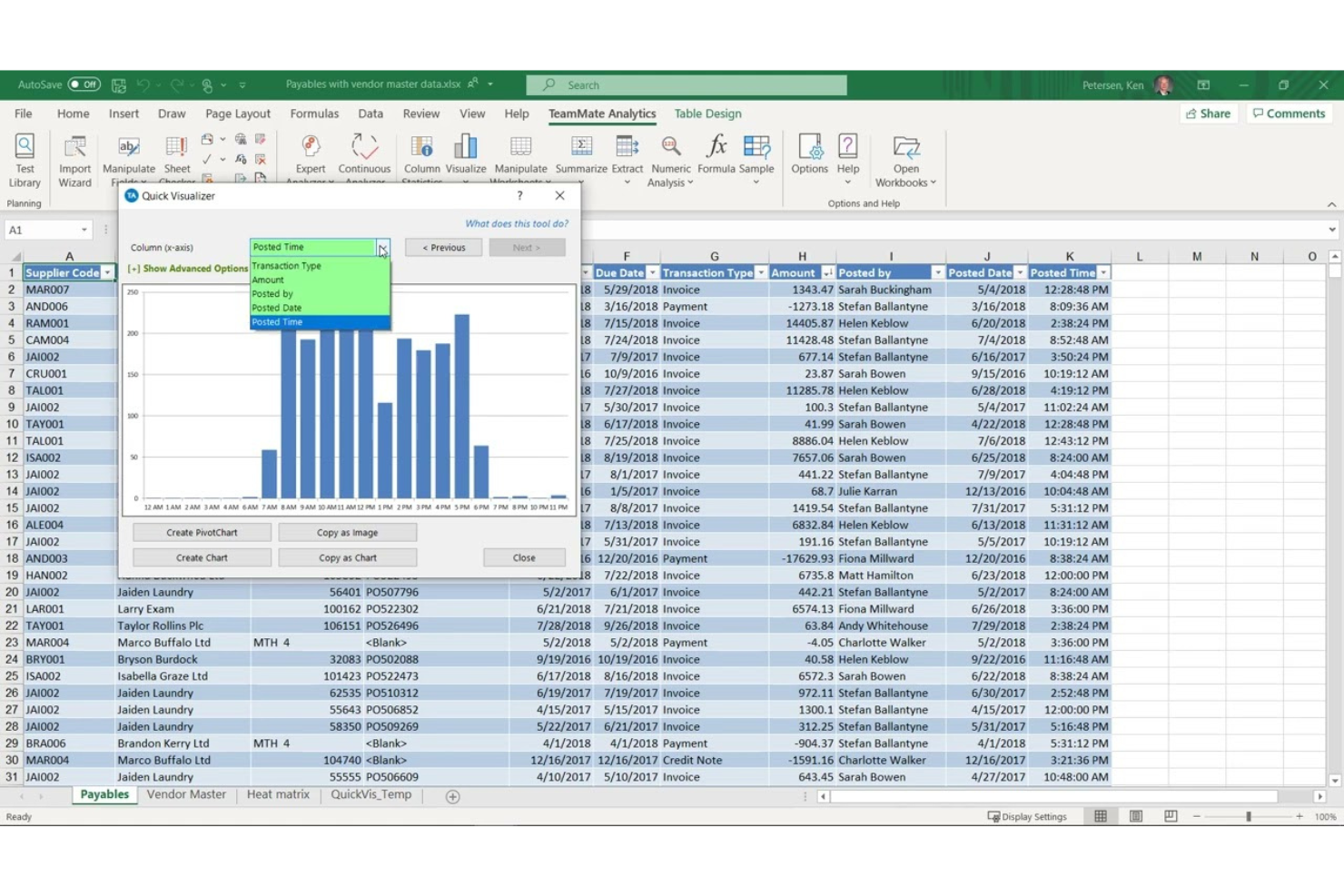
Si buscas automatizar y estandarizar tus procesos de auditoría, TeamMate ofrece una plataforma especializada creada para profesionales de auditoría. Está diseñada para organizaciones que desean digitalizar los flujos de trabajo, gestionar la documentación y seguir el progreso de las auditorías desde la planificación hasta la generación de informes. TeamMate es especialmente útil para equipos que buscan reducir el trabajo manual y mejorar la consistencia de auditorías en diferentes departamentos o ubicaciones.
Por qué elegí TeamMate
Elegí TeamMate por su claro enfoque en la automatización del ciclo de vida de la auditoría. Me gustó cómo gestiona la programación, el seguimiento y los recordatorios de manera estructurada, lo que ayuda a reducir la coordinación manual. Elegí TeamMate porque también ofrece seguimiento automático de incidencias y recordatorios, ayudando a los equipos de auditoría a cumplir con los plazos y tareas pendientes. Estas funciones de automatización lo convierten en una opción sólida para organizaciones que desean agilizar tareas repetitivas de auditoría y mantener la coherencia en múltiples auditorías.
Características principales de TeamMate
Otras funciones que TeamMate ofrece a los equipos de auditoría incluyen:
- Herramientas de evaluación de riesgos: Califica y prioriza riesgos para guiar la planificación de auditorías y la asignación de recursos.
- Gestión de documentos: Almacena, organiza y versiona documentos de auditoría en un repositorio centralizado.
- Registro de tiempos: Registra y monitorea el tiempo dedicado a tareas y proyectos de auditoría.
- Informes personalizables: Crea y adapta informes de auditoría para cumplir con los requisitos organizativos y regulatorios.
Integraciones de TeamMate
TeamMate ofrece una serie de API para integraciones personalizadas, incluyendo API de informes, API de intercambio de datos, API de monitoreo de eventos y API de proveedor de identidad. Actualmente no se listan integraciones nativas con proveedores externos específicos.
Pros and Cons
Pros:
- Incluye módulos integrados de evaluación de riesgos
- Ofrece plantillas y flujos de trabajo de auditoría configurables
- Proporciona una trazabilidad de auditoría para todas las acciones de los usuarios
Cons:
- No dispone de un marketplace público para integraciones de terceros
- La funcionalidad de la aplicación móvil es limitada


Diligent está diseñado para equipos de auditoría que necesitan ofrecer información clara y procesable a la alta dirección y a los consejos de administración. Es especialmente útil para organizaciones que priorizan los informes a nivel de consejo, la visibilidad de riesgos y tableros en tiempo real. Diligent ayuda a los profesionales de auditoría a conectar los hallazgos de la auditoría con los objetivos estratégicos y comunicar los resultados en un formato útil para los responsables de la toma de decisiones.
Por qué elegí Diligent
Elegí Diligent porque es particularmente robusto en lo que respecta a los informes para el consejo y la visibilidad ejecutiva. Me gustó cómo traduce los datos de auditoría en tableros y reportes claros que los líderes realmente pueden utilizar. Su monitoreo de riesgos en tiempo real también ayuda a garantizar que las partes interesadas estén al tanto de problemas emergentes. Esto lo hace ideal para organizaciones donde los hallazgos de auditoría deben apoyar directamente la toma de decisiones estratégica.
Características clave de Diligent
Otras características que Diligent ofrece para los equipos de auditoría incluyen:
- Gestión automatizada de flujos de trabajo: Configure y gestione los procesos de auditoría con flujos de trabajo configurables y asignaciones de tareas.
- Seguimiento de problemas y acciones: Supervise los problemas de auditoría y realice el seguimiento de las acciones dentro de la plataforma.
- Repositorio de documentos: Almacene, organice y controle el acceso a la documentación de auditoría en un entorno seguro.
- Controles de acceso basados en roles: Asigne permisos y restrinja el acceso según los roles y responsabilidades de los usuarios.
Integraciones de Diligent
Las integraciones incluyen Microsoft Office, SharePoint, Salesforce, SAP, Oracle, Workday, NetSuite, Google Workspace, Jira y Tableau.
Pros and Cons
Pros:
- Los informes listos para el consejo facilitan la comunicación a nivel ejecutivo
- Los tableros en tiempo real destacan el avance de la auditoría y la exposición al riesgo
- Los controles de acceso basados en roles protegen la información sensible de auditoría
Cons:
- Las opciones de personalización de informes pueden ser restrictivas
- La configuración puede requerir orientación para implementaciones avanzadas

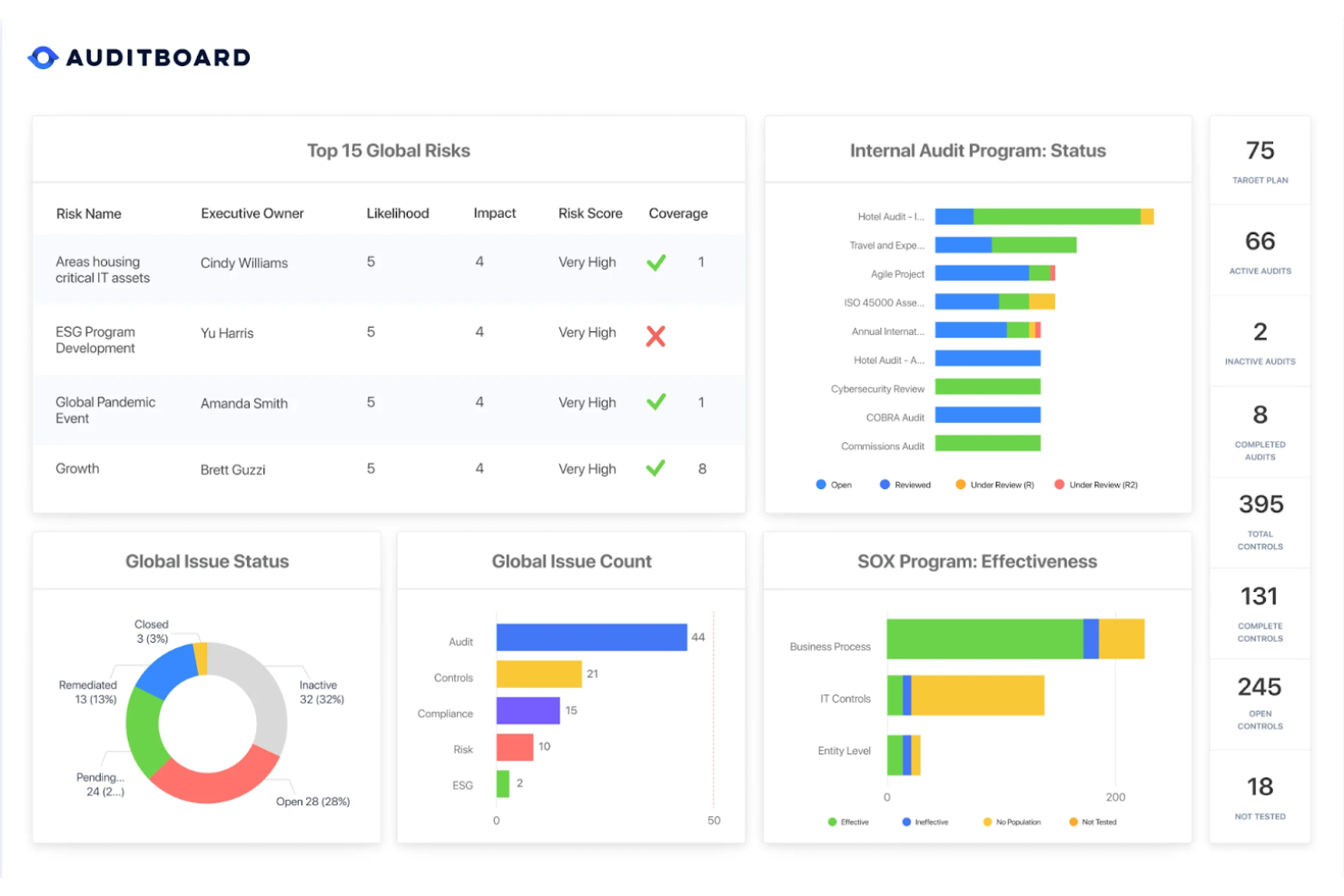
AuditBoard ofrece a mi equipo una forma de supervisar el riesgo en tiempo real en toda la organización. En general, diría que la plataforma es especialmente útil para empresas que necesitan identificar, evaluar y responder rápidamente a riesgos emergentes como parte de su proceso de auditoría. Si su equipo necesita visibilidad continua de los riesgos operativos y los hallazgos de auditoría, AuditBoard ofrece paneles y automatización para mantenerlo informado y ágil.
Por qué elegí AuditBoard
Lo que distingue a AuditBoard es su enfoque en proporcionar visibilidad de riesgos en tiempo real para los equipos de auditoría. Los paneles dinámicos de la plataforma y las herramientas automatizadas de monitoreo de riesgos nos ayudan a detectar y responder a los problemas a medida que surgen, en lugar de esperar a revisiones periódicas. Elegí AuditBoard porque sus funciones de evaluación continua de riesgos son útiles para rastrear cambios y amenazas emergentes. Con flujos de trabajo integrados para la gestión de incidencias e informes, AuditBoard apoya a los equipos que necesitan mantenerse ágiles y proactivos en su enfoque de auditoría.
Funciones clave de AuditBoard
Además de su monitoreo en tiempo real de riesgos, AuditBoard ofrece varias otras funciones para los equipos de auditoría:
- Calendario de planificación de auditorías: Programe y gestione proyectos de auditoría con un calendario visual que rastrea hitos y fechas límite.
- Biblioteca de plantillas: Acceda a plantillas prediseñadas para programas de auditoría, listas de verificación y papeles de trabajo para estandarizar los procesos.
- Permisos basados en roles: Asigne controles de acceso granulares para garantizar que los datos confidenciales de auditoría solo estén disponibles para los usuarios autorizados.
- Recopilación automática de evidencia: Recoja y organice la documentación de respaldo automáticamente como parte de los flujos de trabajo de auditoría.
Integraciones de AuditBoard
Las integraciones incluyen Jira, ServiceNow, Azure DevOps, Microsoft Teams, Slack, Google Drive, Microsoft Office, Power BI, Tableau y Workday.
Pros and Cons
Pros:
- Paneles en tiempo real para el estado de riesgos y auditoría
- Recopilación automática de evidencia de múltiples fuentes
- Plantillas prediseñadas para papeles de trabajo de auditoría
Cons:
- No hay detalles públicos de precios o planes
- Funcionalidad fuera de línea limitada para auditorías de campo
Otro software de gestión de auditorías internas
Estas son algunas opciones adicionales de software de gestión de auditorías internas que no se incluyeron en mi lista corta, pero que aún vale la pena considerar:
- Quantivate
Ideal para el diseño modular de programas de auditoría
- ComplianceQuest
Mejor para la colaboración en auditorías basada en la nube
- DataSnipper
La mejor opción para la extracción automatizada de evidencias de auditoría


Cómo evalúo el software de gestión de auditoría interna
Evalúo estas herramientas en dos niveles: la funcionalidad central que un equipo de nivel CAE no puede dejar de tener—planificación de auditorías, gestión de papeles de trabajo, seguimiento de hallazgos—y los diferenciadores que determinan el ajuste real.
Funcionalidad central (Requisitos indispensables para esta lista)
Cuando selecciono herramientas para mi lista, califico cada una en una escala del 0 (no ofrece la funcionalidad) al 5 (destaca en esta área) por cada funcionalidad central que se detalla a continuación. Luego, calculo la puntuación total de la herramienta en porcentaje. Cada herramienta debe alcanzar una puntuación mínima total del 65% para ser considerada.
- Planificación y programación de auditorías: Busco mapeo del universo de auditoría basado en riesgos y generadores de planes anuales que permitan asignar auditorías, distribuir personal y establecer cronogramas desde una sola vista.
- Gestión de papeles de trabajo: Es importante un repositorio centralizado con control de versiones y aprobación de revisores, especialmente cuando varios auditores necesitan consultar la misma evidencia.
- Evaluación de riesgos y controles: Verifico si la herramienta admite bibliotecas de controles mapeadas a marcos como COSO o SOX, y ofrece flujos de trabajo estructurados de pruebas, no solo listas de verificación estáticas.
- Seguimiento de hallazgos y remediaciones: Cada hallazgo debe pasar desde el registro hasta la asignación del responsable y el cierre, con visibilidad de estado para que nada se estanque entre la auditoría y la respuesta de la dirección.
- Informes de auditoría y paneles: Evalúo si los informes son lo suficientemente configurables tanto para el comité de auditoría como para los responsables operativos que necesitan distintos niveles de detalle.
- Rastro de auditoría y controles de acceso: Lo que busco son permisos basados en roles y registros a prueba de manipulación, ya que la independencia del auditor y la integridad de los datos dependen de una segregación adecuada.
Una vez que tengo una lista de herramientas que cumplen los criterios, considero aquello que diferencia a cada plataforma.
Factores diferenciadores (Lo que distingue a los proveedores)
Así es como comparo y contrasto los diferentes proveedores:
Características destacadas
El monitoreo continuo de controles es un diferenciador importante: las herramientas que detectan excepciones de controles en tiempo real entre ciclos de auditoría dan a tu equipo una ventaja ante riesgos emergentes. También evalúo los flujos de trabajo asistidos por IA, donde algunas plataformas pueden redactar programas de auditoría o resumir hallazgos para reducir el tiempo de elaboración de informes. Un portal dedicado para auditados también es relevante, ya que permite a los responsables de procesos cargar evidencia PBC directamente sin necesidad de una licencia completa.
Más allá de las características
Las integraciones con ERP son muy importantes aquí. Verifico si cada plataforma se conecta con sistemas como SAP, Oracle o NetSuite, de modo que los auditores puedan extraer datos transaccionales directamente para realizar pruebas. La postura de seguridad es otro factor: la certificación SOC 2 Tipo II y las opciones de residencia de datos son elementos que vale la pena confirmar, especialmente para equipos que manejan registros financieros sensibles. También evalúo qué tan bien escala cada herramienta para diferentes tamaños de equipos de auditoría, ya que un equipo de tres personas y uno de cuarenta tienen necesidades muy distintas en cuanto a licencias y configuración metodológica.
Cómo elegir un software de gestión de auditorías internas
Es fácil perderse entre largas listas de funciones y estructuras de precios complejas. Para ayudarte a mantener el enfoque mientras avanzas en tu proceso particular de selección de software, aquí tienes una lista de factores que debes tener en cuenta:
| Factor | Qué considerar |
|---|---|
| Escalabilidad | ¿El software podrá gestionar el volumen de auditorías a medida que su organización crezca o cambie? Compruebe los límites de usuarios, el almacenamiento de datos y la compatibilidad con múltiples entidades. |
| Integraciones | ¿La herramienta se conecta de forma nativa con su ERP, sus sistemas de RR. HH. o sus sistemas de cumplimiento? Confirme la compatibilidad con su conjunto de tecnologías actual. |
| Personalización | ¿Puede adaptar los flujos de trabajo, las listas de comprobación y los informes a su metodología de auditoría y a sus necesidades normativas? Evite los sistemas rígidos que obligan a buscar soluciones alternativas. |
| Facilidad de uso | ¿Su equipo de auditoría y las partes interesadas adoptarán la herramienta rápidamente? Busque una navegación clara, necesidades mínimas de capacitación y diseños intuitivos. |
| Implementación e incorporación | ¿Cuánto tiempo llevará ponerla en funcionamiento? Pregunte por el soporte para la migración, los recursos de capacitación y el tiempo habitual hasta completar la primera auditoría. |
| Coste | ¿Los niveles de precios son transparentes y predecibles a medida que cambian sus necesidades? Preste atención a las tarifas adicionales por usuarios, almacenamiento o módulos avanzados. |
| Medidas de seguridad | ¿El software cumple los estándares de protección de datos de su organización? Busque cifrado, controles de acceso y registros de auditoría. |
| Disponibilidad del soporte | ¿Tendrá acceso a ayuda oportuna cuando surjan problemas? Compruebe si ofrece soporte las 24 horas, los 7 días de la semana, gestores de cuentas dedicados y acuerdos de nivel de servicio sobre los tiempos de respuesta. |
¿Qué es el software de gestión de auditorías internas?
El software de gestión de auditorías internas es una solución de auditoría que ayuda a las organizaciones a planificar, ejecutar y supervisar auditorías dentro de un programa estructurado de auditoría interna. Proporciona a los auditores internos un sistema centralizado para gestionar los calendarios de auditoría, la documentación, las pruebas de controles y los hallazgos, manteniendo la visibilidad durante todo el ciclo de vida de la auditoría.
Muchas herramientas modernas funcionan ahora como un sistema de gestión de auditorías basado en IA, lo que ayuda a los equipos a mejorar la eficiencia de las auditorías mediante la automatización, el análisis de datos y la gestión de flujos de trabajo. Estas plataformas también admiten procesos de auditoría basados en riesgos de principio a fin, lo que permite a las organizaciones alinear las actividades de auditoría con un software de gestión de riesgos más amplio y con las iniciativas de cumplimiento.
Características
Al seleccionar un software de gestión de auditorías internas, preste atención a las siguientes características clave:
- Programación de auditorías: Automatiza la planificación y asignación de auditorías, garantizando que las auditorías recurrentes y ad hoc estén organizadas y que se cumplan los plazos.
- Gestión de documentos: Centraliza el almacenamiento y el control de versiones de los archivos relacionados con las auditorías, facilitando el acceso, la actualización y el intercambio de documentos de respaldo.
- Automatización de flujos de trabajo: Agiliza los procesos de auditoría mediante el envío de tareas, aprobaciones y notificaciones a los miembros adecuados del equipo en cada etapa.
- Seguimiento de hallazgos y problemas: Registra, categoriza y supervisa los hallazgos de auditoría, permitiendo a los equipos asignar responsabilidades y realizar un seguimiento del progreso de la resolución.
- Gestión de acciones correctivas: Vincula los hallazgos de auditoría con acciones correctivas o preventivas, lo que permite a los equipos documentar, asignar y supervisar las medidas de remediación.
- Listas de comprobación personalizables: Permite a los usuarios crear y modificar listas de comprobación de auditoría para adaptarlas a normas, reglamentos o políticas internas específicas.
- Informes y paneles: Proporciona visibilidad en tiempo real del estado, las tendencias y los resultados de las auditorías mediante informes configurables y paneles visuales.
- Controles de acceso de usuarios: Restringe el acceso a los datos confidenciales de auditoría según los roles de los usuarios, garantizando la confidencialidad y el cumplimiento de las políticas internas.
- Capacidades de integración: Se conecta con otros sistemas empresariales, como plataformas ERP o de cumplimiento, para compartir datos y reducir la introducción manual.
- Acceso móvil: Permite a los auditores realizar trabajos de campo, recopilar evidencias y actualizar registros de auditoría desde dispositivos móviles, facilitando las auditorías fuera de la oficina.
Beneficios
La implementación de un software de gestión de auditorías internas ofrece varios beneficios para su equipo y su empresa. Estos son algunos de los que puede esperar:
- Datos de auditoría centralizados: Todos los cronogramas de auditoría, hallazgos y documentos se almacenan en una plataforma segura, lo que facilita el acceso y la gestión de la información.
- Mejor cumplimiento: Los flujos de trabajo automatizados y los registros de auditoría ayudan a garantizar que sus procesos cumplan con los requisitos normativos y los estándares internos.
- Ciclos de auditoría más rápidos: La automatización de tareas y los paneles en tiempo real reducen el trabajo manual y ayudan a los equipos a completar las auditorías más rápidamente.
- Mayor transparencia: Los informes y paneles personalizables proporcionan una visibilidad clara del estado de las auditorías, las tendencias y los problemas pendientes para todas las partes interesadas.
- Procesos uniformes: Las listas de verificación y plantillas estandarizadas ayudan a garantizar que las auditorías se realicen de la misma manera en todos los equipos y ubicaciones.
- Colaboración más sencilla: El acceso basado en la nube y las capacidades de integración permiten que los equipos de auditoría y las partes interesadas trabajen juntos, incluso entre diferentes departamentos o ubicaciones.
- Mejor gestión de riesgos: El seguimiento de problemas y la gestión de acciones correctivas facilitan la identificación, el abordaje y la supervisión de los riesgos detectados durante las auditorías.
Costes y precios
Seleccionar un software de gestión de auditorías internas requiere comprender los diversos modelos de precios y planes disponibles. Los costes varían según las funciones, el tamaño del equipo, los complementos y otros factores. La tabla siguiente resume los planes habituales, sus precios medios y las funciones que suelen incluir las soluciones de software de gestión de auditorías internas:
Tabla comparativa de planes de software de gestión de auditorías internas
| Tipo de plan | Precio medio | Funciones habituales |
|---|---|---|
| Plan gratuito | $0 | Programación básica de auditorías, almacenamiento limitado de documentos, acceso para un solo usuario e informes básicos. |
| Plan personal | $10-$30/usuario/mes | Programación de auditorías, gestión de documentos, automatización de flujos de trabajo e informes estándar para usuarios individuales. |
| Plan empresarial | $30-$70/usuario/mes | Acceso para varios usuarios, listas de verificación personalizables, seguimiento de hallazgos, gestión de acciones correctivas e integraciones. |
| Plan corporativo | $70-$150/usuario/mes | Seguridad avanzada, flujos de trabajo personalizados, asistencia especializada, análisis avanzados y gestión del cumplimiento. |
Preguntas frecuentes sobre el software de gestión de auditorías internas
Estas son algunas respuestas a preguntas frecuentes sobre el software de gestión de auditorías internas:
¿Cómo ayuda el software de gestión de auditorías internas al cumplimiento normativo?
El software de gestión de auditorías internas ayuda a documentar, supervisar y elaborar informes sobre las actividades de auditoría de acuerdo con los requisitos normativos. Proporciona registros de auditoría, listas de comprobación estandarizadas y flujos de trabajo automatizados que facilitan demostrar el cumplimiento durante revisiones o inspecciones externas.
¿Puede el software de gestión de auditorías internas integrarse con otros sistemas empresariales?
Sí, la mayoría de los programas de gestión de auditorías internas pueden integrarse con sistemas como ERP, RR. HH. y plataformas de cumplimiento. Las integraciones reducen la introducción manual de datos, ayudan a sincronizar la información entre departamentos y favorecen un enfoque más unificado de la gestión de riesgos y del cumplimiento.
¿Qué debo tener en cuenta al migrar de hojas de cálculo a un software de gestión de auditorías?
Empiece por analizar sus procesos de auditoría actuales e identificar los datos que deben importarse. Busque un software que ofrezca asistencia para la migración, herramientas de importación y recursos de incorporación. Planifique la formación de los usuarios y reserve tiempo para adaptar los flujos de trabajo al nuevo sistema.
¿Es importante el acceso móvil para el software de gestión de auditorías internas?
Sí, el acceso móvil es importante si su equipo de auditoría realiza trabajos de campo o visitas a instalaciones. Las funciones móviles permiten a los auditores recopilar evidencias, actualizar hallazgos y completar listas de comprobación sobre la marcha, lo que mejora la precisión y ahorra tiempo.
¿Cómo funcionan los permisos de usuario en el software de gestión de auditorías internas?
Los permisos de usuario permiten controlar quién puede ver, editar o aprobar los datos de auditoría. La mayoría de las plataformas ofrecen acceso basado en roles, por lo que puede restringir la información confidencial a los usuarios autorizados y garantizar el cumplimiento de las políticas internas.