

I 10 migliori software di contabilità per startup recensiti nel 2026

I migliori software di contabilità per startup: selezione


Scegliere il software di contabilità giusto è fondamentale per consentire alle startup di gestire le proprie finanze in modo efficiente e sostenere la crescita. Le soluzioni migliori offrono funzionalità pensate per le esigenze specifiche delle aziende nelle fasi iniziali, come la fatturazione semplice, il monitoraggio delle spese e la gestione del flusso di cassa. Tuttavia, con così tante opzioni disponibili, trovare le soluzioni giuste può essere difficile.
In questa recensione analizzeremo le principali soluzioni di software di contabilità per startup, evidenziandone le funzionalità chiave, i prezzi e il modo in cui possono aiutarti a gestire le tue finanze in modo efficiente. Che tu sia appena agli inizi o stia ampliando la tua attività, questa guida ti aiuterà a trovare la soluzione perfetta per tenere sotto controllo le tue finanze.
Perché fidarsi dei nostri consigli sui software
Le nostre recensioni riflettono il nostro giudizio indipendente, non un discorso di vendita. Scopri come manteniamo la trasparenza.
Per questa guida, abbiamo valutato gli strumenti attraverso test pratici e ricerche indipendenti, assegnando un punteggio agli strumenti in base ai nostri criteri di selezione.
Le nostre recensioni riflettono il nostro giudizio editoriale umano, non un discorso di vendita.
Tabella comparativa: software di contabilità per startup
Questa tabella comparativa riassume i dettagli sui prezzi delle mie selezioni dei migliori software di contabilità per startup:
| Tool | Best For | Trial Info | Price | ||
|---|---|---|---|---|---|
| 1 | Ideale per l'automazione della riconciliazione bancaria | Prova gratuita di 30 giorni disponibile | Da $5/mese | Website | |
| 2 | Ideale per l'abbinamento automatico delle transazioni bancarie | Demo gratuita disponibile | Prezzo su richiesta | Website | |
| 3 | Ideale per la rendicontazione automatizzata delle spese | Piano gratuito + prova gratuita di 30 giorni + demo gratuita disponibile | Da $15/utente/mese | Website | |
| 4 | Ideale per approfondimenti finanziari basati sull'IA | Prova gratuita di 30 giorni disponibile | Da $9/utente/mese | Website | |
| 5 | Ideale per ecommerce e vendite multicanale | Prova gratuita di 7 giorni | Da $52/mese (fatturato annualmente) | Website | |
| 6 | Ideale per integrazioni con applicazioni | Prova gratuita di 30 giorni disponibile | Da $2.50/mese | Website | |
| 7 | Ideale per la gestione finanziaria completa | Piano gratuito + demo gratuita disponibile | Da $15/mese (fatturato annualmente) | Website | |
| 8 | Ideale per contabilità e inventario tutto-in-uno | Prova gratuita di 30 giorni + demo gratuita disponibile | A partire da $20/mese | Website | |
| 9 | Ideale per strumenti di contabilità gratuiti | Piano gratuito disponibile | Da $19/mese | Website | |
| 10 | Ideale per software di contabilità desktop | Prova gratuita di 30 giorni disponibile | A partire da $20/mese | Website |
Recensioni dei migliori software di contabilità per startup
Ecco uno sguardo più dettagliato a ciascun software di contabilità per startup: cosa fa bene, quali sono i suoi limiti e per chi è più adatto. Ho analizzato vantaggi, svantaggi e funzionalità principali, così puoi capire rapidamente quale soluzione si adatta meglio alla tua startup.

Xero
Ideale per l'automazione della riconciliazione bancaria
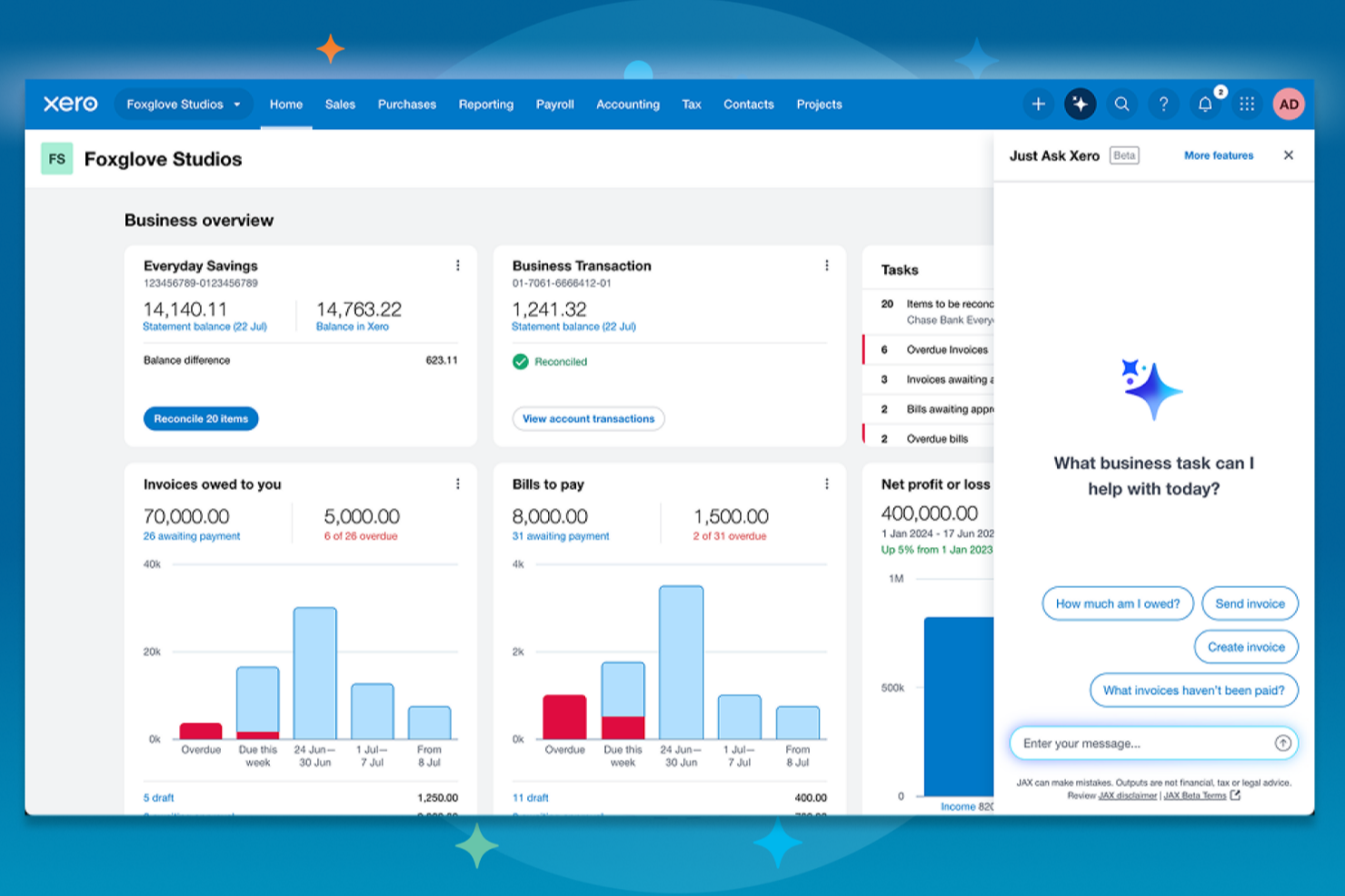
Per le startup che desiderano semplificare i processi contabili, Xero offre una soluzione intuitiva che risponde alle esigenze delle piccole imprese. Si rivolge ai titolari e ai commercialisti che cercano efficienza e conformità, fornendo strumenti per gestire la fatturazione, automatizzare i calcoli fiscali e integrarsi con i sistemi di pagamento. Riducendo le attività amministrative, Xero ti aiuta a concentrarti sulla crescita della tua attività.
Perché ho scelto Xero
Ho scelto Xero per la sua straordinaria capacità di ottimizzare la fatturazione e la conformità fiscale, aspetti fondamentali per le startup. Grazie a funzionalità come la fatturazione personalizzabile e i promemoria automatici di pagamento, puoi garantire incassi puntuali e mantenere un flusso di cassa sano. Inoltre, l'automazione dei calcoli GST e HST di Xero ti permette di rimanere conforme alle normative CRA senza l'onere delle registrazioni manuali.
Caratteristiche principali di Xero
Oltre alle funzionalità di fatturazione e conformità, Xero offre diverse altre caratteristiche pensate per le necessità delle startup:
- Accesso mobile: Gestisci fatturazione e contabilità ovunque ti trovi con l'app Xero Accounting.
- Riconciliazione bancaria automatica: Abbina rapidamente le transazioni agli estratti conto, riducendo il tempo dedicato alla riconciliazione manuale.
- Gestione delle spese: Tieni traccia e categorizza facilmente le spese, per una migliore supervisione finanziaria della tua startup.
- Integrazioni con terze parti: Potenzia le funzionalità di Xero con le numerose app disponibili nello Xero App Store, pensate per le esigenze del tuo settore.
Integrazioni di Xero
Le integrazioni includono Interac, Stripe, GoCardless e numerose applicazioni di terze parti disponibili tramite lo Xero App Store.
Pros and Cons
Pros:
- La riconciliazione bancaria automatica fa risparmiare tempo
- Robusto supporto contabile multi-valuta
- Utenti illimitati su tutti i piani
Cons:
- Nessun accesso desktop offline
- Gli strumenti di gestione progetti richiedono piani superiori
New Product Updates from Xero
Xero Expands Claude Workflows and Adds ChatGPT Integration
Xero expands its Claude workflows and adds a ChatGPT integration for accessing live financial data in AI conversations. This helps businesses and advisors review financial information and complete supported workflows faster. For more information, visit Xero’s official site.
 .
.
Ideale per l'abbinamento automatico delle transazioni bancarie

DualEntry è un software di contabilità progettato per aiutare le startup a gestire le proprie finanze con automazioni avanzate e funzionalità pronte per la conformità normativa.
Perché ho scelto DualEntry: Ho scelto DualEntry perché automatizza processi contabili complessi come il riconoscimento dei ricavi e la fatturazione degli abbonamenti, che spesso richiedono molto tempo alle startup in crescita. I suoi strumenti basati su intelligenza artificiale, come l'abbinamento automatico delle transazioni bancarie e la lettura documentale tramite OCR, possono far risparmiare ore al vostro team riducendo l'inserimento manuale dei dati e accelerando le riconciliazioni. DualEntry supporta anche la consolidazione multi-entità e le transazioni in più valute, molto utile se la vostra startup si sta espandendo all'estero.
Caratteristiche distintive & integrazioni:
Le funzionalità includono raccomandazioni assistite da AI sulle transazioni, flussi di lavoro di approvazione personalizzabili, dashboard in tempo reale, tracciabilità delle revisioni, automazione del riconoscimento dei ricavi e approfondimenti finanziari basati sull'intelligenza artificiale.
Le integrazioni includono BambooHR, Bill.com, Brex, Deel, Google SSO, Gusto, HubSpot, Ramp, Rippling, Salesforce, Stripe Billing e Stripe Invoicing.
Pros and Cons
Pros:
- Il riconoscimento automatico dei ricavi garantisce la conformità agli standard
- Supporta operazioni multi-entità e multi-valuta
- Funzionalità avanzate di intelligenza artificiale per attività contabili complesse
Cons:
- Essendo un ERP, può offrire più funzionalità del necessario per esigenze contabili più semplici
- Le opzioni di personalizzazione richiedono un'attenta configurazione

Ramp
Ideale per la rendicontazione automatizzata delle spese
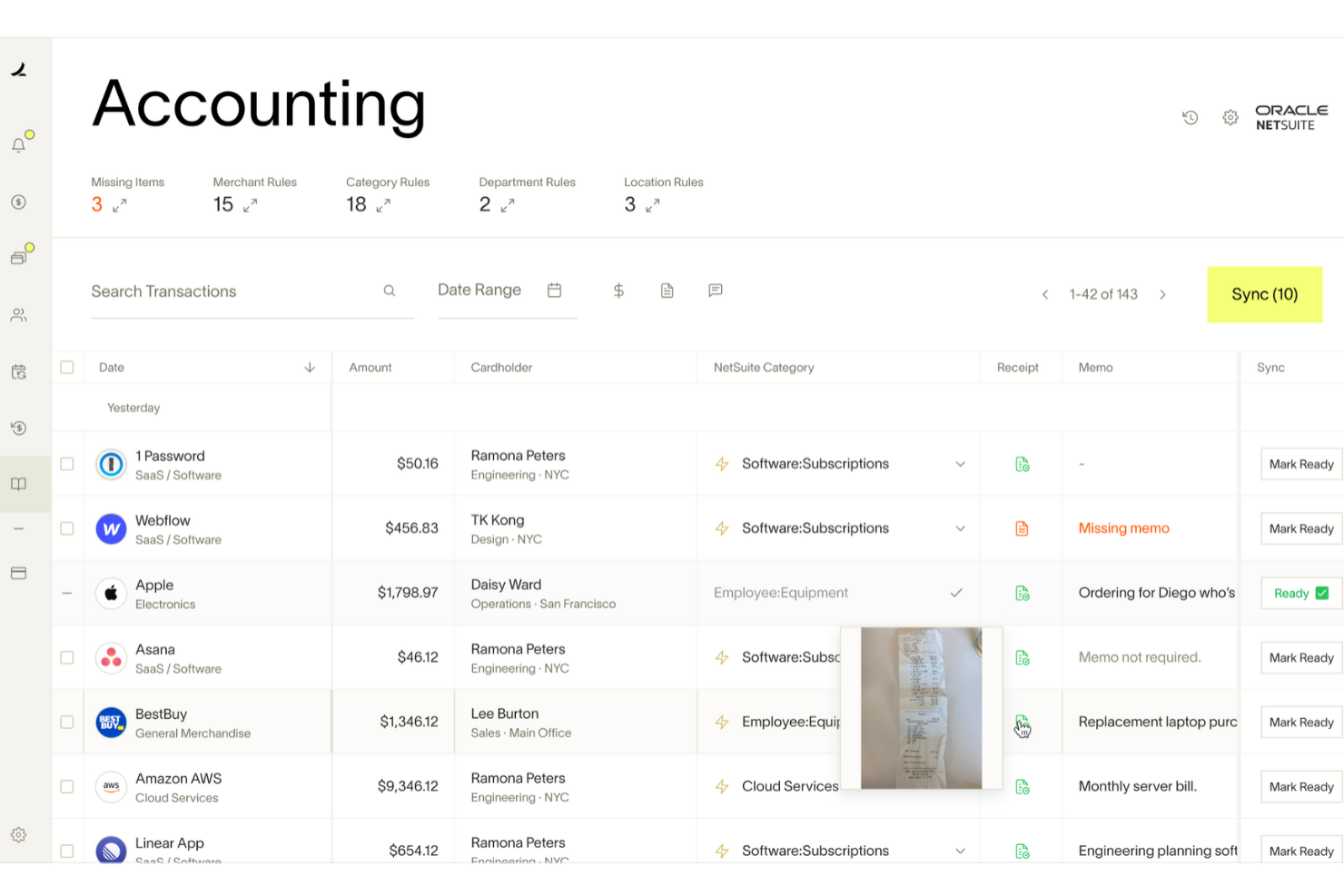
Ramp è una piattaforma di gestione della spesa progettata per aiutarti a gestire le operazioni finanziarie della tua azienda. Offre una gamma di strumenti, tra cui carte aziendali e gestione delle spese, per automatizzare e ottimizzare i tuoi processi contabili.
Perché ho scelto Ramp: Uso Ramp per risparmiare tempo con la rendicontazione automatizzata delle spese, così non spreco ore nell'inserimento manuale dei dati. I miei registri restano aggiornati e posso impostare flussi di approvazione personalizzati per adattarli ai miei processi. Grazie al monitoraggio in tempo reale delle transazioni, ottieni subito informazioni sulle spese, aiutandoti a mantenere il controllo della liquidità e a prendere decisioni rapide e consapevoli.
Funzionalità e integrazioni principali:
Le funzionalità includono la possibilità di favorire operazioni globali, permettendoti di effettuare pagamenti in più valute, fondamentale se la tua startup lavora con clienti o fornitori internazionali. Un'altra funzionalità è la soluzione di gestione dei pagamenti ai fornitori, che automatizza il processo di pagamento e la gestione delle fatture, riducendo il tempo che il tuo team dedica alle attività amministrative. Infine, Ramp supporta aziende di diverse dimensioni, rendendolo un'opzione flessibile durante la crescita della tua startup.
Le integrazioni includono NetSuite, Sage, Xero, QuickBooks, Microsoft Dynamics Business Central, Acumatica, Uber, Lyft, Okta, Google, Rippling e Gmail.
Pros and Cons
Pros:
- Funzionalità di reportistica completa
- Possibilità di emettere più carte virtuali con controlli personalizzabili
- Rendicontazione automatizzata delle spese e abbinamento delle ricevute
Cons:
- Si concentra principalmente su gestione dei pagamenti e della spesa
- Potrebbe offrire funzionalità contabili più avanzate
New Product Updates from Ramp

Ramp Adds VAT-Compliant Reimbursement Statements
Ramp added VAT and entity address details to reimbursement statements, helping teams in the EU, UK, and Canada reclaim VAT with less manual paperwork. For more information, visit Ramp’s official site.
 .
.
OneUp
Ideale per approfondimenti finanziari basati sull'IA
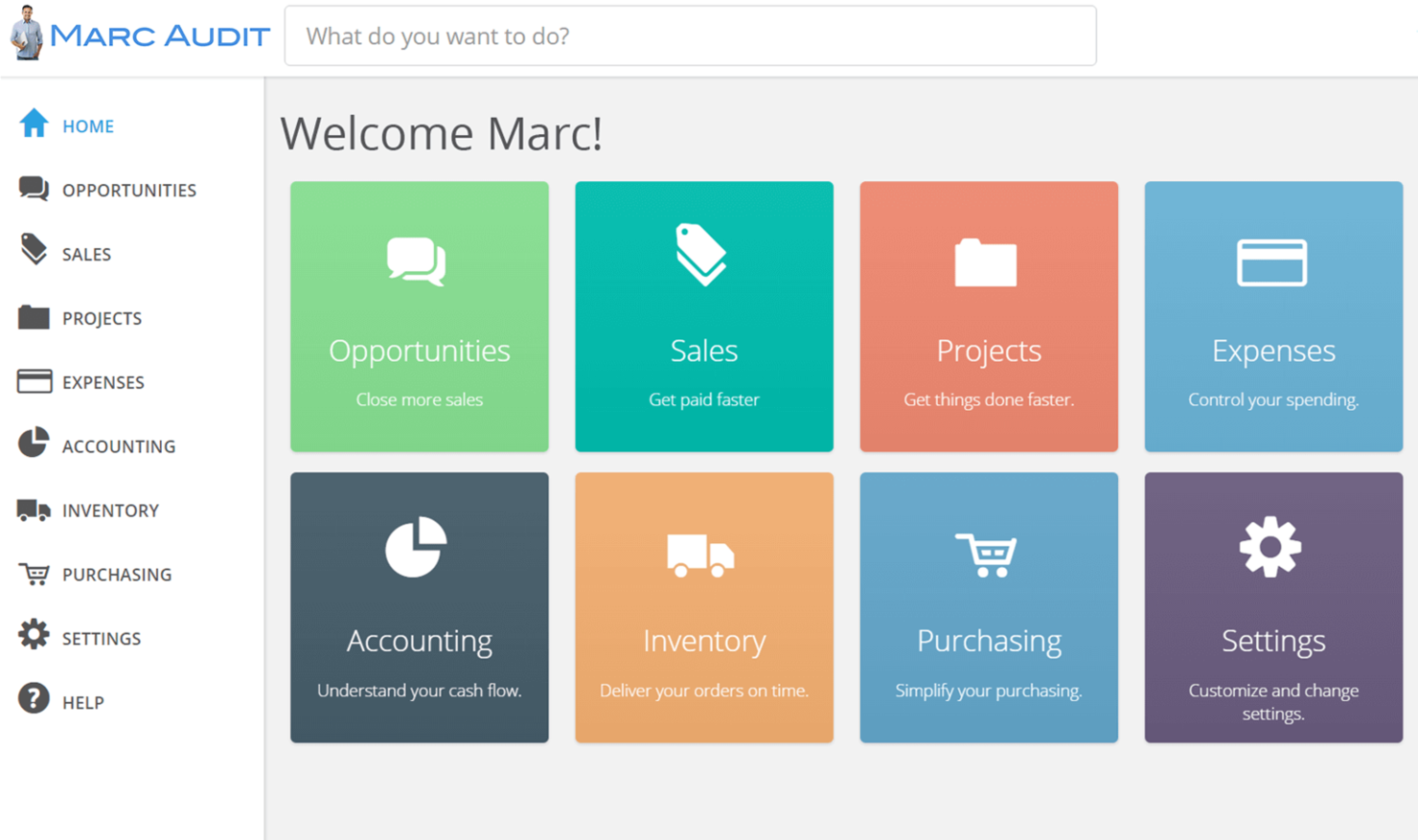
OneUp è un assistente aziendale e un software di contabilità per piccole e medie imprese, che offre approfondimenti finanziari basati sull'IA. La sua avanzata categorizzazione tramite IA e il monitoraggio delle prestazioni finanziarie forniscono dati estremamente accurati e utilizzabili.
Perché ho scelto OneUp: OneUp combina la contabilità con CRM e gestione dell'inventario, rendendolo ideale per le startup che cercano una soluzione integrata. La riconciliazione bancaria automatica e le previsioni di vendita basate sull'IA lo distinguono in modo particolare da altri software contabili. Inoltre, il suo design ottimizzato per i dispositivi mobili è perfetto per gli imprenditori che hanno bisogno di gestire le proprie finanze in mobilità.
Funzionalità e integrazioni principali:
Funzionalità includono categorizzazione con IA, monitoraggio delle prestazioni finanziarie, previsione dei flussi di cassa, fatturazione e pagamento delle bollette.
Integrazioni includono Google, Intuit, PayPal, Square, BNP Paribas, Lloyds Banking Group, Stripe, Shopify, QuickBooks e Xero.
Pros and Cons
Pros:
- Previsione dei flussi di cassa
- Monitoraggio delle prestazioni finanziarie
- Categorizzazione tramite IA
Cons:
- Opzioni di reportistica avanzata limitate
- Il piano base non include alcune funzionalità essenziali

Synder
Ideale per ecommerce e vendite multicanale

Synder è un software di contabilità progettato per startup e piccole imprese che hanno bisogno di automatizzare i loro processi contabili. È specializzato nella sincronizzazione delle transazioni in tempo reale, facilitando la gestione delle finanze su più piattaforme.
Perché ho scelto Synder: Synder si distingue nella gestione delle complessità dell'ecommerce e delle vendite multicanale. La sua capacità di integrarsi con numerose piattaforme e di automatizzare i compiti di contabilità lo rende un passo avanti rispetto ad altri software contabili. Inoltre, il software semplifica la riconciliazione dei dati di vendita provenienti da varie fonti, garantendo precisione e risparmio di tempo.
Caratteristiche e integrazioni principali:
Le funzionalità includono riconoscimento automatico dei ricavi, sincronizzazione delle vendite multicanale e analisi aziendali complete.
Le integrazioni includono Shopify, Stripe, Amazon, Square, PayPal, TikTok, QuickBooks Online, QuickBooks Desktop, Xero e Sage Intacct.
Pros and Cons
Pros:
- Analisi complete
- Contabilità automatizzata
- Integrazione multicanale
Cons:
- Nessuna funzione di gestione stipendi
- Supporto offline limitato

Xero
Ideale per integrazioni con applicazioni
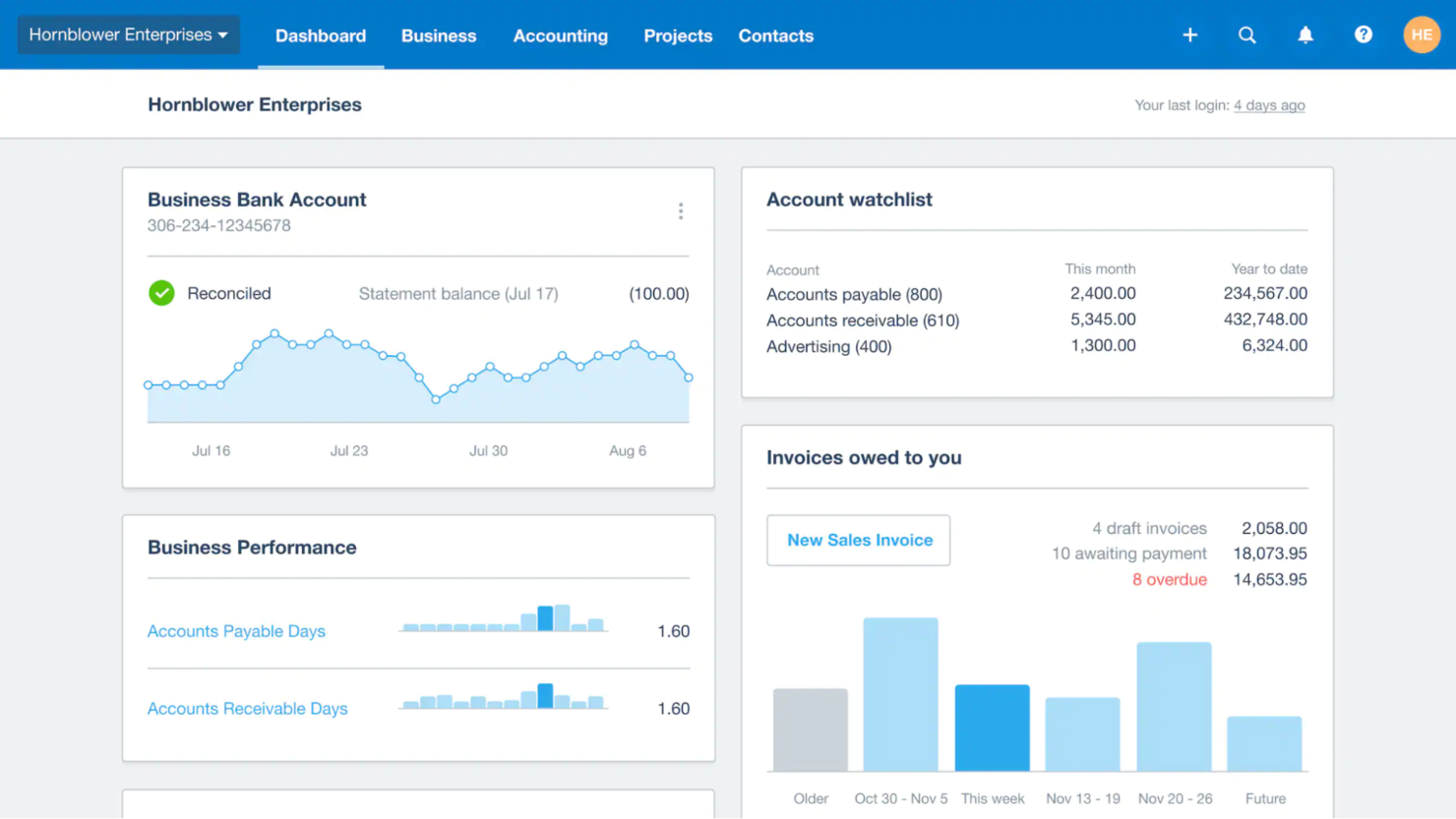
Xero è un software di contabilità online progettato per semplificare la gestione finanziaria delle startup. Consente alle aziende di connettersi con varie applicazioni di terze parti per migliorare i propri processi contabili.
Perché ho scelto Xero: Xero è rinomato per le sue ampie capacità di integrazione con le app, che lo distinguono dagli altri software di contabilità. La sua abilità nel connettersi con numerose app contabili di terze parti lo rende estremamente adattabile ed efficiente per le startup. Questa flessibilità permette alle aziende di personalizzare il software contabile in base alle esigenze specifiche, facendo di Xero la scelta migliore per integrazioni con app senza interruzioni.
Caratteristiche e integrazioni principali:
Le funzionalità includono collegamento bancario, fatturazione online, gestione delle spese, paghe, ordini di acquisto, reportistica e gestione delle scorte.
Le integrazioni includono Stripe, PayPal, Shopify, HubSpot, Square, Gusto, Bill.com, Expensify, Vend e WooCommerce.
Pros and Cons
Pros:
- Interfaccia facile da usare
- Approfondimenti finanziari in tempo reale
- Ampie integrazioni con app
Cons:
- Nessun supporto telefonico
- Opzioni di assistenza clienti limitate

Ideale per la gestione finanziaria completa
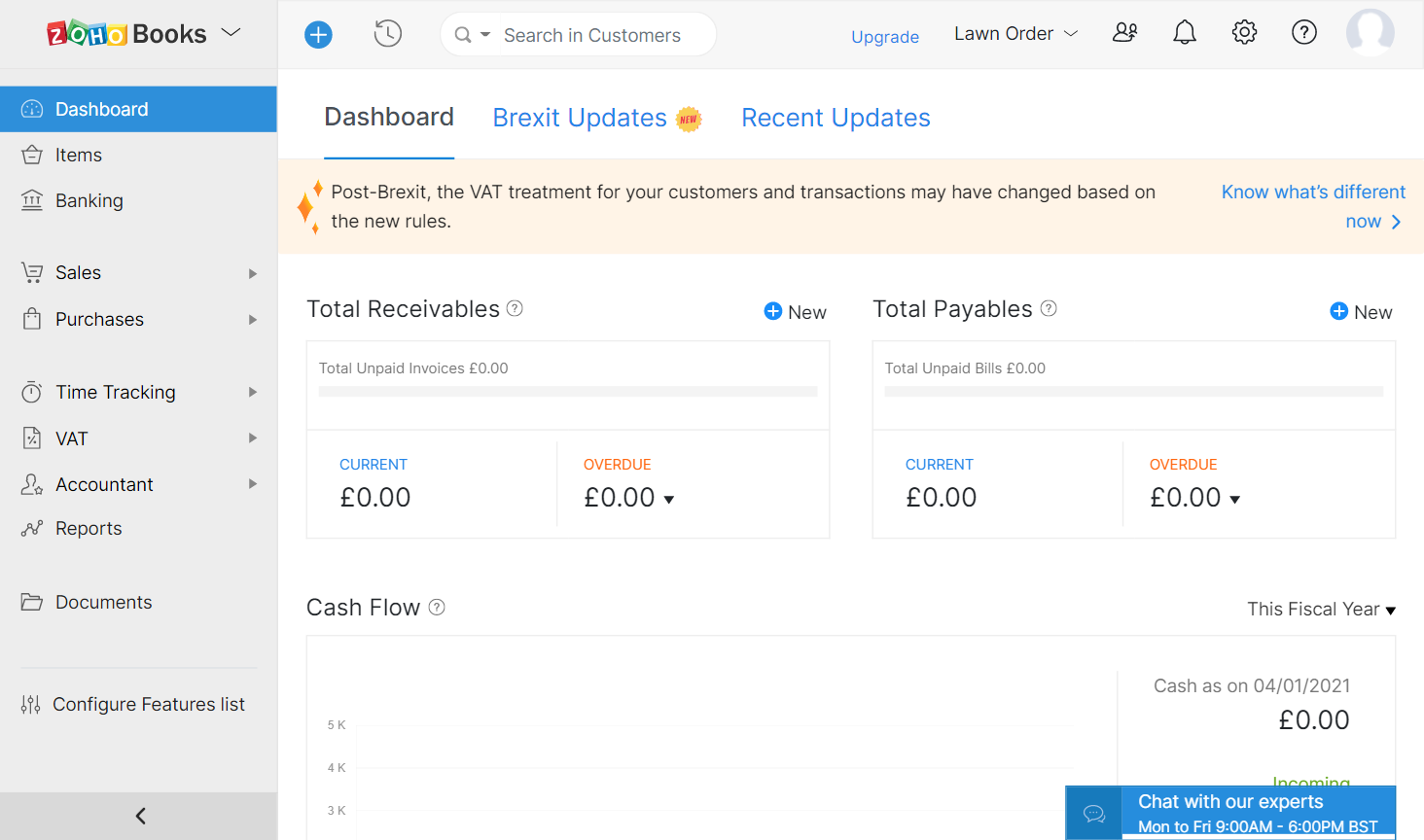
Zoho Books è un software di contabilità avanzato basato su cloud, pensato per startup e piccole imprese. Fornisce strumenti per gestire le finanze, automatizzare i flussi di lavoro e garantire la conformità alle normative fiscali, tutto tramite un'interfaccia intuitiva.
Perché ho scelto Zoho Books: Zoho Books offre numerose funzionalità adatte sia a piccole che a grandi aziende. La sua convenienza e la presenza di un piano gratuito lo rendono accessibile anche alle startup. Il software si distingue per l'integrazione con altri prodotti Zoho, offrendo un'esperienza senza interruzioni agli utenti già presenti nell'ecosistema Zoho. Inoltre, Zoho Books propone una vasta gamma di strumenti per la fatturazione, la gestione delle spese, la gestione dei progetti e la gestione dell'inventario, tutto su un'unica piattaforma.
Funzionalità principali e integrazioni:
Le funzionalità includono la fatturazione, il monitoraggio delle spese, il monitoraggio delle ore di progetto e la gestione dell'inventario. Zoho Books consente agli utenti di creare e inviare fatture, tracciare le spese, gestire progetti e monitorare i livelli di inventario. Supporta inoltre flussi di lavoro automatizzati, facilitando la gestione di attività ricorrenti e promemoria.
Le integrazioni includono Zoho CRM, Zoho Inventory, Zoho Projects, PayPal, Stripe, Square, G Suite, Microsoft Office 365, Slack e Zapier.
Pros and Cons
Pros:
- Forte integrazione con l'ecosistema Zoho
- Set di funzionalità completo
- Prezzi accessibili
Cons:
- Curva di apprendimento per funzionalità avanzate
- Integrazioni limitate con terze parti

ZarMoney
Ideale per contabilità e inventario tutto-in-uno
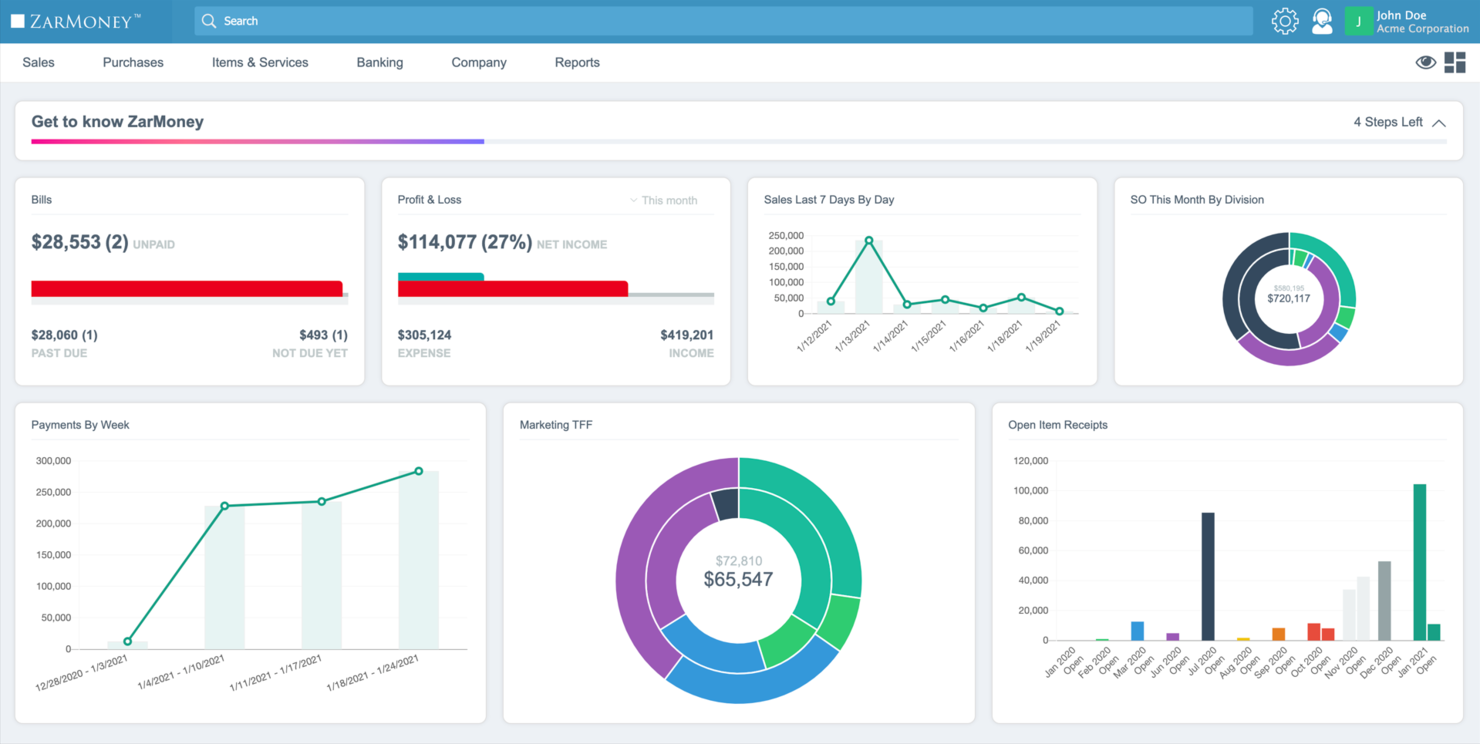
ZarMoney è una soluzione completa per la contabilità, la fatturazione e l'inventario per le aziende. Combina la gestione finanziaria con un avanzato monitoraggio dell'inventario, rendendolo ideale per le startup che necessitano di entrambe le funzionalità in un'unica piattaforma.
Perché ho scelto ZarMoney: ZarMoney offre un'ampia suite di strumenti contabili pensati specificamente per le esigenze delle startup, consentendo sia la crescita che la scalabilità. Se confrontato con altri software di contabilità, la sua convenienza economica e le funzionalità avanzate lo distinguono, in particolare negli ambiti di gestione dell'inventario e collaborazione multi-utente. Inoltre, la sua interfaccia intuitiva lo rende accessibile anche a chi ha poca esperienza contabile.
Funzionalità e integrazioni principali:
Funzionalità includono una gestione avanzata dell'inventario, che offre piena visibilità sull'inventario globale, e il calcolo automatico delle imposte sulle vendite, semplificando la conformità fiscale. Inoltre, ZarMoney offre pagamenti online, collegamenti bancari e report dettagliati per aiutare le aziende a gestire le proprie finanze.
Integrazioni includono QuickBooks, PayPal, Stripe, Shopify, Amazon, eBay, WooCommerce, Square, Google Drive e Dropbox.
Pros and Cons
Pros:
- Gestione avanzata dell'inventario
- Interfaccia intuitiva
- Set di funzionalità completo
Cons:
- Le funzionalità avanzate possono richiedere apprendimento
- Opzioni di personalizzazione limitate

Wave
Ideale per strumenti di contabilità gratuiti
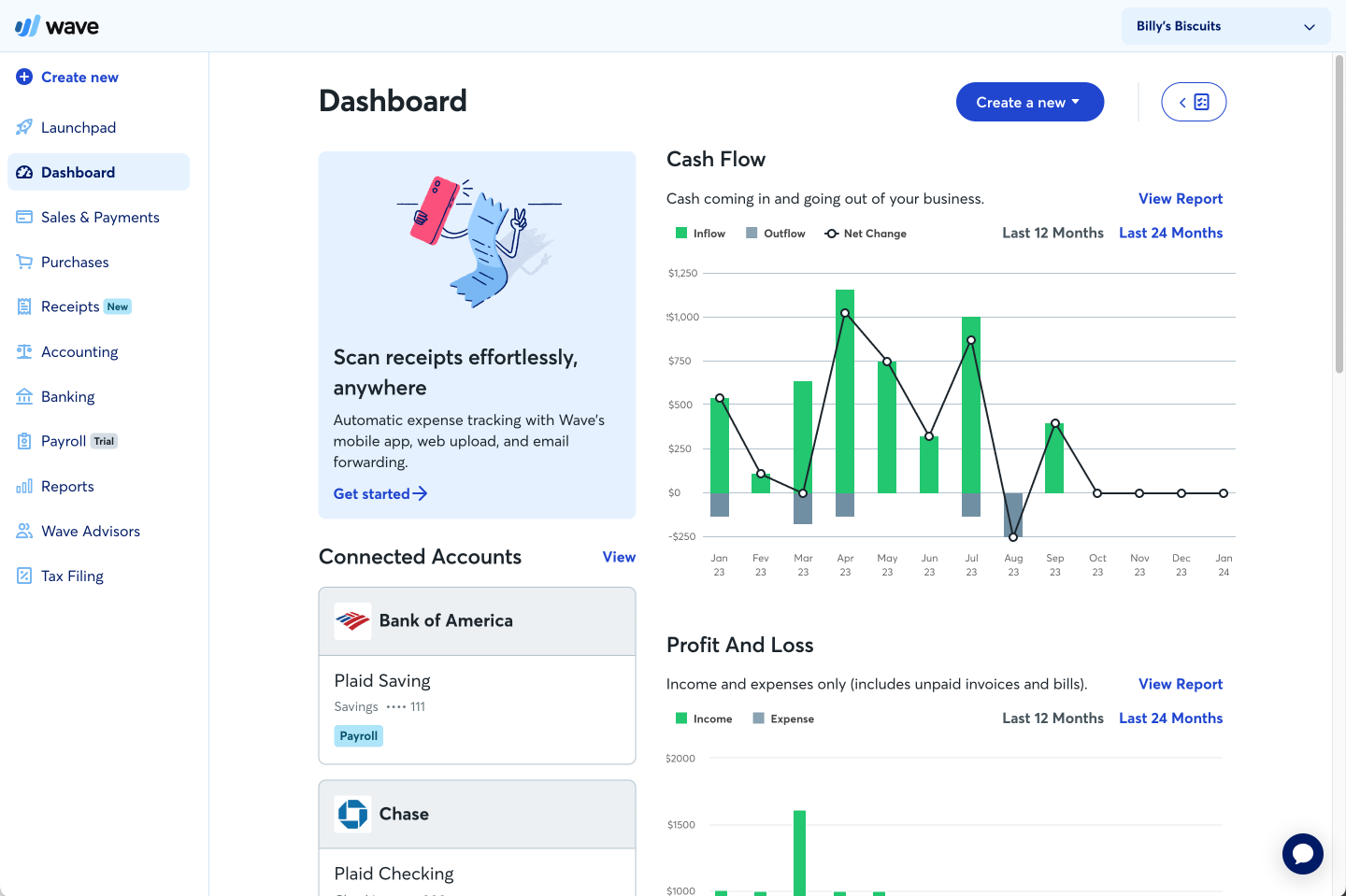
Wave è un software per piccole imprese che offre un programma di contabilità gratuito e altri servizi finanziari per startup e piccole aziende. È particolarmente noto per la sua interfaccia intuitiva e per l’avanzata suite di strumenti di gestione finanziaria, rendendolo una scelta ideale per le startup che cercano soluzioni di contabilità economiche.
Perché ho scelto Wave: L’offerta unica di strumenti di contabilità gratuiti di Wave rappresenta un vantaggio significativo per le startup con budget limitati. Il software si distingue dagli altri sistemi di contabilità offrendo una suite avanzata di strumenti di gestione finanziaria senza costi, rendendolo accessibile alle nuove imprese.
Funzionalità principali e integrazioni:
Le funzionalità includono la fatturazione personalizzabile, l’accettazione di pagamenti online (carte di debito o di credito), il monitoraggio delle spese e la gestione delle buste paga. Il dashboard intelligente organizza entrate, spese, pagamenti e fatture, semplificando la dichiarazione dei redditi e offrendo una panoramica completa dello stato di salute dell’azienda.
Le integrazioni includono PayPal, Stripe, QuickBooks, Shopify, Etsy, Zapier, Google Sheets, HubSpot, Slack e Mailchimp.
Pros and Cons
Pros:
- Gestione finanziaria completa
- Interfaccia intuitiva
- Strumenti di contabilità gratuiti
Cons:
- Limitazioni nell'assistenza clienti
- Funzionalità avanzate limitate

AccountEdge
Ideale per software di contabilità desktop

AccountEdge è un software di contabilità desktop per piccole imprese su Mac o Windows. È considerato il migliore grazie alle sue solide funzionalità on-premise e alle avanzate caratteristiche di gestione dei dati.
Perché ho scelto AccountEdge: AccountEdge è conosciuto per le sue forti capacità di contabilità desktop, ideali per aziende che preferiscono soluzioni on-premise. A differenza di molte alternative basate su cloud, AccountEdge offre l'affidabilità e la sicurezza di una piattaforma desktop, pur consentendo l'accesso remoto tramite l'add-on AccountEdge Connect. Questo lo rende un'opzione valida per startup che necessitano di funzionalità avanzate di gestione e reportistica dei dati senza dover dipendere esclusivamente dai servizi cloud.
Caratteristiche e integrazioni principali:
Caratteristiche includono una suite completa di strumenti contabili come fatturazione, monitoraggio delle spese, gestione del personale e controllo dell'inventario. Offre anche funzionalità avanzate di gestione dei dati, permettendo agli utenti di organizzare e analizzare i propri dati con facilità.
Integrazioni includono Shopify, Stripe, PayPal, Square, Amazon, WooCommerce, QuickBooks, Xero, Sage Intacct e PowerBI.
Pros and Cons
Pros:
- Opzione di accesso remoto
- Piattaforma desktop affidabile
- Funzionalità complete
Cons:
- Nessuna app mobile nativa
- Integrazioni limitate con terze parti
Altri software di contabilità per startup
Di seguito trovi un elenco di altri software di contabilità per startup che ho selezionato. Sebbene non siano entrati nella top 10, sono comunque validi e meritano ulteriori approfondimenti.
- Fulfil
Ideale per brand direct-to-consumer
- Puzzle
Ideale per la categorizzazione basata su IA
- Sage for Accountants
Ideale per commercialisti e contabili
- LessAccounting
Ideale per servizi di contabilità semplici
- Milestone
Ideale per servizi integrati di contabilità e risorse umane
- Instabooks
Ideale per preventivi e fatture personalizzati


Come valuto il software di contabilità per startup
Valuto ciò che uno strumento deve coprire—reale contabilità in partita doppia, collegamenti bancari e reportistica pronta per gli investitori—poi considero ciò che lo distingue per i team nella fase seed.
Funzionalità di base (Requisiti minimi per questa lista)
Quando seleziono gli strumenti per la mia lista, attribuisco a ciascuno un punteggio da 0 (non offre la funzionalità) a 5 (eccelle in quest'area) per ogni funzionalità principale elencata di seguito. Calcolo quindi il punteggio totale dello strumento in percentuale. Ogni strumento deve raggiungere un punteggio totale minimo del 65% per essere preso in considerazione.
- Libro Mastro Generale & Contabilità: Verifico che una piattaforma supporti la vera contabilità in partita doppia con un piano dei conti personalizzabile, poiché le startup spesso devono riclassificare le spese man mano che crescono.
- Collegamenti Bancari & Riconciliazione: Sono importanti i collegamenti automatici ai conti bancari e l’abbinamento delle transazioni. Cerco una categorizzazione basata su regole affinché i fondatori non debbano ordinare manualmente centinaia di pagamenti Stripe.
- Gestione AP & AR: Valuto insieme fatturazione, pagamento delle fatture e report di aging. Una startup che fattura a 30 giorni ha bisogno di una visibilità chiara su crediti in sospeso e pagamenti fornitori imminenti.
- Reporting Finanziario: Ogni strumento deve generare conto economico, stato patrimoniale e rendiconto finanziario. Cerco anche visualizzazioni di burn rate e runway che i fondatori possano condividere con gli investitori in fase di raccolta fondi.
- Supporto Fiscale & Compliance: Monitorare l'IVA, la reportistica 1099 e la conformità ai GAAP sono aspetti che considero. Le startup che si avvicinano alla due diligence per la Serie A necessitano di conti ordinati che reggano ai controlli.
- Integrazioni & Scalabilità: Lo strumento dovrebbe collegarsi in modo nativo a payroll, pagamenti e piattaforme di nota spesa già utilizzati dalla startup. Verifico la presenza di API aperte e la capacità della piattaforma di crescere insieme all’azienda.
Dopo aver selezionato gli strumenti che rispettano questi criteri, considero cosa distingue ciascuna piattaforma.
Fattori di differenziazione (Cosa distingue i venditori)
Ecco come confronto e metto a confronto i diversi fornitori:
Funzionalità Distintive
L’analisi di runway e burn rate è un importante punto di differenziazione. Un fondatore che si prepara a una riunione di consiglio non dovrebbe dover esportare dati in un foglio di calcolo per calcolare i mesi di runway: cerco strumenti che mettano questi parametri in evidenza automaticamente. Anche la consolidazione multi-società è importante, poiché le startup con una holding e una società operativa separata necessitano di dati finanziari combinati senza interventi manuali. Valuto inoltre le funzionalità di collaborazione con CFO frazionari, perché molti team nelle fasi iniziali si affidano a consulenti esterni per la finanza e hanno bisogno di portali advisor con accesso basato sui ruoli.
Oltre le funzionalità
La struttura dei prezzi conta molto nelle fasi iniziali. Cerco livelli trasparenti che permettano a un team pre-seed di iniziare in modo conveniente senza doversi vincolare a un contratto enterprise annuale. Anche la prontezza per investitori e audit è un fattore che considero—quando un VC richiede dati contabili conformi ai GAAP durante la due diligence, la piattaforma dovrebbe produrre pacchetti ordinati ed esportabili su richiesta. Valuto anche quanto bene ogni strumento si integri con l’ecosistema startup, da Stripe e Mercury a Gusto e Ramp, poiché l’inserimento manuale dei dati tra sistemi scollegati crea rapidamente problemi di riconciliazione.
Come scegliere il software di contabilità per startup
È facilissimo perdersi tra funzionalità infinite e piani tariffari confusi. Per aiutarti a rimanere concentrato mentre scegli il software di contabilità giusto per la tua startup, ecco una semplice lista di controllo da tenere a mente mentre valuti le diverse opzioni:
| Fattore | Cosa considerare |
|---|---|
| Scalabilità | Scegli un software che cresca insieme alla tua startup, gestendo un numero maggiore di transazioni e utenti senza richiedere una revisione completa. |
| Integrazioni | Assicurati che si integri con gli strumenti che già utilizzi, come CRM e piattaforme di e-commerce, per semplificare le operazioni ed evitare silos di dati. |
| Personalizzazione | Cerca un software che ti permetta di adattare report e dashboard alle esigenze e alle preferenze specifiche della tua attività. |
| Semplicità d'uso | Scegli interfacce intuitive che richiedano una formazione minima, così il tuo team potrà concentrarsi sulle attività principali anziché destreggiarsi tra software complessi. |
| Budget | Trova una soluzione che rientri nei tuoi vincoli finanziari e offra prezzi chiari senza costi nascosti, così potrai gestire le spese in modo efficace. |
| Misure di sicurezza | Dai priorità a un software dotato di solide misure di sicurezza per proteggere i dati finanziari sensibili da accessi non autorizzati o violazioni. |
Tendenze dei software di contabilità per startup
Ho tenuto d'occhio alcune tendenze interessanti nel settore dei software di contabilità per startup e penso che dicano molto sulla direzione che sta prendendo il mercato. Ho analizzato moltissimi aggiornamenti dei prodotti, note di rilascio e comunicati stampa per individuare gli elementi principali, così non dovrai farlo tu. Ecco cosa mi ha colpito.
- Automazione: L'automazione trasforma la contabilità semplificando le attività ripetitive come la riconciliazione bancaria e le registrazioni contabili. Questa tendenza è importante perché consente ai contabili di concentrarsi su attività a maggior valore aggiunto, come l'analisi e la pianificazione strategica. La maggiore efficienza e la riduzione degli errori manuali rendono l'automazione una tendenza significativa per le startup.
- Contabilità basata sul cloud: Il software di contabilità basato sul cloud consente la collaborazione in tempo reale e il lavoro da remoto. Le startup adottano sempre più spesso soluzioni cloud per migliorare la flessibilità e la scalabilità. Questa tendenza è essenziale perché supporta la crescente necessità di lavorare da remoto e fornisce accesso ai dati finanziari da qualsiasi luogo, garantendo la continuità aziendale.
- Analisi dei dati e previsioni: Gli strumenti avanzati di analisi dei dati e di previsione stanno diventando essenziali nei software di contabilità. Questi strumenti aiutano le startup ad analizzare i dati finanziari, identificare le tendenze e prendere decisioni informate. La capacità di prevedere le prestazioni finanziarie future e ottimizzare l'allocazione delle risorse rende questa tendenza fondamentale per le startup che puntano alla crescita.
- Intelligenza artificiale (AI): L'AI sta rivoluzionando la contabilità automatizzando attività complesse e fornendo previsioni. Gli strumenti basati sull'AI possono gestire l'inserimento dei dati, l'elaborazione delle fatture e la riconciliazione, riducendo significativamente il carico di lavoro dei contabili. Questa tendenza è interessante perché migliora la precisione e consente alle startup di sfruttare i dati per prendere decisioni strategiche.
- Tecnologia blockchain: La tecnologia blockchain sta guadagnando terreno nella contabilità perché può fornire registri delle transazioni sicuri e trasparenti. Le startup stanno esplorando la blockchain per migliorare i processi di revisione e garantire l'integrità dei dati. Questa tendenza è essenziale perché rafforza la fiducia e riduce il rischio di frodi nelle transazioni finanziarie.
Che cos'è il software di contabilità per startup?
Il software di contabilità per startup è progettato per aiutare le nuove imprese a gestire le proprie transazioni finanziarie, monitorare le spese e generare report finanziari. Imprenditori, titolari di piccole imprese e team di startup lo utilizzano per mantenere registri finanziari accurati, garantire la conformità alle normative fiscali e prendere decisioni finanziarie informate.
I componenti del software di contabilità per startup includono generalmente moduli per la fatturazione, il monitoraggio delle spese, la gestione delle buste paga e la reportistica finanziaria. Queste funzionalità consentono agli utenti di automatizzare le attività finanziarie di routine, monitorare il flusso di cassa e ottenere informazioni sulla propria situazione finanziaria.
Funzionalità
Il software di contabilità giusto può fare una grande differenza per la tua startup, aiutandoti a mantenere l'organizzazione, risparmiare tempo e mantenere accurati i tuoi dati man mano che cresci. Se sei alla ricerca di una soluzione, ecco le funzionalità principali da cercare in un software di contabilità per startup:
- Funzioni contabili principali: Le funzioni contabili principali includono la registrazione delle transazioni, la gestione del libro mastro e la generazione dei rendiconti finanziari. Queste funzionalità sono essenziali per monitorare i ricavi, le spese e il flusso di cassa, garantendo un monitoraggio accurato della salute finanziaria della tua startup. Le soluzioni di software di contabilità gratuiti offrono anch'esse queste funzioni principali, ma a un livello più basilare.
- Fatturazione automatizzata: La fatturazione automatizzata consente di creare e inviare fatture in modo rapido ed efficiente. Questa funzionalità aiuta a mantenere stabile il flusso di cassa, garantendo che i clienti ricevano le fatture puntualmente e che vengano inviati promemoria di sollecito per i pagamenti scaduti.
- Monitoraggio delle spese: Il monitoraggio delle spese consente di controllare e classificare le spese aziendali. Questa funzionalità è fondamentale per gestire il flusso di cassa e garantire che tutti i costi siano contabilizzati, contribuendo alla definizione del budget e alla pianificazione finanziaria.
- Riconciliazione bancaria: La riconciliazione bancaria automatizza il confronto tra i dati contabili e gli estratti conto bancari. Questa funzionalità riduce gli errori e garantisce che i dati finanziari siano accurati e aggiornati.
- Gestione delle paghe: La gestione delle paghe automatizza il calcolo e la distribuzione degli stipendi dei dipendenti, delle ritenute fiscali e dei benefit. Questa funzionalità è fondamentale per garantire che i dipendenti siano pagati correttamente e puntualmente e per contribuire a mantenere la conformità alle normative fiscali.
- Rendicontazione e analisi finanziaria: La rendicontazione e l'analisi finanziaria forniscono informazioni sulle prestazioni finanziarie della tua startup. I report personalizzabili e i cruscotti in tempo reale aiutano a monitorare le metriche principali, identificare le tendenze e prendere decisioni aziendali consapevoli.
- Scalabilità: La scalabilità garantisce che il software di contabilità possa crescere insieme alla tua azienda. Cerca un software in grado di gestire volumi crescenti di transazioni, supportare più valute e integrarsi con altri strumenti aziendali man mano che la tua startup si espande.
- Funzionalità di integrazione: Le funzionalità di integrazione consentono al software di contabilità di collegarsi ad altri strumenti del tuo ecosistema tecnologico, come sistemi CRM, piattaforme di commercio elettronico e strumenti per la gestione delle paghe. Questa funzionalità riduce l'inserimento manuale dei dati, minimizza gli errori e fornisce una visione completa della tua salute finanziaria.
- Supporto per dispositivi mobili: Il supporto per dispositivi mobili consente di accedere al software di contabilità ovunque ci si trovi utilizzando un dispositivo mobile. Questa funzionalità è essenziale per gli imprenditori che devono gestire le proprie finanze mentre sono in movimento.
- Conformità e traccia di controllo: Le funzionalità di conformità e traccia di controllo garantiscono che i dati finanziari soddisfino i requisiti normativi e forniscano una registrazione chiara di tutte le transazioni. Questa funzionalità è importante per mantenere la trasparenza e prepararsi alle verifiche, soprattutto se la tua startup opera nel settore della ristorazione o in altri settori legati all'alimentazione.
Vantaggi
Avviare un'attività è entusiasmante, ma siamo sinceri: mantenere le finanze in ordine può essere una delle parti più difficili. Il giusto software di contabilità aziendale può davvero alleggerire la pressione, aiutandoti a rimanere organizzato, risparmiare tempo e mantenere tutto in ordine mentre cresci. Ecco una rapida panoramica di alcuni dei principali vantaggi dell'utilizzo di un software di contabilità per startup:
- Efficienza e risparmio di tempo: Il software di contabilità automatizza molte delle attività ripetitive e dispendiose in termini di tempo associate alla gestione finanziaria, consentendo ai titolari delle aziende di concentrarsi su altre aree critiche della propria startup.
- Precisione e riduzione degli errori: Il software di contabilità riduce significativamente il rischio di errori umani automatizzando i calcoli e l'inserimento dei dati, garantendo che i dati finanziari siano accurati e affidabili.
- Informazioni finanziarie in tempo reale: Il software di contabilità consente alle startup di accedere a dati e report finanziari in tempo reale, favorendo un processo decisionale migliore e una pianificazione finanziaria più efficace.
- Convenienza economica: Investire in un software di contabilità può essere più conveniente che assumere un contabile a tempo pieno, soprattutto per le startup con budget limitati. Pur offrendo una gestione finanziaria di livello professionale, può rappresentare un investimento saggio.
- Scalabilità: Man mano che una startup cresce, evolvono anche le sue esigenze di gestione finanziaria. Il software di contabilità può adattarsi rapidamente alla crescita dell'azienda, offrendo funzionalità avanzate e integrazioni secondo necessità, come la gestione dell'inventario per le aziende del commercio al dettaglio.
Costi e prezzi
Scegliere il software di contabilità giusto per le startup significa esaminare attentamente prezzi e piani per assicurarsi di ottenere il miglior valore per il proprio denaro. Per semplificare le cose, di seguito ho suddiviso i piani e i prezzi più comuni:
Tabella di confronto dei piani per i software di contabilità per startup
| Tipo di piano | Prezzo medio | Funzionalità comuni |
| Piano gratuito | $0 | Monitoraggio di entrate e uscite di base, fatturazione, creazione di report finanziari e accesso per 1-2 utenti |
| Piano personale | $10 - $50 al mese | Monitoraggio di entrate e uscite, fatturazione, gestione dei debiti e dei crediti, report finanziari e categorizzazione limitata delle spese |
| Piano aziendale | $50 - $150 al mese | Accesso multiutente, fatturazione ricorrente, automazione dei report sulle spese, gestione dell'inventario, gestione delle imposte sulle vendite, dashboard, elaborazione delle buste paga e ottimizzazione per dispositivi mobili |
| Piano enterprise | $150+ al mese | Campi personalizzati, report automatizzati, calcolo dei costi dei progetti, integrazioni personalizzate, ottimizzazione del magazzino, gestione degli ordini, visibilità della pipeline di vendita, analisi avanzate e gestione della fiscalità internazionale |
Domande frequenti
Ecco le risposte ad alcune domande frequenti che ho ricevuto sui software di contabilità per startup.
Il software di contabilità può aiutare a rispettare gli obblighi fiscali?
\u003cspan style=\u0022font-weight: 400\u0022\u003eSì, molte soluzioni software di contabilità offrono funzionalità che aiutano a rispettare gli obblighi fiscali. Possono generare report fiscali, monitorare le passività fiscali e persino integrarsi con i servizi di dichiarazione dei redditi. Questo può contribuire a garantire che la startup rispetti le normative e le scadenze fiscali.\u003c/span\u003e
È necessario disporre di un software di contabilità specifico per il settore?
\u003cspan style=\u0022font-weight: 400\u0022\u003eSebbene non sia sempre necessario, un software di contabilità specifico per il settore può offrire funzionalità personalizzate che potrebbero mancare nei software di contabilità generici. Ad esempio, un’attività commerciale potrebbe trarre vantaggio da un software con una solida gestione dell’inventario, mentre un’azienda basata sui servizi potrebbe aver bisogno di funzionalità avanzate per il monitoraggio dei progetti.\u003c/span\u003e
Quanto è sicuro il software di contabilità basato sul cloud?
\u003cspan style=\u0022font-weight: 400\u0022\u003eIl software di contabilità basato sul cloud offre generalmente elevati livelli di sicurezza, tra cui crittografia dei dati, backup regolari e controlli di accesso sicuri. Tuttavia, è importante scegliere un fornitore affidabile e comprendere le sue misure di sicurezza per proteggere i propri dati finanziari.\u003c/span\u003e
In che modo il software di contabilità può aiutare nelle previsioni finanziarie?
\u003cspan style=\u0022font-weight: 400\u0022\u003eIl software di contabilità può fornire informazioni preziose sui dati finanziari, aiutando a creare previsioni finanziarie più accurate. Funzionalità come gli strumenti di budgeting, l’analisi del flusso di cassa e i report finanziari possono aiutare a prevedere i ricavi e le spese future, favorendo decisioni migliori.\u003c/span\u003e
Quali opzioni di assistenza sono disponibili per il software di contabilità?
\u003cspan style=\u0022font-weight: 400\u0022\u003eLe opzioni di assistenza variano a seconda del fornitore, ma spesso includono risorse online come tutorial e domande frequenti, assistenza via e-mail, chat dal vivo e assistenza telefonica. Alcuni fornitori offrono anche responsabili di account dedicati o piani di assistenza premium a un costo aggiuntivo. È importante scegliere un fornitore che offra il livello di assistenza di cui la startup ha bisogno.\u003c/span\u003e