

Los 10 mejores programas de libro mayor general reseñados en 2026

Mejor selección de software de libro mayor


El mejor software de libro mayor facilita el seguimiento de activos, pasivos, patrimonio, ingresos y gastos, sin las complicadas sincronizaciones de submayores, las discrepancias confusas ni los retrasos en los informes que pueden desajustar todo el cierre contable. Si tu sistema actual no puede mantener un registro de auditoría claro o mantener alineados los datos de varias entidades, puede estar generando más complicaciones que claridad.
Con más de 15 años de experiencia en gestión financiera y software digital, he vivido balances de comprobación que no cuadran, el caos de trabajar con varias entidades y las frenéticas prisas de fin de mes. También he visto cómo la plataforma de libro mayor adecuada puede automatizar los asientos contables, admitir informes dimensionales y hacer que la temporada de auditorías resulte agradablemente rutinaria.
Para ayudarte a encontrar ese nivel de estabilidad, he probado y analizado las principales herramientas de libro mayor del mercado. Estas son las plataformas que simplifican los flujos de trabajo contables diarios, crecen junto con tu empresa y ofrecen la precisión que necesitas, tanto si gestionas el cumplimiento de las normas IFRS/GAAP como si coordinas varias entidades o simplemente quieres un sistema que mantenga tus débitos y créditos equilibrados.
Por qué confiar en nuestras recomendaciones de software
Nuestras reseñas reflejan nuestro criterio independiente, no un discurso de ventas. Descubra cómo mantenemos la transparencia.
Para esta guía, evaluamos las herramientas mediante pruebas prácticas e investigación independiente, puntuando las herramientas según nuestros criterios de selección.
Nuestras reseñas reflejan nuestro criterio editorial humano, no un discurso de ventas.
Resumen del mejor software de libro mayor
He preparado esta tabla de precios del software de libro mayor para ayudarte a comparar rápidamente las principales opciones y encontrar la que se adapte a tu flujo de trabajo, presupuesto y necesidades de cumplimiento normativo.
| Tool | Best For | Trial Info | Price | ||
|---|---|---|---|---|---|
| 1 | Ideal para la detección de anomalías basada en IA | Demo gratuita disponible | Precios a consultar | Website | |
| 2 | La mejor para integración de ERP en la nube | Demo gratuita disponible | Precios a consultar | Website | |
| 3 | Mejor en relación calidad-precio | Plan gratuito + demo gratis disponible | Desde $15/mes (facturado anualmente) | Website | |
| 4 | Mejor para empresas medianas | Demo gratuita disponible | Precios a consultar | Website | |
| 5 | Mejor para actualizaciones en tiempo real | Demostración gratuita disponible | Precio bajo consulta | Website | |
| 6 | Mejor para soporte multimoneda | Demostración gratuita disponible | Precio bajo solicitud | Website | |
| 7 | Ideal para empresas minoristas y de comercio electrónico | Demostración gratuita disponible | Precio a consultar | Website | |
| 8 | Mejor para la industria de la construcción | Demo gratuita disponible | Precio a consultar | Website | |
| 9 | Mejor libro mayor general impulsado por IA | Prueba gratuita de 14 días | Desde $25/mes | Website | |
| 10 | Mejor para el sector sanitario | Demo gratuita disponible | Precio bajo solicitud | Website |

Análisis del mejor software de libro mayor
He seleccionado el mejor software de libro mayor para realizar el seguimiento de activos, pasivos, patrimonio, ingresos y gastos. Cada resumen destaca las características principales, las ventajas y desventajas, las integraciones y los casos de uso ideales, para que resulte fácil comparar y encontrar la opción adecuada para tu flujo de trabajo.

Ideal para la detección de anomalías basada en IA
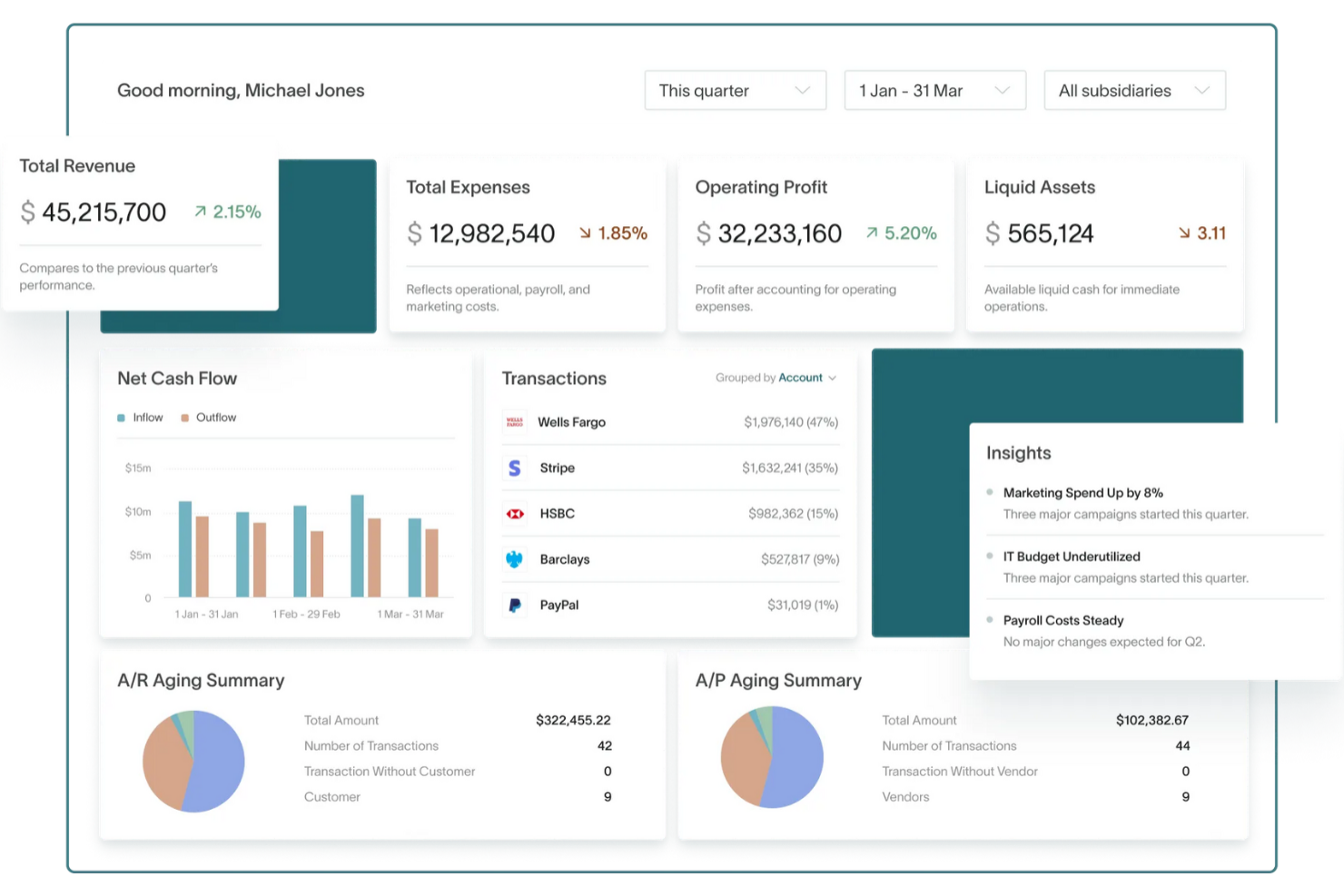
DualEntry es un sistema ERP potenciado por IA diseñado para empresas medianas que buscan escalar de manera eficiente. Incluye módulos robustos de gestión financiera enfocados en la precisión, el cumplimiento normativo y la analítica en tiempo real.
Por qué elegí DualEntry: Elegí DualEntry por su sólido enfoque en la exactitud de los libros contables, impulsado por la detección de anomalías basada en IA y la auditoría continua. Estos controles automatizados reducen los errores manuales y proporcionan datos financieros claros y precisos, lo que facilita los cierres de fin de mes. Además, su consolidación multi-entidad es compatible con estructuras corporativas complejas, lo que lo hace ideal para organizaciones en crecimiento.
Características destacadas e integraciones:
Las características incluyen campos de libro personalizables adaptados a tus necesidades operativas, conexiones bancarias en tiempo real que mantienen la visibilidad financiera actualizada y soporte CPA dedicado disponible para asistencia experta. DualEntry también ofrece automatización para el reconocimiento de ingresos y la facturación por suscripción.
Las integraciones incluyen BambooHR, Bill.com, Brex, Deel, Google SSO, Gusto, HubSpot, Ramp, Rippling, Salesforce y Stripe.
Pros and Cons
Pros:
- Funciones avanzadas de IA para tareas complejas
- Soporta operaciones multi-entidad y multi-moneda
- El reconocimiento de ingresos automatizado asegura el cumplimiento de las normas
Cons:
- La amplitud de la plataforma puede no ser adecuada para equipos pequeños
- Las opciones de personalización requieren una configuración cuidadosa

La mejor para integración de ERP en la nube
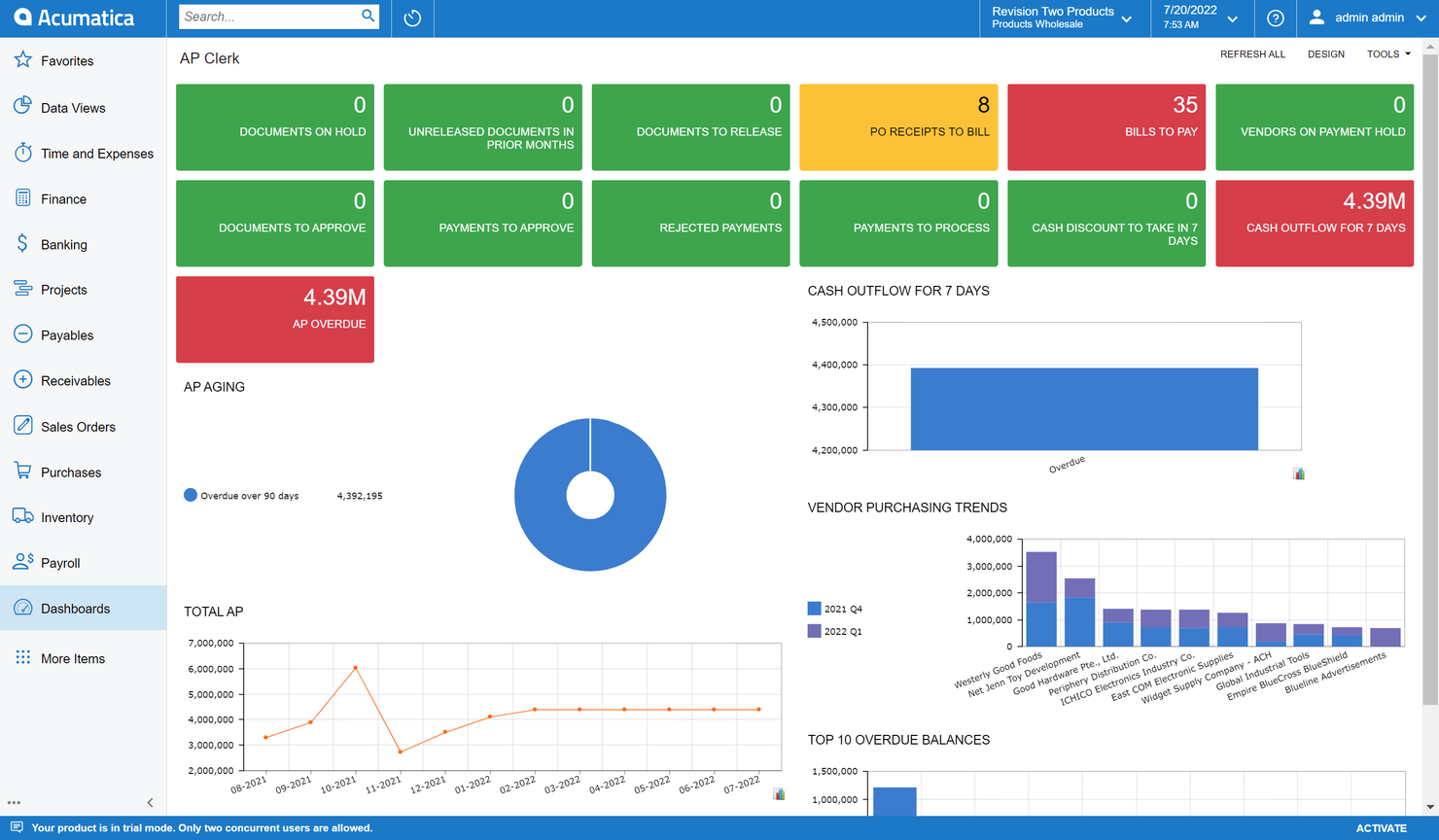
Acumatica es un software ERP basado en la nube diseñado para empresas pequeñas y medianas, que ofrece soluciones avanzadas de gestión financiera. Es ideal para industrias como manufactura, distribución y comercio minorista, con un enfoque en las operaciones financieras.
Por qué elegí Acumatica: Acumatica destaca por su integración de ERP en la nube, proporcionando conectividad entre diversas funciones empresariales. Con funciones como contabilidad multiempresa y opciones de implementación flexibles, se adapta a diferentes necesidades corporativas. Su acceso a datos en tiempo real y una interfaz fácil de usar también potencian la toma de decisiones financieras, convirtiéndolo en una opción destacada para empresas que buscan escalar sus procesos.
Características destacadas e integraciones:
Características incluyen paneles personalizables que brindan información en tiempo real sobre sus datos financieros. También puede beneficiarse de cálculos de impuestos automatizados, lo que ayuda a reducir errores manuales. Además, ofrece registros de auditoría detallados, asegurando transparencia y precisión en sus registros financieros.
Integraciones incluyen Salesforce, Microsoft Power BI, Avalara, Shopify, HubSpot, DocuSign, Magento, Adobe Sign, Smartsheet y Microsoft Teams.
Pros and Cons
Pros:
- Registros de auditoría detallados
- Cálculo de impuestos automatizado
- Acceso a datos en tiempo real
Cons:
- Funciones limitadas en la app móvil
- Curva de aprendizaje pronunciada

Mejor en relación calidad-precio
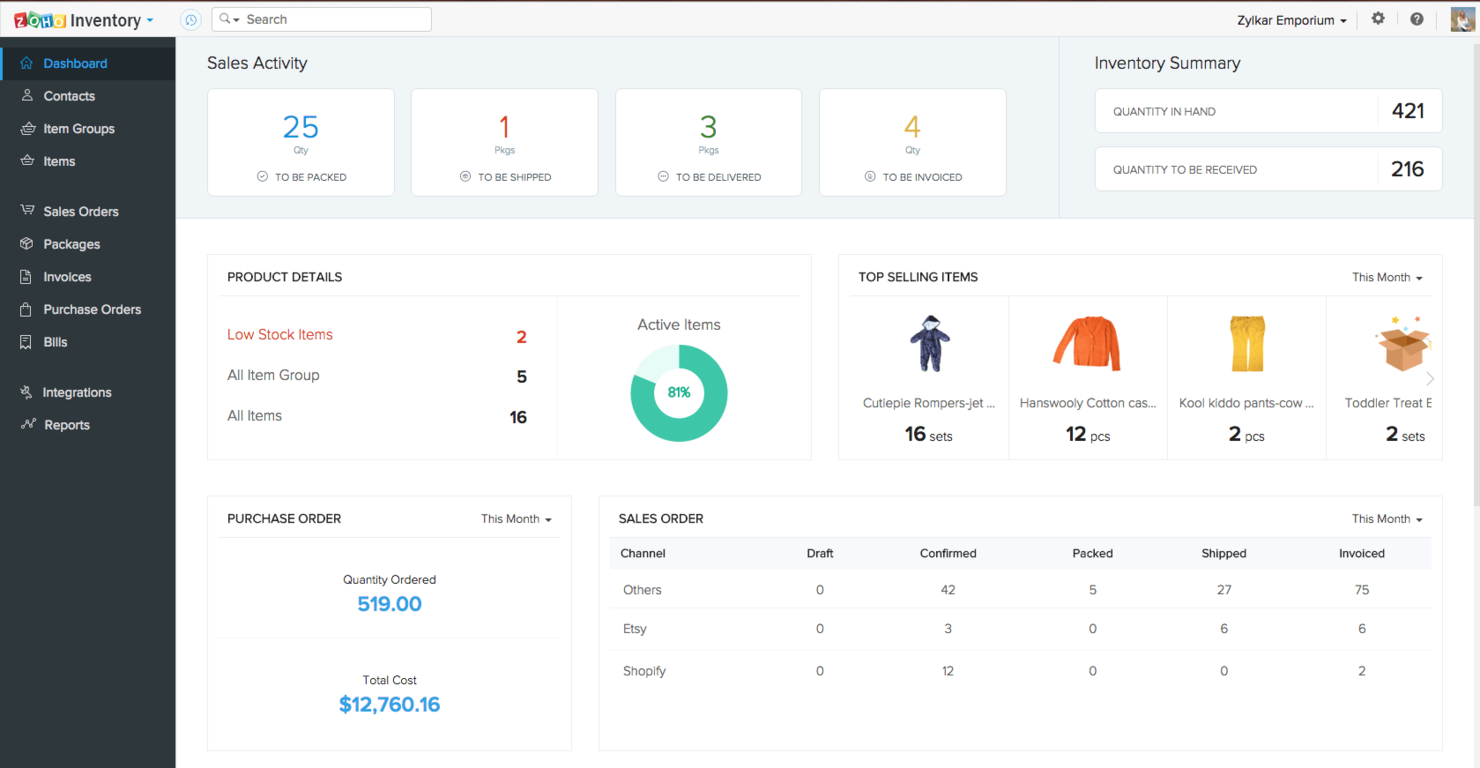
Zoho Books es un software de contabilidad en línea diseñado para pequeñas y medianas empresas que necesitan una gestión financiera eficiente.
Por qué elegí Zoho Books: El precio asequible de Zoho Books lo hace accesible para empresas con presupuestos ajustados. En la mayoría de los planes, el software ofrece una interfaz fácil de usar que simplifica las tareas contables para tu equipo. También incluye flujos de trabajo automatizados para reducir el esfuerzo manual y mejorar la eficiencia. En general, Zoho Books ayuda a los equipos a gestionar funciones clave como la facturación, el seguimiento de gastos y la gestión de impuestos por un costo inferior al promedio.
Características destacadas e integraciones:
Características incluyen la alimentación automática de datos bancarios, que te ayuda a conciliar transacciones de forma rápida y precisa. También puedes beneficiarte de sus capacidades de seguimiento de tiempo, permitiéndote administrar las horas facturables de manera efectiva. Además, Zoho Books ofrece informes financieros completos que te brindan información sobre la salud financiera de tu negocio.
Integraciones incluyen PayPal, Stripe, Square, Zoho CRM, Zoho Projects, G Suite, Slack, Office 365, Zapier y Mailchimp.
Pros and Cons
Pros:
- Seguimiento de tiempo efectivo
- Opciones de informes completas
- Interfaz fácil de usar
Cons:
- Gestión de inventario básica
- Funciones avanzadas limitadas

Mejor para empresas medianas
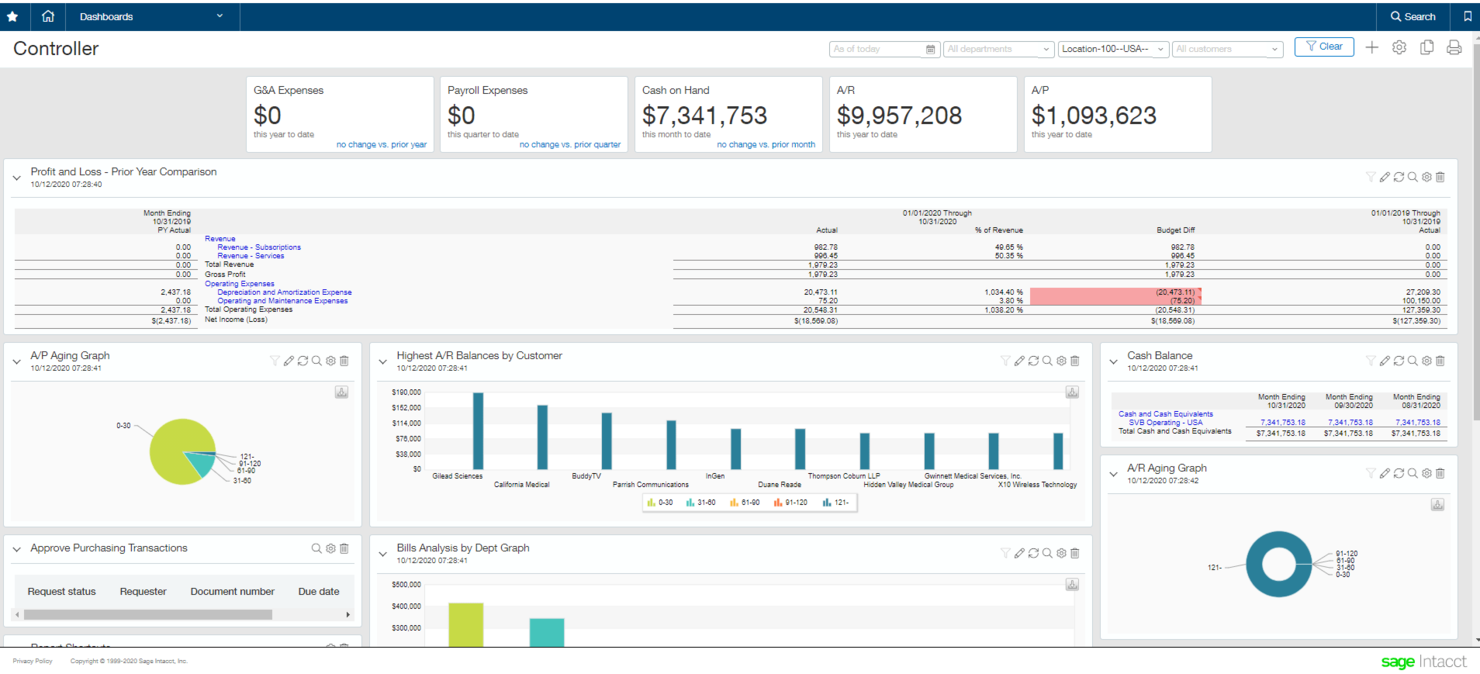
Sage Intacct es un software de gestión financiera basado en la nube, diseñado para empresas pequeñas y medianas. Atiende principalmente a industrias como servicios profesionales, organizaciones sin fines de lucro y atención médica, ofreciendo funciones financieras esenciales.
Por qué elegí Sage Intacct: Sage Intacct es especialmente valioso para empresas medianas debido a su soporte multi-entidad y reportes personalizables. El software proporciona información financiera detallada, lo cual puede ser vital para empresas en crecimiento. También ofrece una interfaz fácil de usar que facilita la gestión de tareas financieras complejas. En conjunto, estas características lo hacen ideal para organizaciones que buscan potenciar sus operaciones financieras.
Características destacadas e integraciones:
Características incluyen reportes multidimensionales, que te permiten rastrear las finanzas a través de varias dimensiones como departamentos y proyectos. También ofrece paneles configurables que proporcionan información en tiempo real sobre tu salud financiera. Otra característica clave es su gestión avanzada de ingresos, que ayuda a optimizar los procesos de reconocimiento de ingresos.
Integraciones incluyen Salesforce, ADP, Expensify, Bill.com, Avalara, American Express, Stripe, PayPal y Shopify.
Pros and Cons
Pros:
- Interfaz fácil de usar
- Reportes multidimensionales
- Reconocimiento de ingresos efectivo
Cons:
- Desafíos en la personalización de reportes
- Funcionalidades de inventario limitadas

Mejor para actualizaciones en tiempo real
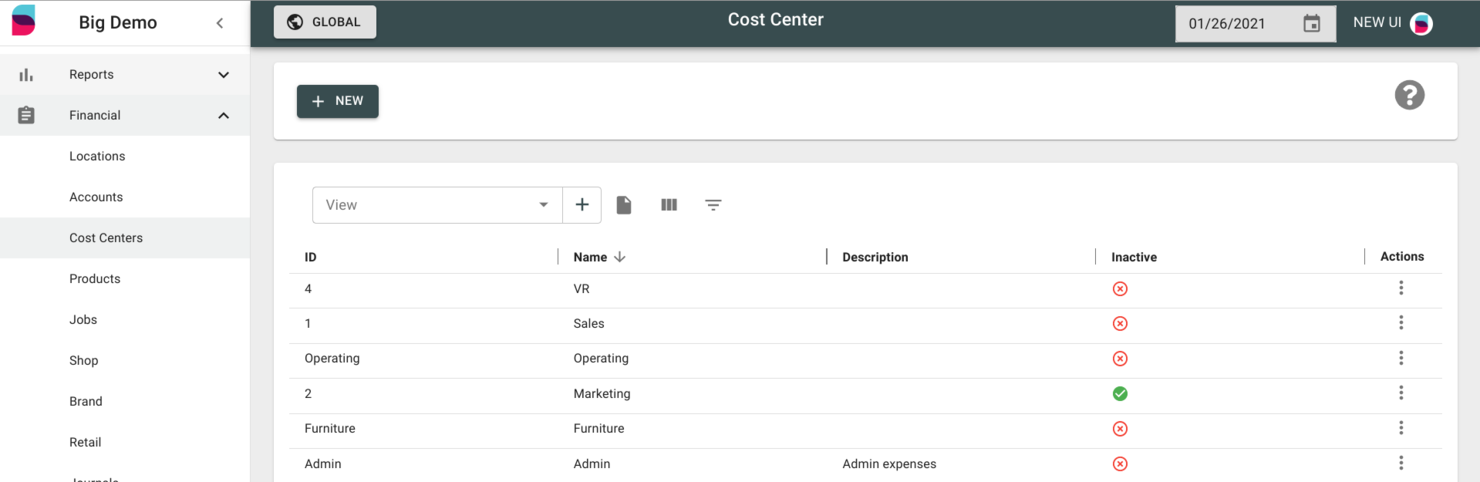
SoftLedger es un software de contabilidad basado en la nube diseñado para empresas que requieren actualizaciones financieras en tiempo real. Atiende a sectores como finanzas, bienes raíces y criptomonedas, proporcionando funciones esenciales de gestión financiera.
Por qué elegí SoftLedger: Las actualizaciones en tiempo real son fundamentales para las empresas que necesitan datos actualizados, y con SoftLedger los usuarios obtienen acceso a información financiera constantemente actualizada. El software también proporciona consolidaciones automatizadas, lo que ayuda en los procesos financieros entre múltiples entidades, así como procesos de contabilidad para criptomonedas. Con estas funciones, SoftLedger es una opción única para compañías que buscan percepciones financieras al día.
Características destacadas e integraciones:
Funciones incluyen opciones de informes flexibles que permiten personalizar los reportes financieros según tus necesidades. También puedes beneficiarte de su gestión de múltiples entidades, lo cual facilita el control financiero de diferentes sucursales. Además, el software ofrece flujos de trabajo automatizados, reduciendo la necesidad de intervención manual.
Integraciones incluyen QuickBooks, Xero, Stripe, Coinbase, Plaid, Twilio, Slack, Amazon Web Services, Google Sheets y HubSpot.
Pros and Cons
Pros:
- Opciones de informes flexibles
- Consolidaciones automatizadas
- Soporte para contabilidad de criptomonedas
Cons:
- Opciones de personalización limitadas
- Complejidad en la configuración

Xledger
Mejor para soporte multimoneda
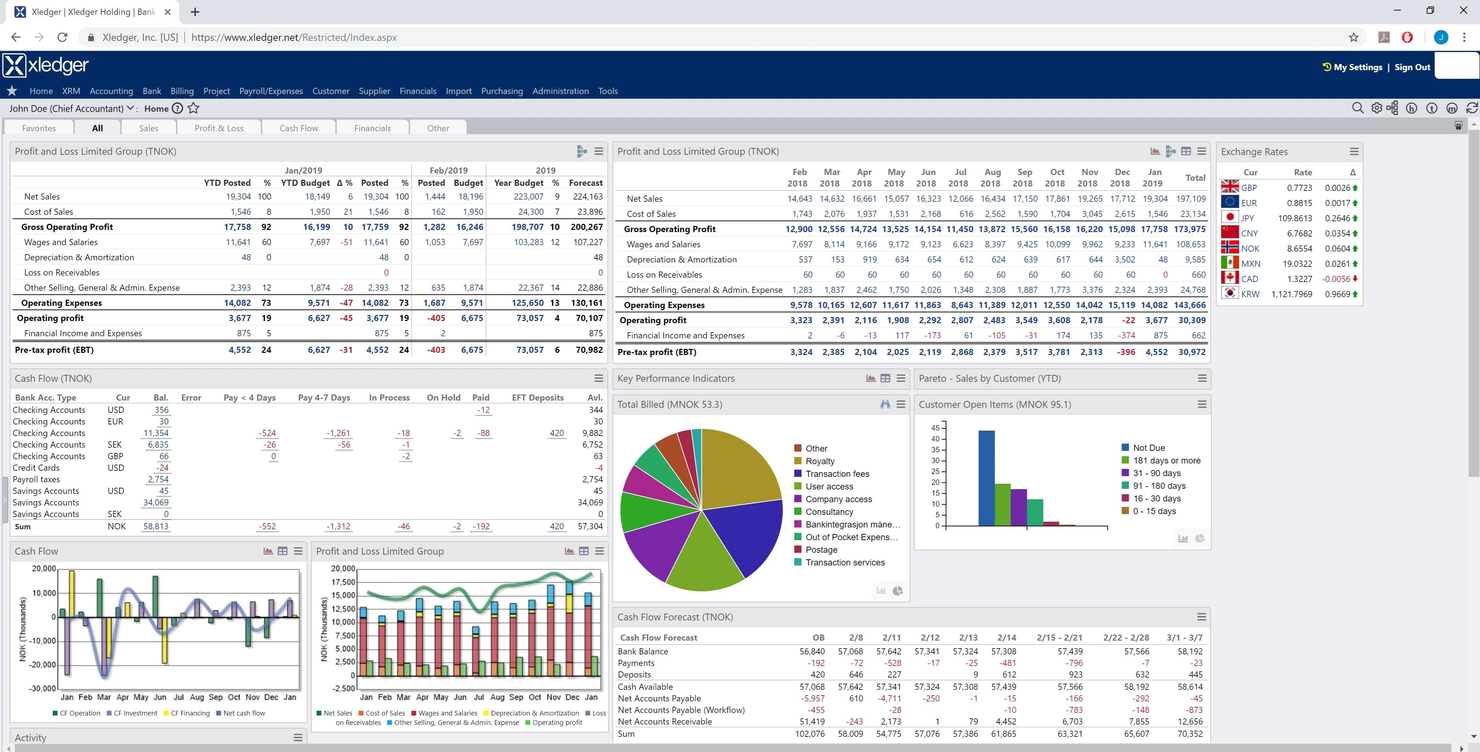
Xledger es una solución de gestión financiera basada en la nube diseñada para empresas medianas y grandes. Admite múltiples funciones empresariales, incluyendo contabilidad, nómina y gestión de gastos, ofreciendo valor a empresas internacionales.
Por qué elegí Xledger: El soporte multimoneda de Xledger es esencial para empresas que operan en diferentes países. Junto con esta característica clave, el software también ofrece conversión automática de divisas, lo que simplifica las transacciones internacionales, y estados financieros consolidados. Estas capacidades hacen de Xledger una excelente opción para negocios que necesitan una solución contable global avanzada.
Funciones y integraciones destacadas:
Funciones incluyen conciliación bancaria automatizada, lo que reduce el esfuerzo manual al conciliar transacciones. También ofrece un módulo de gestión de activos fijos que ayuda a rastrear y administrar los activos de tu organización. Además, el diseño basado en la nube asegura que puedas acceder a tus datos financieros desde cualquier lugar, brindando flexibilidad a equipos remotos.
Integraciones incluyen Microsoft Dynamics, Salesforce, SAP, Oracle, QuickBooks, Sage, Xero, NetSuite, FreshBooks y Zoho Books.
Pros and Cons
Pros:
- Conciliación bancaria automatizada
- Estados financieros consolidados
- Conversión automática de divisas
Cons:
- Dependencia de la conectividad a Internet
- Se requieren actualizaciones ocasionales del sistema

Fulfil
Ideal para empresas minoristas y de comercio electrónico
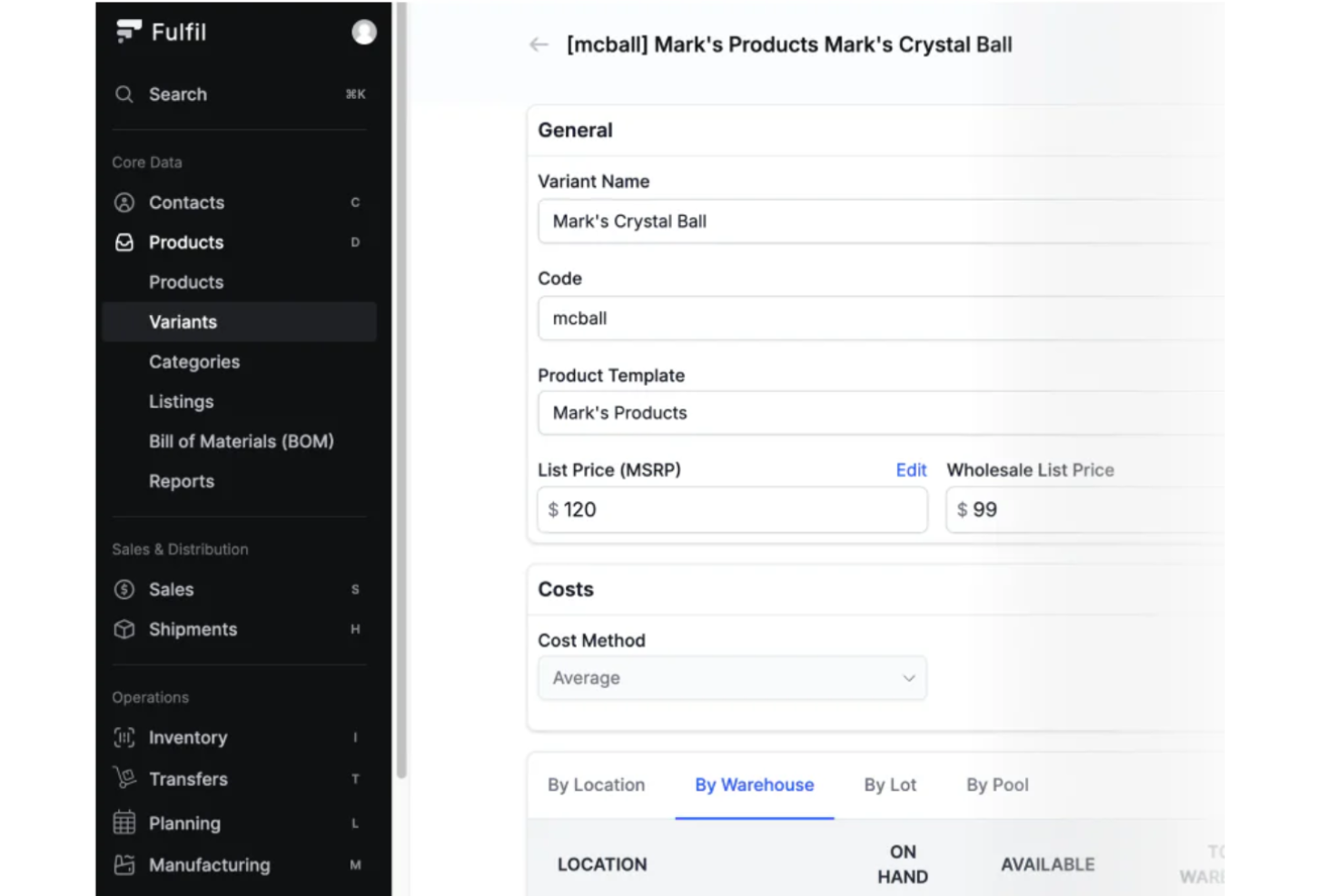
Fulfil es un software ERP basado en la nube diseñado para empresas minoristas y de comercio electrónico en rápido crecimiento. Centraliza la contabilidad, el inventario y las operaciones para que cada transacción financiera, desde la recepción de inventario hasta el pago del cliente, se registre automáticamente en sus libros contables.
Por qué elegí Fulfil: Fulfil destaca para las empresas que necesitan un sistema de libro mayor enfocado en operaciones minoristas y de comercio electrónico. Su registro automatizado de transacciones publica asientos contables para cada pedido, pago y movimiento de inventario sin intervención manual. La contabilidad multi-entidad mantiene libros separados para diferentes subsidiarias, mientras consolida las finanzas en distintas regiones y monedas. El Fulfil Copilot impulsado por IA analiza los datos para resaltar tendencias y anomalías, ofreciendo a los equipos de finanzas visibilidad instantánea del rendimiento sin horas de revisión manual.
Características destacadas e integraciones
Características incluyen seguimiento en tiempo real del costo de los bienes vendidos que se actualiza automáticamente a medida que se mueve el inventario, manteniendo el análisis de rentabilidad preciso y actualizado. La plataforma también ofrece reportes por departamento y unidad de negocio para que puedas desglosar el rendimiento por canal, almacén o marca, eliminando la necesidad de hojas de cálculo externas. El reconocimiento automático de ingresos y la conciliación AP 3 vías reducen aún más los errores de conciliación y ayudan a asegurar el cumplimiento.
Integraciones incluyen Amazon, Shopify, Etsy, eBay, FedEx, UPS, DHL, PayPal, Stripe, Avalara, Klarna y Amazon Shipping.
Pros and Cons
Pros:
- Captura cada transacción automáticamente, reduciendo asientos contables manuales
- El movimiento de inventario en tiempo real se refleja directamente en la contabilidad
- Fuerte soporte multi-entidad y multi-moneda
Cons:
- Enfoque limitado fuera de las operaciones minoristas y de comercio electrónico
- Al ser un ERP con contabilidad integrada, carece de herramientas contables especializadas

Mejor para la industria de la construcción
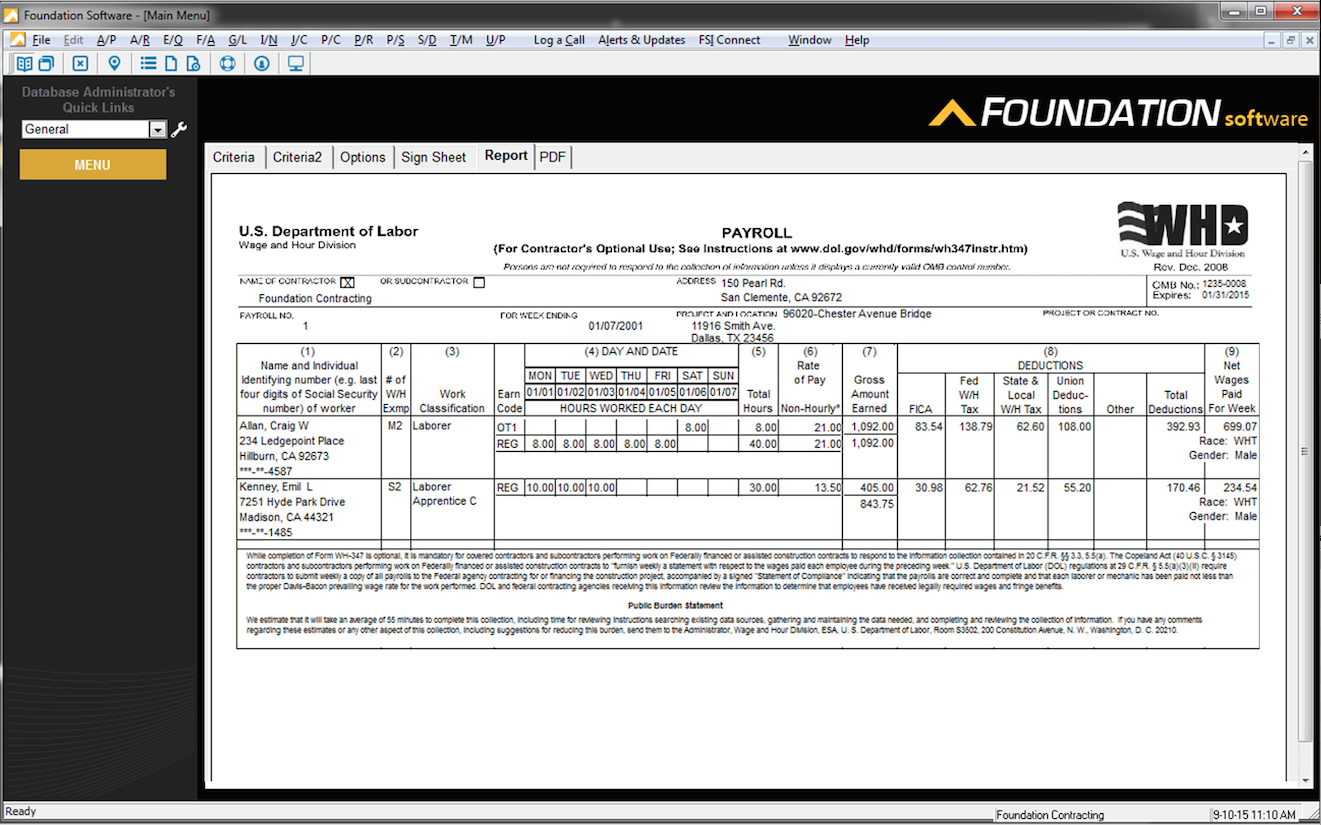
FOUNDATION es un software de contabilidad para la construcción diseñado específicamente para contratistas y empresas constructoras. Gestiona tareas financieras esenciales como el costeo de obras, la nómina y la administración del libro mayor.
Por qué elegí FOUNDATION: FOUNDATION está hecho para la industria de la construcción, por lo que es una opción perfecta para contratistas que necesitan herramientas de gestión financiera especializadas. El software ofrece funciones de costeo de obras que ayudan a rastrear con precisión los gastos del proyecto. También brinda gestión de nómina específica para construcción, garantizando el cumplimiento de las regulaciones del sector. Conjuntamente, estas funcionalidades lo convierten en una herramienta invaluable para negocios de construcción que buscan un control financiero preciso.
Características destacadas y integraciones:
Características incluyen costeo avanzado de obras, permitiendo monitorear en tiempo real los gastos del proyecto. El software también soporta nómina certificada, lo que ayuda a mantenerse conforme con los requisitos de reporte gubernamental. Además, ofrece seguimiento de equipos, permitiéndole gestionar y asignar recursos de manera eficiente.
Integraciones incluyen Procore, Viewpoint, QuickBooks, Sage 300, Microsoft Excel, Autodesk, Spectrum, Bluebeam, PlanGrid y Acumatica.
Pros and Cons
Pros:
- Cumplimiento con estándares de la industria
- Capacidades de seguimiento de equipos
- Soporte para nómina certificada
Cons:
- Configuración inicial compleja
- Escalabilidad limitada para otros sectores

Puzzle
Mejor libro mayor general impulsado por IA
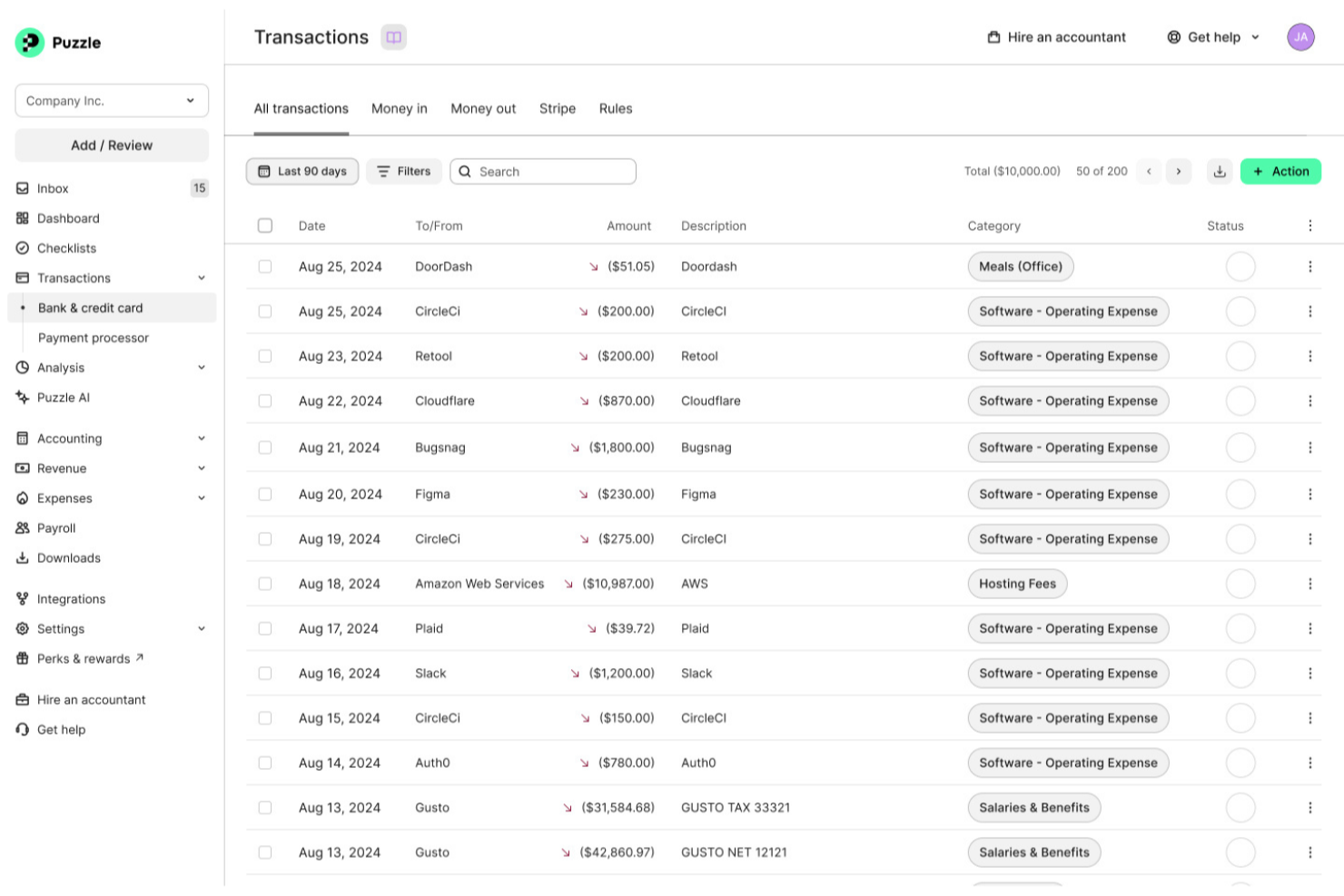
Puzzle es un software de contabilidad nativo de IA diseñado para ayudar a startups y pequeñas empresas a gestionar su contabilidad. Automatiza tareas de registro contable, proporciona información financiera en tiempo real y admite métodos contables tanto por caja como por devengo.
Por qué elegí Puzzle.io: Una de las características clave de Puzzle es su categorización automática de transacciones impulsada por IA, que clasifica automáticamente la mayoría de las transacciones de una empresa sin necesidad de configurar reglas manuales. Esto es posible gracias a Puzzlebot, el auto-categorizador de la plataforma, que aprende y mejora con el tiempo, aumentando la eficiencia de la gestión financiera. Además, AI Lookup de Puzzle permite a los usuarios recibir ayuda en la categorización de transacciones resumiendo información sobre proveedores y sugiriendo categorías apropiadas.
Funciones y integraciones destacadas:
Funciones incluyen un libro mayor general mejorado, que proporciona información en tiempo real y vistas personalizables. Además, Puzzle.io cuenta con revisiones continuas de precisión, donde la IA monitorea los estados financieros para detectar posibles errores antes de que se conviertan en problemas. Incluso, ofrece automatización por devengo integrada, que permite a los usuarios gestionar el reconocimiento de ingresos, gastos pagados por adelantado, activos fijos, cuentas por pagar y cuentas por cobrar en un solo lugar.
Las integraciones incluyen Stripe, Brex, Ramp, Rippling, Mercury, Gusto, Deel, Central, Every, Meow, Bill.com y Runway.
Pros and Cons
Pros:
- Los paneles en tiempo real ofrecen información financiera inmediata
- Categorización de transacciones impulsada por IA
- Las conciliaciones bancarias automatizadas garantizan la precisión
Cons:
- Soporte limitado para cuentas bancarias fuera de EE. UU.
- La prueba gratuita requiere que los usuarios conecten una cuenta bancaria

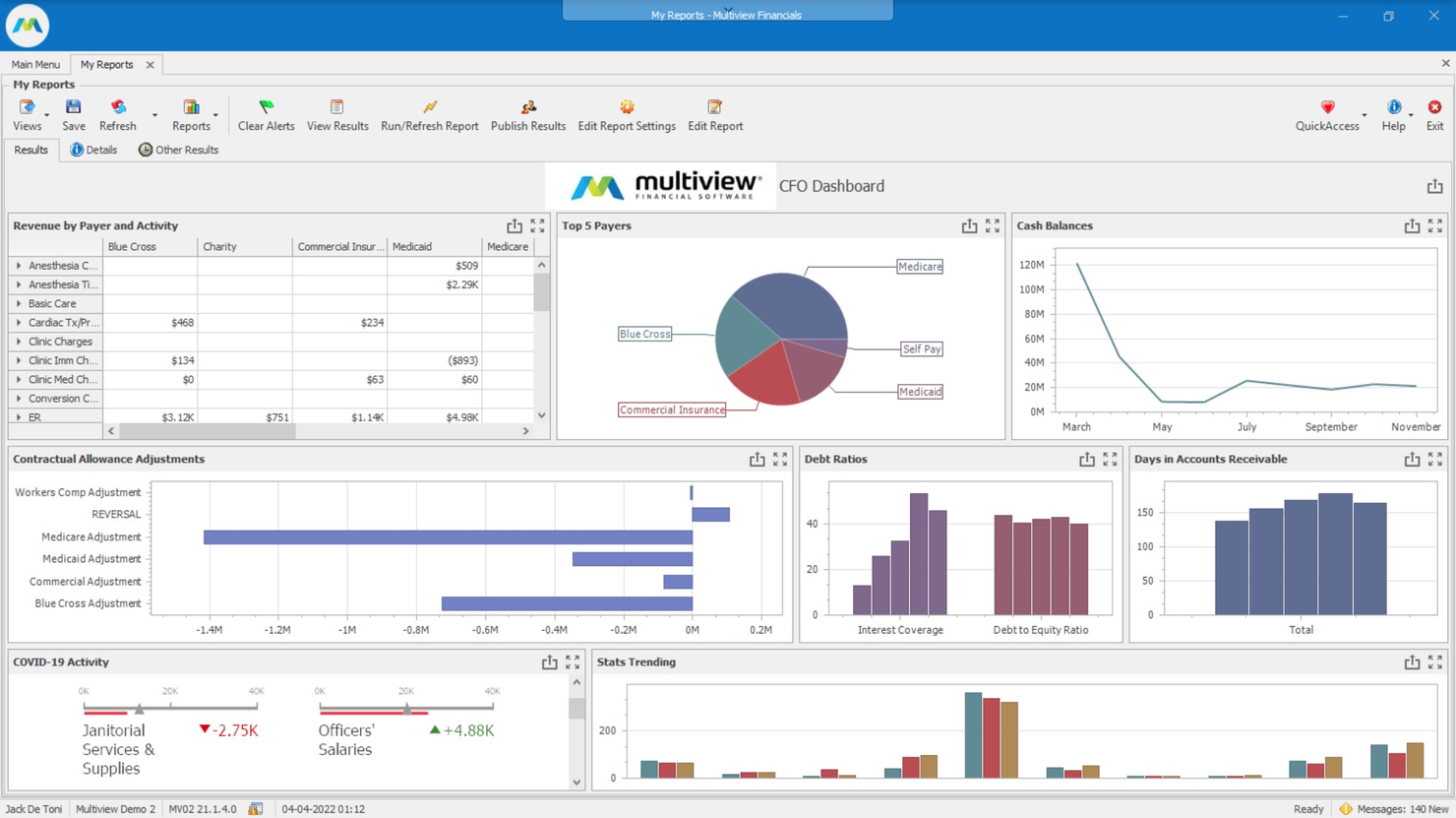
Multiview es un software de gestión financiera para el sector sanitario, que proporciona funciones contables esenciales. Sirve a hospitales y organizaciones de atención médica, ofreciendo herramientas para presupuestación, informes financieros y gestión del cumplimiento.
Por qué elegí Multiview: Multiview está diseñado específicamente para el sector sanitario, proporcionando funciones que responden a necesidades concretas. El software ofrece herramientas detalladas de presupuestación que ayudan a gestionar la planificación financiera de manera eficaz. También incluye capacidades de gestión del cumplimiento, cumpliendo con las regulaciones sanitarias. En conjunto, estas características hacen que Multiview sea especialmente adecuado para organizaciones de atención médica que requieran supervisión financiera especializada.
Características y conexiones destacadas:
Características incluyen capacidades avanzadas de presupuestación, que permiten crear planes financieros integrales. El software también ofrece informes financieros en tiempo real, proporcionando información actualizada sobre la salud financiera de su organización. Además, admite el seguimiento del cumplimiento, ayudándole a cumplir con los estándares de la industria sanitaria.
Integraciones incluyen Microsoft Dynamics, SAP, QuickBooks, Salesforce, Workday, NetSuite, Sage, IBM y Tableau.
Pros and Cons
Pros:
- Capacidades de gestión del cumplimiento
- Informes financieros en tiempo real
- Herramientas detalladas de presupuestación
Cons:
- Escalabilidad limitada para otros sectores
- Dependencia del soporte técnico
Otros programas de libro mayor
Estas son algunas opciones adicionales de software de libro mayor que no llegaron a mi selección, pero que aún merece la pena considerar:
- Flexi
Mejor para necesidades de cumplimiento
- Adagio Ledger
Mejor para registrar asientos recurrentes
- Eleven
Mejor opción para escalabilidad
- Passport Business Solutions
Ideal para pequeñas empresas
- SapphireOne
Ideal para módulos integrales


Cómo evalúo el software de libro mayor
Reviso las herramientas de libro mayor en dos niveles: lo básico necesario para asientos contables, cierre de período y gestión del plan de cuentas, y los factores diferenciadores, como la profundidad de consolidación, que separan a las mejores opciones.
Funcionalidad principal (Indispensables para esta lista)
Cuando selecciono herramientas para mi lista, califico cada una en una escala de 0 (no ofrece la funcionalidad) a 5 (destaca en esta área) para cada funcionalidad clave que aparece a continuación. Después, calculo la puntuación total de la herramienta en porcentaje. Cada herramienta necesita alcanzar una puntuación mínima total del 65% para ser considerada.
- Gestión del Plan de Cuentas: Analizo cuán flexible es la estructura del plan de cuentas —si puedes construir jerarquías multi-segmento y mapear cuentas entre distintas entidades sin empezar de cero.
- Asientos contables y contabilización: Cada herramienta debe soportar asientos manuales, recurrentes y reversibles con trazabilidad de auditoría. Reviso si existen flujos de aprobación y opciones de importación masiva.
- Contabilidad de partida doble: Los débitos y créditos equilibrados deben ser obligatorios al momento de registrar los asientos. Evalúo si esta validación se extiende a sublibros y módulos.
- Reportes financieros y balance de comprobación: Los estados estándar son importantes, pero también busco la opción de analizar a detalle desde el balance o la cuenta de resultados hasta los asientos individuales.
- Soporte multi-empresa y multi-divisa: Para equipos que gestionan subsidiarias, analizo la profundidad de la consolidación: eliminaciones entre empresas, reevaluación de divisas y reportes unificados.
- Cierre de periodo y conciliación: El proceso de cierre es donde las herramientas de libro mayor demuestran su valor. Busco listas de verificación guiadas, herramientas para conciliación de sublibros y controles de bloqueo de períodos.
Una vez que tengo una lista de herramientas que cumplen con estos criterios, considero qué distingue a cada plataforma.
Factores diferenciadores (Lo que distingue a los proveedores)
Así es como comparo y contrasto los diferentes proveedores:
Características destacadas
Un motor de consolidación nativo es un gran diferenciador para equipos multi-empresa. Busco eliminaciones intercompany incorporadas y gestión de intereses minoritarios que mantengan todo en una sola plataforma, en vez de exportar a una herramienta CPM independiente. También importa la detección de anomalías impulsada por IA: las herramientas que señalan asientos duplicados o inusuales antes del cierre evitan verdaderos dolores de cabeza a los responsables de finanzas. Los reportes dimensionales complementan el análisis, permitiendo etiquetar transacciones por departamento, proyecto o localización para un análisis más profundo sin aumentar el tamaño del plan de cuentas.
Más allá de las funcionalidades
El ecosistema de integraciones es una de las primeras cosas que evalúo. Un libro mayor que no se conecta con tus sistemas de cuentas por pagar/cobrar, nómina y bancos, genera cuellos de botella en las conciliaciones en cada cierre. También considero la compatibilidad con el sector o el tamaño del negocio: una organización sin fines de lucro que gestiona fondos tiene necesidades muy diferentes a una empresa SaaS que debe cumplir con el reconocimiento de ingresos ASC 606. Los plazos de implementación también son relevantes. Analizo si el proveedor ofrece plantillas para mapear el plan de cuentas y herramientas de migración de datos, ya que una implementación compleja de tamaño medio que se extiende más allá del corte del año fiscal puede frenar a todo el equipo financiero.
Cómo elegir un software de libro mayor
Elegir un software de libro mayor puede resultar abrumador debido a todas las funciones y los detalles de precios disponibles. Para mantener la concentración, utilizo una lista de comprobación sencilla que me ayuda a establecer claramente mis prioridades y encontrar una herramienta que realmente se adapte a mi forma de trabajar.
| Factor | Qué considerar |
| Escalabilidad | Asegúrate de que el software pueda crecer junto con tu empresa. Busca soluciones que admitan usuarios y transacciones adicionales a medida que tu empresa se expande. |
| Integraciones | Comprueba si el software se integra con tus herramientas existentes, como sistemas CRM o ERP, para agilizar los procesos y mejorar la precisión de los datos. |
| Personalización | Busca un software que te permita adaptar los informes y paneles para ajustarlos a las necesidades y los flujos de trabajo específicos de tu empresa. |
| Facilidad de uso | Elige un software con una interfaz intuitiva y una navegación sencilla para reducir la curva de aprendizaje de tu equipo. |
| Presupuesto | Compara los planes de precios y asegúrate de que se ajusten a tus limitaciones financieras. Considera el costo total de propiedad, incluidas las tarifas ocultas. |
| Medidas de seguridad | Asegúrate de que el software ofrezca medidas de seguridad sólidas, como el cifrado de datos y controles de acceso de usuarios, para proteger la información financiera confidencial. |
| Atención al cliente | Evalúa la disponibilidad y la calidad de los servicios de asistencia, como la ayuda las 24 horas del día, los 7 días de la semana, para resolver los problemas rápidamente. |
| Funciones de generación de informes | Busca capacidades avanzadas de generación de informes que proporcionen información sobre el rendimiento financiero y ayuden en la toma de decisiones. |
Tendencias del software de contabilidad general
En mi investigación, revisé actualizaciones de productos, registros de lanzamientos y anuncios de proveedores de software de contabilidad general. Esto es lo que más me llamó la atención:
- Información basada en IA: Cada vez más proveedores utilizan la IA para ofrecer análisis predictivos y conocimientos útiles. Esto ayuda a las empresas a pronosticar las tendencias financieras y tomar decisiones fundamentadas. Por ejemplo, algunas herramientas ahora analizan los patrones de gasto para sugerir ajustes presupuestarios.
- Integración de cadena de bloques: La tecnología de cadena de bloques se está adoptando para mejorar la transparencia y la seguridad. Al crear registros inmutables, ayuda a prevenir el fraude y garantiza informes financieros precisos. Algunos proveedores incluso están explorando el uso de la cadena de bloques para los registros de auditoría.
- Informes de sostenibilidad: Cada vez se presta más atención a las funciones que realizan un seguimiento del impacto ambiental y de las métricas de sostenibilidad. Esta tendencia está impulsada por empresas que desean alinear los informes financieros con sus objetivos de responsabilidad social corporativa.
- Diseño centrado en el usuario: Los proveedores están empezando a dar prioridad a la experiencia del usuario mediante interfaces más intuitivas y paneles personalizados. Esto facilita el uso del software y reduce la curva de aprendizaje para los nuevos usuarios.
- Automatización del cumplimiento normativo: Debido a la constante evolución de las normativas, las herramientas ahora ofrecen actualizaciones automatizadas de cumplimiento. Esto garantiza que las empresas se mantengan al día con los requisitos legales y reduce el riesgo de sanciones.
¿Qué es el software de contabilidad general?
El software de contabilidad general es una herramienta financiera que centraliza y organiza todos los datos contables de una empresa en un solo sistema. Registra, clasifica y resume las transacciones —desde ventas y gastos hasta activos y pasivos— para formar la base de informes y auditorías precisos.
Utilizado por pequeñas empresas, contables y equipos financieros de grandes empresas, agiliza la contabilidad y reduce los errores manuales. Con asientos automatizados, paneles en tiempo real y registros de auditoría integrados, sustituye las hojas de cálculo y garantiza un cumplimiento coherente.
Funciones
Cuando comparo software de contabilidad general, busco funciones que faciliten la gestión de las transacciones de forma sencilla, precisa y conforme a la normativa. Además de la compatibilidad con la partida doble y la conciliación de cuentas, estas son algunas otras funciones clave que debes buscar:
- Flujos de trabajo automatizados: Agilizan las tareas repetitivas para ahorrar tiempo y reducir los errores manuales.
- Informes en tiempo real: Proporcionan datos financieros actualizados para ayudar a las empresas a tomar decisiones rápidas y fundamentadas.
- Compatibilidad con múltiples divisas: Permite gestionar transacciones en distintas divisas, lo que resulta ideal para empresas que operan internacionalmente.
- Seguimiento del cumplimiento: Garantiza el cumplimiento de las normativas del sector y reduce el riesgo de sanciones.
- Paneles personalizables: Permiten a los usuarios adaptar la interfaz a sus necesidades y preferencias específicas.
- Información basada en IA: Ofrece análisis predictivos para pronosticar tendencias y mejorar la planificación financiera.
- Herramientas avanzadas de presupuestación: Ayudan a crear planes financieros detallados para gestionar los recursos de forma eficaz.
- Registros de auditoría: Mantienen un registro claro de todas las transacciones para mejorar la transparencia y la responsabilidad.
- Interfaz fácil de usar: Facilita la navegación por el software y reduce la curva de aprendizaje para los nuevos usuarios.
Beneficios
Cuando cambié a un software de contabilidad del libro mayor, noté los beneficios de inmediato. Agilizó el flujo de trabajo de mi equipo, mantuvo nuestros registros ordenados y facilitó mucho el cumplimiento normativo. Si buscas tener un mayor control sobre tus cuentas, esto es lo que puedes esperar del software de contabilidad del libro mayor adecuado:
- Mayor precisión: Los flujos de trabajo automatizados y los informes en tiempo real reducen los errores manuales y mejoran la precisión financiera.
- Mejora en la toma de decisiones: Los conocimientos basados en IA y los análisis avanzados ofrecen datos valiosos para orientar las decisiones estratégicas.
- Cumplimiento normativo: El seguimiento del cumplimiento ayuda a garantizar que tu empresa respete las normativas del sector y minimiza los riesgos.
- Ahorro de tiempo: Funciones como los procesos automatizados y las interfaces fáciles de usar agilizan las tareas financieras y aumentan la productividad.
- Personalización: Los paneles y los informes personalizables te permiten adaptar el sistema para satisfacer tus necesidades operativas específicas.
- Mayor transparencia: Los registros de auditoría proporcionan un historial claro de las transacciones, fomentando la responsabilidad y la confianza dentro de tu equipo.
Costos y precios
Los precios del software de aplicaciones del libro mayor pueden variar considerablemente. Los planes varían según las funciones, los usuarios y los complementos. He desglosado las opciones más comunes, los costos promedio y lo que suele incluirse para ayudarte a comparar y elegir la opción que mejor se adapte a tus necesidades.
Tabla comparativa de planes de software del libro mayor
| Tipo de plan | Precio promedio | Funciones comunes |
| Plan gratuito | $0/usuario/mes | Seguimiento básico de transacciones, informes limitados y asistencia mínima. |
| Plan personal | $5-$25/usuario/mes | Informes mejorados, integraciones básicas e interfaz fácil de usar. |
| Plan empresarial | $30-$75/usuario/mes | Compatibilidad con varias monedas, paneles personalizables y análisis avanzados. |
| Plan corporativo | $80-$150/usuario/mes | Información basada en IA, seguimiento del cumplimiento y asistencia al cliente exclusiva. |
Preguntas frecuentes sobre el software de libro mayor
Estas son algunas respuestas a preguntas frecuentes sobre el software de libro mayor:
¿Cuáles son las 4 C del libro mayor?
Las 4 C de un libro mayor se refieren al plan de cuentas, el calendario, la moneda y la convención contable. Estos elementos garantizan la coherencia en los informes financieros. Ayudan a estructurar los datos financieros, establecer el calendario de los períodos financieros, gestionar varias monedas y aplicar reglas contables estandarizadas.
¿Cuáles son los 5 elementos del libro mayor?
Los cinco elementos de un libro mayor son los activos, los pasivos, el patrimonio del propietario, los ingresos y los gastos. Estas categorías ayudan a organizar los datos financieros para reflejar la situación financiera de la empresa. Comprender estos elementos permite hacer un seguimiento del rendimiento financiero y preparar estados financieros precisos.
¿Cuáles son las reglas del libro mayor?
Un libro mayor sigue el método de contabilidad por partida doble, en el que cada transacción afecta al menos a dos cuentas. Una cuenta se carga mientras otra se abona, lo que garantiza que el total de los débitos sea igual al total de los créditos. Esta regla mantiene el equilibrio de las cuentas y garantiza registros financieros precisos.
¿Cómo automatiza los procesos el software de libro mayor?
El software de libro mayor automatiza procesos como la captura de facturas, el registro de transacciones y la elaboración de informes financieros. Esto reduce la introducción manual de datos, minimiza los errores y ahorra tiempo. Al automatizar estas tareas, tu equipo puede centrarse en analizar los datos financieros en lugar de introducirlos.
¿Cómo puede ayudar el software de libro mayor con el cumplimiento normativo?
El software de libro mayor ayuda con el cumplimiento normativo al proporcionar registros financieros precisos y pistas de auditoría. Garantiza que todas las transacciones estén documentadas y sean fácilmente accesibles para las auditorías. Esto puede ayudar a tu empresa a cumplir las normativas del sector y evitar sanciones.
¿Por qué es importante la integración en el software de libro mayor?
La integración es importante porque permite que el software de contabilidad del libro mayor se conecte con otros sistemas, como CRM y ERP. Esto garantiza la coherencia de los datos entre plataformas, reduce la introducción duplicada de datos y mejora la eficiencia general en la gestión de la información financiera.
¿Qué sigue?
Si estás investigando software de libro mayor, conecta con un asesor de SoftwareSelect para obtener recomendaciones gratuitas.
Rellenas un formulario y tienes una breve conversación en la que conocerán los detalles específicos de tus necesidades. Después recibirás una lista corta de software para revisar. Incluso te apoyarán durante todo el proceso de compra, incluidas las negociaciones de precios.