

Los 10 mejores programas de estados financieros para contadores para 2026

Lista de software de estados financieros para contables


El software de estados financieros para contables te ayuda a crear, gestionar y analizar informes financieros con precisión y cumpliendo las normativas. Si estás buscando la solución adecuada, probablemente estés haciendo malabarismos con plazos ajustados, normas de elaboración de informes cambiantes y la necesidad de ofrecer información clara a tus clientes o partes interesadas. El software adecuado puede ayudar a tu equipo a gestionar consolidaciones complejas, automatizar tareas rutinarias y facilitar la colaboración, sin sacrificar el control ni la transparencia. En esta guía encontrarás opciones evaluadas por expertos que abordan los desafíos reales a los que se enfrentan los contables, para que puedas elegir la opción que mejor se adapte a las necesidades de elaboración de informes de tu empresa.
Por qué confiar en nuestras recomendaciones de software
Nuestras reseñas reflejan nuestro criterio independiente, no un discurso de ventas. Descubra cómo mantenemos la transparencia.
Para esta guía, evaluamos las herramientas mediante pruebas prácticas e investigación independiente, puntuando las herramientas según nuestros criterios de selección.
Nuestras reseñas reflejan nuestro criterio editorial humano, no un discurso de ventas.
Resumen del mejor software de estados financieros para contables
Esta tabla comparativa resume los detalles de precios de mis principales selecciones de software de estados financieros para contables, para ayudarte a encontrar la mejor opción según tu presupuesto y las necesidades de tu empresa.
| Tool | Best For | Trial Info | Price | ||
|---|---|---|---|---|---|
| 1 | Ideal para equipos de informes colaborativos | Demo gratuita disponible | Precio disponible bajo solicitud | Website | |
| 2 | La mejor para análisis visual del rendimiento | Prueba gratuita de 14 días disponible | Desde $53/mes | Website | |
| 3 | Ideal para la facturación de clientes basados en servicios | Prueba gratuita de 30 días | Desde $23/mes | Website | |
| 4 | Ideal para colaboración con clientes basada en la nube | Prueba gratuita de 30 días disponible | Desde $2.50/mes | Website | |
| 5 | Ideal para la personalización de la automatización de flujos de trabajo | Plan gratuito + demo gratis disponible | Desde $15/mes (facturación anual) | Website | |
| 6 | Mejor para controles financieros avanzados | Demo gratuita disponible | Precio a consultar | Website | |
| 7 | Mejor para integración de datos ERP | Demo gratuita disponible | Precio a consultar | Website | |
| 8 | Mejor para la gestión del cumplimiento global | Demostración gratuita disponible | Precio a consultar | Website | |
| 9 | Mejor para la creación de estados financieros basada en plantillas | Demo gratuita disponible | Precios a consultar | Website | |
| 10 | Mejor para flujos de trabajo de consolidación de múltiples entidades | Demo gratuita disponible | Precio disponible bajo solicitud | Website |

Reseñas de software de estados financieros para contables
A continuación se muestran mis resúmenes detallados del software de estados financieros para contables que llegó a mi lista. Mis reseñas ofrecen una visión detallada de las funciones, los casos de uso más adecuados y las integraciones de cada software, para ayudarte a encontrar la mejor opción para ti.

Workiva
Ideal para equipos de informes colaborativos
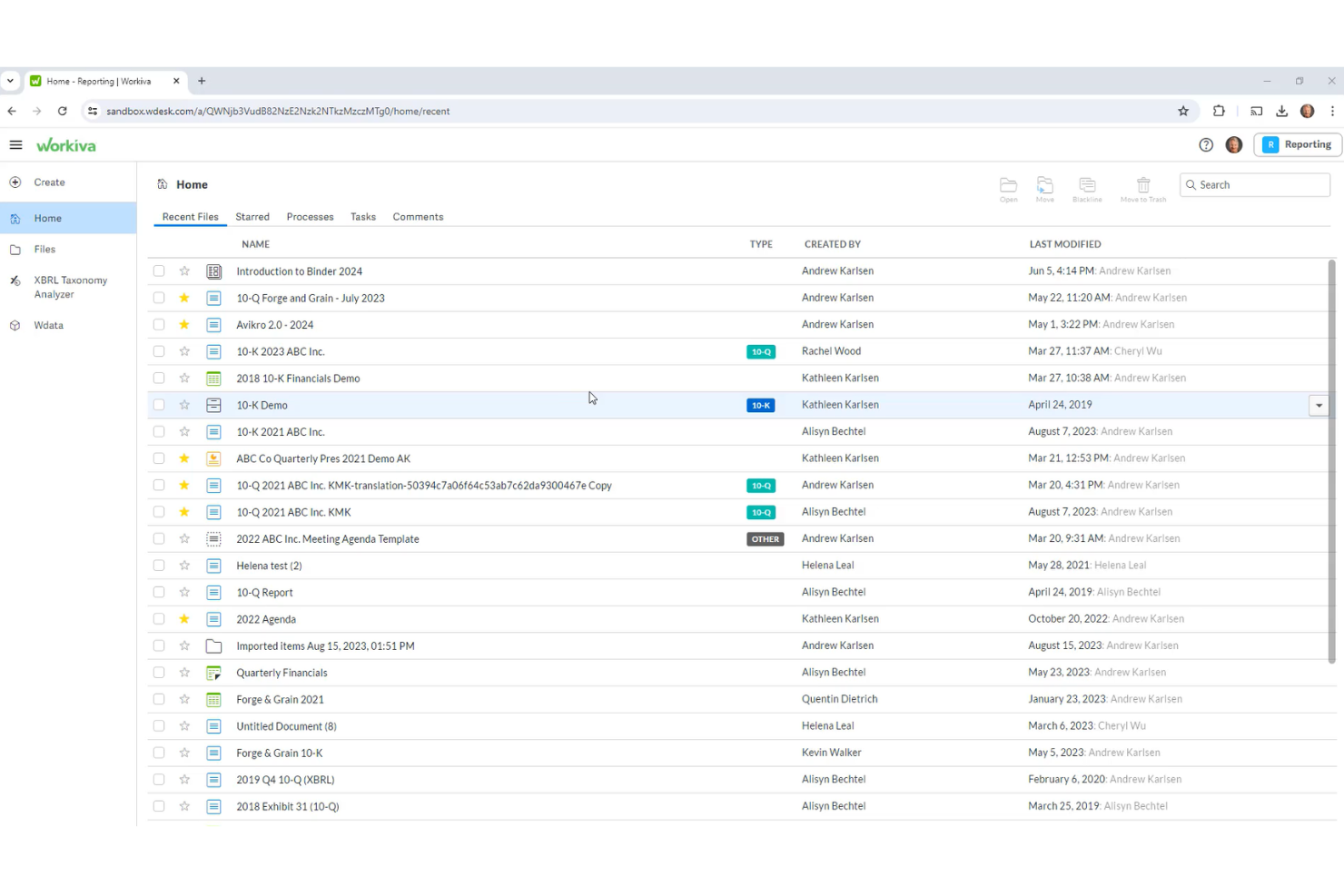
Si tu equipo de contabilidad o finanzas necesita gestionar informes complejos y multi-entidad con colaboración en tiempo real, Workiva está diseñado para ti. La plataforma conecta datos, documentos y equipos en un solo espacio de trabajo en la nube, facilitando la coordinación de la preparación y revisión de estados financieros. Workiva es especialmente útil para organizaciones que requieren controles listos para auditoría y seguimiento de versiones en equipos distribuidos.
Por qué elegí Workiva
Para los equipos que necesitan colaborar en informes financieros entre departamentos o ubicaciones, Workiva ofrece una solución diseñada para ese propósito. Su espacio de trabajo basado en la nube permite que varios usuarios editen, comenten y revisen estados financieros al mismo tiempo, lo cual es esencial para equipos de contabilidad distribuidos. Me gusta que Workiva registre cada cambio y mantenga un historial de auditoría completo, por lo que siempre sabes quién hizo qué y cuándo. El modelo de datos conectado de la plataforma también asegura que las actualizaciones fluyan automáticamente entre todos los informes y divulgaciones vinculados, reduciendo errores manuales y confusión entre versiones.
Características clave de Workiva
Otras características que hacen valioso a Workiva para los equipos de contabilidad incluyen:
- Etiquetado XBRL: Etiqueta datos financieros para presentaciones regulatorias directamente dentro de tus informes.
- Enrutamiento automatizado de flujos de trabajo: Asigna tareas y aprobaciones a usuarios específicos con herramientas de flujo de trabajo incorporadas.
- Permisos basados en roles: Controla el acceso a datos y documentos sensibles según el rol del usuario.
- Exportación de historial de auditoría: Exporta registros detallados de todas las acciones de los usuarios para cumplimiento y revisión.
Integraciones de Workiva
Las integraciones incluyen Box, Google Drive, Microsoft OneDrive, Amazon S3, NetSuite, Salesforce, SAP, BlackLine y Workday.
Pros and Cons
Pros:
- Edición multiusuario en tiempo real para informes
- Etiquetado XBRL integrado para presentaciones ante la SEC
- Enrutamiento automatizado de flujos de trabajo para aprobaciones
Cons:
- Ocasionalmente presenta retraso con conjuntos de datos grandes
- Acceso fuera de línea limitado para equipos remotos

Fathom
La mejor para análisis visual del rendimiento
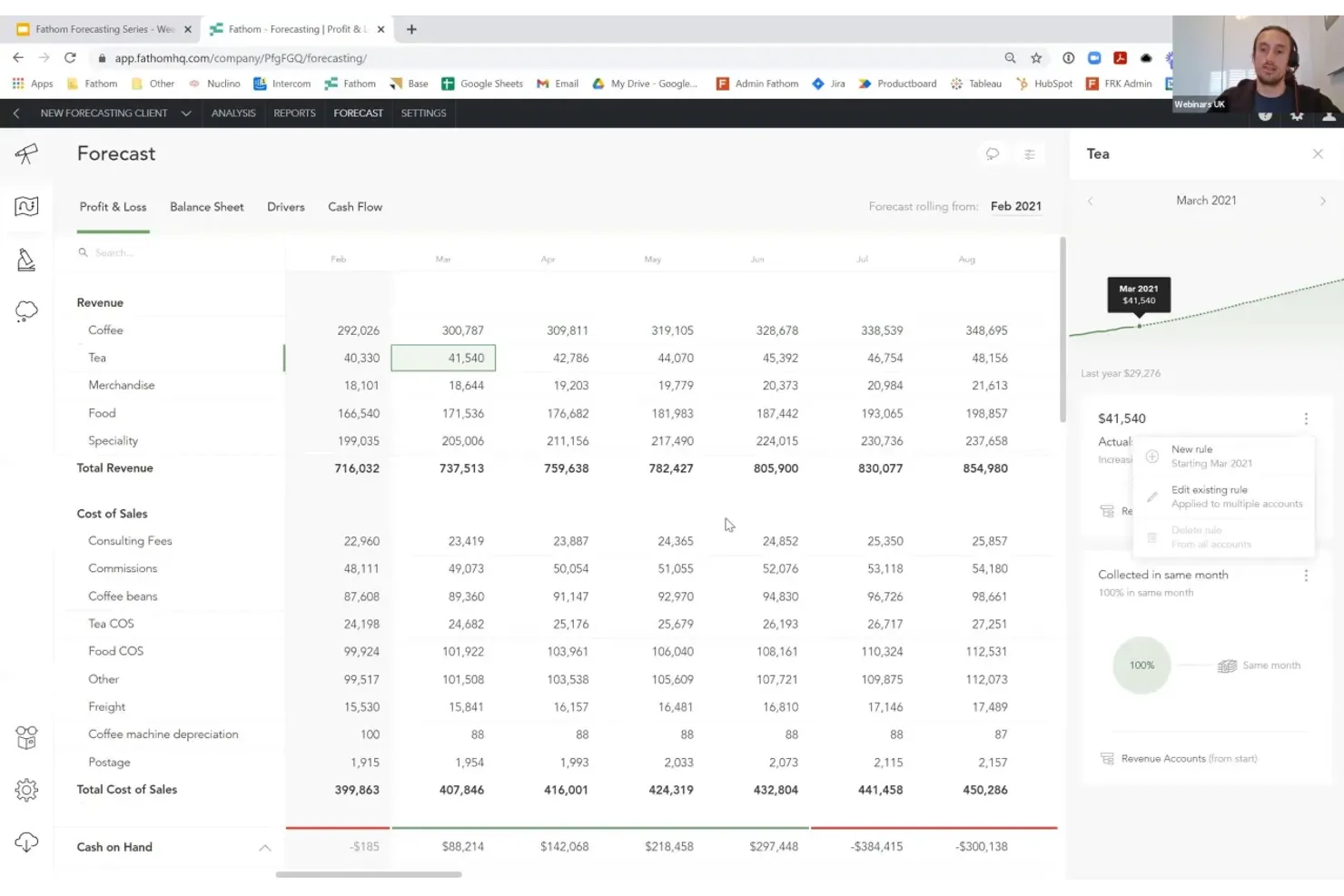
Fathom destaca para contadores y asesores que buscan convertir datos financieros en ideas visuales claras. La plataforma se especializa en transformar estados financieros complejos en paneles de control interactivos, gráficos e informes de rendimiento que son fáciles de compartir con clientes o partes interesadas. Fathom es especialmente útil para empresas que necesitan presentar los resultados financieros de manera visual y respaldar un análisis más profundo del desempeño empresarial.
Por qué elegí Fathom
El enfoque de Fathom en el análisis visual del rendimiento lo convierte en una excelente opción para contadores que necesitan comunicar resultados financieros de forma más atractiva. Elegí Fathom porque transforma los estados financieros tradicionales en gráficos interactivos, diagramas y paneles que ayudan a clarificar tendencias y resaltar métricas clave. Las herramientas de informes personalizables de la plataforma permiten adaptar los elementos visuales a las necesidades específicas del cliente, facilitando la presentación de datos complejos a quienes no tienen formación financiera. Además, Fathom ofrece funciones de comparación de empresas y seguimiento de indicadores clave de rendimiento (KPI), lo que ayuda a los contadores a brindar análisis más profundos del desempeño del negocio.
Características clave de Fathom
Otras funciones que hacen a Fathom útil para los contadores incluyen:
- Consolidación multi-empresa: Combina datos financieros de varias empresas o divisiones en un solo conjunto de informes.
- Importación automática de estados financieros: Sincroniza datos directamente desde plataformas contables como Xero, QuickBooks Online y MYOB.
- Pronóstico de flujo de caja: Crea y visualiza proyecciones de flujo de efectivo basadas en datos históricos y planificados.
- Gestión de permisos: Controla el acceso de usuarios y la visibilidad de información financiera sensible.
Integraciones de Fathom
Las integraciones incluyen QuickBooks Online, QuickBooks Desktop, Xero, MYOB, Sage, Access Financials UK, Excel y Google Sheets.
Pros and Cons
Pros:
- Los paneles visuales simplifican los datos financieros complejos
- El seguimiento de KPI respalda los servicios de asesoría y consultoría
- Las herramientas de pronóstico de flujo de caja son muy detalladas
Cons:
- Sin funciones directas para declaración de impuestos o cumplimiento normativo
- Personalización limitada en los formatos de estados financieros

Ideal para la facturación de clientes basados en servicios
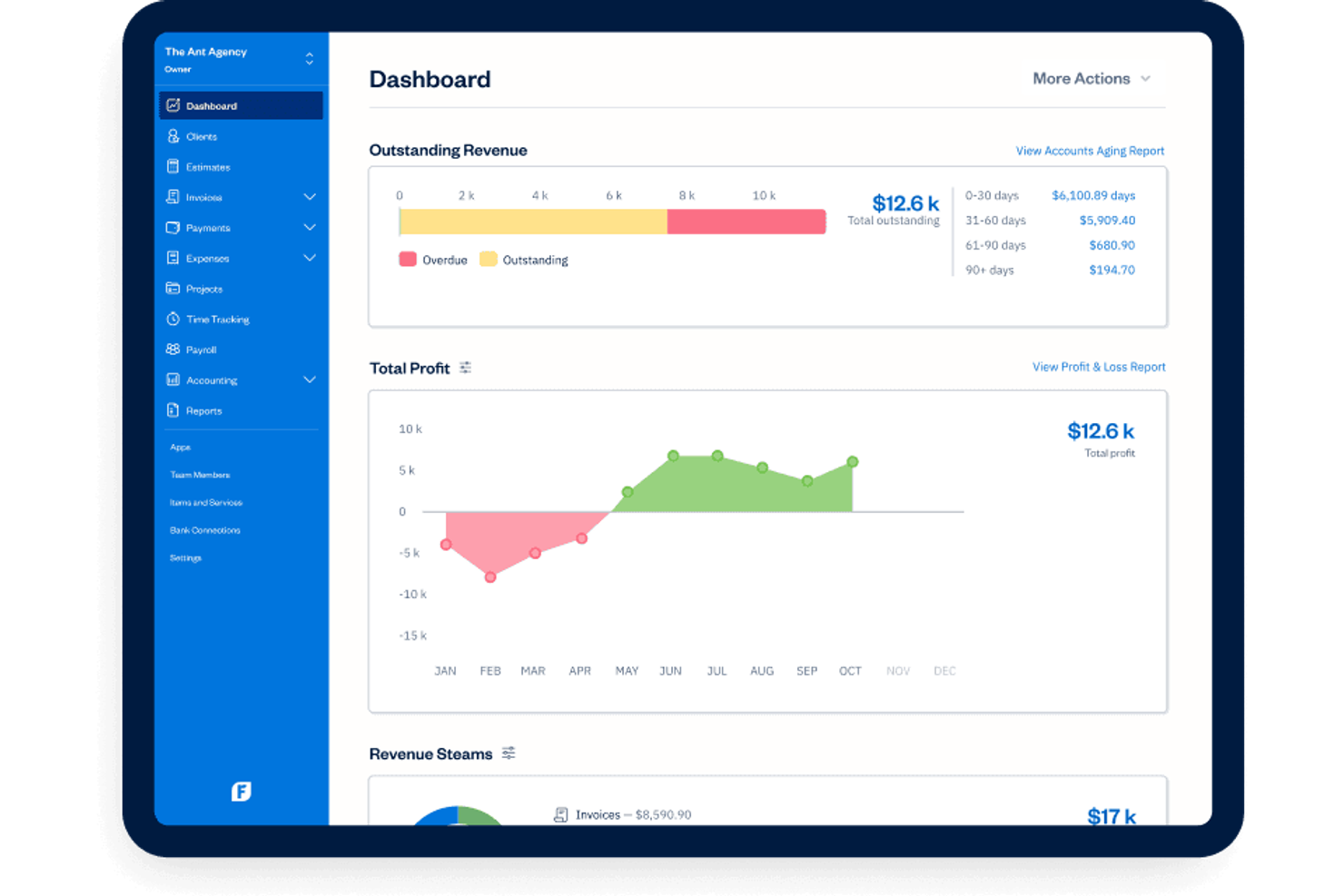
FreshBooks está diseñado para contadores y responsables de la contabilidad que trabajan con empresas de servicios que necesitan facturación confiable y seguimiento de gastos. La plataforma destaca por sus funciones de facturación centradas en el cliente, facilitando la gestión de facturas recurrentes, el seguimiento de horas facturables y el manejo de pagos. FreshBooks es una buena opción para firmas que apoyan a freelancers, consultores o agencias que desean simplificar la facturación a clientes y los informes financieros.
Por qué elegí FreshBooks
Para contadores que apoyan empresas de servicios, FreshBooks ofrece herramientas de facturación que van más allá de la emisión básica de facturas. Elegí FreshBooks porque permite crear y personalizar facturas profesionales, automatizar la facturación recurrente y registrar el tiempo directamente en los proyectos de los clientes. La plataforma también permite capturar gastos y procesar pagos de clientes, lo cual ayuda a mantener los registros financieros precisos y actualizados. Estas funciones hacen que FreshBooks sea especialmente útil para quienes necesitan manejar facturación y reportes detallados para freelancers, consultores y agencias.
Funciones clave de FreshBooks
Otras funciones que hacen de FreshBooks una herramienta valiosa para contadores incluyen:
- Informes contables de doble entrada: Genera balances, estados de resultados y otros informes financieros esenciales.
- Conciliación bancaria: Haz coincidir transacciones de cuentas bancarias conectadas con tus registros para una contabilidad precisa.
- Herramientas de colaboración en proyectos: Comparte archivos, mensajes y actualizaciones con clientes y miembros del equipo dentro de cada proyecto.
- Acceso a la aplicación móvil: Administra facturas, gastos e informes desde dispositivos iOS y Android.
Integraciones de FreshBooks
Las integraciones incluyen Gusto, Stripe, PayPal, HubSpot, Bench, Shopify, Zapier, Trello y Mailchimp.
Pros and Cons
Pros:
- La facturación recurrente automatiza los ciclos de cobro a clientes
- El seguimiento de tiempo se vincula directamente con facturas de clientes
- La app móvil permite capturar gastos sobre la marcha
Cons:
- Las funciones de gestión de inventario son muy limitadas
- El soporte para múltiples monedas requiere planes de nivel superior

Xero
Ideal para colaboración con clientes basada en la nube
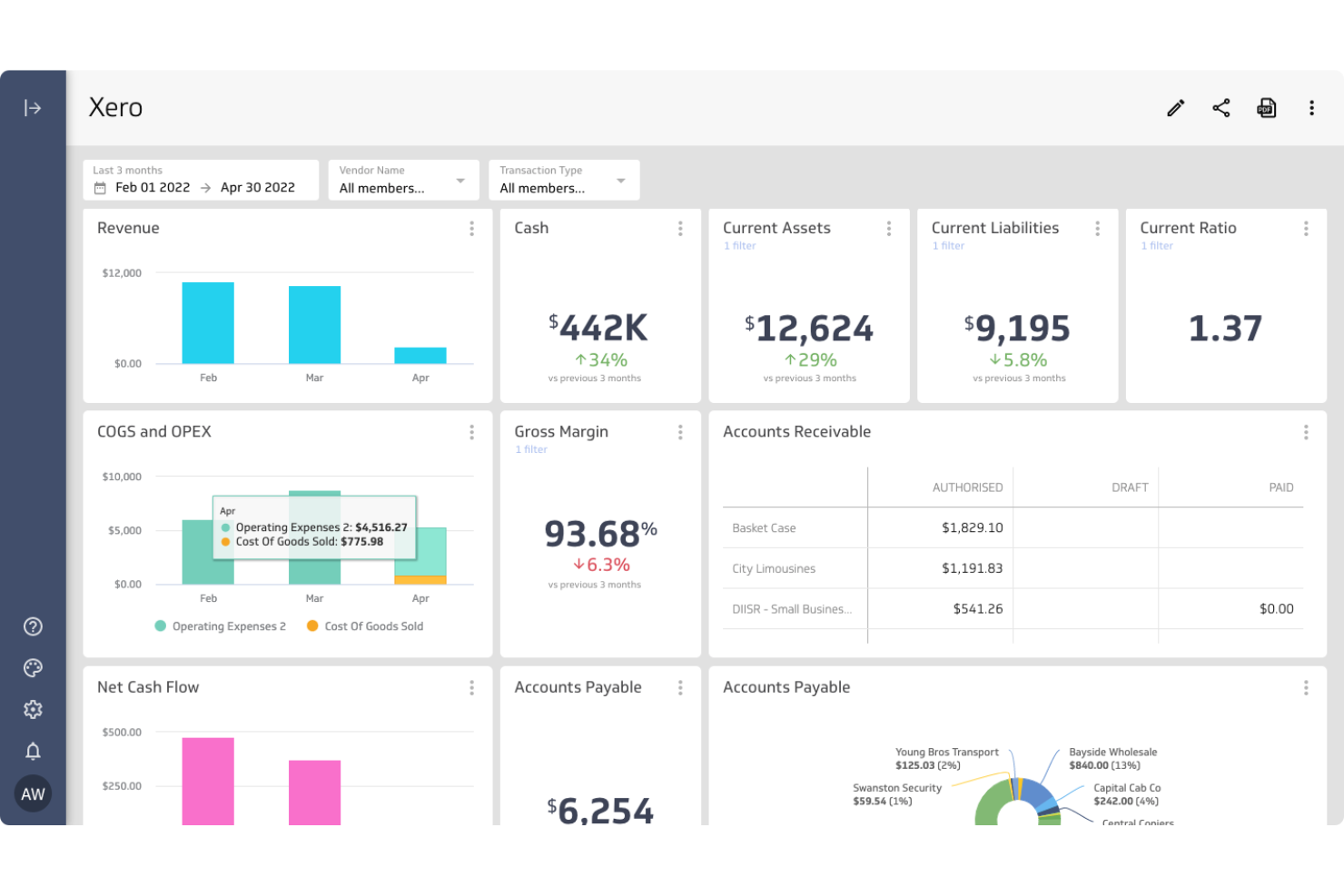
Si buscas una forma de trabajar en estrecha colaboración con los clientes en tiempo real, Xero está diseñado para la colaboración en la nube entre contadores y propietarios de pequeñas empresas. La plataforma permite que tanto tú como tus clientes accedan a los mismos datos financieros actualizados, lo que facilita revisar estados de cuenta, conciliar cuentas y resolver dudas juntos. Xero es especialmente útil para despachos que quieren simplificar la comunicación y el intercambio de documentos sin depender del correo electrónico ni de transferencias manuales de archivos.
Por qué elegí Xero
Lo que distingue a Xero para los contadores es su enfoque en la colaboración en la nube y en tiempo real con los clientes. Elegí Xero porque permite que contadores y clientes accedan y trabajen en los mismos datos financieros de manera simultánea, lo que ayuda a reducir errores y malentendidos. La plataforma incluye herramientas integradas para compartir documentos, solicitar información y dejar notas directamente en la cuenta del cliente. Este enfoque facilita la revisión conjunta de estados financieros, la resolución rápida de discrepancias y mantener a todos al tanto durante todo el proceso de reportes.
Funciones clave de Xero
Otras características que hacen valioso a Xero para los contadores incluyen:
- Conciliación bancaria automatizada: Haz coincidir transacciones bancarias importadas con asientos contables mediante coincidencias sugeridas.
- Soporte multimoneda: Gestiona transacciones e informes en varias monedas para clientes globales.
- Informes financieros personalizables: Crea y adapta estados financieros para ajustarse a los requisitos del cliente o regulatorios.
- Gestión de activos fijos: Realiza el seguimiento, depreciación y administración de los activos del cliente directamente en la plataforma.
Integraciones de Xero
Las integraciones incluyen Stripe, PayPal, Hubdoc, Dext, Fathom, Float, ApprovalMax, Shopify, WooCommerce y Square.
Pros and Cons
Pros:
- Colaboración en tiempo real con clientes en los informes
- Plantillas integradas para estados IFRS y GAAP
- Integración directa con herramientas de recopilación de documentos
Cons:
- La consolidación para cuentas de grupo requiere complementos
- Sin nómina incorporada en algunas regiones

Ideal para la personalización de la automatización de flujos de trabajo
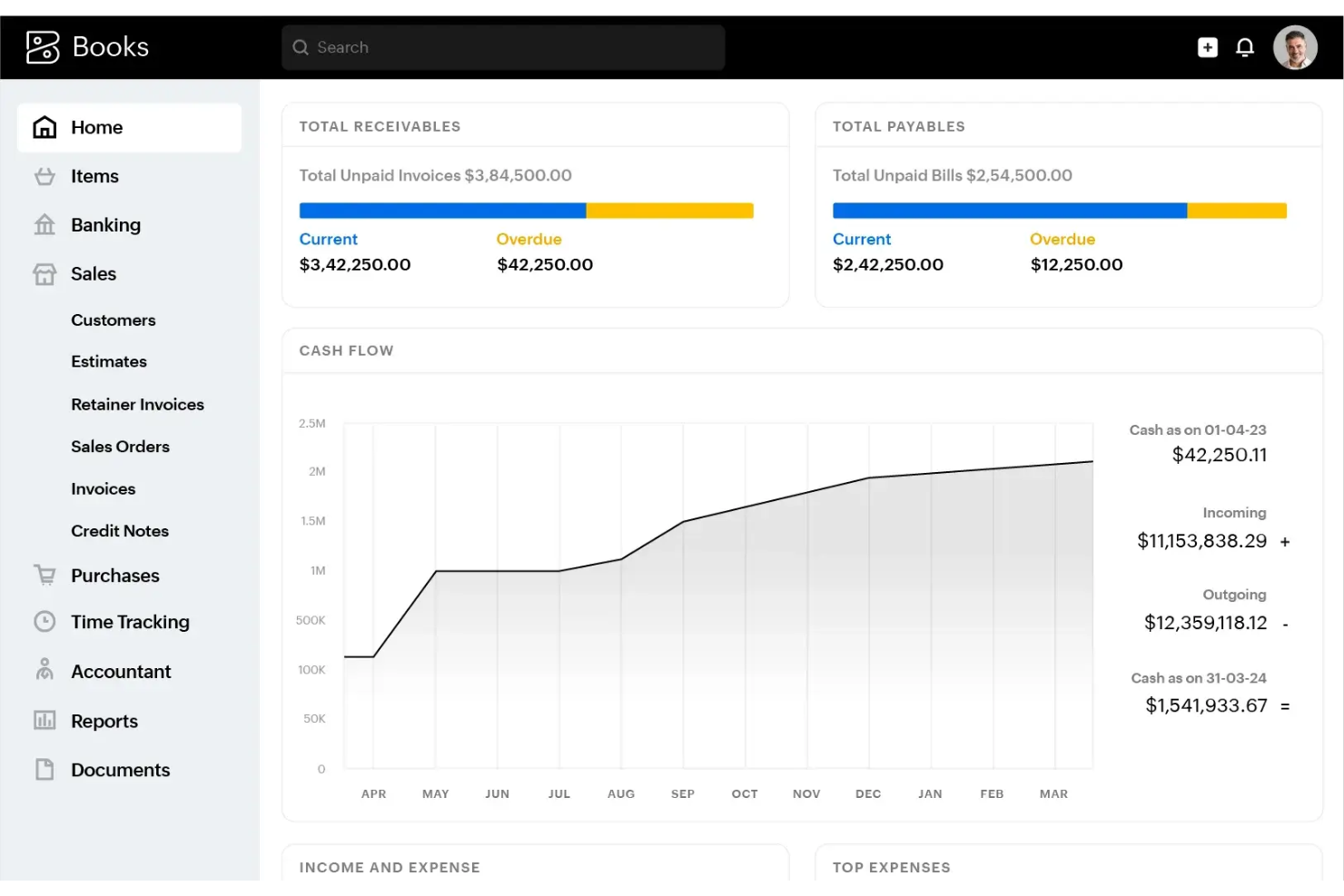
Zoho Books ofrece a los contadores y equipos financieros una forma de personalizar flujos de trabajo y automatizar tareas contables rutinarias. Esta plataforma es especialmente útil para empresas que desean adaptar aprobaciones, notificaciones y la gestión de documentos para ajustarse a sus propios procesos. Zoho Books es una opción sólida para contadores que necesitan una automatización flexible para gestionar los complejos requisitos de sus clientes y simplificar la elaboración de informes financieros.
Por qué elegí Zoho Books
Lo que distingue a Zoho Books es su profunda personalización de automatización de flujos de trabajo, lo cual es especialmente valioso para contadores que gestionan diversas necesidades de clientes. Elegí Zoho Books porque permite crear procesos de aprobación personalizados, automatizar asientos contables recurrentes y configurar notificaciones condicionales para eventos financieros clave. El constructor de automatizaciones de la plataforma permite adaptar los flujos de documentos y la asignación de tareas para ajustarse a los controles internos de la empresa. Estas funciones ayudan a los contadores a reducir el trabajo manual y mantener la precisión en la preparación de estados financieros complejos.
Características clave de Zoho Books
Además de sus capacidades de automatización, Zoho Books ofrece varias otras funciones que apoyan a los contadores:
- Integración con feeds bancarios: Se conecta directamente a cuentas bancarias para importar y conciliar transacciones automáticamente.
- Contabilidad multimoneda: Gestiona transacciones e informes en varias monedas para clientes internacionales.
- Informes financieros personalizables: Permite generar y personalizar balances de situación, estados de resultados y flujos de efectivo.
- Portal del cliente: Brinda a los clientes acceso seguro a facturas, presupuestos y documentos compartidos.
Integraciones de Zoho Books
Las integraciones incluyen Zoho CRM, Zoho Inventory, Zoho Expense, Zoho Payroll, Zoho Analytics, Zoho Projects, Zoho Checkout, Zoho Billing, Zoho Commerce y Zoho Invoice.
Pros and Cons
Pros:
- Las plantillas de informes personalizadas apoyan la identidad de marca de la empresa
- El portal del cliente permite compartir documentos de manera segura
- Gestión multimoneda para clientes internacionales
Cons:
- La integración de nómina está limitada a determinados países
- Algunas funciones requieren aplicaciones separadas de Zoho

Mejor para controles financieros avanzados
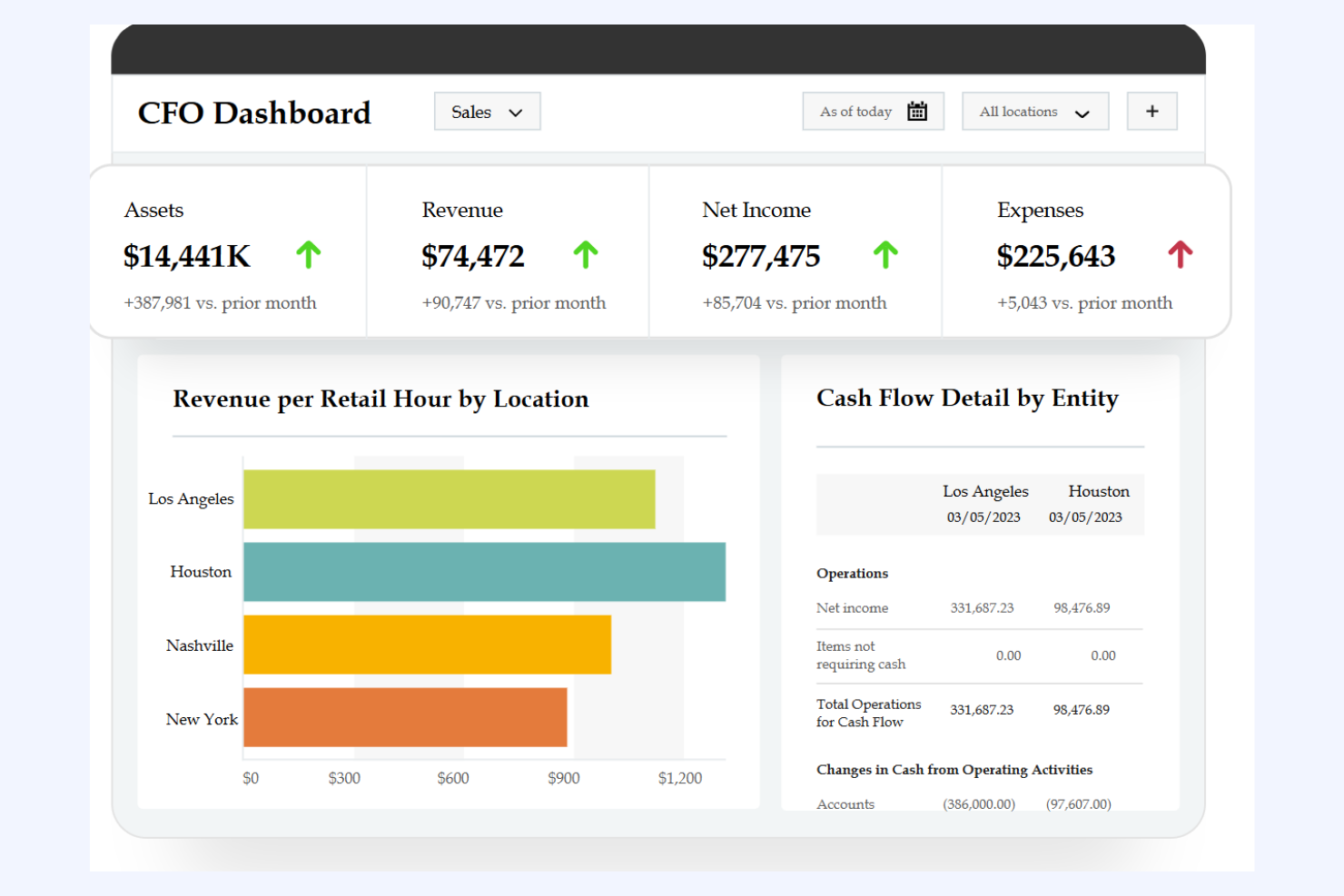
Sage Intacct está diseñado para equipos financieros que necesitan controles avanzados y procesos listos para auditoría. Es una excelente opción para organizaciones con cadenas de aprobación complejas, estructuras multi-entidad o requisitos estrictos de cumplimiento. Los contadores que requieren permisos granulares, flujos de trabajo automatizados y detallados historiales de auditoría encontrarán Sage Intacct especialmente útil para gestionar estados financieros con confianza.
Por qué elegí Sage Intacct
Para contadores que necesitan controles financieros avanzados, Sage Intacct destaca por sus permisos granulares y flujos de trabajo listos para auditoría. Elegí Sage Intacct porque permite configurar roles de usuario detallados, jerarquías de aprobación y segregación de funciones, lo cual es esencial para organizaciones con necesidades estrictas de cumplimiento. El historial de auditoría incorporado captura cada cambio y transacción, apoyando la transparencia y la responsabilidad en la preparación de estados financieros. Estas características hacen de Sage Intacct una sólida elección para empresas que priorizan los controles internos y el cumplimiento normativo.
Funciones clave de Sage Intacct
Además de sus controles avanzados, Sage Intacct ofrece varias otras funcionalidades que apoyan a los contadores:
- Consolidación multi-entidad: Consolida las finanzas entre múltiples entidades con diferentes monedas y planes de cuentas.
- Informes por dimensiones: Permite etiquetar transacciones con dimensiones como departamento, ubicación o proyecto para una elaboración de informes flexible.
- Reconocimiento de ingresos automatizado: Gestiona cronogramas de ingresos complejos y el cumplimiento con los estándares ASC 606.
- Presupuestación y planificación integradas: Proporciona herramientas para crear, gestionar y comparar presupuestos directamente en la plataforma.
Integraciones de Sage Intacct
Las integraciones incluyen Salesforce, ADP, Avalara, Expensify, Bill.com, Versapay, Stripe, Paystand, BigTime y GoCardless.
Pros and Cons
Pros:
- Informes por dimensiones para análisis financiero granular
- Reconocimiento de ingresos cumple con los requisitos ASC 606
- Permisos basados en roles para controles de acceso estrictos
Cons:
- La creación de informes personalizados requiere conocimientos técnicos
- Carece de funciones avanzadas de proyección

Mejor para integración de datos ERP
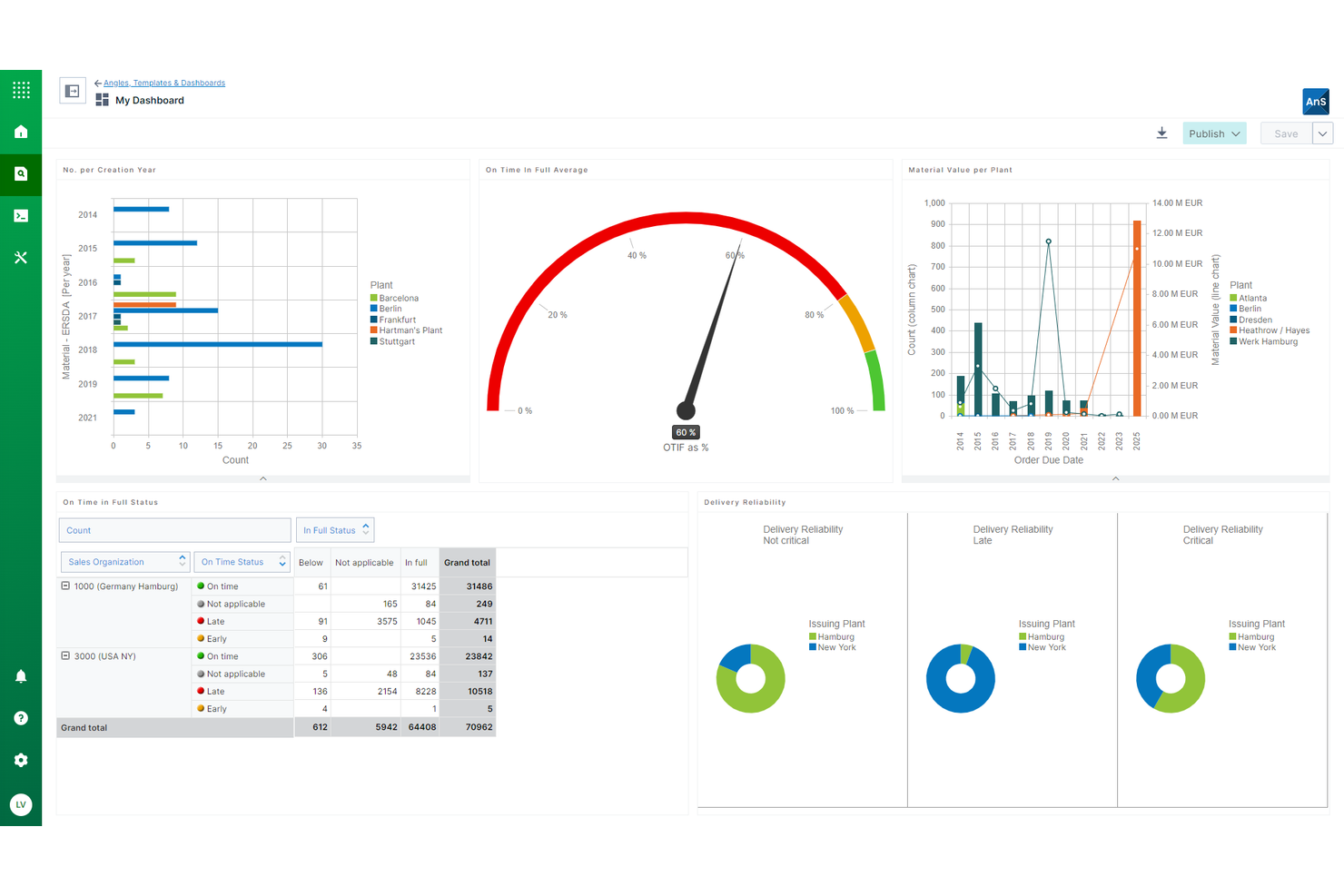
Si tu equipo necesita conectar la elaboración de informes financieros directamente con datos de ERP, insightsoftware está diseñado para ese propósito. Es una excelente opción para contadores y profesionales de finanzas que desean automatizar la creación de estados financieros extrayendo datos en tiempo real de varios sistemas ERP. Este enfoque ayuda a reducir el manejo manual de datos y asegura que tus informes reflejen siempre las cifras más actuales.
Por qué elegí insightsoftware
Cuando necesitas incorporar datos de ERP directamente en tus estados financieros, insightsoftware destaca por sus capacidades de integración de datos ERP. Elegí esta herramienta porque se conecta con una amplia variedad de sistemas ERP, permitiendo a los contadores automatizar el flujo de datos financieros en sus procesos de informes. Con funciones como la sincronización de datos en tiempo real y la creación directa de informes desde fuentes ERP, puedes reducir la entrada manual de datos y minimizar errores de conciliación. Esto hace que insightsoftware sea especialmente útil para equipos financieros que gestionan entornos complejos y con múltiples fuentes de datos.
Características clave de insightsoftware
Otras funcionalidades que hacen que insightsoftware sea útil para los contadores incluyen:
- Complemento de Excel: Crea y actualiza informes financieros directamente en Microsoft Excel.
- Plantillas financieras preconstruidas: Accede a una biblioteca de plantillas listas para usar de los estados financieros más comunes.
- Controles de acceso basados en roles: Asigna permisos a los usuarios según sus roles y responsabilidades.
- Programación automatizada: Programa la generación y distribución de informes en intervalos establecidos.
Integraciones de insightsoftware
Las integraciones incluyen Oracle, SAP, Microsoft Dynamics, Epicor, Yardi, Sage, Viewpoint, Power BI, Qlik y más de 140 otros sistemas ERP y EPM.
Pros and Cons
Pros:
- Conexiones directas de datos ERP a informes disponibles
- El complemento de Excel permite crear informes en un entorno familiar
- Plantillas preconstruidas para estados financieros estándar
Cons:
- La implementación puede requerir configuración por parte del proveedor
- Algunos conectores ERP requieren licencias por separado

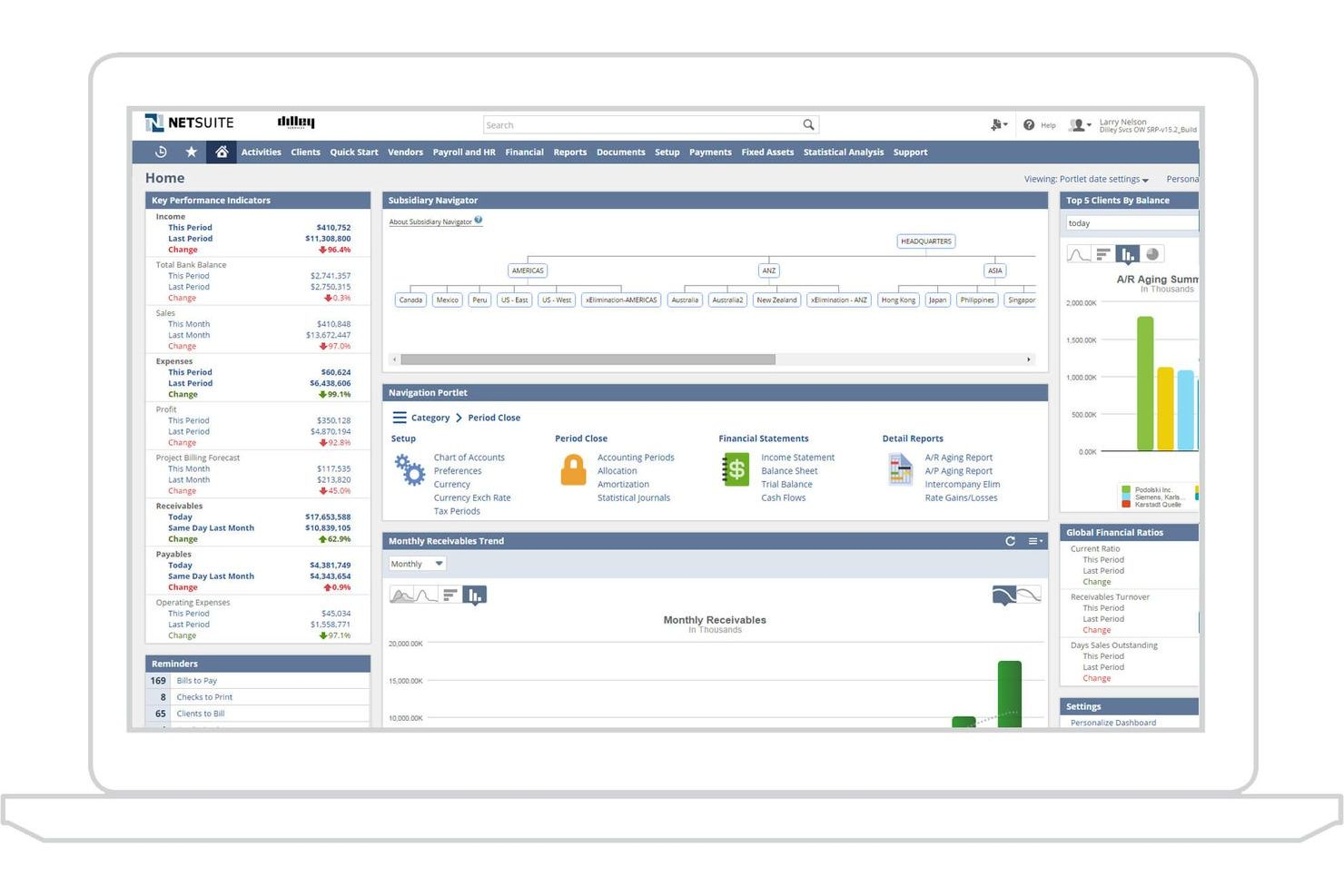
NetSuite de Oracle está diseñado para equipos financieros y contadores que gestionan operaciones complejas y multiempresa en diferentes países. Es especialmente relevante para organizaciones que necesitan cumplir con diversos requisitos regulatorios y de cumplimiento en múltiples jurisdicciones. Con funciones integradas de cumplimiento global, NetSuite te ayuda a manejar informes en múltiples monedas, normativas fiscales y estados financieros legales desde una única plataforma.
Por qué elegí NetSuite
Para las organizaciones que operan a nivel internacional, la gestión del cumplimiento global es un desafío constante, por eso seleccioné NetSuite para esta lista. NetSuite ofrece soporte incorporado para transacciones en múltiples divisas, normativas fiscales locales y requisitos de reportes legales, facilitando la elaboración de estados financieros compatibles en diferentes regiones. Me gusta que la plataforma incluya consolidación automatizada para grupos multiempresa, así puedes generar informes a nivel de grupo sin ajustes manuales. Estas funciones ayudan a los contadores a mantenerse al día con las regulaciones cambiantes y gestionar el cumplimiento en entornos internacionales y complejos.
Funciones clave de NetSuite
Otras funciones que hacen valioso a NetSuite para contadores incluyen:
- Paneles personalizados según roles: Personaliza los paneles para diferentes usuarios para mostrar datos financieros y KPIs relevantes.
- Asientos contables automatizados: Programa y automatiza asientos contables recurrentes para reducir el trabajo manual.
- Informes financieros con desgloses: Navega por los informes resumidos para ver los detalles de las transacciones subyacentes.
- Gestión documental: Almacena y organiza los documentos de respaldo directamente en la plataforma para fácil acceso durante auditorías.
Integraciones de NetSuite
Las integraciones incluyen Salesforce, Shopify, HubSpot, Adobe Commerce, Zendesk, WooCommerce, ADP y Stripe.
Pros and Cons
Pros:
- Soporte multidivisa para informes internacionales
- Cumplimiento integrado con normativas fiscales globales
- Paneles financieros en tiempo real para contadores
Cons:
- La creación de reportes personalizados puede requerir ayuda técnica
- Los plazos de implementación suelen ser largos

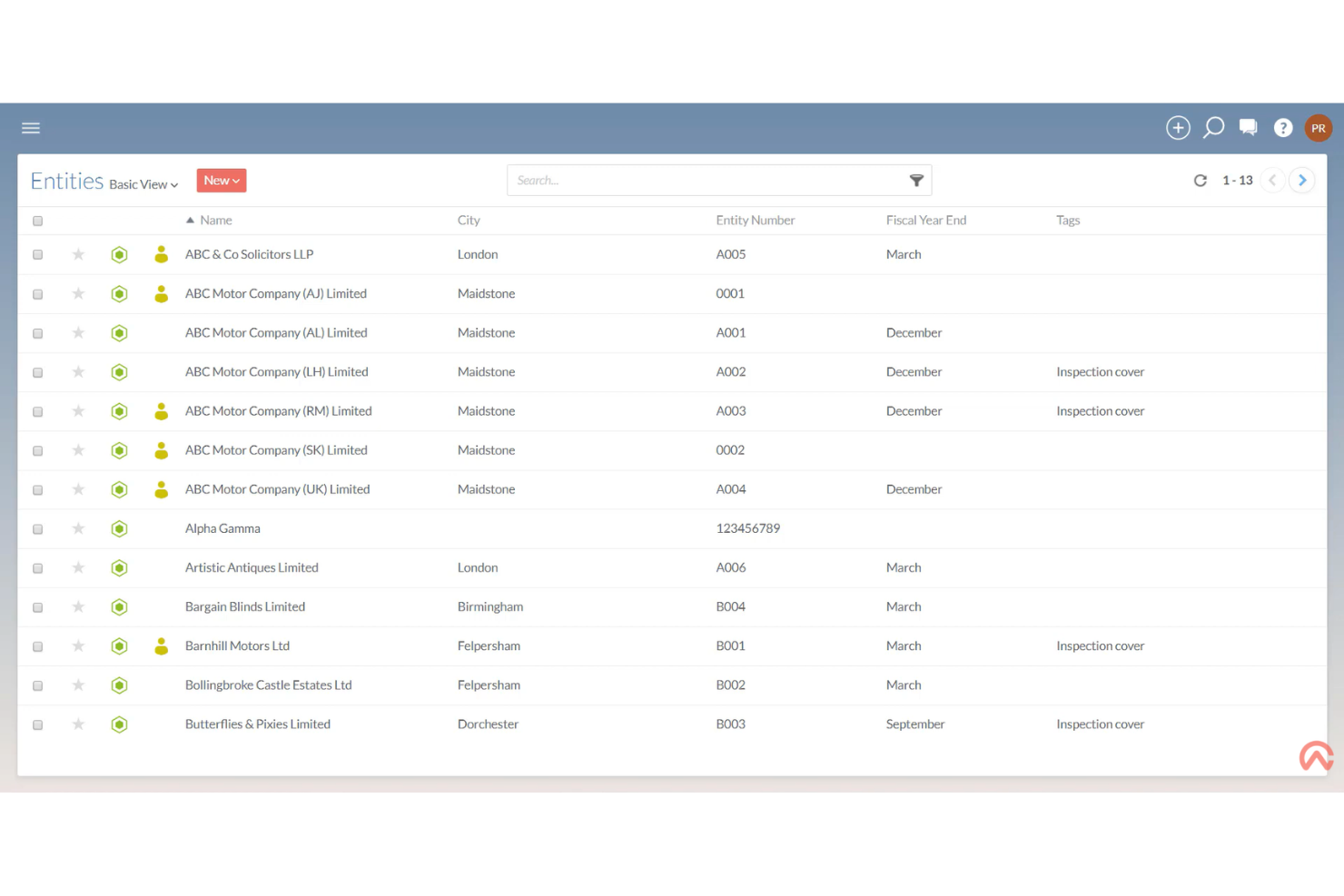
Caseware está diseñado para contadores que desean acelerar la preparación de estados financieros utilizando plantillas personalizables. Es especialmente útil para firmas y equipos de finanzas que necesitan estandarizar los informes entre múltiples clientes o entidades. Gracias a su enfoque basado en plantillas, Caseware ayuda a reducir la formateación manual y asegura la consistencia en las divulgaciones financieras.
Por qué elegí Caseware
Cuando la creación de estados financieros basada en plantillas es una prioridad, Caseware ofrece una ventaja única para los contadores. Elegí esta herramienta porque proporciona una biblioteca de plantillas personalizables que cumplen con varios estándares contables, lo que facilita producir estados financieros coherentes y conformes. La plataforma también permite automatizar el llenado de datos financieros en estas plantillas, lo que ayuda a reducir la entrada manual y los errores. Para firmas que gestionan múltiples clientes o entidades, estas funciones permiten una entrega más rápida y reportes estandarizados.
Características clave de Caseware
Otras funcionalidades que hacen útil a Caseware para los contadores incluyen:
- Herramientas de colaboración: Varios usuarios pueden trabajar en el mismo estado financiero simultáneamente con actualizaciones en tiempo real.
- Capacidades de importación de datos: Importa balanzas de comprobación y otros datos financieros directamente desde varios sistemas contables.
- Gestión de divulgaciones: Gestiona y actualiza las divulgaciones de los estados financieros con guías y listas de verificación integradas.
- Pista de auditoría: Realiza el seguimiento de todos los cambios y acciones de los usuarios en cada estado para cumplimiento y revisión.
Integraciones de Caseware
Las integraciones incluyen Xero, Microsoft 365 y Sage. Caseware Financials también ofrece APIs para integraciones personalizadas con otros sistemas.
Pros and Cons
Pros:
- Biblioteca de plantillas que cubre múltiples estándares contables
- Listas de verificación de divulgaciones integradas que apoyan el cumplimiento
- Arrastre automático de datos del año anterior
Cons:
- El rendimiento en la nube puede disminuir en períodos de alta demanda
- La configuración inicial requiere el ajuste de plantillas

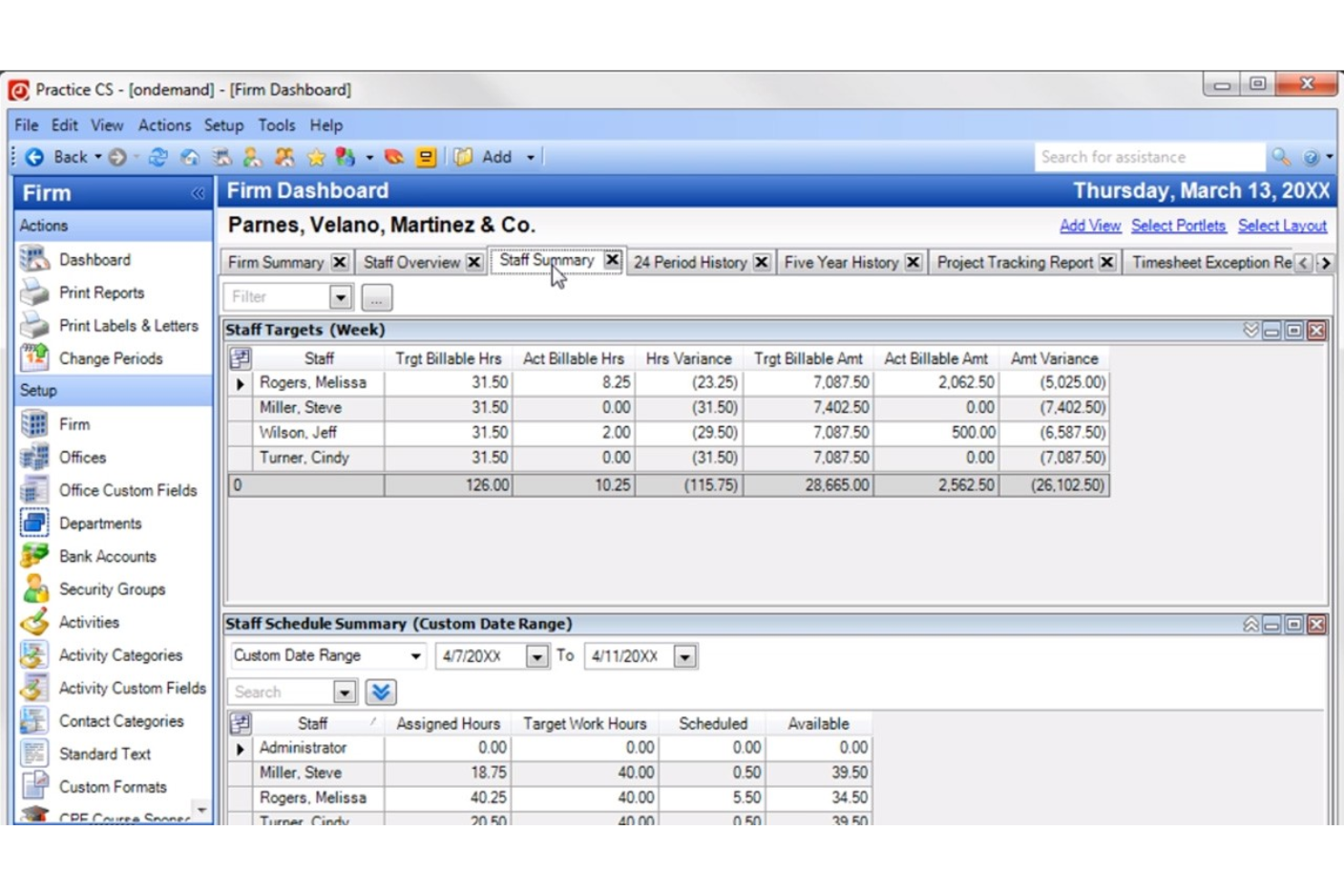
Accounting CS de Thomson Reuters está diseñado para firmas contables que gestionan informes financieros complejos y de múltiples entidades. Esta plataforma soporta flujos de trabajo avanzados de consolidación, facilitando la gestión de transacciones entre compañías y la producción de estados financieros precisos para varios clientes o filiales. Si tu equipo necesita simplificar las consolidaciones y mantener el cumplimiento normativo en carteras diversas, esta herramienta responde directamente a esos desafíos.
Por qué elegí Accounting CS
Elegí Accounting CS porque está diseñado para manejar las demandas de los flujos de trabajo de consolidación de múltiples entidades. La plataforma ofrece una gestión centralizada de varias cuentas de clientes, permitiéndote consolidar datos financieros de diferentes entidades sin recurrir a soluciones manuales. Destaco su capacidad para automatizar eliminaciones entre compañías y generar estados financieros consolidados que cumplen con las normas contables. Estas características lo convierten en una excelente opción para firmas que administran carteras complejas o clientes con varias filiales.
Características clave de Accounting CS
Otras funcionalidades de Accounting CS que pueden interesar a los profesionales contables incluyen:
- Entrada de transacciones por lote: Ingresa múltiples transacciones a la vez para agilizar la captura de datos en períodos de alto volumen.
- Plantillas personalizables de estados financieros: Construye y modifica formatos de estados para adaptarlos a los requisitos del cliente o regulatorios.
- Controles de acceso basados en roles: Asigna permisos a los usuarios según sus responsabilidades para ayudar a mantener la seguridad de los datos.
- Procesamiento de nómina integrado: Gestiona tareas de nómina dentro de la misma plataforma, reduciendo la necesidad de sistemas separados.
Integraciones de Accounting CS
Las integraciones incluyen QuickBooks, Microsoft Excel y más.
Pros and Cons
Pros:
- Gestiona consolidaciones complejas de múltiples entidades sin inconvenientes
- Soporta plantillas personalizables de estados financieros
- Ofrece funciones integradas de nómina y contabilidad
Cons:
- El precio no es transparente en el sitio web
- Integraciones nativas limitadas con herramientas de terceros
Otro software de estados financieros para contables
Estas son algunas opciones adicionales de software de estados financieros para contables que no llegaron a mi lista, pero que aún vale la pena considerar:
- DataSnipper
Mejor para documentación de auditoría automatizada
- QuickBooks Online
Mejor para la gestión de clientes de pequeñas empresas
- Board
Mejor para flujos de trabajo de presupuestación integrados


Cómo evalúo el software de estados financieros para contadores
Mi evaluación tiene dos capas: el nivel básico que una herramienta debe superar—como la importación de balanza de comprobación desde QuickBooks y la generación de estados que cumplen con GAAP—y los diferenciadores que separan a un proveedor de otro.
Funcionalidad principal (requisitos básicos para esta lista)
Cuando selecciono herramientas para mi lista, califico cada una en una escala de 0 (no ofrece la funcionalidad) a 5 (sobresale en esta área) para cada funcionalidad principal listada a continuación. Luego, calculo la puntuación total de la herramienta y la convierto en un porcentaje. Cada herramienta debe lograr una puntuación total mínima del 65% para ser considerada para su inclusión.
- Generación de estados financieros: Verifico si cada herramienta produce todos los estados principales—balance general, estado de resultados, estado de flujo de efectivo y estado de patrimonio—junto con periodos comparativos y notas de revelación.
- Integración de balanza de comprobación: La importación de datos de balanza de comprobación desde plataformas como QuickBooks, Xero o Sage Intacct debe ser directa, no una solución manual con CSV que consuma tiempo en el cierre.
- Soporte de marcos de cumplimiento: Cada herramienta es evaluada por los marcos de reporte que cubre, ya sea GAAP, IFRS, base impositiva o normas especializadas para organizaciones sin fines de lucro.
- Gestión multi-cliente: Las firmas que manejan docenas de compromisos necesitan funcionalidades como traspaso de saldos, cambio entre clientes y acceso basado en roles—por lo que reviso cómo cada herramienta maneja toda la cartera de clientes.
- Plantillas de reporte personalizables: Evalúo si se puede mapear el plan de cuentas, ajustar los diseños de los estados y aplicar la marca de la firma en todo el portafolio de clientes.
- Exportación y controles de redondeo: Los entregables finales importan, así que reviso los formatos de salida (PDF, Excel, Word), la conciliación de redondeos y si la coherencia se mantiene hasta la versión impresa.
Una vez que tengo una lista de herramientas que cumplen con los criterios, considero qué diferencia a cada plataforma.
Factores diferenciadores (qué distingue a los proveedores)
Así es como comparo y contrasto a los diferentes proveedores:
Funciones destacadas
El atado automático de saldos es clave. Cuando actualizas un número en el estado de resultados, debe replicarse en las notas y los calendarios de soporte sin ajustes manuales. También evalúo las funciones de colaboración en tiempo real, ya que en temporada alta varios preparadores y revisores trabajan en el mismo compromiso al mismo tiempo. Herramientas que conectan la preparación de estados con papeles de trabajo y seguimiento de actividades del compromiso en un solo flujo, como hacen Caseware y Workiva, evitan que las firmas tengan que alternar entre sistemas desconectados.
Más allá de las funciones
La profundidad de la integración es clave aquí. Analizo si la herramienta se conecta a tu software contable, software de impuestos y plataformas de gestión de firmas—porque una herramienta de estados financieros que vive fuera del ecosistema de la firma suma trabajo extra. La seguridad es otro factor clave; la información financiera de los clientes exige certificación SOC 2 y acceso basado en roles como mínimo. También considero el ajuste a la firma, ya que un profesional independiente y una firma Top 100 tienen necesidades muy diferentes en cuanto a licencias, volumen de compromisos y soporte para la incorporación.
Cómo elegir software de estados financieros para contables
Es fácil perderse entre largas listas de funciones y estructuras de precios complejas. Para ayudarte a mantener la atención mientras avanzas en tu proceso único de selección de software, aquí tienes una lista de factores que debes tener en cuenta:
| Factor | Qué debes considerar |
|---|---|
| Escalabilidad | ¿El software podrá gestionar el volumen actual y futuro de tus informes, la estructura de tus entidades y tu base de usuarios? Considera tus planes de crecimiento y tus necesidades para múltiples entidades. |
| Integraciones | ¿La herramienta se conecta de forma nativa con tu ERP, tu sistema de contabilidad y tus fuentes de datos? Comprueba su compatibilidad con tu conjunto tecnológico actual. |
| Personalización | ¿Puedes adaptar los formatos de los informes, los flujos de trabajo y los controles de acceso a los requisitos de tu organización? Presta atención a las plantillas rígidas o a las opciones limitadas. |
| Facilidad de uso | ¿Con qué rapidez puede tu equipo aprender a utilizar y adoptar la herramienta? Busca una navegación intuitiva y requisitos mínimos de formación. |
| Implementación e incorporación | ¿Qué recursos y cuánto tiempo se necesitan para comenzar a trabajar? Pregunta por la asistencia para la migración, la formación y los plazos habituales para la puesta en marcha. |
| Coste | ¿Los niveles de precios son transparentes y predecibles? Ten en cuenta las licencias, los complementos y los posibles costes de usuarios o integraciones adicionales. |
| Medidas de seguridad | ¿El software ofrece cifrado, registros de auditoría y permisos basados en roles? Asegúrate de que cumple las normas de protección de datos de tu organización. |
| Requisitos de cumplimiento | ¿La herramienta te ayudará a cumplir las normas contables y los requisitos de auditoría pertinentes? Confirma que sea compatible con GAAP, IFRS o las necesidades específicas de tu sector. |
¿Qué es el software de estados financieros para contables?
El software de estados financieros para contables es una herramienta digital que ayuda a los profesionales de las finanzas a crear, gestionar y distribuir informes financieros, como balances, estados de resultados y estados de flujo de efectivo. Estas plataformas automatizan la recopilación de datos, facilitan el cumplimiento de las normas contables y permiten elaborar informes precisos y oportunos al conectarse con diversas fuentes de datos financieros dentro de una organización.
Funciones del software de estados financieros para contables
Al seleccionar un software de estados financieros para contables, presta atención a las siguientes funciones clave:
- Consolidación automatizada de datos: Recopila y combina datos financieros de múltiples fuentes, reduciendo la introducción manual y garantizando la coherencia entre los informes.
- Plantillas estándar de estados financieros: Proporciona plantillas listas para usar para balances, estados de resultados y estados de flujo de efectivo, ayudando a los equipos a elaborar rápidamente informes conformes con las normas.
- Generador de informes personalizados: Permite a los usuarios diseñar y modificar informes financieros para adaptarlos a los requisitos específicos de la organización o a las normas del sector.
- Seguimiento de la pista de auditoría: Registra cada cambio realizado en los datos y los informes financieros, favoreciendo la transparencia y simplificando los procesos de auditoría.
- Controles de acceso basados en roles: Permite a los administradores establecer permisos para los usuarios según sus responsabilidades, protegiendo la información financiera confidencial.
- Compatibilidad con múltiples entidades: Permite elaborar informes y consolidar información de filiales, departamentos o unidades de negocio dentro de una única plataforma.
- Distribución programada de informes: Automatiza el envío de estados financieros a las partes interesadas en intervalos establecidos, reduciendo el seguimiento manual.
- Control de versiones: Mantiene un historial de las versiones de los informes, facilitando el seguimiento de los cambios y la recuperación de versiones anteriores cuando sea necesario.
- Opciones de exportación y uso compartido: Permite exportar informes en diversos formatos (como PDF, Excel o CSV) y compartirlos de forma segura con partes interesadas internas o externas.
Beneficios del software de estados financieros para contables
Implementar un software de estados financieros para contables proporciona varios beneficios para tu equipo y tu empresa. Estos son algunos de los que puedes esperar:
- Ciclos de elaboración de informes más rápidos: La consolidación automatizada de datos y la distribución programada ayudan a tu equipo a cerrar los libros y entregar los informes con mayor rapidez.
- Mayor precisión de los datos: Las integraciones directas y las pistas de auditoría reducen los errores de introducción manual y facilitan la localización y corrección de discrepancias.
- Mayor cumplimiento normativo: Las plantillas integradas y el seguimiento de la pista de auditoría ayudan a cumplir las normas contables y simplifican la preparación para las auditorías.
- Mayor visibilidad financiera: Los generadores de informes personalizados y la compatibilidad con múltiples entidades ofrecen a las partes interesadas una visión más clara y detallada del rendimiento financiero.
- Mayor seguridad de los datos: Los controles de acceso basados en roles y las funciones de control de versiones ayudan a proteger la información confidencial y garantizan que solo los usuarios autorizados puedan realizar cambios.
- Colaboración simplificada: Las opciones de exportación y uso compartido, junto con las herramientas de colaboración integradas en la aplicación, facilitan que los equipos trabajen juntos en los estados financieros.
- Escalabilidad para el crecimiento: La compatibilidad con múltiples entidades y las integraciones flexibles permiten que el software crezca junto con las necesidades de tu organización.
Costes y precios del software de estados financieros para contables
Seleccionar un software de estados financieros para contables requiere comprender los diversos modelos de precios y planes disponibles. Los costes varían en función de las funciones, el tamaño del equipo, los complementos y otros factores. La siguiente tabla resume los planes habituales, sus precios medios y las funciones que suelen incluir las soluciones de software de estados financieros para contables:
Tabla comparativa de planes de software de estados financieros para contables
| Tipo de plan | Precio medio | Funciones habituales |
|---|---|---|
| Plan gratuito | $0 | Plantillas básicas de estados financieros, importación de datos limitada, acceso para un solo usuario y opciones básicas de exportación. |
| Plan personal | $10-$30/usuario/mes | Plantillas estándar de informes, introducción manual de datos, pistas de auditoría básicas y asistencia por correo electrónico. |
| Plan empresarial | $40-$80/usuario/mes | Consolidación automatizada de datos, acceso multiusuario, informes programados, permisos basados en roles e integración con sistemas contables. |
| Plan corporativo | $100-$200/usuario/mes | Integraciones avanzadas con sistemas ERP, compatibilidad con múltiples entidades, generador de informes personalizados, controles de seguridad avanzados y gestión de cuentas dedicada. |
Preguntas frecuentes sobre el software de estados financieros para contables
Estas son algunas respuestas a preguntas frecuentes sobre el software de estados financieros para contables:
¿Cómo se conecta el software de estados financieros con mis sistemas contables actuales?
La mayoría de los programas de estados financieros se conectan mediante integraciones directas o API. Esto permite extraer datos automáticamente del software de contabilidad y del libro mayor, lo que reduce la introducción manual de datos y mantiene los informes actualizados. Este flujo de datos garantiza que la información siga siendo precisa en todas las plataformas, algo especialmente importante para las empresas emergentes que necesitan ampliar sus operaciones rápidamente.
¿Puede el software de estados financieros gestionar informes de varias entidades o informes consolidados?
Sí, muchas soluciones admiten informes de varias entidades y consolidados. Esto significa que puede combinar datos financieros de varias filiales o unidades de negocio en un único conjunto de estados, un proceso esencial para las organizaciones con estructuras complejas. Los despachos de contabilidad pública suelen utilizar estas funciones para gestionar simultáneamente varias cuentas de clientes y ofrecer análisis exhaustivos sin necesidad de utilizar hojas de cálculo manuales.
¿Qué funciones de seguridad debo buscar en un software de estados financieros?
Busque funciones como controles de acceso basados en roles, cifrado de datos, registros de auditoría y actualizaciones de seguridad periódicas. Estas medidas de protección ayudan a salvaguardar la información financiera confidencial y favorecen el cumplimiento de las normas internas y externas. Para los contables, garantizar que solo el personal autorizado pueda acceder a módulos específicos es una prioridad fundamental para mantener la confidencialidad de los clientes.
¿Cuánto tiempo se tarda en implementar un software de estados financieros?
Los plazos de implementación varían, pero la mayoría de los equipos puede esperar un proceso de entre unos días y varias semanas. Entre los factores se incluyen las necesidades de migración de datos, la complejidad de las integraciones y la disponibilidad de recursos de incorporación. Aunque aprender a utilizar un sistema nuevo requiere cierto tiempo, las herramientas modernas basadas en IA suelen simplificar la configuración al sugerir asignaciones de cuentas y automatizar tareas repetitivas, lo que permite una fecha de «puesta en marcha» más rápida.
¿Es posible personalizar los formatos y diseños de los estados financieros?
Sí, la mayoría de las plataformas ofrecen generadores de informes personalizados o plantillas editables. Esto permite adaptar los estados financieros a las necesidades empresariales específicas de su organización, a las normas del sector o a las preferencias de las partes interesadas. Al utilizar estas plantillas, los equipos financieros dedican menos tiempo a dar formato y más a interpretar los datos para impulsar decisiones estratégicas.