

I 10 migliori software per bilanci finanziari per commercialisti per il 2026

Elenco dei migliori software per bilanci per commercialisti


I software per bilanci per commercialisti aiutano a creare, gestire e analizzare i report finanziari con accuratezza e conformità. Se stai cercando la soluzione giusta, probabilmente devi conciliare scadenze ravvicinate, standard di rendicontazione in continua evoluzione e la necessità di offrire ai clienti o agli stakeholder informazioni chiare. Il software giusto può aiutare il tuo team a gestire consolidamenti complessi, automatizzare le attività di routine e favorire la collaborazione, senza sacrificare il controllo o la trasparenza. In questa guida troverai opzioni valutate da esperti che rispondono alle sfide reali affrontate dai commercialisti, così potrai scegliere la soluzione più adatta alle esigenze di rendicontazione del tuo studio.
Perché fidarsi dei nostri consigli sui software
Le nostre recensioni riflettono il nostro giudizio indipendente, non un discorso di vendita. Scopri come manteniamo la trasparenza.
Per questa guida, abbiamo valutato gli strumenti attraverso test pratici e ricerche indipendenti, assegnando un punteggio agli strumenti in base ai nostri criteri di selezione.
Le nostre recensioni riflettono il nostro giudizio editoriale umano, non un discorso di vendita.
Riepilogo dei migliori software per bilanci per commercialisti
Questa tabella comparativa riassume i dettagli sui prezzi delle mie migliori selezioni di software per bilanci per commercialisti, per aiutarti a trovare la soluzione più adatta al tuo budget e alle esigenze della tua attività.
| Tool | Best For | Trial Info | Price | ||
|---|---|---|---|---|---|
| 1 | Ideale per team che collaborano sulla reportistica | Demo gratuita disponibile | Prezzi su richiesta | Website | |
| 2 | Ideale per l'analisi visiva delle prestazioni | Prova gratuita di 14 giorni disponibile | Da $53/mese | Website | |
| 3 | Ideale per la fatturazione di clienti nel settore dei servizi | Prova gratuita di 30 giorni | Da $23/mese | Website | |
| 4 | Ideale per la collaborazione in cloud con i clienti | Prova gratuita di 30 giorni disponibile | A partire da $2.50/mese | Website | |
| 5 | Ideale per la personalizzazione dell'automazione dei flussi di lavoro | Piano gratuito + demo gratuita disponibile | Da $15/mese (fatturato annualmente) | Website | |
| 6 | Ideale per controlli finanziari avanzati | Demo gratuita disponibile | Prezzo su richiesta | Website | |
| 7 | Ideale per l'integrazione dati ERP | Demo gratuita disponibile | Prezzi su richiesta | Website | |
| 8 | Ideale per la gestione della conformità globale | Demo gratuita disponibile | Prezzi su richiesta | Website | |
| 9 | Ideale per la creazione di bilanci guidata da modelli | Demo gratuita disponibile | Prezzo su richiesta | Website | |
| 10 | Ideale per i flussi di lavoro di consolidamento multi-ente | Dimostrazione gratuita disponibile | Prezzi su richiesta | Website |

Recensioni dei software per bilanci per commercialisti
Di seguito trovi i miei riepiloghi dettagliati dei software per bilanci per commercialisti inclusi nel mio elenco. Le mie recensioni offrono una panoramica approfondita delle funzionalità, dei casi d’uso migliori e delle integrazioni di ciascun software, per aiutarti a trovare quello più adatto a te.

Workiva
Ideale per team che collaborano sulla reportistica
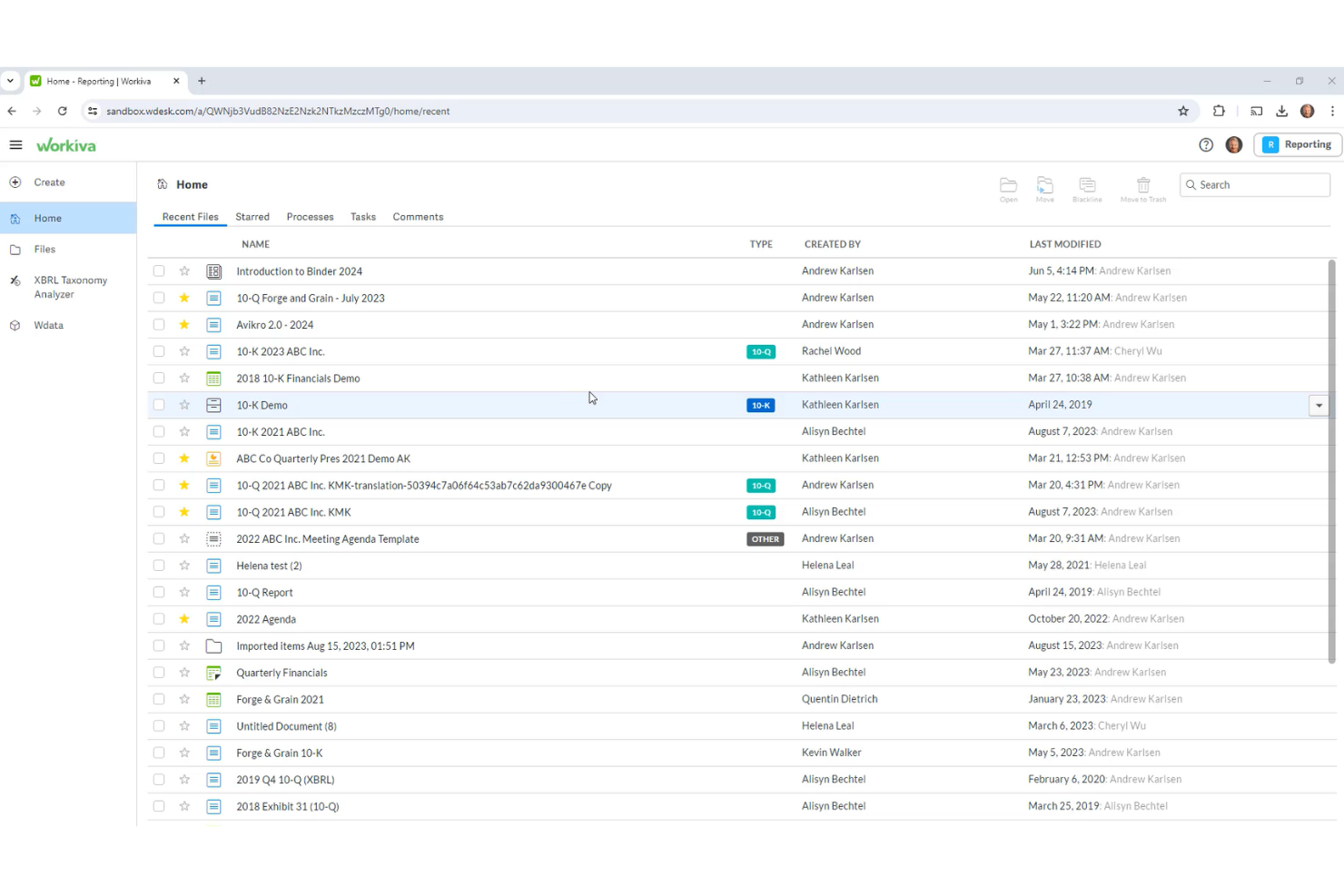
Se il tuo team di contabilità o finanza deve gestire reportistica complessa su più entità con collaborazione in tempo reale, Workiva è pensato per te. La piattaforma collega dati, documenti e team in un unico spazio di lavoro cloud, facilitando il coordinamento nella preparazione e revisione dei bilanci. Workiva è particolarmente utile per le organizzazioni che necessitano di controlli pronti per la revisione e tracciamento delle versioni tra team distribuiti.
Perché ho scelto Workiva
Per i team che devono collaborare alla reportistica finanziaria tra diversi reparti o sedi, Workiva offre una soluzione sviluppata appositamente. Il suo spazio di lavoro in cloud permette a più utenti di modificare, commentare e revisionare i bilanci contemporaneamente, fondamentale per i team di contabilità distribuiti. Mi piace che Workiva tenga traccia di ogni cambiamento e mantenga un audit trail completo: saprai sempre chi ha fatto cosa e quando. Il modello dati collegato della piattaforma assicura inoltre che gli aggiornamenti si riflettano automaticamente su tutti i report e le disclosure collegati, riducendo errori manuali e confusione sulle versioni.
Caratteristiche principali di Workiva
Altre funzionalità che rendono Workiva prezioso per i team di contabilità includono:
- Tag XBRL: Contrassegna i dati finanziari per le dichiarazioni normative direttamente nei tuoi report.
- Instradamento automatizzato dei flussi di lavoro: Assegna compiti e approvazioni a utenti specifici con strumenti di workflow integrati.
- Permessi basati sui ruoli: Controlla l’accesso a dati e documenti sensibili in base al ruolo utente.
- Esportazione audit trail: Esporta registri dettagliati di tutte le azioni degli utenti per conformità e revisione.
Integrazioni Workiva
Le integrazioni includono Box, Google Drive, Microsoft OneDrive, Amazon S3, NetSuite, Salesforce, SAP, BlackLine e Workday.
Pros and Cons
Pros:
- Modifica multiutente in tempo reale dei report
- Tag XBRL integrato per le dichiarazioni SEC
- Instradamento automatico del workflow per le approvazioni
Cons:
- Rallentamenti occasionali con grandi volumi di dati
- Accesso offline limitato per team remoti

Fathom
Ideale per l'analisi visiva delle prestazioni
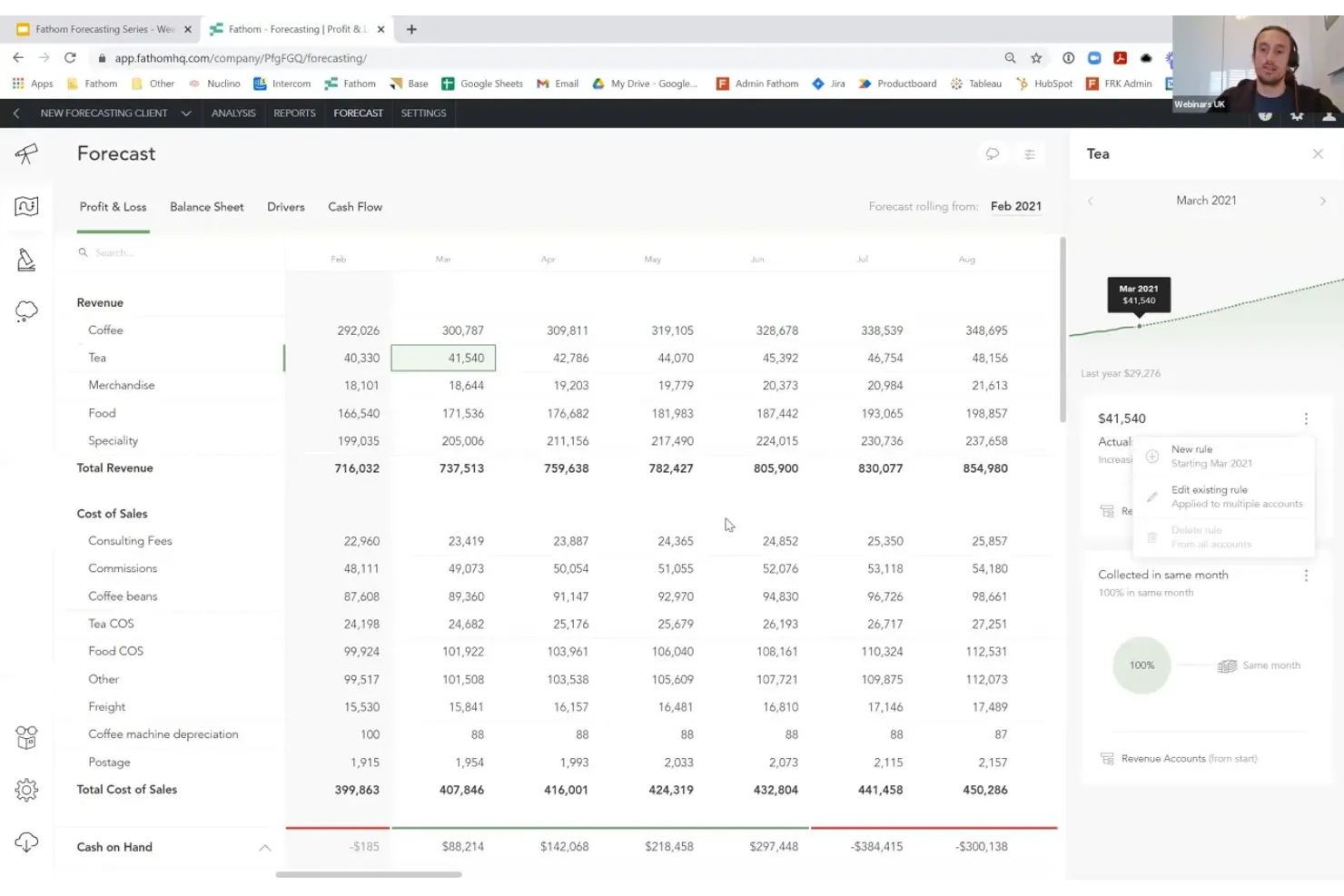
Fathom si distingue per i commercialisti e i consulenti che desiderano trasformare i dati finanziari in intuizioni chiare e visive. La piattaforma è specializzata nel trasformare dati contabili complessi in dashboard interattive, grafici e report sulle prestazioni, facili da condividere con clienti o stakeholder. Fathom è particolarmente utile per gli studi che devono presentare i risultati finanziari in modo visivo e supportare un'analisi più approfondita delle prestazioni aziendali.
Perché ho scelto Fathom
L'attenzione di Fathom all'analisi visiva delle prestazioni lo rende una scelta eccellente per i commercialisti che devono comunicare i risultati finanziari in modo più coinvolgente. Ho scelto Fathom perché trasforma i rendiconti finanziari tradizionali in grafici, diagrammi e dashboard interattivi che aiutano a chiarire le tendenze e mettere in evidenza i principali indicatori. Gli strumenti di reporting personalizzabili permettono di adattare le visualizzazioni alle esigenze specifiche dei clienti, facilitando la presentazione di dati complessi a interlocutori non finanziari. Fathom supporta anche il benchmarking e il monitoraggio dei KPI, aiutando i commercialisti a offrire analisi più approfondite delle prestazioni aziendali.
Caratteristiche principali di Fathom
Altre funzionalità che rendono Fathom utile per i commercialisti includono:
- Consolidamento multi-azienda: Unisci i dati finanziari di più aziende o divisioni in un unico set di report.
- Importazione automatica dei rendiconti finanziari: Sincronizza i dati direttamente da piattaforme contabili come Xero, QuickBooks Online e MYOB.
- Previsione dei flussi di cassa: Crea e visualizza proiezioni dei flussi di cassa basate su dati storici e pianificati.
- Gestione dei permessi: Controlla l’accesso e la visibilità degli utenti sulle informazioni finanziarie sensibili.
Integrazioni di Fathom
Le integrazioni includono QuickBooks Online, QuickBooks Desktop, Xero, MYOB, Sage, Access Financials UK, Excel e Google Sheets.
Pros and Cons
Pros:
- Le dashboard visive semplificano dati finanziari complessi
- Il monitoraggio dei KPI supporta servizi di consulenza e advisory
- Gli strumenti di previsione del flusso di cassa sono molto dettagliati
Cons:
- Nessuna funzione diretta per la dichiarazione dei redditi o conformità
- Personalizzazione limitata dei formati dei rendiconti finanziari

Ideale per la fatturazione di clienti nel settore dei servizi

FreshBooks è progettato per commercialisti e contabili che lavorano con aziende basate sui servizi e che necessitano di una fatturazione affidabile e del monitoraggio delle spese. La piattaforma si distingue per le sue funzionalità di fatturazione orientate al cliente, che rendono semplice la gestione di fatture ricorrenti, il monitoraggio delle ore fatturabili e la gestione dei pagamenti. FreshBooks è particolarmente adatto per studi che supportano liberi professionisti, consulenti o agenzie che desiderano semplificare la fatturazione ai clienti e la rendicontazione finanziaria.
Perché ho scelto FreshBooks
Per i commercialisti che supportano aziende basate sui servizi, FreshBooks offre strumenti di fatturazione che vanno oltre la semplice emissione di fatture. Ho scelto FreshBooks perché permette di creare e personalizzare fatture professionali, automatizzare la fatturazione ricorrente e monitorare il tempo direttamente sui progetti dei clienti. La piattaforma supporta anche l'acquisizione delle spese e il processamento dei pagamenti dei clienti, aiutando a mantenere i registri finanziari precisi e aggiornati. Queste funzionalità rendono FreshBooks particolarmente utile per i commercialisti che devono gestire la fatturazione dettagliata e la rendicontazione per liberi professionisti, consulenti e agenzie.
Funzionalità principali di FreshBooks
Altre funzionalità che rendono FreshBooks prezioso per i commercialisti includono:
- Report di contabilità a partita doppia: Genera bilanci, conti economici e altri principali report finanziari.
- Riconciliazione bancaria: Confronta le transazioni dai conti bancari collegati con i tuoi registri per una contabilità accurata.
- Strumenti di collaborazione per i progetti: Condividi file, messaggi e aggiornamenti con clienti e membri del team all'interno di ogni progetto.
- Accesso tramite app mobile: Gestisci fatturazione, spese e report da dispositivi iOS e Android.
Integrazioni di FreshBooks
Le integrazioni includono Gusto, Stripe, PayPal, HubSpot, Bench, Shopify, Zapier, Trello e Mailchimp.
Pros and Cons
Pros:
- La fatturazione ricorrente automatizza i cicli di pagamento dei clienti
- Il monitoraggio del tempo è collegato direttamente alle fatture dei clienti
- L'app mobile consente l'acquisizione delle spese ovunque ci si trovi
Cons:
- Le funzionalità di gestione dell'inventario sono molto limitate
- Il supporto multivaluta richiede piani di livello superiore

Xero
Ideale per la collaborazione in cloud con i clienti

Se stai cercando un modo per lavorare a stretto contatto con i clienti in tempo reale, Xero è progettato per la collaborazione cloud tra commercialisti e titolari di piccole imprese. La piattaforma consente a te e ai tuoi clienti di accedere agli stessi dati finanziari aggiornati, facilitando così la revisione dei rendiconti, la riconciliazione dei conti e la risoluzione congiunta delle domande. Xero è particolarmente utile per gli studi che desiderano semplificare la comunicazione e la condivisione dei documenti senza affidarsi alle email o al trasferimento manuale dei file.
Perché ho scelto Xero
Ciò che distingue Xero per i commercialisti è l’attenzione alla collaborazione in tempo reale basata su cloud con i clienti. Ho scelto Xero perché consente sia ai commercialisti che ai clienti di accedere e lavorare sugli stessi dati finanziari contemporaneamente, riducendo così errori e incomprensioni. La piattaforma include strumenti integrati per la condivisione di documenti, la richiesta di informazioni e la possibilità di lasciare note direttamente nell’account del cliente. Questo approccio facilita la revisione congiunta dei bilanci, la rapida risoluzione delle incongruenze e mantiene tutti costantemente aggiornati durante l’intero processo di rendicontazione.
Caratteristiche principali di Xero
Altre funzionalità che rendono Xero prezioso per i commercialisti includono:
- Riconciliazione bancaria automatizzata: Abbina le transazioni bancarie importate alle voci di registro con suggerimenti di abbinamento.
- Supporto multi-valuta: Gestisci transazioni e rendicontazioni in più valute per clienti globali.
- Report finanziari personalizzabili: Crea e adatta bilanci e documenti finanziari alle esigenze dei clienti o agli obblighi normativi.
- Gestione dei beni ammortizzabili: Tieni traccia, ammortizza e gestisci i beni dei clienti direttamente dalla piattaforma.
Integrazioni di Xero
Le integrazioni includono Stripe, PayPal, Hubdoc, Dext, Fathom, Float, ApprovalMax, Shopify, WooCommerce e Square.
Pros and Cons
Pros:
- Collaborazione in tempo reale con i clienti sui report
- Modelli integrati per bilanci IFRS e GAAP
- Integrazione diretta con strumenti di raccolta documenti
Cons:
- Consolidamento per i conti di gruppo richiede componenti aggiuntivi
- Nessun payroll integrato in alcune regioni

Ideale per la personalizzazione dell'automazione dei flussi di lavoro
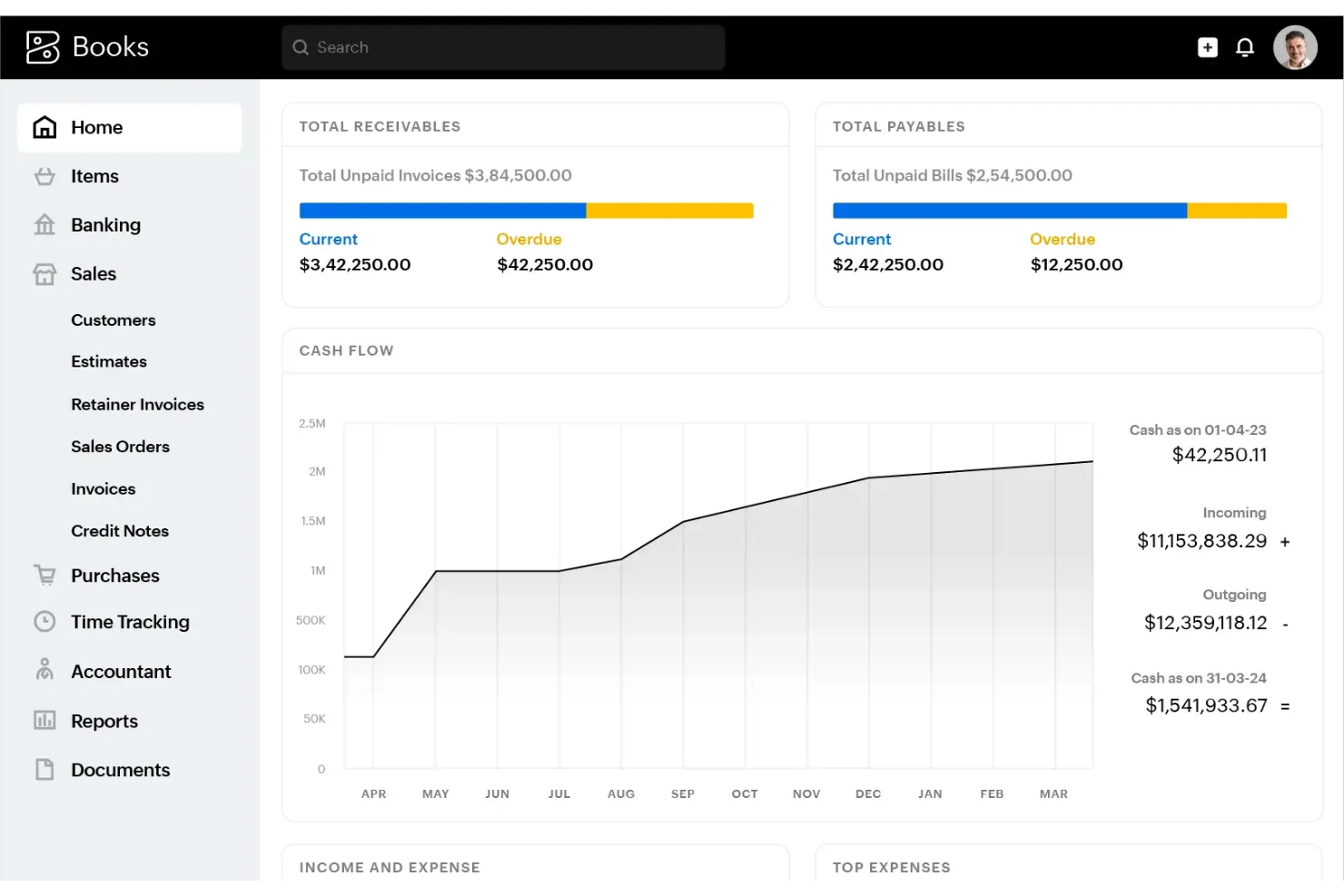
Zoho Books offre a contabili e team finanziari un modo per personalizzare i flussi di lavoro e automatizzare le attività contabili di routine. Questa piattaforma è particolarmente utile per gli studi che desiderano adattare approvazioni, notifiche e gestione dei documenti ai propri processi. Zoho Books è una scelta forte per i contabili che hanno bisogno di un'automazione flessibile per gestire esigenze complesse dei clienti e semplificare la reportistica finanziaria.
Perché ho scelto Zoho Books
Ciò che distingue Zoho Books è l'approfondita personalizzazione dell'automazione dei flussi di lavoro, particolarmente preziosa per i contabili che gestiscono diverse esigenze dei clienti. Ho scelto Zoho Books perché consente di creare processi di approvazione personalizzati, automatizzare scritture contabili ricorrenti e configurare notifiche condizionate per eventi finanziari chiave. Il generatore di automazioni della piattaforma permette di adattare i flussi dei documenti e l'assegnazione delle attività ai controlli interni dello studio. Queste funzionalità aiutano i contabili a ridurre il lavoro manuale e mantenere l'accuratezza nella preparazione di bilanci finanziari complessi.
Caratteristiche principali di Zoho Books
Oltre alle sue capacità di automazione, Zoho Books offre diverse altre funzioni a supporto dei contabili:
- Integrazione con feed bancari: Si collega direttamente ai conti bancari per importare automaticamente le transazioni e conciliare i movimenti.
- Contabilità multivaluta: Gestisce transazioni e report in diverse valute per clienti internazionali.
- Report finanziari personalizzabili: Permette di generare e adattare bilanci, conti economici e rendiconti finanziari.
- Portale clienti: Offre ai clienti accesso sicuro a fatture, preventivi e documenti condivisi.
Integrazioni di Zoho Books
Le integrazioni includono Zoho CRM, Zoho Inventory, Zoho Expense, Zoho Payroll, Zoho Analytics, Zoho Projects, Zoho Checkout, Zoho Billing, Zoho Commerce e Zoho Invoice.
Pros and Cons
Pros:
- Modelli di report personalizzati per il branding dello studio
- Il portale clienti consente la condivisione sicura dei documenti
- Gestione multivaluta per clienti internazionali
Cons:
- Integrazione con payroll limitata a determinati paesi
- Alcune funzionalità richiedono app Zoho separate

Ideale per controlli finanziari avanzati
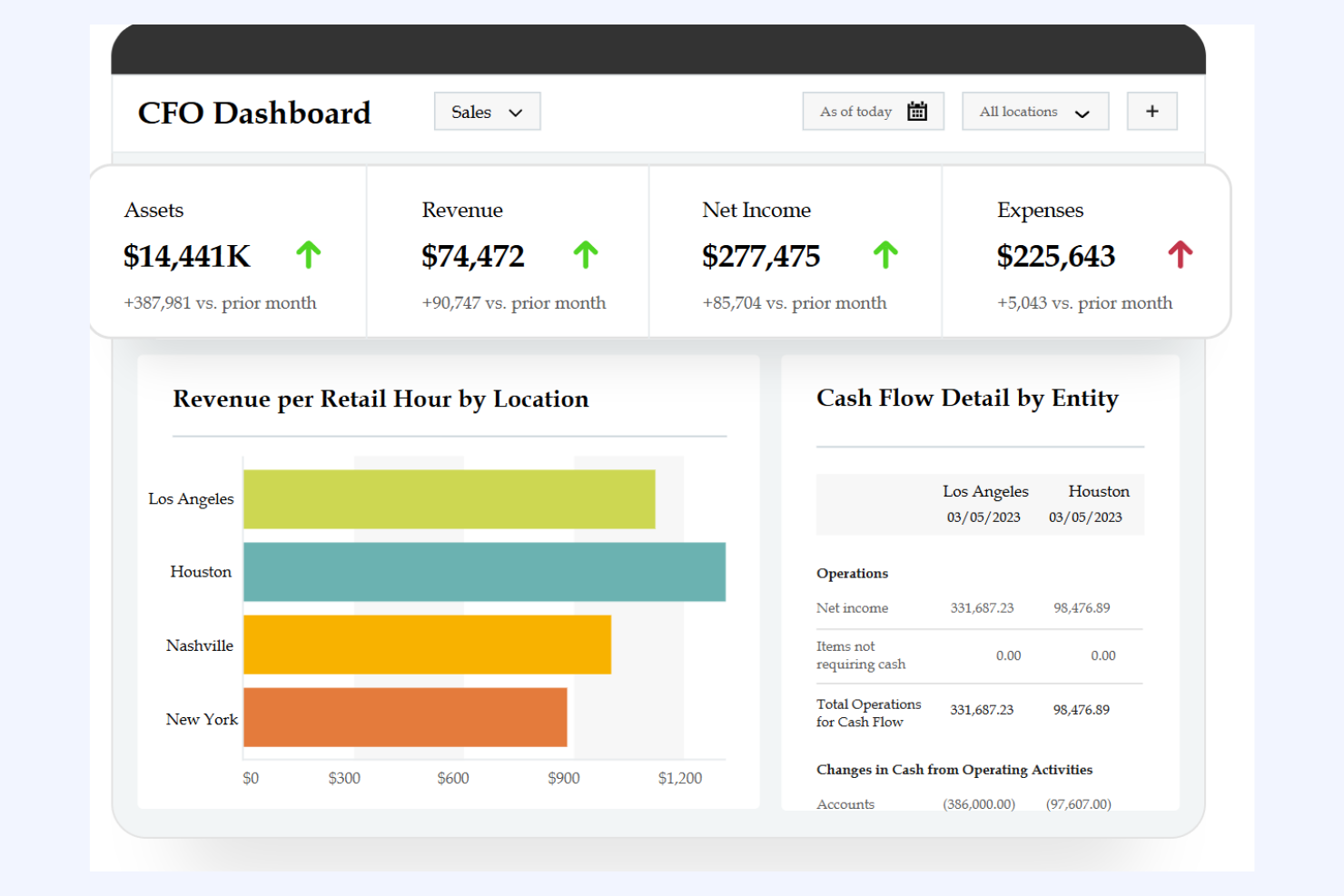
Sage Intacct è progettato per i team finanziari che necessitano di controlli avanzati e processi pronti per l'audit. È particolarmente indicato per organizzazioni con catene di approvazione complesse, strutture multi-entità o requisiti di conformità stringenti. I contabili che hanno bisogno di permessi granulari, flussi di lavoro automatizzati e tracciabilità dettagliata delle revisioni troveranno Sage Intacct particolarmente utile per gestire i bilanci con sicurezza.
Perché ho scelto Sage Intacct
Per i contabili che necessitano di controlli finanziari avanzati, Sage Intacct si distingue per i permessi granulari e i flussi di lavoro audit-ready. Ho scelto Sage Intacct perché permette di impostare ruoli utente dettagliati, gerarchie di approvazione e una segregazione delle funzioni, elementi essenziali per le organizzazioni con rigorose esigenze di conformità. La traccia di revisione integrata della piattaforma registra ogni modifica e transazione, supportando la trasparenza e la responsabilità nella preparazione dei bilanci. Queste funzionalità rendono Sage Intacct una scelta forte per le aziende che danno priorità ai controlli interni e alla conformità normativa.
Caratteristiche principali di Sage Intacct
Oltre ai suoi controlli avanzati, Sage Intacct offre diverse altre caratteristiche a supporto dei contabili:
- Consolidamento multi-entità: Consolida i dati finanziari di più entità con valute e piani dei conti differenti.
- Reportistica dimensionale: Consente di etichettare le transazioni con dimensioni come reparto, sede o progetto per una reportistica flessibile.
- Rilevazione automatica dei ricavi: Gestisce programmi di ricavo complessi e la conformità agli standard ASC 606.
- Pianificazione e budget integrati: Fornisce strumenti per creare, gestire e confrontare i budget direttamente all'interno della piattaforma.
Integrazioni di Sage Intacct
Le integrazioni includono Salesforce, ADP, Avalara, Expensify, Bill.com, Versapay, Stripe, Paystand, BigTime e GoCardless.
Pros and Cons
Pros:
- Reportistica dimensionale per analisi finanziarie dettagliate
- La rilevazione dei ricavi soddisfa i requisiti ASC 606
- Permessi basati sui ruoli per controlli di accesso rigorosi
Cons:
- La creazione di report personalizzati richiede competenze tecniche
- Privo di funzionalità di previsione avanzate

Ideale per l'integrazione dati ERP
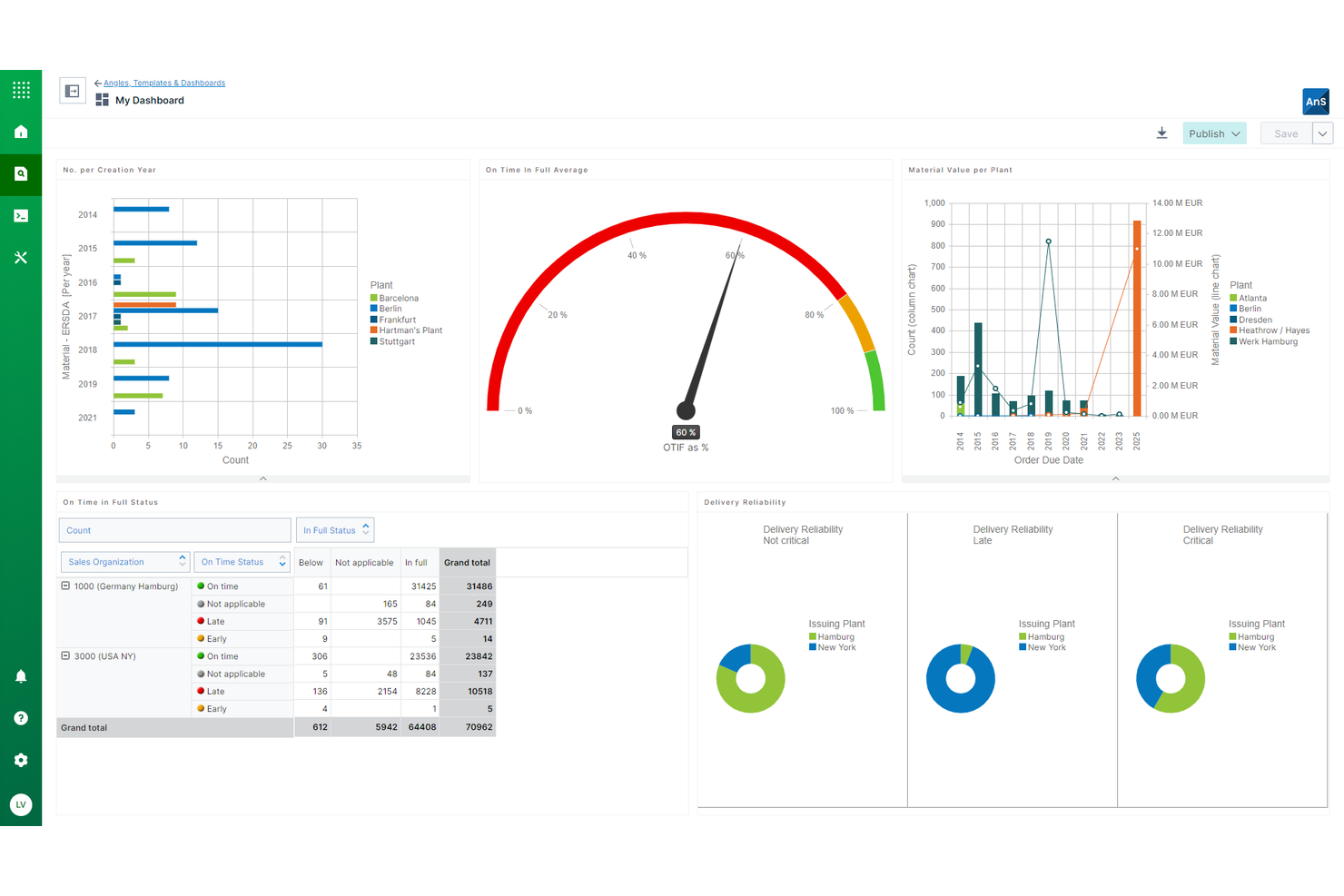
Se il tuo team ha bisogno di collegare la reportistica finanziaria direttamente ai dati ERP, insightsoftware è stato creato proprio per questo scopo. È una soluzione ideale per contabili e professionisti della finanza che desiderano automatizzare la creazione dei prospetti finanziari prelevando dati in tempo reale da diversi sistemi ERP. Questo approccio aiuta a ridurre la gestione manuale dei dati e garantisce che i tuoi report riflettano sempre i numeri aggiornati.
Perché ho scelto insightsoftware
Quando hai bisogno di portare i dati ERP direttamente nei prospetti finanziari, insightsoftware si distingue per le sue capacità di integrazione dati ERP. Ho scelto questo strumento perché si connette a una vasta gamma di sistemi ERP, permettendo ai contabili di automatizzare il flusso dei dati finanziari nei processi di reporting. Con funzionalità come la sincronizzazione dati in tempo reale e la creazione diretta di report dalle fonti ERP, puoi ridurre l'inserimento manuale dei dati e minimizzare gli errori di riconciliazione. Questo rende insightsoftware particolarmente utile per i team finanziari che gestiscono ambienti di dati complessi e multi-sorgente.
Funzionalità principali di insightsoftware
Altre funzionalità che rendono insightsoftware utile ai contabili includono:
- Componente aggiuntivo Excel: Crea e aggiorna report finanziari direttamente all'interno di Microsoft Excel.
- Modelli finanziari predefiniti: Accedi a una libreria di modelli pronti per i principali prospetti finanziari.
- Controlli di accesso basati sui ruoli: Imposta i permessi per gli utenti in base a ruolo e responsabilità.
- Pianificazione automatizzata: Pianifica la generazione e la distribuzione dei report a intervalli programmati.
Integrazioni di insightsoftware
Le integrazioni includono Oracle, SAP, Microsoft Dynamics, Epicor, Yardi, Sage, Viewpoint, Power BI, Qlik e oltre 140 altri sistemi ERP ed EPM.
Pros and Cons
Pros:
- Connessioni dirette dai dati ERP al reporting disponibili
- Componente aggiuntivo Excel per la creazione di report familiare
- Modelli predefiniti per i principali prospetti finanziari
Cons:
- L'implementazione può richiedere la configurazione da parte del fornitore
- Alcuni connettori ERP richiedono licenze separate

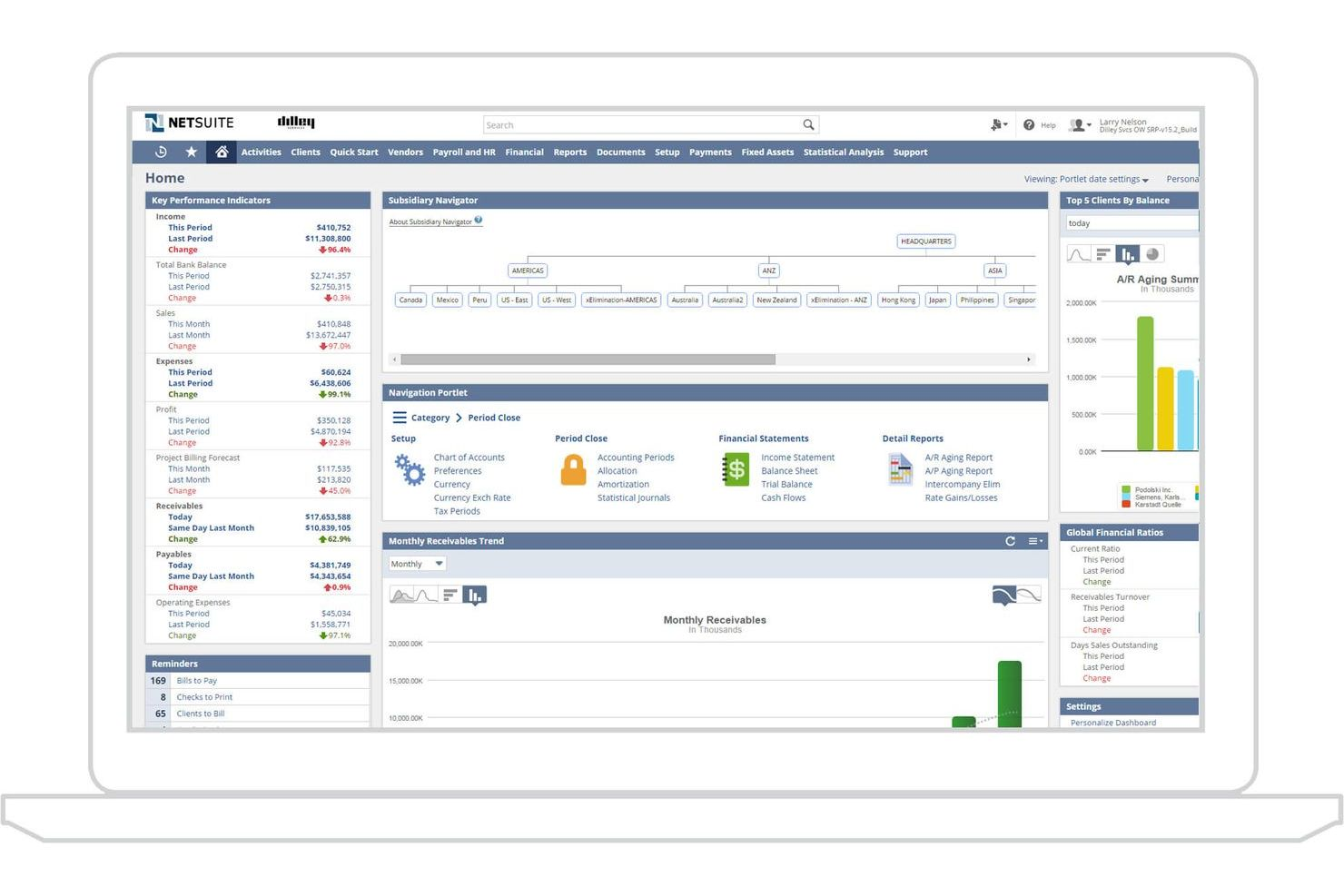
NetSuite di Oracle è progettato per i team finanziari e contabili che gestiscono operazioni complesse e multi-entity in diversi paesi. È particolarmente indicato per le organizzazioni che devono soddisfare requisiti normativi e di conformità diversificati in più giurisdizioni. Con funzionalità integrate per la conformità globale, NetSuite ti aiuta a gestire la reportistica multi-valuta, le norme fiscali e i bilanci obbligatori da un'unica piattaforma.
Perché ho scelto NetSuite
Per le aziende che operano oltre confine, la gestione della conformità globale è una sfida continua, motivo per cui ho scelto NetSuite per questa lista. NetSuite offre supporto integrato per transazioni multi-valuta, normative fiscali locali e requisiti di reportistica obbligatoria, facilitando la produzione di bilanci conformi in diverse regioni. Apprezzo il fatto che la piattaforma includa la consolidazione automatica per i gruppi multi-entity, così puoi generare report a livello di gruppo senza aggiustamenti manuali. Queste funzionalità aiutano i contabili a restare aggiornati sulle normative in evoluzione e a gestire la conformità in contesti complessi e internazionali.
Funzionalità principali di NetSuite
Altre funzionalità che rendono NetSuite prezioso per i contabili includono:
- Dashboard basate sui ruoli: Personalizza le dashboard per diversi utenti per mostrare dati finanziari e KPI rilevanti.
- Registrazioni contabili automatizzate: Pianifica e automatizza le registrazioni contabili ricorrenti per ridurre il lavoro manuale.
- Report finanziari drill-down: Esplora i report sintetici per visualizzare i dettagli delle singole transazioni sottostanti.
- Gestione documentale: Conserva e organizza i documenti giustificativi direttamente nella piattaforma per un facile accesso durante le revisioni contabili.
Integrazioni di NetSuite
Le integrazioni includono Salesforce, Shopify, HubSpot, Adobe Commerce, Zendesk, WooCommerce, ADP e Stripe.
Pros and Cons
Pros:
- Supporto multi-valuta per la reportistica internazionale
- Conformità integrata alle normative fiscali globali
- Dashboard finanziari in tempo reale per i contabili
Cons:
- La creazione di report personalizzati può richiedere supporto tecnico
- I tempi di implementazione sono spesso lunghi

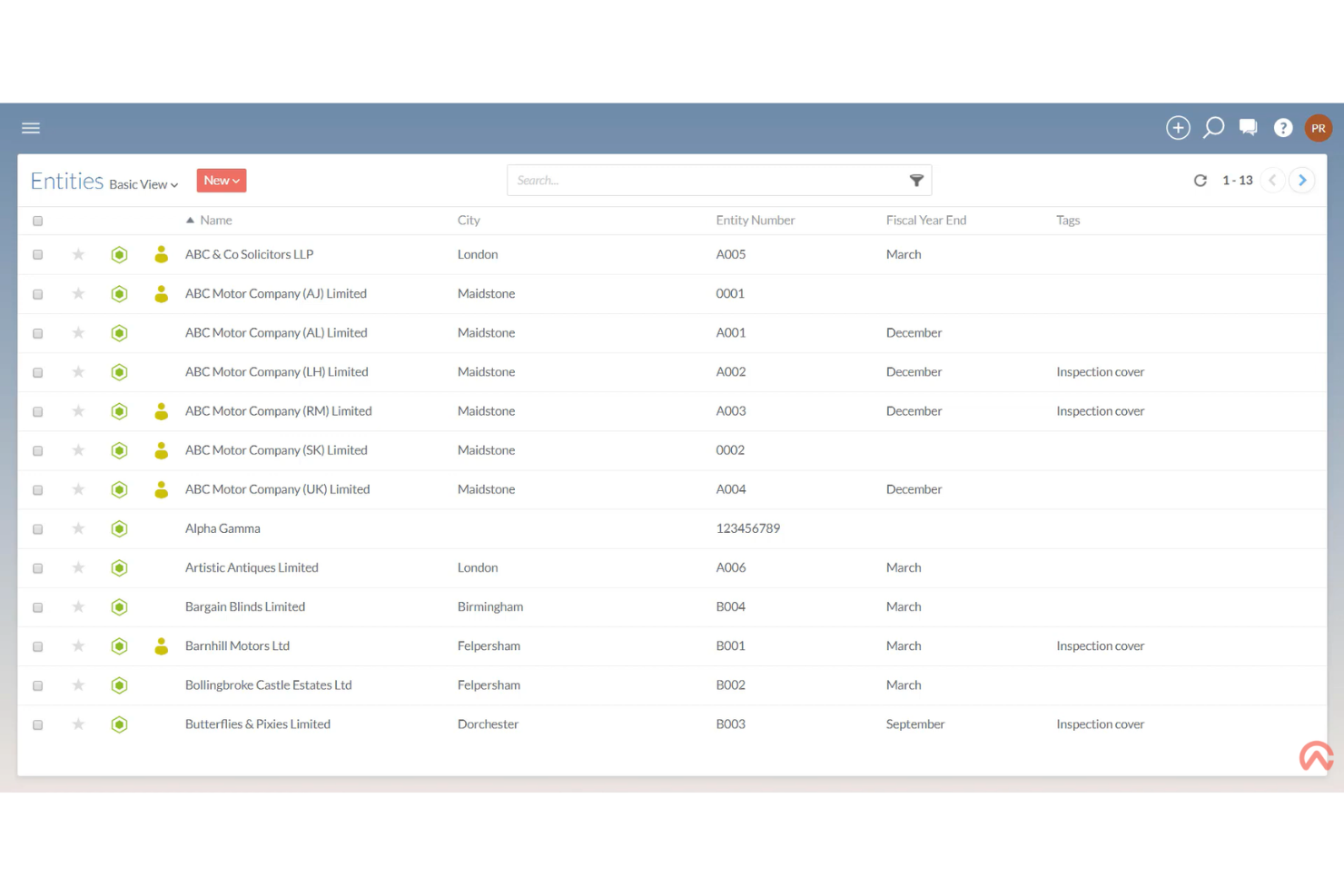
Caseware è progettato per i contabili che desiderano accelerare la preparazione dei bilanci utilizzando modelli personalizzabili. È particolarmente utile per gli studi e i team finanziari che necessitano di standardizzare la rendicontazione tra diversi clienti o enti. Grazie al suo approccio basato su modelli, Caseware aiuta a ridurre la formattazione manuale e garantisce coerenza nelle informazioni finanziarie da comunicare.
Perché ho scelto Caseware
Quando la creazione di bilanci guidata da modelli è una priorità, Caseware offre un vantaggio unico per i contabili. Ho scelto questo strumento perché mette a disposizione una libreria di modelli personalizzabili allineati a diversi principi contabili, rendendo più semplice la produzione di bilanci coerenti e conformi alle normative. La piattaforma consente anche di automatizzare il caricamento dei dati finanziari in questi modelli, riducendo così l'inserimento manuale e il rischio di errori. Per gli studi che gestiscono più clienti o entità, queste funzionalità garantiscono tempi di consegna più rapidi e reportistica standardizzata.
Funzionalità principali di Caseware
Altre funzionalità che rendono Caseware utile per i contabili includono:
- Strumenti di collaborazione: Più utenti possono lavorare simultaneamente sullo stesso bilancio con aggiornamenti in tempo reale.
- Capacità di importazione dati: Importa conti di prova e altri dati finanziari direttamente da vari sistemi contabili.
- Gestione delle informazioni obbligatorie: Gestisci e aggiorna le informazioni integrative dei bilanci con guide e checklist integrate.
- Audit trail: Traccia tutte le modifiche e le azioni degli utenti all'interno di ciascun bilancio per finalità di compliance e revisione.
Integrazioni di Caseware
Le integrazioni includono Xero, Microsoft 365 e Sage. Caseware Financials offre inoltre API per integrazioni personalizzate con altri sistemi.
Pros and Cons
Pros:
- Libreria di modelli che copre diversi principi contabili
- Checklist integrate per le informazioni obbligatorie a supporto della compliance
- Riporto automatico dei dati dell'anno precedente
Cons:
- Le prestazioni in cloud possono risultare lente nei periodi di picco
- La configurazione iniziale richiede la personalizzazione dei modelli

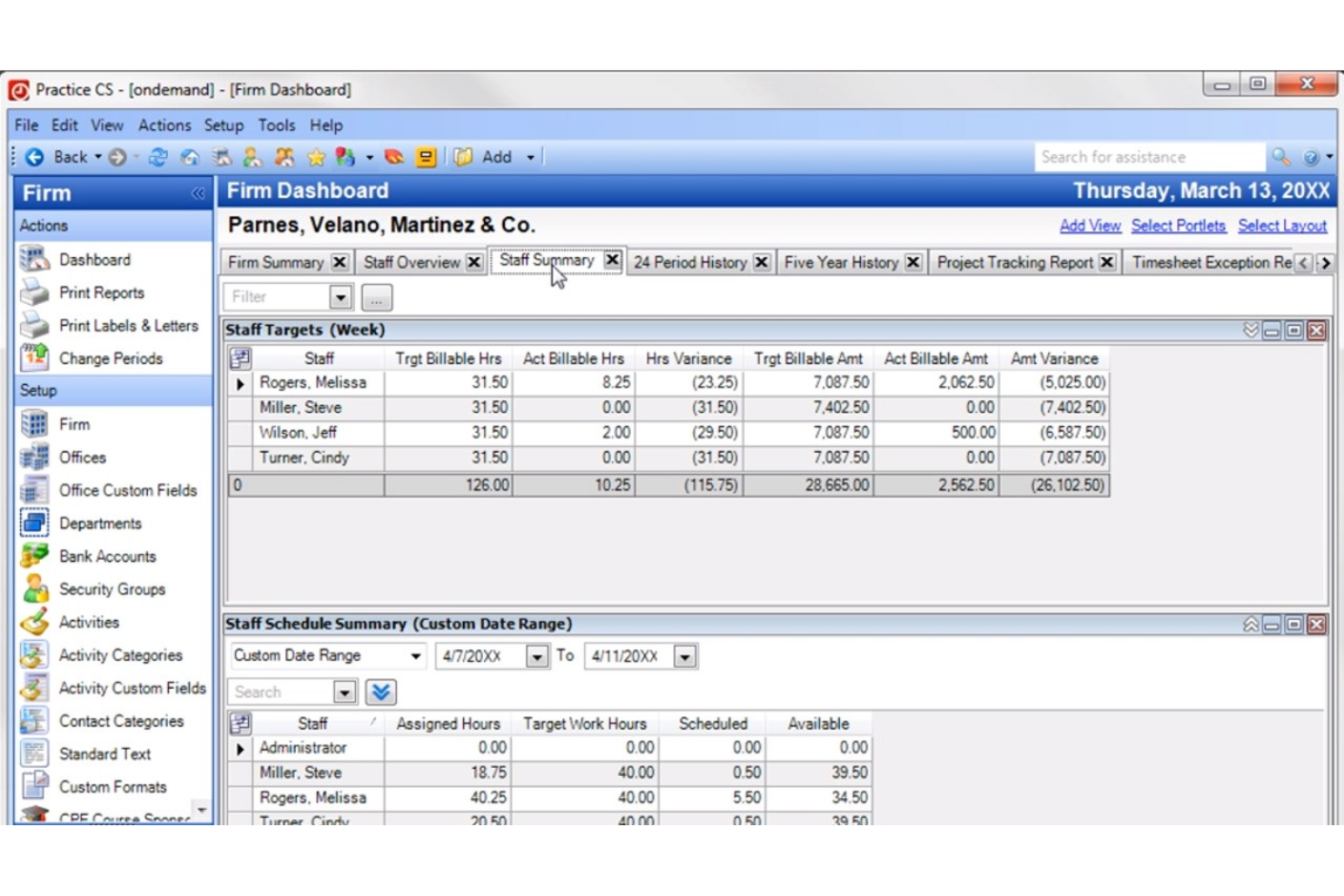
Accounting CS di Thomson Reuters è progettato per studi contabili che gestiscono rendicontazioni finanziarie complesse e multi-ente. Questa piattaforma supporta flussi di lavoro avanzati per le consolidazioni, rendendo più semplice la gestione delle transazioni infragruppo e la produzione di bilanci accurati per diversi clienti o filiali. Se il vostro team ha bisogno di semplificare le operazioni di consolidamento e mantenere la conformità per portafogli eterogenei, questo strumento affronta queste sfide direttamente.
Perché ho scelto Accounting CS
Ho scelto Accounting CS perché è costruito per gestire le esigenze dei flussi di lavoro di consolidamento multi-ente. La piattaforma offre una gestione centralizzata di più conti cliente, consentendo di consolidare i dati finanziari provenienti da diverse entità senza ricorrere a soluzioni manuali. Apprezzo la sua capacità di automatizzare le eliminazioni infragruppo e generare bilanci consolidati conformi agli standard contabili. Queste funzionalità lo rendono particolarmente adatto agli studi che gestiscono portafogli complessi o clienti con più filiali.
Caratteristiche principali di Accounting CS
Altre funzionalità di Accounting CS che potrebbero interessare i professionisti contabili includono:
- Inserimento in blocco delle transazioni: Consente l'inserimento di più transazioni contemporaneamente per velocizzare l'immissione dei dati nei periodi di elevato volume.
- Template personalizzabili per i bilanci: Create e modificate i layout dei bilanci per adattarli alle esigenze dei clienti o della normativa.
- Controlli di accesso basati sui ruoli: Assegnate permessi agli utenti in base alle loro responsabilità per garantire la sicurezza dei dati.
- Gestione integrata delle buste paga: Gestite le attività di payroll all'interno della stessa piattaforma, riducendo la necessità di sistemi separati.
Integrazioni di Accounting CS
Le integrazioni includono QuickBooks, Microsoft Excel e altro ancora.
Pros and Cons
Pros:
- Gestisce senza problemi le consolidazioni complesse multi-ente
- Supporta template personalizzabili per i bilanci
- Offre funzioni integrate di contabilità e gestione delle buste paga
Cons:
- I prezzi non sono trasparenti sul sito web
- Integrazioni native limitate con strumenti di terze parti
Altri software per bilanci per commercialisti
Ecco altre opzioni di software per bilanci per commercialisti che non sono state incluse nel mio elenco, ma che vale comunque la pena prendere in considerazione:
- DataSnipper
Ideale per la documentazione di revisione automatizzata
- QuickBooks Online
Ideale per la gestione di clienti di piccole imprese
- Board
Ideale per flussi di lavoro di budgeting integrati


Come Valuto il Software per Bilanci per Commercialisti
La mia valutazione ha due livelli: la soglia minima che uno strumento deve superare—come l'importazione del bilancio di verifica da QuickBooks e la generazione di bilanci conformi ai principi contabili GAAP—e i fattori che distinguono un fornitore dall'altro.
Funzionalità di Base (Requisiti Fondamentali per Questa Lista)
Quando scelgo gli strumenti per la mia lista, valuto ciascuno su una scala da 0 (non offre la funzionalità) a 5 (eccelle in quest'area) per ogni funzionalità di base elencata di seguito. Poi, calcolo il punteggio totale dello strumento in percentuale. Ogni strumento deve raggiungere un punteggio totale minimo del 65% per essere preso in considerazione.
- Generazione di Bilanci: Verifico se ogni strumento produce tutti i bilanci principali—stato patrimoniale, conto economico, rendiconto finanziario e patrimonio netto—insieme a periodi comparativi e note esplicative.
- Integrazione del Bilancio di Verifica: L'importazione dei dati del bilancio di verifica da piattaforme come QuickBooks, Xero o Sage Intacct deve essere diretta, non attraverso un CSV manuale che rallenta la chiusura contabile.
- Supporto ai Framework di Conformità: Ogni strumento viene valutato per i framework di reporting supportati, che siano GAAP, IFRS, principi fiscali o standard specifici per enti non profit.
- Gestione Multi-Cliente: Gli studi che gestiscono decine di incarichi hanno bisogno di roll-forward, cambio cliente e accessi basati sui ruoli—quindi verifico come ogni strumento gestisce un portafoglio clienti completo.
- Modelli di Rendicontazione Personalizzabili: Valuto se è possibile mappare il piano dei conti, modificare la struttura dei bilanci e applicare il brand dello studio su tutto il portafoglio clienti.
- Controlli di Esportazione e Arrotondamento: I documenti finali sono importanti, quindi valuto i formati di output (PDF, Excel, Word), la riconciliazione degli arrotondamenti e se i quadramenti restano invariati fino alla stampa.
Una volta che ho una lista di strumenti che soddisfano i criteri, considero cosa distingue ogni piattaforma.
Fattori Differenzianti (Cosa Distingue i Fornitori)
Ecco come confronto e metto a confronto i diversi fornitori:
Funzionalità Distintive
L'automatismo nel quadramento è fondamentale. Quando aggiorni un numero nel conto economico, la modifica dovrebbe propagarsi su note e prospetti di supporto senza correzioni manuali. Valuto anche le funzionalità di collaborazione in tempo reale, poiché nei periodi di picco più persone preparano e revisionano lo stesso incarico contemporaneamente. Gli strumenti che collegano la preparazione del bilancio a workpaper e monitoraggio dell'incarico in un unico flusso di lavoro, come fanno Caseware e Workiva, evitano allo studio il fastidio di passare tra sistemi scollegati.
Oltre le Funzionalità
Qui approfondisco il livello di integrazione. Valuto se uno strumento si connette al tuo gestionale, software fiscale e piattaforme di practice management—perché un software di bilancio che vive fuori dall'ecosistema dello studio crea solo ulteriore lavoro. La sicurezza è un altro aspetto chiave; i dati finanziari dei clienti richiedono almeno la certificazione SOC 2 e accessi basati sui ruoli. Considero anche la compatibilità con la struttura dello studio, dato che un professionista singolo e uno Studio Top 100 hanno esigenze molto diverse su licenze, volume di incarichi e supporto all'onboarding.
Come scegliere un software per bilanci per commercialisti
È facile perdersi in lunghi elenchi di funzionalità e strutture tariffarie complesse. Per aiutarti a rimanere concentrato mentre affronti il tuo processo di selezione del software, unico per la tua attività, ecco un elenco di fattori da tenere presenti:
| Fattore | Cosa considerare |
|---|---|
| Scalabilità | Il software gestirà il volume attuale e futuro dei report, la struttura delle entità e la base utenti? Considera i piani di crescita e le esigenze di gestione di più entità. |
| Integrazioni | Lo strumento si collega nativamente al tuo ERP, ai sistemi di contabilità e alle fonti dati? Verifica la compatibilità con il tuo stack tecnologico esistente. |
| Personalizzazione | Puoi adattare i formati dei report, i flussi di lavoro e i controlli degli accessi ai requisiti della tua organizzazione? Fai attenzione ai modelli rigidi o alle opzioni limitate. |
| Semplicità d'uso | Con quale rapidità il tuo team può imparare a usare e adottare lo strumento? Cerca una navigazione intuitiva e requisiti di formazione minimi. |
| Implementazione e avviamento | Quali risorse e quanto tempo sono necessari per iniziare a lavorare? Informati sul supporto alla migrazione, sulla formazione e sulle tempistiche tipiche per l'entrata in produzione. |
| Costi | I livelli di prezzo sono trasparenti e prevedibili? Considera licenze, componenti aggiuntivi e potenziali costi per utenti o integrazioni aggiuntivi. |
| Misure di sicurezza | Il software offre crittografia, registri di controllo e autorizzazioni basate sui ruoli? Assicurati che soddisfi gli standard di protezione dei dati della tua organizzazione. |
| Requisiti di conformità | Lo strumento ti aiuterà a soddisfare gli standard contabili e i requisiti di revisione pertinenti? Verifica il supporto per GAAP, IFRS o esigenze specifiche del settore. |
Che cos'è un software per bilanci per commercialisti?
Il software per i bilanci destinato ai commercialisti è uno strumento digitale che aiuta i professionisti della finanza a creare, gestire e distribuire report finanziari come bilanci, conti economici e rendiconti finanziari. Queste piattaforme automatizzano la raccolta dei dati, supportano la conformità agli standard contabili e consentono una reportistica accurata e puntuale, collegandosi a diverse fonti di dati finanziari all’interno di un’organizzazione.
Funzionalità del software per i bilanci destinato ai commercialisti
Quando selezioni un software per i bilanci destinato ai commercialisti, presta attenzione alle seguenti funzionalità chiave:
- Consolidamento automatizzato dei dati: raccoglie e unisce i dati finanziari provenienti da più fonti, riducendo l’inserimento manuale e garantendo la coerenza tra i report.
- Modelli standard per i bilanci: offre modelli pronti all’uso per bilanci, conti economici e rendiconti finanziari, aiutando i team a produrre rapidamente report conformi.
- Creazione personalizzata dei report: consente agli utenti di progettare e modificare i report finanziari in base a requisiti organizzativi specifici o agli standard del settore.
- Monitoraggio della cronologia di controllo: registra ogni modifica apportata ai dati finanziari e ai report, favorendo la trasparenza e semplificando i processi di revisione.
- Controlli degli accessi basati sui ruoli: consente agli amministratori di impostare le autorizzazioni per gli utenti in base alle loro responsabilità, proteggendo le informazioni finanziarie sensibili.
- Supporto per più entità: consente la reportistica e il consolidamento tra filiali, dipartimenti o unità aziendali all’interno di un’unica piattaforma.
- Distribuzione programmata dei report: automatizza l’invio dei bilanci alle parti interessate a intervalli prestabiliti, riducendo la necessità di solleciti manuali.
- Controllo delle versioni: conserva la cronologia delle versioni dei report, semplificando il monitoraggio delle modifiche e il ripristino delle versioni precedenti, se necessario.
- Opzioni di esportazione e condivisione: supporta l’esportazione dei report in vari formati (come PDF, Excel o CSV) e la loro condivisione sicura con parti interessate interne o esterne.
Vantaggi del software per i bilanci destinato ai commercialisti
L’implementazione di un software per i bilanci destinato ai commercialisti offre diversi vantaggi al tuo team e alla tua azienda. Ecco alcuni dei benefici che puoi aspettarti:
- Cicli di reportistica più rapidi: il consolidamento automatizzato dei dati e la distribuzione programmata aiutano il tuo team a chiudere i libri contabili e fornire i report più velocemente.
- Maggiore accuratezza dei dati: le integrazioni dirette e le cronologie di controllo riducono gli errori di inserimento manuale e facilitano l’individuazione e la correzione delle discrepanze.
- Conformità migliorata: i modelli integrati e il monitoraggio della cronologia di controllo favoriscono il rispetto degli standard contabili e semplificano la preparazione delle verifiche contabili.
- Maggiore visibilità finanziaria: gli strumenti per la creazione personalizzata dei report e il supporto per più entità offrono alle parti interessate una visione più chiara e dettagliata delle prestazioni finanziarie.
- Maggiore sicurezza dei dati: i controlli degli accessi basati sui ruoli e le funzionalità di controllo delle versioni aiutano a proteggere le informazioni sensibili e garantiscono che solo gli utenti autorizzati possano apportare modifiche.
- Collaborazione semplificata: le opzioni di esportazione e condivisione, insieme agli strumenti di collaborazione integrati nell’app, facilitano il lavoro dei team sui bilanci.
- Scalabilità per la crescita: il supporto per più entità e le integrazioni flessibili consentono al software di adattarsi alla crescita delle esigenze della tua organizzazione.
Costi e prezzi del software per i bilanci destinato ai commercialisti
La scelta di un software per i bilanci destinato ai commercialisti richiede la comprensione dei diversi modelli e piani tariffari disponibili. I costi variano in base alle funzionalità, alle dimensioni del team, ai componenti aggiuntivi e ad altri fattori. La tabella seguente riepiloga i piani più comuni, i relativi prezzi medi e le funzionalità tipicamente incluse nelle soluzioni software per i bilanci destinate ai commercialisti:
Tabella di confronto dei piani per il software per i bilanci destinato ai commercialisti
| Tipo di piano | Prezzo medio | Funzionalità comuni |
|---|---|---|
| Piano gratuito | $0 | Modelli di base per i bilanci, importazione limitata dei dati, accesso per un singolo utente e opzioni di esportazione di base. |
| Piano personale | $10-$30/utente/mese | Modelli standard per i report, inserimento manuale dei dati, cronologie di controllo di base e assistenza via e-mail. |
| Piano aziendale | $40-$80/user/month | Consolidamento automatizzato dei dati, accesso multiutente, reportistica programmata, autorizzazioni basate sui ruoli e integrazione con i sistemi contabili. |
| Piano aziendale avanzato | $100-$200/user/month | Integrazioni ERP avanzate, supporto per più entità, creazione personalizzata dei report, controlli di sicurezza avanzati e gestione dedicata dell’account. |
Software per bilanci per commercialisti: domande frequenti
Ecco alcune risposte alle domande comuni sul software per bilanci destinato ai commercialisti:
In che modo il software per bilanci si collega ai miei sistemi contabili esistenti?
La maggior parte dei software per bilanci si collega tramite integrazioni dirette o API. Ciò consente di acquisire automaticamente i dati dal software di contabilità e dal libro mastro, riducendo l’inserimento manuale e mantenendo aggiornati i report. Questo flusso di dati garantisce che le informazioni rimangano accurate su tutte le piattaforme, un aspetto particolarmente importante per le startup che devono espandere rapidamente le proprie attività.
Il software per bilanci è in grado di gestire la reportistica multi-entità o consolidata?
Sì, molte soluzioni supportano la reportistica multi-entità e consolidata. Ciò significa che è possibile combinare i dati finanziari di più società controllate o unità aziendali in un unico insieme di prospetti, un processo essenziale per le organizzazioni con strutture complesse. Gli studi di commercialisti utilizzano spesso queste funzionalità per gestire simultaneamente più conti dei clienti, fornendo analisi approfondite senza dover ricorrere a fogli di calcolo manuali.
Quali funzionalità di sicurezza dovrei cercare in un software per bilanci?
Cerca funzionalità come controlli degli accessi basati sui ruoli, crittografia dei dati, registri di controllo e aggiornamenti regolari della sicurezza. Queste misure di protezione contribuiscono a salvaguardare le informazioni finanziarie sensibili e a supportare la conformità agli standard interni ed esterni. Per i commercialisti, garantire che solo il personale autorizzato possa accedere a moduli specifici è una priorità assoluta per mantenere la riservatezza dei clienti.
Quanto tempo richiede l'implementazione di un software per bilanci?
I tempi di implementazione variano, ma la maggior parte dei team può aspettarsi un processo che va da pochi giorni a diverse settimane. Tra i fattori da considerare rientrano le esigenze di migrazione dei dati, la complessità dell’integrazione e la disponibilità delle risorse per l’onboarding. Sebbene sia necessario un periodo di apprendimento per acquisire familiarità con un nuovo sistema, i moderni strumenti basati sull’intelligenza artificiale spesso semplificano la configurazione suggerendo le corrispondenze dei conti e automatizzando le attività ripetitive, consentendo di raggiungere più rapidamente la data di “avvio operativo”.
È possibile personalizzare i formati e i layout dei bilanci?
Sì, la maggior parte delle piattaforme offre strumenti per la creazione di report personalizzati o modelli modificabili. Ciò consente di adattare i bilanci alle specifiche esigenze aziendali dell’organizzazione, agli standard del settore o alle preferenze degli stakeholder. Utilizzando questi modelli, i team finanziari dedicano meno tempo alla formattazione e più tempo all’interpretazione dei dati per prendere decisioni strategiche.