
14 Loan Software for 2026

Loan Software Shortlist
Here’s my shortlist of loan software:


Loan software is a digital platform that helps your team manage, track, and automate the entire lending process—from application to repayment. If you’re searching for the best loan management software, you’re likely looking to improve accuracy, speed up approvals, and keep up with evolving compliance demands. With so many options, it’s tough to know which solution is user-friendly and fits your lending workflows, regulatory needs, and borrower expectations. This guide breaks down the top loan software for 2026, so you can compare features, spot key differences, and make an informed decision about choosing the right platform for your business.
Why Trust Our Software Reviews
Best Loan Software Summary
This comparison chart summarizes pricing details for my top loan software selections to help you find the best one for your budget and business needs.
| Tool | Best For | Trial Info | Price | ||
|---|---|---|---|---|---|
| 1 | Best for end-to-end decisioning | Free demo available | Pricing upon request | Website | |
| 2 | Best for multi-branch collaboration | Free demo available | Pricing upon request | Website | |
| 3 | Best for regulatory compliance tracking | Free demo available | Pricing upon request | Website | |
| 4 | Best for complex portfolio management | Free demo available | Pricing upon request | Website | |
| 5 | Best for borrower experience customization | Free demo available | Pricing upon request | Website | |
| 6 | Best for mortgage process automation | Free demo available | Pricing upon request | Website | |
| 7 | Best for alternative lending workflows | Free demo available | From €1,659/month | Website | |
| 8 | Best for high-volume consumer processing | Free demo available | Pricing upon request | Website | |
| 9 | Best for small business lending operations | 30-day free trial + free demo available | From $89/month | Website | |
| 10 | Best for integrated risk analytics | Free demo available | Pricing upon request | Website |
-

LiveFlow
Visit WebsiteThis is an aggregated rating for this tool including ratings from Crozdesk users and ratings from other sites.4.9 -
Float Financial
Visit WebsiteThis is an aggregated rating for this tool including ratings from Crozdesk users and ratings from other sites.4.1 -
Rippling Spend
Visit WebsiteThis is an aggregated rating for this tool including ratings from Crozdesk users and ratings from other sites.4.8


Loan Software Reviews
Below are my detailed summaries of the loan software that made it onto my shortlist. My reviews offer a detailed look at the features, best use cases, and integrations of each platform to help you find the best one for you.

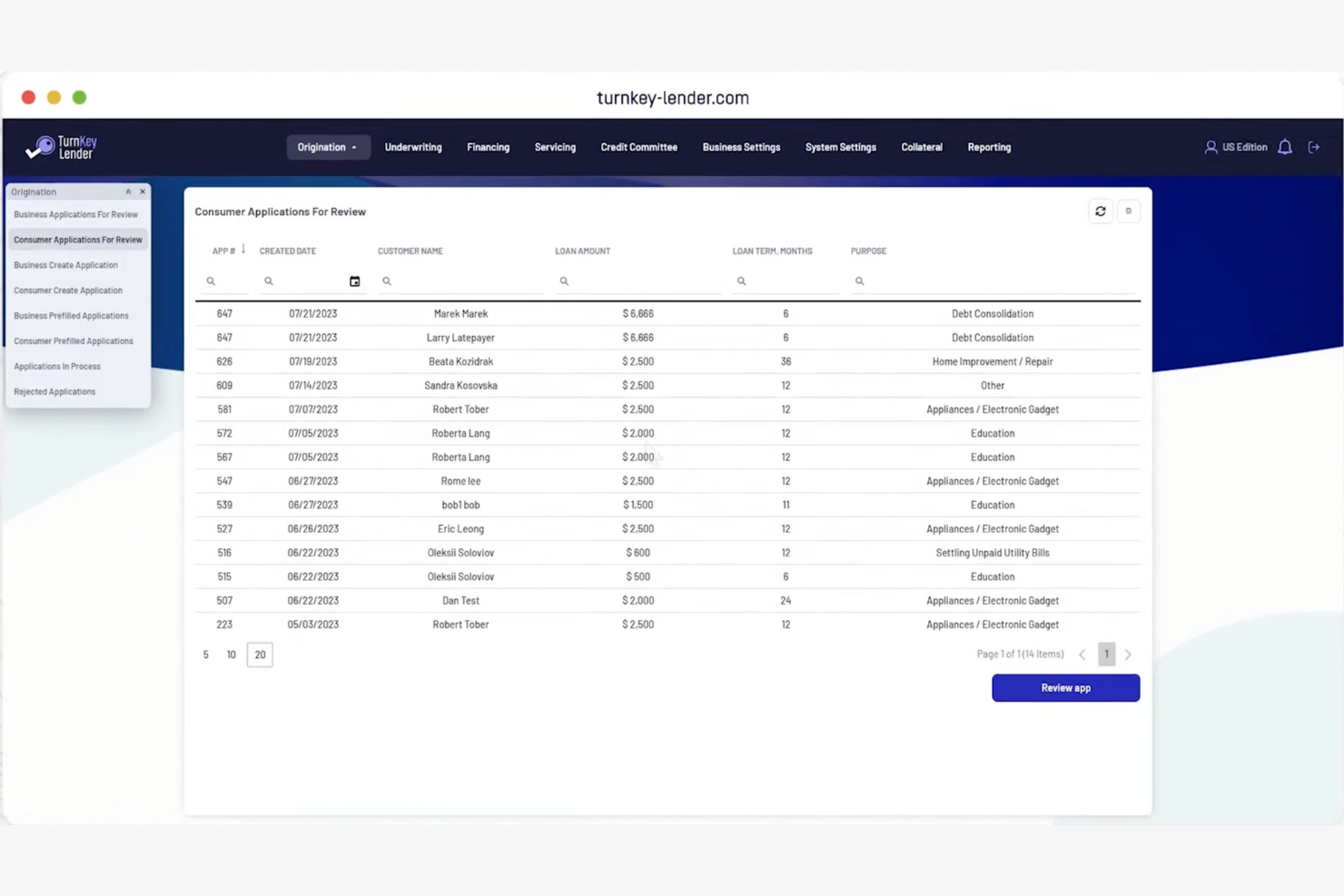
TurnKey Lender is a lending software that offers an all-in-one platform designed for lenders who want to automate the entire loan lifecycle, from application to servicing. The solution is especially relevant for banks, credit unions, and alternative lenders looking to centralize decision-making, risk assessment, and portfolio management. With its unified approach, TurnKey Lender helps teams reduce manual work and improve consistency in credit decisions.
Why I Picked TurnKey Lender
TurnKey Lender stands out for its ability to manage the entire lending process within a single platform, which is especially valuable for teams seeking end-to-end decisioning. The platform includes built-in credit decisioning engines and risk assessment tools, allowing lenders to automate approvals and maintain consistent underwriting standards, thereby improving customer experience. I like that TurnKey Lender also supports loan origination, servicing, and collections, so you can handle every stage of the loan lifecycle without switching systems. For organizations that want to centralize and automate complex lending workflows, TurnKey Lender offers a unified solution.
TurnKey Lender Key Features
Some other features in TurnKey Lender that may be useful for lenders include:
- Configurable Loan Product Templates: Set up and manage different loan types with customizable parameters.
- Borrower Portal: Give applicants a secure online space to submit documents and track application status.
- Automated Notifications: Send borrowers and staff real-time updates on loan progress and required actions.
- Regulatory Compliance Tools: Monitor and enforce lending policies to align with local and international regulations.
TurnKey Lender Integrations
Integrations include Plaid, Stripe, QuickBooks, Salesforce, Twilio, and AWS.
Pros and Cons
Pros:
- Highly automated workflows
- Great for alternative lending
- Quick out-of-the-box setup
Cons:
- API documentation is lacking
- Customizations are rigid

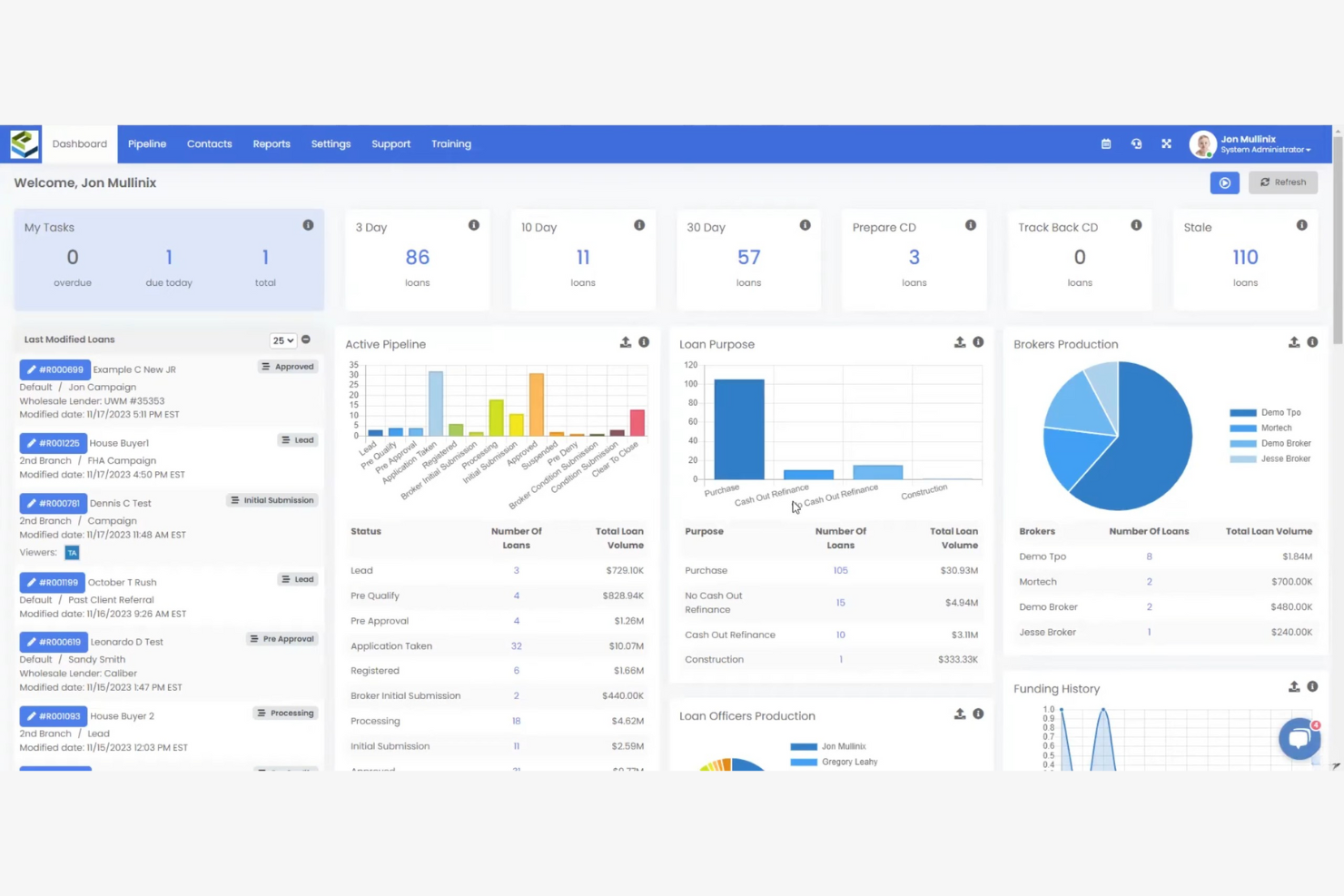
LendingPad is designed for mortgage lenders and brokers who need to coordinate across multiple branches or teams. The platform helps distributed organizations centralize loan files, manage workflows, optimize loan servicing, and maintain visibility over every stage of the consumer lending process. If your business juggles collaboration between locations or remote staff, LendingPad addresses the challenges of real-time communication and document sharing.
Why I Picked LendingPad
LendingPad is built to support organizations that operate across multiple branches or remote teams, making it a strong fit for multi-branch collaboration. The platform offers centralized loan file management and real-time workflow tracking, so everyone involved can access up-to-date information regardless of location. I appreciate that LendingPad includes role-based permissions and audit trails, which help maintain control and accountability as files move between branches. For lenders who need to coordinate complex processes across distributed teams, LendingPad brings structure and transparency to every step.
LendingPad Key Features
Some other features in LendingPad that may be useful for lenders include:
- Automated Document Collection: Collect and organize borrower documents through secure online portals.
- Customizable Loan Workflows: Tailor loan processing steps to match your organization’s unique requirements.
- Integrated Compliance Checks: Run automated checks for regulatory compliance throughout the loan process.
- E-signature Support: Enable borrowers and staff to sign documents electronically within the platform.
LendingPad Integrations
Integrations include DocuSign, CoreLogic, Plaid, Experian, Fannie Mae, and Google Workspace.
Pros and Cons
Pros:
- Great for mortgage brokers
- Real-time multi-user access
- Cloud-native architecture
Cons:
- Integrations can be buggy
- Limited custom reporting

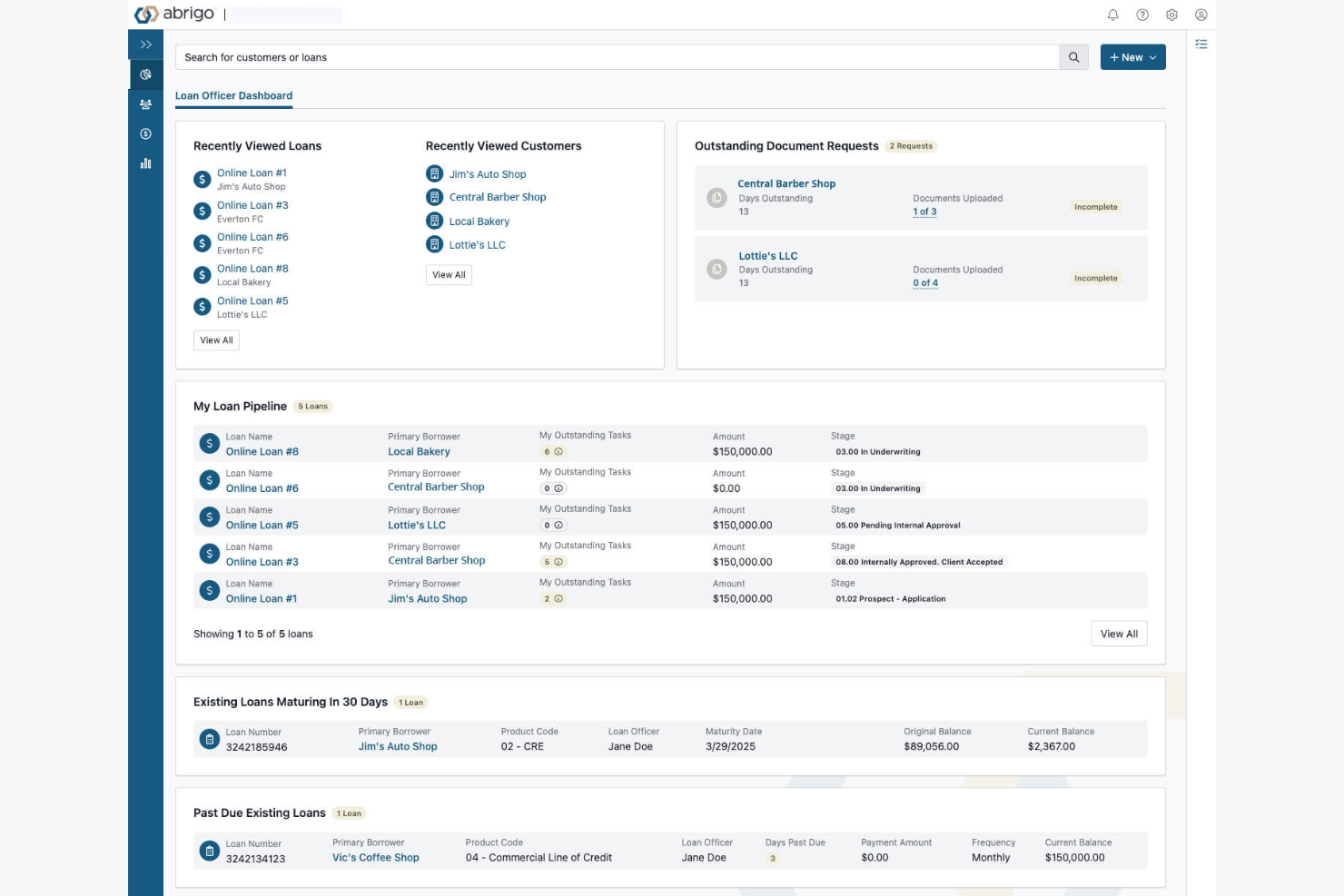
Abrigo is designed for financial institutions that need to keep up with evolving regulatory requirements in lending. The platform helps banks and credit unions automate compliance tracking, risk assessment, and documentation throughout the loan lifecycle. If your team faces pressure to meet strict audit standards or manage complex credit risk, Abrigo offers tools to help you stay organized and audit-ready.
Why I Picked Abrigo
What sets Abrigo apart is its focus on helping lenders manage regulatory compliance with confidence. The platform offers built-in tools for tracking regulatory changes, automating documentation, and maintaining audit trails throughout the loan process. I picked Abrigo because it centralizes compliance workflows, making it easier for teams to demonstrate adherence during audits or examinations. For financial institutions that face frequent regulatory updates and complex reporting requirements, Abrigo’s compliance tracking features are especially valuable.
Abrigo Key Features
In addition to its compliance tracking strengths, Abrigo offers several other features that support lending teams:
- Automated Loan Origination: Streamline the process of capturing, reviewing, and approving loan applications.
- Credit Risk Analysis Tools: Evaluate borrower risk using seamless integration with scoring models and analytics.
- Portfolio Management Dashboards: Monitor loan performance and risk exposure across your entire portfolio.
- Document Management System: Store, organize, and retrieve loan documents securely within the platform.
Abrigo Integrations
Integrations include Salesforce, Plaid, Equifax, Experian, CoreLogic, and TransUnion.
Pros and Cons
Pros:
- Robust risk management tools
- Strong regulatory compliance
- Excellent for commercial banks
Cons:
- High cost of ownership
- Not for consumer micro-loans

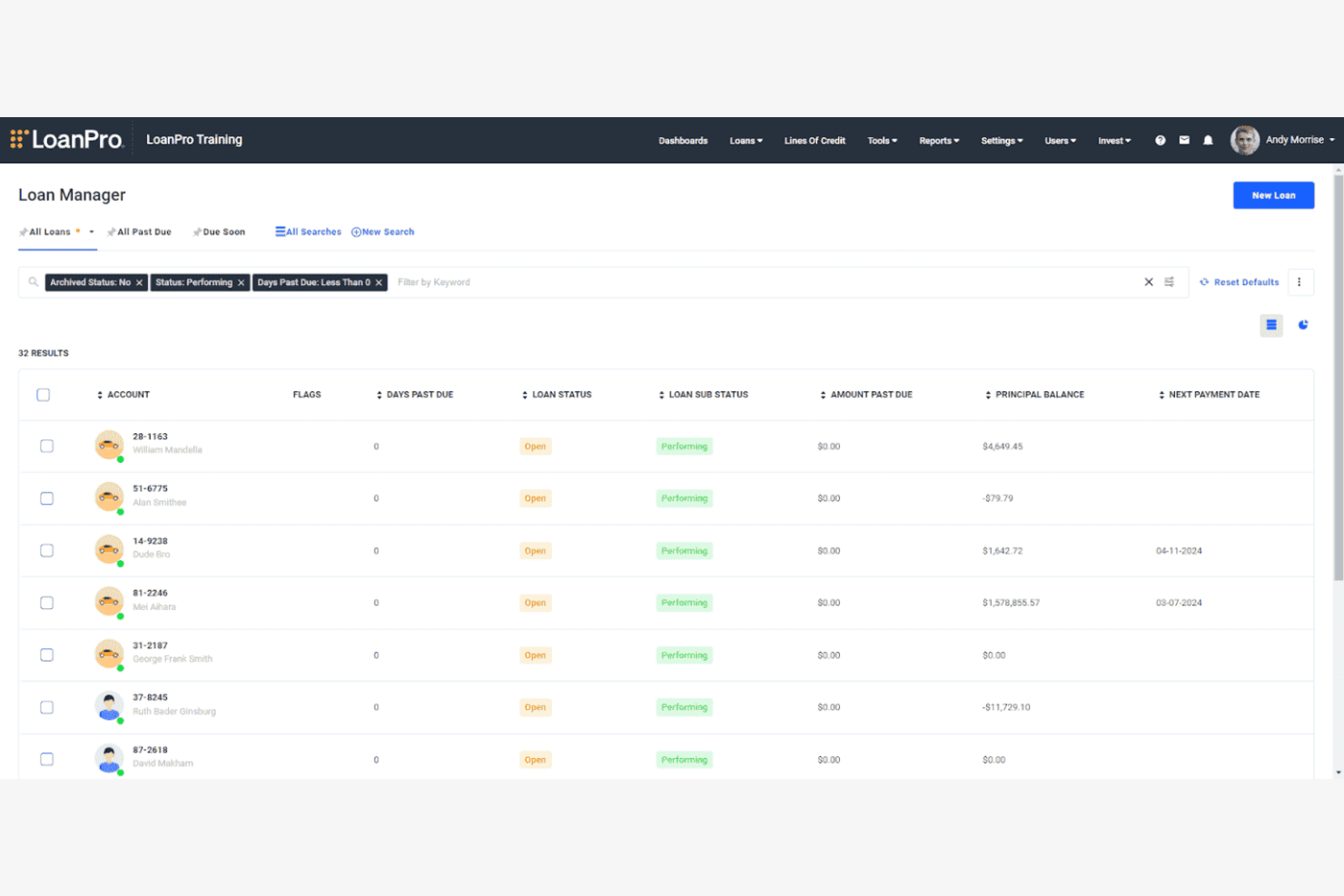
LoanPro is a loan management platform designed for finance teams handling complex portfolios and diverse lending products. It’s a strong fit for lenders who need advanced configuration, granular control, and detailed reporting across multiple loan types. If your business manages intricate loan structures or requires flexible automation, LoanPro addresses those needs with a highly customizable system.
Why I Picked LoanPro
I chose LoanPro because it stands out for managing complex loan portfolios with a high degree of flexibility. The platform offers advanced configuration options, letting you optimize loan terms, payment schedules, and servicing rules to fit a wide range of lending products. I also appreciate its automation engine, which helps you handle intricate workflows and compliance requirements without manual intervention. For teams that need detailed reporting and granular control over every aspect of their portfolio, LoanPro delivers the depth and customization that many other platforms lack.
LoanPro Key Features
Some other features in LoanPro that may interest you include:
- API-First Architecture: Build custom integrations and connect LoanPro with your existing systems using its robust API framework.
- Payment Processing Module: Manage ACH, card, and other payment types directly within the platform for streamlined collections.
- Borrower Portal: Give borrowers self-service access to view balances, make payments, and manage their accounts online.
- Audit Trail Tracking: Maintain a detailed, time-stamped record of all changes and actions for compliance and internal review.
LoanPro Integrations
Integrations include Plaid, Salesforce, HubSpot, QuickBooks, Experian, and AWS.
Pros and Cons
Pros:
- Real-time transaction data
- Flexible payment scheduling
- Excellent automation tools
Cons:
- Requires technical expertise
- Overwhelming for small orgs
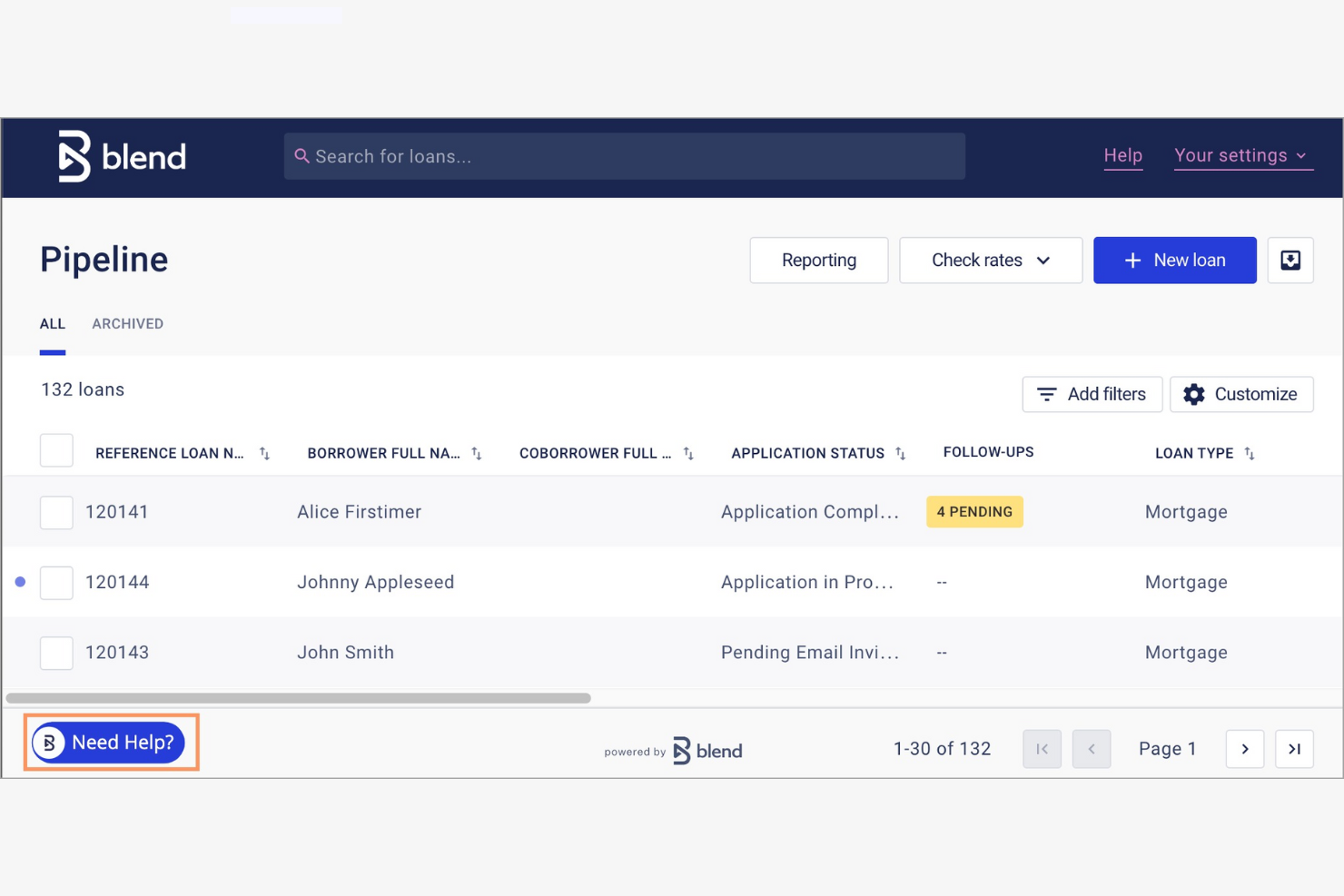
If your lending team wants to deliver a highly personalized digital experience for borrowers, Blend is built for that need. The platform gives banks, credit unions, and mortgage lenders tools to customize every step of the borrower journey, from application to closing. With Blend, you can address challenges around digital engagement, self-service, and borrower communication in one unified solution.
Why I Picked Blend
For lenders who want to stand out with a tailored borrower journey, Blend offers customization options that go beyond standard loan origination systems. I picked Blend because it lets you design branded digital workflows, adjust application flows, and personalize borrower communications at every stage. The platform supports dynamic data collection and real-time status updates, so borrowers always know where they stand. If your team is focused on delivering a modern, engaging experience that adapts to each borrower’s needs, Blend is built to help you do just that.
Blend Key Features
Some other features that make Blend a strong choice for lending teams include:
- Automated Document Collection: Collect and verify borrower documents through secure digital uploads and integrations.
- Mobile-Optimized Borrower Portal: Give borrowers access to applications, status updates, and communication from any device.
- E-signature Capabilities: Enable borrowers to sign disclosures and closing documents electronically within the platform.
- Pre-Built Compliance Workflows: Use templates and automated checks to help ensure regulatory requirements are met throughout the loan process.
Blend Integrations
Integrations include Plaid, CoreLogic, Salesforce, DocuSign, Encompass, and TransUnion.
Pros and Cons
Pros:
- Strong native integrations
- Speeds up application times
- Omnichannel digital lending
Cons:
- Complex enterprise setup
- Relies heavily on external LOS
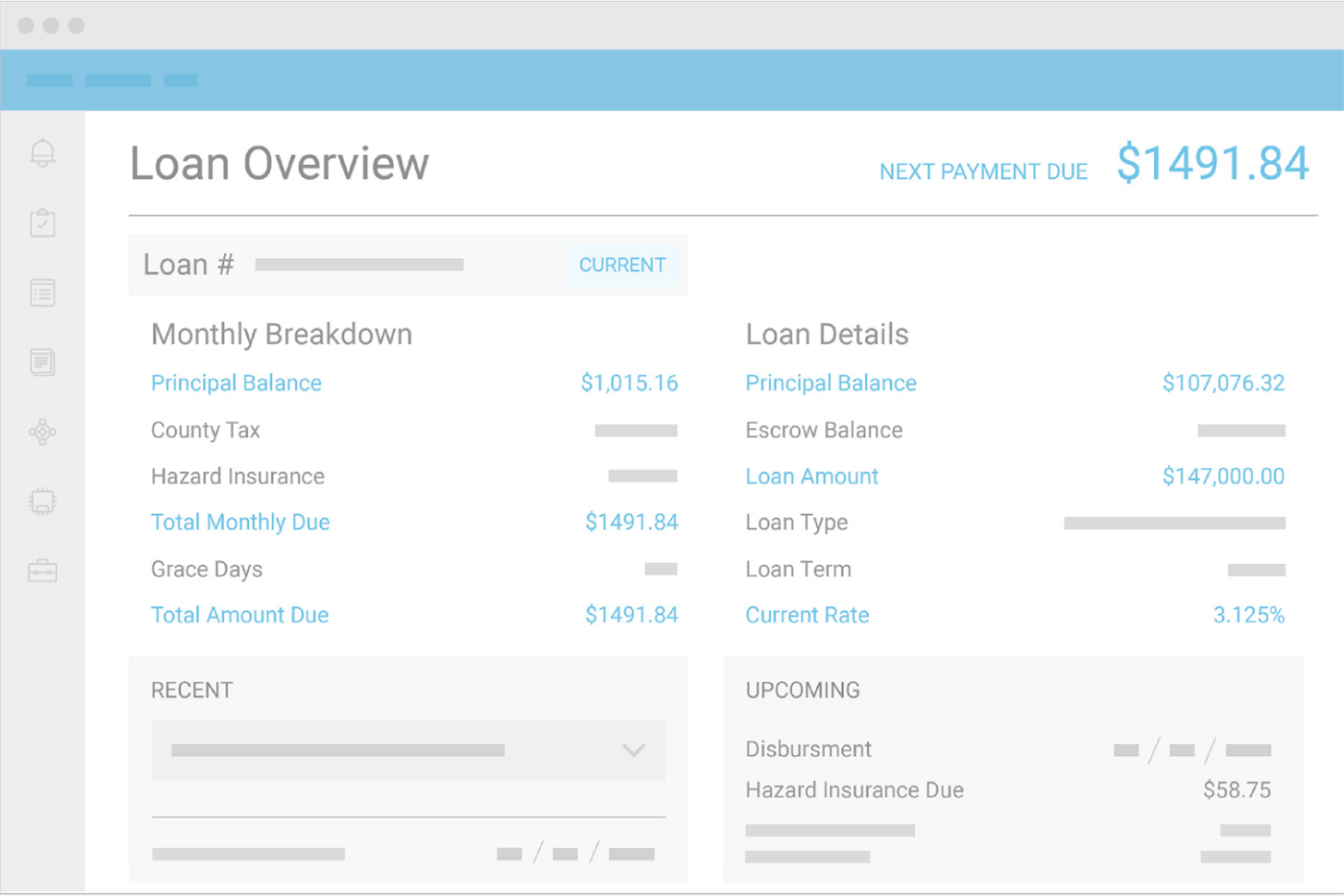
Designed for mortgage lenders and servicers, Mortgagetech streamlines operations for complex mortgage loan processes from origination through closing. The platform is especially useful for organizations handling high loan volumes or seeking to reduce manual intervention in compliance-heavy workflows. With its focus on end-to-end automation, Mortgagetech helps teams simplify document management, data validation, and regulatory reporting.
Why I Picked Mortgagetech
What stands out about Mortgagetech is its deep focus on automating the entire mortgage process, which is a major advantage for lenders dealing with high volumes and strict compliance requirements. The platform offers automated document collection and validation, helping teams reduce manual errors and speed up loan processing. I appreciate that Mortgagetech also includes workflow automation for underwriting and closing, which can help standardize processes and ensure regulatory consistency. For organizations looking to minimize manual touchpoints and improve efficiency in mortgage lending, Mortgagetech delivers targeted automation where it matters most.
Mortgagetech Key Features
Some other features in Mortgagetech that may be valuable for lenders include:
- Integrated Compliance Monitoring: Track regulatory changes and ensure loan files meet current requirements.
- Customizable Reporting Tools: Generate detailed reports on loan status, pipeline, and performance metrics.
- Third-Party Service Integrations: Connect with credit bureaus, appraisal services, and title companies directly from the platform.
- Role-Based Access Controls: Set permissions and access levels for different team members to protect sensitive data.
Mortgagetech Integrations
Integrations include Fannie Mae, Freddie Mac, DocuSign, CoreLogic, Equifax, and Azure.
Pros and Cons
Pros:
- End-to-end mortgage lifecycle
- Comprehensive reporting
- Built-in compliance checks
Cons:
- Expensive for small brokers
- Slow system performance

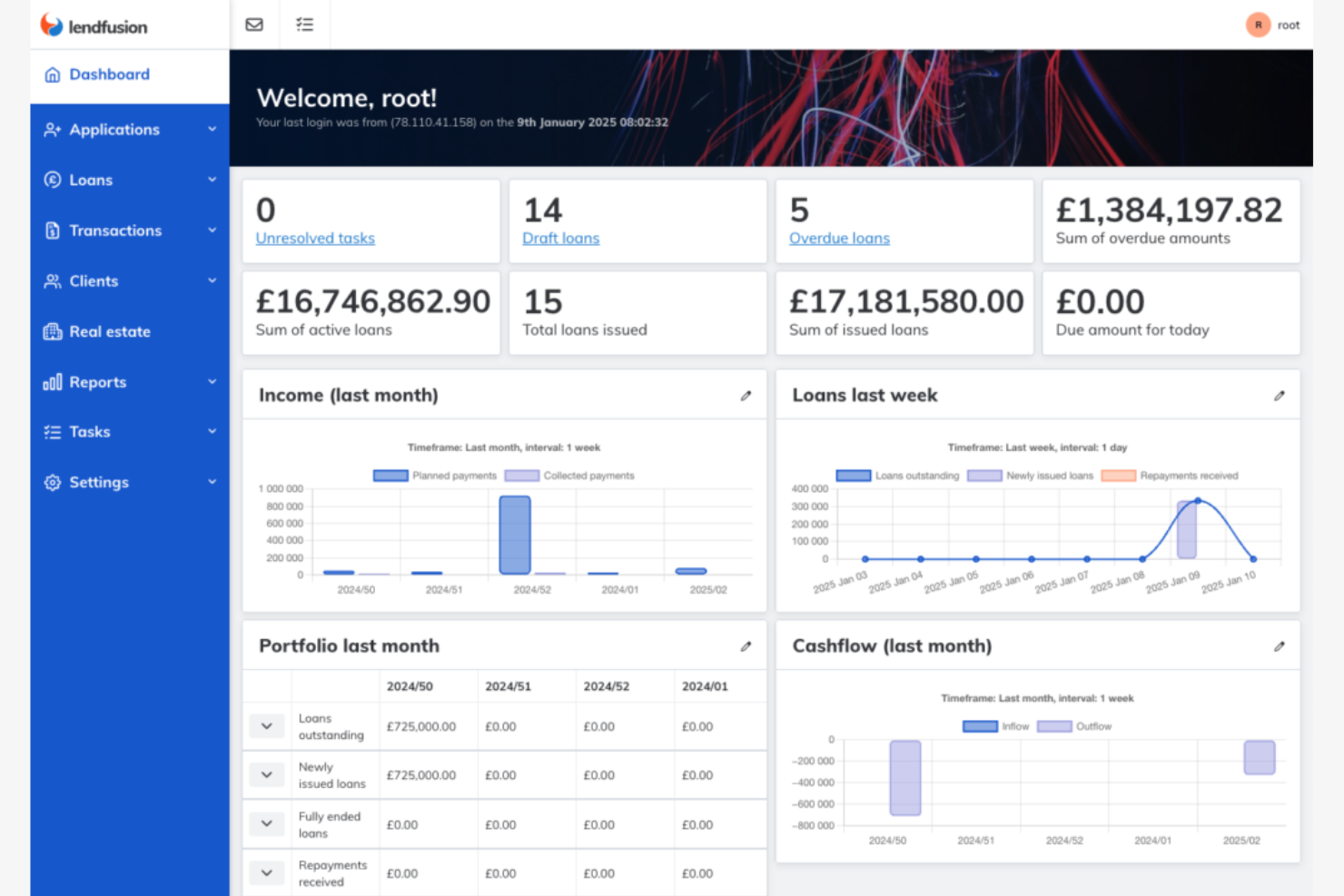
LendFusion is built for lenders who need to manage non-traditional or alternative lending products. The platform supports complex workflows, including payday loans, installment loans, and merchant cash advances, making it a fit for businesses that don’t follow standard lending models. If your team handles diverse loan types or needs flexible automation, LendFusion helps you adapt processes to fit your unique lending requirements.
Why I Picked LendFusion
LendFusion stands out for lenders who need to support alternative lending workflows that go beyond traditional loan products. The platform lets you configure and automate processes for payday loans, merchant cash advances, and other non-standard lending types. I appreciate that LendFusion includes flexible decision engines and customizable repayment schedules, which help you tailor the system to your specific products. For teams managing a mix of lending models, LendFusion offers the adaptability needed to keep operations efficient and compliant.
LendFusion Key Features
Some other features in LendFusion that may interest lenders include:
- Automated Credit Decisioning: Assess borrower eligibility using built-in credit scoring and rules engines.
- Customer Self-Service Portal: Allow borrowers to apply, upload documents, and track loan status online.
- Payment Gateway Integrations: Connect with multiple payment processors for automated collections and disbursements.
- Customizable Reporting Tools: Generate detailed reports on loan performance, collections, and portfolio health.
LendFusion Integrations
Integrations include Experian, Equifax, TransUnion, Twilio, Mailchimp, and Microsoft Azure.
Pros and Cons
Pros:
- Highly automated decisioning
- Strong open banking integration
- Built for alternative lenders
Cons:
- UI can be unintuitive
- Setup requires IT support

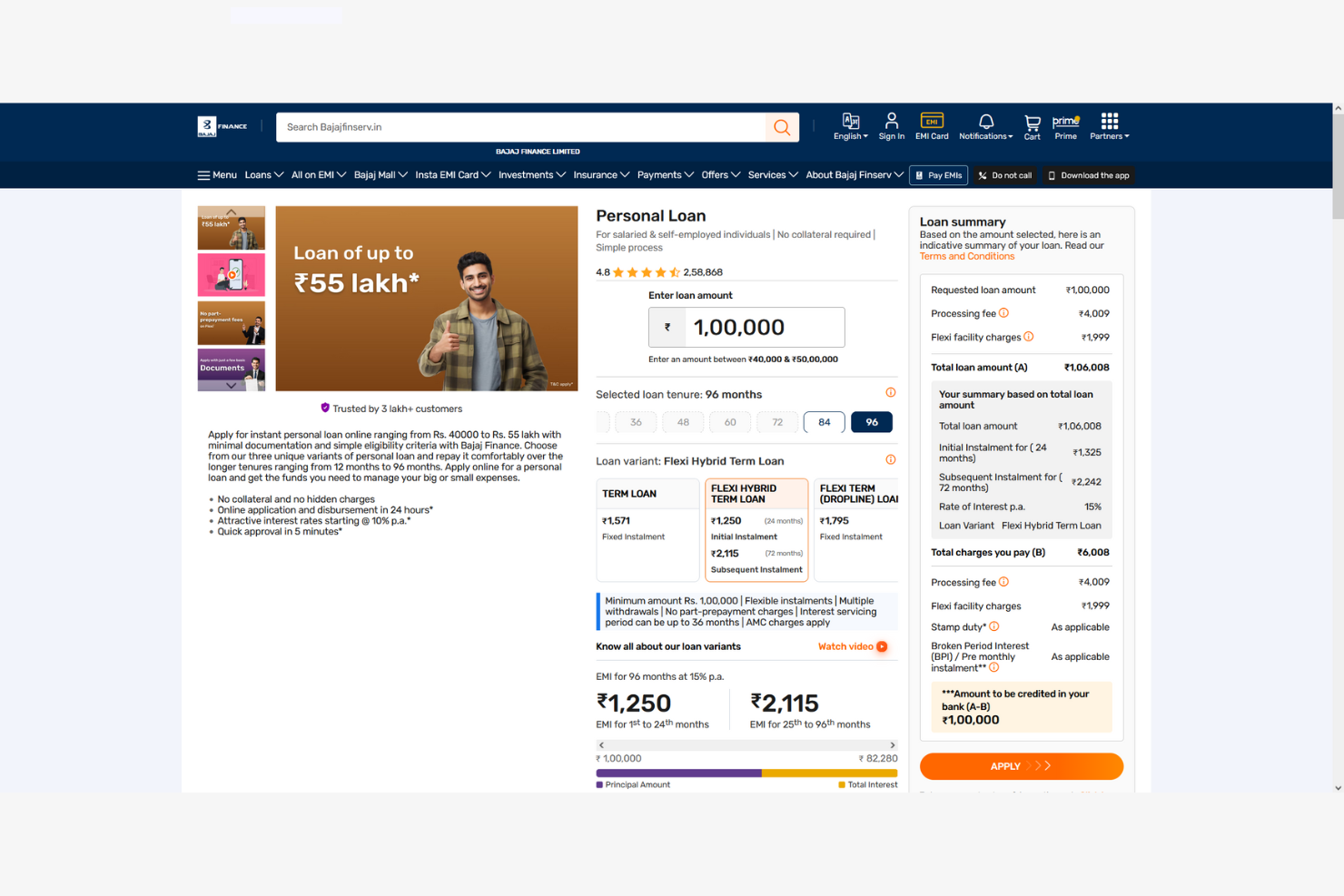
For lenders handling large volumes of consumer loans, Bajaj Finserv offers a platform built to process high application loads with speed and reliability. The system is designed for banks, NBFCs, and financial institutions that need to automate approvals, manage risk, and deliver quick disbursals at scale. Bajaj Finserv helps you keep up with demand while maintaining compliance and operational control.
Why I Picked Bajaj Finserv
What drew me to Bajaj Finserv is its focus on high-volume consumer processing, which is essential for lenders managing thousands of applications daily. The platform’s automated credit decisioning engine helps you process applications quickly while maintaining risk controls. I also appreciate its workflow automation tools, which let you configure approval hierarchies and streamline disbursal processes. For organizations that need to scale up without sacrificing accuracy or compliance, Bajaj Finserv offers the right mix of automation and control.
Bajaj Finserv Key Features
Some other features that make Bajaj Finserv valuable for lending teams include:
- Customer Self-Service Portal: Borrowers can check loan status, download statements, and make payments online.
- Document Verification Tools: Automate the collection and validation of KYC and supporting documents.
- Real-Time Analytics Dashboard: Monitor application volumes, approval rates, and portfolio health with live data.
- SMS and Email Notifications: Send automated updates to applicants and borrowers throughout the loan lifecycle.
Bajaj Finserv Integrations
Integrations include CIBIL, Experian, Equifax, Paytm, BillDesk, and Axis Bank.
Pros and Cons
Pros:
- Wide variety of loan products
- Easy EMI network card access
- Pre-approved loan offers
Cons:
- Strict credit score rules
- Aggressive marketing calls
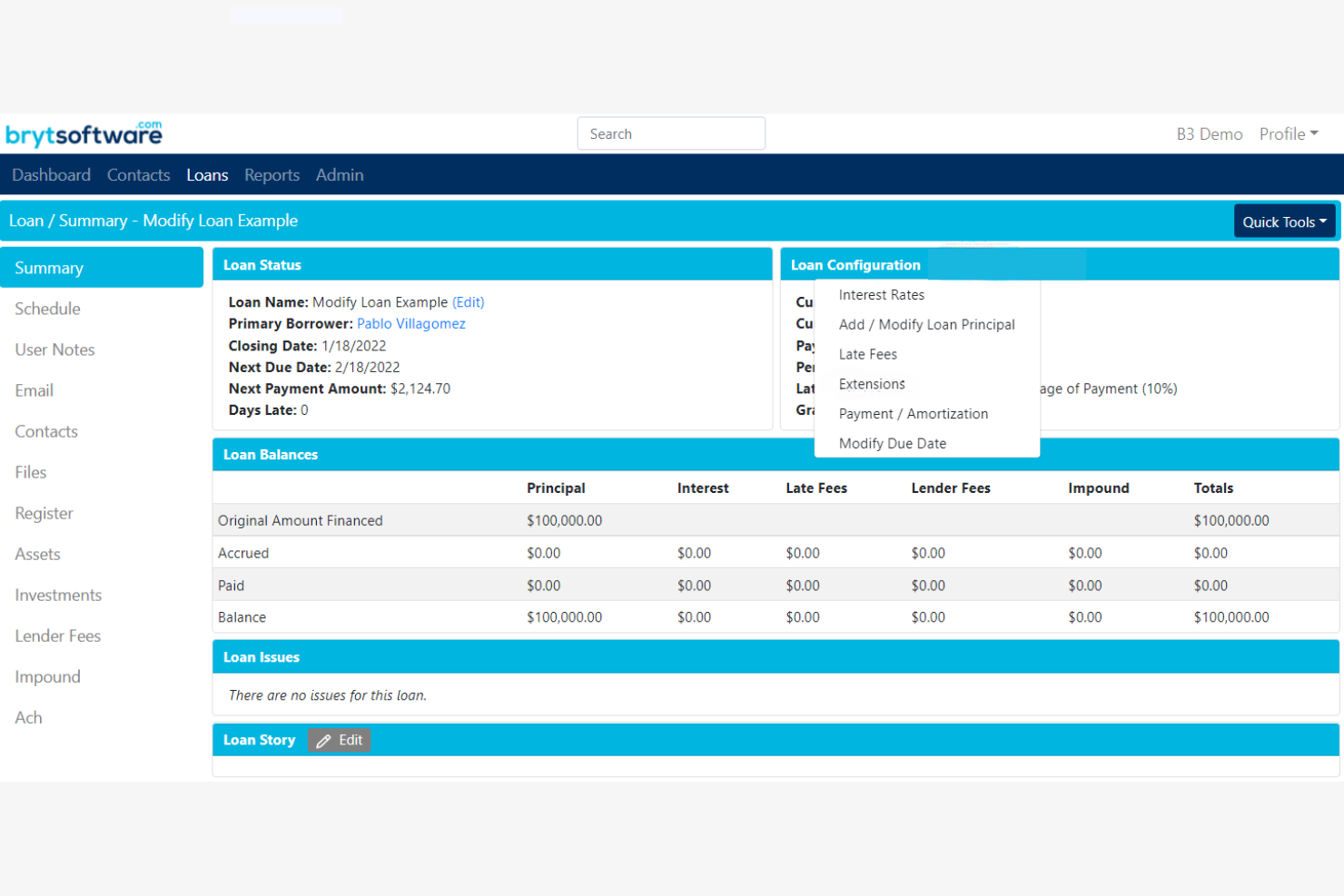
If you’re running a small lending operation and need a system built for your scale, BrytSoftware is designed with you in mind. The platform caters to small businesses and niche lenders who want to manage loans, automate payment schedules, and track borrower activity without unnecessary complexity. BrytSoftware helps you handle the full loan lifecycle while keeping processes straightforward and accessible for lean teams.
Why I Picked BrytSoftware
BrytSoftware stands out for small business lending operations because it’s built to address the unique needs of smaller lenders. I picked BrytSoftware for its ability to automate recurring payment schedules and provide clear borrower tracking, which are essential for managing a growing loan portfolio with limited staff. The platform also offers customizable loan templates, letting you quickly set up new loan products that fit your business model. If you’re looking for a solution that keeps things simple but still covers the full loan lifecycle, BrytSoftware is a strong fit.
BrytSoftware Key Features
Some other features that make BrytSoftware useful for lending teams include:
- Document Management: Store, organize, and retrieve loan documents directly within the platform.
- ACH Payment Processing: Set up and manage automated clearing house payments for borrowers.
- Custom Reporting Tools: Build and export reports on loan performance, payments, and borrower activity.
- Role-Based Access Controls: Assign user permissions to control access to sensitive loan data.
BrytSoftware Integrations
Integrations include QuickBooks, Twilio, Stripe, SendGrid, Plaid, and Microsoft Dynamics.
Pros and Cons
Pros:
- Easy document generation
- Affordable pricing model
- Trust accounting integration
Cons:
- Limited third-party APIs
- Not for traditional mortgages

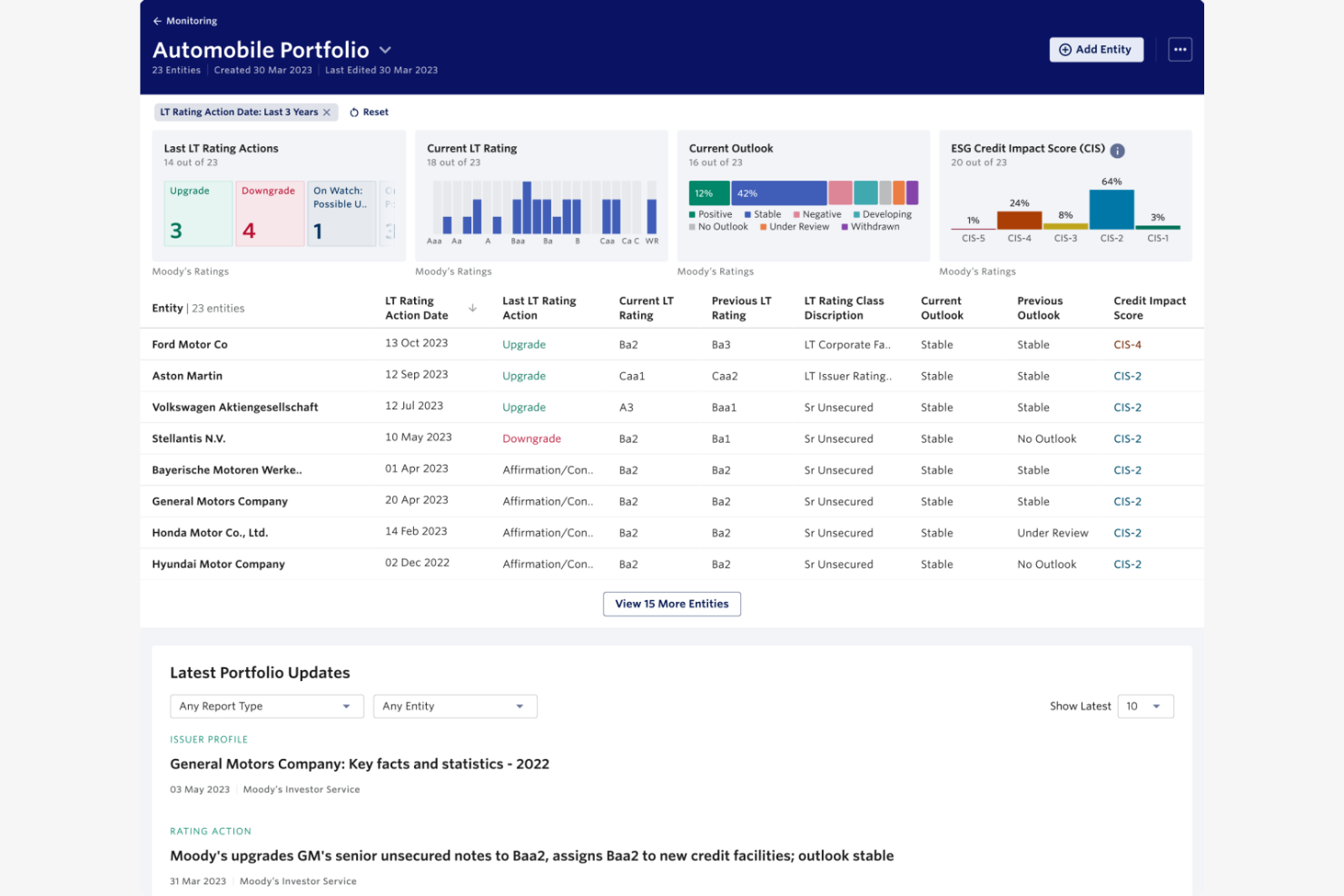
When your lending operations require advanced risk analysis and credit decisioning, Moody’s offers a specialized solution. The platform is designed for banks, credit unions, and financial institutions that need to integrate risk analytics directly into their loan origination and portfolio management workflows. With Moody’s, you can address challenges around regulatory compliance, credit assessment, and real-time risk monitoring in one environment.
Why I Picked Moody's
What sets Moody’s apart is its deep integration of risk analytics into every stage of the lending process. I picked Moody’s because it combines credit risk modeling, automated scoring, and real-time portfolio monitoring in a single platform. The system lets you apply Moody’s proprietary risk data and analytics directly to loan origination, helping you make more informed credit decisions. If your team needs to manage regulatory risk and credit exposure with precision, Moody’s offers specialized tools to support that.
Moody's Key Features
Some other features that make Moody’s valuable for lending teams include:
- Automated Financial Spreading: Convert borrower financial statements into standardized digital formats for analysis.
- Covenant Monitoring Tools: Track and manage loan covenants with automated alerts and reporting.
- Portfolio Stress Testing: Simulate economic scenarios to assess the impact on your loan portfolio.
- Regulatory Reporting Modules: Generate reports that align with current regulatory requirements for lending institutions.
Moody Integrations
Integrations include Salesforce, Microsoft Office, Equifax, Experian, TransUnion, and Bloomberg.
Pros and Cons
Pros:
- Excellent data integration
- Deep commercial lending tools
- Top-tier credit analytics
Cons:
- Overkill for simple loans
- Long deployment process
Other Loan Software
Here are some additional loan software options that didn’t make it onto my shortlist, but are still worth checking out:
- Olyv (SmartCoin)
For mobile-first lending platforms
- HES LoanBox
For rapid deployment needs
- Nortridge
For customizable workflow design
- Able Platform
For API-driven lending integrations


Loan Software Selection Criteria
When selecting the best loan software to include in this list, I considered common buyer needs and pain points like automating loan origination and managing digital borrower communications. I also used the following framework to keep my evaluation structured and fair:
Core Functionality (25% of total score)
To be considered for inclusion in this list, each solution had to fulfill these common use cases:
- Originate and process new loan applications
- Manage borrower records and loan accounts
- Automate payment schedules and collections
- Generate compliance and regulatory reports
- Track loan performance and portfolio analytics
Additional Standout Features (25% of total score)
To help further narrow down the competition, I also looked for unique features, such as:
- Mobile-first borrower onboarding
- Automated credit decisioning engines
- Digital KYC and e-signature workflows
- Customizable loan product configuration
- Real-time borrower notifications
Usability (10% of total score)
To get a sense of the usability of each system, I considered the following:
- Simple and intuitive user interface
- Clear navigation and logical workflow design
- Minimal manual data entry required
- Responsive design for mobile and desktop
- Customizable dashboards and views
Onboarding (10% of total score)
To evaluate the onboarding experience for each platform, I considered the following:
- Availability of step-by-step product tours
- Access to training videos and documentation
- Pre-built templates for common loan types
- Live chat or chatbot onboarding support
- Webinars or onboarding workshops
Customer Support (10% of total score)
To assess each software provider’s customer support services, I considered the following:
- Multiple support channels including chat, email, and phone
- Fast response times for support requests
- Access to a searchable knowledge base
- Availability of dedicated account managers
- Community forums or user groups
Value For Money (10% of total score)
To evaluate the value for money of each platform, I considered the following:
- Transparent and predictable pricing structure
- Flexible plans for different business sizes
- No hidden fees or surprise charges
- Free trial or demo availability
- Features included at each pricing tier
Customer Reviews (10% of total score)
To get a sense of overall customer satisfaction, I considered the following when reading customer reviews:
- Positive feedback on reliability and uptime
- Reports of responsive customer support
- User satisfaction with feature set
- Comments on ease of implementation
- Feedback on integration capabilities
How to Choose Loan Software
It’s easy to get bogged down in long feature lists and complex pricing structures. To help you stay focused as you work through your unique software selection process, here’s a checklist of factors to keep in mind:
| Factor | What to Consider |
|---|---|
| Scalability | Will the software handle your projected loan volume growth and new product launches over time? |
| Integrations | Does the tool connect natively to your core banking, CRM, accounting, and payment systems? |
| Customizability | Can you tailor workflows, loan products, and approval rules to match your business processes? |
| Ease of use | Will your team and borrowers find the interface intuitive, or will it require extensive training? |
| Implementation and onboarding | How long will it take to migrate data, configure workflows, and get your team up and running? |
| Cost | Are all fees, licensing, and support costs clear and within your budget for both now and future? |
| Security safeguards | Does the software offer encryption, access controls, and audit trails to protect sensitive data? |
| Compliance requirements | Can the platform support your regulatory reporting, KYC, and audit needs in all relevant markets? |
What Is Loan Software?
Loan software is a digital platform that helps financial institutions and lenders manage the entire loan lifecycle, from application and underwriting to disbursement, servicing, and collections. These systems automate key processes, maintain borrower records, and support compliance with regulatory requirements. Loan software is essential for improving accuracy, reducing manual work, and providing a better experience for both lenders and borrowers.
Features
When selecting loan software, keep an eye out for the following key features:
- Loan origination: Supports digital application intake, document collection, and initial borrower screening to start the lending process.
- Automated underwriting: Applies rule-based or scorecard logic to assess borrower risk and make credit decisions.
- Payment scheduling: Manages repayment calendars, calculates due dates, and automates reminders for borrowers.
- Collections management: Tracks overdue accounts, automates follow-ups, and records repayment activity for delinquent loans.
- Compliance reporting: Generates regulatory and audit-ready reports to help meet local and international lending requirements.
- Borrower portal: Provides borrowers with a secure online space to view loan details, make payments, and upload documents.
- Document management: Stores, organizes, and retrieves digital copies of loan agreements, KYC forms, and supporting files.
- Customizable loan products: Allows configuration of loan types, terms, interest rates, and repayment structures to fit different needs.
- Role-based access controls: Restricts user permissions based on job function to protect sensitive financial and personal data.
Common Loan Software AI Features
Beyond the standard loan software features listed above, many of these solutions are incorporating AI with features like:
- Predictive risk scoring: Uses machine learning models to analyze borrower data and predict the likelihood of default, helping lenders make more informed credit decisions.
- Fraud detection: Continuously monitors application and transaction data to identify suspicious patterns or anomalies that may indicate fraudulent activity.
- Automated document recognition: Applies AI-powered optical character recognition (OCR) to extract and validate information from uploaded documents, reducing manual data entry.
- Chatbots for borrower support: Provides AI-driven virtual assistants that answer borrower questions, guide users through applications, and resolve common issues in real time.
- Portfolio performance forecasting: Leverages AI to analyze historical loan data and market trends, generating forecasts for portfolio health and potential losses.
Benefits
Implementing loan software provides several benefits for your team and your business. Here are a few you can look forward to:
- Faster loan processing: Automated workflows and digital document management reduce manual steps and speed up approvals.
- Improved compliance: Built-in reporting and audit trails help your team meet regulatory requirements and reduce risk.
- Enhanced borrower experience: Borrower portals and real-time notifications keep applicants informed and engaged throughout the process.
- Better risk management: Automated underwriting and predictive analytics support more accurate credit decisions and portfolio oversight.
- Increased operational efficiency: Centralized data, payment scheduling, and collections tools help your team handle higher volumes with fewer errors.
- Greater data security: Role-based access controls and secure document storage protect sensitive borrower and financial information.
- Scalability for growth: Configurable loan products and integration options allow your business to expand offerings and handle more loans as you grow.
Costs & Pricing
Selecting loan software requires an understanding of the various pricing models and plans available. Costs vary based on features, team size, add-ons, and more. The table below summarizes common plans, their average prices, and typical features included in loan software solutions:
Plan Comparison Table for Loan Software
| Plan Type | Average Price | Common Features |
|---|---|---|
| Free Plan | $0 | Basic loan origination, limited borrower records, simple reporting, and email support. |
| Personal Plan | $50-$100/user/month | Digital application intake, payment scheduling, document storage, and basic compliance tools. |
| Business Plan | $130-$500/user/month | Automated underwriting, customizable loan products, borrower portal, integrations, and audit trails. |
| Enterprise Plan | $3000+/month | Advanced analytics, AI-powered features, dedicated account management, custom workflows, and SLAs. |
Loan Software FAQs
Here are some answers to common questions about loan software:
How long does it take to implement loan software?
Implementation timelines vary, but most teams can expect a process of 2 to 12 weeks. Factors include data migration needs, workflow complexity, and the level of customization required. Cloud-based solutions with pre-built templates usually offer the fastest setup.
Can loan software integrate with my existing accounting or CRM systems?
Yes, most modern loan software platforms offer integrations with popular accounting, CRM, and core banking systems. Always confirm compatibility with your current tech stack and check if integrations are native, require middleware, or need custom development.
What security measures should I look for in loan software?
Look for features like data encryption, role-based access controls, audit logs, and regular security updates. These safeguards help protect sensitive borrower and financial data from unauthorized access and support compliance with industry regulations.
How does loan software help with regulatory compliance?
Loan software automates compliance tasks by generating required reports, maintaining audit trails, and supporting KYC and AML checks. This reduces manual work and helps your team stay up to date with changing regulations.
Is it possible to customize loan products and workflows?
Yes, most loan software allows you to configure loan types, terms, approval rules, and workflows. This flexibility helps you match the system to your business processes and adapt as your lending strategy evolves.