

SAP Ariba Spend Management Review For 2026
SAP Ariba empowers your procurement process with comprehensive spend management features, offering unmatched integration and visibility across your supply chain.

We review tools independently, and commissions help fund our testing. See our transparency policy, our methodology, or suggest a tool.
SAP Ariba is a spend management software built for enterprises managing complex procurement, sourcing, supplier relationships, and contract workflows at scale. I'd mainly look at it if your organization runs on SAP ERP or if supplier network reach is a deciding factor. On that front, Ariba has a clear edge over Coupa—the Ariba Network connects buyers to millions of suppliers globally, giving it a depth Coupa's network can't match.
SAP Ariba Evaluation Summary
3.9/5
- Pricing upon request
- Free demo available
Why Trust Our Software Recommendations
6,700+
Reviews
20
Industry experts
16+
Evaluation factors
14
Years
Our team has been testing and reviewing software since 2012. As finance leaders ourselves, we know how difficult—and important—it is to choose the right software.
For this guide, we evaluated tools using hands-on testing and independent research, scoring tools using our selection criteria.
Our reviews reflect our human editorial judgment, not a sales pitch.
SAP Ariba Overview
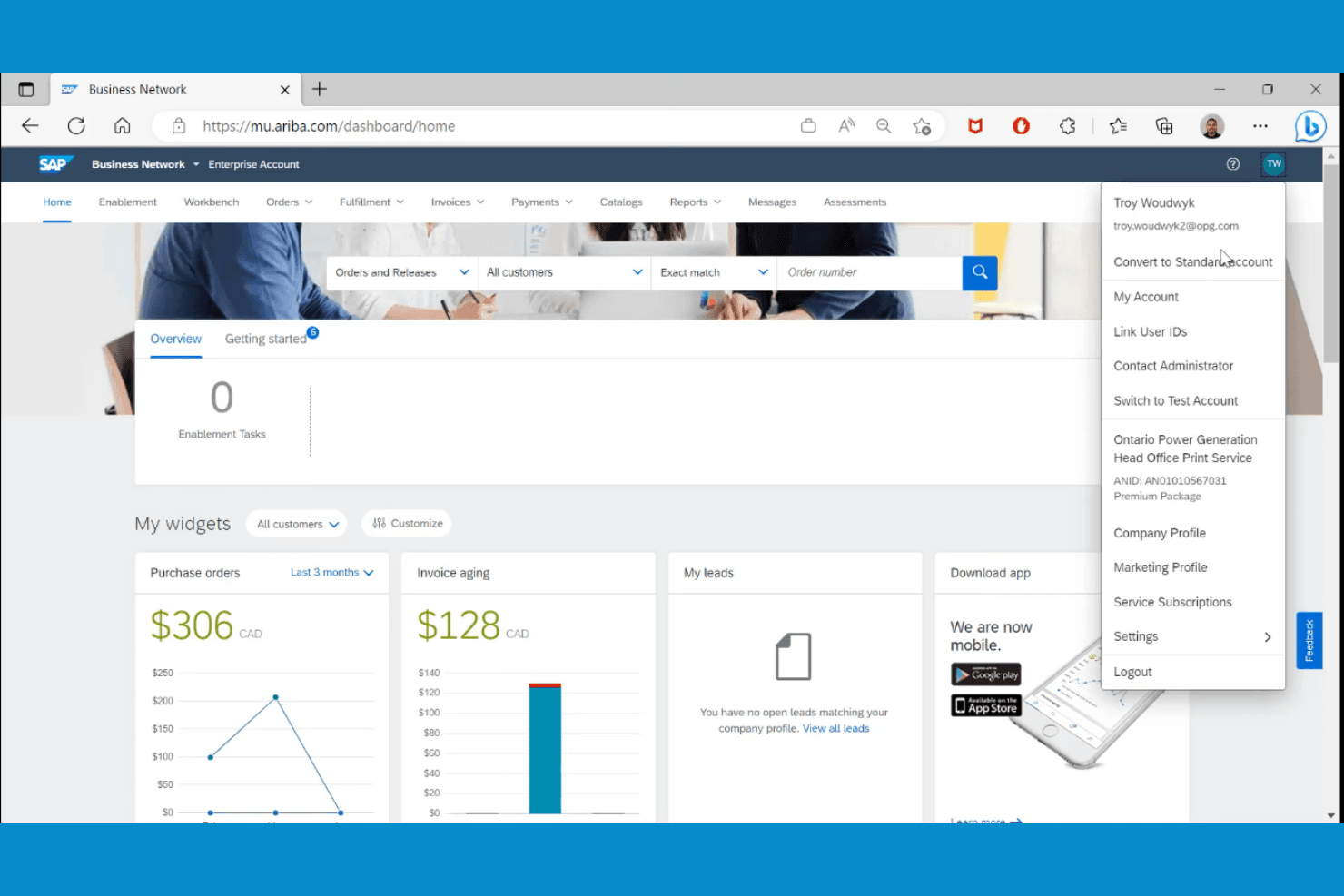
SAP Ariba is a valuable spend management software that excels in providing detailed procurement solutions and modules. Compared to competitors, SAP Ariba stands out for its integration capabilities with other native SAP products and extensive supplier network. This makes it a great choice for large enterprises dealing with complex supply chains.
While its onboarding process can be a bit daunting, the value it offers in terms of strategic sourcing and supplier management is significant and well worth the learning curve. Overall, it’s best suited for companies that require strong supplier collaboration and global procurement operations.
Pros
- You gain access to a vast network of suppliers for better end-to-end sourcing opportunities.
- Your team can automate procurement processes, saving time and reducing errors.
- The platform offers advanced analytics for smarter spending decisions.
Cons
- You might find the user interface less intuitive compared to other tools.
- Your team could face a steep learning curve during the onboarding process.
- Customization options may be limited, affecting specific business needs.
Is SAP Ariba Right For Your Needs?
Who Would be a Good Fit for SAP Ariba?
SAP Ariba is perfect for large enterprises and industries like manufacturing and retail that manage complex supply chains. If your business deals with extensive supplier networks, you'll benefit the most from its next-level sourcing and procurement capabilities.
The software’s focus on procurement and supply chain management, as well as its ability to connect with a vast supplier network, makes it a strong choice for businesses aiming to optimize procurement and strengthen supplier relationships.
- Large EnterprisesSAP Ariba supports complex procurement needs with its advanced supplier/provider network and detailed analytics.
- Manufacturing IndustryThe software helps streamline your supply chain operations, ensuring timely sourcing, approval workflows, and procurement.
- Financial PlanningYour team can access real-time spend visibility and contract compliance tools to ensure accurate budgeting and forecasting operations.
- Procurement DepartmentsIt automates your purchasing processes, freeing up resources for strategic decision-making.
- Supply Chain ManagementSAP Ariba offers visibility into your supply chain, helping you optimize sourcing and supplier collaboration.
- Strategic Sourcing TeamsYou gain powerful tools for supplier evaluation and negotiation, enhancing your sourcing strategies.
Who Would be a Bad Fit for SAP Ariba?
Small businesses and startups might struggle with SAP Ariba due to its complexity and resource demands. If your team is small or you lack a dedicated procurement department, the software's extensive features might be overwhelming and unnecessary.
Similarly, businesses with straightforward purchasing processes may find SAP Ariba's capabilities excessive and its learning curve steep. For companies that don't require deep supplier networks or advanced analytics, simpler and more cost-effective solutions could be more appropriate.
- Small BusinessesSAP Ariba's advanced features might be overkill for your straightforward procurement needs.
- StartupsThe software's complexity and resource demands may not align with your limited team and budget.
- Simple ProcurementIf your purchasing process is basic, you won't need SAP Ariba's extensive functionalities.
- Limited IT ResourcesWithout a dedicated IT team, implementing and maintaining SAP Ariba could be challenging.
- Independent ContractorsYou likely don't need a robust system like SAP Ariba for managing minimal supplier interactions.
- Non-Procurement DepartmentsTeams without procurement responsibilities may find little use for SAP Ariba's specialized features.
How We Test & Score Tools
We’ve spent years building, refining, and improving our software testing and scoring system. The rubric is designed to capture the nuances of software selection and what makes a tool effective, focusing on critical aspects of the decision-making process.
Below, you can see exactly how our testing and scoring works across seven criteria. It allows us to provide an unbiased evaluation of the software based on core functionality, standout features, ease of use, onboarding, customer support, integrations, customer reviews, and value for money.
Core Functionality (25% of final scoring)
The starting point of our evaluation is always the core functionality of the tool. Does it have the basic features and functions that a user would expect to see? Are any of those core features locked to higher-tiered pricing plans? At its core, we expect a tool to stand up against the baseline capabilities of its competitors.
Standout Features (25% of final scoring)
Next, we evaluate uncommon standout features that go above and beyond the core functionality typically found in tools of its kind. A high score reflects specialized or unique features that make the product faster, more efficient, or offer additional value to the user.
We also evaluate how easy it is to integrate with other tools typically found in the tech stack to expand the functionality and utility of the software. Tools offering plentiful native integrations, 3rd party connections, and API access to build custom integrations score best.
Ease of Use (10% of final scoring)
We consider how quick and easy it is to execute the tasks defined in the core functionality using the tool. High scoring software is well designed, intuitive to use, offers mobile apps, provides templates, and makes relatively complex tasks seem simple.
Onboarding (10% of final scoring)
We know how important rapid team adoption is for a new platform, so we evaluate how easy it is to learn and use a tool with minimal training. We evaluate how quickly a team member can get set up and start using the tool with no experience. High scoring solutions indicate little or no support is required.
Customer Support (10% of final scoring)
We review how quick and easy it is to get unstuck and find help by phone, live chat, or knowledge base. Tools and companies that provide real-time support score best, while chatbots score worst.
Customer Reviews (10% of final scoring)
Beyond our own testing and evaluation, we consider the net promoter score from current and past customers. We review their likelihood, given the option, to choose the tool again for the core functionality. A high scoring software reflects a high net promoter score from current or past customers.
Value for Money (10% of final scoring)
Lastly, in consideration of all the other criteria, we review the average price of entry level plans against the core features and consider the value of the other evaluation criteria. Software that delivers more, for less, will score higher.
Core Features
Supplier Management: Effectively assess supplier performance and ensure compliance with procurement standards to strengthen relationships and enhance collaboration and communication.
Procurement Automation: SAP Ariba automates your purchasing processes to save time and minimize manual errors. This helps with streamlining requisitions, orders, and approvals for more efficient procurement.
Spend Analysis: You gain valuable insights into spending patterns through detailed analytics and reporting, helping you uncover cost-saving opportunities and make more informed financial decisions.
Contract Management: Easily create, manage, and track contracts within the platform, ensuring compliance and reducing risk through centralized contract data management.
Invoice Management: Streamline your invoicing process and boost accuracy with automated invoice matching. This helps quickly resolve discrepancies and ensure timely payments.
Catalog Management: Keep your product catalog organized and up to date, making it easy for your team to search, compare, and select the best-value options.
Ease of Use
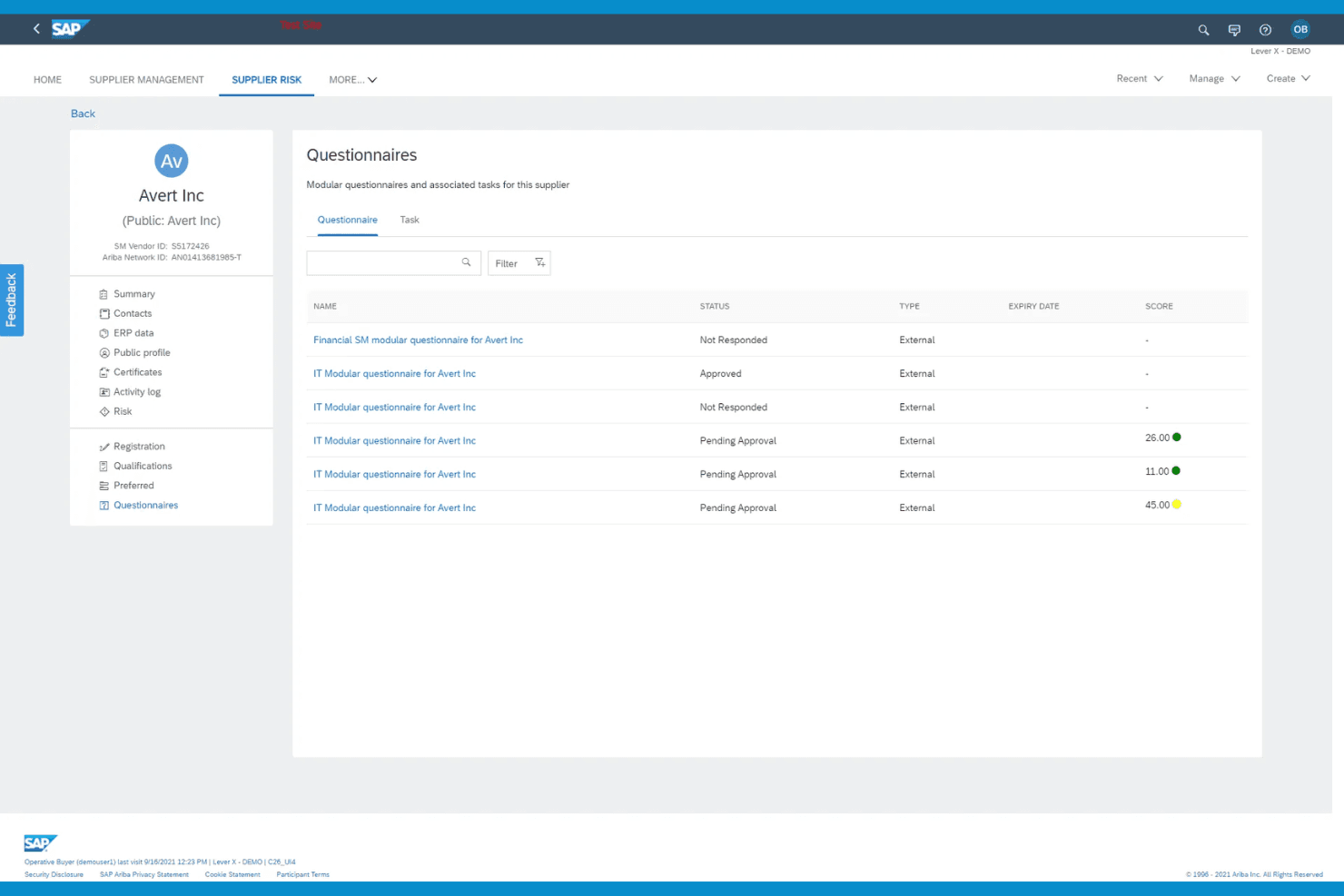
SAP Ariba can feel overwhelming at first due to its extensive features and complex interface. While its capabilities are strong, the user experience might not be as intuitive as some would like.
Your team may face a steep learning curve, especially if they're not used to such advanced and detailed systems. However, once you’re familiar, the powerful procurement tools and efficiencies it brings to your workflow will typically outweigh the initial learning curve.
Integrations
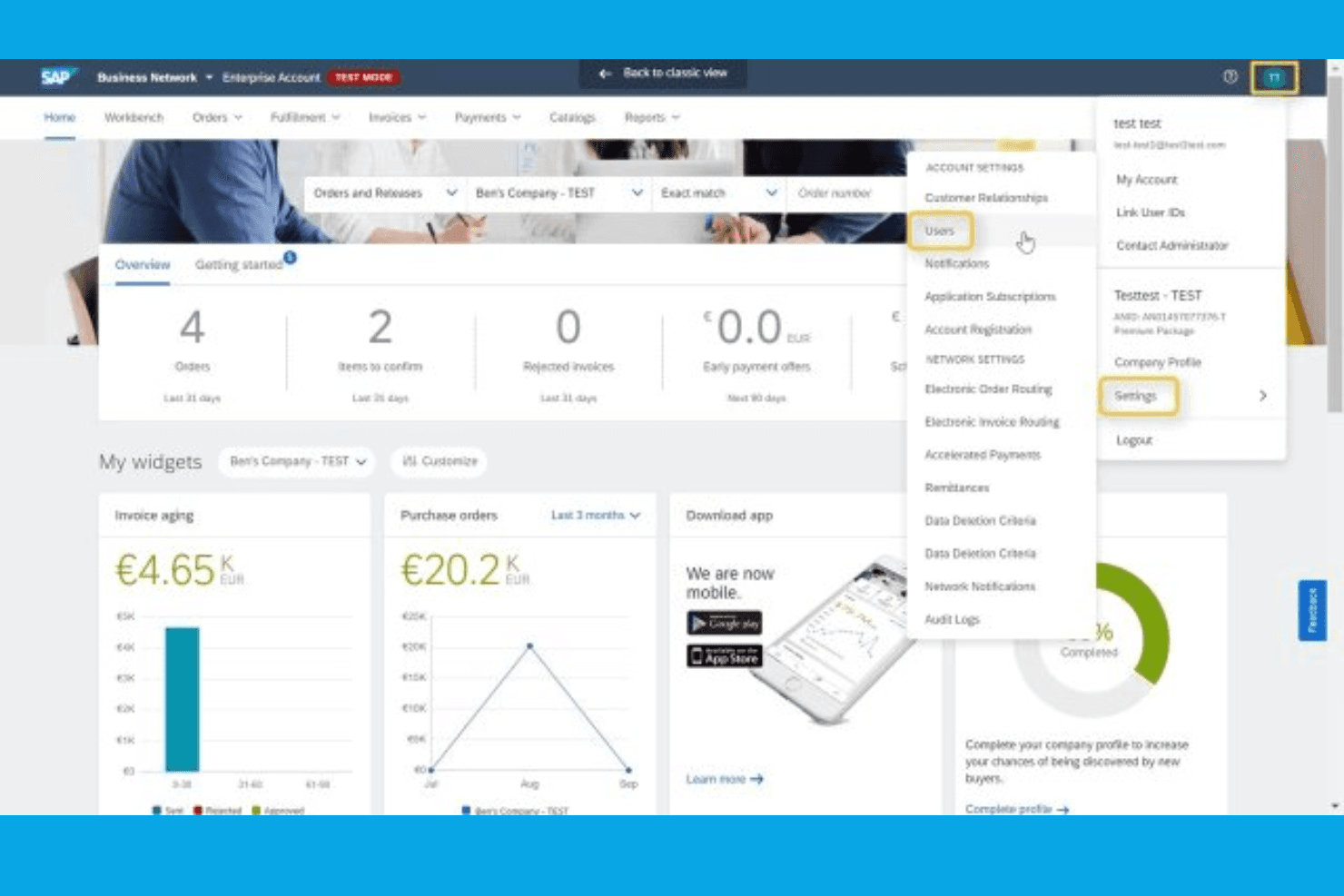
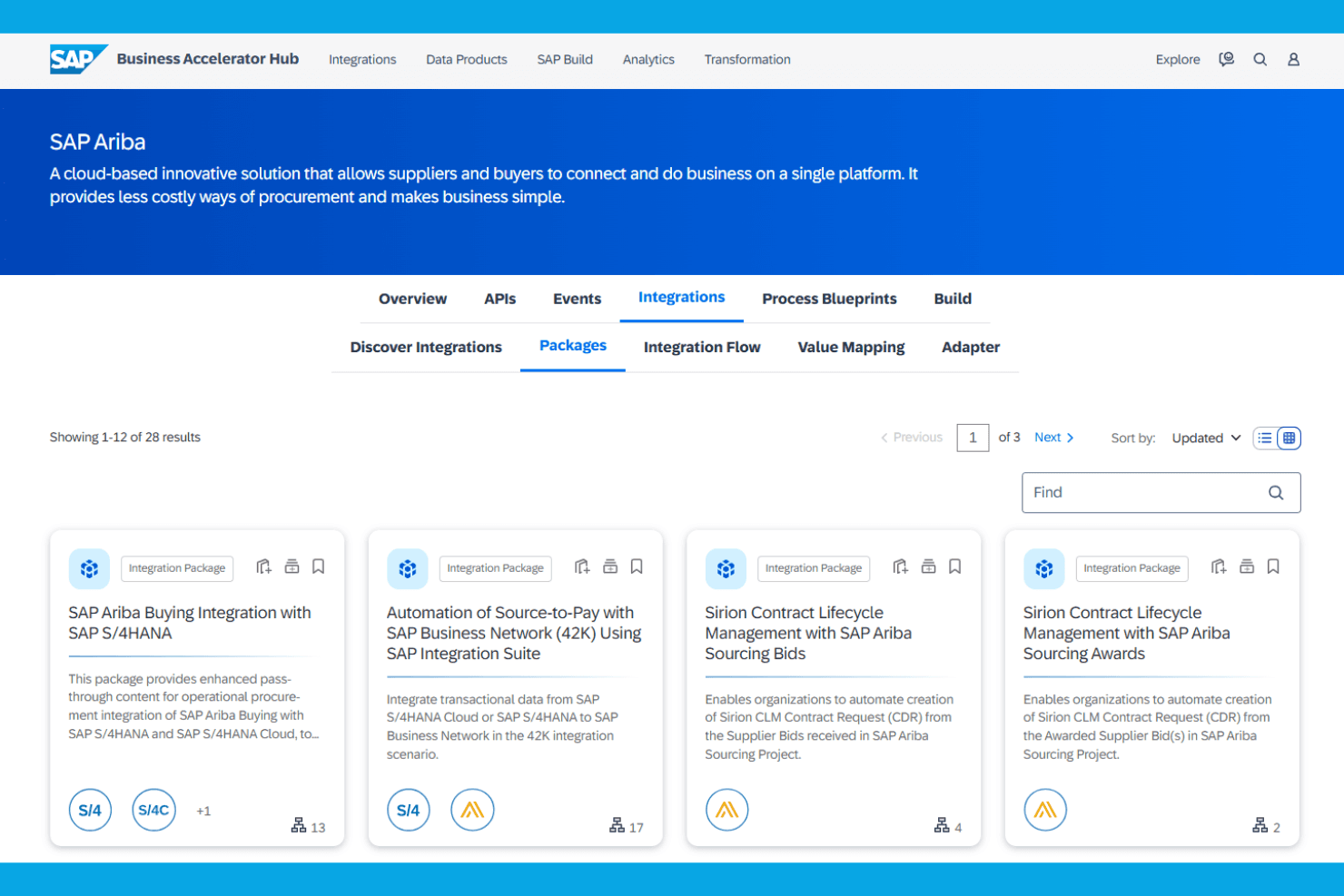
SAP Ariba integrates natively with SAP S/4HANA and other SAP procurement options, providing seamless source-to-pay and purchaser-supplier collaboration through the SAP Business Network.
SAP Ariba also includes open APIs and adapters, enabling integration with third-party systems and middleware.
SAP Ariba Specs
- Accounts Payable: No
- API: Yes
- Approval Workflows: No
- Audit Trail: No
- Billing/Invoicing: No
- Budgeting: No
- Compliance Tracking: No
- Contract Management: No
- Data Export: Yes
- Data Import: No
- Expense Tracking: No
- External Integrations: Yes
- Inventory Tracking: No
- Multi-Currency: No
- Multi-User: Yes
- Notifications: Yes
- Order Management: Yes
- Product Catalog: No
- Purchase Orders: No
- SAP Integration: Yes
- Shipping Management: No
- Supplier Management: Yes
Alternatives to SAP Ariba


SAP Ariba FAQs
What's Next?
Ready to compound your abilities as a finance professional? Subscribe to our free newsletter for expert advice, guides, and insights from finance leaders shaping the tech industry.