

Los 10 mejores programas de contabilidad para equipos analizados en 2026

Mejores programas de contabilidad para equipos: selección


Los programas de contabilidad para equipos están diseñados para facilitar la gestión financiera colaborativa, ya que permiten que varios usuarios, como responsables de control financiero, contables y directores financieros, accedan a los libros contables, los actualicen y los gestionen simultáneamente.
Como experta en software digital con experiencia en gestión financiera, he comprobado de primera mano cómo la plataforma de contabilidad adecuada puede transformar la productividad de un equipo. Gracias a los permisos de usuario personalizados, los flujos de trabajo automatizados y las funciones de colaboración fluidas, las mejores herramientas permiten a los equipos gestionar responsabilidades compartidas, como la facturación, la conciliación y los informes para clientes, con claridad y control, independientemente de su tamaño o ubicación.
Para ayudarte a encontrar las soluciones más eficaces, he dedicado horas a probar y analizar los principales programas de contabilidad para equipos. Tanto si trabajas en la oficina como a distancia, estas opciones te ayudarán a mejorar la colaboración, la comunicación y el control en cualquier entorno.
Por qué confiar en nuestras recomendaciones de software
Nuestras reseñas reflejan nuestro criterio independiente, no un discurso de ventas. Descubra cómo mantenemos la transparencia.
Para esta guía, evaluamos las herramientas mediante pruebas prácticas e investigación independiente, puntuando las herramientas según nuestros criterios de selección.
Nuestras reseñas reflejan nuestro criterio editorial humano, no un discurso de ventas.
Tabla comparativa de programas de contabilidad para equipos
Este es un resumen rápido de los precios y la información sobre las pruebas de mis principales opciones de programas de contabilidad para equipos:
| Tool | Best For | Trial Info | Price | ||
|---|---|---|---|---|---|
| 1 | Ideal para acceso en la nube multiusuario | Demostración gratuita disponible | Precio a consultar | Website | |
| 2 | Mejor para extracción automática de datos de facturas | Demostración gratuita disponible | Precio a consultar | Website | |
| 3 | Ideal para contabilidad automatizada y soporte fiscal | Prueba gratuita de 30 días | Desde $30/mes | Website | |
| 4 | Ideal para colaboración en tiempo real con contadores | Prueba gratuita de 30 días disponible | Desde $2.50/mes | Website | |
| 5 | Mejor para herramientas gratuitas de gestión financiera para pequeñas empresas | Plan gratuito disponible | Desde $19/mes | Website | |
| 6 | Ideal para contabilidad integrada y CRM | Plan gratuito + demo gratuita disponible | Desde $15/mes (facturación anual) | Website | |
| 7 | Ideal para visibilidad financiera en tiempo real | Demo gratuita disponible | Precio a consultar | Website | |
| 8 | Ideal para la gestión financiera escalable | Visita guiada gratuita disponible | Precio a consultar | Website | |
| 9 | Ideal para planificación fiscal avanzada y cumplimiento | Not available | Precios a consultar | Website | |
| 10 | Ideal para informes precisos | Demo gratuita disponible | Precio a consultar | Website |
Análisis de los mejores programas de contabilidad para equipos
A continuación encontrarás mis análisis de los mejores programas de contabilidad para equipos que necesitan colaboración en tiempo real, acceso basado en roles y seguimiento de flujos de trabajo. Incluyen funciones clave, ventajas y desventajas e integraciones, para que puedas encontrar el que facilite el trabajo en equipo y agilice la contabilidad.

Ideal para acceso en la nube multiusuario
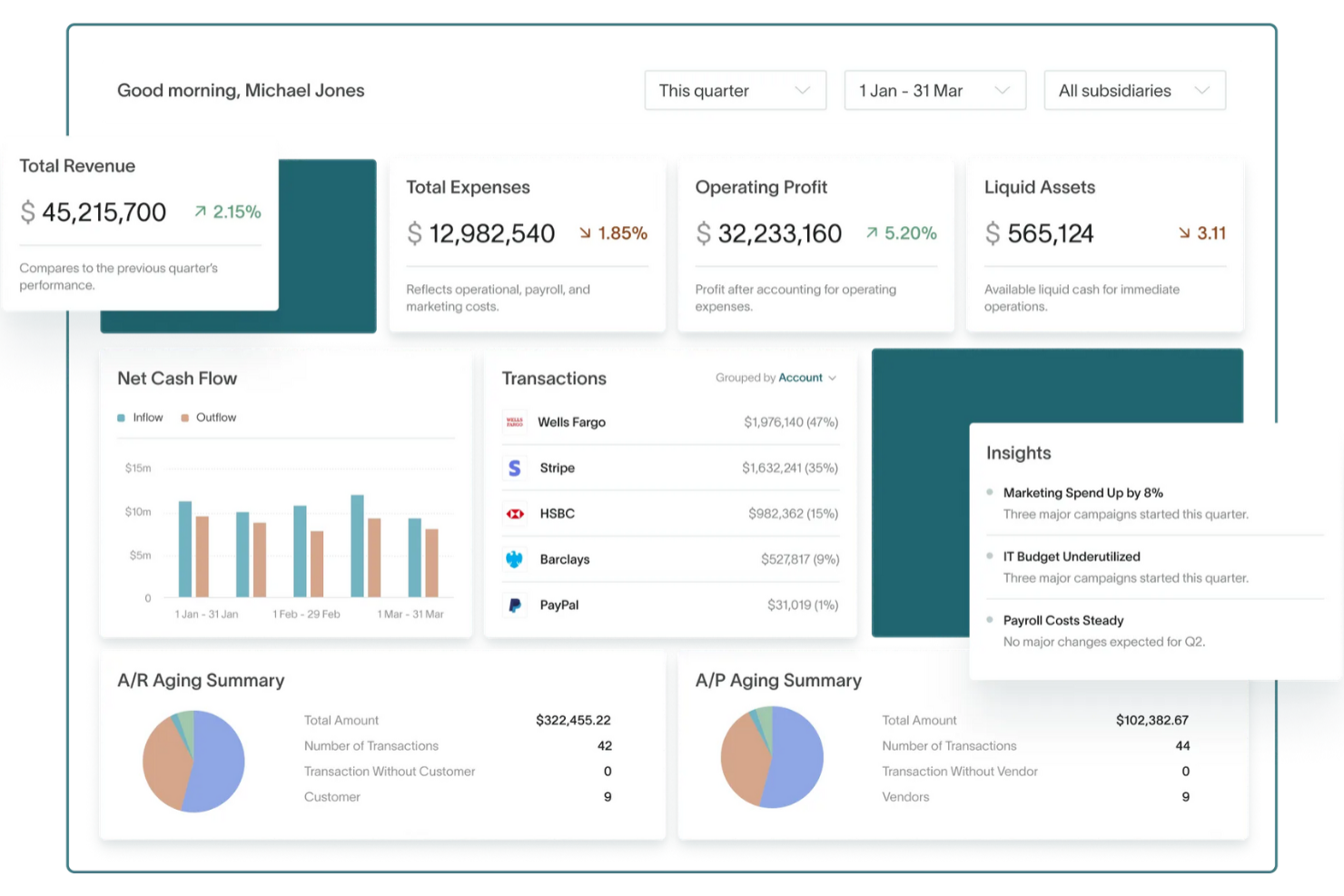
DualEntry es un ERP nativo de IA diseñado para empresas medianas que han superado las herramientas contables básicas. Ayuda a los equipos a gestionar operaciones financieras complejas y a escalar de manera eficiente.
Por qué elegí DualEntry: Elegí DualEntry porque está creado para la colaboración en equipo, ofreciendo acceso en la nube para múltiples usuarios, automatizaciones impulsadas por IA y controles de aprobación basados en roles para ayudar a los equipos a mantenerse alineados mientras gestionan grandes volúmenes de transacciones. Su coincidencia de transacciones impulsada por IA es una característica destacada, ya que acelera las conciliaciones y ayuda a los equipos a cerrar los libros más rápidamente con menos pasos manuales. DualEntry también gestiona operaciones financieras complejas como la consolidación de múltiples entidades, la gestión de varias monedas y el reconocimiento avanzado de ingresos, lo que lo convierte en una excelente opción para equipos en crecimiento con necesidades financieras sofisticadas.
Características e integraciones destacadas:
Entre sus características se incluye la conciliación bancaria automática para emparejar transacciones rápidamente, controles de aprobación basados en roles para el cumplimiento, y paneles de informes en tiempo real que ayudan a los equipos a monitorear el desempeño financiero. DualEntry también ofrece configuraciones personalizables del libro mayor con clasificaciones ilimitadas y registros de auditoría integrados para una trazabilidad continua.
Las integraciones incluyen BambooHR, Bill.com, Brex, Deel, Google SSO, Gusto, HubSpot, Ramp, Rippling, Salesforce, Stripe Billing y Stripe Invoicing.
Pros and Cons
Pros:
- El reconocimiento de ingresos automatizado garantiza el cumplimiento de las normas
- Soporta operaciones multi-entidad y multimoneda
- Las funciones avanzadas de IA ayudan con tareas contables complejas
Cons:
- Como ERP, puede ofrecer más funciones de las necesarias para necesidades contables más simples
- Las opciones de personalización requieren una configuración cuidadosa

DOKKA
Mejor para extracción automática de datos de facturas

DOKKA está diseñado para equipos de finanzas y contabilidad que necesitan gestionar facturas entrantes, extraer datos y dirigir documentos a través de flujos de aprobación. Combina el almacenamiento de documentos con la captura y validación de datos de facturas.
¿Para quién es mejor DOKKA?
DOKKA es una excelente opción para equipos de contabilidad en empresas medianas que necesitan automatizar flujos de trabajo de documentos y centralizar la gestión de facturas.
Por qué elegí DOKKA
Destacó por la manera en que gestiona el flujo completo de recepción de facturas: desde la captura de documentos vía correo electrónico o carga manual, hasta la validación de los campos extraídos y el señalamiento de discrepancias. El enfoque en la revisión antes de contabilizar ayuda a reducir errores en el libro mayor, un punto de fricción común en herramientas de automatización de cuentas por pagar que dependen demasiado de la contabilización automática.
Características clave de DOKKA
- Gestión documental: Almacena, organiza y recupera documentos contables en un entorno seguro en la nube.
- Herramientas de colaboración: Asigna tareas, agrega comentarios y comparte documentos con miembros del equipo directamente en la plataforma.
- Rastro de auditoría: Supervisa cada acción realizada sobre los documentos para cumplimiento y transparencia.
- Automatización de flujos de trabajo personalizados: Configura aprobaciones y rutas de documentos adaptadas a los procesos de tu equipo.
Integraciones de DOKKA
DOKKA ofrece integraciones nativas con SAP, NetSuite, Priority, QuickBooks Online, Xero, Sage, Microsoft Dynamics 365 y FreshBooks, y se conecta con Zapier. Hay una API disponible para integraciones personalizadas.
Pros and Cons
Pros:
- El rastro de auditoría integrado registra cada cambio en los documentos
- Flujos de aprobación personalizados que se adaptan a estructuras de equipos complejas
- Notificaciones en tiempo real para actualizaciones de estado de documentos
Cons:
- Personalización limitada para plantillas de documentos
- La funcionalidad de la aplicación móvil es actualmente limitada

Ideal para contabilidad automatizada y soporte fiscal
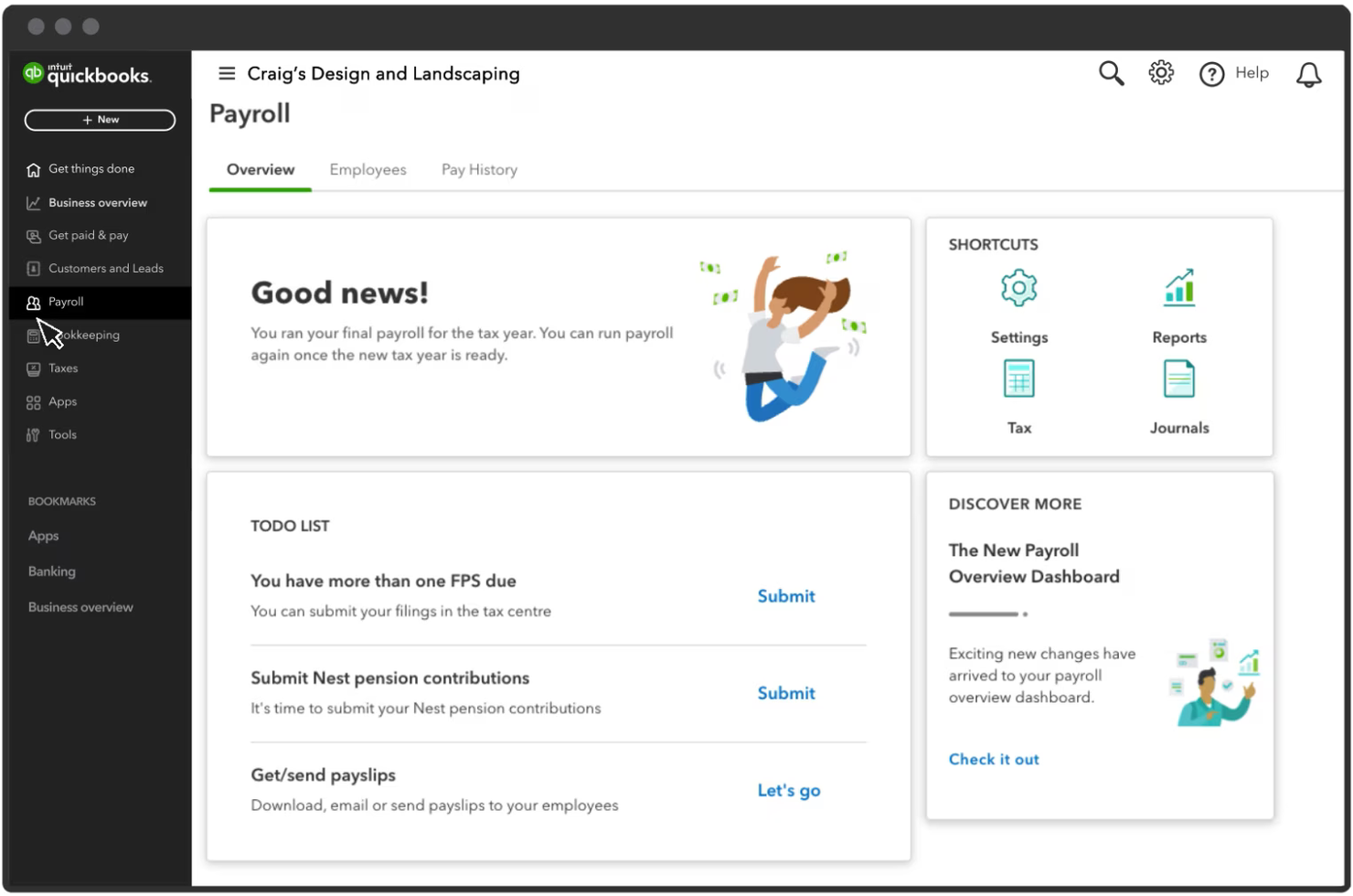
QuickBooks ofrece una variedad de herramientas de gestión financiera diseñadas para empresas, incluyendo QuickBooks Online, QuickBooks Self-Employed y QuickBooks Desktop. Cuenta con funciones como contabilidad automatizada, facturación, procesamiento de pagos y elaboración de informes financieros.
Por qué elegí QuickBooks: QuickBooks automatiza tu contabilidad y te ayuda a realizar un seguimiento de los ingresos y gastos sin esfuerzo. Puedes gestionar tus facturas y aceptar pagos de manera sencilla, lo que facilita mantener el control de tu flujo de caja. La plataforma también ofrece seguimiento de deducciones fiscales, lo que es importante para una contabilidad precisa. Además, soporta múltiples monedas e integra canales de ventas en línea para optimizar tus operaciones.
Características destacadas & integraciones:
Las características incluyen contabilidad automatizada, facturación, procesamiento de pagos y seguimiento de deducciones fiscales. También puedes capturar recibos y registrar kilometraje, lo cual ayuda a gestionar los gastos con precisión. La plataforma también ofrece herramientas para rentabilidad de proyectos y gestión de inventario, agregando un valor significativo a tu negocio.
Las integraciones incluyen TurboTax, TSheets, QuickBooks Payroll, QuickBooks Payments, Square, Shopify, PayPal, Stripe, WooCommerce y Amazon Business.
Pros and Cons
Pros:
- Herramientas de rentabilidad de proyectos
- Soporte para múltiples monedas
- Contabilidad automatizada
Cons:
- Gestión manual de impuestos locales
- Funciones móviles limitadas

Xero
Ideal para colaboración en tiempo real con contadores
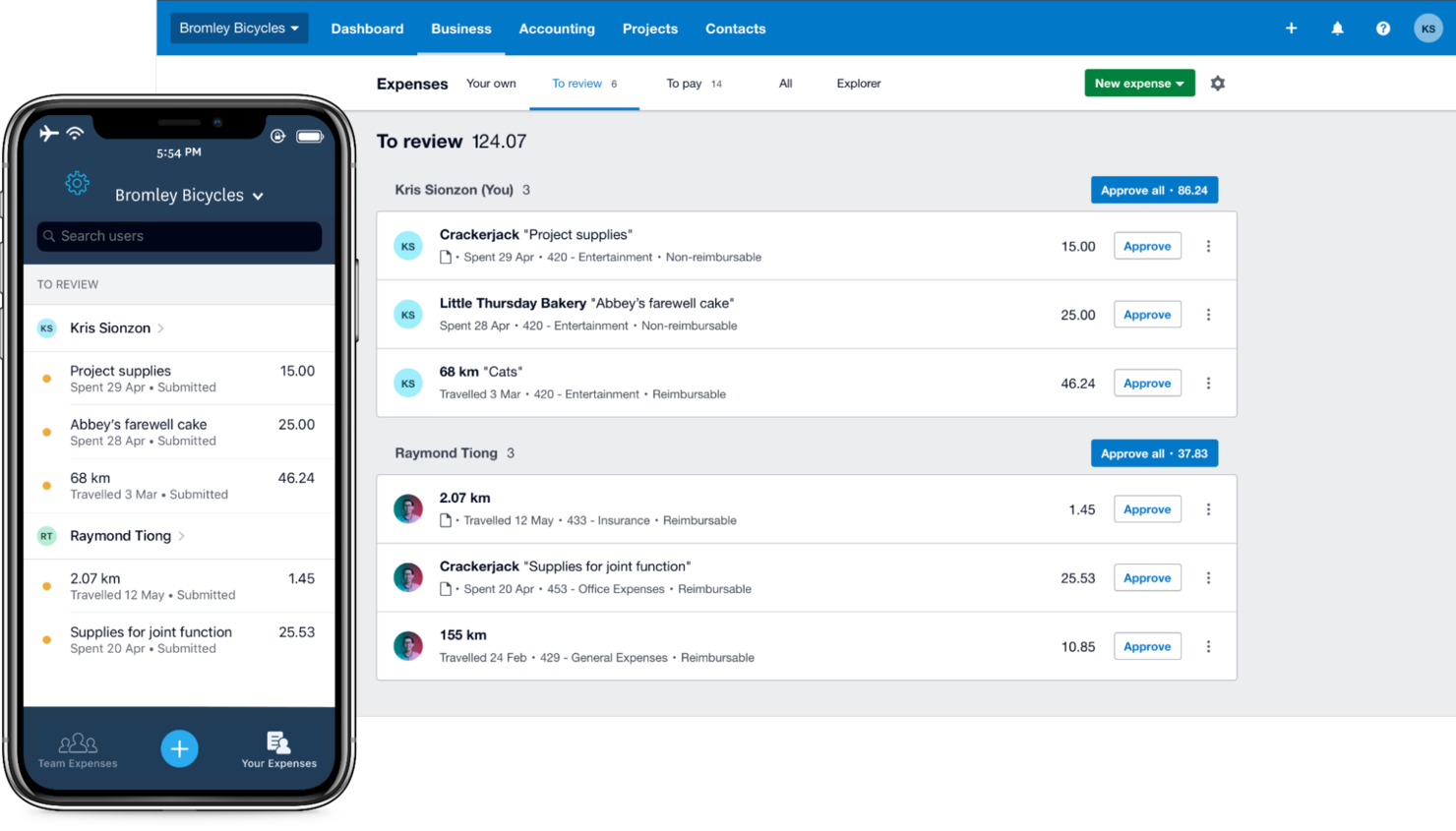
Xero es un software de contabilidad diseñado para pequeñas empresas, contadores y asesores fiscales. Ofrece funciones como facturación, gestión de gastos y control del flujo de caja.
Por qué elegí Xero: La función de facturación de Xero te permite enviar facturas personalizadas y recibir pagos en línea. La gestión de gastos te ayuda a capturar y clasificar recibos en cualquier momento, asegurando que todos los gastos sean registrados. El control del flujo de caja te da una visión en tiempo real de tus finanzas, ayudándote a tomar decisiones financieras informadas. Xero es personalizable para diferentes necesidades empresariales, lo que lo hace adaptable tanto si estás en el sector minorista como si eres autónomo.
Funciones y integraciones destacadas:
Las funciones incluyen facturación, gestión de gastos y nómina. Puedes enviar facturas personalizadas y recibir pagos en línea, capturar y clasificar recibos al instante, y gestionar la nómina de manera eficiente. El software también ofrece control de flujo de caja, proporcionando una visión en tiempo real de tus finanzas.
Las integraciones incluyen HubSpot, Shopify, Stripe, PayPal, Mailchimp, Square, Gusto, Bill.com, Zendesk y Expensify.
Pros and Cons
Pros:
- Soporte multicurrency
- Flujo de caja en tiempo real
- Informes personalizables
Cons:
- Curva de aprendizaje más pronunciada
- Permisos de usuario limitados

Wave
Mejor para herramientas gratuitas de gestión financiera para pequeñas empresas
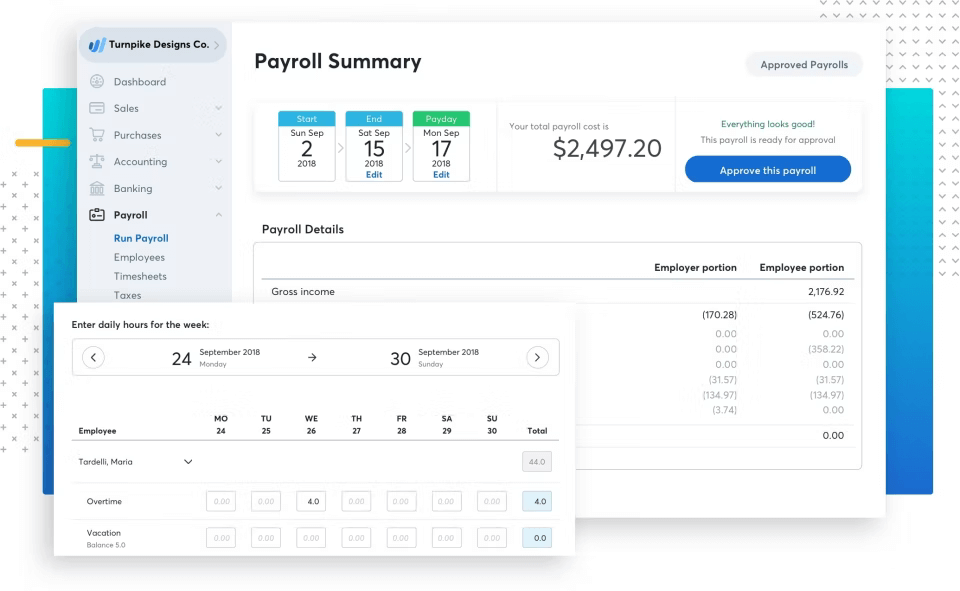
Wave es un software de gestión financiera diseñado para propietarios de pequeñas empresas. Ofrece herramientas para la contabilidad, la facturación, los pagos y la gestión de nóminas.
Por qué elegí Wave: Wave ofrece herramientas de contabilidad, facturación y seguimiento de recibos completamente gratuitas, sin limitaciones de funciones como muchas otras plataformas. Su interfaz fácil de usar y la integración fluida con bancos hacen que sea sencillo gestionar transacciones y reportes financieros, proporcionando herramientas financieras esenciales sin tarifas de suscripción. Además, Wave incluye colaboración multiusuario sin complicaciones, permitiendo que los miembros del equipo gestionen las finanzas, envíen facturas y controlen gastos en tiempo real y de manera conjunta.
Funciones destacadas e integraciones:
Las funciones incluyen contabilidad real de doble entrada, plantillas de facturas personalizables, procesamiento rápido de pagos y gestión de nóminas simplificada.
Las integraciones incluyen Zapier, Google Sheets, PayPal, Etsy, Shoeboxed, BlueCamroo, Aisle Planner y HubSpot.
Pros and Cons
Pros:
- Facturas personalizables
- Gestión financiera integral
- Interfaz fácil de usar
Cons:
- Sin seguimiento de tiempo
- Funciones avanzadas limitadas

Ideal para contabilidad integrada y CRM
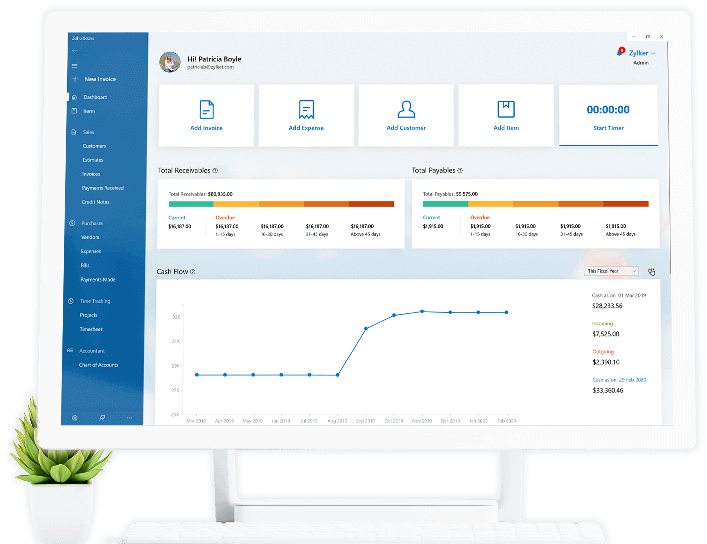
Zoho Books es un software de contabilidad basado en la nube diseñado para empresas pequeñas y medianas. Gestiona funciones empresariales clave como la facturación, la gestión de inventarios y la gestión de proyectos.
Por qué elegí Zoho Books: Zoho Books conecta sin problemas los datos financieros con la gestión de relaciones con los clientes gracias a su integración con Zoho CRM y otras aplicaciones Zoho. Este enfoque unificado permite a las empresas gestionar ventas, interacciones con clientes, facturación y seguimiento financiero todo en un solo lugar, mejorando la eficiencia, la colaboración y la visibilidad en todas las operaciones.
Características destacadas e integraciones:
Las características incluyen facturas personalizables, integración con cuentas bancarias y herramientas de informes completas. Puedes gestionar tu inventario y tus proyectos directamente desde la plataforma. La aplicación móvil asegura que puedas manejar tareas contables dondequiera que estés.
Las integraciones incluyen Zoho CRM, Zoho Inventory, Zoho Expense, Zoho Projects, Zoho Subscriptions, Zoho People, Zoho Analytics, Zoho Checkout, Zoho Sign y Zoho Flow.
Pros and Cons
Pros:
- Informes completos
- Integración con cuenta bancaria
- Facturas personalizables
Cons:
- Integraciones limitadas con terceros
- Curva de aprendizaje moderada

Fulfil
Ideal para visibilidad financiera en tiempo real
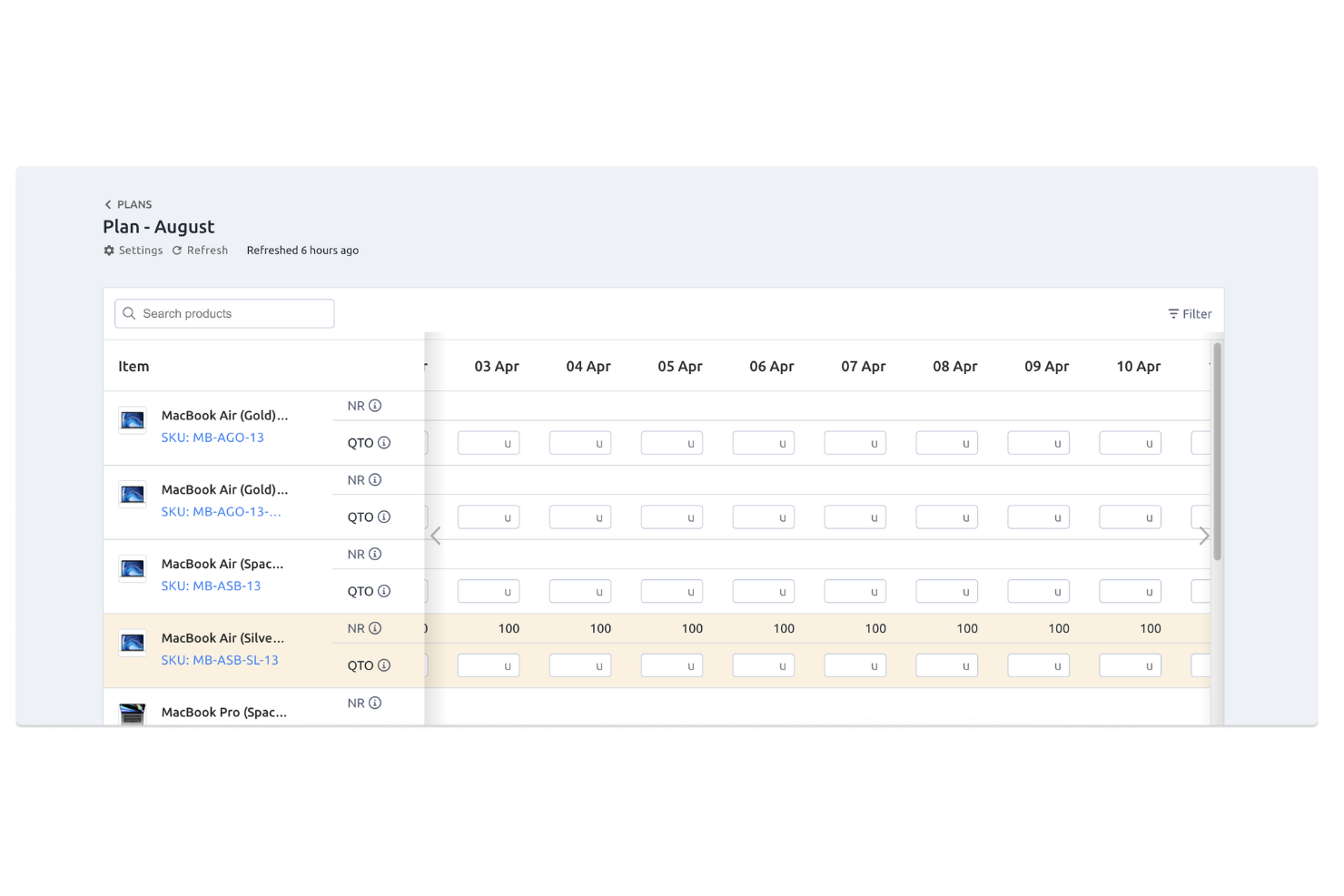
Fulfil.io es una plataforma ERP y de contabilidad nativa con IA, diseñada para empresas de comercio electrónico y mayoristas. Reúne la gestión financiera, el control de inventario y el procesamiento de pedidos en un sistema unificado, brindando a tu equipo una visión clara y actualizada del desempeño de la empresa. Como solución basada en la nube, está construida para escalar con tu negocio mientras mantiene la precisión y el cumplimiento en múltiples canales.
Por qué elegí Fulfil.io: Elegí Fulfil.io porque proporciona visibilidad financiera en tiempo real en todas las áreas de tu negocio. Puedes rastrear los ingresos, conciliar transacciones de procesadores de pago como Stripe o PayPal, y visualizar balances precisos que se actualizan automáticamente. Esto facilita que tu equipo de contabilidad tome decisiones basadas en datos de manera rápida. También me gustó que la plataforma automatiza flujos de trabajo complejos, como cuentas por pagar, cuentas por cobrar y la gestión fiscal, lo que ahorra tiempo y reduce el riesgo de errores manuales.
Funciones y conectores destacados de Fulfil.io:
Funciones incluyen la conciliación automática de pagos, informes financieros impulsados por IA y soporte para transacciones en múltiples monedas. El sistema también automatiza el reconocimiento de ingresos y el cumplimiento fiscal mediante integraciones con Avalara y TaxJar, ayudando a tu equipo a mantener la precisión y el cumplimiento.
Integraciones incluyen Amazon, Shopify, eBay, FedEx, UPS, PayPal, Stripe, Avalara, Brex, Klarna, DHL y TikTok Shop.
Pros and Cons
Pros:
- Visibilidad contable en tiempo real
- Herramientas de conciliación automatizada
- Integraciones sólidas con eCommerce
Cons:
- Sin módulo de nómina
- Requiere conexión estable a internet


Sage Intacct es un software de gestión financiera y contabilidad basado en la nube dirigido a empresas medianas. Maneja finanzas principales, nómina, recursos humanos e informes avanzados, adaptándose a sectores como la salud, la construcción y el comercio minorista.
Por qué elegí Sage Intacct: Sage Intacct ofrece informes y paneles multidimensionales en tiempo real, lo que te ayuda a tomar decisiones basadas en datos. La plataforma incluye herramientas con inteligencia artificial para automatizar tareas contables, ahorrando tiempo a tu equipo. También soporta consolidaciones de múltiples entidades, facilitando la gestión de estructuras empresariales complejas. Además, puedes integrarlo con diversas herramientas de negocios para mejorar la productividad.
Funciones destacadas e integraciones:
Las funciones incluyen informes en tiempo real y multidimensionales, automatización contable impulsada por inteligencia artificial y consolidaciones de múltiples entidades. También puedes gestionar tareas de nómina y recursos humanos de manera eficiente, y la plataforma proporciona paneles informativos para una mejor toma de decisiones.
Las integraciones incluyen Salesforce, ADP, Bill.com, Expensify, Stripe, Avalara, PayPal, Shopify, Square y Workday.
Pros and Cons
Pros:
- Consolidación multi-entidad
- Automatización con IA
- Informes en tiempo real
Cons:
- Curva de aprendizaje pronunciada
- Implementación prolongada

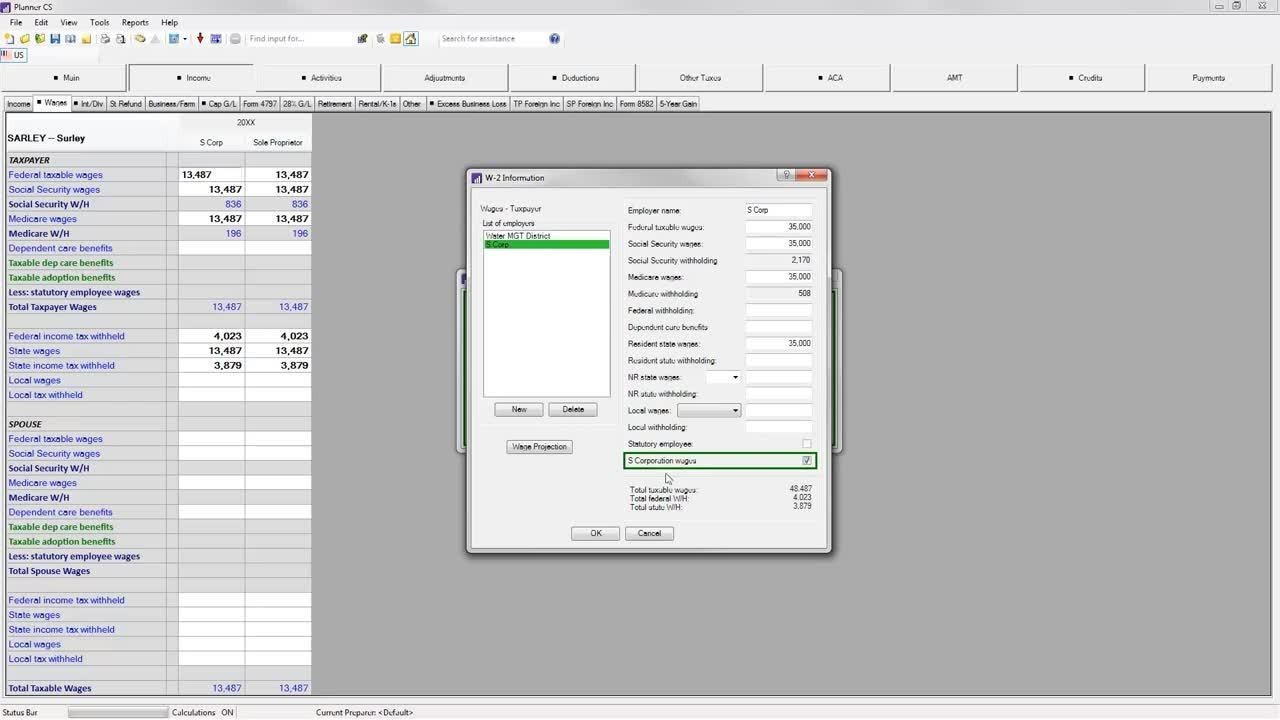
CS Professional Suite es una solución de software integrada diseñada para profesionales de impuestos y contabilidad. Ofrece herramientas para la planificación fiscal, preparación, cumplimiento e investigación.
Por qué elegí CS Professional Suite: CS Professional Suite proporciona funciones para gestionar tareas de contabilidad, nómina y auditoría, facilitando a tu equipo el manejo de flujos de trabajo financieros complejos. Se integra con UltraTax CS para la preparación de impuestos y Checkpoint Edge para la investigación, asegurando que todas tus necesidades se cubran en un solo lugar. Con portales para clientes, gestión documental y acceso remoto, la colaboración con clientes se vuelve sencilla y flexible.
Funciones destacadas e integraciones:
Funciones incluyen soluciones de contabilidad y auditoría, herramientas de gestión fiscal y de activos, soluciones de nómina, gestión de la firma y de flujos de trabajo, gestión documental y portales para clientes. Estas funciones ayudan a tu equipo a gestionar tareas financieras, colaborar con los clientes y acceder a los datos de forma remota.
Integraciones incluyen UltraTax CS, Checkpoint Edge, Accounting CS, Practice CS, Fixed Assets CS, Workpapers CS, Financial Analysis CS y NetClient CS.
Pros and Cons
Pros:
- Opciones de acceso remoto
- Sólida automatización
- Amplia gama de funciones
Cons:
- Configuración compleja
- Curva de aprendizaje pronunciada

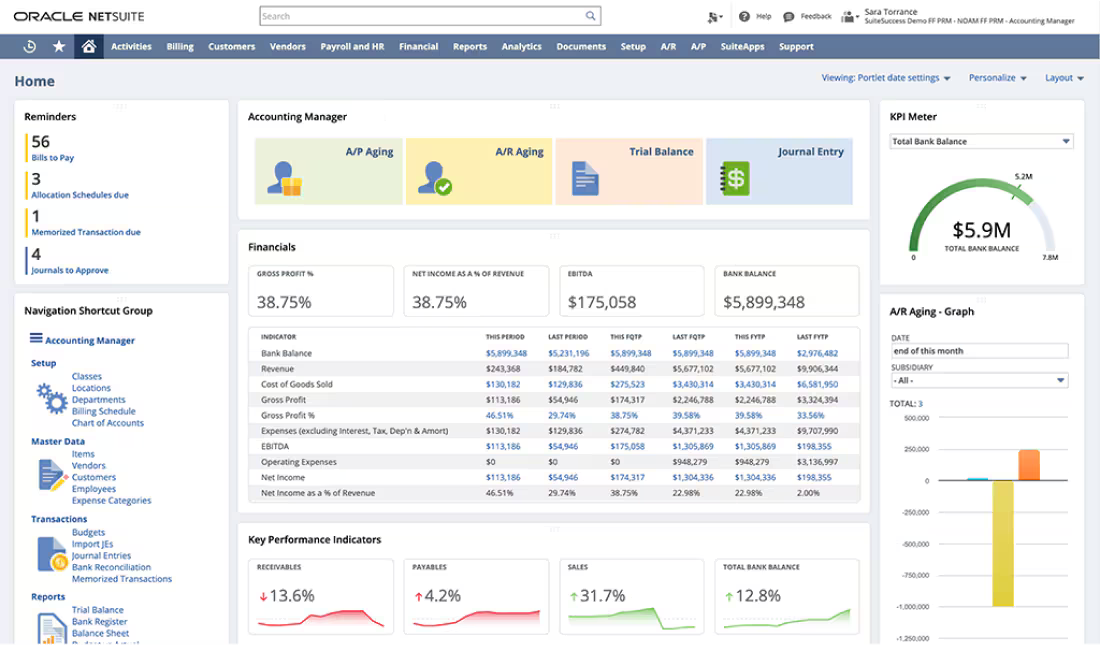
NetSuite es una avanzada suite de gestión empresarial basada en la nube que incluye soluciones de ERP, gestión financiera, CRM y comercio electrónico. Atiende a una diversa base de usuarios en varias industrias como manufactura, comercio minorista, atención médica y servicios profesionales, desempeñando funciones clave como la gestión de inventario y pedidos, gestión empresarial global, gestión del capital humano y analítica.
Por qué elegí NetSuite: NetSuite ofrece un conjunto integral de herramientas para gestión financiera, CRM, inventario, comercio electrónico y más, todo integrado en una única plataforma. Este enfoque centralizado permite a las empresas optimizar operaciones, mejorar la visibilidad y tomar decisiones basadas en datos en tiempo real, lo que la hace especialmente adecuada para empresas en crecimiento que necesitan una solución escalable. Además, su sólida infraestructura en la nube garantiza acceso seguro y flexibilidad para equipos en diferentes ubicaciones.
Características y integraciones destacadas:
Características incluyen gestión de inventario y pedidos, gestión global del negocio, gestión del capital humano y analítica. Puedes rastrear y cumplir pedidos fácilmente, manejar operaciones internacionales y obtener información sobre el desempeño de la fuerza laboral. Además, las características de analítica de la plataforma te ayudan a medir métricas clave del negocio.
Integraciones incluyen Microsoft, Google, Shopify, Salesforce, Magento, WooCommerce, HubSpot, Dropbox, Slack y Zendesk.
Pros and Cons
Pros:
- Escalable para empresas en crecimiento
- Amplias herramientas de informes
- Tableros personalizables
Cons:
- Funcionalidad offline limitada
- Interfaz de usuario compleja
Otros programas de contabilidad para equipos
Aunque no han entrado en mi lista de los 10 mejores, siguen siendo opciones valiosas que merece la pena conocer:
- Sage 50
Ideal para contabilidad de escritorio con conectividad en la nube
- AccountEdge
Ideal para contabilidad de escritorio integral
- TrulySmall
Ideal para facturación personalizable en pequeñas empresas
- Dynamics 365 Business Central
Ideal para integrar la contabilidad con herramientas de Microsoft


Cómo evalúo el software de contabilidad para equipos
Divido mi evaluación en dos capas: el nivel básico que toda herramienta debe cumplir—GL multiusuario, permisos basados en roles, flujos de trabajo compartidos de cuentas por pagar/cobrar—y los diferenciadores que separan lo bueno de lo excelente.
Funcionalidad principal (Requisitos mínimos para esta lista)
Cuando selecciono herramientas para mi lista, califico cada una en una escala del 0 (no ofrece la funcionalidad) al 5 (sobresale en esta área) para cada funcionalidad principal que se indica a continuación. Luego, calculo la puntuación total de la herramienta como un porcentaje. Cada herramienta debe lograr una puntuación total mínima del 65% para ser considerada para su inclusión.
- Colaboración multiusuario y roles: Verifico si varios miembros del equipo pueden trabajar en el mismo libro contable simultáneamente con permisos basados en roles—por ejemplo, un contador registrando transacciones mientras un controlador revisa y aprueba asientos.
- Motor contable principal: Cada herramienta que evalúo necesita un libro mayor de doble entrada adecuado, un plan de cuentas configurable y estados financieros estándar como el P&G, balance general y flujo de efectivo.
- Flujos de trabajo de CxP y CxC: Busco canales compartidos de cuentas por pagar y cobrar donde una persona ingresa una factura de proveedor, otra la aprueba y una tercera libera el pago—todo dentro del mismo sistema.
- Conciliación bancaria y conexiones: Las conexiones bancarias en tiempo real y las reglas de conciliación automática son importantes aquí, especialmente para equipos que dividen tareas de conciliación entre cientos de transacciones cada mes.
- Pista de auditoría y permisos: La herramienta debe registrar quién cambió qué y cuándo a nivel de campo, de modo que un controlador o auditor externo pueda rastrear cualquier asiento hasta el usuario que lo realizó.
- Informes financieros y gestión del cierre: Evalúo si la plataforma permite informes personalizables, tableros compartidos y herramientas para el cierre de periodo que permitan a un líder de equipo rastrear la finalización de tareas durante todo el ciclo de cierre.
Una vez que tengo una lista de herramientas que cumplen estos criterios, considero qué distingue a cada plataforma.
Factores diferenciadores (Lo que distingue a los proveedores)
Así es como comparo y contrasto diferentes proveedores:
Características destacadas
La consolidación multiempresa es clave para equipos que gestionan más de una entidad legal. Busco plataformas que manejen eliminaciones entre empresas y consoliden los estados financieros sin obligar a usar hojas de cálculo. La gestión de flujos de trabajo y tareas también es importante—listas de verificación y colas de revisión facilitan que un líder de equipo lleve el control de lo que se ha completado durante el cierre de fin de mes. La categorización impulsada por IA también vale la pena evaluarla, especialmente para equipos con alto volumen de operaciones, donde la autocodificación de transacciones y la detección de anomalías ahorran horas de ingreso manual cada periodo.
Más allá de las características
Los ecosistemas de integración son importantes porque tu plataforma de contabilidad se ubica en el centro de tu pila tecnológica. Evalúo si una herramienta se conecta de forma nativa con sistemas de nómina, gestión de gastos y CRM en los que tu equipo ya confía. La estructura de precios es otro factor que considero—los costos por usuario pueden aumentar rápidamente en un equipo en crecimiento, así que reviso si los proveedores ofrecen tarifas planas o licencias específicas por firma. También considero el soporte de incorporación, especialmente la migración de datos guiada desde sistemas heredados, ya que una transición desordenada durante un ciclo de cierre puede retrasar a un equipo por semanas.
Cómo elegir un programa de contabilidad para equipos
Sé lo abrumador que puede resultar buscar un programa. Para no perder el foco, utilizo esta lista de comprobación rápida que me ayuda a acotar las mejores opciones de programas de contabilidad para equipos:
| Factor | Qué tener en cuenta |
| Escalabilidad | ¿El programa crecerá a medida que evolucionen las necesidades de tu equipo? |
| Integraciones | ¿Se integra con las herramientas que tu equipo ya utiliza (es decir, un ERP o un CRM)? |
| Personalización | ¿Se puede adaptar el programa para satisfacer tus requisitos específicos? |
| Facilidad de uso | ¿El programa es fácil de usar para los miembros de tu equipo? |
| Presupuesto | ¿El programa se ajusta a tus limitaciones presupuestarias? |
| Medidas de seguridad | ¿El programa ofrece funciones de seguridad sólidas? |
| Asistencia | ¿La atención al cliente está disponible y es útil? |
| Informes | ¿El programa proporciona los informes y análisis que necesitas? |
Tendencias en los programas de contabilidad para equipos
Mientras investigaba los mejores programas de contabilidad para equipos, revisé una gran cantidad de actualizaciones de productos, notas de lanzamiento y noticias de prensa. ¿La gran tendencia? Más funciones para el acceso compartido, los permisos basados en roles y la colaboración en tiempo real. Pero aquí tienes algunas más que recomiendo analizar con mayor detenimiento:
- Análisis impulsado por IA: Las herramientas incorporan cada vez más IA para proporcionar análisis de datos y previsiones avanzados. Esto ayuda a los equipos a realizar predicciones financieras y obtener información más precisa.
- Integración de cadenas de bloques: Algunos programas de contabilidad ahora incluyen tecnología de cadenas de bloques para mejorar la transparencia y la seguridad de las transacciones financieras. Esto resulta especialmente útil para los equipos que gestionan grandes volúmenes de transacciones.
- Funciones de colaboración en tiempo real: Las nuevas funciones permiten a los miembros del equipo colaborar en la gestión de documentos financieros, reduciendo los retrasos y mejorando la precisión. Por ejemplo, QuickBooks Online ha añadido funciones de edición y comentarios en tiempo real para documentos financieros.
- Paneles personalizados: Cada vez más plataformas ofrecen paneles personalizables, lo que permite a los miembros del equipo adaptar su vista a métricas y KPI específicos. Por ejemplo, Sage Intacct proporciona paneles altamente personalizables, que permiten a los usuarios centrarse en los datos que más les importan.
- Herramientas de cumplimiento mejoradas: Ante unas normativas en constante cambio, los programas se centran en proporcionar herramientas que ayuden a los equipos a cumplir las normas más recientes. Por ejemplo, MIP Contabilidad de fondos ofrece amplias funciones de cumplimiento para garantizar que los equipos puedan adaptarse fácilmente a las nuevas normativas financieras. Esto también resulta beneficioso durante la temporada fiscal.
¿Qué es un programa de contabilidad para equipos?
El programa de contabilidad para equipos es una herramienta colaborativa de gestión financiera diseñada para optimizar la contabilidad, la elaboración de informes y el seguimiento de gastos entre departamentos.
Permite a varios usuarios —como contables públicos certificados o contables, gerentes y personal de operaciones— acceder a los datos financieros y gestionarlos en tiempo real, reduciendo los cuellos de botella y aumentando la precisión. Los equipos, tanto en el ámbito B2C como en el ámbito B2B, utilizan este programa para centralizar los flujos de trabajo, automatizar tareas repetitivas y mantener el cumplimiento normativo mientras amplían sus operaciones.
Funciones de los programas de contabilidad para equipos
Al seleccionar un programa de contabilidad para equipos, presta atención a las siguientes funciones clave para facilitar la gestión logística, entre ellas:
- Gestión del libro mayor: Facilita el registro de todas las transacciones financieras en una ubicación centralizada, garantizando la precisión y coherencia de los datos financieros.
- Cuentas por pagar y por cobrar: Gestiona el seguimiento del dinero adeudado a los proveedores y por los clientes, ayudando a mantener el flujo de caja y la estabilidad financiera. Esto resulta valioso para la mayoría de las empresas, pero especialmente para las que operan en sectores agrícolas.
- Informes financieros: Genera informes financieros completos que ofrecen información sobre la salud financiera de la empresa y ayudan en la toma de decisiones.
- Conciliación bancaria: Compara las transacciones registradas en el programa de contabilidad con las de los extractos bancarios para garantizar la coherencia y la precisión.
- Presupuestación y previsiones: Permite crear y supervisar presupuestos y previsiones financieras, ayudando a gestionar la planificación y el rendimiento financieros.
- Gestión fiscal: Ayuda a calcular, presentar y cumplir las obligaciones fiscales, reduciendo el riesgo de errores y sanciones. Esto es fundamental, especialmente para las empresas internacionales.
- Gestión de inventario: Realiza un seguimiento de los niveles de inventario, los pedidos y los procesos de venta, garantizando niveles de existencias óptimos y reduciendo los costes de mantenimiento.
- Procesamiento de nóminas: Automatiza el cálculo y la distribución de los salarios de los empleados, incluidas las deducciones y prestaciones, garantizando una gestión puntual y precisa de las nóminas.
- Seguimiento del tiempo: Supervisa las horas de trabajo de los empleados y la asignación de tiempo a los proyectos, ayudando en el procesamiento de nóminas y la gestión de proyectos.
- Capacidades de integración: Se conecta con otras herramientas y sistemas empresariales, garantizando un flujo de datos fluido y mejorando la eficiencia general. Esto resulta ideal para todo tipo de empresas, pero especialmente para las del sector de la hostelería, como los servicios hoteleros.
Beneficios de los programas de contabilidad para equipos
La implementación de un programa de contabilidad para equipos ofrece varias ventajas para tu equipo y tu empresa. Estas son algunas de las que puedes esperar:
- Mayor precisión: Los cálculos automatizados reducen los errores humanos en los registros financieros.
- Ahorro de tiempo: La introducción automática de datos y la generación de informes liberan tiempo del personal.
- Mejor colaboración: El acceso basado en la nube permite que varios miembros del equipo trabajen simultáneamente con los mismos datos. Algunos programas financieros también ofrecen integraciones con CRM para permitir que los clientes colaboren en documentos y consulten sus finanzas.
- Seguridad mejorada: El cifrado integrado y los controles de acceso protegen la información financiera confidencial.
- Actualizaciones en tiempo real: Las actualizaciones instantáneas garantizan que todos dispongan de los datos financieros más recientes.
- Cumplimiento simplificado: Las funciones de cumplimiento integradas ayudan a satisfacer los requisitos normativos. Esto es importante para todas las empresas, pero especialmente para las empresas más grandes y las organizaciones empresariales.
- Escalabilidad: Adáptese fácilmente a las crecientes necesidades de su empresa sin tener que renovar los sistemas.
Costes y precios del software de contabilidad para equipos
No se trata solo del software de contabilidad para equipos: los precios de la mayoría de los programas pueden variar enormemente. Los costes cambian en función del número de usuarios, las funciones y los complementos. Lo he resumido en una tabla rápida para ayudarle a comparar planes, identificar funciones clave y encontrar la opción que mejor se adapte a la forma de trabajar de su equipo.
Tabla comparativa de planes de software de contabilidad para equipos
| Tipo de plan | Precio medio | Funciones habituales |
| Plan gratuito | $0 | Facturación básica, seguimiento de gastos y acceso para un único usuario |
| Plan personal | $5-$25/usuario/mes | Facturación avanzada, seguimiento automatizado de gastos y acceso para varios usuarios |
| Plan empresarial | $25-$50/usuario/mes | Gestión de proyectos, integración de nóminas y herramientas de generación de informes |
| Plan para empresas | $50 - $100+/usuario/mes | Paneles personalizables, gestor de cuenta dedicado y funciones de seguridad avanzadas |
Preguntas frecuentes sobre el software de contabilidad para equipos
Estas son algunas respuestas a preguntas frecuentes sobre el software de contabilidad para equipos:
¿Qué tan fácil es añadir usuarios a medida que crece el equipo?
La mayoría de los programas de contabilidad permiten añadir usuarios fácilmente a medida que el equipo crece. Normalmente, puede hacerlo desde la configuración de administración del programa. Tenga en cuenta que algunas plataformas pueden cobrar tarifas adicionales por usuario. Consulte siempre las políticas de precios antes de comprometerse.
¿Puede el software de contabilidad realizar un seguimiento de registros financieros independientes para cada departamento?
Sí, muchas soluciones de software de contabilidad ofrecen funciones para realizar un seguimiento de los registros financieros de los distintos departamentos de su organización. Esto suele hacerse mediante etiquetas o categorías. Ayuda a generar informes y presupuestos específicos para cada departamento, haciendo que la gestión financiera sea más detallada y útil.
¿Puede el software de contabilidad gestionar varias divisas?
Muchas soluciones de software de contabilidad están preparadas para gestionar transacciones en varias divisas. Esta función es especialmente útil para las empresas que operan a escala internacional. Normalmente, puede establecer la divisa base y añadir otras divisas según sea necesario. Los tipos de cambio suelen actualizarse automáticamente, lo que simplifica el proceso.
¿Hay asistencia al cliente disponible para el software de contabilidad?
Sí, normalmente hay asistencia al cliente disponible para la mayoría de las soluciones de software de contabilidad. Las opciones de asistencia pueden incluir chat en directo, correo electrónico, asistencia telefónica y amplias bases de conocimientos. Algunas plataformas también ofrecen gestores de cuenta dedicados para equipos grandes o planes premium. Consulte siempre las opciones de asistencia disponibles para asegurarse de que satisfacen las necesidades de su equipo.